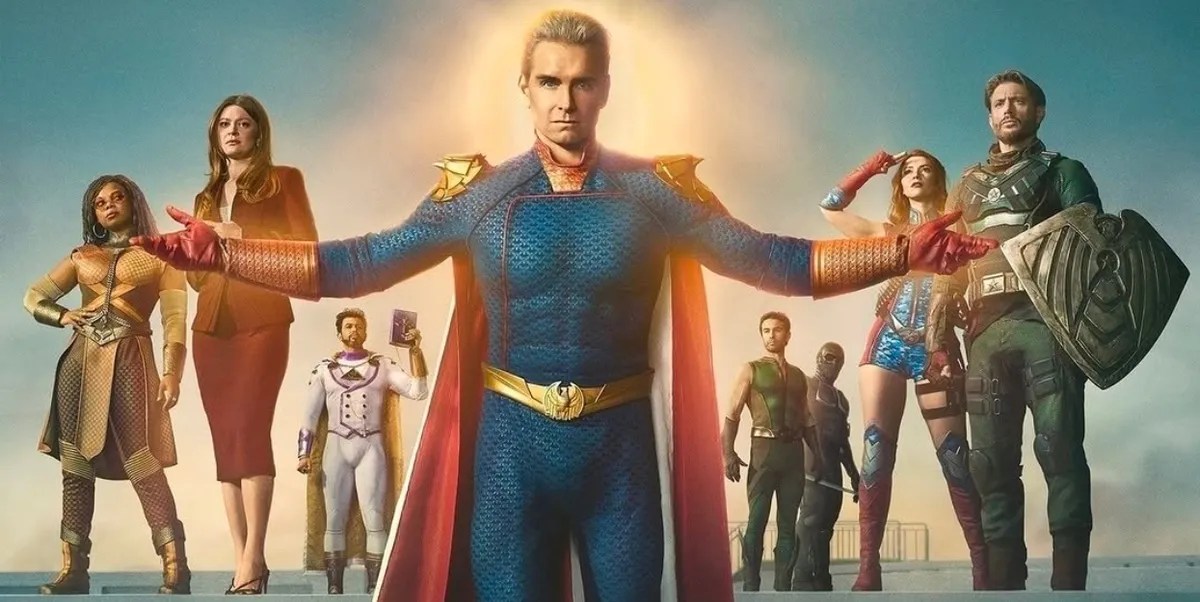
In an age where the superhero blockbuster was truly the top dog of the box office world, and every studio was trying to catch up with the success of the Marvel Cinematic Universe, Amazon Prime’s The Boys was a case of fresh air for the superhero genre. On release in 2019, DC’s attempt at a cinematic universe was still trucking along as it moved past the loss of Zack Snyder, The Fox X-Men franchise came to an end with Disney purchasing the company, and Sony were beginning their attempts at a new Spider-Man less cinematic venture after Venom. The Boys launched all its first season episodes on one day and showed an interesting satire that seemed to ground the superhero tropes into the real world, turning these icons into flawed humans who serve as the show’s antagonists. Based on Garth Ennis’ comic of the same name, the comic was initially set for a film trilogy from director Adam McKay attached to direct when entering development in 2008 but was eventually reworked with Seth Rogen and Evan Goldberg initially attached to direct a pilot episode.
The show we eventually got was formed by showrunner Eric Kripke, as he set out a five-season plan which has finally come to an end this week. The show released to massive acclaim, and with the movement to weekly episodes in the second season, became an internet phenomenon. Endings can always be a tricky topic when crafting a show, and the show’s fifth season has become a media frenzy of mixed opinions, with some fans even comparing it to finales like Game of Thrones and Stranger Things. Though the show never reaches the levels of those finales, the final season is truly a mixed bag in how it ends its various characters’ stories, and worth a thorough discussion into why it both works and does not.
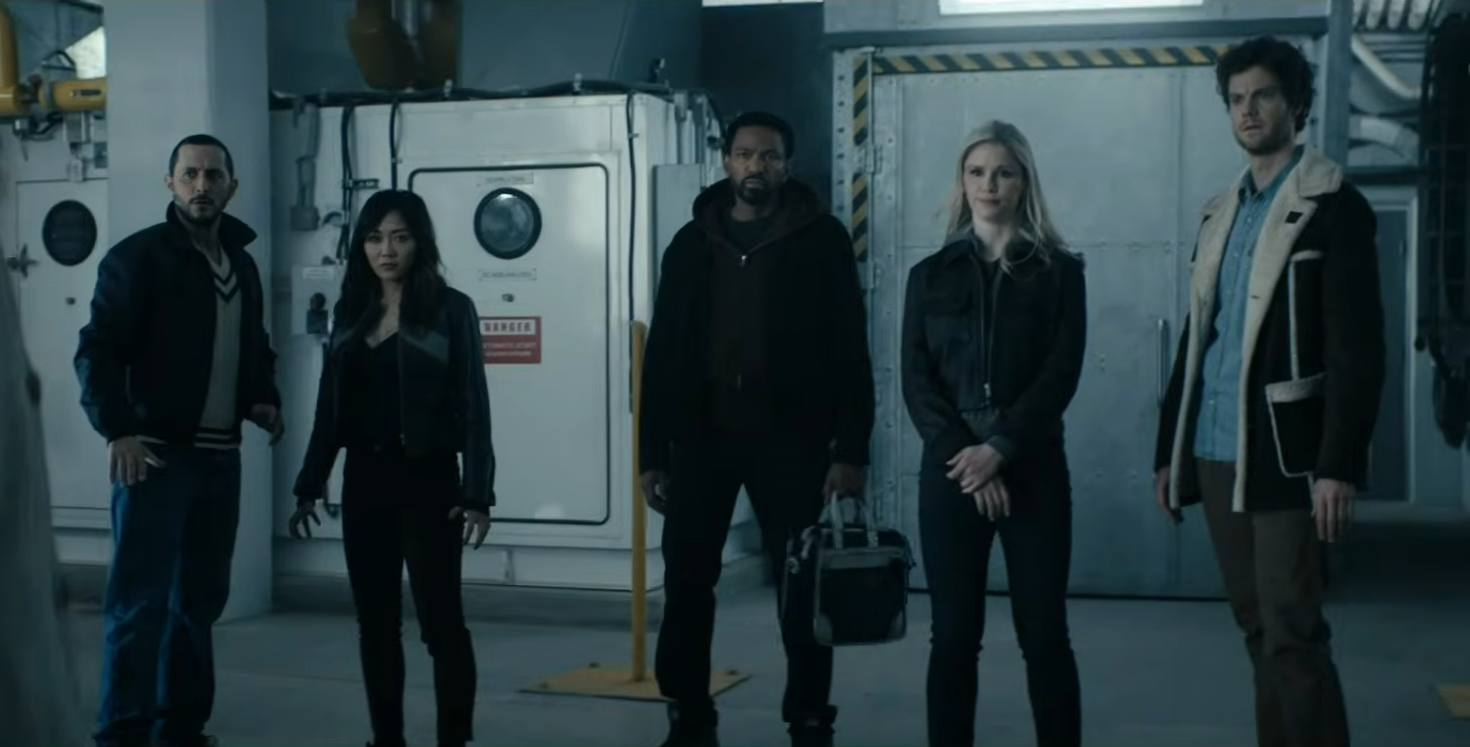
The Boys exists in a world where superheroes are public idols, run by a company known as Vought International, where heroes’ superpowered adventures are staged and commercialised, and the company allows them to get away with misdeeds. Led by Homelander, the most powerful superhero, The Seven serves as the most popular superhero team and the focus of a group of vigilantes who are attempting to stop them. Billy Butcher, a former CIA operative who has a personal vendetta against Homelander, serves as the leader of the group which shares the name with the series, as they attempt to bring down every superpowered individual. By the fifth season, the world has changed as Homelander takes control over Vought himself and has gained enough power to take control of the President. The Boys have been betrayed by Butcher, who had gone mad with a new superpowered tumour, and now see themselves having to face Homelander in a final battle. The biggest thing that has changed in the years between the five seasons, is the expansion of the show into a franchise. An animated spin-off anthology series released in 2022, mere months before the season 3 premiere, known as The Boys Presents: Diabolical. The first live-action spinoff series aired the following year, known as Gen V, with its first season bridging the gap between the main show’s third and fourth season, and the second season bridging the gap between the fourth and fifth seasons. Marketed as necessary to complete the story of the main show, and featuring various cameos from characters from The Boys, it opened the door for The Boys to become what it was critiquing.
The focus of the show was on political satire, from Homelander being a clear Donald Trump parody to superheroes standing in for celebrities and rabid fans focused on them, but it was also a parody on the superhero genre. From a scene which made fun of The Snyder Cut of Justice League, a drawn-out sequence where they made fun of women power sequences in films like Avengers Endgame, to then making fun of franchise announcement presentations that Kevin Fiege would make for the Marvel Cinematic Universe. The original comic was a spoof, written by a person who very clearly wanted to critique Marvel and DC comic characters, and turn them into the most extreme versions he could. The core members of the Seven are spoofs of DC Comics’ Justice League, there is a school of superheroes like Marvel’s X-Men, and Soldier Boy was Ennis’ version of Captain America. Superhero parody is built into the very bones of the show, but the movement between seasons has shown the show slowly becoming what it is spoofing. The sequence making fun of the franchise panels does not work in hindsight when The Boys itself has become a cinematic universe. Two follow-ups are planned now that the main show has concluded, namely Vought Rising and The Boys Mexico. Mexico has been confirmed to take place after the events of the finale, and has minimal set up, but one of the biggest problems that hurts The Boys’ final season is the focus on setting up Vought Rising.
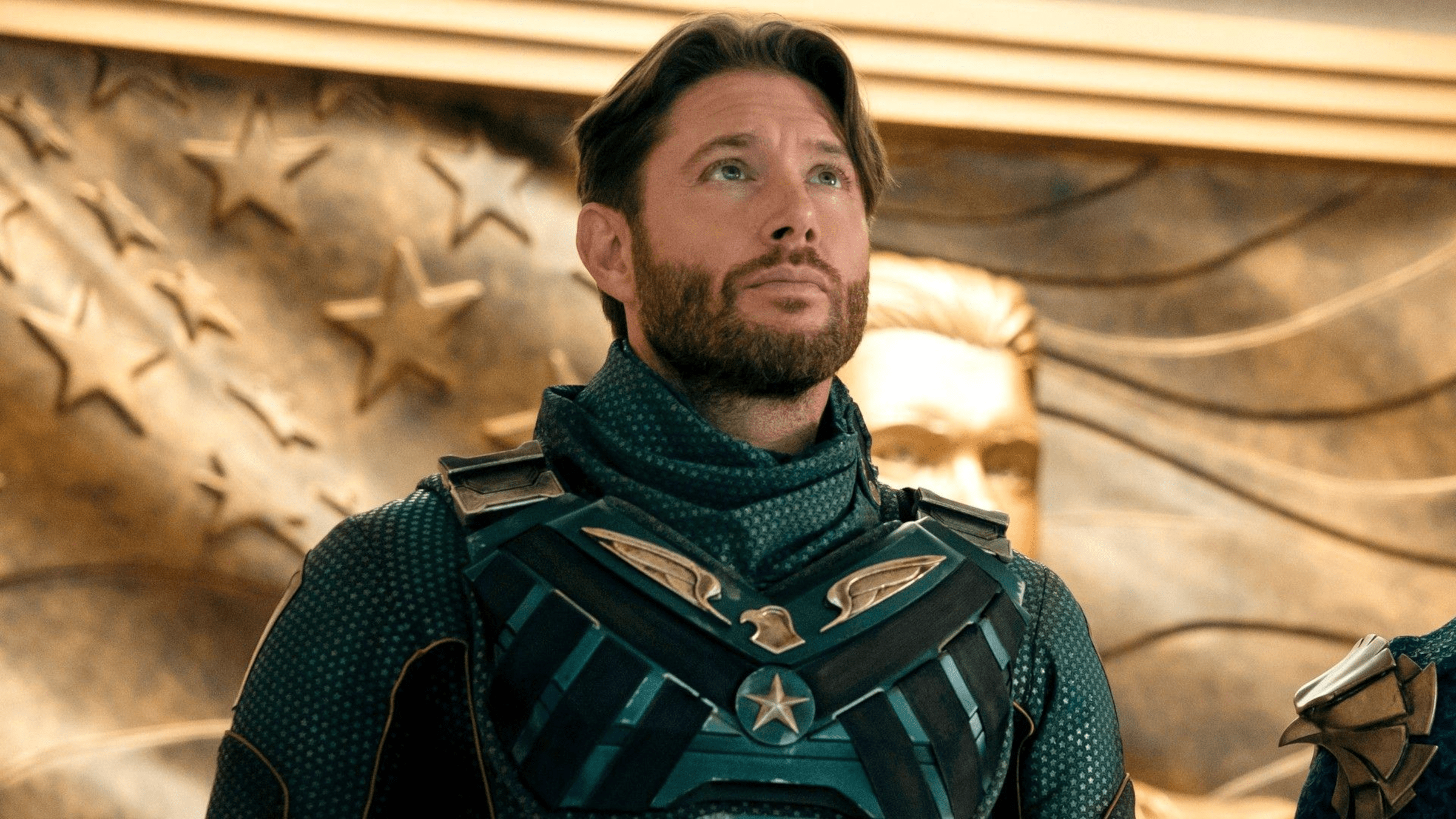
Vought Rising will serve as a prequel series, exploring the founding of Vought and revealing Soldier Boy’s origins, and a ridiculous amount of time is spent in the final season setting up this show. Out of an eight-episode season, four are spent on providing set-up for that series, to the point that the show stops in the sixth episode to feature a fight between a character we have never seen before and Soldier Boy, where they reference events that will not make sense until the prequel airs. Soldier Boy’s fate is even left up in the air in the finale, he is frozen in episode seven and then is never brought up again, clearly to set up some sort of closure in Vought Rising. This leaves this final season not actually feeling like the end, there is not much closure with many characters because of how rushed the entire thing is.
One of the strangest decisions with the season also comes from how superfluous the entire two seasons of Gen V is, a show that was marketed as an important part of the story and crucial to understanding the final season. The show’s characters appear in one scene in the finale, and two in the prior episode, with the main characters ordering them to leave when they have only just appeared. For a show that is moving into a franchise, it feels like a bit of a spit in the face for people invested in the story and the expansion of that very story. A lot of the season is very unsatisfying for how they wrap up things, from episode 5 onwards there is a death every episode, and some of those deaths feel immensely unsatisfying. The deaths of Firecracker and Black Noir feel disordered with the rest of the season, with very little expansion for either character after their introduction in the previous season, making their deaths feel meaningless. Homelander’s relationship with Soldier Boy also suffers from this, their bonding comes out of nowhere and is not consistent episode to episode, where they go from arguing to loving each other from the flip of a hat.
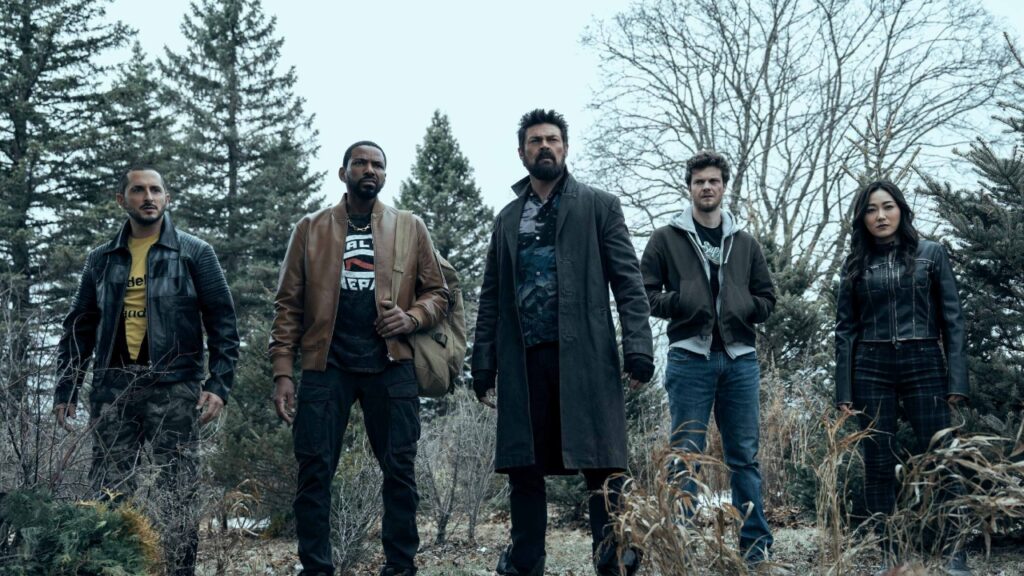
Homelander’s religious plot also feels underbaked, and outside of some great comedic bits, it feels unneeded when so little time is spent developing characters like Ryan, Mother’s Milk or Annie before their characters end. Butcher is also a character who feels underbaked this season, a character who has always been a highlight, but after the incredible final episode of season four, where Butcher turns bad, this season walks that back instantly. Then, for the finale, he breaks bad once again, and it feels like we wasted half a season to get back to the point he was at prior. His obsession with killing every superhero has been a constant in the show, but his immediate change after Homelander’s defeat feels rushed and lacking serious emotional beats with character interactions outside of Hughie.
The actors have always been the highlight of this series, with actors like Erin Moriarty, Jack Quaid and Laz Alonso always pulling in solid performances as the emotional core characters. Karl Urban was the big name for the marketing, and he has always been great as Butcher, there is a certain gravitas to every line and a level of sincerity where you cannot help but love him after every awful thing he does. Anthony Starr is the one who is given all the praise as Homelander, and he deserves it truly. Homelander is easily the highlight of every episode, and Starr pulls in a multi-layered performance as a character who is so truly evil, but also pathetic and sad at the same time. The character is a monster yet is so wanting of acceptance and for a family, and Starr rides the line perfectly without ever making the character genuinely human. Jessie T. Usher has only one episode appearance this season, but it is truly a highlight. The show struck gold with deciding to redeem his character across the five seasons, and his death is emotionally satisfying. Chace Crawford is always the highlight of the comedic sections of the show as Aquaman-spoof The Deep, and the show loves to revel in how pitiful the character is, and the decision to never redeem the character is perfect. Daveed Diggs is a new highlight of this final season as new character Oh Father, a central new superhero for the religious arc of the season, it would have been even better if the show had set up the character in the previous season.
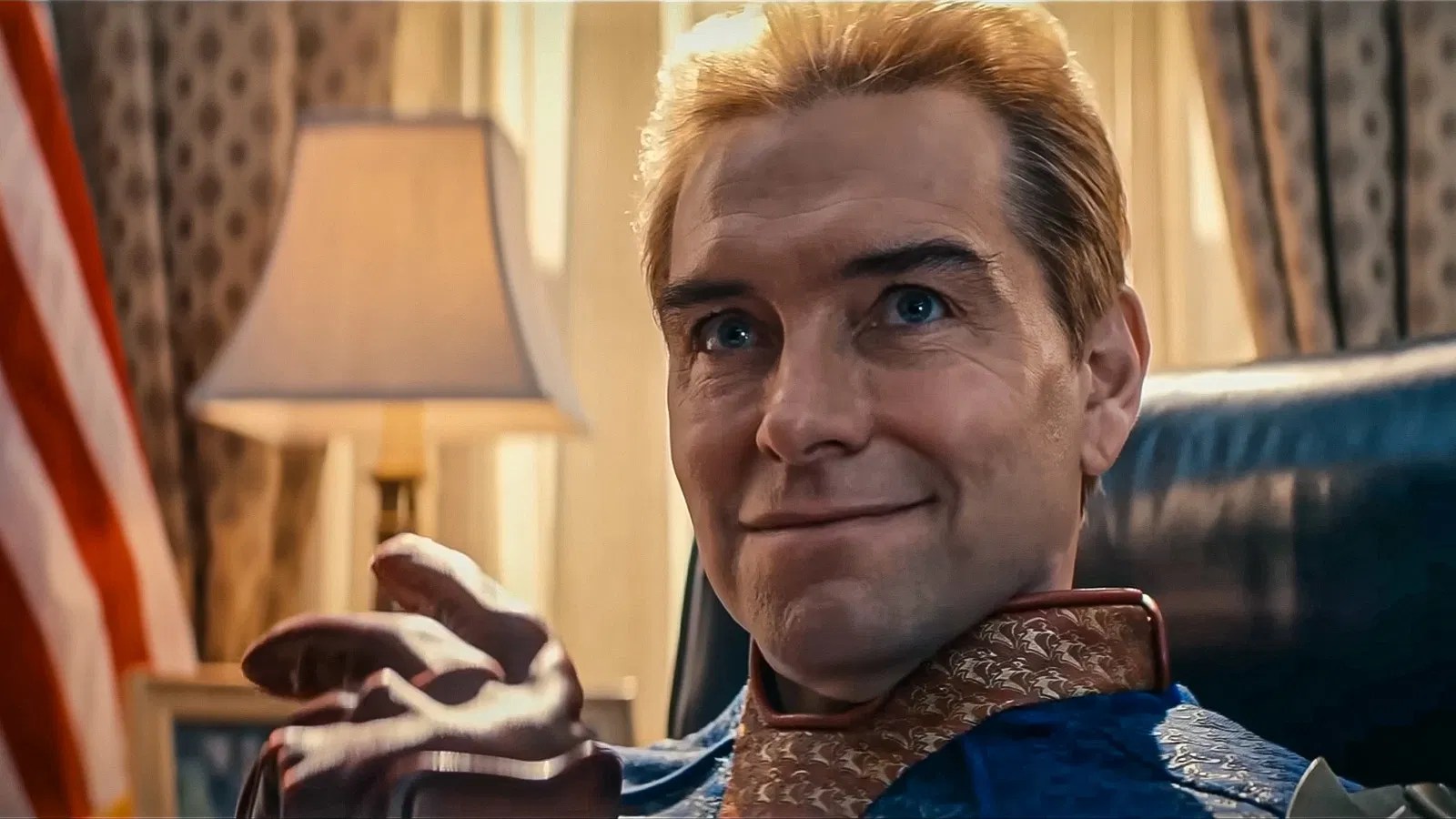
The Boys final season is nothing terrible, it is engaging television, which hits as much as it does not. Though you cannot help but be disappointed by various aspects of the final season after how much set up has went into the final battle between Butcher and Homelander, and the ‘scorched earth’ promise made in season three. The actual final fight takes place in the white house, contained to one room where chairs get destroyed. There is something inherently cheap about this season, from the lack of flashy powers in fight scenes, with most fights just being fist fights, even if they have powers outside of strength, to the over abundance of contained sets. Very little sequences take place outdoors, with every episode revolving around the characters being stuck in a couple of rooms, it almost feels like the entire season was made during the coronavirus pandemic, and not now. This leaves the final fight to be very underwhelming, even if the actual death of Homelander is perfect. The final season feels like the showrunners had various ideas for where they wanted the story to go, but a lack of knowledge of how to get to those points or how to connect various character arcs with those moments. Everything feels very underbaked, and a big departure from the smart writing of the first season, where the show truly peaked.
 Rhys Reviews
Leave a comment