Currently in cinemas are two films that could be easily mistaken for each other, with Radio Silence’s follow-up to their breakout hit Ready Or Not releasing last week, and They Will Kill You starring Zazie Beetz also opening in a close time. Both films follow characters being hunted by rich socialites in a game of sport or a game of life and death, with a supernatural twist, focusing on a working class versus upper class dynamic. The differences come down to setting, but there mix of horror, thriller and comedy makes them feel like sister-films, it is not hard to see They Will Kill You being inspired by Radio Silence’s original Ready or Not. With how similar these films are, it is only appropriate to tackle a review of these films in one article, appraising them for their similarities and differences.
They Will Kill You
Starting with the original feature, They Will Kill You follows an ex-convict who starts working as a housekeeper at a mysterious New York high-rise. She soon realises she has applied to a job run by a community of rich socialites who are involved in a series of disappearances. The biggest problem of this film is how derivate it is, after a central twist which was hidden in the marketing, the film falls back into the common conventions of these survival action-horrors, and the narrative becomes incredibly predictable. After this initial supernatural twist, which the marketing hid by showcasing most of the first act as the main footage in those trailers, the film enters a great rhythm that gets slowed down heavily until an utterly bizarre third act. Besides it’s obvious inspiration from Ready or Not, the film very clearly holds its influences from films like Evil Dead, The Raid and John Wick very earnestly, as its bloody action feels stylized in a way that recreates the video-gamey decisions made behind the camera for the newest John Wick feature.
Inspirations from Tarantino also appear commonly, namely in the very first action sequence which feels very Kill Bill-Esque. The action is easily one of the highlights of the film, playing every action beat so comedically and with so much stylisation behind the camera that you can very easily forgive some of the pitfalls the movie falls through. Director Kirill Sokolov has made a career for making darkly comedic action films, and he clearly knows his way around a camera, there are so many dynamic camera movements here that make the action feel alive and fluid, tracking shots are a highlight of this very feature. There are some visual effects that feel out of place in the carnage, but it strangely gives the film a campy effect, something that makes it feel very rooted in tone to Evil Dead 2. The action is bloody and violent, with some excellent kills, and a great final sequence which is lit by inflamed fire axe, and the film delivers a great balance between serious gore with comedic sequences featuring those kills. The films’ supernatural twist allows for some hilarious moments where the insanity of the plot becomes a goldmine for physical comedy. A great score from Carlos Rafael Rivera and a great use of hip-hop backing track gives the action some great rhythm and movement.
It is the characters which really hold this film back from being anything other than solid. These horror-action films can really be defined by how memorable its group of characters are, from its protagonist to the group of villains that are designed to either be comedic foils or beyond evil and designed to make you want them to be killed. The villains here are so surface level and undeveloped that an audience will feel nothing when their narrative is wrapped up. They exist to hunt our protagonist and that is it, the only one who is given anything to do is Patricia Arquette’s lead villain. Arquette seems to be playing the same character she plays in Severance, with an inconsistent accent and a backstory which feels like an afterthought with how very little it gets brought up.
Her connection to another character feels surface-level and shows that such a brisky 90-minute film could have maybe done with an extra ten minutes of runtime to develop some of the background characters. Zazie Beetz is really the star of the film and is holding the entire narrative on her back. She has proven herself as an action star starring as Marvel superhero Domino in Deadpool 2, and she continues to impress as a leading woman here. She is burdened by a superfluous family plot, which feels so tropey for these types of films, that even Ready or Not 2 does the same thing and feels so barebones. Beetz manages to bring out some level of emotion from that plot, but it all feels a little empty when you must look at anything over than the action and gore
Ready or Not 2: Here I Come
Moving onto the sequel to the inspiration for They Will Kill You. The original Ready or Not was a surprise hit when it came out in 2019, a fun and refreshing survival film where a woman must survive until dawn while being hunted by her new in-laws on the night of her wedding. The movie skyrocketed the directing duo Matt Bettinelli-Olpin and Tyler Gillett and their production company Radio Silence into major success, as they were instantly given the opportunity to make two Scream movies, and their upcoming project is a new sequel to Brendan Fraser’s Mummy franchise. A sequel to their breakout hit would have been the obvious next step along the way, and here we have it. Ready or Not 2: Here I Come picks up instantly after their original feature, as Samara Weaving’s Grace is recovering from surviving the brutal game of hide and seek that led to the death of her entire new family. Surviving the game has triggered a power-play with the elite families that run the games, leading them to use Grace in a new game, where she must protect her sister in a familiar situation.
That is easily the biggest problem with this sequel, everything feels very familiar. It feels like a typical 80s or 90s sequel, a Ghostbusters 2 or Beverly Hills Cop 2, where they are essentially the same films beat for beat as the original, just with new villains. The only big difference is their attempts to go bigger, and Ready or Not 2 does go bigger. It benefits from the fact that the supernatural elements are out of the bag now, they were a closing twist in the original, but now the film gets to run with that supernatural angle, and it allows for some very compelling visuals and kills. The main way however that the film decides to go bigger is through both the multiple families hunting the protagonists, and through the addition of Grace’s sister, meaning there is two being hunted this time rather than just one.
The addition of multiple families’ facilities the same plot being laid out, just with more characters now hunting than just one family, but the film does do something that They Will Kill You failed to do, make its villains interesting and compelling. The various families all have interesting quirks and play off each other in compelling ways, all out for themselves, whether it makes them scary or pathetic, leading to tension and comedy. Elijah Wood plays a fun role as the lawyer for each family, a man just concerned with the game and nothing else, and Sarah Michelle Gellar and Shawn Hatosy deliver great performances as the film’s central antagonists. Hatosy delivers a very chilling performance in the final act, but a performance that isn’t scared to lean into zaniness at the same time.
Kathryn Newton plays Grace’s sister, Faith, as the film develops Grace more as an estranged sister. Newton and Weaving have great chemistry, but their arguing and cliché family relationship can get tedious after a while. It feels like a plot thread in They Will Kill You, but this film gives more time to develop that relationship, even if does feel incredibly cliché. Weaving continues to shine as a scream-queen, and you cannot help but enjoy her banshee-like scream, and her commitment to being covered in fake blood and taking part in ballsy action sequences. The film is more comedy focused than its predecessor, relying a lot more on the comedic aspects of the bloody action, and the comedic twinge allows it to standout. The editing in this is immaculate, with great comedic timing throughout, and the action is consistent throughout. It loses the claustrophobic nature of the original film’s setting, but that might be a good trade-out for a sequel with double the laughs, a bigger body count, more blood and a bigger cast of characters to work with. It will never hold a candle to the original, but Ready or Not 2 is still a very good time
Writer Andy Weir has already gotten one of his famous novels to hit the big screen and to tremendous success, with 2015 seeing the release of the big screen adaptation of his novel, The Martian. Directed by Ridley Scott, the film followed an astronaut who must survive after being left behind on a mission to Mars, a drama-filled and emotionally focused survival film which became the 10th highest grossing film of the year. The film was nominated for seven awards at the year’s Academy Awards, including the notable awards for Best Picture and Best Actor for leading man Matt Damon. This saw a clear hunger for studios for more of Weir’s work, and when his 2021 novel, Project Hail Mary, was purchased for a film adaptation by MGM before it was even released, it clearly showed that Weir’s work was made for film.
The novel was picked up for film in 2020, with Ryan Gosling already set to star and produce, with Phil Lord and Chris Miller attached to direct, famous directors and producers who had created such iconic franchises, as the Lego Movies, Cloudy with A Chance of Meatballs, the animated Spider-Man Spider-Verse films and 21 and 22 Jump Street. Drew Goddard would return as screenwriter, after previously writing the screenplay for The Martian, and the massive changes between scripts is remarkable. 5 years after the release of the novel, and the film has hit the big screen, with the film currently making a major profit in its box office journey. The film follows Gosling as schoolteacher and former molecular biologist Ryland Grace, who wakes up adrift in space with no memories of how he got there. Alone and confused, he slowly pieces his past back together as he realises, he has been sent on a mission to save the world, and more specifically the sun, and the problem only becomes more complex as he runs into an unlikely ally.
The biggest praise that could be given to this film is that it certainly feels like a film Spielberg could have made during his blockbuster days, it may be derivative in various aspects, but it wears its influences on its sleeve in the most earnest way. It’s a crowd-pleasing blockbuster which feels more comedic and imaginative than The Martian, that film feels very based in science and drama, a awards-pleaser, this feels designed to be incredibly broad in its appeal to a general audience, and to be more focused on spectacle and entertainment. This type of film could come off as cookie-cutter and safe, but Phil Lord and Chris Miller are excellent directors, who have played with genre filmmaking a lot through their careers, making every simplistic moment feel awe-inspiring and classically imaginative. There is a pure wit to the film that comes from Lord and Miller delivering dialogue handed to them from Goddard’s multi-faceted script, dialogue that feels so snappy and like their Jump Street films that it is insane that they were not involved in the scripting phase of the film. The third part of why the script comes alive in such a snappy way is because of Ryan Gosling, a naturally charismatic leading actor who is always reliable in every film he is featured in. The actor has been having a very interesting last couple of years, mainly focusing on starring in action movies and blockbusters, whether it is the Barbie movie or the film adaptation of old Hollywood series The Fall Guy, and soon the upcoming Star Wars film, Star Wars: Starfighter.
Ryan Gosling in Project Hail Mary
Even if he has been starring in mainly franchise material, he is always committing to putting in an incredible performance and really stands out as the highlight of each film he is in. This film, with its amnesia plotline, really allows Gosling to flex his acting skills, as he essentially plays two separate characters. The film plays out its plot through flashbacks, as the amnesiac Ryland recalls his past, with the film flashing back and forth between the present storyline and the events that lead up to these moments. It is a genius idea that helps the film to feel incredibly tightly paced, stopping the audience from a slow first act where you build to Gosling travelling to space, and instead those moments help to alleviate tension and become great snapshots of character work. Gosling’s earth-based moments showcase a nervous and un-heroic character who is more contained in his science, a man who has potential but is too scared to face that potential. The version of Gosling that populates the main sections of the narrative is more like his normal film persona, he’s witty and confident, but still with the smarts and some of the insecurities that come from his past. Gosling also just knows how to play with an audience’s emotions, and he works tremendously well with the emotional moments, with the film’s feel-good and positive mentality working hand in hand with this performance. The performance would be nowhere as good if he wasn’t working off his co-star, an alien named Rocky. Rocky is a second act reveal and will not be discussed too heavily here in the review for spoilers, but he is featured in the trailers, so it is only right to briefly discuss.
Rocky serves as Gosling’s best friend, and the dynamic between the two is electric on screen. Rocky will easily become one of the most favourite characters of the 2026 film season, he was designed to be popular, with a cute design, and a great sense of humour. It should be applauded how easily Gosling is able to act against nothing, in a film where he is essentially on-screen by himself, and how perfect Goddard’s script is in breathing life into a talking rock and making every scene with him feeling so palpable and real. The heart of the film is the dynamic between Ryland and Rocky, and the film pulls it off masterfully.
If there is one downside to the film, its that the side characters in the earth segments feel slightly under-developed. The flashback segments are crucial, for building Ryland’s hero-journey and showing the scale of the threat, but it mainly is enjoyable because of Gosling. Sandra Huller, fresh from her massive-scale new global prominence from her two films of 2023, Anatomy of a Fall and The Zone of Interest, is the standout of the supporting cast. She has a great solo singing sequence, which stands as one of the emotional centres of the flashback, but the rest of the cast are given virtually nothing, Ken Leung and Milana Vayntrub play the roles of co-pilots on the spaceship and the film’s synopsis gives more away than anything for how small their roles are going to be. Essentially the film serves as a one-man show, between a man and his rock friend, and the flashbacks serve to make those sequences hit even harder. These scenes are also paired with some of the most impressive effects that’s been in a blockbuster in years. Special effects are taken for granted now, when most films are covered in special effects, or filmed entirely on green-screens, and for this film to deliver such incredible sequences which is directed so perfectly, even if its all visual effects, it shows how groundbreaking these sequences can still be.
There is a warmth to this film that is hard to see in many modern-day blockbusters, an earnest positivity that is palpable on the screen. The film roots its narrative in science and real-world drama, but never gets stuck in gloominess or paranoia, and instead leans back on comedy and a perfect dynamic between Gosling’s Ryland and Rocky, a dynamic which holds the film together perfectly. Gosling has truly proven himself as a great leading man, a capable and charming actor who can literally act opposite a rock, and this is a film worthy of such a strong performance
Adaptations of Mary Shelley’s classic 1818 horror novel Frankenstein has been a hot commodity in the last couple of years in Hollywood, as various directors have put their own two cents on the classic novel. From Guillermo Del Toro’s long-standing adaptation finally seeing the light of day on Netflix last year, to the horror-comedy inspired by 2009’s Jennifer’s Body, Lisa Frankenstein. Yorgos Lanthimos’ Poor Things, an adaptation of the novel of the same name, takes a lot of inspiration from the Frankenstein story, and does everything what this year’s newest Frankenstein adaptation tries to do. The Bride, Maggie Gyllenhaal’s sophomore feature after her smash-hit The Lost Daughter, attempts to take a feminist approach to the original text, and put its own spin on Universal’s classic sequel, 1935’s The Bride of Frankenstein.
A feminist take on the material is a confusing order of events when the text itself is incredibly feminist and written by a woman at the end of the day. However, there was a chance to craft something new and modern with the material, but what Gyllenhaal has delivered is a hodgepodge of ideas from other films, from Joker, Bonnie and Clyde, Natural Born Killers to Poor Things in a mess of a feature. The project was originally developed for a Netflix release but was bought out by Warner Bros when Netflix dropped the picture after a budget dispute with the director, and this purchase allowed the director more freedom behind the camera and led to an expensive film being made. It is always important for a director to realise their vision, but there are times when a director needs to be reined in and limited in scope, and that comes as one of the biggest problems of this feature. The film stars Jessie Buckley and Christian Bale, as the titular character and Frankenstein’s Monster respectively, as Buckley’s character becomes possessed by the spirit of Mary Shelley, starting a journey into the true story that the author ‘wanted’ to make. The Monster, known as Frank, revives Buckley’s Ida to find love in his lonely life, only to cause a series of events which lead them on the run from the law.
Christian Bale and Jessie Buckley in The Bride
Jessie Buckley and Christian Bale are easily the highlights of the film, two committed actors who are giving performances that this film does not deserve. Buckley is currently the front-runner for the best actress award for her role in Hamnet at this year’s Oscars, and her performance here is a complete blast. The material feels lesser to such a talented actress, but she pulls it off. The addition of the possession of Mary Shelley, who appears in black-and-white also played by Buckley, comes as the only negative to this performance. The inclusion comes across like the character has a form of Tourette’s, with Buckley twitching and suddenly switching to a British accent, and saying something ‘smart and sophisticated’, which usually means random rhyming that has little to do with what is going on. It becomes irritating by the tenth or eleventh time it is done in the film, and the inclusion of these lines comes across incredibly pretentious and becomes even more ridiculous once they are dropped by the third act and become irrelevant. Bale and Buckley share great chemistry, and Bale delivers a performance that feels incredibly more vulnerable and layered compared to anything he has done in the last couple of years. Annette Bening also deserves a strong shoutout for committing to an incredibly goofy and strange character but is severely missed whenever she is not on screen.
It is everything else in the film that forms the film into an incredible mess, a tonal and genre mess that does not know what it wants to be. There is an incredible musical sequence half-way through the film, where the film leans heavily into the zany and over-the-top nature of the story, and it’s magnificent to watch unfold. However, it is the only time that the film does something like this, there’s moments where Frank sees himself in movies, dream sequences almost in black-and-white photography, conveying a connection between the monsters and the arts but it feels like something that is not developed on at all. The film constantly moves between feeling dark and serious, and zany and goofy, and each time it pings pongs back and forth it is incredibly jarring to watch. Bale feels like a living cartoon at times, but then it is paired with incredibly sexual imagery, and scenes focusing on sexual assault and the tone becomes incredibly jarring. One of the film’s biggest problems is how it refuses to commit to a genuine tone, narrative or message, instead feeling like a grab-bag of everything that the director could have made across multiple films. A Bonnie and Clyde story focused on Frankenstein and his bride is a remarkable idea, but then you also must deal with a villainous mob boss, a police corruption storyline with two investigators following our lead’s crimes, and a female uprising against sexual and domestic abuse.
Jessie Buckley and Christian Bale in The Bride
The themes of femicide and power dynamics in relationships are very important, but they are not developed enough and instead feels like window-dressing or a prop that was meant to be developed later. Women taking to the streets in a violent mob in protest feels like a carbon copy of Joker, where the same happens after the lead character’s appearance on TV, while there it was a burning catalyst to a movie’s worth of exploration, here it thrown in and forgotten about instantly, a fun idea that just exists. The biggest theme seems to be an exploration into the controlling of women, femicide and sexual abuse against women, but the film explores this so sloppily that it comes across as toxic itself. Every time our lead gets in danger, it’s Frank that gets here out of the trouble, how are we meant to get the film’s message of women being strong and independent if the main character does not reflect this message. It only gets worse when the film is so inept in trying to convey its message, that there is an entire scene where the lead conveys the message of the film verbally, spelling out what the film is attempting to convey to the audience, in the sloppiest way possible.
What the film really needs is to pick a lane and keep with it, every time Bale and Buckley are on screen the film is magnificent, and whenever the film leaves those two characters, it truly dips. The exploration into how film connects these two characters, and how the escapism of those films helps them deal with their lives is very compelling, but every time you get lost in that, the film cuts back to the police officers, or the mob storyline. The police storyline itself feels like one of the easiest cuts the film could have made, with Peter Sarsgaard and Penelope Cruz working together to hunt Frank and The Bride. Cruz is the subordinate in the relationship, Sarsgaard’s assistant who is not allowed on the force but is the one who has the true detective instinct, as Sarsgaard claims the credit. It could have been a good storyline, but it feels like a loose part in a story not about them, and the dialogue between the two is some of the most heavy-handed writing in a big-budget film in a long while. It is a film that has messages but deploys them so sloppily and by using Mary Shelley to make them seem preachy and pretentious, but it’s writing does not hit the same marks that the film thinks it is reaching.
Jessie Buckley and Christian Bale in The Bride
Director focused passion projects are important, and Maggie Gyllenhaal very clearly had a lot of passion when crafting this film. It has gorgeous looking cinematography, and some very striking sequences, alongside three great central performances. However, the film is just a mess of ideas that leave it feeling anything but cohesive. Cuts needed to be made, and the film needed to become more focused, but in its current state, it feels like a film that is basically about everything but nothing at the same time.
The production of Scream 7 has been a troubled one, with a series of creative retooling’s taking place during the production of the seventh film in the franchise that used to be the child of horror legend Wes Craven. Craven directed the first four films, and after his unfortunate death in 2015, Spyglass Media Group and Paramount Pictures looked to revive the franchise. Revive the franchise they did, as Scream 5 and 6 released in 2022 and 2023 respectively and became box office smash hits, marking the Scream franchise back in the big leagues. Scream 6 would not be without its small amount of controversy, as the franchise left behind its lead actor, Neve Campbell, lowballing the actress for pay in the franchise that she was the so-claimed ‘final girl’ of. This would only be the start of the trouble that would come for this franchise, with Scream 4 and 6 directors Matt Bettinelli-Olpin and Tyler Gillett announcing they would not return to wrap up this trilogy, and they would be replaced by Freaky and Happy Death Day director Christopher Landon. These directors would not be the only people leaving the franchise, as replacement lead for the franchise, Melissa Barerra, would be fired from the 7th film after the film was paused during the 2023 SAG-AFTRA strike. Barrera’s firing came from the studio’s claim of her supporting antisemitism on her social medias, after posting pro-Palestinian videos during the Gaza War. This would be the catalyst that would cause many to boycott the film, and created a domino effect of more problems, from other lead actress Jenna Ortega to leave the project, and to lose new director Christopher Landon.
This soon caused a clear panic mode for the studio, as Paramount and Spyglass quickly made the decision to repair their relationship with former series star Neve Campbell, with her returning as lead, and to move the franchise as far as possible from Ortega and Barerra. Kevin Williamson, who wrote the original, would finally return to the franchise after being absent since the 4th entry, and would sit in the director’s chair this time around. The franchise seemed to fall back into what any franchise does when it faces controversy, hide from it by filling the film with nostalgia. The marketing of this film has hit home that Matthew Lillard is returning as Stu Macher, and the trades have already leaked that David Arquette and Scott Foley would return as Dewey and Roman Bridger respectively. It reeks of desperation, and the film reflects that. Scream 7 picks up after the events of the New York attacks in the previous film, as Sydney lives a safe life with her daughter and husband. When a new Ghostface arrives to her sleepy town, hunting for her daughter, and potentially in leagues with Stu Macher, she is forced out of retirement to stop another massacre.
Neve Campbell in Scream 7
Scream was once the most consistent horror franchise out there, none of them could hold up to the original film, but they all felt genuine worthwhile experiences, that had something to say about the genre and the state of Hollywood at the time. Scream 7 is the first time that the franchise has genuinely nothing to say and feels like it was made only to make some money. There are some small commentaries on true crime, the never-ending cycle of Sydney being brought back repeatedly, and the absence of Sydney from the previous film play a role in the film’s narrative. All of this feels only like surface dressing however, and feels incredibly underbaked, as the film attempts to remove itself from the commentary, and instead taking itself incredibly seriously. A part of Scream was how it perfectly played both sides; it could be incredibly graphic and intense but also played with the genre in comedic ways and Ghostface himself could be a terrible killer. This film plays everything way too straight, which leads to some unintentionally comedic moments, and removes the fun.
The movie has some brutal kills, the pure highlight of the film, but the movie really stands apart from the franchise because it feels like it has nothing to do with the franchise outside of its nostalgia pandering. The nostalgia feels all-consuming to a franchise that usually jokes around with its own connections to the wider genre, and the nostalgia feels like a crux here, the only thing it can really offer when it has no commentary to tell. The movie recreates various scenes from the original, including out of place musical queues, all to elicit some sort of nostalgia twinge to its audience. It is the type of thing the franchise should be making fun of, not actually doing, and that goes for the storyline where the film is essentially recreating Laurie’s motherhood storyline from both H20 and the 2018 Halloween film.
Neve Campbell delivers an incredible performance here, feeling like she has never left the role as Sydney feels authentic as ever. Every scene she owns, and she really elevates some really excruciating dialogue, and the movie’s focus on her coming to terms with her trauma is one of the very few good parts of such a messy script. Her relationship with her daughter is the central focus of the film, dealing with generational trauma as the Ghostface killers decide to target her daughter, Tatum, and make her become the next Sydney. Isabel May delivers a solid performance as Tatum, but she does not feel as fleshed out as the protagonists of 5 and 6, and she very much falls back into being the moody teenager character. Joel McHale also does a solid job as Sydney’s husband, Mark, who the film quickly makes you like as he shares great chemistry with Campbell. The character was very clearly written originally to be Mark Kincaid, a character introduced in Scream 3, played by Patrick Dempsey, but with the actor unable to return, they pivoted and changed Mark to another Mark. McHale’s Mark is a solid replacement for such a legacy character, however. The biggest problem of the film is how many characters are in the cast, and how little the film uses those characters.
Celeste O’Connor, McKenna Grace, Sam Rechner and Asa Germann play the friendship of Tatum, a group of characters that appear in every movie, and the movie doesn’t even bother to make them characters, they are just in the film to add to the body count. It is hard to care when the characters exist to die, and when the deaths are so brutal, it feels almost mean-spirited. Other returning characters include Gale, who after Sydney’s absence in 6 is the only character to appear in all 7 movies, and Chad and Mindy, the remaining leads from the 5th and 6th film. These characters feel like they could be removed from the film and nothing would change, superfluous characters who are only bearable because the performances are so charming.
Kevin Williamson has only directed one film before this, the 1999 black-comedy feature Teaching Mrs Tingle, and with a 27-year gap in directing, his direction here is very surprising and strong. The film looks great, and has some very striking shots, and cinematographer Ramsey Nickell heightens so many kill sequences by making them look frighteningly beautiful. It can only be said that Williamson should have probably spent as much time polishing his script as he did prepare for the actual film shoot. Every great who-dunnite mystery feature has various red herrings, characters designed to be mysterious and make the audience think that they are the ones responsible. Scream has used this trope various times across the various films, from the boyfriend character in Scream 2, and the new Deputy in Scream 4, this film makes the use of various red herrings, but these characters make a flimsy plot fall apart completely. Characters completely disappear from the plot with no end in sight for their storylines, and various plot threads barely come together to make a cohesive plot. It feels like multiple different scripts that have just been thrown together, with such big elements like Stu’s return feeling superfluous to the actual plot taking place.
Williamson has already stated that there were various scenes cut in the original version, with a chase sequence with Gale being a big one, and that can really explain why so many elements feel so half-baked and left behind. It can also explain why the Ghostface reveals are so underwhelming as well. No spoilers of course, half the fun of these movies are figuring out who the killers are, but these killers are the most underwhelming of the franchise, feeling both incredibly obvious and so underwhelming with how little they appear in the film before the grand reveal. A middling movie could be saved by a great reveal and fantastic conclusion, but the Ghostface reveal just destroys any good will left. First the finale gives us a embarrassing cameo-fest of characters phoning in lines where they look like they just got out of bed, and then the actual killer reveals leave the audience underwhelmed. The motive makes no sense and doesn’t really add to Sydney’s overall storyline, and feels more at home with a typical slasher, and not the Scream franchise that this used to be.
Mason Gooding and Jasmin Savoy Brown in Scream 7
Scream 7 is a disappointing franchise return, a movie that seems desperate to make you forget about the previous entries and the controversy that came from Melissa Barrera’s firing. Nostalgia is the focus of this film, recreating scenes from Craven’s classic and bringing back as many characters as possible, even if these do not fit into the comedic tone of the franchise. Neve Campbell delivers a great performance, and the kills are brutal and creative, but they are the only highlights of this absolute mess of a feature. The film takes itself way too seriously for it to be fun, the supporting cast feel underdeveloped and boring to watch, and the script feels like a first draft with how much it doesn’t make sense. With Williamson supposedly attached to helm Scream 8 already, as well after the box office hit this film has been, it can only be hoped that he learns from the mistakes of this film and delivers a better product. However, it truly feels like this franchise has outlived its lifespan, maybe it’s time to finally let it rest
This passing week has saw the release of some of the biggest films in the year already, from Gore Verbinski’s new blockbuster adventure feature, Good Luck, Have Fun, Don’t Die, to the controversial new adaptation of Wuthering Heights from Saltburn-director Emerald Fennell. However, it also saw the release of a contained and smaller feature that harkens back to the old creature-feature mid-budget movies of the past, and that would be Cold Storage. Starring Stranger Things breakout Joe Keery and Barbarian star Georgina Campbell, alongside the well-known Liam Neeson, the film is based on a book of the same name, written by David Koepp, the screenwriter behind such classics as Jurassic Park and Mission Impossible. Koepp would return to write the screenplay for the film adaptation, which skews very closely to his original text, with that former text feeling like a proof-of-concept for a film anyway. The film follows Keery and Campbell as disgruntled workers at a storage industry building, who meet on the same nightshift as they discover the building has been built on the remains of an old military base. The base holds a parasitic fungus, as the duo attempts to contain it and with the help of a military officer, played by Neeson, who has had a past with the fungus, destroy it as well.
There is something inherently charming about Cold Storage, a very contained body-horror thriller, contained to one single location, and developing enough interesting sequences in such a contained location. The film screams low budget, with the director being someone who has gained prominence from documentaries, and some one-episode stints on TV. In this day and age, when the cinema experience seems to be designed for big-budget blockbusters, it is incredible to see such a entertaining and smaller-scale feature, that in this day would end up being sent straight to TV or be thrown on a streaming service like Netflix. There have been many contagion-style films, or zombie apocalypse scenarios, and even the concept of this coming from a fungus is not original, the game and television series The Last Of Us done that first, but homage seems to be the focus of this film. It feels spiritually like a Romero-film, or like it is homaging Shaun of the Dead, a horror-comedy that uses the tropes of the genre to have fun and designed to be enjoyable without any major thought into the plot.
That is not to say that the movie is perfect however, as mentioned before, the plot is not where you are coming for, it is essentially a loose connection of fun sequences that are tied together by a string that will crash and burn at any moment. The central plot-thread of the American military leaving one of their decommissioned military bases that holds a world-ending fungus is laughable, especially when the fungus is shown to have been spreading through the base before the military left and no one noticed. The fungus also works in such a way that if you removed yourself from the harmless and fun vibes of the feature, you would question why it breaks its own rules consistently. Sometimes the fungus takes minutes to infect a host, sometimes it takes longer, and the amount of time it takes to kill or bloat them into a fungus bomb varies based on where the plot is at that moment. In an impressively eerie opening sequence set in the initial finding of the fungus, the film sets up the fungus will move itself to meet the nearest host and can infect a host through their shoes when they stand on it. However, the film goes out of its way to make the fungus act irrationally to stop its main characters from being infected, even during a scene where a lead touches a padlock that was previously touched by an infected.
Liam Neeson, Joe Keery and Georgina Campbell in Cold Storage
Speaking of those main characters, the performances of the main cast is where the film truly comes alive. Georgina Campbell has made a name for herself as a Scream-Queen in the last couple of years, from starring in Zach Cregger’s Barbarian, to her next film being the slasher, Psycho Killer, and she pulls in an engaging performance here. Joe Keery is another reliable actor, rising to fame because of his smaller role in Stranger Things, that soon led him to become a fan-favourite and become boosted to a major character. With that show over, his career can truly start, and he plays differently to his iconic Steve Harrington character here, taking on the role of a fast-talking delinquent with a level of charisma that can only come from Keery. His need to constantly talk can become irritating at some points, but it’s saved by the excellent chemistry between Keery and Campbell, they compliment each other well and the movie gives them enough emotional beats to offset how fast the action starts when they first meet.
Liam Neeson seems to be leaning more into his recent turn to comedy here, off the back of his The Naked Gun remake, with his side of the film being easily the most comedic based. He spends essentially the whole movie driving to the plot and serves as basically an exposition machine for the world-building of this fungus, but that exposition never feels tedious, because Neeson delivers it in such a serious way that you cannot help but find it hilarious. His section of the film feels like a completely different film at times, but when you get to the two plotlines overlapping, the small interactions you get between the central cast is very endearing.
Rated in the UK as a 15 as well, the film does enough with the body-horror angle of the fungus infection to make some memorable, and usually comedic in tone sequences with some great makeup effects, and some impressive visual effects for a movie so low-budget. Not all the effects are perfect, any time the movie includes an infected animal, namely a cat and a deer, the effects stand out incredibly hard, and make sequences which are meant to be frightening, into something incredibly comedic. There is an interesting choice throughout the film to include visual-effects heavy sequences where the camera follows the fungus into the body, showcasing it affecting the blood cells and taking over the body, and those sequences are some of the most frightening featured across the film, really bringing across the fear of the situation.
Georgina Campbell and Joe Keery in Cold Storage
The effects really shine a light on how the film is, not perfect, but a great popcorn flick that Hollywood just does not make anymore. In another world, if it wasn’t for the Liam Neeson appearance and the fact its written by such a big screenwriter, this film would find a home on Netflix, or any of the other streaming services. It is important to appreciate good mid-budget features like this on the big screen, and there is enough fun to be had here to make any horror fan have a good time. It is not the most original film in the world, but its influences it wears earnestly, and three great central performances allow it to become a compelling zombie flick that is worth the price of admission
Sam Raimi has spent most of the late 2010s and early 2020s as a producer, producing mainly horror features in films such as Crawl, Don’t Breathe and the newest instalments in what used to be his sole franchise, The Evil Dead. Raimi got big off the back of his original feature, The Evil Dead, released in 1981, a movie which hit the mainstream when getting praised by iconic author Stephen King. His career has been characterised by works in the horror genre, crafting a unique style which mixed the worlds of horror but also comedy, with slapstick genre features alongside those horror films. Evil Dead spawned a franchise, and he launched into even more success when helming the free Tobey Maguire-led Spider-Man films, which made him into a blockbuster filmmaker. Since the release of Spider-Man 3 and him leaving the franchise, he only directed two features until 2020, the return to horror-comedies with 2009’s Drag Me To Hell and 2013’s Oz the Great and Powerful. A prequel to the Wizard of Oz, the film seemed to sour Raimi’s love for filmmaking for nearly a decade, with his only credits for a long while being as producer. It took another comic book film for him to come back, replacing Scott Derrickson as director of Marvel’s Doctor Strange sequel, 2022’s Doctor Strange in the Multiverse of Madness. It wasn’t a critically lauded film, but a film that proved that Raimi still had it, he could shine through with his stylistic quirks in a big studio film.
It seemed to get him back into the mood to direct as well, as we have entered 2026, and that marks the release of the first original Raimi feature since 2009, and his first R rated feature since 2000’s The Gift. Send Help stars Rachel McAdams and Dylan O’Brien as they get stranded on a deserted island when getting into a plane crash. O’Brien plays the CEO of a company, and McAdams his employee, a dynamic which becomes increasingly twisted when employee becomes boss and boss becomes subservient when stuck on the island.
Dylan O’Brien and Rachel McAdams in Send Help
The film takes a while to get going, with a prolonged first act to get to the plane crash and set up the workplace relationship between employee and boss, but when the film gets to the actual survival aspect, it is an absolute blast. It has been a while since a Raimi movie has been able to go so far into the slapstick and goofy angle, and this film goes for broke in various instances, while remaining an entertaining and emotionally fulfilling narrative. The centre pieces of the film are the incredible performances from the film’s two leads, who are doing so much heavy lifting in a film which is essentially just them two for the entire runtime.
Rachel McAdams is an Academy Award nominated actress, a true powerhouse of a serious performer, with films like Spotlight and the Notebook showing off her talents, so its entertaining as hell to see her acting it up in a goofy film by Raimi. She commits to a crazy performance here, commandeering the screen and making herself the focus, playing well with the hilarious and over-the-top script by writing duo Mark Swift and Damian Shannon, who wrote the screenplay for horror crossover Freddy Vs Jason. Her performance is multi-layered and deliberately hard to track, as she moves from quiet and chaotically unsocial, to glowing up into a provider and survivalist, with a streak of meanness. Dylan O’Brien has a great performance here as well and seems to have been cast based on how hilarious his laugh can be, feeling like Raimi has found the perfect Bruce Campbell successor with that quirk. He plays the spoiled rich boy perfectly, and his movement from power-mad sleaze to subservient employee is entertaining to see for sure.
One of the most entertaining parts of both the script and both character’s performances is that both characters are far from saints, and the movie constantly plays with the audience for which character they are meant to root for. Dylan O’Brien’s Bradley is easy to hate at the beginning, a clear translation of a nepo-baby boss, who is there because of his family and not because of his skill, passing people up for promotions so his friends can also be wealthy. McAdams’ Linda feels like a typical protagonist, as the movie works from her perspective, but as the power of being the top-dog on the island goes to her head, she morphs into a near monster, sadistic and hiding information from both the audience and Bradley. Bradley retains his douche personality from the beginning, but he morphs into a survivalist himself, and you can only feel sorry for him for what he eventually must go through. O’Brien is so good at making you care for him, when he is playing such a horrible individual, and you cannot help but fall for the chemistry between the two actors and then feel even the sadder when the film becomes a cat and mouse game of control and into violence by the third act.
Rachel McAdams in Send Help
The film bears a lot of resemblance to Ruben Ostlund’s 2022 film, Triangle of Sadness, in how they both talk about class, and the relationship between bosses and their employees when survival pushes those dynamics out the door. That film also ends up with the characters stranded on an island, with the power dynamic shift leading the less fortunate to become as ruthless and careless as the people they once served. Raimi’s film is very clearly not as deep as that film, its just background dressing for a fun thriller, but it is notably there. It has something to say clearly about the dynamic between men and women in the workplace, toxic masculinity and how power can easily corrupt someone.
Raimi’s metaphorical exploration into these themes is very surface level at times, but that is to showcase how much he still has it in the directorial compartment. His directorial style is all over this film, with so many sequences that seem to be built just for the director’s taste, the screenwriters work perfectly to make this feel like a Raimi movie. All of the comedy comes from Raimi’s signature whip-pans and pull-ins, the movie would be no where near as effective without those quirks. There is a great use of close-ups in the beginning that marks the audience with an actual reason to also find Rachel McAdams’ character as gross. The movie manages to hold a great balance between slapstick, over-the-top comedy and genuine tension-filled drama, with some of the most over-the-top gore.
Rachel McAdams in Send Help
The movie is listed as a horror film in some areas, but that part feels a bit shoe-horned in to keep up with Raimi’s normal genre conventions, but the film would be more characterised as a survival thriller really. If you are here for brutal kills and some goofy gore through that, you are in total look, there’s some nail-biting gore sequences here, but it never goes too far in vomit-inducing mood because of the hilarious way the film conveys these sequences. It is a directorial style that may not be for everyone, but it’s something you won’t get from any other director and helps to showcase how important directorial voices are in these big blockbuster features. It can only be hoped that this will be major success and bring Raimi back for another outing and keep him working for the foreseeable future.
It has been a year since the tragic passing of one of film’s greatest directors, David Lynch, and this year also marks the 40th anniversary of one of his most famous films, Blue Velvet. Through an impressive career, he delivered 10 incredibly dreamy, frightening and impressive features, and the incredible series, Twin Peaks. His work has been characterised by their dream-like qualities, the surrealist depiction of life and character, and a developing exploration into sexuality, coming of age and abuse. He is one of America’s most important directors, so important he launched a term just for himself, Lynchian, and as follows, we will list his 10 released features:
10) Dune (1984)
Kyle MacLachlan in Dune
At the bottom of the list, we have Lynch’s big attempt to break into mainstream Hollywood and why he returned to his roots away from the limelight straight after, and that project would be Dune. Based on Frank Herbert’s iconic science-fiction novel of the same name, which is essentially the blueprint for the modern science-fiction film, and part of the structure that makes up Star Wars. Comparing this original attempt to the modern two-part version that has come out lately shows the difference in the Hollywood business essentially, and how ambitious Lynch was in trying to adapt such a large novel into one film. The modern version split the novel in half, which helped the pace, but where Lynch’s film succeeds is in how it adapts the spiritual, dreamy and strange side of the novel. Herbert’s tendency to use visions and more out-there ideas matches with Lynch a lot, with the newest versions shying away from some of the strangest elements of the novel, and if the movie had the runtime and pace to match it would produce a completely solid feature. The movie’s pacing just hurts it completely, delivering a movie which cannot breathe and stops some of the character-based moments from hitting as much as they should.
The descent of Paul Atreides just feels sudden and unconvincing, down to a mixture of the pace and a frankly miscast Kyle MacLachlan in the role, who works for Lynch the first time here. The effects have obviously not aged the best as well, showcasing a quaint look at the way effects have evolved in the years. It is impressive for Lynch to attempt to bring over so much of the strange elements of Herbert’s novel, but the effects were not there to match his vision. The movie was deemed confusing by various reviews at the time, with the film being bogged down in exposition to attempt to make any sort of sense out of such a complex novel, opening with a character talking to the audience in a black void. This has essentially become the black sheep of Lynch’s filmography, the film he had essentially disowned and the major film that had been hated by critics. It is his only major blockbuster, and his wishes to continue work in the mainstream world, being offered a Star Wars film and working on a script for Dune: Messiah, the novel’s follow-up, would become dead in the water.
9) The Straight Story (1999)
Richard Farnsworth in The Straight Story
Another big outlier in Lynch’s filmography is the road movie, The Straight Story, a film which throws out Lynch’s surrealist tendencies in favour of a story about a man travelling the country in search of connection. Based on the true story of Alvin Straight’s journey across Iowa and Wisconsin on a lawnmower, the film is named The Straight Story both because of its connection to the real man, but also because the film is incredibly straightforward in its narrative. Marketed as a family-movie, it is easily Lynch’s simplest story, a story of a man just travelling, and the slow movement of his vehicle allowing the film to showcase the beauty of the American countryside ad the way of life. It is an exploration of the American Dream, a lust for connection and something better even this late in life. Road movies are commonly characterised by the characters our lead meet along their journey, and how they help them in their journey, and Lynch, who showcased his love for humanity and connection in projects like Twin Peaks, shows the best of America in the kindness and appreciation thrown our lead’s way by the people he meets. A simple story contains multitudes, and one of the best Lynch moments, as Alvin recounts his trauma during the war with a fellow World War II veteran in a bar, and how the world is not ready to help those people who have been damaged
8) Lost Highway (1997)
Bill Pullman and Patricia Arquette in Lost Highway
A film which feels like the biggest showcase of Lynch’s tendency to showcase beautiful imagery, paired with an amazing score, and then leave the audience to explain to themselves what they just watched. A narrative which has been described as similar to a Mobius strip, essentially a time loop where the film circles back in on itself by its conclusion. This narrative structure has allowed it to become one of the director’s most-talked about films in trying to understand its meaning, with the director refusing to ever explain what his dream-like films mean. It is a clear film about identity, with the main character literally changing into a second actor halfway through the runtime, as he explores what it is like to be young again, how he would redo his life outside of the prison cell he finds himself in, and forced to make the same mistakes again. Characterised as a neo-noir, it plays heavily with the tropes of the genre, from a lead character who is investigating a mystery, and is constantly thrown into a destructive world of death, sex and darkness. He is plagued by a femme fatale, a female character who represents the sexuality of the genre, and acts as a mysterious woman who is usually dubious in nature.
Alice represents this character well, as Patricia Arquette plays double roles as both Alice and Renee, but the film explores the neo-noir world, as described by Arquette herself ‘through the eyes of a misogynist’. Lynch’s works commonly focus around sexual abuse, and commonly that abuse faced by women, and Renee sees herself as a victim of the men in her life, and when reborn as Alice, she does not live in a perfect world, she is instead seen as a dubious woman who the men in her life still sees as a monster. Paired with an incredible score by Angelo Badalamenti and Barry Adamson, the movie feels like a living nightmare, and a perfect look at some of Lynch’s most incredible filmmaking tendencies
7) Inland Empire (2006)
Laura Dern in Inland Empire
Lynch’s final film, Inland Empire, feels like one of the most Lynchian films ever made, a perfect final movie which includes every theme of the director’s previous works, and a perfect conclusion to his filmmaking career. Laura Dern returns to the world of Lynch and puts in one of her best performances, in a film which can only be compared to a living nightmare. Written, shot, directed, scored and edited by solely Lynch himself, the film follows a Hollywood actress who begins to lose her identity when entering a cursed production, which cause nightmares and her to inhabit the character’s personality. No film could be described as more genre less than this film, a film which defies the conventions of various genres but still sees itself as a combination of so many genres, from surrealism, crime, drama, horror and fantasy. It explores the long-running themes of the director, exploring a dissolution with self, dissociation with one’s identity, and continues Lynch’s dark exploration of Hollywood and the filmmaking life which follows from Mulholland Drive and Lost Highway.
Lynch’s choice to shoot the film on digital gives the film an intimate look, a grainy feel which makes every sequence feel more frightening, and closer to home, and draws a direct comparison to porn videos, continuing Lynch’s look into sexual crimes and the danger that women face. The film features some of the most frightening images in Lynch’s filmography and some of his most bizarre, as the narrative comes together as a loose collection of scenes that need to be paced together, unified by tone and their confusion drawing more fear. It is a beautiful final big-screen outing from the director, a three-hour exploration into dreams and nightmares, a movie which makes you feel like you are floating with each sequence
6) The Elephant Man (1980)
John Hurt in The Elephant Man
Lynch’s second feature feels like one of his most emotional, the story of a man with a physical ailment who deals with the common theme of identity, as his physical form causes him to face both pain and love. John Hurt does wonders crafting a character who the audience barely ever sees face-to-face, doing wonders in acting without ever completely showing his face. It could not have been easy to pull off a character who the audience cannot connect with face-to-face, but he manages to make the audience feel for the character and deliver one of the most emotional performances in any drama. It is such a powerful character that the makeup was criticised for not being nominated at that year’s Oscars ceremony, causing the creation of the Academy Award for Best Makeup at the following year’s ceremony. The film even gained widespread acclaim, receiving eight nominations at the Oscars, with Lynch being up for Best Director and John Hurt up for best Actor, though the film finished the night with no awards.
The film is loosely based on the life of Joseph Merrick, which had already been adapted into two novels and a broadway play, and caused the film to be sued to claim copyright infringement. Freddie Francis’ black-and-white cinematography allows it to stand apart from the various other adaptations of the story, giving it the feel of a documentary, and bringing an authentic feel to the setting of 19th century London. It is easily one of Lynch’s most emotional films, relaying a very straightforward story which emphasises human compassion and connection, paired with some of the best performances of Anthony Hopkins’ and John Hurt’s careers
5) Eraserhead (1977)
Jack Nance in Eraserhead
The film where it all began and marked Lynch as a powerful filmmaker in the surrealist scene. Starring Jack Nance, who would become a staple actor in the director’s works, a man who is thrown into an unexpected time in his life when he must care for his deformed baby. Here is where a lot of Lynch’s most iconic themes start from, Nance’s Henry Spencer is a regular everyman, whose identity is formed by his inactivity and passivity to the events going on, only becoming proactive in the end, when he kills his own child. The act is awarded by the mysterious Lady in the Radiator, representing Spencer’s pursuit of identity, his pursuit of becoming proactive in his own life, even if his choice begins Lynch’s common look at men’s violence, which morphed into sexual abuse exploration later in his career. There is a lot of sexual imagery throughout the film, opening with a image of conception, and Spencer going through a sort of coming of age throughout the film, as he is scared, but fascinated by the concept of sex. The child represents a sperm-like creature, the Lady in the Radiator even violently smashes various sperm creatures in her musical sequence, drawing a connection to sexual violence towards men, as Lynch showcasing the dangers of sexual growth.
There is a reason why this film became a cult-classic and why it launched Lynch into becoming one of our most popular filmmakers, it can frighten you and shock you, but its impossible to look and not be fascinated by the images on screen, it’s a perfect sensory experience. Industrial sounds frequently fill the backdrop of the audio landscape, disorienting the audience from the out-there visuals on display and creating a contrast between these real-world sounds and the visuals. The sound design of this film is just something that cannot be talked about enough, it is why the film is so unsettling throughout and still stands high as one of Lynch’s best features.
4) Wild at Heart (1990)
Laura Dern and Nicholas Cage in Wild at Heart
A film that would usually be expected to be a lot lower on some people’s ranking, Wild at Heart is a beautiful fever dream of a movie, a film that both compliments and subverts what would come with the Straight Story years later. It acts as basically a anti-road movie, as our characters move across the seedy underbelly of the American landscape, and meet every scum and horrific character that gives them trouble, far removed from the positive and loving look at American life from Lynch’s later road movie. Characters like Bobby Peru, played perfectly by Willem Dafoe, especially feel creepy and monstrous, pure villains who just continue to explore Lynch’s look into the pain that men can cause. There is an attempt at times to make every character increasingly over the top, which emphasises the villainous qualities, and the heroic and desperate love between Ripley and Fortune, played perfectly by Nicholas Cage and Laura Dern respectively. The movie’s dreamy qualities come into play when the movie makes various allusions to classic film, The Wizard of Oz, which acts as an escape for our various characters, a dream of a perfect world away from violence, and the sexual abuse faced.
The road is referred to as the Yellow Brick Road commonly by the characters, a possible escape from the pain of the real world, and after she is sexually assaulted by Bobby Peru, Fortune clicks her red heels together twice, just like Dorothy, hoping to return to the safety of home. Sheryl Lee, who played Twin Peaks’ Laura Palmer, even appears as Glenda the Good Witch, appearing to convince Ripley and Fortune to get back together, to reject the pain of the unknown and embrace each other again, the one bit of freedom and happiness the two have known. It is a deeply passionate love story, that embraces romance and sexuality in a positive way, when done with a partner who really cares for you. The lightness of the feature mixes well with the darkness, embracing Lynch’s beautiful character work.
3) Blue Velvet (1986)
Kyle MacLachlan and Isabella Rossellini in Blue Velvet
Lynch’s big comeback film after the failure of his big studio blockbuster, Dune, Blue Velvet has become of his most popular films since release, named as one of his ‘magnum opus’ features. Starring Kyle MacLachlan in a perfect role for the young actor, he plays a developing college man, who is drawn into the world of the seedy underbelly of his town when finding a severed human ear in a field. Easily being able to be described as a coming-of-age film by the director, the film sees MacLachlan’s Jeffrey Beaumont stuck between the love of the girl-next-door type character Sandy, played by Laura Dern, and the mysterious troubled older woman, Dorothy, played by Isabella Rossellini. A simple mystery with surrealist elements, the true narrative forms from looking at the film in a Freudian way, as Jeffrey represents the Child in the Oedipal stage, a developing man who is drawn to the motherly figure in Dorothy, and by the violence displayed by lead villain Frank Booth. Frank represents a father figure to the young man, a violent father who represents the cruel world he is stepping into, and the normalised violence that men inflict on women. This violence could consume Jeffrey, to inflict his ownership over Dorothy, and the sequences where Jeffrey watches Booth inflict pain on Dorothy when hiding in her closet showcases this. It is the forbidden pull of violence and the mysterious love of an older woman, that can only be pulled away from when Jeffrey finds a woman of his own age, in Sandy, a woman that can pull him away from the mother figure.
Lighting becomes a key component in keeping the film in the neo-noir genre, dark and surrealist images conveying the danger that Jeffrey is taking part in keeping with Dorothy, and the true hidden horror she is also facing. It is incredibly real and disturbing imagery, that the film was initially reviewed middlingly because of the use of the sexual violence in such explicit ways. These frightening visuals however are used to build to a beautiful moment, as Jeffrey and Sandy reconcile, the screen filling with bright warm light, a terrific contrast to the former events. It is a simple narrative with so much complexity, and setting up various narrative devices and images that Lynch will continue to use throughout his filmmaking career. The seeds that will become Twin Peaks from here, from the musical sequences that make the audience feel like they are floating with every beat, and the appearance of red curtains, which eventually form the red room in the series. It is a haunting, beautiful film about the pull of growing older, and the hometown secrets that are bubbling under the surface, a Lynch classic.
2) Twin Peaks: Fire Walk With Me (1992)
Kyle MacLachlan and Sheryl Lee in Twin Peaks: Fire Walk With Me
The runner-up goes to the film that served as both a prequel and sequel to what most would say was Lynch’s biggest project, Twin Peaks. Fire Walk With Me was meant to serve as the first of multiple spin-off movies that would serve as the continuation of the show’s narrative, years before the actual revival, and after the cliffhanger ending of the show’s second season. This film took us back to the final days of Laura Palmer but also seeks to feature various references to the plot ongoing in the show’s future, after the show’s sudden cancellation. It features a perfect showcase of turning people’s expectations on their heads and pulling an audience into a false sense of security, opening with something familiar to every member of the audience who had seen the show. FBI agents are sent to a small-town to investigate the death of a girl, with the help of various familiar faces, but things go awry instantly, and the feeling that will return in the show’s revival season comes to the forefront, the fact you cannot ever go home, that nothing will be the same. Where the town of Twin Peaks welcomed Dale Cooper with open arms, the town are hostile to our new agents, and these small worrying changes opens the door to one of Lynch’s most unsettling films. The audience are aware of the reveals of the show, that Laura’s own father is possessed by the villainous Bob, and that Leland Palmer himself was the one who killed Laura. So, when we finally return to the town of Twin Peaks, there is no hiding the horrors in display, the story may include supernatural imagery, and some incredible horror sequences, but it is at heart the story of the sexual abuse a father can inflict on his own daughter.
It is deeply unsettling, and horrific, but so simple in basic structure, as the true horror comes from scenes in the household, from Sheryl Lee’s shook performance and Ray Wise’s chilling performance as Leland. One of the biggest aspects of the show is that it opens with Laura already dead, and through the various characters you learn about her and feel for her because they do. However, off the back of watching this film, you can start that first episode again and feel those emotions alongside the characters, fleshing Laura out into a full-blown tragic character.
1) Mulholland Drive (2001)
Naomi Watts and Laura Harring in Mulholland Drive
Sitting at the top of our list is a film that commonly features near the top of everyone’s Lynch list, and that is Mulholland Drive. A true mystery box of a feature, a true neo-noir looks at the Hollywood system, the film was initially meant to be a television series, with a pilot being filmed from the footage that would become the film. After ABC viewed the initial cut for the pilot however, they scrapped it and Lynch went on to repurpose the script for a film, filming new material and writing a ending into the script. A true Lynchian classic, the film has compelled critics and audiences for the last decade to try and understand its meaning, to try and see what the true narrative tells. Lynch sees it as a straightforward film, a film that tells a clear-cut narrative, but that usually comes from a perspective of seeing the film just through the lens of dreams, or as a mood piece. Critics like Ebert note that various scenes, plotlines and vignettes seemingly go nowhere, which may be a holdover from the pilot’s script, or just the way dreams go, dreams don’t have a natural endpoint, you just wake up. However, various actual narrative theories have persisted through the years, namely the film’s look at the horrors of Hollywood. Lynch clearly holds a warm candle to the past, to the early days of Hollywood, giving a sort of nostalgia-tinted lens to those days, but he does not shy away from how twisted Hollywood can be, and certainly how rough it is on new voices in the modern day.
Both Naomi Watts and Laura Harring serve dual roles in the narrative, Watts portraying Diane and Betty, and Harring as Camilla and Rita. Which is the true self in this scenario is what has plagued theorists for years, but the common assumption is that the true narrative is Watts’ Diane imagining the actions of her life through the promising and successful Betty. Diane has ruined her life, it has slumped without the success she desperately desires, and in her pain, she arranges for her ex-lover, Rita, to be killed. Desperate to remove herself from the world, she recontextualizes her life as one where she is Betty, an upcoming movie-star, who is living the life of an old Hollywood movie, and one where Rita has become Camilla, a dependant amnesiac which allows her a second chance at both controlling her and loving her. It is a purposeful ode to a film that inspired Lynch so many years ago, Sunset Boulevard, and you can only hope these works will continue to inspire people for years to come
The introduction of Disney+ broadened the worlds of various Disney properties from just the big screen, introducing such shows like the Mandalorian and Ahsoka from the Star Wars brand, or Monsters at Work from Pixar. One of the biggest franchises that took advantage of this was Marvel, which went from an interconnected set of films to a brand that released just as many television series, or even more series than films now. The problem came with the number of series being produced, and how many of them seemed like stretched-out scripts for films, that had been given the television treatment. Only some shows, namely She Hulk: Attorney at Law and WandaVision, felt like actual shows designed with the television format in mind. When in production of their revival for the Netflix series Daredevil, which would now be known as Daredevil: Born Again, and faced with the writer’s strike of 2023, Marvel Studios acted in overhauling their television productions. Shows would move away from focusing on major characters from the films, budgets would be saved and shows would now be helmed by creatives, led by a lead showrunner rather than a team led by a lead writer, which is more common for film. The first show to come out of this creative change, the Daredevil revival, would come out as a mixed bag, a Frankenstein-product of two different versions of the same show edited together.
Another show would be developed and slightly retooled during this era, and that is Wonder Man, Marvel’s newest streaming series. The show came to life when Daniel Deston Crettin, director of Shang Chi and the Legend of the Ten Rings and Marvel’s next Spider-Man feature, signed a deal to create television series for the streaming service. The show began filming before the writer’s strike, and when resuming production, Andrew Guest, who was previously a writer for the show, was named showrunner. Set as the second television series in Marvel’s refocused look at TV, the show follows aspiring actor Simon Williams, who is hiding his superpowers, as he attempts to get cast in the reboot of his childhood favourite film, Wonder Man. While fighting for the role, he gets involved with Trevor Slattery, a disgraced actor who is attempting to revitalize his image.
Ben Kingsley in Wonder-Man
The marketing for Wonder Man had been non-existent until a couple months ago, a show which Marvel looked like they were trying to keep secret, announced by the trades in 2022, but not formally announced by the studio until 2024. The show dropped all its episodes in one day, moving away from the one episode a week drop that formed the backbone of the service in the past. For a series that the studio seemed to want to drop and run from, it has come out as one of Marvel’s best projects in years. It is refreshingly low stakes for a franchise which deals with the end of the world in nearly every project, and the lack of action makes for a very different project. With the studio focused on the promise of the Multiverse and leading to another Avengers crossover, it’s when the franchise becomes grounded and human does it truly shine. It is a rare television series set in this brand that feels like it has been designed for this medium, each episode serves the goal of having a three-act structure and feeling standalone in scope, not just only a part of a larger story. The connections to the wider universe also feel like window dressing rather than a necessity, with the brand’s interconnected homework problem becoming a major issue lately. Existing as a meta-fiction in the world of Hollywood and television, industry references to actors, television series and films exist as the main so-called easter eggs in the show, with the franchise’s connective tissue with its other properties existing as an actual backdrop from the show, and not just for the use of setting up various other stories.
The heart of the show comes from the dynamic between Simon and Trevor, a budding bromance which fills the show with a sense of direction and a true grounding. Yahya Abdul-Mateen II is not a stranger to the superhero genre, previously playing the villain Black Manta in the two Aquaman features, and Doctor Manhattan on HBO’s Watchmen adaptation, but here he really plays something different. Simon is a character dripping with insecurities, rooted in his hidden powers that could stop him from achieving his dream, a plot point paid off in the fourth episode, featuring the Doorman character from the comics. He is driven, but filled with anger and sadness, but his love of the arts and his passion for Wonder Man shines through, and the moment with his family really shines through and makes him a character to root for.
Ben Kingsley and Yahya Abdul-Mateen II in Wonder-Man
Trevor is another broken man, who serves as the connection to the wider Marvel universe, still reeling from bombing his career by becoming the Mandarin in Iron Man 3, and then being broken out of prison by the time Shang Chi and the Legend of The Ten Rings rolls around. He brings in the Department of Damage Control into the project, a group introduced in Marvel’s Spider-Man films, and have become the main threat in trying to imprison superpowered threats. This group serves to embolden the superpowers as metaphor for minorities that is prevalent across the show, which will be more prevalent when the franchise finally introduces the X-Men. Ben Kingsley just remains a highlight of every MCU project he is in, and he seems to be having a blast playing Trevor again, and the show’s attempt to humanise him and make him more of a character outside of the joke also just works wonders. There is a deep need for redemption, to do anything to make it big and make up for the things he done wrong, which bonds him to Simon. Yahya and Ben share wonderful chemistry throughout the season, and the show gives them the chance to just riff off each other and show their acting abilities, and those moments are the pure highlight.
The lack of action allows the character moments to shine and allows the drama to take more of the focus. It also allows the show to be incredibly more creative than the rest of the Marvel television projects, feeling alive in the editing suite and forming its own distinct style. Sequences invoke the feeling of old Flash Gordon-type films, showcasing the magic of cinema and how rooted the love of arts is in the modern American dream, grounding the story by various flashbacks between Simon and his father. A long problem of the Marvel franchise is how grey they look visually, and how similar they look visually because of so. Choices like this however allows Wonder Man to stand on its own away from that standard lack-of-visual flair. Episode 4, mentioned earlier, shows this visual uniqueness, a bottle episode focusing on the explanation of the Doorman Clause, which stops superpowered actors from working in Hollywood. Portrayed in black-and-white, the episode showcases the true creativity that could come from these television series embracing the television format and not relying on being overly long movies.
Yahya Abudl-Mateen II and Ben Kingsley in Wonder-Man
At current time of writing, a second season of this show is in a limbo state, awaiting to see how this show fares. With minimal marketing and essentially going under the radar, it can only be hoped that the positive reception will convince the studio to continue this unique series. Superhero fatigue is a real thing that has faced the Marvel brand moving into the 2020s, with an oversaturation of superhero content making it so that all their major film releases in 2025 underperformed. In a time where the brand is failing, projects like Wonder Man are what they really need, something unique, fresh and something that stands out from the crowd. Led by two superb performances, and dealing with a refreshingly low stakes journey, which swaps out the super powers and high stakes action for a drama which takes the pursuit of the Hollywood dream as seriously as an end-of-the-world threat, Wonder Man is bound to be a Marvel project that will be remembered for a long time afterwards.
With the New Year, another year of films has come and gone, and below we will focus on the films that I want to highlight as the best films of the year. They all share a very simple quirk, as they all deal with very serious themes and focus commonly on sadness snd despair, marking a connection between the films we have consumed this year and the actual year we have had to deal with in the real world. Escapism is a part of cinema, but also is confronting the truth through works of art, and that’s been a true highlight of this year, so here goes nothing:
25) 2000 Metres to Andriivka
Directed by Mstyslav Chernov
The work of Mstyslav Chernov has been incredibly important in crafting an authentic look at the conflict between Ukraine and Russia, in a time where conflicts like such feel like they are hiding in the news because of everything else that is happening so frequently. The director’s prior documentary feature, 20 Days in Mariupol won the award for best documentary feature at the 2024 Oscars, and his newest feature could easily stand alongside that in quality. This film captures a true boots-on-the-ground look at the conflict going on, as Chernov travels with the Ukrainian platoon to liberate the Russian-occupied village named in the title. The film is haunting and does not leave anything to the imagination, as the viewer comes to know these members of the platoon and feel the pain of losing them alongside Chernov. It is authentically a look at the sadness and meaningless of war, as these men lose their lives in hopes of one day being free, and shows the true power of a documentary fear, well deserving film that should have been nominated for the Oscar this year
24) The Life of Chuck
Tom Hiddleston in The Life of Chuck
Directed by Mike Flanagan
In the past, the best Stephen King adaptations came from directors like Rob Reiner and Frank Darabont, who commonly adapted the more human King novels, ones which focused less on the horror and supernatural, and more on the drama. In the modern day, no director has been more synonymous with the author than Mike Flanagan, a director who has delivered excellent adaptations of some of King’s most supernatural stories, from Doctor Sleep to Gerald’s Game. This year came his attempt to focus on the human aspect of King’s works, adapting the short story, The Life of Chuck. Told in reverse chronological order, the film tells the life of its title character and all the people that come in and out of his life, making his small world feel even bigger.
It has the pure possibility of standing up alongside those classic King adaptations, from the Shawshank Redemption to Stand By Me, it feels like a warm hug of a film which is aiming to make you cry and smile. A star-studded cast fills the screen, with each actor getting one scene at least to touch at the heart strings, and the reveals the film throws at you only makes those scenes hit harder. Flanagan has been contained to the TV world for the last couple of years, crafting long-formed horror television for Netflix, which have become well known for their excellent dialogue, and their lengthy sequences of back-and-forth conversations, and this film holds up to that level of writing for sure
23) The Mastermind
Josh O’Connor in The Mastermind
Directed by Kelly Reichardt
Josh O’Connor has become a breakout star in the last couple of years, ever since he hit it big in Challengers. Ever since then, it has been wonderful to see the actor pick such interesting scripts and films, it almost becomes law at this point, that if you see Josh O’Connor in a film, you are bound to be in for a treat. The same year he starred in the third Knives Out film, he starred in what director Kelly Reichardt calls the anti-heist film. The Mastermind follows a family man who takes part in various heists to steal art while the US remains in turmoil over the Vietnam War. The film focuses more on the fallout of the heist, the unravelling of the plans and the danger that comes from his way of life clashing with the family life he has built alongside it. The film is very slow-paced, deliberately so to set itself apart from films like Ocean’s Eleven and paired with another wonderful performance from the leading man, it draws the line perfectly from paced thriller to family drama. It becomes a narrative of the draw between individualism, fighting for themselves, while attempting to be part of something better, keeping a status quo when the word is so fragmented
22) The Perfect Neighbour
Directed by Geeta Gandbhir
There is a reason this film has nominated for the Best Documentary Feature Oscar, it is a perfectly crafted documentary that conveys such a soul-crushing real story. The documentary follows the events surrounding the death of Ajike Owens, a shooting incident which took place in 2023 where her neighbour shot and killed her when Owens was banging on her door. The film has an incredibly sombre display of the events, relying less on voice-over and more on the actual recorded events, namely the bodycams from the police officers present, as it slowly tells the events that lead from a woman being angered by her neighbour’s children playing in front of her home, to that same woman shooting someone dead. There is something so sinister about Susan Louise Lorincz, the woman who killed Owens, as the film uses her and this story to critique Florida’s stand-your-ground laws, which seem to only be used as an excuse to kill unarmed black men and women when white people feel threatened. Watching a father tell their children that their mother will not come home is a harrowing thing to watch, and the film showcases it all authentically, and makes you truly wonder if America is still as institutionally racist as ever
21) Eddington
Joaquin Phoenix and Pedro Pascal in Eddington
Directed by Ari Aster
For a director who has been commonly associated with the horror genre, crafting features like Hereditary and Midsommar, his most frightening story comes from one which is attempting to hold a mirror to our lifestyles in the COVID-19 pandemic. There have been many films that have attempted to try and recreate the isolation, the distrust and the paranoia that came from 2020 and the pandemic, but Aster’s film is the closest a film has managed to capture that feeling. It feels at times like a checklist, capturing every moment from that eventful year. From the mask mandate, the death of George Floyd, the demands to defund the police, the overwhelming number of social media influencers using that outrage to become popular, to the rich and famous profiting over our dissolution with each other and from the distance we have put between each other.
Aster has made his second film with Joaquin Phoenix, and they seem to be a perfect match, it is easily one of his best performances lately, matched with a equally strong one from Pedro Pascal. The film does not hold its punches, it is criticising and mocking everyone, clearly not picking sides in its narrative, the only thing it truly hits home is that the rich have benefitted from all of this. When things flip in the second half, it becomes a fantastically paced thriller, with characters that are easy to hate but understandable because of our own experiences
20) Bugonia
Emma Stone in Bugonia
Directed by Yorgos Lanthimos
A remake of the 2003 South Korean film Save The Green Planet, Bugonia tells the story of two conspiracy theorists who kidnap a powerful CEO, believing her to be an alien who seeks to control and destroy the planet. The two central performances make this film, as Jesse Plemons and Emma Stone bounce off each other perfectly here, feeling like a film where they are trying to one-up each other in the acting department. The film manages to keep the audience guessing, with no idea who is reliable, playing with the types of characters these actors play consistently. Plemons plays a villain well, commonly playing a character who is both creepy and nefarious at the same time, and the film draws the line perfectly from making you see this common archetype, and then the possibility of the opposite being true. Emma Stone has a natural charisma that always plays through, and she uses the natural charisma to make you trust her character earnestly, as the cat and mouse game delivers one of the most chilling thrillers of the year
19) Twinless
Dylan O’Brien and James Sweeney in Twinless
Directed by James Sweeney
No film has featured more controlled marketing this year than Twinless, director James Sweeney’s sophomore feature markets itself as a moving indie drama about two men who are trying to overcome the deaths of their identical twins. What the real film has about come in a middle act twist and is way too spoilery to talk about in this list here, but it crafts a film that still manages to be what the trailers promised but adds a dimension of cringe and tension to each scene. The pain and sorrow are still hidden in each scene however, with Dylan O’Brien delivering a phenomenal performance, and a dual performance in that. Director James Sweeney even gives the cringe role to himself, delivering a very meaningful but creepy performance, which gives across the beginnings of such a remarkably perfect dynamic between two under-the-radar actors
18) Bring Her Back
Sally Hawkins and Jonah Wren Phillips in Bring Her Back
Directed by Michael and Danny Phillippou
Grief has been a consistent factor in the A24 era of horror, with films like Hereditary and Midsommar, building some of their core backdrops over the grief the characters feel for their lost loved ones. The Youtube duo that once was known as RackaRacka delivered an exceptional debut feature with Talk To Me, which delivered a film about grief in the modern day of cell phones and modernised teenagers, and their follow-up film feels like a continuation of those themes. Sally Hawkins’ lead role as a depressed and wanting mother who wants to fill a hole in her life after the death of her daughter, by trying to bring her back any means necessary. Hawkins’ performance is on the same level as performances like Toni Colette in Hereditary, easily standing among some of the best performances from the horror genre in the last decade. What really stands the film apart is how depressing it is, it has some humorous moments and some gore sequences for horror fans, but its deep down a sad story about a mother who has lost her child, and the child abuse that can come from that grief. It holds a promise for even better films to come from these promising directors
17) Homebound
Ishaan Katter and Vishal Jethwa in Homebound
Directed by Neeraj Ghaywan
Setting itself in the COVID-19 pandemic and the film feeling depressive in conclusion comes hand in hand at this point, as Homebound focuses on two friends and how their friendship strengthens and hits certain woes during the pandemic and while they are faced off each other when attempting to pursue police jobs. Ishaan Katter and Vishal Jethwa share remarkable chemistry as the best of friends, as the movie feels complete when these two are on screen together. The film could not go the directions it does in the emotion department if it was not for these two being so capable as performers. It acts as a flip of the paranoia that came from the pandemic, as strengthened relationships remind us of what life was like beforehand, and how life can be now that those times are over. This year has been a incredibly strong year for international features, and it is a true shame that this one faced no praise from the academy this award season, when it more than earns that praise
16) 28 Years Later
Aaron Taylor Johnson and Alfie Williams in 28 Years Later
Directed by Danny Boyle
It has been a long time since director Danny Boyle revitalized the zombie sub-genre, with the release of the initial 28 Days Later. The sub-genre has only continued to become more prevalent since the release of the film, from The Walking Dead television series to Edgar Wright’s Shaun of the Dead, and the potential for the zombie sub-genre has become tight and limited once again. Here, we have Boyle’s return to the franchise and the start of a trilogy of 28 Years Later features. Boyle crafts a welcome new version of a zombie feature, one that embraces humanity and the importance of death, in a beautiful and moving way. In a world where the rage virus has caused the collapse of Britain entirely and led to it being blocked off from the rest of the world, the film sees itself as a criticism of isolationism, and specifically a metaphor for Brexit and the COVID-19 pandemic.
Boyle mixes in enough zombie action into the film to satisfy anyone who is there for the guts and gore but also fills it with enough drama and humanity throughout, feeling like a film that has more in common with the coming-of-age genre at times than a horror feature. The film feels in line with 28 Days Later in how it mixes humour, horror and hope, and its worldbuilding feels second to none in the blockbuster genre this year. There is enough creativity behind the camera, with excellent use of shaky cam and phone cinematography for kill sequences, showing enough creativity that hopes for a brighter future for this near-dead sub-genre
15) Superman
David Corenswet as Superman
Directed by James Gunn
In a year that has been characterised heavily by some of the most harrowing stories put to the screen in a long time, as the world revels in negativity that reflects the current state of the world, it was important that a certain blockbuster released that felt so earnest and true. James Gunn took the job as the shepherd of the DC Universe nearly two years ago, and this would be the most important film of his career, if this did not hit then there would be no more films in this still developing universe. All the cards were in his hands, and Gunn did not disappoint, crafting a superhero film which lived up to the legacy of the original Christoper Reeve movies, and one that embraced the silliness of the comic book universe in a way that Zack Snyder’s previous attempts could never truly stick with.
The film was colourful, bright, filled with personality and humour in all the way a Summer blockbuster should be, crafting some of the most iconic depictions of these characters in decades. Rachel Brosnahan, David Corenswet and Nicholas Hoult lead a massive cast of fantastic actors delivering memorable performances, in a film that captures the fundamental aspects of the superhero. He is a metaphor for the immigrant experience, he is the social justice warrior who is fighting for every life and fighting the evil rich, he is stopping wars and he is kindness in a world which feels that is old fashioned
14) It Was Just An Accident
Directed by Jafar Panahi
The Iranian regime is a common thread through director Jafar Panahi’s works, commonly critiquing the policies of the regime. After being arrested in 2022, after being sentenced for a 6-year prison stint in 2010 and a 20-year ban on filming, the director had to create his next features with limited casts and production to avert eyes away from his rule breaking. This is one of his boldest films yet, a thriller focusing on a group of former political prisoners who must decide if they will take revenge on the man who they believe was the one who tortured them during their imprisonment. The film is soul-crushing, an incredibly tense thriller which feels depressing in nature, and a bold political statement against a nation that has turned away from its filmmaker. One of the boldest parts of the film is the fact that the female performers do not always wear their hijabs, a compulsory part of their lives in Iran. A rebellious film for sure, It Was Just An Accident acts as a critique of authoritarian way of life, and a look at the need to stand up against this sort of government, but also the all-consuming notion of revenge, is it just to lose yourself in such a way?
13) Sirat
Directed by Oliver Laxe
Sound comes as the centre piece of Oliver Laxe’s horrifying story of a man trying to find his daughter against the backdrop of the rave scene in southern Morocco. Part road-movie, part-character drama, and with a dash of unsettling sequences, the film is hard to hone down to a specific genre, a specific classification to describe a film that just needs to be seen to be understood. The vast desert serves as a terrifying backdrop, that feels so vast but so empty in the pursuit of family, in the pursuit of connection in a backdrop that feels so empty and alone. The film certainly features the best sound design of the year, and one of the best scores all year, as the music soars and fills your ears in a booming way, almost making you feel as lost as the main character. The music does not feel like the villain however, it is connection in the pursuit of finding the daughter, music you can get lost in and forget about your cares and feel whole again. The film goes so many surprising places in its story, and leaves in a truly depressing way, one typical of this depressing year in film
12) If I Had Legs I’d Kick You
Rose Byrne in If I Had Legs I’d Kick You
Directed by Mary Bronstein
Mary Bronstein’s direction is very controlled and deliberate in this film, placing the audience right into the character’s head, focused on a struggling mother dealing with being essentially a single parent while her husband is away and feeling a large resentment for her lost youth and against her own daughter. Bronstein chooses to shy away from focusing on the daughter, shooting each shot of the character from the body, never showing her face, representing the dehumanisation going on in the mother’s head. Rose Byrne has been an actor who has had characterized by a career in comedy, but is incredibly capable in deadpan delivery, and has a very expressive face that feels at home in a more sombre and painful role, and she works incredible here as a struggling mother.
Described similarly to a film like Uncut Gems, the movie works as a tension-filled attack on the senses that will leave you feeling tense and uneasy from just stepping in the shoes of a mother who seeks freedom, from dealing with the annoyance of her child. The supporting cast make up the deeper elements of the film, as Conan O’Brien represents the promise of love outside of marriage, the uncertainty of finding new love, while ASAP Rocky represents the freedom of youth, enjoying your free time with friends and experimenting, all parts of Bryne’s character’s life that has been stripped from her. Certainly however, this is one of those films which is going to be hard to view a second time, returning to that tension is a choice
11) Frankenstein
Jacob Elordi in Frankenstein
Directed by Guillermo Del Toro
An adaptation of Mary Shelley’s classic novel has been a long passion project of Guillermo Del Toro, a project which has finally seen the light of day when he signed a contract to create films for streaming giant Netflix. His adaptation of the novel is far from accurate to the source, making clear changes but is its own powerful beast that drives new meaning from an incredible story. Del Toro transforms the story into a discussion around what makes a monster, and how generational trauma can birth a monster. The father who was very understanding in the original novel becomes an abuser, who shapes a version of Victor Frankenstein who is more of a villain than the monster he creates, a man who is consumed by his need to control life and death but becomes lost in becoming like his father. Jacob Elordi delivers the best performance of his career, as he gets lost behind the makeup of Frankenstein’s monster, balancing the animalistic nature of the character with the movie’s choice to make him sympathetic, a being that is consumed by being the creation of his father and how that generational trauma can shape someone into such a monster.
There is a gentle nature to the monster, separating the monster from the horror genre and placing him more into a drama, dwelling still in the gothic sensibilities that make up Del Toro’s filmography. Del Toro loves to humanise his monsters, from The Shape of Water to his newest Pinocchio feature, the human being the villain is a typical convention of his work, and it continues to craft amazing features because of so
10) The Voice of Hind Rajab
Directed by Kaouther Ben Hania
There is something to talk about when a film uses a real-life tragedy as a crux of its narrative and using real audio from that victim to tug at the heartstrings, it could be seen as manipulative or exploitive. However, The Voice of Hind Rajab uses this real-world death as a tool to show real pain in your face, to stop people from ignoring the real pain happening in the war in Gaza, when most news media has moved on to the next tragedy, or to superficial drama in a filmed drama. Hind Rajab died in 2024 at the age of five in the Gaza strip by the hands of Israeli Forces, and the film using these real phone conversations helps the film deliver its message of painful truths and expresses the pain that this conflict is still escalating. Through its 90-minute runtime, the docudrama explores a real-world topic with perfection, delivering one of the most emotionally reeling films of the year, with none of the emotional over-the-top sensibilities that would come from a Hollywood feature
9) Sorry, Baby
Eva Victor and John Carroll Lynch in Sorry, Baby
Directed by Eva Victor
Every year there is a promising and surprising debut feature from a new voice that transcends the ‘first director’ atmosphere, Aftersun and Past Lives are some of those prime examples. Eva Victor’s Sorry, Baby is one of the most tender movies of the year, a movie focused on Victor’s own performance as a bad thing happens to her character. This bad thing is very clear from the trailer and from watching the beginning of the film, but Victor pays specific focus to what happens after, paying attention to how that bad experience will not define the victim, they can move on from that experience as life moves on. The film has a strong sense of humour, with enough tear-jerking moments as well but never dwells on the sadness, the world keeps spinning outside of our character, her friend moves on with her life, and so shall she. It shows it is important to think on that event, but there is hope and promise of a better tomorrow. There is major promise for Eva Victor’s future after this amazing debut
8) Weapons
Josh Brolin in Weapons
Directed by Zach Cregger
No one has been more confident in their sophomore feature than Zach Cregger when releasing Weapons, his follow-up to his breakout hit Barbarian. The director has defined himself by making his own horror features that stand out in his style, blending genres and breaking typical conventions. Weapons were marketed as a creepy mystery, children have went missing and there is something supernatural and horrifying at play, but when the movie came out, it is more of a drama. It has long been talked about how the film very clearly feels like a metaphor for a school shooting, children are gone, the school and the parents are looking for answers, and someone as innocent as the teacher could be blamed just because people want someone to blame.
Grief fills each section of the film, as the film splits itself into chapters based on each character, feeling like the horror version of Melancholia. Josh Brolin and Julia Garner deliver some remarkable performances, but the film also balances the comedy aspects well, before becoming a pure horror-comedy in its closing minutes. Amy Madigan walked out of this film with the Oscar nomination for best supporting actor as the villain Gladys, a performance which you won’t forget after watching, a character who is both sinister and unnerving but also deeply humorous and easy to hate. Cregger is attached to a new Resident Evil film next, and a rumoured prequel to this very film, but we can only hope he returns to an original feature like this soon
7) Marty Supreme
Timothee Chalamet in Marty Supreme
Directed by Josh Safdie
The movie that took the world by storm when released in the Christmas season, Marty Supreme is one of the most engrossing and fun films of the year. The Safdie brothers splitting up has created some interesting films, with Benny creating the Dwayne Johnson vehicle The Smashing Machine this year, and Josh creating a film that feels the most in line with their previous features. There is a chaotic-ness to Marty Supreme that was present in films like Uncut Gems and Good Time, a fast-paced editing that makes the film pop but also jumps up the tension. The Safdie’s have a way of casting the most unlikely actors into perfect roles, as they mine the most out of their supporting cast to be memorable and as natural as possible. Marty himself, Timothee Chalamet, is one of the most memorable performances of the year, and a character you cannot help but feel engrossed in, a deeply flawed character who is doing everything to make it famous, to get to the top. There has been a long discussion about Chalamet’s body of work and how he truly deserves the Oscar at this point, and surely this is the one which will get him to that award
6) Sinners
Michael B.Jordan and Miles Canton in Sinners
Directed by Ryan Coogler
16 Oscar nominations have proven the power of this vampire horror-drama from director Ryan Coogler. After delivering such impressive franchise hits like the Rocky sequel, Creed, and the superhero features Black Panther and Black Panther: Wakanda Forever, it is impressive to see an original IP come out of the gates so confident and dripping with style. The film follows a pair of brothers who return home to open a juke joint in their hometown, using the money they robbed from warring gangs to open the bar. When their cousin reveals his powerful use of music, it opens the door for vampire threats to their door, who hope to claim that power for their own. Coogler has crafted one of the most auteur-driven blockbusters in recent memory, delivering the visual effects focused action, the comedy from actors like Delroy Lindo and the horrific bloody visuals and scares you would expect from the horror genre. Coogler also delivers a film which feels like an authentic love letter to music, and specifically African American music, showcasing how important music is to connection, community and cinema.
Sound Design is immense in this feature, alongside some of the most excellent performances of the year, from Academy Award nominated roles from Michael B. Jordan and Wunmi Moskau, and even the main villain played by Jack O’Connell. Coogler defines a story however that feels more meaningful than just vampire action and comedic wit, Sinners is brought together by a look at cultural assimilation, as the vampires act as a hivemind, taking culture from each of their victims and forcing their own roots down on their victims. However, Coogler’s film is more nuanced than just painting the white man as the villain and the African American as the hero, the vampire is depicted as a victim, an Irish villain who has faced almost as much cultural assimilation as the African American protagonists, crafting one of the year’s most memorable antagonists
5) One Battle After Another
Leonardo DiCaprio in One Battle After Another
Directed by Paul Thomas Anderson
If anyone deserves the best director Oscar at this year’s Oscars, then it is Paul Thomas Anderson, a director who has been long in the game and consistently snubbed from the award. There is a reason why this film has constantly hit the top of many people’s lists for the best films of the year, the 10th film from the director is an entertaining feature which also feels incredibly revolutionary in scope. Feels very similar to a previous film mentioned in this list, Eddington, in how it tackles themes that feel very relevant to the modern day, and could easily be seen as a critique of the current state of America and the world.
The film tackles immigration, the fetishization of African American women by white supremacists, and how the rich upper class controls our way of life, and how far some corrupt individuals will go to become part of that controlling class. The film however does not feel like a depressing vehicle, there is a pure hope for the future, that the next generation can continue fighting for what is right and it will become better for them, that the fight will not be over until every generation fights together. Leonardo DiCaprio leads a cast that has become one of the most nominated casts of the year, with Benicio Del Toro and Teyana Taylor making up a very memorable ensemble. However, it is Sean Penn who walks away with easily the best performance of not just the film, but maybe the year, and leaves the film an entertaining but meaningful big feature
4) Hamnet
Directed by Chloe Zhao
Many adaptations have braced the film and television mediums of William Shakespeare’s works, and namely his most famous work, Hamlet. This year brought one of the most engaging and unique versions of the story, as director Chloe Zhao adapts the novel of the same name, Hamnet, which tells a supposed backstory for why Shakespeare wrote the play he did. Focusing on the death of the writer’s young son, who shares the name of the film, and the reaction from the writer and his wife, Agnes, as they seek resolution of their pain from the art they create. It is a great comeback film from the director who brought us Marvel’s The Eternals, a film which both looks and sounds incredible, with so many shots that look straight out of a stage show and music that will bring a tear to the eye.
The story is depressing and moving, coming from an incredible performance from Jacobi Jupe as the title character, a young actor who is incredibly capable in leading various sequences that are completely soul crushing in tone. Paul Mescal continues his streak of playing depressive father figures, feeling similar in tone to his role in Aftersun at times, and Jessie Buckley has become the favourite for the Best Actress Oscar. This is for good reason, when the film focuses on her in a continuous one take shot in the conclusion, the rest of the film vanishes to focus on such an incredible facial performance where pain gets lost in the love of cinema
3) Sentimental Value
Stellan Skarsgard and Renate Reinsve in Sentimental Value
Directed by Joachrim Trier
Joachrim Trier has had an incredible career since releasing his first film in 2006 and only continues to skyrocket upwards as one of the most influential directors of the modern day, off the back of his 2021 film The Worst Person In The World. His newest film, Sentimental Value, marks a continuation into his themes of memory, identity and love as the film tackles a dysfunctional family who come back together when their absent father wants his daughter to play a role in his film, and when she declines, hires an American actress who is playing a character based on both their late mother and the daughter who declined. Standing alongside One Battle After Another as the biggest ensemble to be nominated for acting awards at this year’s Oscars, the film is marked by a phenomenal cast, where each member shines incredibly. Renate Reinsve returns after starring in Trier’s previous film and has an incredibly subtle performance, alongside her on-screen sister Inga Ibsdotter Lilleas.
Elle Fanning delivers a great supporting role, and Stellan Skarsgard delivers one of the most multi-faceted performances of the year, as a father who sees connection through his works, obsessed with fame and unwilling to connect. The film seeks an exploration of identity and self-expression being opposite or entwined with the act we consume and take part in, and how that can rub off on our connections. The film is never melodramatic or incredibly emotional, it just feels more honest and sincere, completely realistic and one of those films that needs to be seen a hundred times to experience every aspect of its very multi-layered narrative
2) No Other Choice
Lee Byung-Hun in No Other Choice
Directed by Park Chan-wook
Do not let the lack of Oscar nominations for this feature fool you, No Other Choice is easily one of the best films of the year. Director Park Chan-Wook delivers a smart and snappy comedic critique of capitalism and work culture, following a man who seeks to keep his job role and his way of life, by killing off his competition in the workplace. Chan-Wook is one of the few filmmakers today who truly offers something unique and different with each of his films, namely in the directorial stance, there is no one else who is delivering such a unique direction in the modern Hollywood studio system. Sequences like the camera moving in tune with a swing shows some of the unique ways Chan-Wook experiments with his direction, his films brimming with personality and pairing perfectly with the dark humour on display.
Based on the Ax by Donald Westlake, being the second film adaptation of that novel, the film pairs perfectly a story of dark humour with an undertone of deep sadness and desperation. Lee Byung-Hun delivers one of the truly best performances of the year, a performance filled with need and deprivation, a character who reflects people’s need to work, people’s identity being linked to their jobs, the money they make and the lack of time outside of those careers. It is a truly deep film which laughs in the face of its deeper message, the perfect way to display something so depressing
1) Train Dreams
Joel Edgerton and Felicity Jones in Train Dreams
Directed by Clint Bentley
The big prize for the best film of the year here goes to Clint Bentley’s Train Dreams. Based on the 2011 novella of the same name by author Denis Johnson, the film represents a beautiful look at the American dream, to work for a living to live with your family, find love and grow old together, but does not shy away from the more painful moments from life. Delivered with perfect narration by Will Patton, who read the audiobook version of the original novella in the past, the film shows the beauty of life, the beautiful nature of connection and how every moment of our lives mean something for our story. Joel Edgerton delivers one of the best leading performances of the year, alongside one of the smallest supporting roles in a film but still one of the most memorable in William H. Macy’s small appearance. Easily features some of the most gorgeous lighting and cinematography of the year, looking like a documentary at times and a painting at the same time. This is one of those films that balances the sadness that came from this year’s slew of films but keeps enough humanity in between each emotional beat, and reminds you why life is so uplifting and purposeful
Chloe Zhao was a filmmaker who steadily created work that was lesser known across Hollywood, with her 2015 and 2017 features known as Songs my Brothers Taught Me and The Rider respectively. It was only until 2020, when she released the film Nomadland, did she raise her stock in Hollywood and jump into the limelight, with the film winning Best Picture and Best Director at the year’s Oscars, alongside Best Actress for lead Frances McDormand. Her next project would be franchise material, directing the Marvel feature film Eternals, putting her hand into the superhero genre and mainstream Hollywood, to a mixed response. The film became the first feature in the Marvel Cinematic Universe to not receive generally positive reviews, and the first film to faced with a rotten score on website aggregator Rotten Tomatoes. Plans for a sequel, which originally had Zhao returning, were put on hold and it took four years for Zhao to return to the big screen.
Hamnet, which just released in the UK this January, after a wider release in the US in 2025, feels like a return to form for the director, a film which returns her to the heights that warranted her those Oscars only six years ago. Hamnet tells a dramatized series of events based on the life of William Shakespeare, focusing on his family life with wife Agnes Hathaway, and the death of their young son Hamnet. The film is based on the 2020 novel of the same name by Maggie O’Farrell, which had already been adapted to stage across 2023 and 2024. Hamnet had died at the age of eleven in 1596, an event that has been very little discussed by scholars, with it being argued whether he died of the bubonic plague or not. The life of Agnes is also known very little, a mysterious section of Shakespeare’s life that is highly debated. This gap in scholarship is why O’Farrell wrote the novel, attempting to give them a voice and presence, and focusing on the impact of the death of a child, and the battle a child takes part in when facing illness. Hamlet is one of Shakespeare’s most notable stories, long discussed about what it truly represents thematically, and both film and novel represent it as a way for Shakespeare to get over the death of his young son.
Paul Mescal and Jessie Buckley in Hamnet
Zhao’s film will be remembered mostly for its central performances, that has gained the film so many of its awards during this year’s award season, with Jessie Buckley already winning Best Actress at the Critics Choice Movie Awards and Best Actress in a Motion Picture-Drama at the Golden Globes. However, it is important to note the filmmaking on display firstly as well. Zhao shoots a beautiful looking film, paired with immaculate cinematography by Lukasz Zal. Nature makes up a massive backdrop for the film, paired with the dull and grimy look at city-life, while nature looks lush, colourful and lively. These two elements come together as a pair, when the power of art comes with drawn backdrops of Shakespeare’s plays showing the beauty of nature and the realism of life. Zhao shoots so many of the sequences from one angle, long shots which take up a lot of the room but the camera staying stagnant, especially sequences taking place in the home of the Shakespeare’s. Zhao brings across that feel of the stage play, and how Shakespeare’s life shapes the plays he creates, life imitating art. The power of art is the biggest theme of the film, as Hamlet becomes a vehicle for William to process his grief from, acknowledging how art can be the ultimate source of emotion and working through those emotions. The final sequences, which demonstrate the power of Hamlet, is one of the most emotional moments of the 2025 film season, shot mostly on Buckley’s face in a powerful showcase of her acting talents.
Paul Mescal in Hamnet
Jessie Buckley seems to be the favourite for the Best Actress award for the Oscars this year, and it’s very easy to see why. She feels very natural in her role, from loving mother to devastated griever, with that closing sequence featuring some of the most fantastic facial acting all year. The film is so emotionally damning because of Buckley’s performance, she has a lot of baggage to carry around as her character must mould itself around the current mood of the film. From mysterious woman of the woods falling in love, to romantic love with children, to becoming a being who is defined by her grief and the sorrow of losing a child, Buckley handles everything perfectly in what is probably her greatest performance yet. She has perfected the cry of pain, a cry that haunts the rest of the film and will leave the viewer motionless.
Agnes is a character so deeply rooted into Buckley’s performance that it is hard to define who the character is without, deeply removed from any tropes that would come in a tragedy film like this. Paul Mescal is also equally excellent in a role that he feels typecast in nowadays. It is a under the radar performance, that has been seeing him get nominated but not winning, because of how similar it is to his roles in films like Aftersun, the television series Normal People and All of Us Strangers. He excels at playing troubled men, with each project always featuring a long take shot of him breaking down crying, he seems drawn to portraying broken and sad characters, and he continues to excel in that type of role. The small moments of happiness in the beginning sets up beautiful chemistry between Mescal and Buckley, which only adds to the silence when the relationship is broken by the final act. Specific attention should also be paid to young performer Jacobi Jupe, who portrays the titular character, a fantastic performance for such a young talent. He delivers all the Shakespearean dialogue perfectly, and manages to do what the role demands, to make you feel for a person lost to history and make the audience cry.
Hamnet is a hard watch for sure, a soul crushing film in a year of films that seemed more pessimistic than usual. It is a film designed to mine the most emotions out of both its cast and the audience, designed as a pure tearjerker, but its passion for the arts shines through even further. Art as a form to understand pain and overcome trauma is a powerful theme across the film, a powerful love letter to the art of theatre, film and the works of William Shakespeare, a worthy film to stand alongside Shakespeare’s original magnum opus
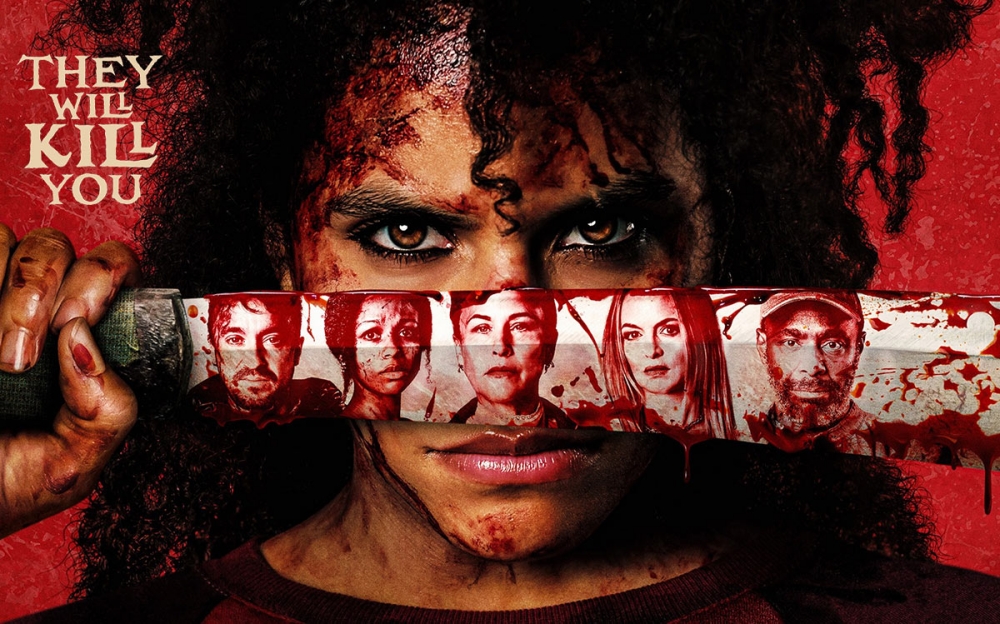
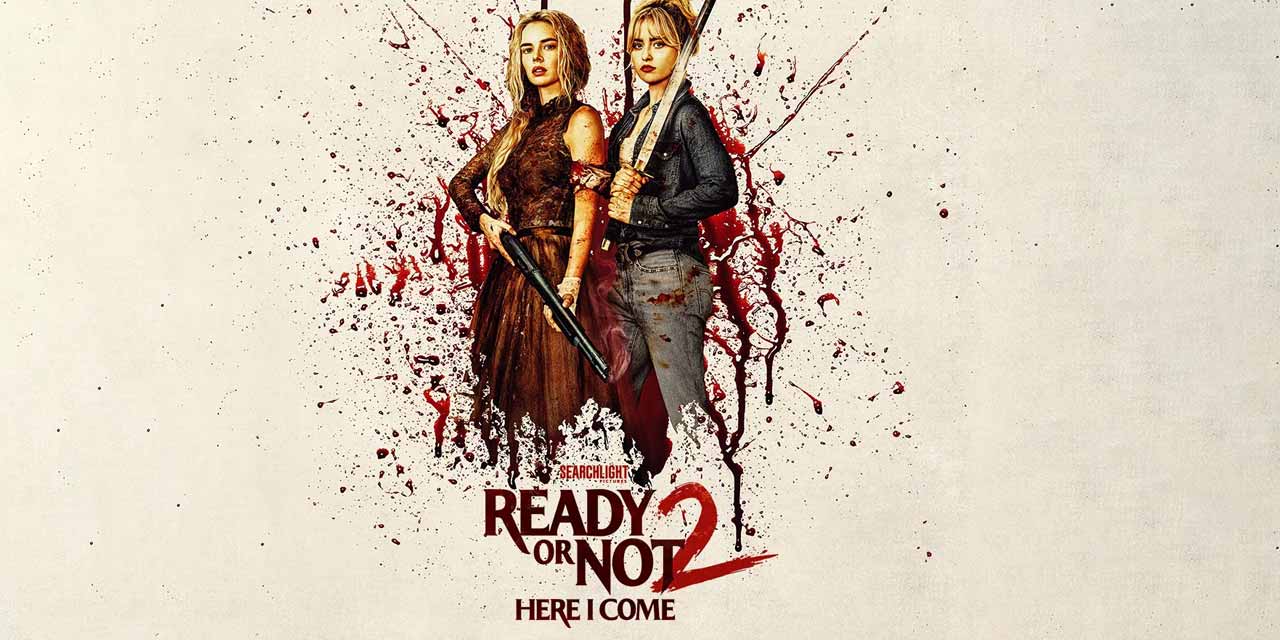
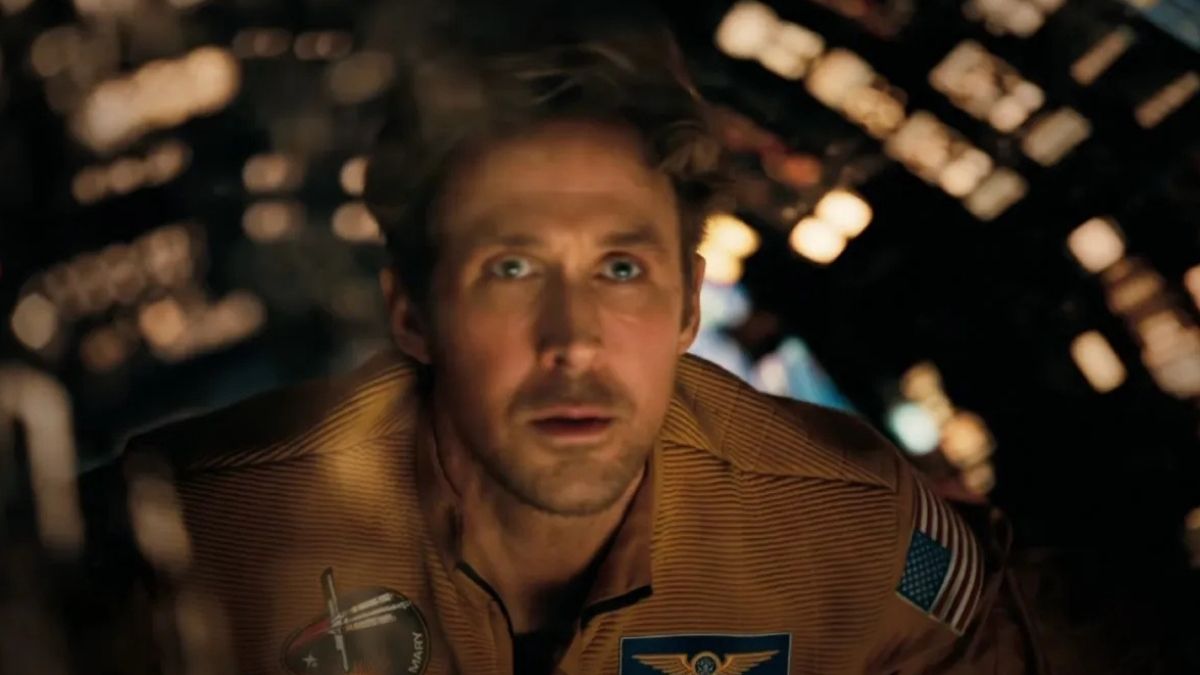
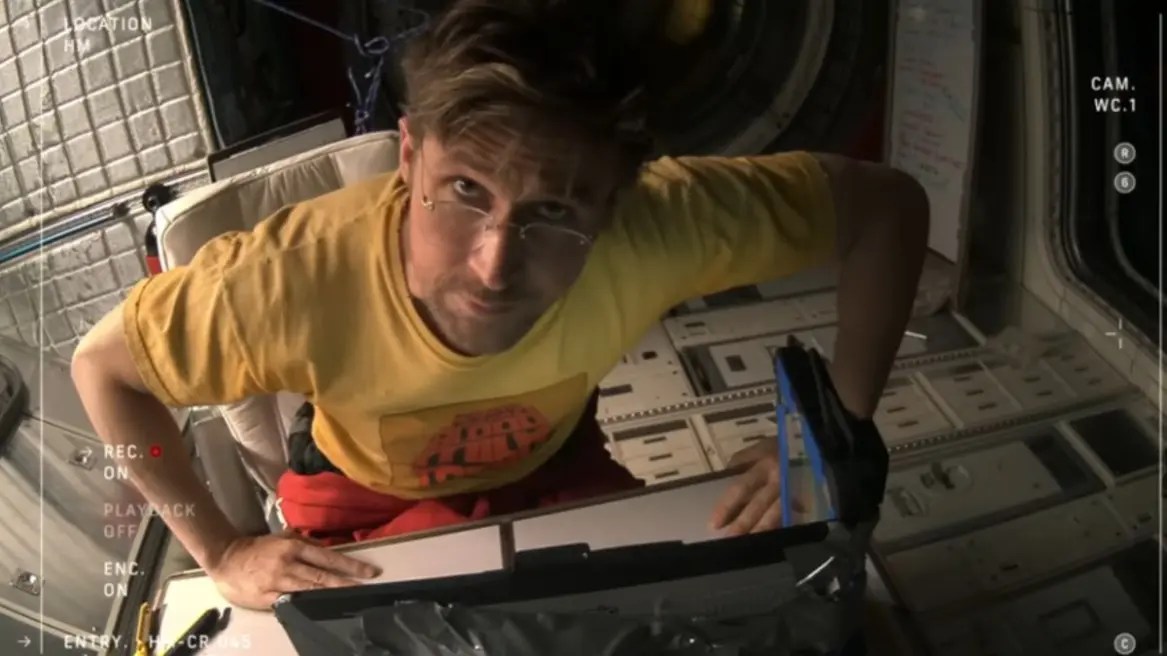
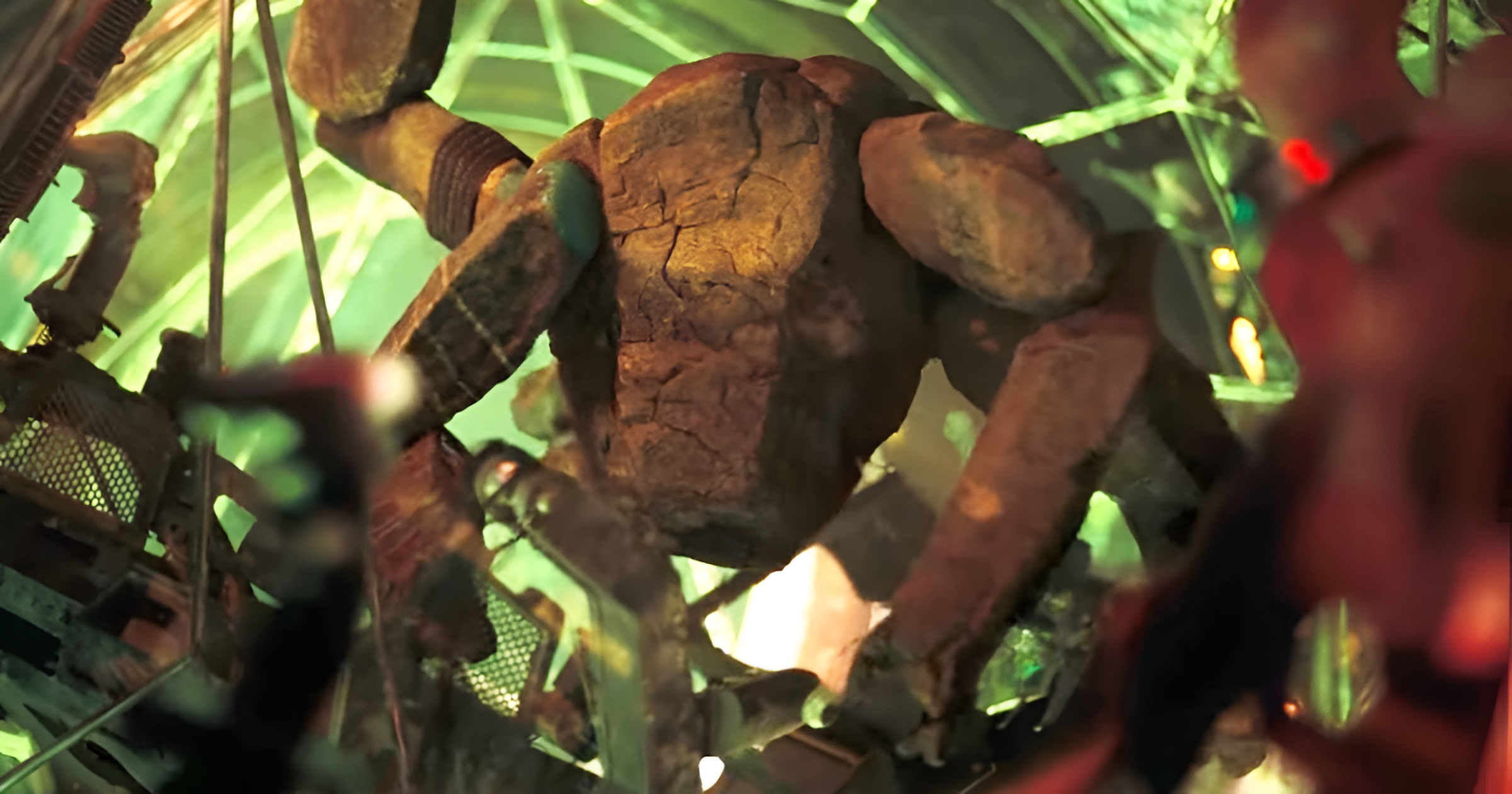
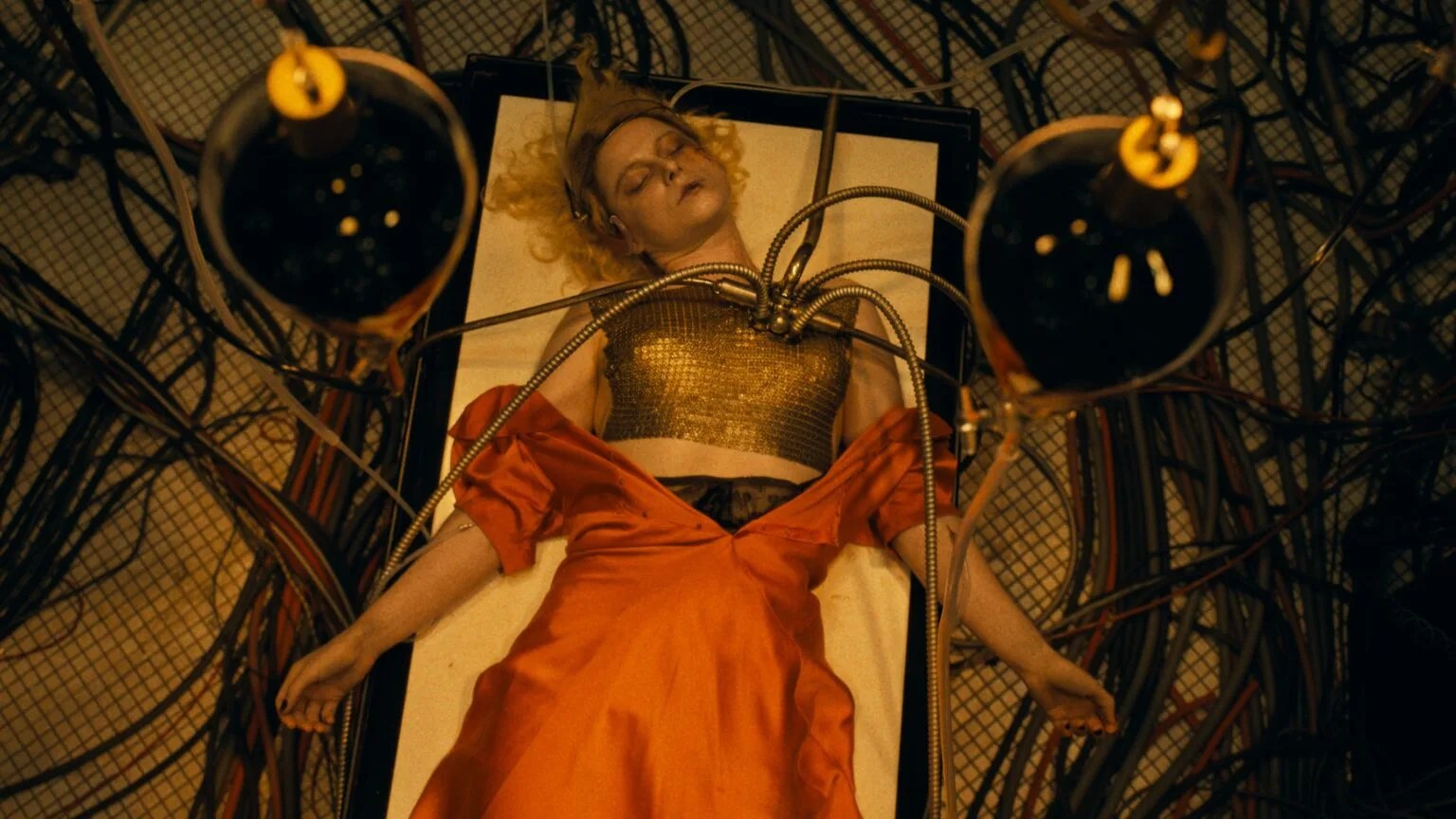
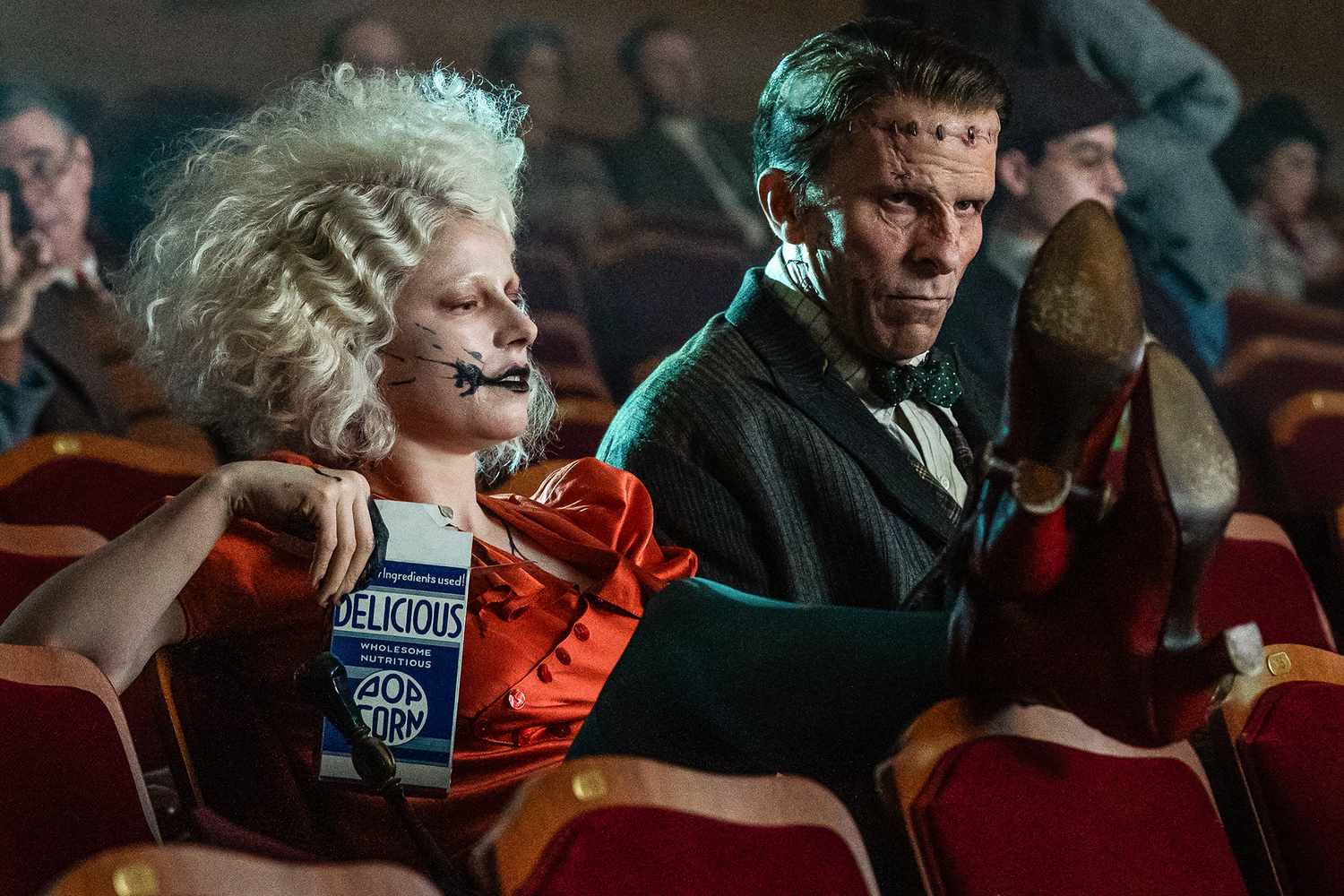
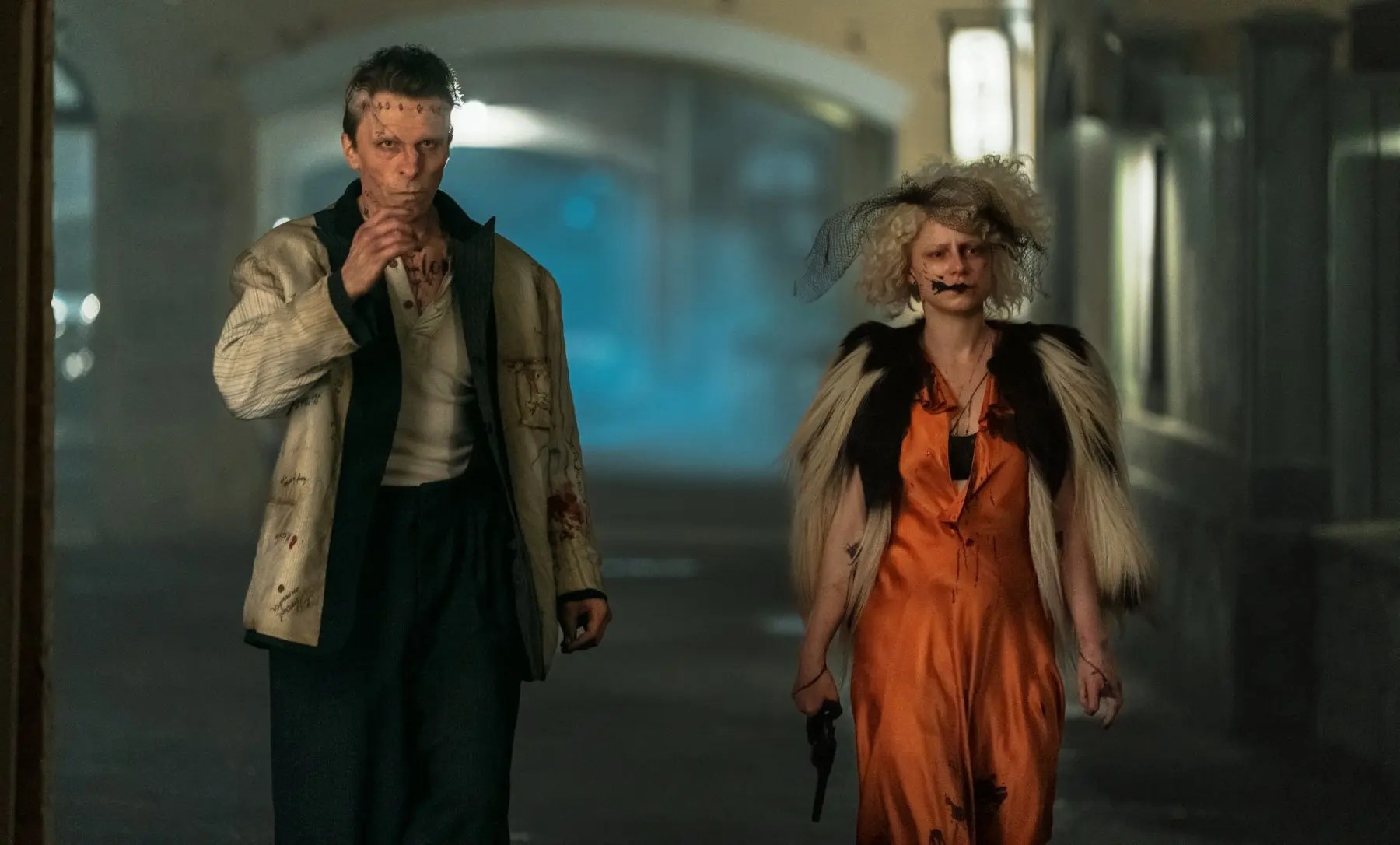
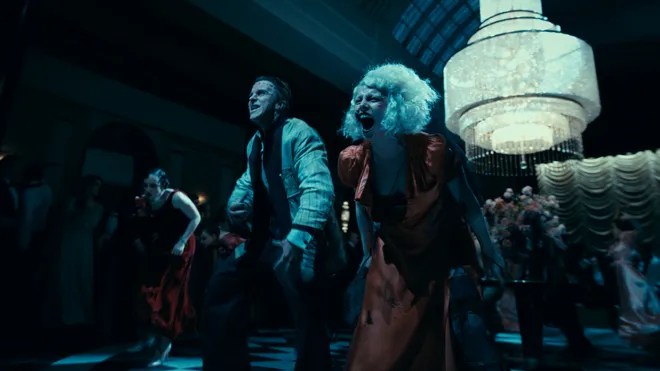
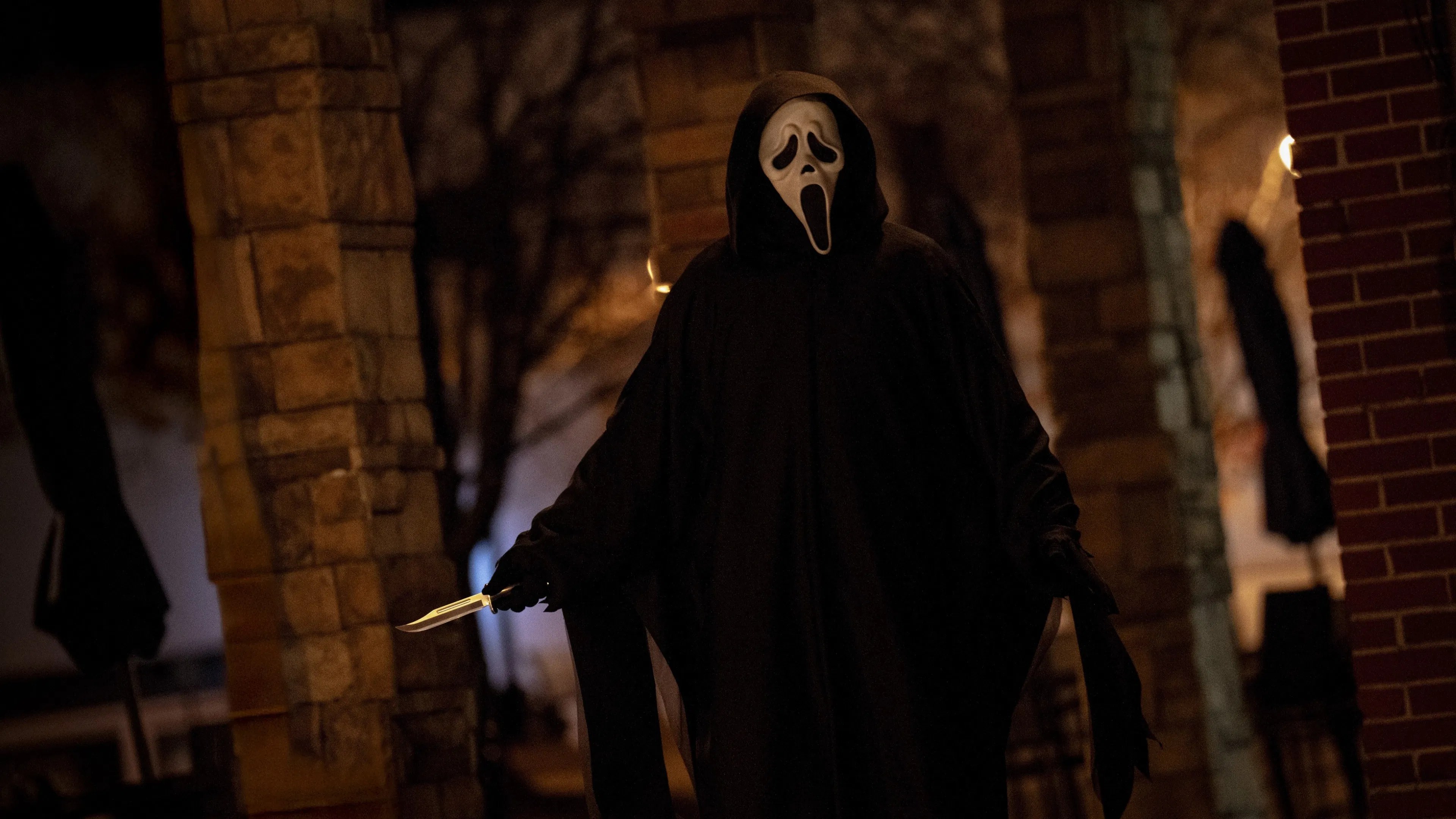
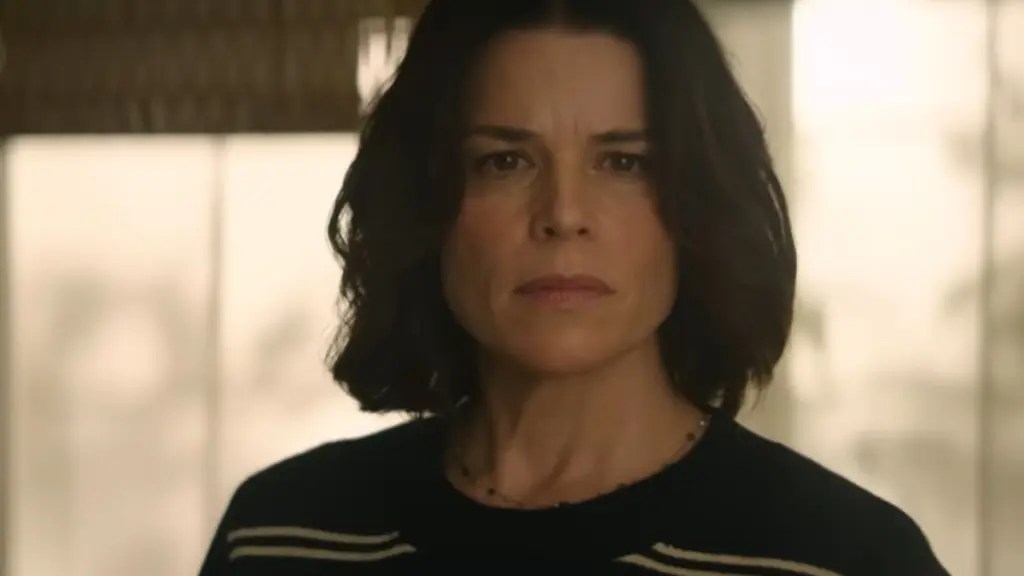
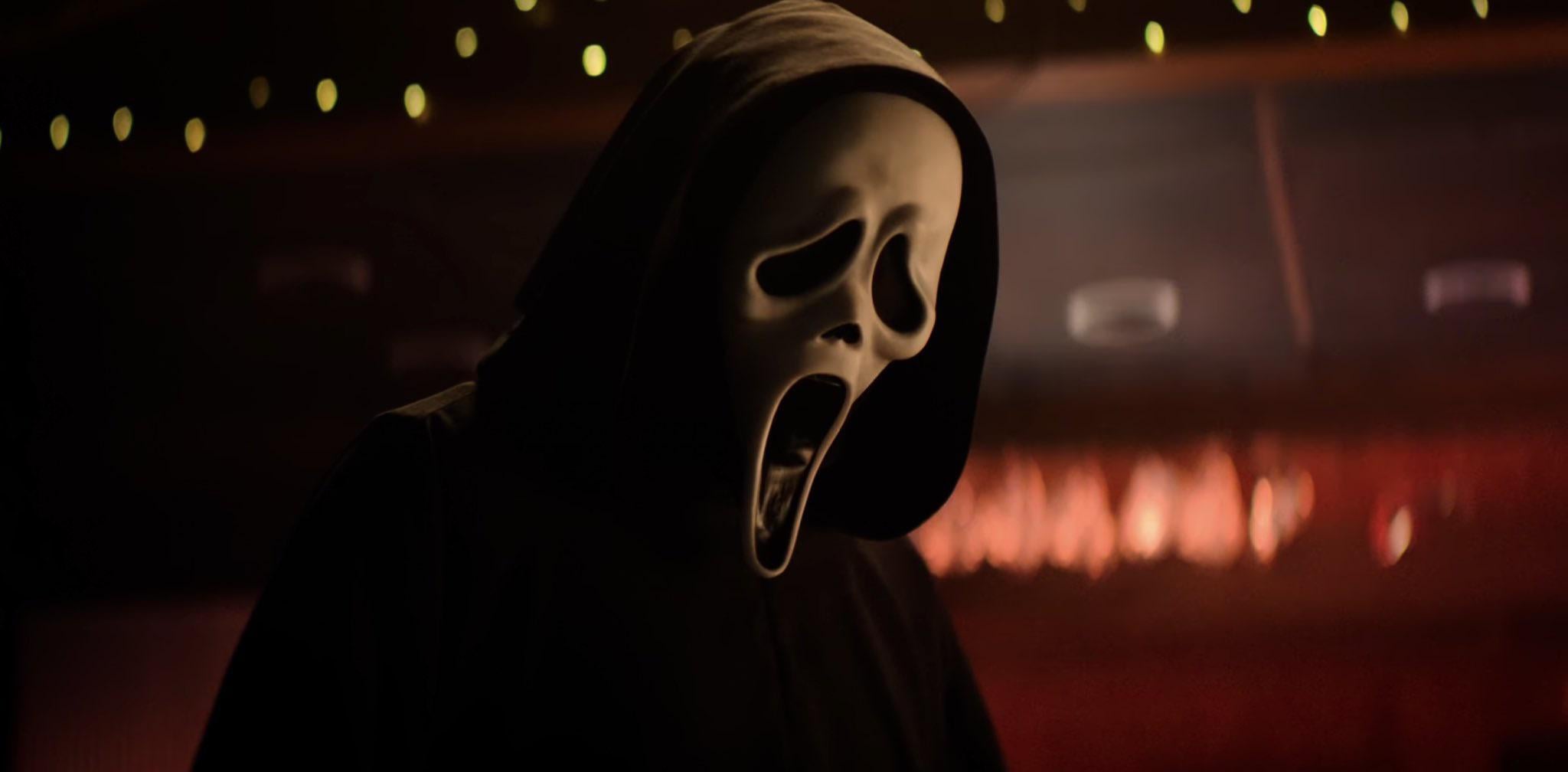
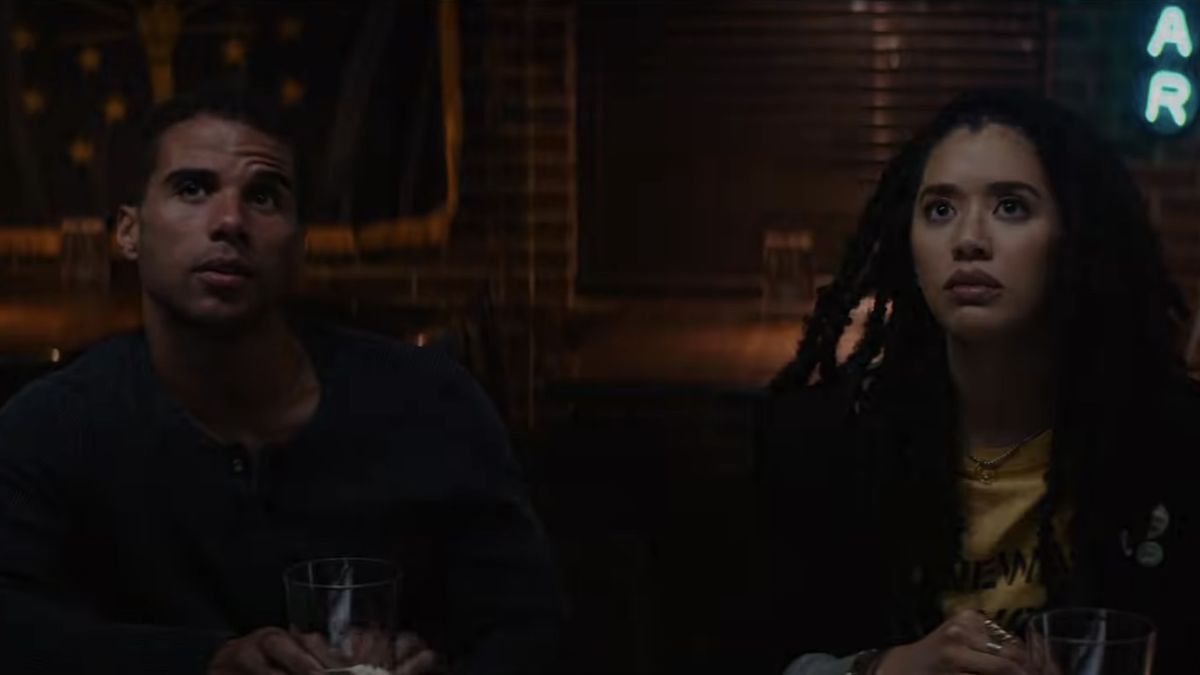
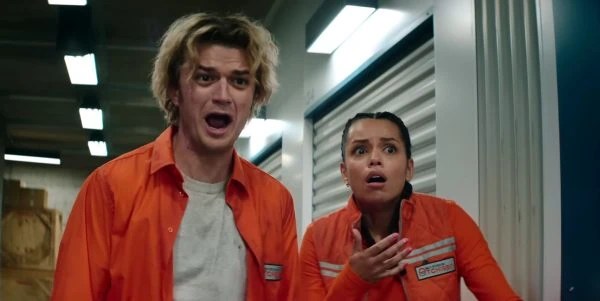
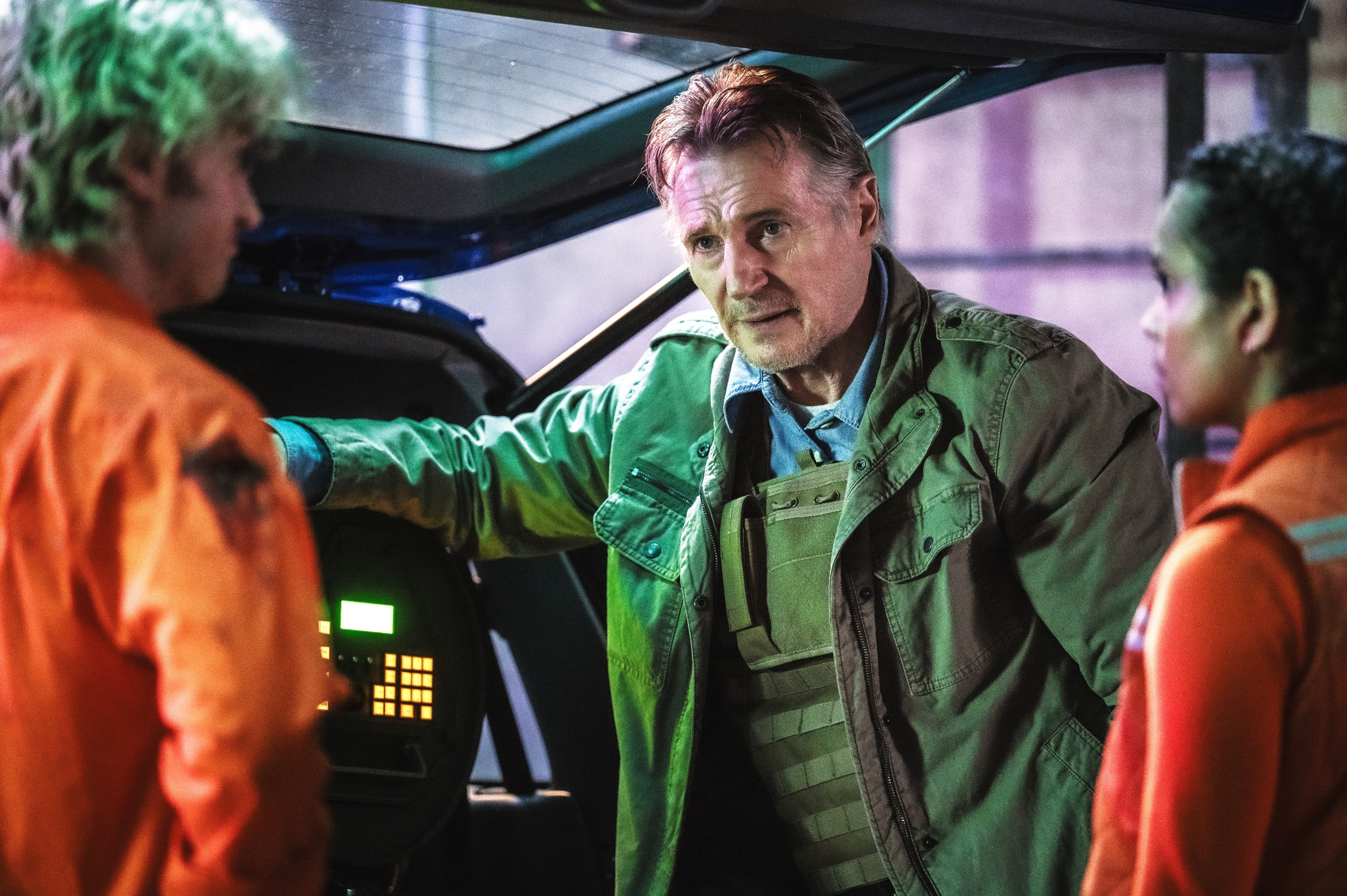
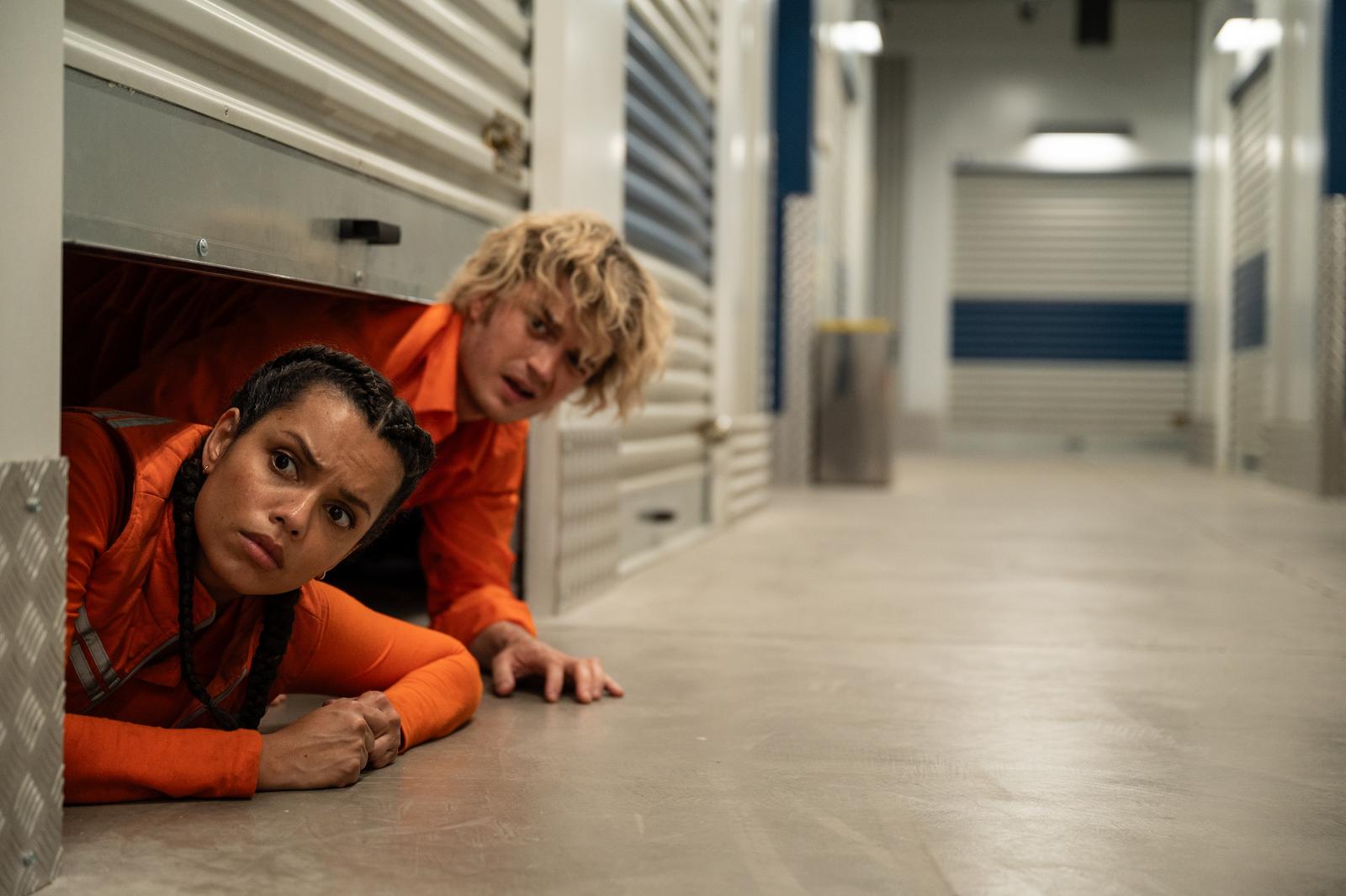
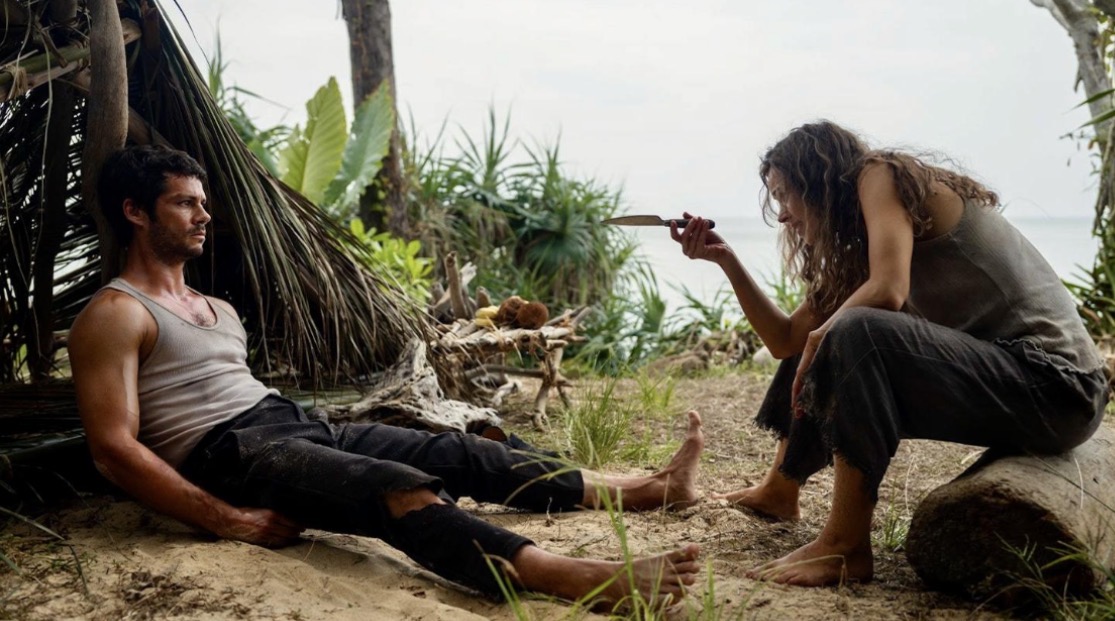
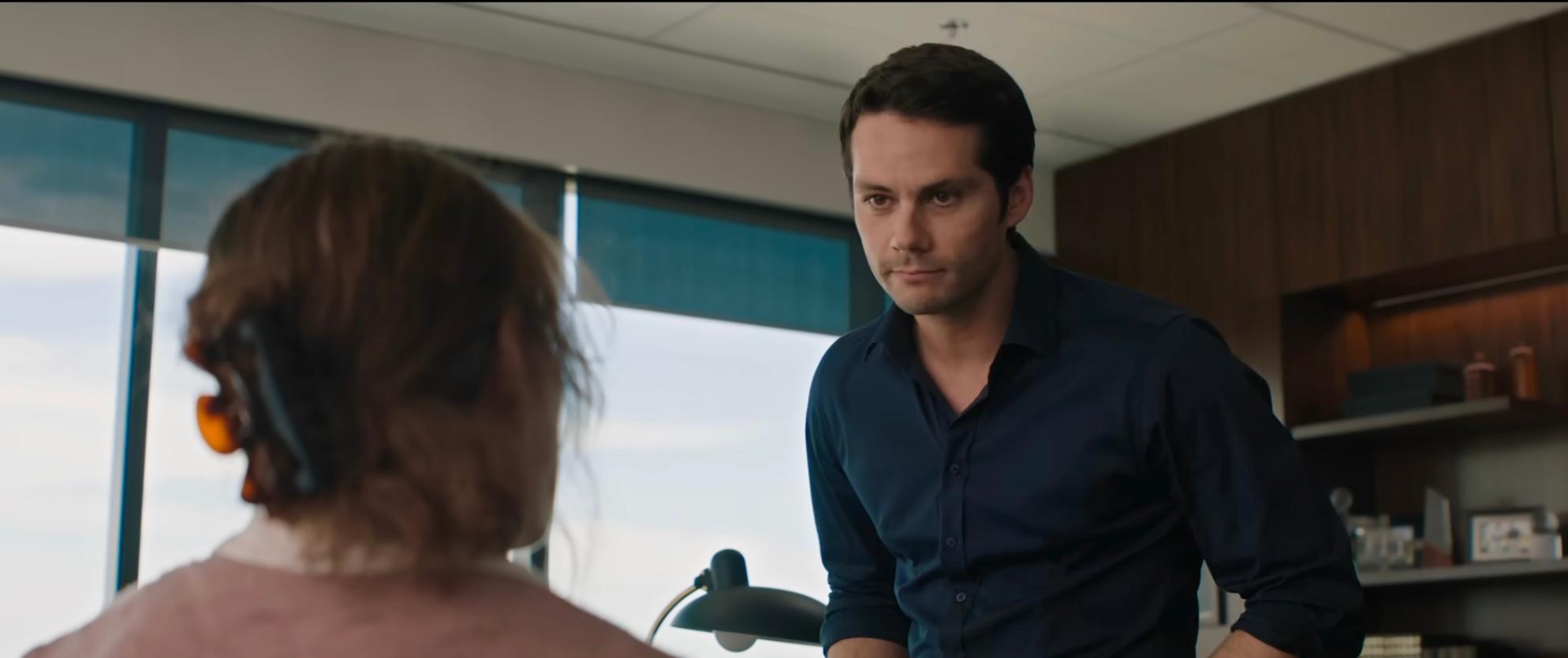


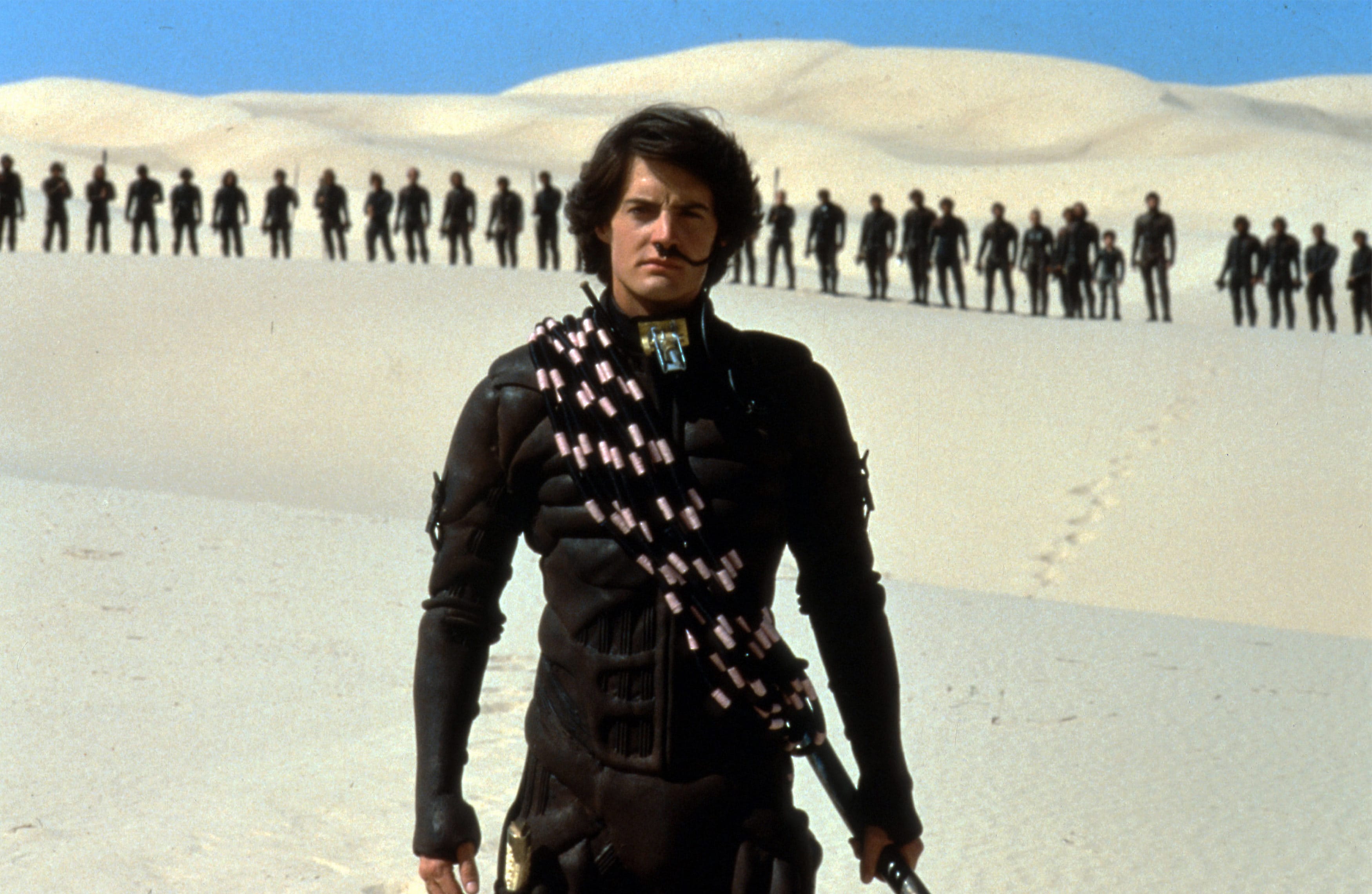
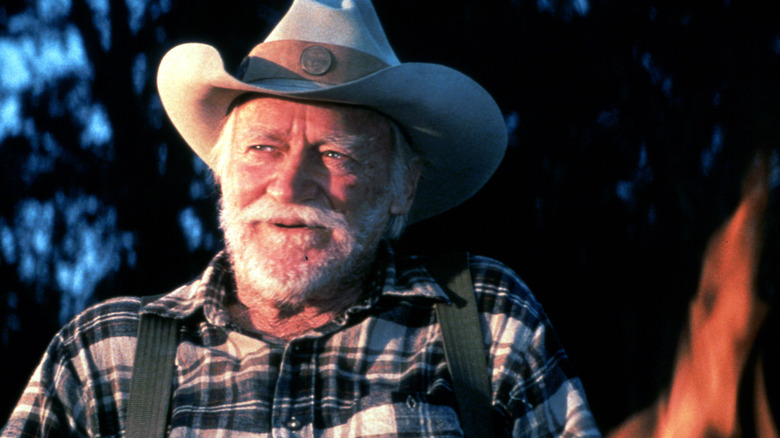
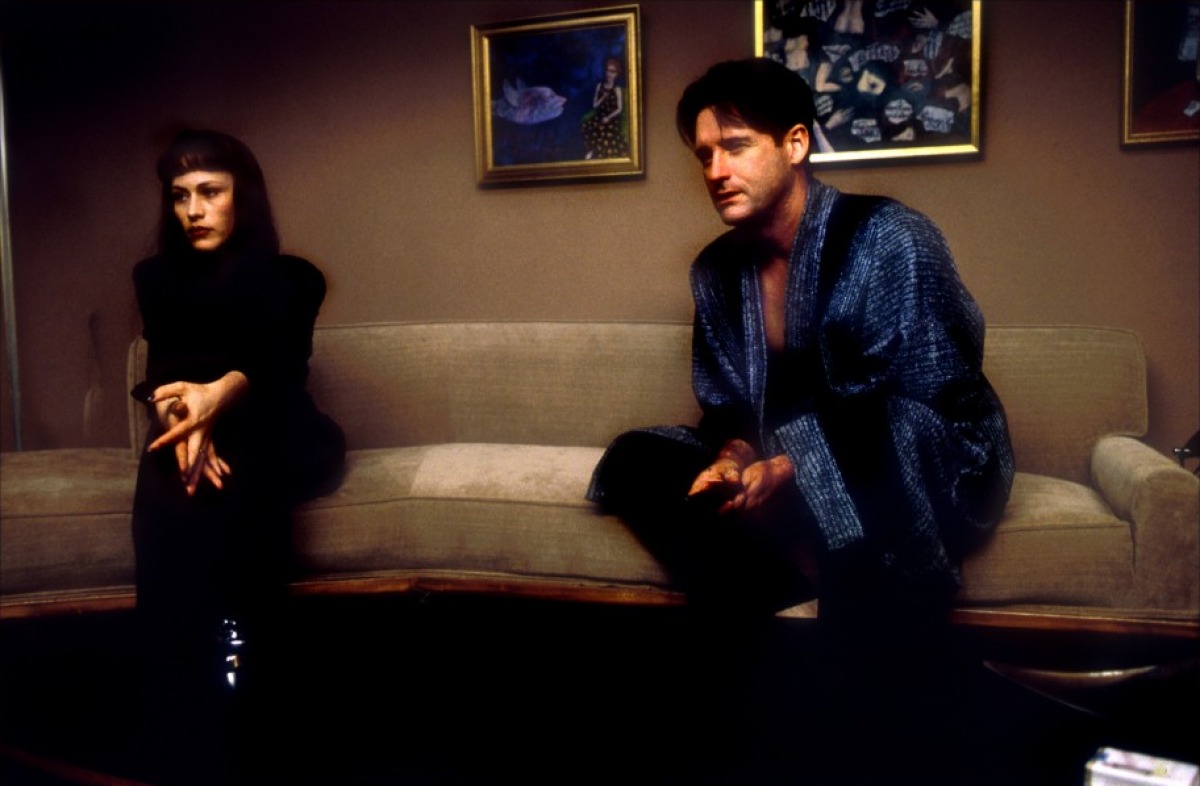
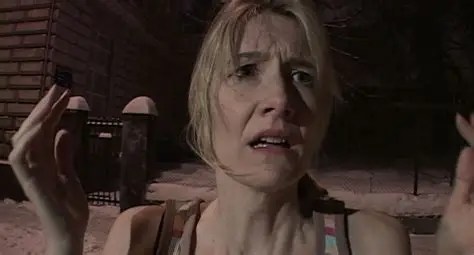
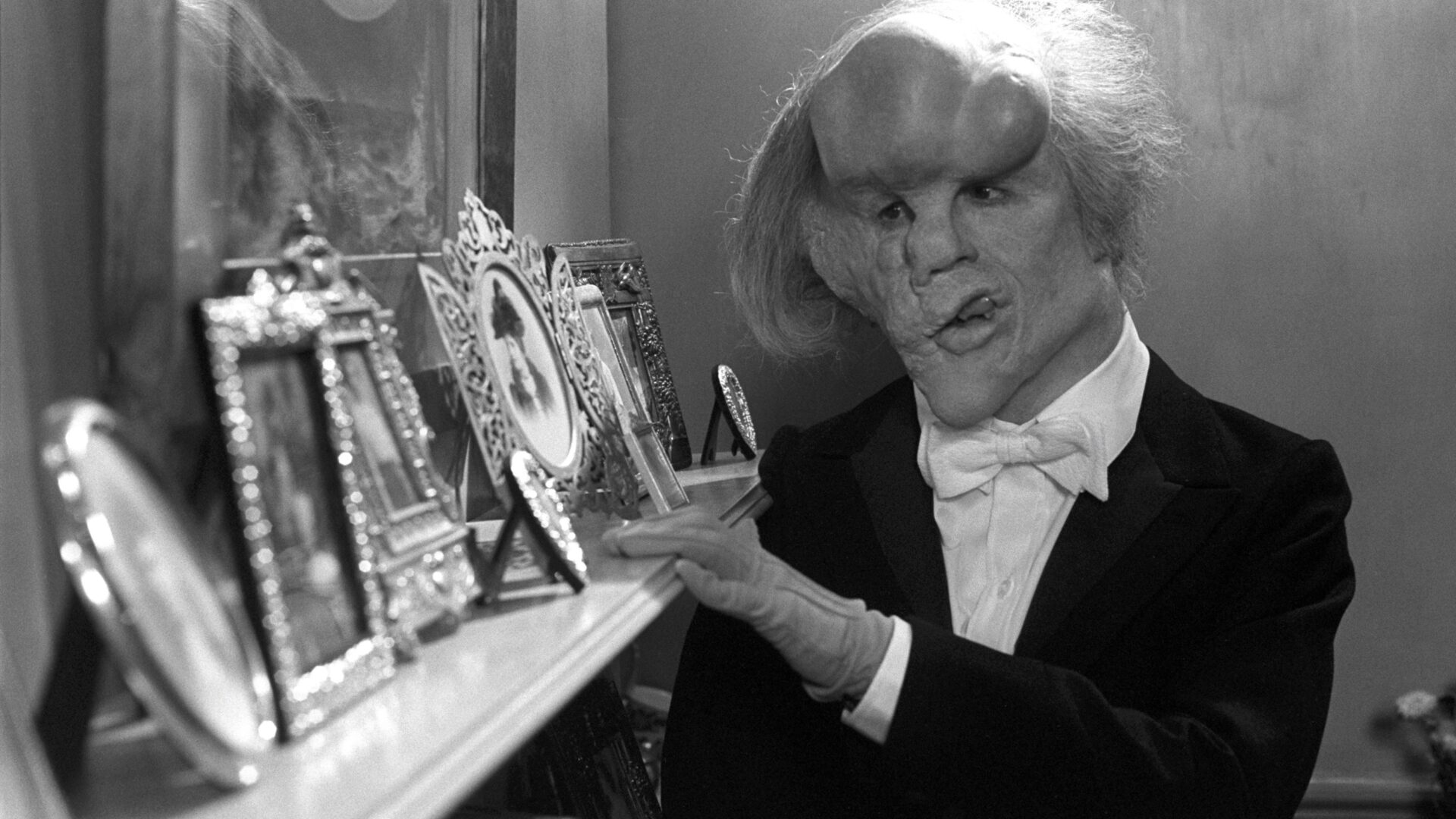
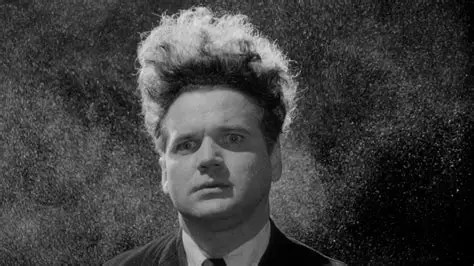
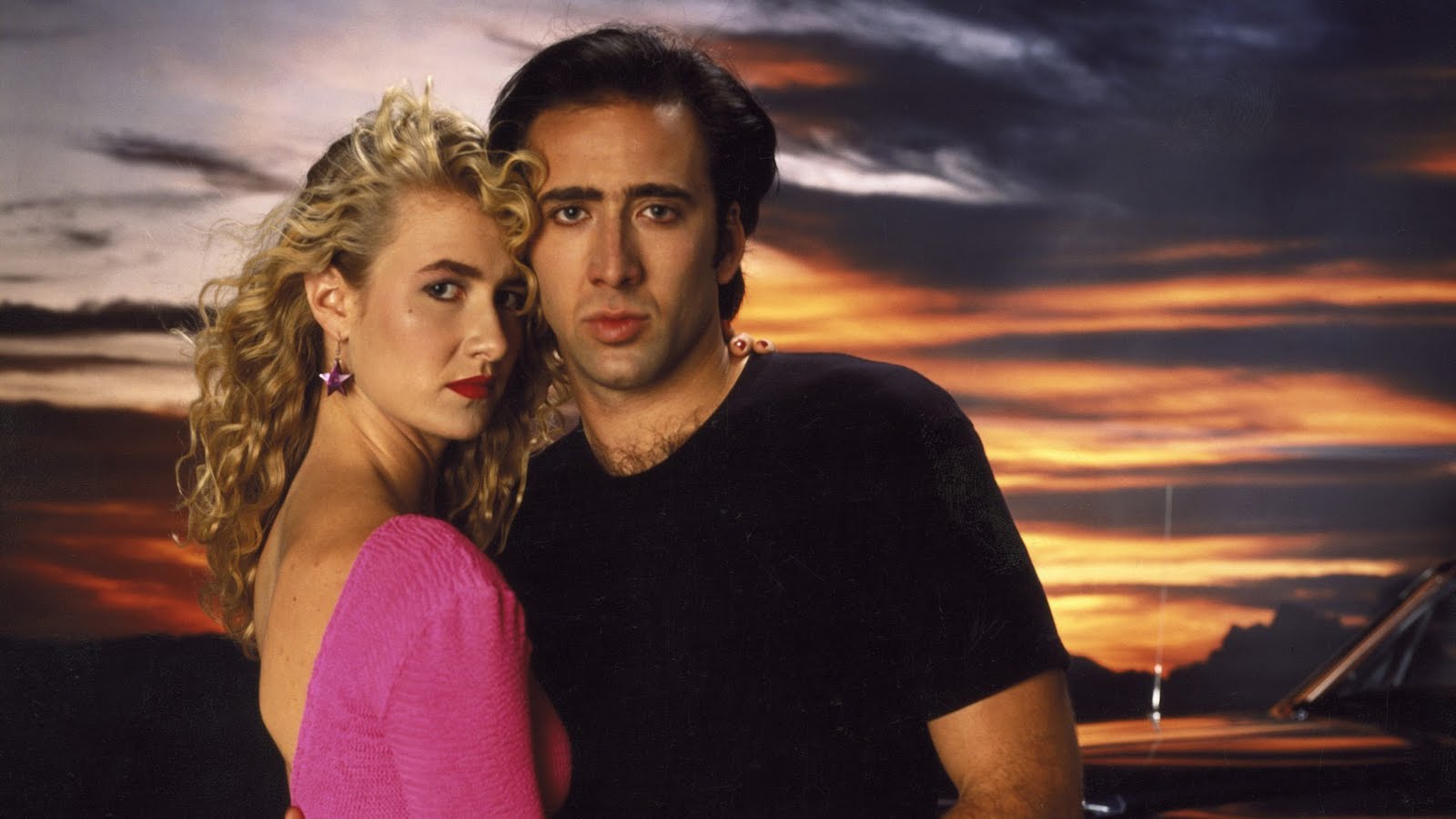
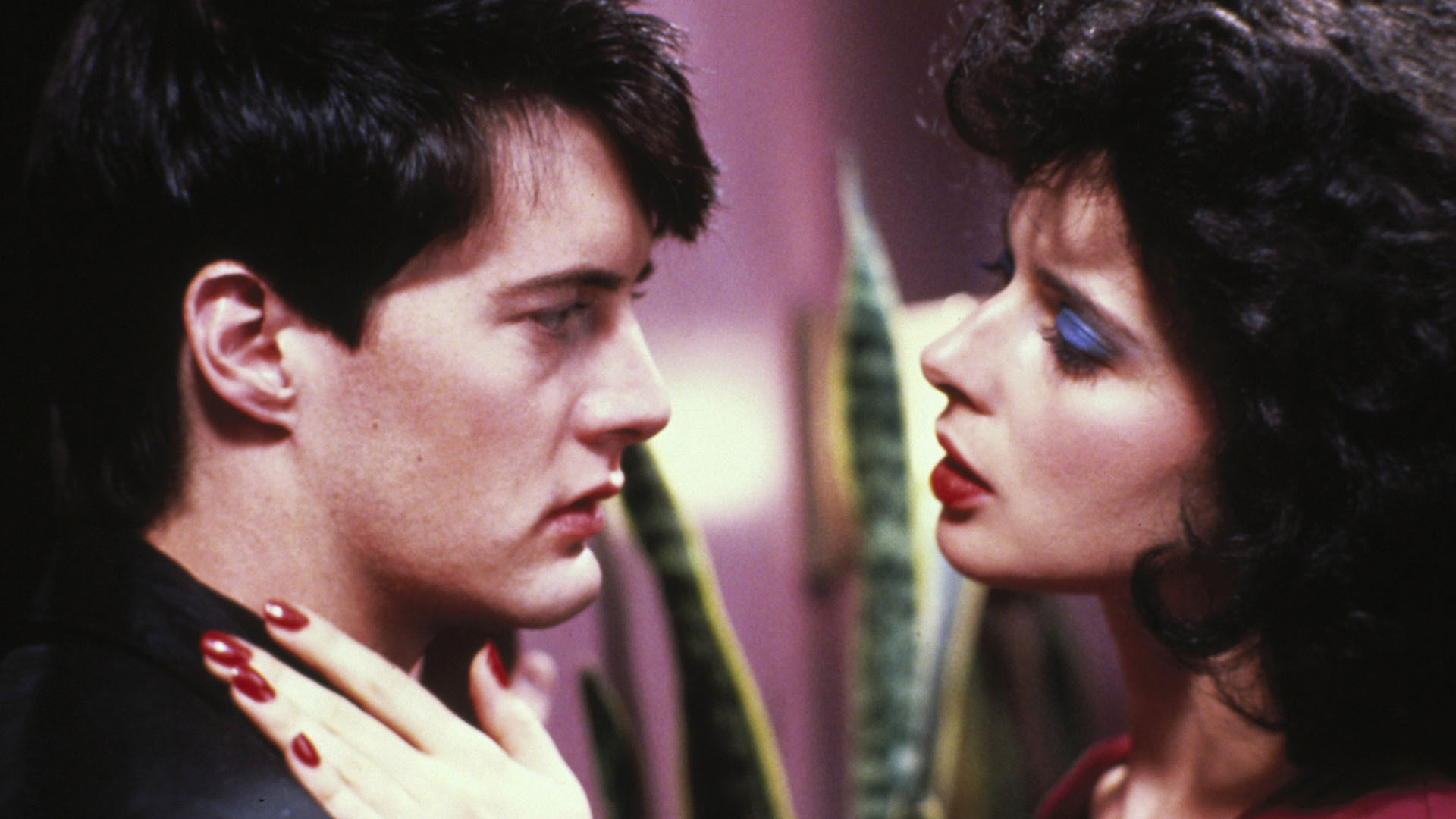
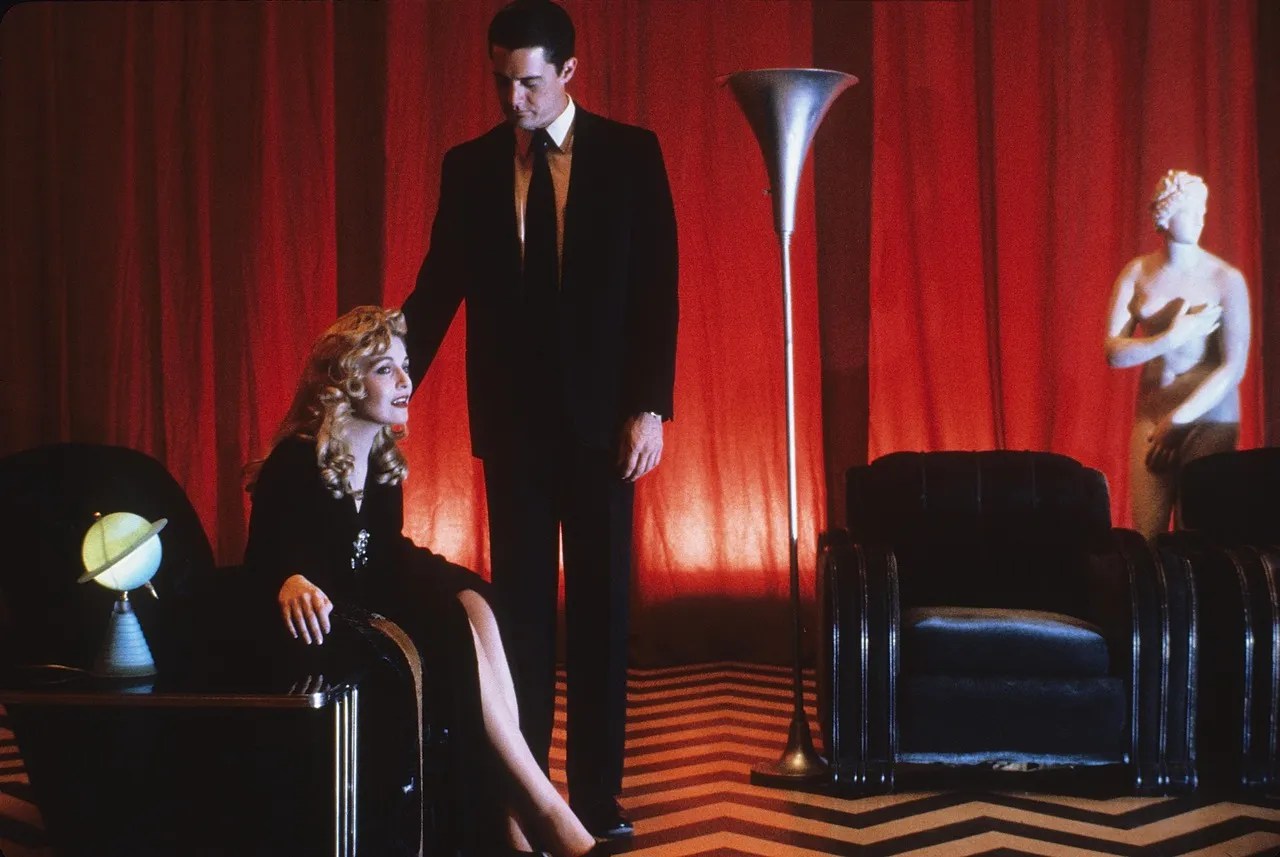
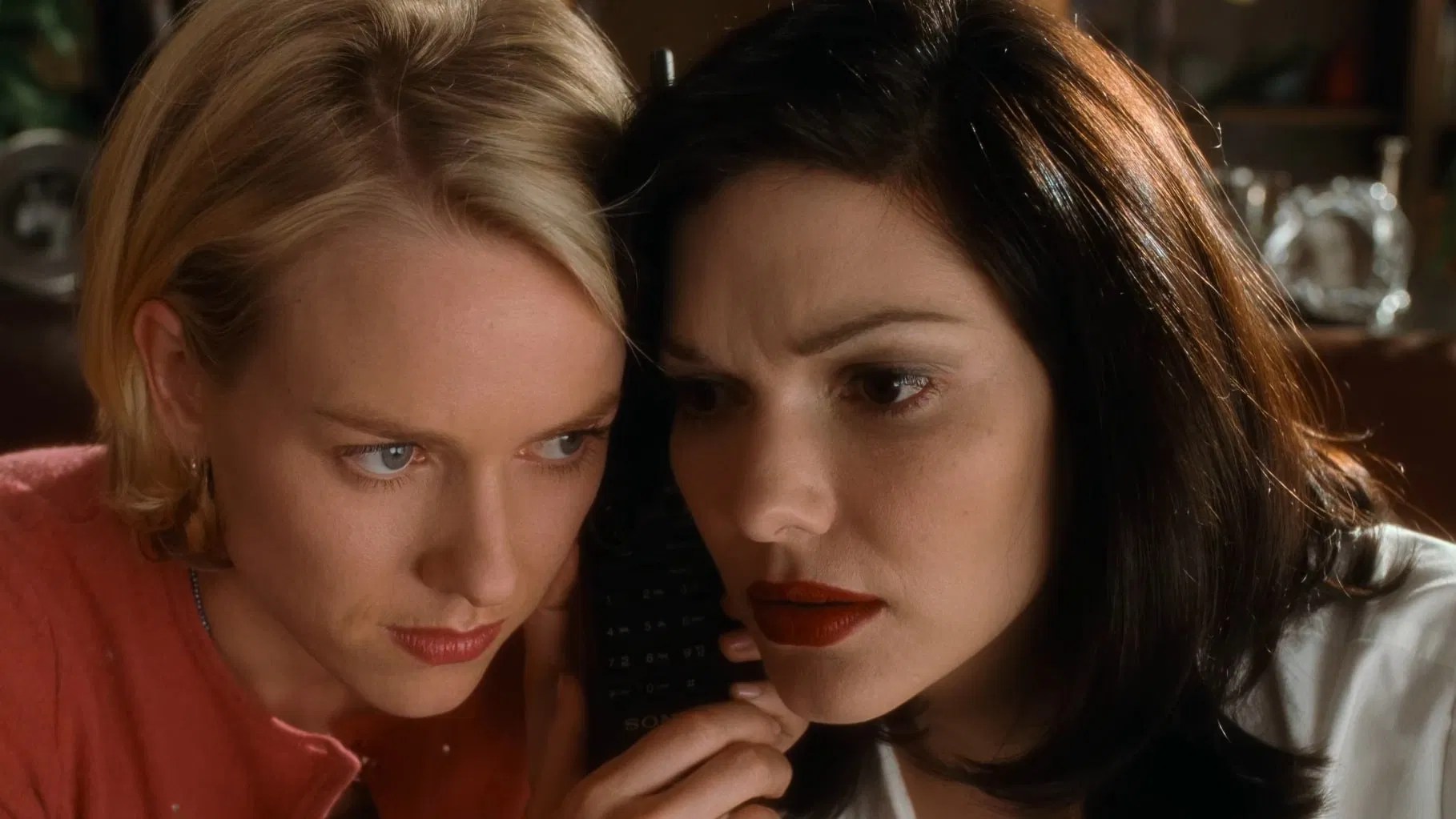
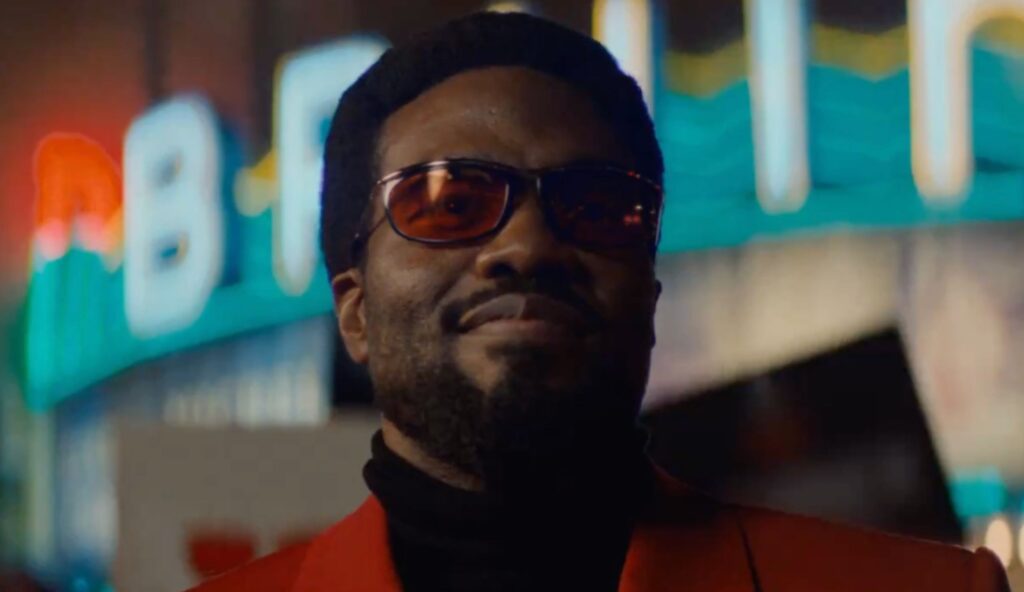
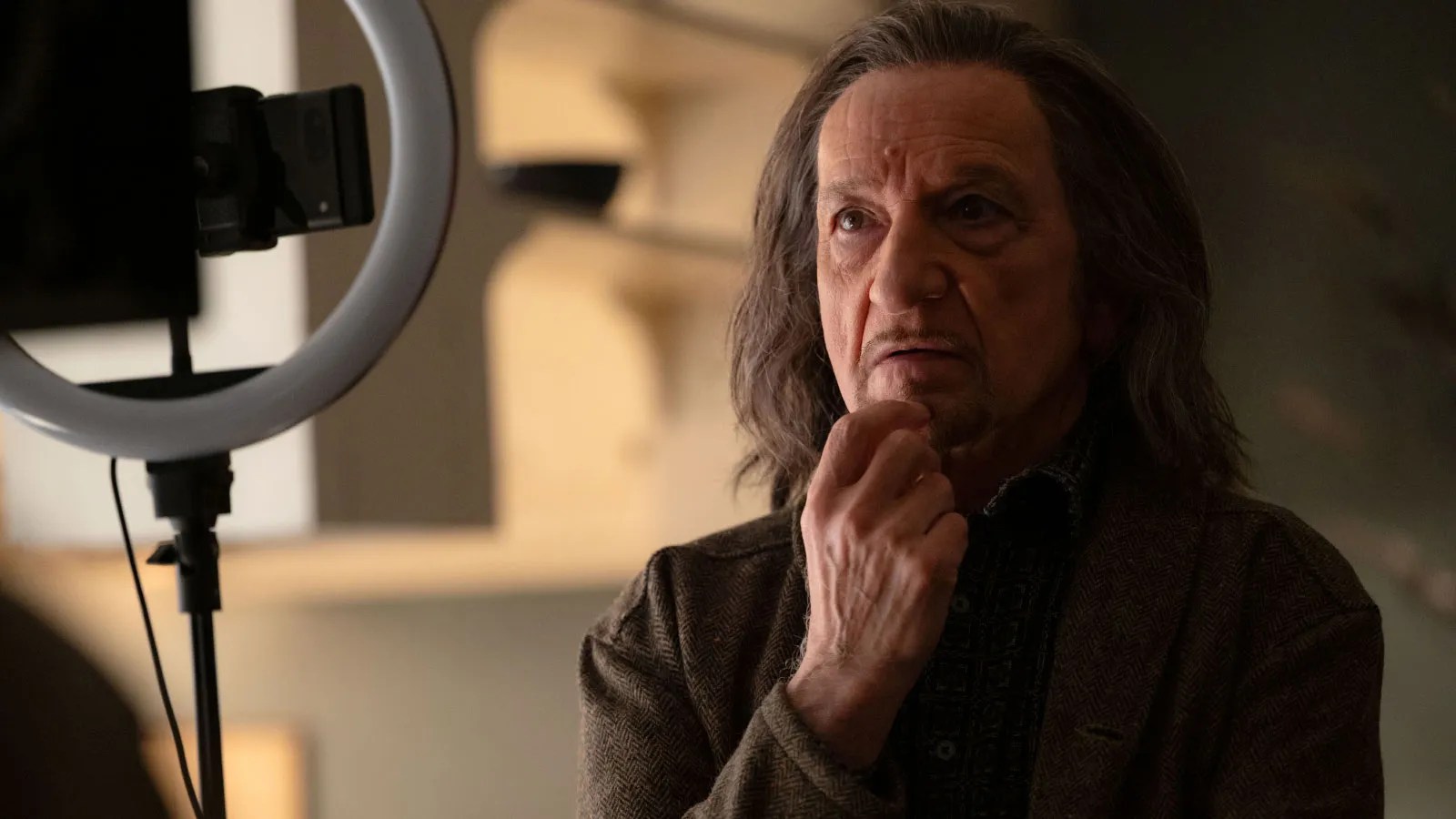
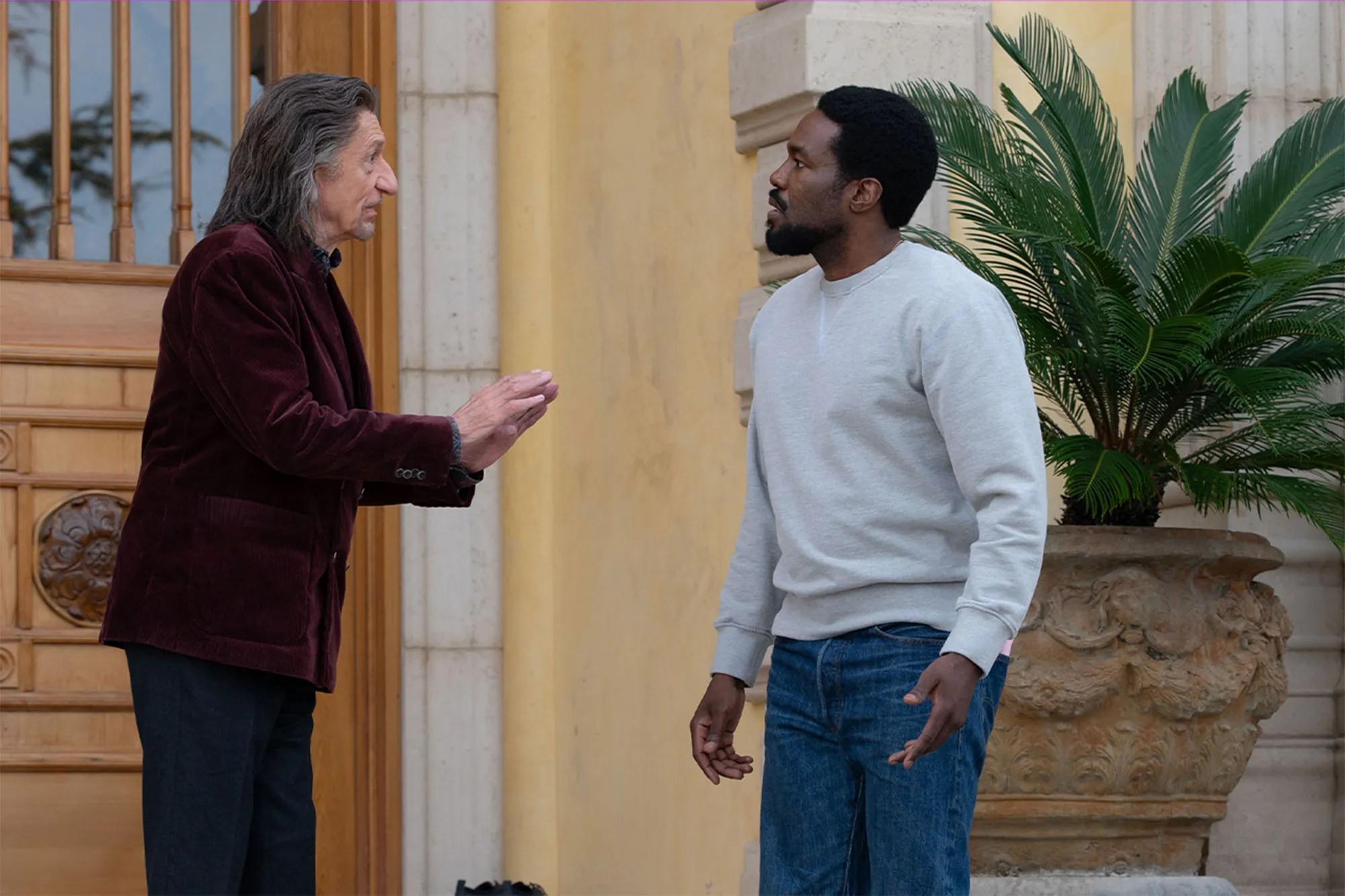
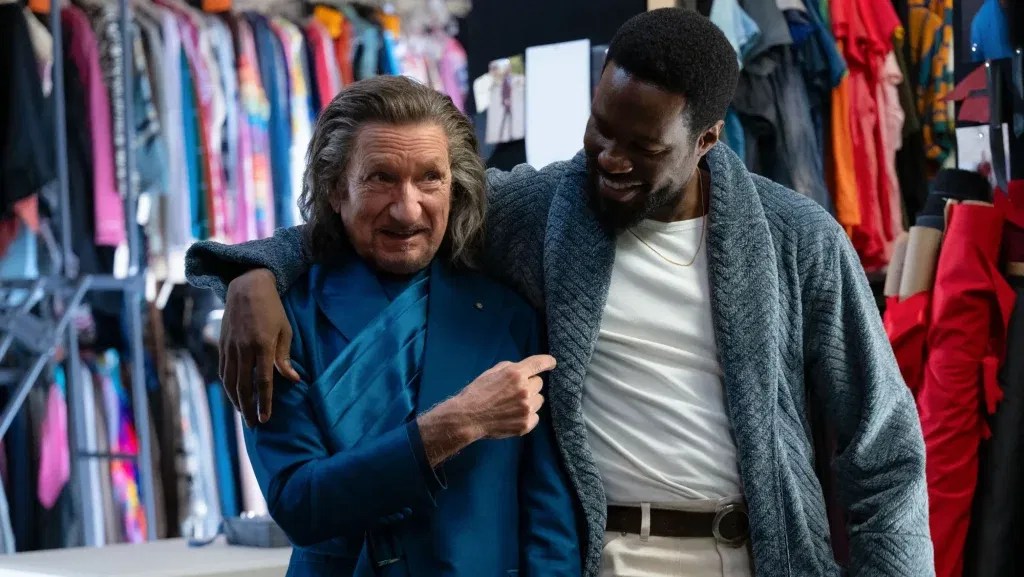
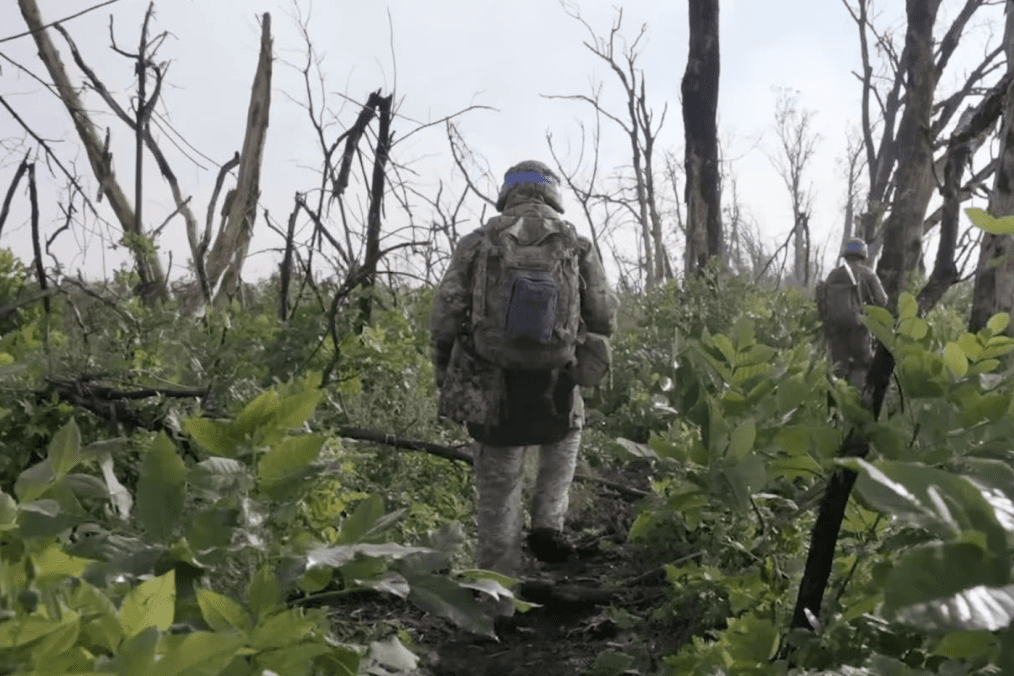
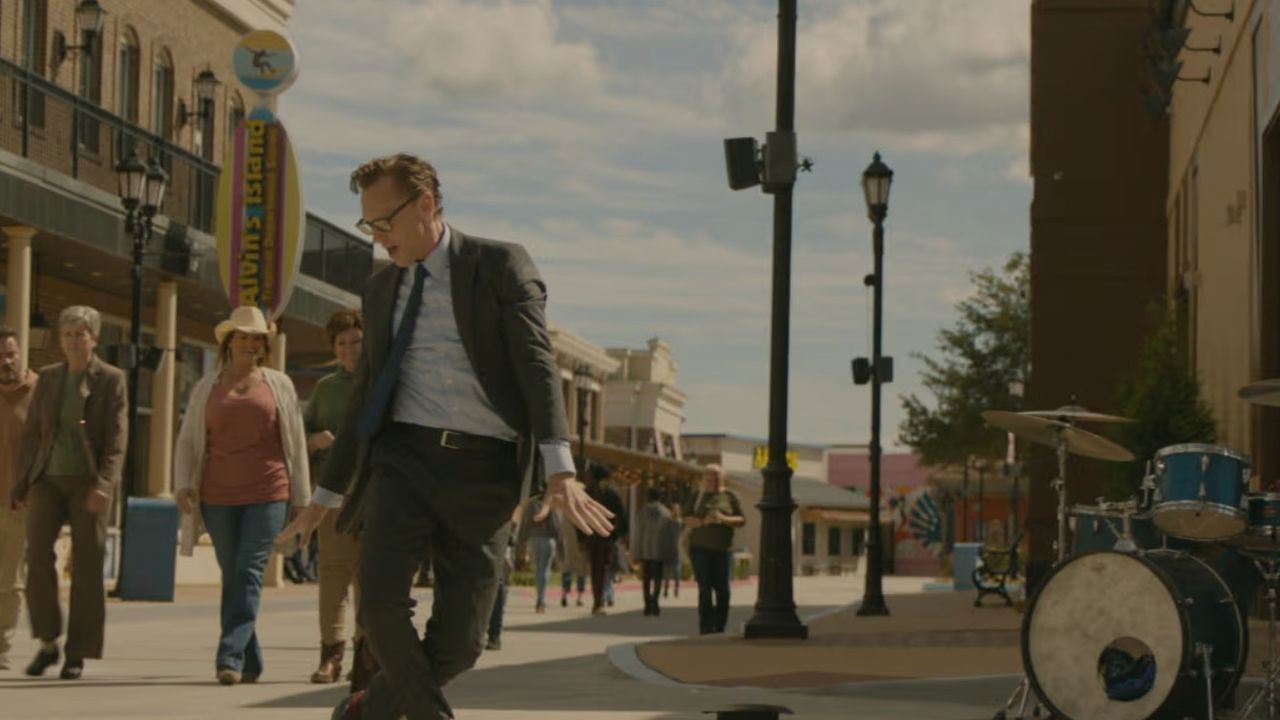
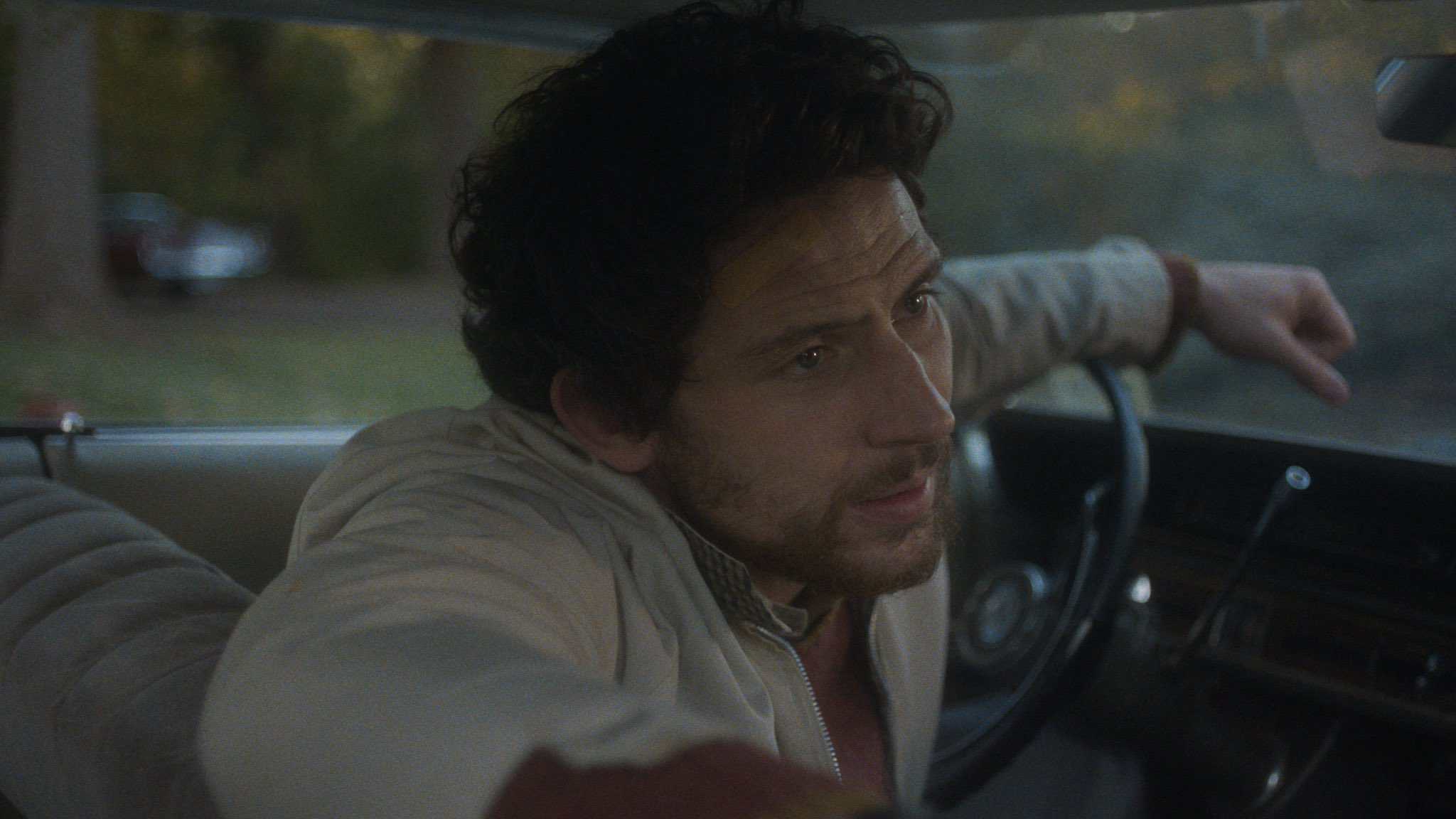

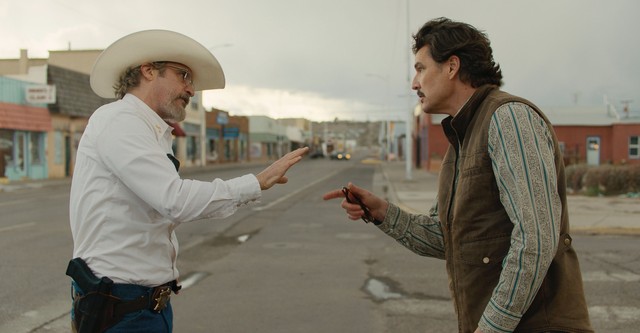

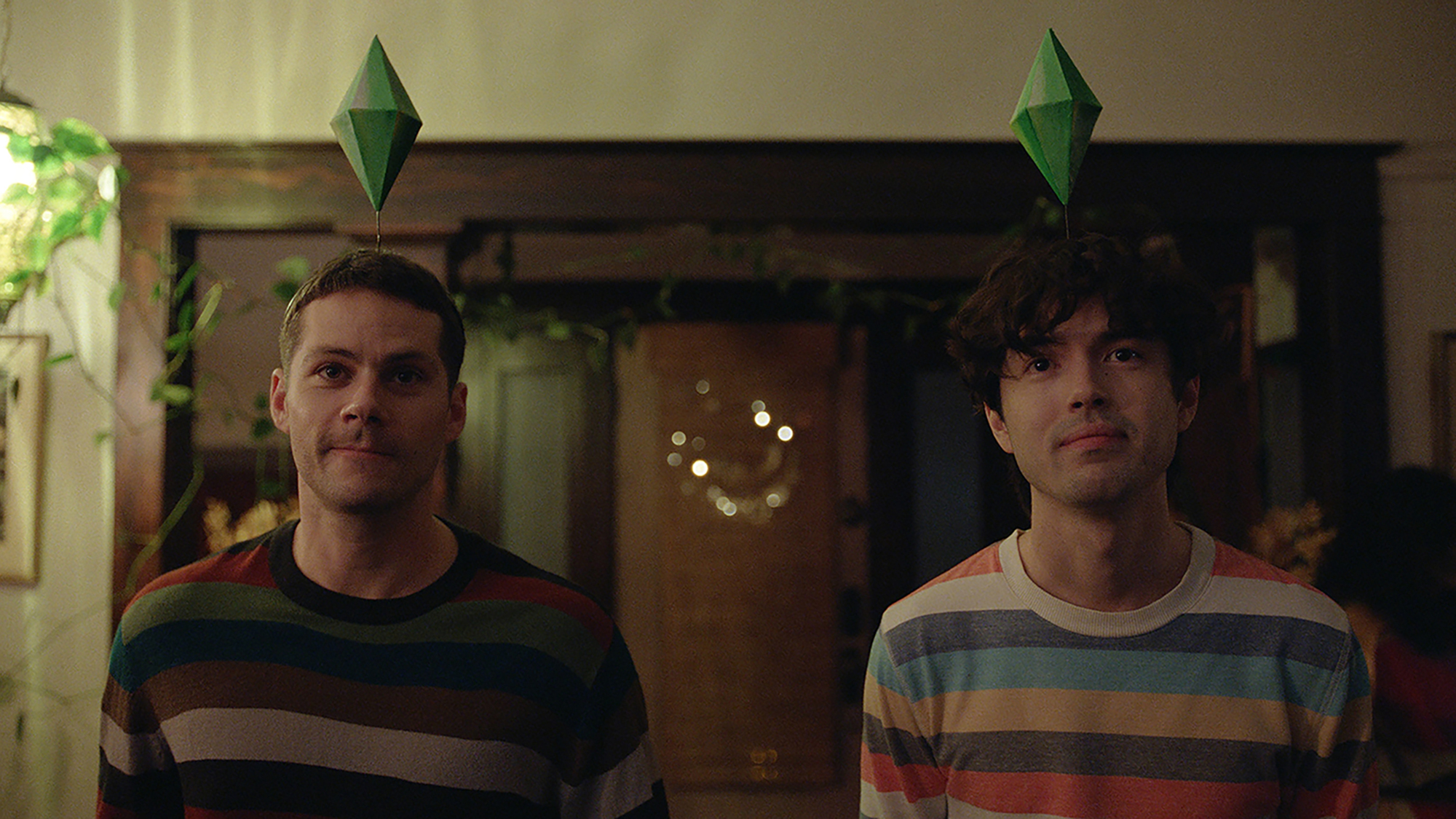
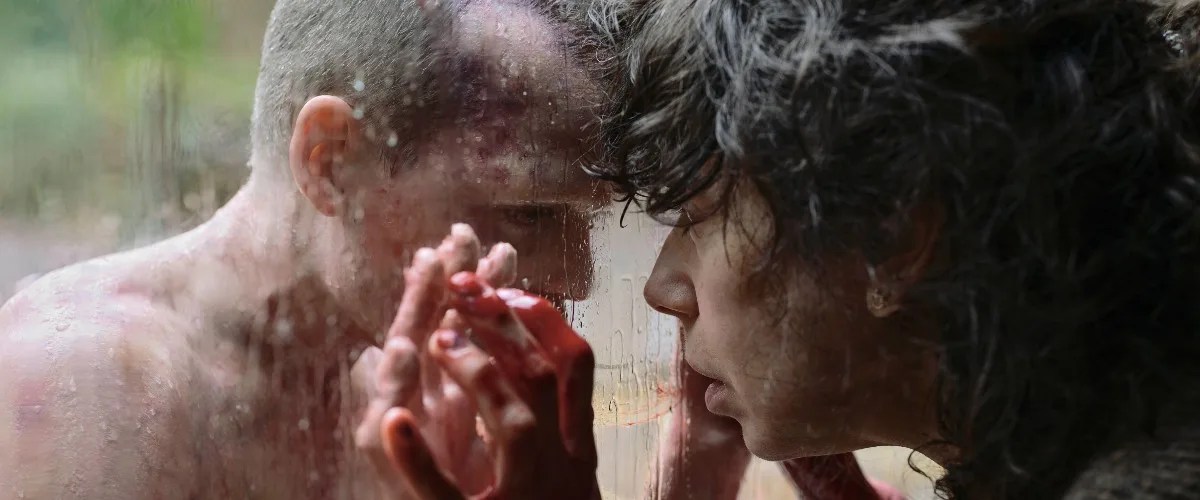

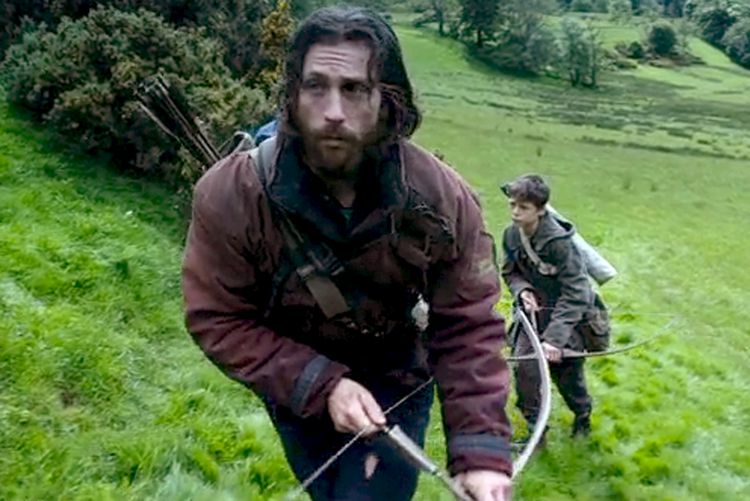
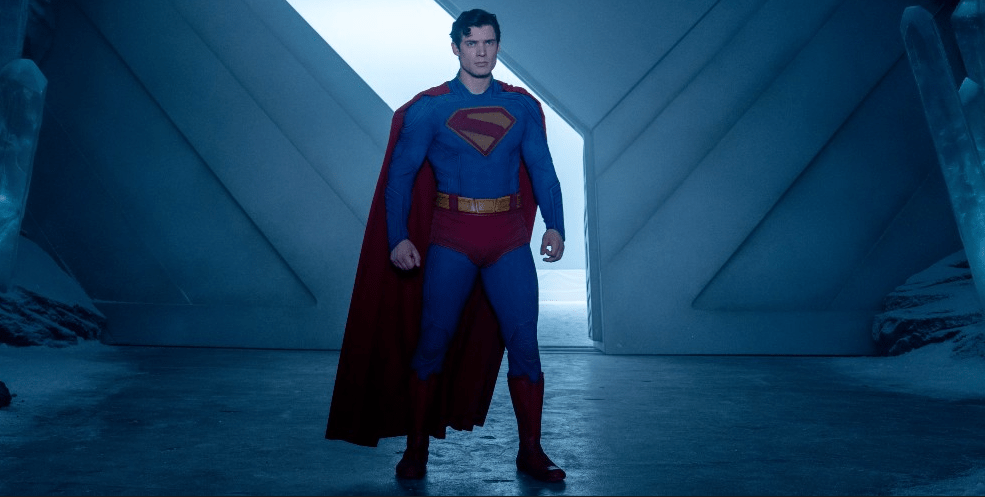
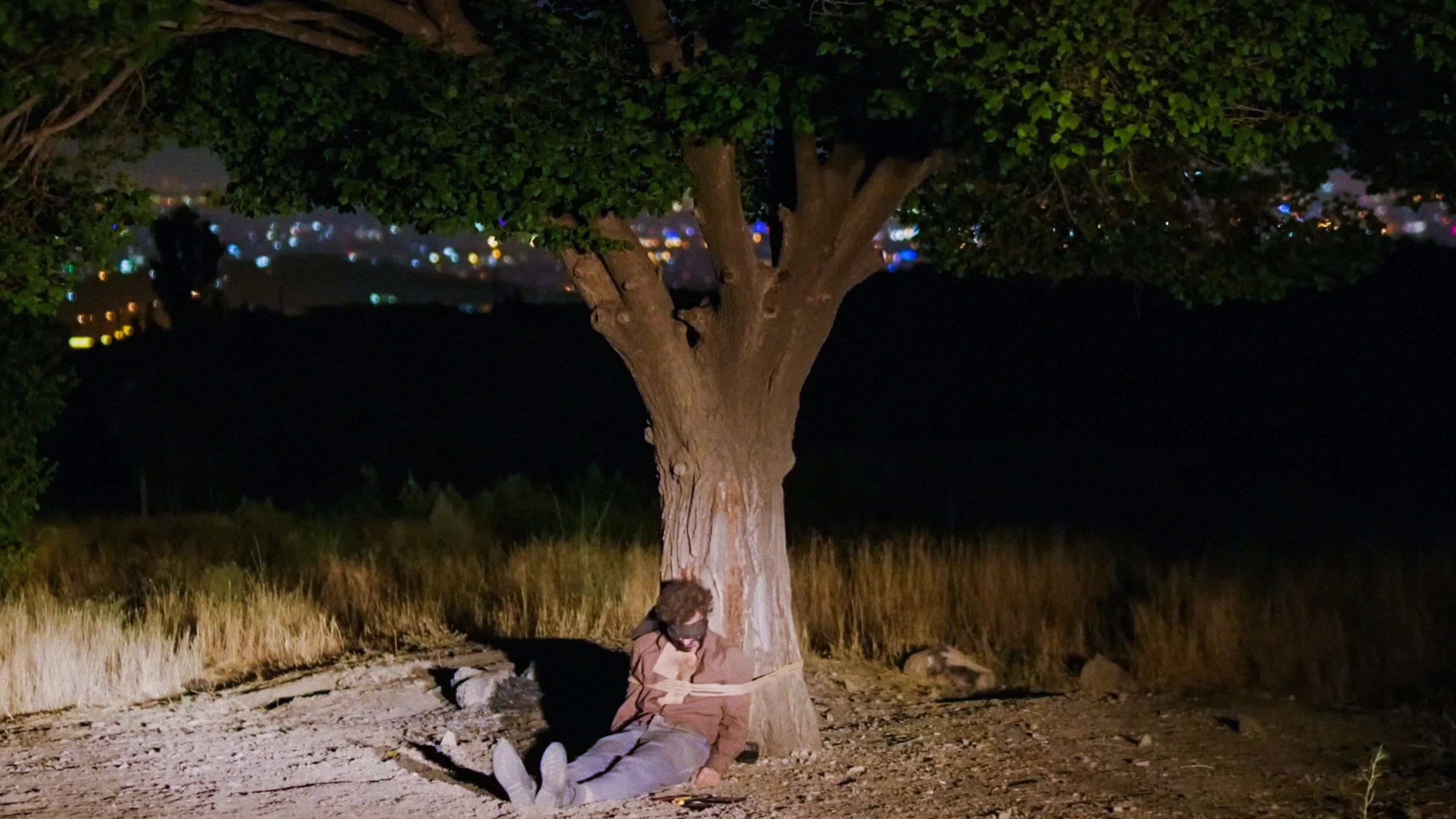
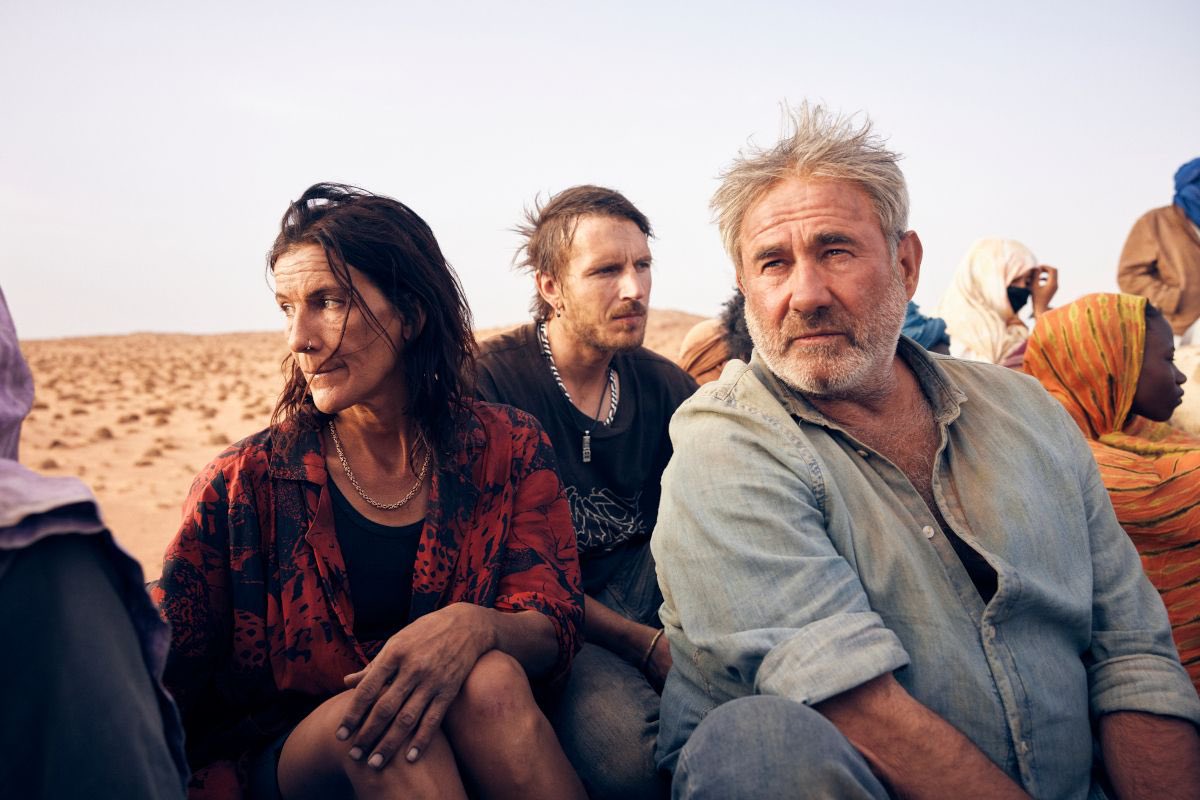
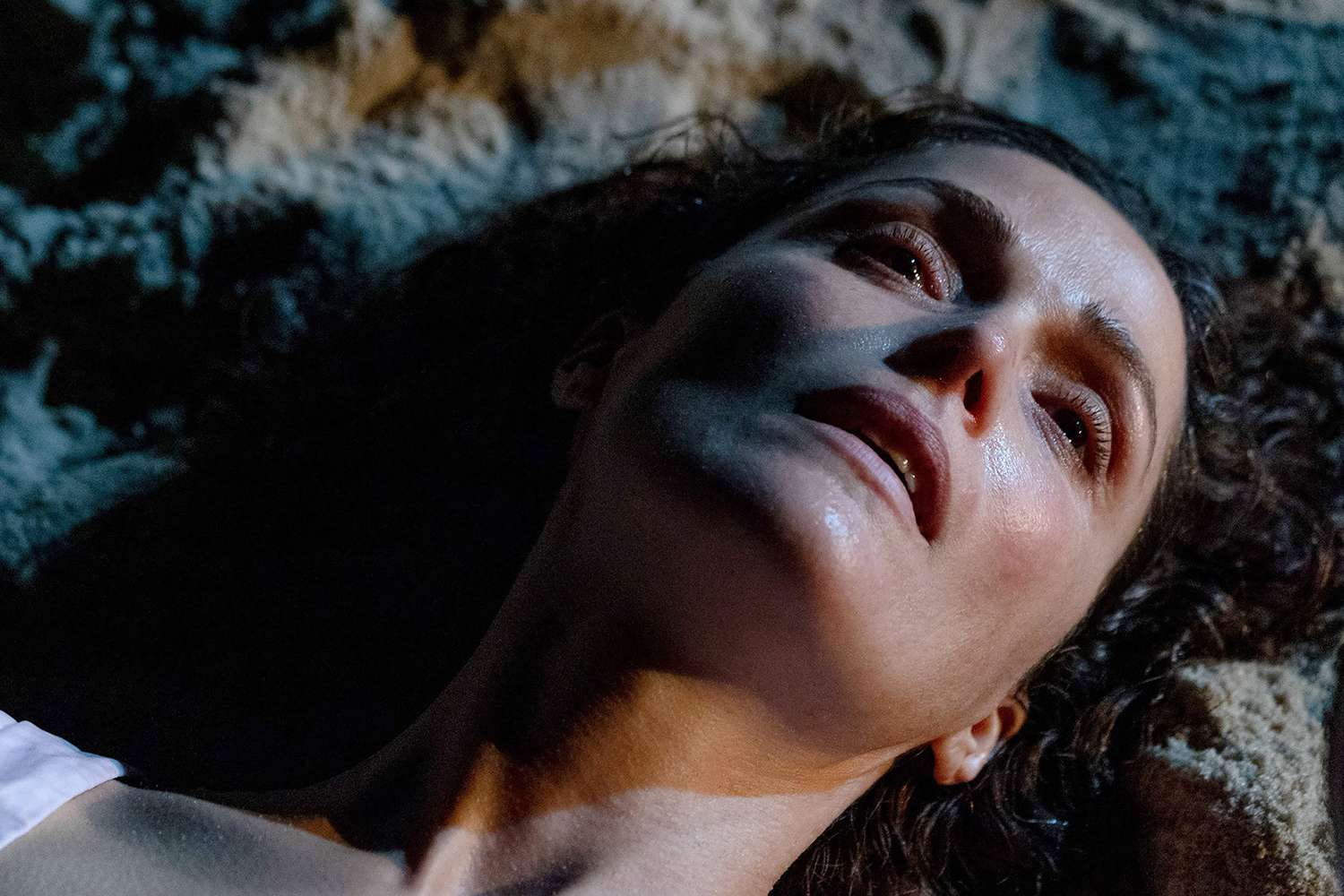
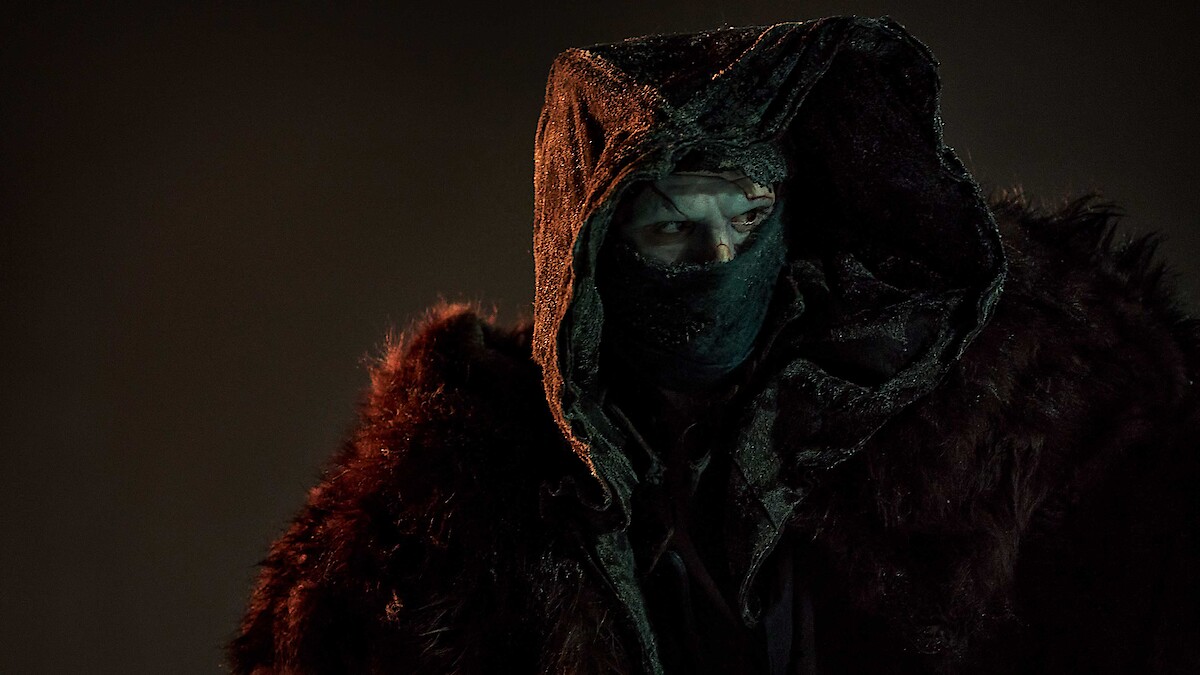
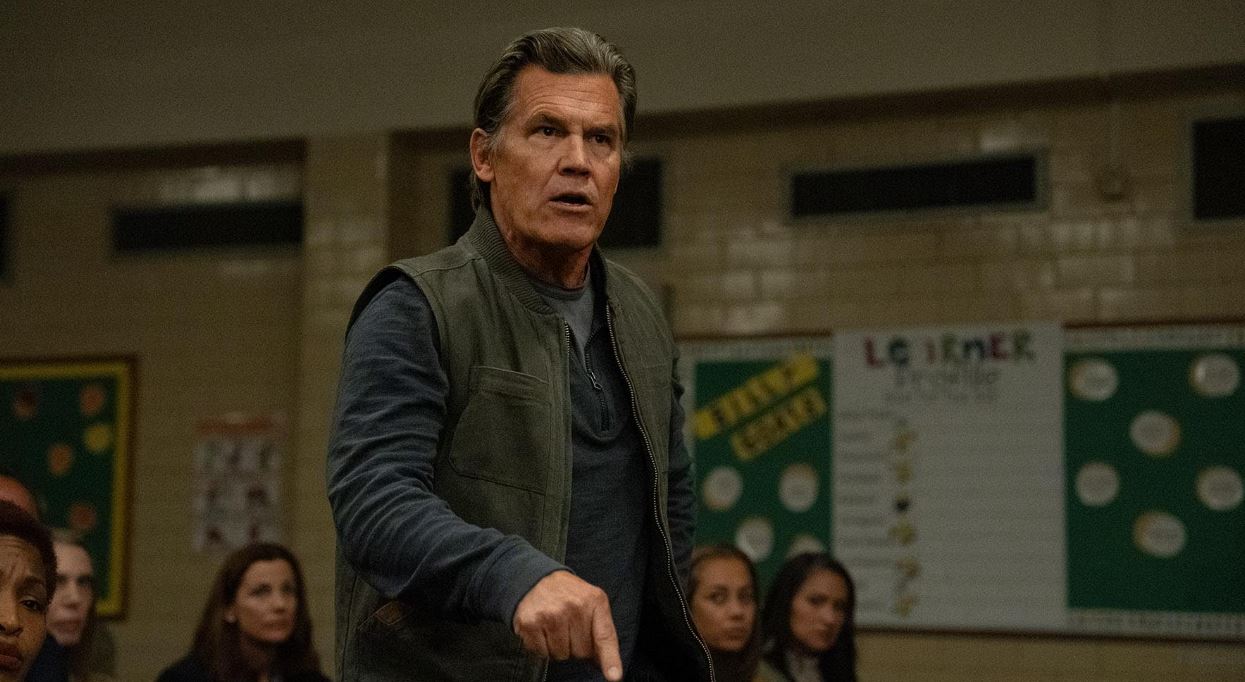
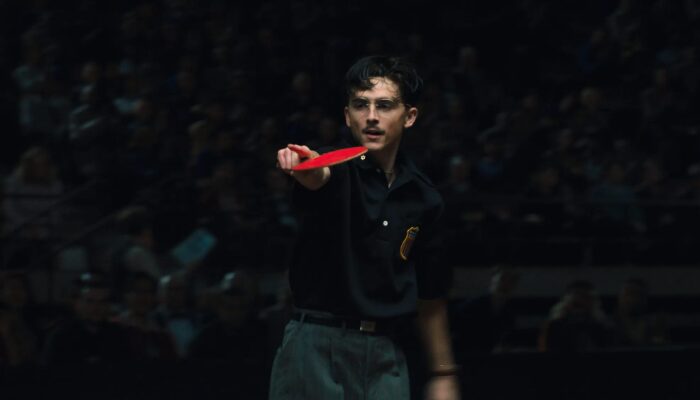

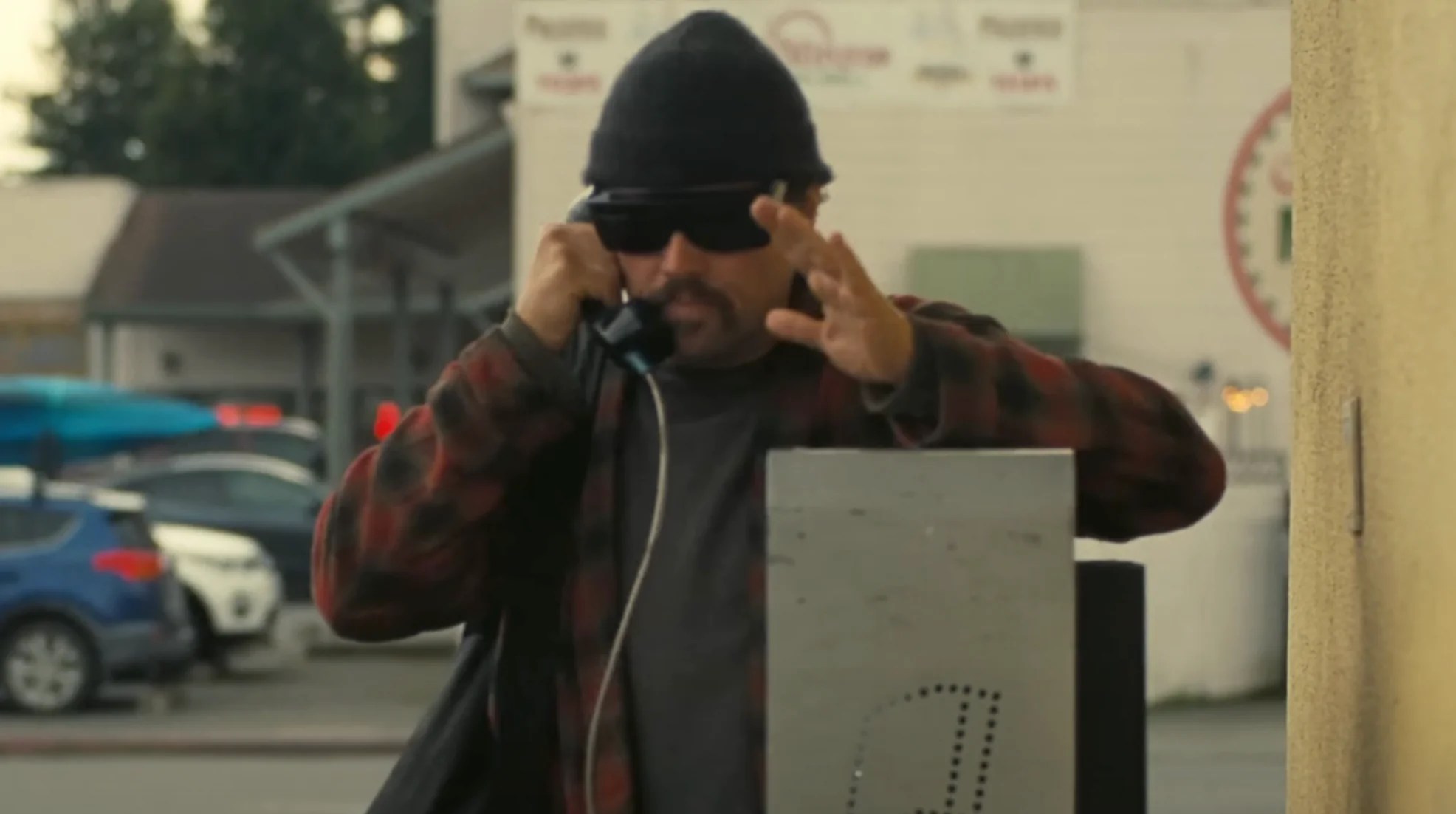
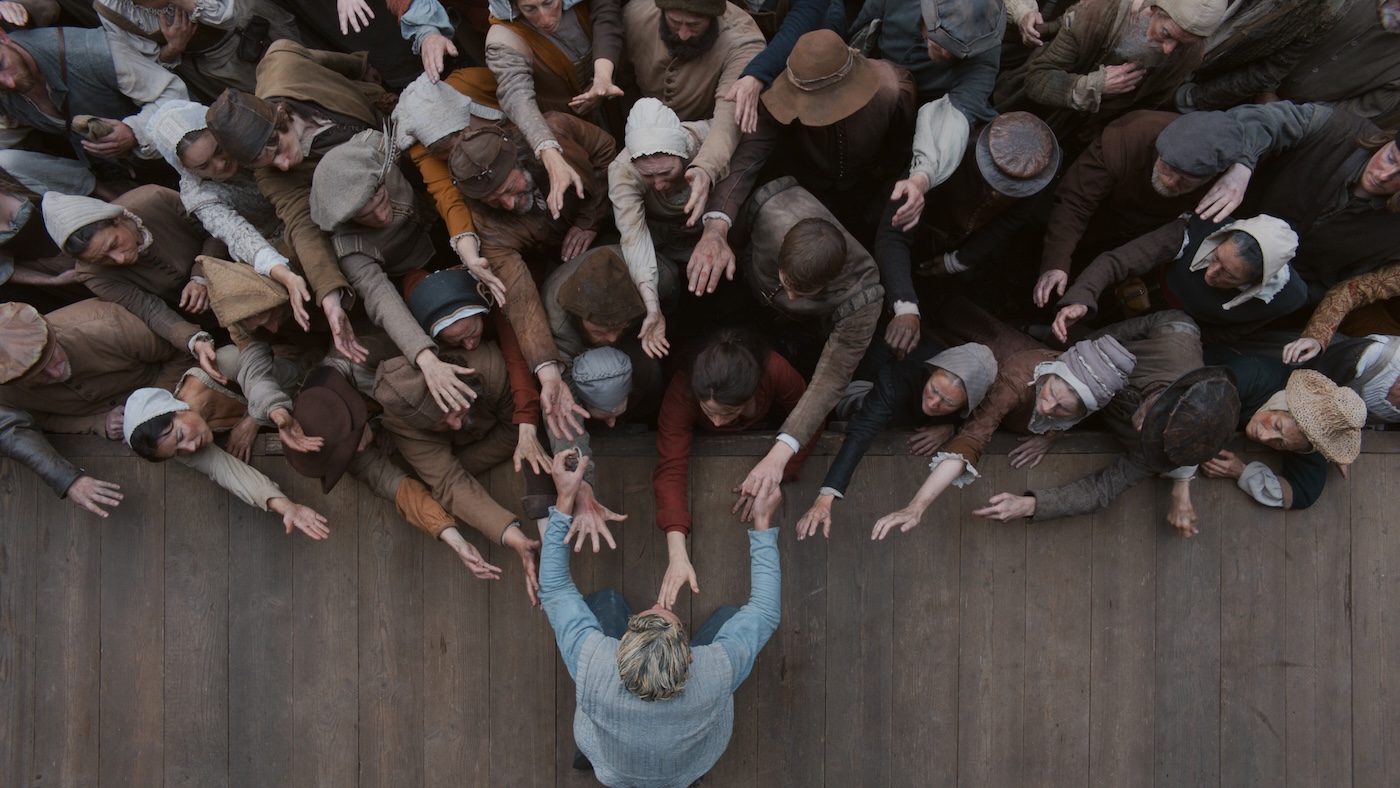
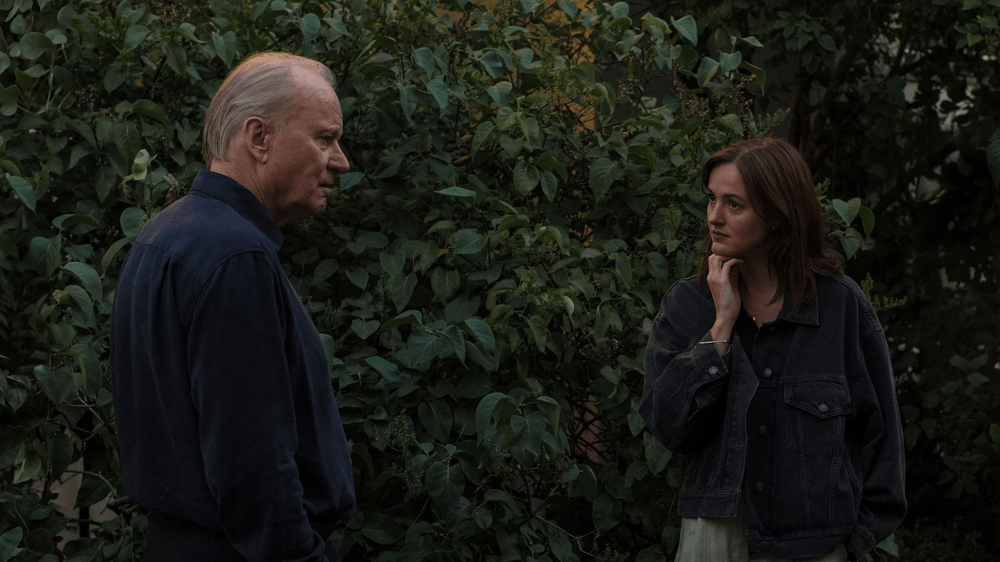

 Rhys Reviews