James Gunn’s DC Universe has been marketed around Gunn’s belief that only the best scripts get made, with a true creative vision behind every entry in this shared universe. There have been some missteps, like this year’s Supergirl, but this creator-focused initiative has also led to some impressive entries, like this year’s Lanterns streaming series. This has also led to this October’s newest feature, Clayface, a body-horror and low-budget origin story focusing on the lesser-known Batman villain. This is a bold movie to make your third entry in your expanding shared universe, and it is a movie that really justifies why it was made so early. The brainchild of director Mike Flanagan, a famed modern horror director who is responsible for such hits like the Haunting of Hill House and Midnight Mass on Netflix, the director initially pitched the script to be part of the DCEU. Inspired by the two-parter introduction of the character in Batman: The Animated Series, the episodes known as Feat of Clay, the project was turned down but was brought back into active production when Gunn and Peter Safran took control of DC Studios and Matt Reeves, director of The Batman, showed interest in using the character. The film marks the first feature length screenplay that Flanagan has wrote that would not be directed by him, with the director parting ways with the project because of scheduling conflicts with his Amazon Prime series Carrie, released this year, and his new Exorcist sequel releasing next year. Hossein Amini would be hired soon after to produce small rewrites to the script, and James Watkins would be hired to direct. Directing a film that is paired to such a talented creator would be a daunting task for Watkins, but he has truly knocked it out of the park.
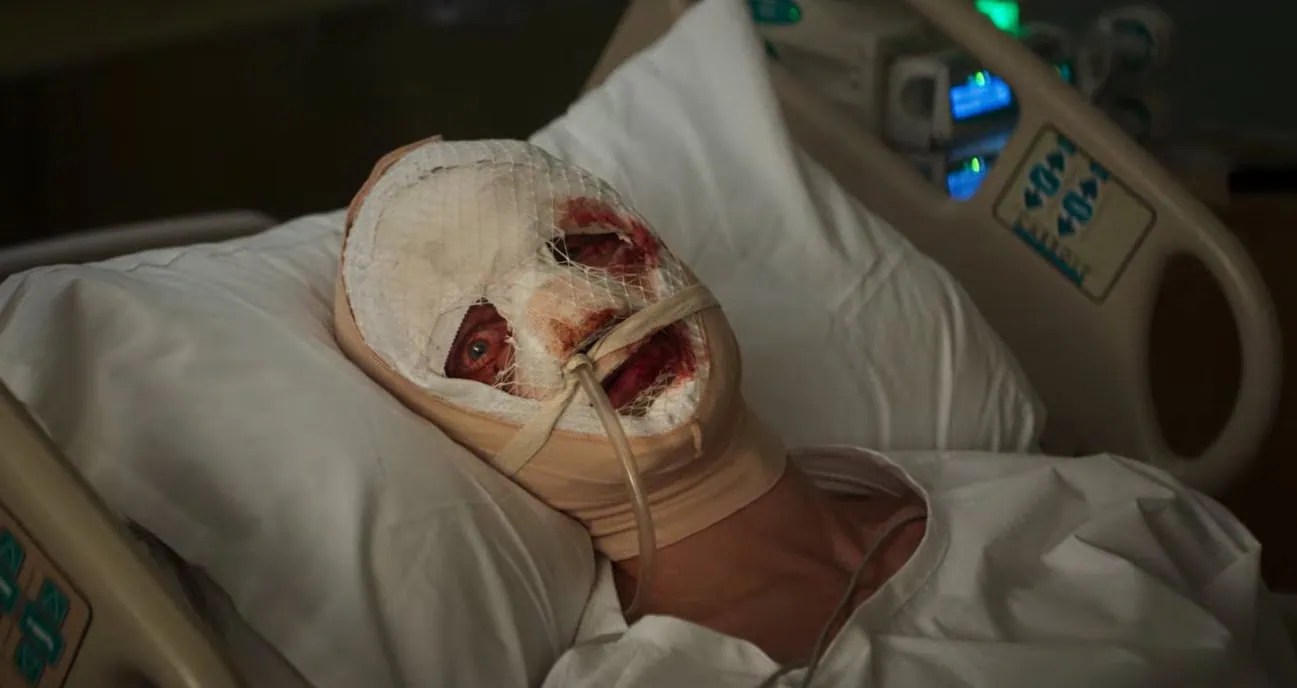
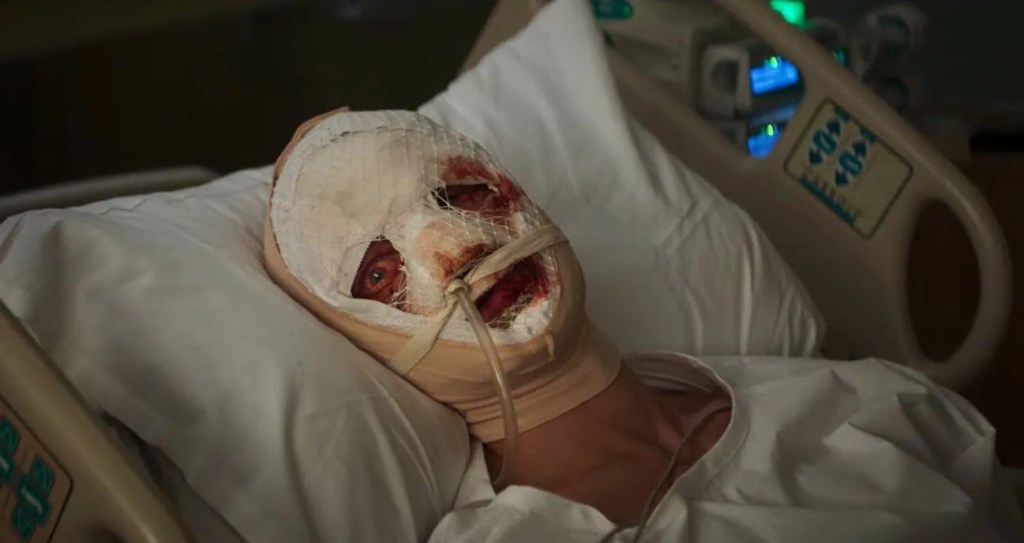
Clayface is one of the earliest villains that the caped crusader has fought, and one of his villains who has had the most unique incarnations that all completely rework the character. Basing his script off the Animated Series’ rework of the character is a perfect decision from Flanagan, a series that defined the character in similar ways it managed to reinvent iconic characters like Mr Freeze and Poison Ivy. The two main versions of Clayface that existed in the comics were Basil Karlo and Matt Hagan, who were combined into one character for the series, retaining the Hollywood backstory from Karlo, and the name and rougher edge of Hagan. This film depiction has done the same, blending the two characters to a great degree. The film takes Hagan on the journey to becoming the villainous comic book character, as Hagan seeks experimental procedures from a disgraced scientist to restore his face after being disfigured by a Gotham mobster. The procedure restores his face but turns him into a shapeshifting monster as well.
The influences are apparent across the runtime of Watkin’s creature feature; the body horror and transformation sequences are clearly inspired by the works of David Cronenberg and The Fly. The film’s visual palette and depiction of Gotham is very similar to Matt Reeves’ take on the city in his Batman projects, down to them both using the same shooting location of Liverpool for pivotal scenes. The Universal Monsters classic The Invisible Man seems to be an influence on how Hagan dresses to conceal his form, and in how the film depicts his turn to mania. The most similar film to it would easily be The Substance, the smash-hit body horror film that focused on women’s beauty standards and aging, with Clayface dealing with similar themes around body dysmorphia. These influences are clear throughout the film, but the film wears these influences on its sleeve and manages to pull out all the punches in making it the best version of a body horror film it can be.
Tom Rhys Harries landed the role of Matt Hagen after many months of rumours around who would be the titular villain, and the relatively unknown actor does a tremendous job. The highlight of the film’s script is easily the turn of Hagan from a man wanting to regain his fame and face to a pure super villain, it is a gradual change that takes a while, the film has very slow pacing it the first half, but Harries delivers a very chilling performance throughout. The first section of the film works well in establishing Hagan to be someone you should be sympathetic towards, a protagonist who does horrible things, but you cannot help but feel bad for. At heart, the film is about how Hollywood will pick you up and drop you once you are no longer attractive or what they are looking for, and body dysmorphia can rule someone’s life. A good section of the film takes itself incredibly seriously, and dwells well in the pain and sorrow of the situation, there is a deep sadness to the entire thing. His co-star, Naomi Ackie, also delivers a tremendous performance as the scientist who hopes to help Hagen. Even the most perfect people can create monsters this film showcases, as the toxic dynamic between the two makes up the backbone of the narrative, destroying each other through their egos and their seeking of fame and power through any means. Ackie serves as a deeply flawed but emotionally solid character, who shares tremendous chemistry with Harries. The rest of the characters are cartoonish in their villainy, and lacking clear motivations outside of just being pure villains. It’s what their role demands however, and not being any more than that is not a massive detriment to the film.
The practical effects are wonderful throughout, pairing well with the CG that is clearly used to just enhance the effects and not take over. It would be easy to fall into a trap like 2011’s The Thing, another body horror film which used practical effects initially but was completely done over with special effects. The special effects worked to a detriment there, but here they pair well and bring the excellent practical effects to life. There are some very gnarly sequences in this, with enough squeamish content for fans of the body horror genre, paired with some very memorable kills. Watkins’ gritty direction provides some great gravitas to these squeamish sequences, and builds some great, moody sadness to every kill that Hagen is led to. The tone is incredibly serious and feels very drama-coded throughout, but Watkins’ manages to blend some dark comedy and a sense of humour in the film’s third act, namely in the very memorable night-club sequence. Those sequences feel very inspired by Sam Raimi, with how goofy it takes the material and how slapstick Harries’ performance goes. The tonal change may feel like whiplash to some audiences, as it only comes in one part of the film, as Hagen loves his ability to take vengeance, but it works to show his final dramatic change.
Clayface was a risky bet for DC Studios, a super-villain origin story that is both facing a R rating and focusing on the body-horror genre, but it has paid off magnificently. It is a film that has clear influences throughout but uses them to make an excellent collection of the genre’s best tendencies and packaged in an impressive superhero package. Watkins directs a strong script from Flanagan and Amini, that falters slightly in its depiction of its villains and supporting players, but makes up a very moving super-villain origin story. Harries and Ackie make an exceptional pair as the leads, and they deliver memorable performances in a film that deals with such a complicated and multi-layered super villain. The effects are superb, the tension intense and it all makes for an interesting set up for a future Gotham where Batman may appear.


Leave a Reply