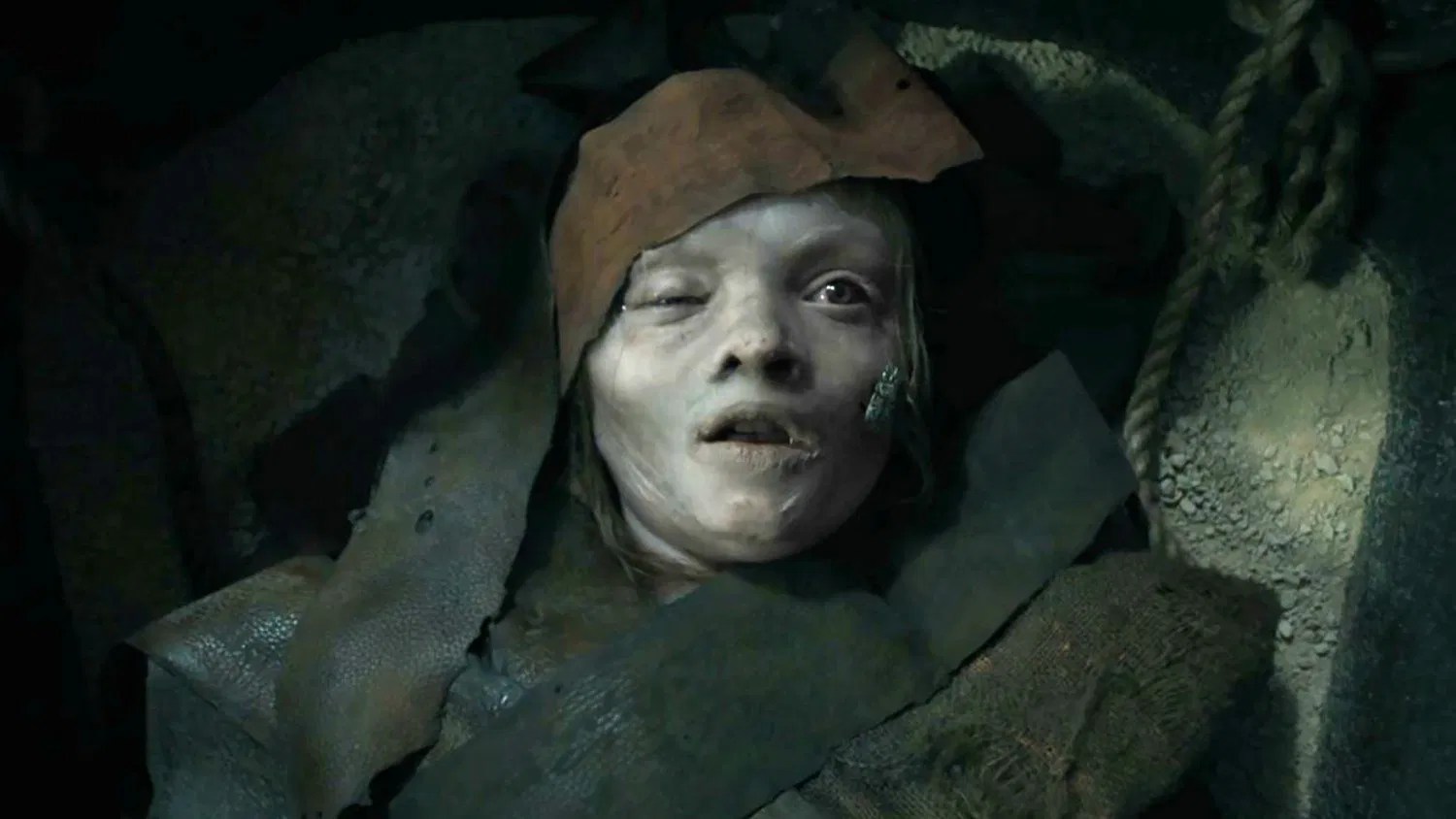
The Mummy is an outlier in the Universal Monsters brand, with all the monsters being reinvented consistently but usually in the same basic genre conventions. Horror is the common home for these monsters, and only some entries deviate from that genre. However, The Mummy stands as a franchise where each entry completely reinvents the wheel and becomes something incredibly different. The original Universal Monsters era focuses on horror, with gothic backdrops mixing with the archaeology angle, and completely leaving the desert setting by the final entries. Hammer horror brought the franchise back between 1959 and 1971, the only time the reboot matched the original in horror conventions, and by the time they brought the franchise back in 1999, it birthed a new life for itself as an action-adventure franchise. Starring Brendan Fraser, and easily the most popular era in the franchise, the films became Indiana Jones-style swashbuckling adventure films, with minimal horror moments, with three entries mixing out the horror for a focus on special effects, comedy and a central romance. The third film would become a critical dud, and following an animated spin-off series and a spin-off trilogy focused on original character, The Scorpion King, it came time to reinvent again in the 2010s. This saw another massive swing, as Universal rebirthed the franchise as the starter of a Cinematic Universe, the Dark Universe where the classic horror characters would become almost-superheroes. Outside of a successful box-office run-in China, the Tom Cruise-starring special effects blockbuster was a critical and commercial dud and destroyed the Dark Universe before it could even take-off, leading to all follow-ups being cancelled instantly. Now, we have arrived to 2026, and its time for Warner Bros and Blumhouse Productions to attempt another version of The Mummy, this time with director Lee Cronin attached.
Cronin got his start with the 2019 A24 feature film, The Hole in the Ground, but would gain massive success after directing the newest entry in the Evil Dead franchise, 2023’s Evil Dead Rise. Originally conceived as a streaming exclusive, the film got a larger theatrical release and became a box office success. Approached by producer James Wan, and offered his next project, here we come to Lee Cronin’s The Mummy. The production of this film has been at-times more interesting than the actual movie, from the troubled test screenings, the internet rumour that Warner Bros were looking to bury the film and release it under a new name as The Resurrected, and the choice to include Cronin’s name in the title to differentiate it from the recently announced fourth entry in the Brendan Fraser-starring The Mummy franchise which will hit theatres next year. It is a long-troubled road, but the film is finally on the big screen. The film follows a family who lose their daughter while on a work-trip in Cairo, only to be reunited with the daughter eight years later. Found in a sarcophagus, the mummified daughter comes back changed and wreaks havoc on her family.
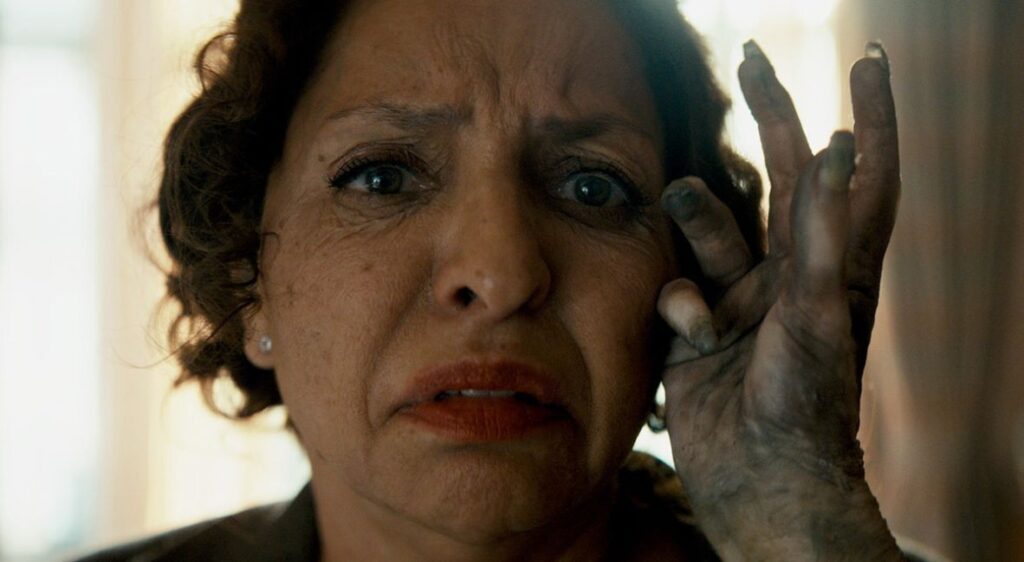
The biggest problem that faces this version of The Mummy, which transforms the franchise into a modern horror gore-fest, is that it’s a hodgepodge of ideas that have done better in other films. It is essentially a remake of the Exorcist and then becomes a full-blown Evil Dead movie in its third act. Cronin turned down making a sequel to his smash-hit Evil Dead Rise to do this film, and what he has essentially done is trade out one Evil Dead film for another. Evil Dead Rise worked because it embraced the franchise’s focus on humour, riding the line perfectly as a horror-comedy, but this film attempts to do the same, but feels more like a parody film. There are some comedic moments, but the film takes itself incredibly seriously and takes all its ridiculous plot beats as emotional moments that it’s hard to judge if the comedic is on purpose.
The times when the Cronin of Evil Dead Rise shines through is when the film is at its best, the gore effects are intense and exhilarating, and the third act becomes a completely different film which makes the previous two acts feel like a chore for a better film. Cronin’s directing style is also stylish and impressive, he loves slanted angles and long-take pull back shots, he feels like an Evil Dead director. There is a massive Sam Raimi-feel to the entire film, it is just a massive shame that the film’s colour grading is so terrible at times. For a film that looks so cinematic and filled with detail, the colours are moody and grey in a way that even a horror movie should not be, it is hard to see anything, and even the daylight scenes look too moody. It is a modern problem for the entire Hollywood blockbuster, and it plagues this film increasingly. It plagues many films, but when there is an interesting narrative, it is easy to overlook these faults, but here, that’s just not the case.
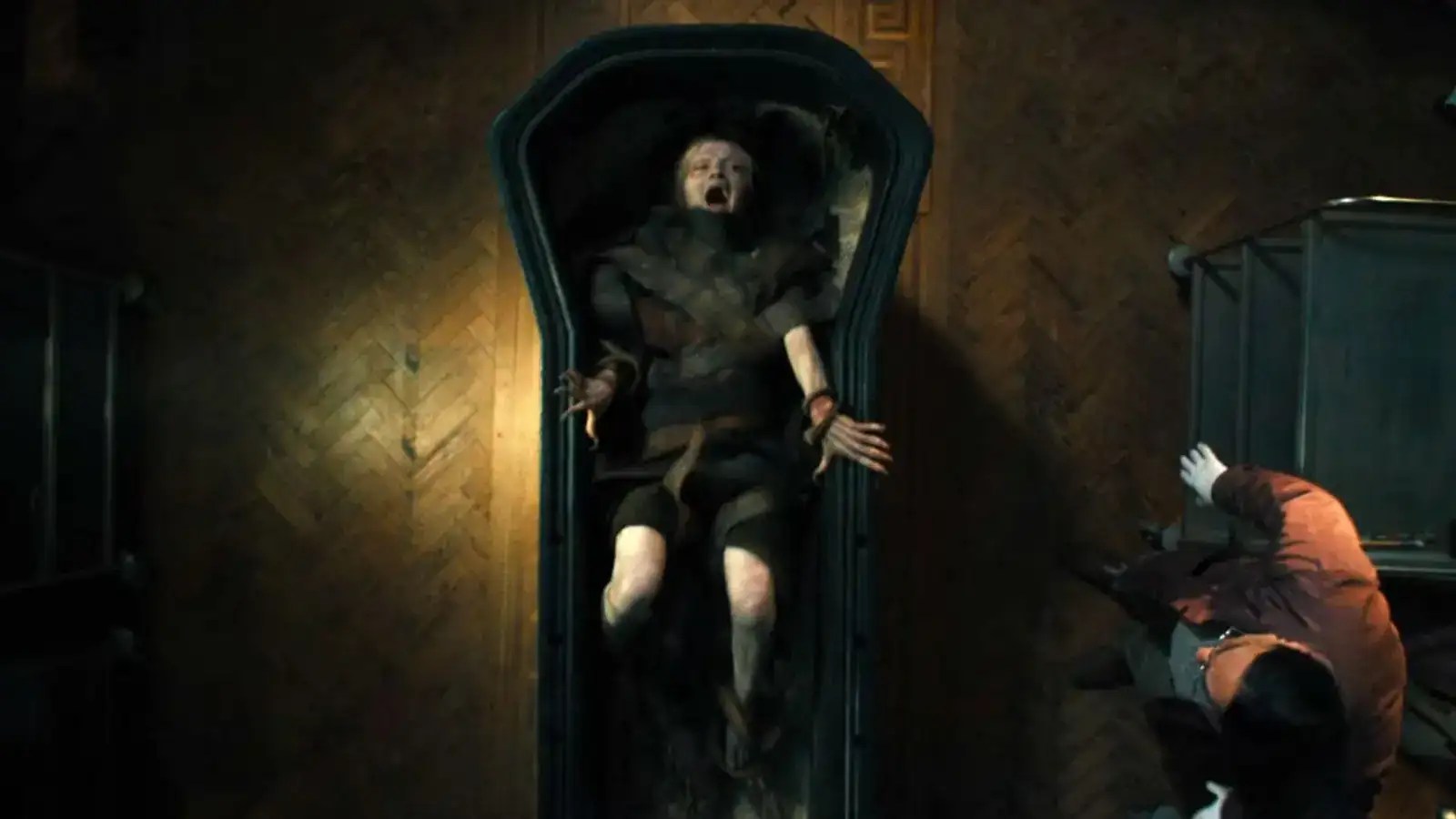
Cronin’s script is messy in various ways, from the character-writing, the dialogue and especially the way the movie conveys its central mystery. The film was marketed under the mystery of what happened to Katie, and besides the title of the film obviously giving it away, and the film answers this question in its opening couple of minutes. However, the film still treats it as a mystery, and over-explains the mystery in the third act, when the characters finally learn, but the audience already knows and it feels like superfluous information. The film’s characters are also just incredibly irritating; Cronin seems to understand horror tropes more than anyone and is using each of them as a ticking box. Dumb character decisions are a staple of horror cinema, they complained about consistently in audience discourse, but they exist so a story can continue, no horror film would happen without some characters being dumb.
This film takes it to the next level however, each character feel like they share a single brain cell, and the parent’s over-the-top want to help their daughter and their belief there is nothing wrong with her is laughable throughout. The film mixes the daughter doing the most heinous acts, with the parents insisting to a comedic degree that she is fine, it would feel on purpose on something like Scary Movie, but the movie is attempting to have an emotional crux of its narrative, so it feels laughable in all the wrong ways. It does not help as well that the central characters are not given anything to do, and the very little characterisation they have been given is eyerolling at best. Jack Reynor and Laia Costa give very unconvincing performances as the parents of the family, but the question is really if it is down to themselves or the half-baked script, they have been given. Natalie Grace does a splendid job as the possessed Katie, and Billie Roy is very good as the family’s youngest child, Maud, but the possessed nature of the film just comes across as an attempt to just do the Exorcist again. Cronin has described the film as having an influence by Se7en, and that comes from a side-story featuring May Calamawy as a detective, looking for what really happened to Katie. It is easily the most entertaining part of the film, with a compelling shoot-out sequence, but it feels unnecessary, when the mystery is obvious and it is just conveying information that the audience already knows. It could have easily been extracted from the film to make more time for the family drama, or to develop the emotional ending of the film that never feels earned. The film is way too long, sitting a little over two-hours, without needing to be that long.
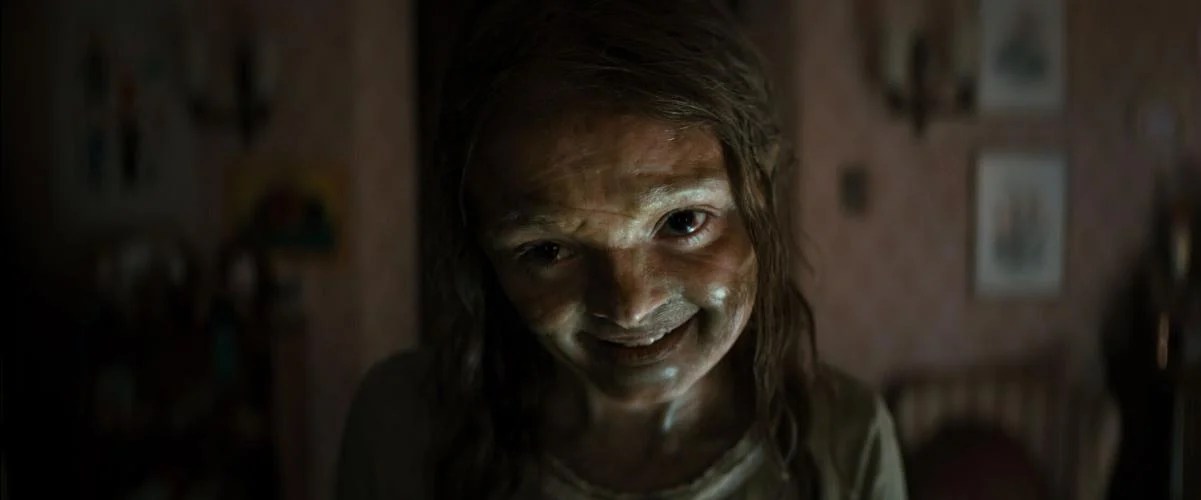
The Mummy is a strange case; it is a film that it feels like it barely wants to be what the title is advertising. Any staples of the franchise, from tomb-raiding to an actual mummified corpse, is all thrown out for a generic possession film. It is a poor attempt to mix the possession angle of The Exorcist, the family grief drama of Hereditary, and then becomes a comedy in its finale as a homage to the Evil Dead. It’s a movie where every idea has been done better somewhere else, where it relies on so many generic tropes to tell its story. The characters are unengaging and deliver groan-inducing dialogue in every sequence, making the only rewarding part of the experience the excellent direction and the great gore. The third act is delightfully absurd, but to get there, you must drift through a horrendous first two acts.


Leave a comment