
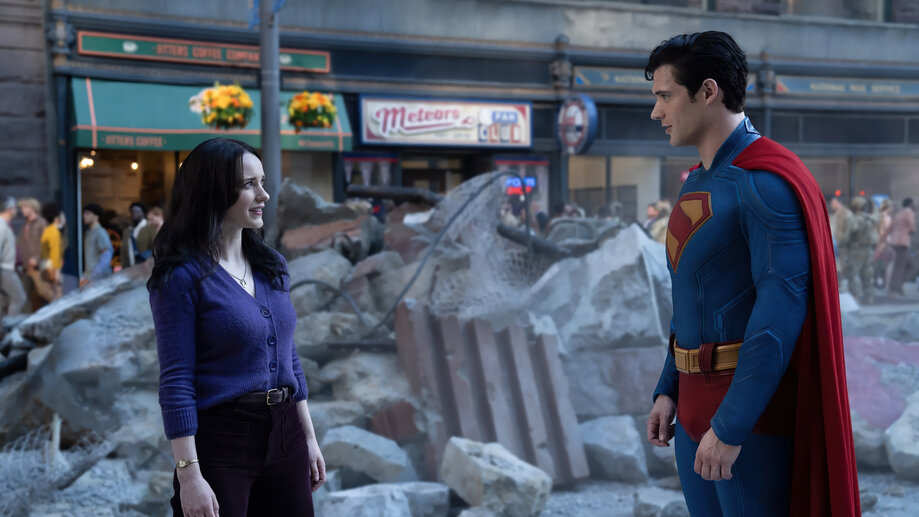
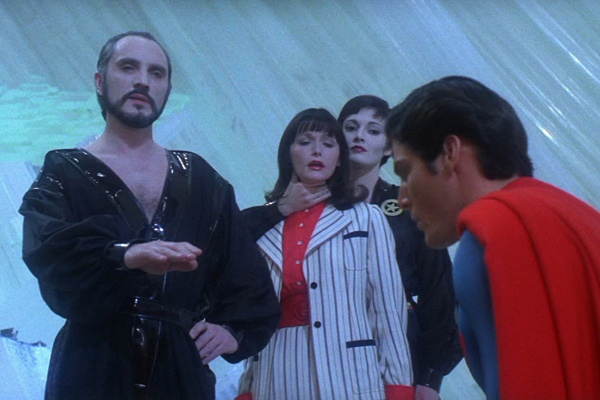
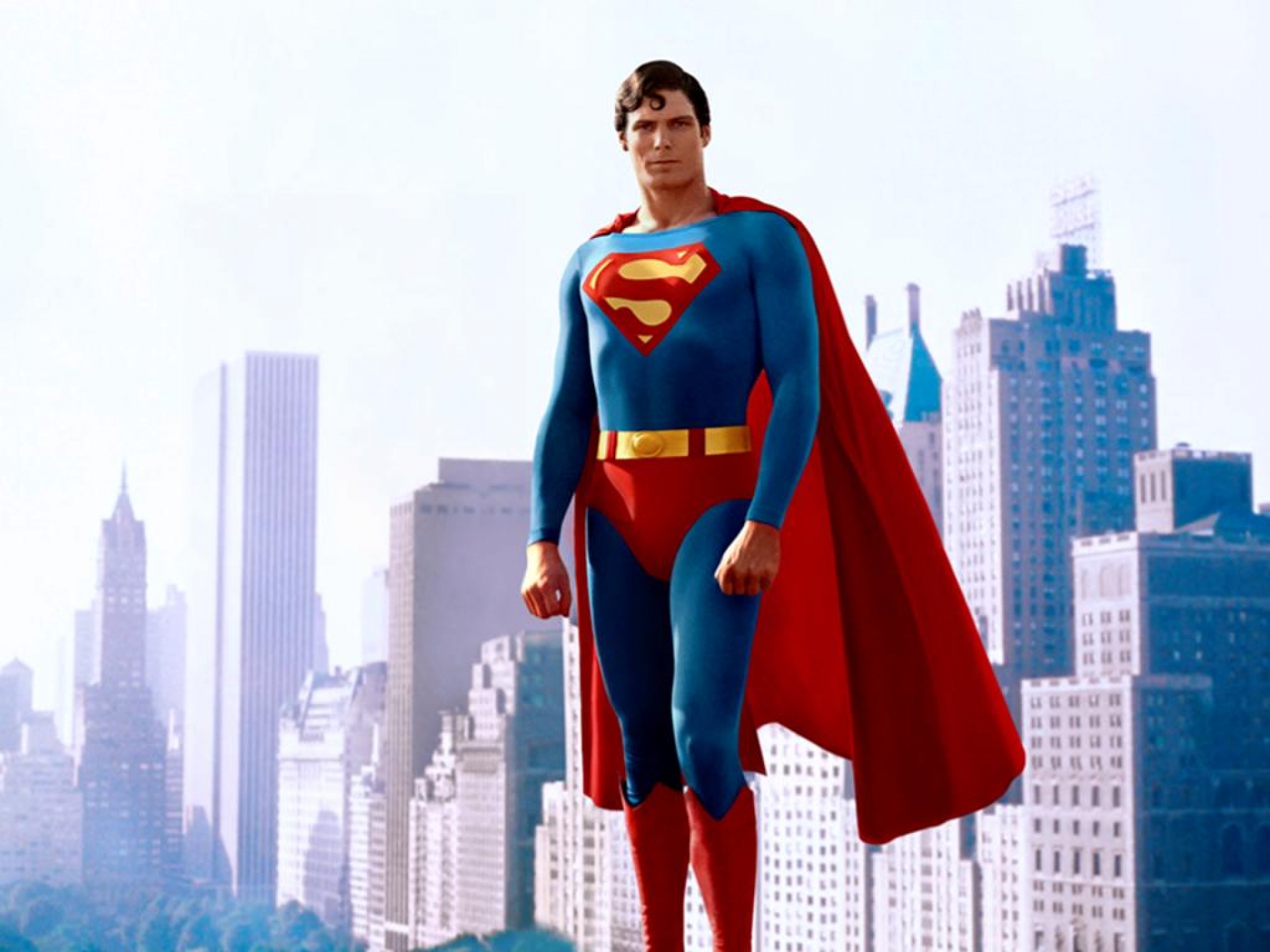
It has been a year since the beginning of James Gunn’s rebooted take on the DC Universe, with the release of his successful Superman reboot. The week of the release of that film, the marketing began for the follow-up feature, Supergirl, following the titular character after her cameo appearance in Superman. The character has had a tricky time in live action, outside of her successful six season tenure on TV on the CW, but her big screen appearances have been far from popular. 1984’s Supergirl, starring Helen Slater, is held up as one of the worst superhero movies, and a forgotten child of the Christopher Reeves-era of Superman features. Set in the same universe, but with Reeves refusing to appear in the film, with the characters only sharing the screen eventually in the CG-heavy Flash Movie. Sashe Calle would play a new version of the character for that movie, and was meant to become a new star for the former DCEU, but after a regime change at DC and the movie bombing, another Supergirl was left in the dust. This newest film has been marketed as a direct adaptation of the Tom King-written comic, Supergirl: Woman of Tomorrow, with the film originally even sharing that title. Both the comic and film follow the lead character, Kara Zor El, who is dealing with her trauma from seeing her home destroyed on Krypton. She becomes involved in a revenge plot when young girl Ruthye recruits her to avenge her family and kill the murderous Krem of the Yellow Hills.
One of the most bizarre things about this second DCU feature is how much it deviates from the original comic, when it was marketed as a straightforward adaptation. There has been various headlines talking about director Craig Gillespie refusing to read the comic when creating the film, but the truth is that the director based his idea of the film off the screenplay, and then read the comic once he had already formed an idea for the visual language of the film. This shows completely in how visually bland the movie is, the movie is very clearly inspired by Star Wars and Blade Runner, and attempts to emulate the grimey and dark visual palette of those films. However, it is based on a comic which is so colourful and brimming with style, and to replace that with a film that looks just like any other comic book movie made these days is a let down. There is no attempt to deviate the visual style based on planets, the film retains its grey style throughout. It is a real shame after how colourful Gunn’s Superman was, setting up a clear visual style for this universe. As the first DCU project not created by Gunn, it sets a worrying standard for projects outside of the set style.
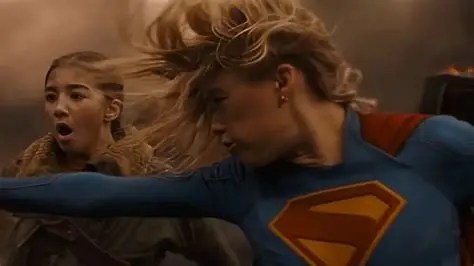
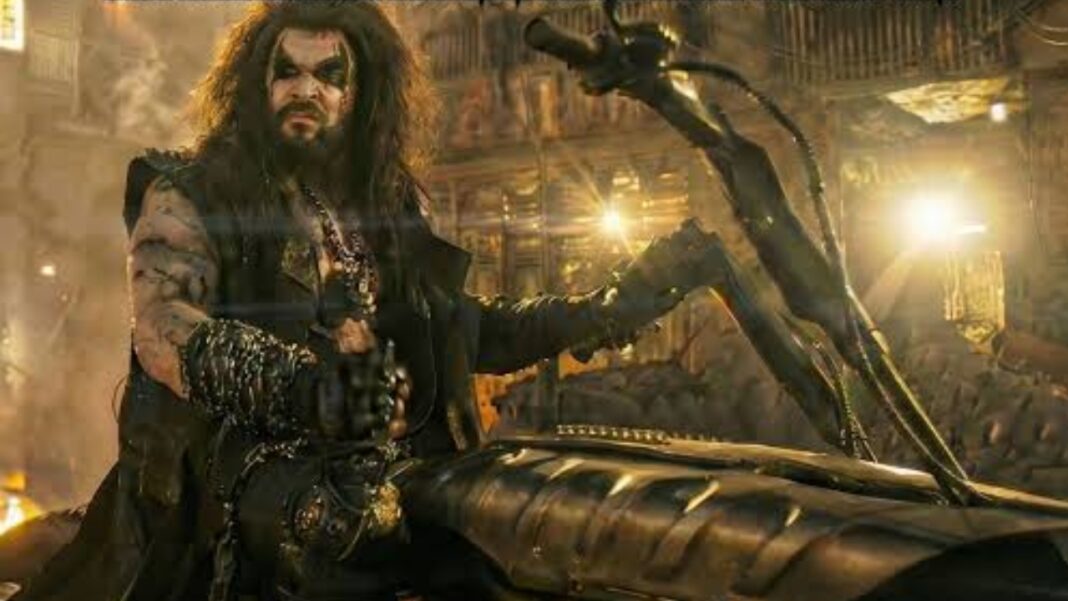
The deviations continue in the film’s narrative, as the film collapses the episodic and adventure-focused narrative of the comic into a more streamlined under-two-hour film. Removing so much of the narrative leads to many of the narrative swings feeling rushed and underdeveloped. The adventure allows Supergirl and Ruthye to rub off on each other, as Supergirl loses her faith and Ruthye finds a home in kindness and loses her need for revenge. Their relationship develops from the adventure of tracking down Krem, and the movie’s development between the two feels underdeveloped. Kara seems to be annoyed by her the entire movie, and suddenly during the third act comes to care for her. Eve Ridley is doing her best in a very stilted and underdeveloped shift, which has boiled down her character, Ruthye, into screaming the same lines about revenge and thats it. The addition of Jason Mamoa’s Lobo, who is absent from the original comic, feels like a waste of a role. Mamoa is great to watch on screen as the fan-favourite character, but the character is superfluous to the entire story, and leaves the plot changing nothing.
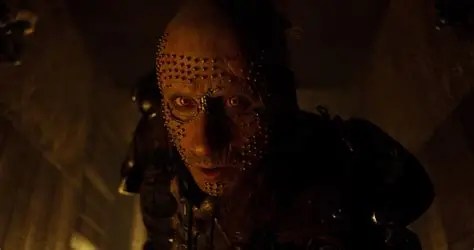
Krem of the Yellow Hills, the main villain of the comic and film, is retained fairly faithfully from the comic, outside of a design change. The character is easily the weakest part of the comic, serving as a fairly generic antagonist for our heroes to invoke their anger on. He remains the same here, a very boring and generic villain, and one that the film does not attempt to breathe any life into at all. The strongest part of the film is Supergirl herself, lead actress Milly Alcock delivers a very multi-layered performance as the character. It is not a simple character to pull off, she is a fearless warrior who is rude and a mess, dealing with her grief without truly confronting it, but still attempting to be kind and heroic. Her journey does have hiccups, but Alcock’s performance grounds this aspect of the film and allows it to have some level of emotion. The flashbacks to the destruction of Krypton is one of the most brutal aspects of the film, a section of the film that should have been expanded upon greatly. The effects, outside of some unremarkable green screen work, is well done and the action is entertaining. The movie manages to make Supergirl’s action feel distinctively different to Superman’s, even with the same power-set.
Supergirl is the fourth entry in Gunn’s new universe, and the first project not to be helmed by Gunn. The animated series, Creature Commandos, and Peacemaker’s second season served as the other two projects, removed from just Superman. As the first project without Gunn behind the creative chair, it shows a worrying chance that this universe will not be able to float without Gunn. It is also shows that Gunn needs to work hard as a leader, and not just a director. Gunn praised this script as one of his favourites, and has hired Ana Nogueira to work again on the scripts for their upcoming Wonder Woman and Teen Titans features. There needs to be a level of creative control behind the scenes to make sure a film this sloppy does not release again from the studio. Supergirl is not terrible, it has a enjoyable energy to it, and a great central performance, but it misunderstands its source material and makes all the wrong decisions in trying to adapt it. It is a disappointment for a universe that started off so strong
 Rhys Reviews