The production of Scream 7 has been a troubled one, with a series of creative retooling’s taking place during the production of the seventh film in the franchise that used to be the child of horror legend Wes Craven. Craven directed the first four films, and after his unfortunate death in 2015, Spyglass Media Group and Paramount Pictures looked to revive the franchise. Revive the franchise they did, as Scream 5 and 6 released in 2022 and 2023 respectively and became box office smash hits, marking the Scream franchise back in the big leagues. Scream 6 would not be without its small amount of controversy, as the franchise left behind its lead actor, Neve Campbell, lowballing the actress for pay in the franchise that she was the so-claimed ‘final girl’ of. This would only be the start of the trouble that would come for this franchise, with Scream 4 and 6 directors Matt Bettinelli-Olpin and Tyler Gillett announcing they would not return to wrap up this trilogy, and they would be replaced by Freaky and Happy Death Day director Christopher Landon. These directors would not be the only people leaving the franchise, as replacement lead for the franchise, Melissa Barerra, would be fired from the 7th film after the film was paused during the 2023 SAG-AFTRA strike. Barrera’s firing came from the studio’s claim of her supporting antisemitism on her social medias, after posting pro-Palestinian videos during the Gaza War. This would be the catalyst that would cause many to boycott the film, and created a domino effect of more problems, from other lead actress Jenna Ortega to leave the project, and to lose new director Christopher Landon.
This soon caused a clear panic mode for the studio, as Paramount and Spyglass quickly made the decision to repair their relationship with former series star Neve Campbell, with her returning as lead, and to move the franchise as far as possible from Ortega and Barerra. Kevin Williamson, who wrote the original, would finally return to the franchise after being absent since the 4th entry, and would sit in the director’s chair this time around. The franchise seemed to fall back into what any franchise does when it faces controversy, hide from it by filling the film with nostalgia. The marketing of this film has hit home that Matthew Lillard is returning as Stu Macher, and the trades have already leaked that David Arquette and Scott Foley would return as Dewey and Roman Bridger respectively. It reeks of desperation, and the film reflects that. Scream 7 picks up after the events of the New York attacks in the previous film, as Sydney lives a safe life with her daughter and husband. When a new Ghostface arrives to her sleepy town, hunting for her daughter, and potentially in leagues with Stu Macher, she is forced out of retirement to stop another massacre.
Neve Campbell in Scream 7
Scream was once the most consistent horror franchise out there, none of them could hold up to the original film, but they all felt genuine worthwhile experiences, that had something to say about the genre and the state of Hollywood at the time. Scream 7 is the first time that the franchise has genuinely nothing to say and feels like it was made only to make some money. There are some small commentaries on true crime, the never-ending cycle of Sydney being brought back repeatedly, and the absence of Sydney from the previous film play a role in the film’s narrative. All of this feels only like surface dressing however, and feels incredibly underbaked, as the film attempts to remove itself from the commentary, and instead taking itself incredibly seriously. A part of Scream was how it perfectly played both sides; it could be incredibly graphic and intense but also played with the genre in comedic ways and Ghostface himself could be a terrible killer. This film plays everything way too straight, which leads to some unintentionally comedic moments, and removes the fun.
The movie has some brutal kills, the pure highlight of the film, but the movie really stands apart from the franchise because it feels like it has nothing to do with the franchise outside of its nostalgia pandering. The nostalgia feels all-consuming to a franchise that usually jokes around with its own connections to the wider genre, and the nostalgia feels like a crux here, the only thing it can really offer when it has no commentary to tell. The movie recreates various scenes from the original, including out of place musical queues, all to elicit some sort of nostalgia twinge to its audience. It is the type of thing the franchise should be making fun of, not actually doing, and that goes for the storyline where the film is essentially recreating Laurie’s motherhood storyline from both H20 and the 2018 Halloween film.
Neve Campbell delivers an incredible performance here, feeling like she has never left the role as Sydney feels authentic as ever. Every scene she owns, and she really elevates some really excruciating dialogue, and the movie’s focus on her coming to terms with her trauma is one of the very few good parts of such a messy script. Her relationship with her daughter is the central focus of the film, dealing with generational trauma as the Ghostface killers decide to target her daughter, Tatum, and make her become the next Sydney. Isabel May delivers a solid performance as Tatum, but she does not feel as fleshed out as the protagonists of 5 and 6, and she very much falls back into being the moody teenager character. Joel McHale also does a solid job as Sydney’s husband, Mark, who the film quickly makes you like as he shares great chemistry with Campbell. The character was very clearly written originally to be Mark Kincaid, a character introduced in Scream 3, played by Patrick Dempsey, but with the actor unable to return, they pivoted and changed Mark to another Mark. McHale’s Mark is a solid replacement for such a legacy character, however. The biggest problem of the film is how many characters are in the cast, and how little the film uses those characters.
Celeste O’Connor, McKenna Grace, Sam Rechner and Asa Germann play the friendship of Tatum, a group of characters that appear in every movie, and the movie doesn’t even bother to make them characters, they are just in the film to add to the body count. It is hard to care when the characters exist to die, and when the deaths are so brutal, it feels almost mean-spirited. Other returning characters include Gale, who after Sydney’s absence in 6 is the only character to appear in all 7 movies, and Chad and Mindy, the remaining leads from the 5th and 6th film. These characters feel like they could be removed from the film and nothing would change, superfluous characters who are only bearable because the performances are so charming.
Kevin Williamson has only directed one film before this, the 1999 black-comedy feature Teaching Mrs Tingle, and with a 27-year gap in directing, his direction here is very surprising and strong. The film looks great, and has some very striking shots, and cinematographer Ramsey Nickell heightens so many kill sequences by making them look frighteningly beautiful. It can only be said that Williamson should have probably spent as much time polishing his script as he did prepare for the actual film shoot. Every great who-dunnite mystery feature has various red herrings, characters designed to be mysterious and make the audience think that they are the ones responsible. Scream has used this trope various times across the various films, from the boyfriend character in Scream 2, and the new Deputy in Scream 4, this film makes the use of various red herrings, but these characters make a flimsy plot fall apart completely. Characters completely disappear from the plot with no end in sight for their storylines, and various plot threads barely come together to make a cohesive plot. It feels like multiple different scripts that have just been thrown together, with such big elements like Stu’s return feeling superfluous to the actual plot taking place.
Williamson has already stated that there were various scenes cut in the original version, with a chase sequence with Gale being a big one, and that can really explain why so many elements feel so half-baked and left behind. It can also explain why the Ghostface reveals are so underwhelming as well. No spoilers of course, half the fun of these movies are figuring out who the killers are, but these killers are the most underwhelming of the franchise, feeling both incredibly obvious and so underwhelming with how little they appear in the film before the grand reveal. A middling movie could be saved by a great reveal and fantastic conclusion, but the Ghostface reveal just destroys any good will left. First the finale gives us a embarrassing cameo-fest of characters phoning in lines where they look like they just got out of bed, and then the actual killer reveals leave the audience underwhelmed. The motive makes no sense and doesn’t really add to Sydney’s overall storyline, and feels more at home with a typical slasher, and not the Scream franchise that this used to be.
Mason Gooding and Jasmin Savoy Brown in Scream 7
Scream 7 is a disappointing franchise return, a movie that seems desperate to make you forget about the previous entries and the controversy that came from Melissa Barrera’s firing. Nostalgia is the focus of this film, recreating scenes from Craven’s classic and bringing back as many characters as possible, even if these do not fit into the comedic tone of the franchise. Neve Campbell delivers a great performance, and the kills are brutal and creative, but they are the only highlights of this absolute mess of a feature. The film takes itself way too seriously for it to be fun, the supporting cast feel underdeveloped and boring to watch, and the script feels like a first draft with how much it doesn’t make sense. With Williamson supposedly attached to helm Scream 8 already, as well after the box office hit this film has been, it can only be hoped that he learns from the mistakes of this film and delivers a better product. However, it truly feels like this franchise has outlived its lifespan, maybe it’s time to finally let it rest
This passing week has saw the release of some of the biggest films in the year already, from Gore Verbinski’s new blockbuster adventure feature, Good Luck, Have Fun, Don’t Die, to the controversial new adaptation of Wuthering Heights from Saltburn-director Emerald Fennell. However, it also saw the release of a contained and smaller feature that harkens back to the old creature-feature mid-budget movies of the past, and that would be Cold Storage. Starring Stranger Things breakout Joe Keery and Barbarian star Georgina Campbell, alongside the well-known Liam Neeson, the film is based on a book of the same name, written by David Koepp, the screenwriter behind such classics as Jurassic Park and Mission Impossible. Koepp would return to write the screenplay for the film adaptation, which skews very closely to his original text, with that former text feeling like a proof-of-concept for a film anyway. The film follows Keery and Campbell as disgruntled workers at a storage industry building, who meet on the same nightshift as they discover the building has been built on the remains of an old military base. The base holds a parasitic fungus, as the duo attempts to contain it and with the help of a military officer, played by Neeson, who has had a past with the fungus, destroy it as well.
There is something inherently charming about Cold Storage, a very contained body-horror thriller, contained to one single location, and developing enough interesting sequences in such a contained location. The film screams low budget, with the director being someone who has gained prominence from documentaries, and some one-episode stints on TV. In this day and age, when the cinema experience seems to be designed for big-budget blockbusters, it is incredible to see such a entertaining and smaller-scale feature, that in this day would end up being sent straight to TV or be thrown on a streaming service like Netflix. There have been many contagion-style films, or zombie apocalypse scenarios, and even the concept of this coming from a fungus is not original, the game and television series The Last Of Us done that first, but homage seems to be the focus of this film. It feels spiritually like a Romero-film, or like it is homaging Shaun of the Dead, a horror-comedy that uses the tropes of the genre to have fun and designed to be enjoyable without any major thought into the plot.
That is not to say that the movie is perfect however, as mentioned before, the plot is not where you are coming for, it is essentially a loose connection of fun sequences that are tied together by a string that will crash and burn at any moment. The central plot-thread of the American military leaving one of their decommissioned military bases that holds a world-ending fungus is laughable, especially when the fungus is shown to have been spreading through the base before the military left and no one noticed. The fungus also works in such a way that if you removed yourself from the harmless and fun vibes of the feature, you would question why it breaks its own rules consistently. Sometimes the fungus takes minutes to infect a host, sometimes it takes longer, and the amount of time it takes to kill or bloat them into a fungus bomb varies based on where the plot is at that moment. In an impressively eerie opening sequence set in the initial finding of the fungus, the film sets up the fungus will move itself to meet the nearest host and can infect a host through their shoes when they stand on it. However, the film goes out of its way to make the fungus act irrationally to stop its main characters from being infected, even during a scene where a lead touches a padlock that was previously touched by an infected.
Liam Neeson, Joe Keery and Georgina Campbell in Cold Storage
Speaking of those main characters, the performances of the main cast is where the film truly comes alive. Georgina Campbell has made a name for herself as a Scream-Queen in the last couple of years, from starring in Zach Cregger’s Barbarian, to her next film being the slasher, Psycho Killer, and she pulls in an engaging performance here. Joe Keery is another reliable actor, rising to fame because of his smaller role in Stranger Things, that soon led him to become a fan-favourite and become boosted to a major character. With that show over, his career can truly start, and he plays differently to his iconic Steve Harrington character here, taking on the role of a fast-talking delinquent with a level of charisma that can only come from Keery. His need to constantly talk can become irritating at some points, but it’s saved by the excellent chemistry between Keery and Campbell, they compliment each other well and the movie gives them enough emotional beats to offset how fast the action starts when they first meet.
Liam Neeson seems to be leaning more into his recent turn to comedy here, off the back of his The Naked Gun remake, with his side of the film being easily the most comedic based. He spends essentially the whole movie driving to the plot and serves as basically an exposition machine for the world-building of this fungus, but that exposition never feels tedious, because Neeson delivers it in such a serious way that you cannot help but find it hilarious. His section of the film feels like a completely different film at times, but when you get to the two plotlines overlapping, the small interactions you get between the central cast is very endearing.
Rated in the UK as a 15 as well, the film does enough with the body-horror angle of the fungus infection to make some memorable, and usually comedic in tone sequences with some great makeup effects, and some impressive visual effects for a movie so low-budget. Not all the effects are perfect, any time the movie includes an infected animal, namely a cat and a deer, the effects stand out incredibly hard, and make sequences which are meant to be frightening, into something incredibly comedic. There is an interesting choice throughout the film to include visual-effects heavy sequences where the camera follows the fungus into the body, showcasing it affecting the blood cells and taking over the body, and those sequences are some of the most frightening featured across the film, really bringing across the fear of the situation.
Georgina Campbell and Joe Keery in Cold Storage
The effects really shine a light on how the film is, not perfect, but a great popcorn flick that Hollywood just does not make anymore. In another world, if it wasn’t for the Liam Neeson appearance and the fact its written by such a big screenwriter, this film would find a home on Netflix, or any of the other streaming services. It is important to appreciate good mid-budget features like this on the big screen, and there is enough fun to be had here to make any horror fan have a good time. It is not the most original film in the world, but its influences it wears earnestly, and three great central performances allow it to become a compelling zombie flick that is worth the price of admission
With the New Year, another year of films has come and gone, and below we will focus on the films that I want to highlight as the best films of the year. They all share a very simple quirk, as they all deal with very serious themes and focus commonly on sadness snd despair, marking a connection between the films we have consumed this year and the actual year we have had to deal with in the real world. Escapism is a part of cinema, but also is confronting the truth through works of art, and that’s been a true highlight of this year, so here goes nothing:
25) 2000 Metres to Andriivka
Directed by Mstyslav Chernov
The work of Mstyslav Chernov has been incredibly important in crafting an authentic look at the conflict between Ukraine and Russia, in a time where conflicts like such feel like they are hiding in the news because of everything else that is happening so frequently. The director’s prior documentary feature, 20 Days in Mariupol won the award for best documentary feature at the 2024 Oscars, and his newest feature could easily stand alongside that in quality. This film captures a true boots-on-the-ground look at the conflict going on, as Chernov travels with the Ukrainian platoon to liberate the Russian-occupied village named in the title. The film is haunting and does not leave anything to the imagination, as the viewer comes to know these members of the platoon and feel the pain of losing them alongside Chernov. It is authentically a look at the sadness and meaningless of war, as these men lose their lives in hopes of one day being free, and shows the true power of a documentary fear, well deserving film that should have been nominated for the Oscar this year
24) The Life of Chuck
Tom Hiddleston in The Life of Chuck
Directed by Mike Flanagan
In the past, the best Stephen King adaptations came from directors like Rob Reiner and Frank Darabont, who commonly adapted the more human King novels, ones which focused less on the horror and supernatural, and more on the drama. In the modern day, no director has been more synonymous with the author than Mike Flanagan, a director who has delivered excellent adaptations of some of King’s most supernatural stories, from Doctor Sleep to Gerald’s Game. This year came his attempt to focus on the human aspect of King’s works, adapting the short story, The Life of Chuck. Told in reverse chronological order, the film tells the life of its title character and all the people that come in and out of his life, making his small world feel even bigger.
It has the pure possibility of standing up alongside those classic King adaptations, from the Shawshank Redemption to Stand By Me, it feels like a warm hug of a film which is aiming to make you cry and smile. A star-studded cast fills the screen, with each actor getting one scene at least to touch at the heart strings, and the reveals the film throws at you only makes those scenes hit harder. Flanagan has been contained to the TV world for the last couple of years, crafting long-formed horror television for Netflix, which have become well known for their excellent dialogue, and their lengthy sequences of back-and-forth conversations, and this film holds up to that level of writing for sure
23) The Mastermind
Josh O’Connor in The Mastermind
Directed by Kelly Reichardt
Josh O’Connor has become a breakout star in the last couple of years, ever since he hit it big in Challengers. Ever since then, it has been wonderful to see the actor pick such interesting scripts and films, it almost becomes law at this point, that if you see Josh O’Connor in a film, you are bound to be in for a treat. The same year he starred in the third Knives Out film, he starred in what director Kelly Reichardt calls the anti-heist film. The Mastermind follows a family man who takes part in various heists to steal art while the US remains in turmoil over the Vietnam War. The film focuses more on the fallout of the heist, the unravelling of the plans and the danger that comes from his way of life clashing with the family life he has built alongside it. The film is very slow-paced, deliberately so to set itself apart from films like Ocean’s Eleven and paired with another wonderful performance from the leading man, it draws the line perfectly from paced thriller to family drama. It becomes a narrative of the draw between individualism, fighting for themselves, while attempting to be part of something better, keeping a status quo when the word is so fragmented
22) The Perfect Neighbour
Directed by Geeta Gandbhir
There is a reason this film has nominated for the Best Documentary Feature Oscar, it is a perfectly crafted documentary that conveys such a soul-crushing real story. The documentary follows the events surrounding the death of Ajike Owens, a shooting incident which took place in 2023 where her neighbour shot and killed her when Owens was banging on her door. The film has an incredibly sombre display of the events, relying less on voice-over and more on the actual recorded events, namely the bodycams from the police officers present, as it slowly tells the events that lead from a woman being angered by her neighbour’s children playing in front of her home, to that same woman shooting someone dead. There is something so sinister about Susan Louise Lorincz, the woman who killed Owens, as the film uses her and this story to critique Florida’s stand-your-ground laws, which seem to only be used as an excuse to kill unarmed black men and women when white people feel threatened. Watching a father tell their children that their mother will not come home is a harrowing thing to watch, and the film showcases it all authentically, and makes you truly wonder if America is still as institutionally racist as ever
21) Eddington
Joaquin Phoenix and Pedro Pascal in Eddington
Directed by Ari Aster
For a director who has been commonly associated with the horror genre, crafting features like Hereditary and Midsommar, his most frightening story comes from one which is attempting to hold a mirror to our lifestyles in the COVID-19 pandemic. There have been many films that have attempted to try and recreate the isolation, the distrust and the paranoia that came from 2020 and the pandemic, but Aster’s film is the closest a film has managed to capture that feeling. It feels at times like a checklist, capturing every moment from that eventful year. From the mask mandate, the death of George Floyd, the demands to defund the police, the overwhelming number of social media influencers using that outrage to become popular, to the rich and famous profiting over our dissolution with each other and from the distance we have put between each other.
Aster has made his second film with Joaquin Phoenix, and they seem to be a perfect match, it is easily one of his best performances lately, matched with a equally strong one from Pedro Pascal. The film does not hold its punches, it is criticising and mocking everyone, clearly not picking sides in its narrative, the only thing it truly hits home is that the rich have benefitted from all of this. When things flip in the second half, it becomes a fantastically paced thriller, with characters that are easy to hate but understandable because of our own experiences
20) Bugonia
Emma Stone in Bugonia
Directed by Yorgos Lanthimos
A remake of the 2003 South Korean film Save The Green Planet, Bugonia tells the story of two conspiracy theorists who kidnap a powerful CEO, believing her to be an alien who seeks to control and destroy the planet. The two central performances make this film, as Jesse Plemons and Emma Stone bounce off each other perfectly here, feeling like a film where they are trying to one-up each other in the acting department. The film manages to keep the audience guessing, with no idea who is reliable, playing with the types of characters these actors play consistently. Plemons plays a villain well, commonly playing a character who is both creepy and nefarious at the same time, and the film draws the line perfectly from making you see this common archetype, and then the possibility of the opposite being true. Emma Stone has a natural charisma that always plays through, and she uses the natural charisma to make you trust her character earnestly, as the cat and mouse game delivers one of the most chilling thrillers of the year
19) Twinless
Dylan O’Brien and James Sweeney in Twinless
Directed by James Sweeney
No film has featured more controlled marketing this year than Twinless, director James Sweeney’s sophomore feature markets itself as a moving indie drama about two men who are trying to overcome the deaths of their identical twins. What the real film has about come in a middle act twist and is way too spoilery to talk about in this list here, but it crafts a film that still manages to be what the trailers promised but adds a dimension of cringe and tension to each scene. The pain and sorrow are still hidden in each scene however, with Dylan O’Brien delivering a phenomenal performance, and a dual performance in that. Director James Sweeney even gives the cringe role to himself, delivering a very meaningful but creepy performance, which gives across the beginnings of such a remarkably perfect dynamic between two under-the-radar actors
18) Bring Her Back
Sally Hawkins and Jonah Wren Phillips in Bring Her Back
Directed by Michael and Danny Phillippou
Grief has been a consistent factor in the A24 era of horror, with films like Hereditary and Midsommar, building some of their core backdrops over the grief the characters feel for their lost loved ones. The Youtube duo that once was known as RackaRacka delivered an exceptional debut feature with Talk To Me, which delivered a film about grief in the modern day of cell phones and modernised teenagers, and their follow-up film feels like a continuation of those themes. Sally Hawkins’ lead role as a depressed and wanting mother who wants to fill a hole in her life after the death of her daughter, by trying to bring her back any means necessary. Hawkins’ performance is on the same level as performances like Toni Colette in Hereditary, easily standing among some of the best performances from the horror genre in the last decade. What really stands the film apart is how depressing it is, it has some humorous moments and some gore sequences for horror fans, but its deep down a sad story about a mother who has lost her child, and the child abuse that can come from that grief. It holds a promise for even better films to come from these promising directors
17) Homebound
Ishaan Katter and Vishal Jethwa in Homebound
Directed by Neeraj Ghaywan
Setting itself in the COVID-19 pandemic and the film feeling depressive in conclusion comes hand in hand at this point, as Homebound focuses on two friends and how their friendship strengthens and hits certain woes during the pandemic and while they are faced off each other when attempting to pursue police jobs. Ishaan Katter and Vishal Jethwa share remarkable chemistry as the best of friends, as the movie feels complete when these two are on screen together. The film could not go the directions it does in the emotion department if it was not for these two being so capable as performers. It acts as a flip of the paranoia that came from the pandemic, as strengthened relationships remind us of what life was like beforehand, and how life can be now that those times are over. This year has been a incredibly strong year for international features, and it is a true shame that this one faced no praise from the academy this award season, when it more than earns that praise
16) 28 Years Later
Aaron Taylor Johnson and Alfie Williams in 28 Years Later
Directed by Danny Boyle
It has been a long time since director Danny Boyle revitalized the zombie sub-genre, with the release of the initial 28 Days Later. The sub-genre has only continued to become more prevalent since the release of the film, from The Walking Dead television series to Edgar Wright’s Shaun of the Dead, and the potential for the zombie sub-genre has become tight and limited once again. Here, we have Boyle’s return to the franchise and the start of a trilogy of 28 Years Later features. Boyle crafts a welcome new version of a zombie feature, one that embraces humanity and the importance of death, in a beautiful and moving way. In a world where the rage virus has caused the collapse of Britain entirely and led to it being blocked off from the rest of the world, the film sees itself as a criticism of isolationism, and specifically a metaphor for Brexit and the COVID-19 pandemic.
Boyle mixes in enough zombie action into the film to satisfy anyone who is there for the guts and gore but also fills it with enough drama and humanity throughout, feeling like a film that has more in common with the coming-of-age genre at times than a horror feature. The film feels in line with 28 Days Later in how it mixes humour, horror and hope, and its worldbuilding feels second to none in the blockbuster genre this year. There is enough creativity behind the camera, with excellent use of shaky cam and phone cinematography for kill sequences, showing enough creativity that hopes for a brighter future for this near-dead sub-genre
15) Superman
David Corenswet as Superman
Directed by James Gunn
In a year that has been characterised heavily by some of the most harrowing stories put to the screen in a long time, as the world revels in negativity that reflects the current state of the world, it was important that a certain blockbuster released that felt so earnest and true. James Gunn took the job as the shepherd of the DC Universe nearly two years ago, and this would be the most important film of his career, if this did not hit then there would be no more films in this still developing universe. All the cards were in his hands, and Gunn did not disappoint, crafting a superhero film which lived up to the legacy of the original Christoper Reeve movies, and one that embraced the silliness of the comic book universe in a way that Zack Snyder’s previous attempts could never truly stick with.
The film was colourful, bright, filled with personality and humour in all the way a Summer blockbuster should be, crafting some of the most iconic depictions of these characters in decades. Rachel Brosnahan, David Corenswet and Nicholas Hoult lead a massive cast of fantastic actors delivering memorable performances, in a film that captures the fundamental aspects of the superhero. He is a metaphor for the immigrant experience, he is the social justice warrior who is fighting for every life and fighting the evil rich, he is stopping wars and he is kindness in a world which feels that is old fashioned
14) It Was Just An Accident
Directed by Jafar Panahi
The Iranian regime is a common thread through director Jafar Panahi’s works, commonly critiquing the policies of the regime. After being arrested in 2022, after being sentenced for a 6-year prison stint in 2010 and a 20-year ban on filming, the director had to create his next features with limited casts and production to avert eyes away from his rule breaking. This is one of his boldest films yet, a thriller focusing on a group of former political prisoners who must decide if they will take revenge on the man who they believe was the one who tortured them during their imprisonment. The film is soul-crushing, an incredibly tense thriller which feels depressing in nature, and a bold political statement against a nation that has turned away from its filmmaker. One of the boldest parts of the film is the fact that the female performers do not always wear their hijabs, a compulsory part of their lives in Iran. A rebellious film for sure, It Was Just An Accident acts as a critique of authoritarian way of life, and a look at the need to stand up against this sort of government, but also the all-consuming notion of revenge, is it just to lose yourself in such a way?
13) Sirat
Directed by Oliver Laxe
Sound comes as the centre piece of Oliver Laxe’s horrifying story of a man trying to find his daughter against the backdrop of the rave scene in southern Morocco. Part road-movie, part-character drama, and with a dash of unsettling sequences, the film is hard to hone down to a specific genre, a specific classification to describe a film that just needs to be seen to be understood. The vast desert serves as a terrifying backdrop, that feels so vast but so empty in the pursuit of family, in the pursuit of connection in a backdrop that feels so empty and alone. The film certainly features the best sound design of the year, and one of the best scores all year, as the music soars and fills your ears in a booming way, almost making you feel as lost as the main character. The music does not feel like the villain however, it is connection in the pursuit of finding the daughter, music you can get lost in and forget about your cares and feel whole again. The film goes so many surprising places in its story, and leaves in a truly depressing way, one typical of this depressing year in film
12) If I Had Legs I’d Kick You
Rose Byrne in If I Had Legs I’d Kick You
Directed by Mary Bronstein
Mary Bronstein’s direction is very controlled and deliberate in this film, placing the audience right into the character’s head, focused on a struggling mother dealing with being essentially a single parent while her husband is away and feeling a large resentment for her lost youth and against her own daughter. Bronstein chooses to shy away from focusing on the daughter, shooting each shot of the character from the body, never showing her face, representing the dehumanisation going on in the mother’s head. Rose Byrne has been an actor who has had characterized by a career in comedy, but is incredibly capable in deadpan delivery, and has a very expressive face that feels at home in a more sombre and painful role, and she works incredible here as a struggling mother.
Described similarly to a film like Uncut Gems, the movie works as a tension-filled attack on the senses that will leave you feeling tense and uneasy from just stepping in the shoes of a mother who seeks freedom, from dealing with the annoyance of her child. The supporting cast make up the deeper elements of the film, as Conan O’Brien represents the promise of love outside of marriage, the uncertainty of finding new love, while ASAP Rocky represents the freedom of youth, enjoying your free time with friends and experimenting, all parts of Bryne’s character’s life that has been stripped from her. Certainly however, this is one of those films which is going to be hard to view a second time, returning to that tension is a choice
11) Frankenstein
Jacob Elordi in Frankenstein
Directed by Guillermo Del Toro
An adaptation of Mary Shelley’s classic novel has been a long passion project of Guillermo Del Toro, a project which has finally seen the light of day when he signed a contract to create films for streaming giant Netflix. His adaptation of the novel is far from accurate to the source, making clear changes but is its own powerful beast that drives new meaning from an incredible story. Del Toro transforms the story into a discussion around what makes a monster, and how generational trauma can birth a monster. The father who was very understanding in the original novel becomes an abuser, who shapes a version of Victor Frankenstein who is more of a villain than the monster he creates, a man who is consumed by his need to control life and death but becomes lost in becoming like his father. Jacob Elordi delivers the best performance of his career, as he gets lost behind the makeup of Frankenstein’s monster, balancing the animalistic nature of the character with the movie’s choice to make him sympathetic, a being that is consumed by being the creation of his father and how that generational trauma can shape someone into such a monster.
There is a gentle nature to the monster, separating the monster from the horror genre and placing him more into a drama, dwelling still in the gothic sensibilities that make up Del Toro’s filmography. Del Toro loves to humanise his monsters, from The Shape of Water to his newest Pinocchio feature, the human being the villain is a typical convention of his work, and it continues to craft amazing features because of so
10) The Voice of Hind Rajab
Directed by Kaouther Ben Hania
There is something to talk about when a film uses a real-life tragedy as a crux of its narrative and using real audio from that victim to tug at the heartstrings, it could be seen as manipulative or exploitive. However, The Voice of Hind Rajab uses this real-world death as a tool to show real pain in your face, to stop people from ignoring the real pain happening in the war in Gaza, when most news media has moved on to the next tragedy, or to superficial drama in a filmed drama. Hind Rajab died in 2024 at the age of five in the Gaza strip by the hands of Israeli Forces, and the film using these real phone conversations helps the film deliver its message of painful truths and expresses the pain that this conflict is still escalating. Through its 90-minute runtime, the docudrama explores a real-world topic with perfection, delivering one of the most emotionally reeling films of the year, with none of the emotional over-the-top sensibilities that would come from a Hollywood feature
9) Sorry, Baby
Eva Victor and John Carroll Lynch in Sorry, Baby
Directed by Eva Victor
Every year there is a promising and surprising debut feature from a new voice that transcends the ‘first director’ atmosphere, Aftersun and Past Lives are some of those prime examples. Eva Victor’s Sorry, Baby is one of the most tender movies of the year, a movie focused on Victor’s own performance as a bad thing happens to her character. This bad thing is very clear from the trailer and from watching the beginning of the film, but Victor pays specific focus to what happens after, paying attention to how that bad experience will not define the victim, they can move on from that experience as life moves on. The film has a strong sense of humour, with enough tear-jerking moments as well but never dwells on the sadness, the world keeps spinning outside of our character, her friend moves on with her life, and so shall she. It shows it is important to think on that event, but there is hope and promise of a better tomorrow. There is major promise for Eva Victor’s future after this amazing debut
8) Weapons
Josh Brolin in Weapons
Directed by Zach Cregger
No one has been more confident in their sophomore feature than Zach Cregger when releasing Weapons, his follow-up to his breakout hit Barbarian. The director has defined himself by making his own horror features that stand out in his style, blending genres and breaking typical conventions. Weapons were marketed as a creepy mystery, children have went missing and there is something supernatural and horrifying at play, but when the movie came out, it is more of a drama. It has long been talked about how the film very clearly feels like a metaphor for a school shooting, children are gone, the school and the parents are looking for answers, and someone as innocent as the teacher could be blamed just because people want someone to blame.
Grief fills each section of the film, as the film splits itself into chapters based on each character, feeling like the horror version of Melancholia. Josh Brolin and Julia Garner deliver some remarkable performances, but the film also balances the comedy aspects well, before becoming a pure horror-comedy in its closing minutes. Amy Madigan walked out of this film with the Oscar nomination for best supporting actor as the villain Gladys, a performance which you won’t forget after watching, a character who is both sinister and unnerving but also deeply humorous and easy to hate. Cregger is attached to a new Resident Evil film next, and a rumoured prequel to this very film, but we can only hope he returns to an original feature like this soon
7) Marty Supreme
Timothee Chalamet in Marty Supreme
Directed by Josh Safdie
The movie that took the world by storm when released in the Christmas season, Marty Supreme is one of the most engrossing and fun films of the year. The Safdie brothers splitting up has created some interesting films, with Benny creating the Dwayne Johnson vehicle The Smashing Machine this year, and Josh creating a film that feels the most in line with their previous features. There is a chaotic-ness to Marty Supreme that was present in films like Uncut Gems and Good Time, a fast-paced editing that makes the film pop but also jumps up the tension. The Safdie’s have a way of casting the most unlikely actors into perfect roles, as they mine the most out of their supporting cast to be memorable and as natural as possible. Marty himself, Timothee Chalamet, is one of the most memorable performances of the year, and a character you cannot help but feel engrossed in, a deeply flawed character who is doing everything to make it famous, to get to the top. There has been a long discussion about Chalamet’s body of work and how he truly deserves the Oscar at this point, and surely this is the one which will get him to that award
6) Sinners
Michael B.Jordan and Miles Canton in Sinners
Directed by Ryan Coogler
16 Oscar nominations have proven the power of this vampire horror-drama from director Ryan Coogler. After delivering such impressive franchise hits like the Rocky sequel, Creed, and the superhero features Black Panther and Black Panther: Wakanda Forever, it is impressive to see an original IP come out of the gates so confident and dripping with style. The film follows a pair of brothers who return home to open a juke joint in their hometown, using the money they robbed from warring gangs to open the bar. When their cousin reveals his powerful use of music, it opens the door for vampire threats to their door, who hope to claim that power for their own. Coogler has crafted one of the most auteur-driven blockbusters in recent memory, delivering the visual effects focused action, the comedy from actors like Delroy Lindo and the horrific bloody visuals and scares you would expect from the horror genre. Coogler also delivers a film which feels like an authentic love letter to music, and specifically African American music, showcasing how important music is to connection, community and cinema.
Sound Design is immense in this feature, alongside some of the most excellent performances of the year, from Academy Award nominated roles from Michael B. Jordan and Wunmi Moskau, and even the main villain played by Jack O’Connell. Coogler defines a story however that feels more meaningful than just vampire action and comedic wit, Sinners is brought together by a look at cultural assimilation, as the vampires act as a hivemind, taking culture from each of their victims and forcing their own roots down on their victims. However, Coogler’s film is more nuanced than just painting the white man as the villain and the African American as the hero, the vampire is depicted as a victim, an Irish villain who has faced almost as much cultural assimilation as the African American protagonists, crafting one of the year’s most memorable antagonists
5) One Battle After Another
Leonardo DiCaprio in One Battle After Another
Directed by Paul Thomas Anderson
If anyone deserves the best director Oscar at this year’s Oscars, then it is Paul Thomas Anderson, a director who has been long in the game and consistently snubbed from the award. There is a reason why this film has constantly hit the top of many people’s lists for the best films of the year, the 10th film from the director is an entertaining feature which also feels incredibly revolutionary in scope. Feels very similar to a previous film mentioned in this list, Eddington, in how it tackles themes that feel very relevant to the modern day, and could easily be seen as a critique of the current state of America and the world.
The film tackles immigration, the fetishization of African American women by white supremacists, and how the rich upper class controls our way of life, and how far some corrupt individuals will go to become part of that controlling class. The film however does not feel like a depressing vehicle, there is a pure hope for the future, that the next generation can continue fighting for what is right and it will become better for them, that the fight will not be over until every generation fights together. Leonardo DiCaprio leads a cast that has become one of the most nominated casts of the year, with Benicio Del Toro and Teyana Taylor making up a very memorable ensemble. However, it is Sean Penn who walks away with easily the best performance of not just the film, but maybe the year, and leaves the film an entertaining but meaningful big feature
4) Hamnet
Directed by Chloe Zhao
Many adaptations have braced the film and television mediums of William Shakespeare’s works, and namely his most famous work, Hamlet. This year brought one of the most engaging and unique versions of the story, as director Chloe Zhao adapts the novel of the same name, Hamnet, which tells a supposed backstory for why Shakespeare wrote the play he did. Focusing on the death of the writer’s young son, who shares the name of the film, and the reaction from the writer and his wife, Agnes, as they seek resolution of their pain from the art they create. It is a great comeback film from the director who brought us Marvel’s The Eternals, a film which both looks and sounds incredible, with so many shots that look straight out of a stage show and music that will bring a tear to the eye.
The story is depressing and moving, coming from an incredible performance from Jacobi Jupe as the title character, a young actor who is incredibly capable in leading various sequences that are completely soul crushing in tone. Paul Mescal continues his streak of playing depressive father figures, feeling similar in tone to his role in Aftersun at times, and Jessie Buckley has become the favourite for the Best Actress Oscar. This is for good reason, when the film focuses on her in a continuous one take shot in the conclusion, the rest of the film vanishes to focus on such an incredible facial performance where pain gets lost in the love of cinema
3) Sentimental Value
Stellan Skarsgard and Renate Reinsve in Sentimental Value
Directed by Joachrim Trier
Joachrim Trier has had an incredible career since releasing his first film in 2006 and only continues to skyrocket upwards as one of the most influential directors of the modern day, off the back of his 2021 film The Worst Person In The World. His newest film, Sentimental Value, marks a continuation into his themes of memory, identity and love as the film tackles a dysfunctional family who come back together when their absent father wants his daughter to play a role in his film, and when she declines, hires an American actress who is playing a character based on both their late mother and the daughter who declined. Standing alongside One Battle After Another as the biggest ensemble to be nominated for acting awards at this year’s Oscars, the film is marked by a phenomenal cast, where each member shines incredibly. Renate Reinsve returns after starring in Trier’s previous film and has an incredibly subtle performance, alongside her on-screen sister Inga Ibsdotter Lilleas.
Elle Fanning delivers a great supporting role, and Stellan Skarsgard delivers one of the most multi-faceted performances of the year, as a father who sees connection through his works, obsessed with fame and unwilling to connect. The film seeks an exploration of identity and self-expression being opposite or entwined with the act we consume and take part in, and how that can rub off on our connections. The film is never melodramatic or incredibly emotional, it just feels more honest and sincere, completely realistic and one of those films that needs to be seen a hundred times to experience every aspect of its very multi-layered narrative
2) No Other Choice
Lee Byung-Hun in No Other Choice
Directed by Park Chan-wook
Do not let the lack of Oscar nominations for this feature fool you, No Other Choice is easily one of the best films of the year. Director Park Chan-Wook delivers a smart and snappy comedic critique of capitalism and work culture, following a man who seeks to keep his job role and his way of life, by killing off his competition in the workplace. Chan-Wook is one of the few filmmakers today who truly offers something unique and different with each of his films, namely in the directorial stance, there is no one else who is delivering such a unique direction in the modern Hollywood studio system. Sequences like the camera moving in tune with a swing shows some of the unique ways Chan-Wook experiments with his direction, his films brimming with personality and pairing perfectly with the dark humour on display.
Based on the Ax by Donald Westlake, being the second film adaptation of that novel, the film pairs perfectly a story of dark humour with an undertone of deep sadness and desperation. Lee Byung-Hun delivers one of the truly best performances of the year, a performance filled with need and deprivation, a character who reflects people’s need to work, people’s identity being linked to their jobs, the money they make and the lack of time outside of those careers. It is a truly deep film which laughs in the face of its deeper message, the perfect way to display something so depressing
1) Train Dreams
Joel Edgerton and Felicity Jones in Train Dreams
Directed by Clint Bentley
The big prize for the best film of the year here goes to Clint Bentley’s Train Dreams. Based on the 2011 novella of the same name by author Denis Johnson, the film represents a beautiful look at the American dream, to work for a living to live with your family, find love and grow old together, but does not shy away from the more painful moments from life. Delivered with perfect narration by Will Patton, who read the audiobook version of the original novella in the past, the film shows the beauty of life, the beautiful nature of connection and how every moment of our lives mean something for our story. Joel Edgerton delivers one of the best leading performances of the year, alongside one of the smallest supporting roles in a film but still one of the most memorable in William H. Macy’s small appearance. Easily features some of the most gorgeous lighting and cinematography of the year, looking like a documentary at times and a painting at the same time. This is one of those films that balances the sadness that came from this year’s slew of films but keeps enough humanity in between each emotional beat, and reminds you why life is so uplifting and purposeful
Chloe Zhao was a filmmaker who steadily created work that was lesser known across Hollywood, with her 2015 and 2017 features known as Songs my Brothers Taught Me and The Rider respectively. It was only until 2020, when she released the film Nomadland, did she raise her stock in Hollywood and jump into the limelight, with the film winning Best Picture and Best Director at the year’s Oscars, alongside Best Actress for lead Frances McDormand. Her next project would be franchise material, directing the Marvel feature film Eternals, putting her hand into the superhero genre and mainstream Hollywood, to a mixed response. The film became the first feature in the Marvel Cinematic Universe to not receive generally positive reviews, and the first film to faced with a rotten score on website aggregator Rotten Tomatoes. Plans for a sequel, which originally had Zhao returning, were put on hold and it took four years for Zhao to return to the big screen.
Hamnet, which just released in the UK this January, after a wider release in the US in 2025, feels like a return to form for the director, a film which returns her to the heights that warranted her those Oscars only six years ago. Hamnet tells a dramatized series of events based on the life of William Shakespeare, focusing on his family life with wife Agnes Hathaway, and the death of their young son Hamnet. The film is based on the 2020 novel of the same name by Maggie O’Farrell, which had already been adapted to stage across 2023 and 2024. Hamnet had died at the age of eleven in 1596, an event that has been very little discussed by scholars, with it being argued whether he died of the bubonic plague or not. The life of Agnes is also known very little, a mysterious section of Shakespeare’s life that is highly debated. This gap in scholarship is why O’Farrell wrote the novel, attempting to give them a voice and presence, and focusing on the impact of the death of a child, and the battle a child takes part in when facing illness. Hamlet is one of Shakespeare’s most notable stories, long discussed about what it truly represents thematically, and both film and novel represent it as a way for Shakespeare to get over the death of his young son.
Paul Mescal and Jessie Buckley in Hamnet
Zhao’s film will be remembered mostly for its central performances, that has gained the film so many of its awards during this year’s award season, with Jessie Buckley already winning Best Actress at the Critics Choice Movie Awards and Best Actress in a Motion Picture-Drama at the Golden Globes. However, it is important to note the filmmaking on display firstly as well. Zhao shoots a beautiful looking film, paired with immaculate cinematography by Lukasz Zal. Nature makes up a massive backdrop for the film, paired with the dull and grimy look at city-life, while nature looks lush, colourful and lively. These two elements come together as a pair, when the power of art comes with drawn backdrops of Shakespeare’s plays showing the beauty of nature and the realism of life. Zhao shoots so many of the sequences from one angle, long shots which take up a lot of the room but the camera staying stagnant, especially sequences taking place in the home of the Shakespeare’s. Zhao brings across that feel of the stage play, and how Shakespeare’s life shapes the plays he creates, life imitating art. The power of art is the biggest theme of the film, as Hamlet becomes a vehicle for William to process his grief from, acknowledging how art can be the ultimate source of emotion and working through those emotions. The final sequences, which demonstrate the power of Hamlet, is one of the most emotional moments of the 2025 film season, shot mostly on Buckley’s face in a powerful showcase of her acting talents.
Paul Mescal in Hamnet
Jessie Buckley seems to be the favourite for the Best Actress award for the Oscars this year, and it’s very easy to see why. She feels very natural in her role, from loving mother to devastated griever, with that closing sequence featuring some of the most fantastic facial acting all year. The film is so emotionally damning because of Buckley’s performance, she has a lot of baggage to carry around as her character must mould itself around the current mood of the film. From mysterious woman of the woods falling in love, to romantic love with children, to becoming a being who is defined by her grief and the sorrow of losing a child, Buckley handles everything perfectly in what is probably her greatest performance yet. She has perfected the cry of pain, a cry that haunts the rest of the film and will leave the viewer motionless.
Agnes is a character so deeply rooted into Buckley’s performance that it is hard to define who the character is without, deeply removed from any tropes that would come in a tragedy film like this. Paul Mescal is also equally excellent in a role that he feels typecast in nowadays. It is a under the radar performance, that has been seeing him get nominated but not winning, because of how similar it is to his roles in films like Aftersun, the television series Normal People and All of Us Strangers. He excels at playing troubled men, with each project always featuring a long take shot of him breaking down crying, he seems drawn to portraying broken and sad characters, and he continues to excel in that type of role. The small moments of happiness in the beginning sets up beautiful chemistry between Mescal and Buckley, which only adds to the silence when the relationship is broken by the final act. Specific attention should also be paid to young performer Jacobi Jupe, who portrays the titular character, a fantastic performance for such a young talent. He delivers all the Shakespearean dialogue perfectly, and manages to do what the role demands, to make you feel for a person lost to history and make the audience cry.
Hamnet is a hard watch for sure, a soul crushing film in a year of films that seemed more pessimistic than usual. It is a film designed to mine the most emotions out of both its cast and the audience, designed as a pure tearjerker, but its passion for the arts shines through even further. Art as a form to understand pain and overcome trauma is a powerful theme across the film, a powerful love letter to the art of theatre, film and the works of William Shakespeare, a worthy film to stand alongside Shakespeare’s original magnum opus
No one could have seen it coming when released in 2009, that Avatar would become a true global phenomenon, become the highest grossing film of all time and then essentially fading away from the cultural zeitgeist. It would take 13 years for a sequel to come, with 2022’s Avatar: The Way of Water, and the franchise returned to thunderous success, grossing over 2 billion at the global box office, becoming the highest grossing film of the year and the third highest grossing film of all time. This proved that Avatar was here to stay, the first film was no fluke, it was a franchise that the public had a hunger for, and no big gaps between sequels would stop people coming in droves to view the heroes of Pandora. Two sequels were initially announced when the first film released to major box office numbers, set for 2014 and 2015 release dates respectively.
These release dates would get further pushed back with multiple different factors facing the film, from the Fox buyout by Disney, to director James Cameron requiring the development of new technology to shoot motion capture scenes underwater, which lead to the sequels being shot from 2017 to 2020. The announcement of Avatars 4 and 5 lead to more work for the production, and lead to The Way of Water and 2025’s Avatar: Fire and Ash being shot back-to-back. Fire and Ash exist as a direct follow-up to 2022’s previous film, continuing the narrative almost instantly from where the film left off. After the death of their child, Jake Sulley and Neytiri are grieving, and threats of the RDA come back to face them and their family. Quaritch, who has become an Avatar himself when revived in the previous feature, comes across the Mangkwan, a tribe of warmongering and savage Na’vi, led by the mysterious Varang.
Sam Worthington in Avatar: Fire and Ash
There was a wave of a phenomenon known as post-Avatar depression syndrome when the first film released in 2009, a non-recognised medical condition where various viewers of the film felt unsatisfied with the real world, a disconnection with reality and a longing to live in the world of the fictional Pandora. It is understandable why people were so drawn to the world in the film, because the worldbuilding is truly the best part of Cameron’s features. An almost perfect world where creatures are in unity with nature, a utopian society which contrasts with the harsh and militarised world of the humans is a great setting to get lost in. The additions in the sequel also added a greater mythology to the world, from the spiritual afterlife to a water tribe, and Fire and Ash continue this trend by making the planet of Pandora feel even more real by adding conflict between the Na’vi. The volcano tribe of the Mangkwan are the most compelling part of this sequel, a new element for a film that feels very similar to the previous feature. They are essentially collaborationists in the war between the Na’vi and the RDA, holding grudges against the all-mother Eywa, joining forces with the enemy to bring the whole world down. Varang and her tribe don’t get much to do in the film’s runtime, but they have enough to keep them intriguing, easily setting them up to be larger elements of future films.
They’re true role seems to be to add to the eventual redemption arc of lead villain Quaritch, who was humanised in the last feature with the introduction of his son, and his conflicted feelings of being brought back as one of his enemies. He becomes one of the film’s most compelling characters, as he becomes enthralled by the Mangkwan way of life and with clear feelings for Varang, feeling the draw to become a pure Na’vi. His dynamic with franchise lead Jake Sulley is also compelling, brought together by a need to protect Quaritch’s son, Spider.
Stephen Lang in Avatar: Fire and Ash
The worldbuilding comes from the excellent visual effects that continue to stun throughout, there was a massive upscale in the effects between the 2009 film and its 2022 follow-up, but with the small amount of time between the two films, there is not much new technology at play, but everything still looks glorious. Simon Franglen’s score gives the film an awe-struck feel, helping to sell this world that still has so much to explore. It is a shame really that the film’s narrative cannot hold up to the excellent world it takes place in, as Cameron has essentially made the same film twice. If a viewer enjoyed The Way of Water, they are bound to enjoy this film as well but will easily see how both films are essentially the same feature. The introduction of a new Na’vi tribe does not do enough to differentiate a narrative that relies on cliches and playing it safe, from keeping the same villains, setting and even the same finale as the previous film, to even a predictable finale that leaves the door opening to have a fourth film which could promise to do something completely different. For a film that is clocking in at over three hours, it is extremely thin on plot, and its narrative ramps up at various times, with each act essentially ending on a sequence which could have been its own finale. It feels like the second act of a larger story, proven by the fact it was shot back-to-back with the previous film, but lacks its own signature hook or conclusive ending outside of putting all the toys back in the box for another day.
The previous film acknowledged serious change and ended on a major twist that promised no one was safe, but this film lacks those stakes, with each character feeling invincible. Jake Sulley takes the backseat of development, as the family focus on their grief and develop very little past that. Zoe Saldana’s Neytiri goes through a mourning period, becoming vengeful of humans from her hopeful past, and there is a serious consideration between her and Sulley that the audience knows will not be paid off, it’s a choice that Cameron doesn’t seem convinced himself in. The villains steal the show here, and feel like they get the most focus, when it seemed the opposite way in the previous film.
Zoe Saldana in Avatar: Fire and Ash
James Cameron had already put some work into Avatar 4, with the film rumoured to feature a time jump early on in its narrative, requiring the younger actors to film the prologue sequences during the production of 2 and 3. However, the press run of Fire and Ash has led to Cameron revealing that those sequels would only happen with the success of Fire and Ash. Cameron is attached to a film adaptation of Charles R. Pellegrino’s novels The Last Train from Hiroshima and Ghosts of Hiroshima, and an adaptation of Joe Abercrombie’s novel, The Devils, which might make him a busy man alongside the production of Avatar sequels. He has even discussed the idea of hiring a protégé to take on the franchise once he is done, which is begging the question, is the Avatar franchise soon to be done? Or is it just Cameron who wants out? Either way, Fire and Ash continue to showcase the impressive effects and large-scale blockbuster action that comes from one of modern Hollywood’s biggest franchises. It is pure blockbuster entertainment in an era where the blockbuster seems to be dying. It is not the most original film in the world, and its narrative falters in lacking anything truly new but it’s a good time at the cinema, and one can only hope for more.
Cynthia Erivo and Ariana Grande in Wicked: For Good
There have been various adaptations of L. Frank Baum’s novel The Wonderful Wizard of OZ since its release in 1900, from the 1974 stage version known as the Wiz, the NBC television series known as the Emerald City, or the iconic 1939 film that has become synonymous with the property to this day. One of the most bizarre takes on the material came in 1995, with Gregory Maguire’s novel, Wicked: The Life and Times of the Wicked Witch of the West, which reinvented the story of Oz through the eyes of the Witch herself, renamed Elphaba. The novel was more adult focused in its storytelling, with some of its sequel books, 2005’s Son of a Witch, 2008’s A Lion Among Men and 2011’s Out of Oz, being described sometimes as ‘edgy’ in content. The children novel made by Baum was reinvented in one focusing on themes of terrorism, racism, nature versus nurture and propaganda. The fact that this novel would be then turned into the second most popular Broadway musical of all-time would surprise anyone, with Universal Pictures acquiring the rights for a film adaptation of the novel, with actresses such as Demi Moore, Nicole Kidman and Whoopi Goldberg rallying for the lead role, before composer Stephen Schwartz convinced the studio to pivot to musical theatre.
Opening in 2003, the musical has become the fourth-longest running Broadway show in history and opened the door for Universal to once again become interested in adapting the musical now to film. Plans started all the way back in 2011, with director Stephen Daldry announced to direct in 2016, with Lady Gaga and Shawn Mendes rumoured to be up for major roles. Daldry left the project by 2020 after major setbacks in production, with the film missing various release dates in favour of Universal releasing films like Cats and Sing 2, alongside the COVID-19 Pandemic stalling production. 2021 hit the news that Jon M. Chu boarded as director, and the film finally hit theatres as part one of two in 2024, starring Cynthia Erivo and Ariana Grande. A year later, and the idea of splitting the musical adaptation into two films, one adapting act one, and one adapting act two finally shown the light of day, as Wicked: For Good has opened worldwide.
Jonathan Bailey and Ariana Grande in Wicked: For Good
Adapting the second act of the play, Wicked: For Good follows after Elphaba found out the truth of Oz and the Wizard. Now with a rift between her and her best friend Glinda, the two begin to embrace their roles as The Wicked Witch of the West and Glinda the Good, as the film depicts the last days of the Witch, and eventually overlaps with the arrival of Dorothy as the events of The Wonderful Wizard of Oz takes place.
The original film became a cultural phenomenon when it was released a year ago, finding itself on various best of the year lists, the music trending all other social media and the film finding itself nominated for ten Academy Awards, including Best Picture. The film was not immune from having various faults showing through, the direction is very work-like at times and the colour palette is very dull and muted until the film’s glorious conclusion, but was filled with whimsy, charm and a wonder that made it popular. The film closed out the same way Act One of the plays does, with a triumphant rendition of Defying Gravity, a climatic moment that leaves the film off with a sense of wonder, all the film’s faults leaving the minute the song hits. Going into For Good, the film was in a good place, left on a wonderful hook, with massive boots to fill, but the film really fails to grasp the potential it could have. For Good picks up in the middle of the action, lacking a clear three-act structure, instead having a various number of events happening in a row because the plot demands it and because the book it is trying to connect to has those events happen. It has been long debated that the second act of Wicked is where the play faulters, and it really shows here in this adaptation.
Splitting the play into two films leaves the first film with the fun and the whimsical aspects of the story, and the second film with the dull and contrived. Every character in the narrative must become a character from the original novel, and most of them feel shoe-horned in, in a movie overstuffed with continuous contrived plot elements. It is a tonally confused film, trying to both handle the characters it had introduced in the original film and then also addressing the events of Baum’s novel, and attempting to turn that childlike wonder from those books into serious plot elements. The addition of characters like the Cowardly Lion, The Scarecrow, Dorothy and The Tin Man feel shoe-horned into the narrative, less like they are part of the story and more like ticking boxes to signal the classic elements missing from the prior feature. The prior’s film left off in such a way that it did not even need a sequel, it tells a completed story that could have lead into the events of the 1939 original film, and this film lacks that satisfactory open and close, lacking any substantial character arcs or natural plot progression, everything happens in a rush to get to the ending, and because it needs to tie into the original novel.
The three central performances of the original film continue to impress. Cynthia Erivo, Ariana Grande and Jonathan Bailey are the highlights of the film in their roles as Elphaba, Glinda and Fiyero respectively. Erivo and Grande received Academy Award nominations for Best Actress and Best Supporting Actress for the previous film, and for good reason, they are incredible in both these films. They share wonderful chemistry in their scenes together, and some of the few charming and humorous moments from the dreary film come from their moments together. Bailey is a Bonafide star, he commandeered the screen in his small number of scenes in the first film, and this film turns him into more of a serious star, and gives him a more sizeable role, but he is easily able to hold his own here. One of the major problems with this film is that there is no song featured here that can rival any of the songs featured in the original, and no song that can hit the same heights as Defying Gravity.
Jeff Goldblum, Cynthia Erivo and Ariana Grande in Wicked: For Good
‘No Good Deed’ and ‘For Good’ are both songs that attempt to hit those heights and fall short but are easily the highlights of the film’s soundtrack, and ‘Wonderful’ feels like one of the only musical numbers that attempts something visually distinct. The three central performers do wonders across all the film’s tracks, even if the songs aren’t as memorable as the ones featured in the original. The appearances of Michelle Yeoh and Jeff Goldblum continue to provide small problems for the films, similarly to the first feature, as Yeoh delivers another confused performance as Madame Morrible. Both performers are not as gifted musically as the other stars, which leaves their musical numbers as feeling awkward and stilted.
The tone of the film is incredibly sombre and serious, leaving the whimsical nature of the first half behind for a film which feels ridiculously unpleasant to watch at times, taking it so serious at points and ending up with some elements feeling humorous accidentally. The biggest problem of the original feature came from Chu’s direction, which was lacking visual creativity, and looking washed up and grey in the lightning and colour grading department. It was a visually dull musical, which is the last thing a musical really should be, and this film matches that visual dullness with a dull narrative and tone as well. The colours of the film are washed out and incredibly dark in the lightning department, and the musical numbers lack any creativity visually. There are no big set pieces, with each musical number essentially being two characters singing at each other in flat shot-reverse shot or long takes. Chu can do interesting looking musical numbers, he showed it off in 2021’s In The Heights, but he fails to showcase those directing skills here.
Cynthia Erivo in Wicked: For Good
Wicked: For Good just pails in comparison to its predecessor, it is a film attempting to justify its existence in reinventing moments that have been done in the original text and the iconic 1939 film. Wicked left on such a triumphant note that the change to a sombre tone for the sequel leaves the film feeling like an unpleasant watch, as the great performances from Bailey, Erivo and Grande get lost in the shuffle of middling music and a horrendous colour palette. The problems that shown up in the prior feature are only more apparent here, as Chu fails to deliver a visually spectacular film, leaving off with a muddy and grey film which looks at home with a funeral.
The 2003 South Korean feature film Save The Green Planet was formed from two separate instances in director Jang Joon-hwan’s research. Firstly, his criticism of the lack of development for Annie Wilkes in the film adaptation of Stephen King’s Misery, resorting if he ever made a kidnapping film, it would be from the kidnapper’s perspective. The second half of his idea would come when he saw a crack website theory that Leonardo DiCaprio was secretly an alien invader who wanted to conquer the planet by seducing the earth’s population of women. An American remake of the 2003 film was in the works from the global pandemic, with the original director attached, Ari Aster on board to produce and Will Tracy adapting the screenplay. The big changes that would come from this new screenplay was the decision to gender swap the leading kidnapping victim from male to female and replace the kidnapper’s accomplice from his girlfriend to an autistic cousin. The gender swapping decision would be Joon’hwan’s final involvement in the film, as he dropped out and would become an executive producer instead, being replaced by director Yorgos Lanthimos.
Lanthimos was a perfect director for the material, a director who has a satirical and dark-comedy edge to most of his material, dealing with dark subjects in a way that never feels too heavy. Starting in experimental theatre, he made his directorial debut in 2001 with My Best Friend and broke out as a director when 2009’s Dogtooth was nominated for the Academy Award for Best Foreign Language Film. His immediate move to American-language features came to an immense success, with films like The Lobster, The Favourite and Poor Things leading to vast academy nominations across the board and leading to best actress wins for Olivia Coleman for The Favourite and Emma Stone’s second win for Poor Things. Poor Things was a smash-hit, receiving 11 nominations and winning 4, and Bugonia would be seen as his big next feature, after his anthology film, Kinds of Kindness in 2024.
Jesse Plemons in Bugonia
Bugonia follows the same plot threads as the original South Korean film, following two conspiracy theorists who kidnap a powerful CEO, who they believe is secretly an alien who wants to destroy the planet. The kidnapping becomes more convoluted when the family members fail to trust each other, and revelations come to light about the CEO’s connection to the kidnapper’s dying mother.
The main draw of Bugonia is the excellent dynamic between kidnapper and kidnappee, with Jesse Plemons, Emma Stone and Aidan Delbis all delivering excellent performances. The strength of the script comes from the tension built by the reliability of all three characters, the movie keeps you guessing throughout whether Stone’s CEO is truly an alien or not, and whether Plemmons and Delbis are just insane conspiracy theorists. Outside of some backstory-filled flashbacks, the film is contained mostly just to the kidnapper’s house, but the film is above to drive so much out of one location with some excellent visuals from cinematographer Robbie Ryan. The film is colourful and bright while telling its bleak narrative, eye-popping visuals contrasting with the mundane nature of the setting, and the truly sad story on display. Ryan worked on Lanthimos’ previous three features, so it is only natural that he was able to continue bringing his eye-catching visuals to this narrative.
Aidan Delbis makes his film debut for this feature, submitting his own self-tape while he was still in the final year of high school. For a first-time actor, Delbis puts across an incredible performance, a performance and character that feels like the heart of the film, a meeting point between the conspiracy nut and the out-of-touch CEO. Lanthimos described his performance as the soul of the movie, he is the voice of reason who balances out Plemons’ unhinged performance, a simple but effective role in showcasing humanity in a world based around acting out of emotion. The fact that he can hold his own against such seasoned performers like Jesse Plemmons and Emma Stone is a testament to his natural acting ability. Emma Stone has starred in four Lanthimos movies so far, following her roles in The Favourite, Poor Things and Kinds of Kindness, and got her acting start mainly in comedic roles, with films like 2007’s Superbad, 2009’s Zombieland and 2010’s Easy A. Her roles have always been linked to her natural charisma, her comedic sensibilities and a level of empathy that have led to her blockbusters like 2012’s The Amazing Spider-Man, but this role uses those sensibilities to deliver a multi-layered performance that keeps the audience guessing.
Jesse Plemons and Aidan Delbis in Bugonia
There is always something off with her throughout, like an alien wearing a human’s face, a sense of dullness mixing in with her natural charisma and empathy. Her performance can be cold and frightening one minute, and then warm and empathetic the next. The film constantly feels like Plemons and Stone matching each other’s confusing performances and trying to one-up another. Plemons has made his career through supporting roles mainly in television series, including Breaking Bad, Fargo and Black Mirror. Once moving to feature films, he would commonly be typecasted in roles of characters that were commonly unnerving and sometimes creepy, which is what he played in his first collaboration with Lanthimos, in Kinds of Kindness. Plemons plays on this typecasting again here, down to even the greasy hair, the unkempt facial hair and his maniac body movements, but the film humanises him through his dynamic with Delbis’ character, keeping the character relatable enough so he can be still seen as a protagonist.
His tragic past with his mother, blaming her illness on Stone’s CEO character introduces a wrinkle to the story, humanising Plemons but also dehumanising Stone at the same time. The best scenes of the film come from the two characters bouncing off each other, with Plemons shouting out conspiracy theory rhetoric while Stone pleads for her life and tries to end things peacefully. Will Tracy’s script is incredibly effective in leaving both characters feeling inhuman but also human at various points, it is what an effective thriller should really be, keeping the audience guessing as they must play along. There is a clear critique of the upper class across this film, bordering on some rhetoric of eating the rich, but also some clear criticism of internet-dwelling conspiracy theorems.
There is a level of Lovecraft sensibilities to the plot as well, with the major conspiracy focusing on the alien’s controlling society and dumbing down the masses, almost like John Carpenter’s They Live. The biggest message that the film pays service to however is an environmentalism message, blaming the upper classes for the engagement of animals and the loss of habitats. Frequent shots of beehives hammer home this message, and the title even derives its meaning from the belief that bees could arise from the flesh of a sacrificed bull. This could dwell on either meaning, that the aliens must die to save the population and nature itself, or the Earth will become a better place for animals once the aliens wipe us out.
Emma Stone in Bugonia
Bugonia is an effective thriller throughout, a film which hides its true tone in its dark comedy genre, as it relays an increasingly saddening story. Jesse Plemons, Emma Stone and Aidan Delbis make up an entertaining trio of actors to follow, as the fantastic script by Will Tracy and Lanthimos’s superb direction allows the film to drive the most out of a contained narrative. The most effective part of it is the fact it constantly makes the audience question every character’s motive, and if they are telling the truth, and when the answers finally come, they are incredibly rewarding.
Director Chris Stuckmann started his career in the film industry by being one of the earliest film reviewers on video-sharing website, Youtube. Starting on the website in 2009, the film critic has gained over 2 million subscribers and over 779 million views, marking him as one of the biggest online critics. His career on the website has allowed him to focus on other big projects, from releasing two film-focused books and directing the short film, Auditorium 6, in 2017. In a controversial video released in 2021, Stuckmann revealed that he would be cutting down on his film-reviewing content, and he would stop reviewing films that he did not enjoy. His content would transform instead into informative videos on filmmaking and the work behind the camera, and his reviews to something more positive, focused on what he likes about new releases. This change was marked with the news of the film reviewer making the jump to becoming a full-fledged director, with Stuckmann stating it would not be fair to be a filmmaker who criticised other filmmakers. With the dawn of Youtube, there was bound to be a large movement of Youtubers making their way onto the big screen, with mixed success, from 2010’s Fred: The Movie and its sequels, to 2015’s Smosh: The Movie. In the years following however, there has been a clear movement of Youtubers making their way behind the camera rather than in-front, and to large success. From David F. Sandberg being able to get a career making films for Warner Bros, to Danny and Michael Philippou moving from their youtube channel RackaRacka to big screen horror features like 2022’s Talk To Me and 2025’s Bring Her Back, Youtube filmmakers are becoming common place, and it is only more impressive that Stuckmann could make the jump himself.
This film debut would come in the form of horror feature Shelby Oaks, which has finally released in cinemas this Halloween. Initially an independent feature, which was crowdfunded by Kickstarter, the film drew in a massive amount of support, becoming the most-funded horror film ever placed on Kickstarter. Its world premiere was held in 2024, at the 28th Fantasia International Film Festival, where horror director Mike Flanagan would come onboard as executive producer, and, after another screening, film distribution and producer company Neon would come onboard and would fund substantial reshoots. The film serves as a continuation to a set of short films Stuckmann released, focusing on an online paranormal investigation team known as the Paranormal Paranoids. Shelby Oaks sees a woman searching for her sister, who went missing during the production of an episode of the Paranormal Paranoids, when investigating the abandoned town that shares the film’s title.
Sarah Durn in Shelby Oaks
Stuckmann’s debut starts out with great promise, pre-title drops, the first 30 minutes set a mood and a central intriguing mystery that the rest of the film can very clearly not deliver upon through its full runtime. The film has been advertised as a found-footage feature, and was labelled as so when initially announced, and the first act delivers on that, but once the title sequence drops, the real film begins. The best moments of the film are the eerie and creepy found footage of the Youtube ghost-hunters, as they encounter a sinister threat. Stuckmann delivers excellent scares which sometimes fall back on jumpscares but are more commonly based around mood and tension. Exposition is conveyed in a mockumentary style, which delivers on all the backstory required and setting up a mystery that engages the viewer. Found footage has always been a effective new horror sub-genre, conveying a realism that some horror features lack, and the simplicity of the scares help the terror feel real and palpable.
This opening good will only take a movie so far however, as the movie transitions into becoming a standard horror feature that stumbles and falls in attempting to answer its mysteries. Stuckmann’s film seems more concerned with building horror and tension, and showing off his impressive directorial talents, and lacks clear focus on delivering worthwhile characters or dialogue. Camille Sullivan does what she can with a script that doesn’t seem to concern itself with her or her character, as the downfall of her relationship with her character’s husband seems to just rely on cliches rather than to build anything worthwhile or dramatic. Cliches plague the second half of Shelby Oaks, from a sequence of the main character going the library to research the plot, a husband that does not believe the central supernatural events, or a scene with Keith David, who only serves to be a clairvoyant character who hands the plot reveals to the main character and the audience.
Keith David in Shelby Oaks
The film is clearly inspired by various other horror features, and uses various scenes, plotlines and scares as blueprints to transport over. It feels like a disjointed combination of Rosemary’s Baby, Hereditary and The Blair Witch Project in particular. Even the use of an online campaign where the advertisers are pretending that the events of the film are true and delivering more footage and theories on a website harkens back to the marketing campaign for The Blair Witch Project. The central tagline of ‘What Happened to Riley Brennan’, also seems to share a lot in common technically to ‘Who Killed Laura Palmer’ from David Lynch’s Twin Peaks series. These inspirations plague that second half of the film and leave the film feeling predictable and unoriginal, and its only hurt more by an underwhelming finale that gives the film’s central mystery out on a whimper. As a directorial debut, the film feels like an entertaining B-movie that wants to be higher, but the third act strives for something grander and more metaphorical, that the film has not earned at all. It feels A24-lite, but in a way that is incredibly unsatisfying, and seems to be engaging with Stuckmann’s time as a Jehovah Witness during his youth, but this is not developed at all.
Shelby Oaks is a film fighting against itself, between an original mockumentary with clear tension and emotions, to a derivative and cliché supernatural feature with worrying special effects and a mystery that feels disjointed and not thought out at all. Things happen for seemingly no reason, as the plot races to the finish line with no time to stop and breathe, the only lights to be shown being the found footage sequences that still rear their head in the second half. The film is a good showcase of Stuckmann’s directorial talents, and it can only be hoped that he can continue after this, maybe with a screenwriter on hand to work on a script that can match his eye for visuals.
Ernie Hudson, Bill Murray, Harold Ramis and Dan Aykroyd star in Ghostbusters
Released in 1984, a film about four down-on-their-luck working class men who start a ghost-catching business to make money became the start of a long-running multimedia franchise. Ghostbusters, the brainchild of star Dan Aykroyd, was originally conceived as a big-budget project featuring Aykroyd and John Belushi as they hunted down supernatural threats across time and space. After the death of the former and director Ivan Reitman joined the project, the film was downsized to the New York-set supernatural-comedy hybrid that it is remembered fondly for now. It is hard to argue against that Ghostbusters was a lightning-in-the-bottle film, releasing in the height of the careers of Aykroyd, Bill Murray and Harold Ramis after their stints on Saturday Night Live, and capturing a moment in Hollywood where blockbusters and franchise cinema were becoming a hot-commodity.
A film that spawned the future of big budget comedy features and set in a very specific time in America which formulated the narrative, and it’s a film that is hard to replicate. The popularity of the film spawned one of the pillars of multimedia merchandising, off the back of the success of Star Wars’ similar turn in 1977, launching the follow-up animated series The Real Ghostbusters in 1986 and its sequel, Extreme Ghostbusters in 1997. The theme song ‘Ghostbusters’ by Ray Parker Jr was a number one hit for 3 weeks, spending 21 weeks on the charts, and starting the trend of film-artist theme song collaborations. Reitman would return for a sequel in 1989, and a third film was eventually cancelled after the death of Ramis in 2014, instead being followed by a reboot in 2016, and a direct-follow-up to the original directed by Reitman’s son, Jason Reitman, in the duology of Ghostbusters: Afterlife in 2021 and Ghostbusters: Frozen Empire in 2024. Each subsequent film has been a success of course, successful enough to warrant continuations, but never has the franchise hit the peak of the original, with the first sequel seeing diminishing returns instantly, seeing negative reviews on release and a drop in box office, earning a worldwide gross of $215.4 million against the original’s $282.2 million.
Behind the scenes with director Ivan Reitman
Director Ivan Reitman found success with his collaborations with star Bill Murray in comedies Meatballs in 1979 and Stripes in 1981, with his prior work being the horror-comedy feature Cannibal Girls in 1973. This collaboration between the pair would come as one of the biggest strengths of the feature, as the passion project of Aykroyd became a star vehicle for Murray, playing lead character Peter Venkman. Both star and director’s background in comedy lent the film a comfortable edge in bringing alive the SNL-like comedy that would be absent from the sequels. The ghost-catching business the protagonists would take part in would be a clear spoof on exterminators, capturing the reactions of the everyday working-class man as a blockbuster hero, while also making time for the scientific backdrop that Aykroyd was so interested in. Murray plays his role with deadpan expressions, playing the character as a suave conman who is straightened out by a romantic encounter with Sigourney Weavers’ Dana Barrett. Aykroyd’s Ray Stanz is the fanatic of the group, one of the two scientists that make up the cast as the character reflects the actor’s obsession with the supernatural.
Ramis’ Egon Spengler serves as the straight man of the group, a colder and more serious scientist whose comedic input comes from his own deadpan delivery, a character favoured by Ramis when he co-wrote the script with Aykroyd. Ernie Hudson’s Winston Zeddemore joins the central cast late into the runtime and serves as the film’s ‘normal’ man of the group, just a man trying to make money with no scientific backdrop. These four characters are central to the film, using the supernatural elements as a backdrop for situational comedy and allowing the actors to bounce off one another. One of the key sequences to show this is the Ghostbusters’ first job, with the central three bouncing off each other in a still middle shot in the elevator. Once Egon turns on Ray’s proton pack, Egon and Venkman scoot further away from him, eyes raised high as they hope it doesn’t explode. They become startled once they exit the elevator, shooting a maid and her trolly with their proton packs as they scream in terror, and would soon follow that mess with destroying the entire interior of the building they are trying to save from Slimer. Scenes like this showcase the importance of the actors’ heightened performances and situational comedy to the success of the original feature.
Harold Ramis, Dan Aykroyd and Bill Murray in Ghostbusters
Sequels struggled with continuing these comedic threads, with one of the major complaints of Reitman’s initial sequel was that the comedy was made more family-oriented in response to the success of the animated series. The film’s plot was also critiqued for its similarities to the original, replicating the events of the original and resetting most character’s arcs for the beginning of the film. 2016’s reboot made a return to the comedy of the original, but with a swapped gendered cast it became a controversial film on the internet. Both late sequels by Jason Reitman reflected two separate looks at the franchise, as Afterlife took focus as a serious-drama dealing with the brand as almost mythological, and then Frozen Empire being easy to be described as a live-action version of an animated series episode. This mismatch tones led to the former film to be seen as a failure critically and at the box-office, reflecting how far the franchise has strayed from the original. Ghostbusters becoming a franchise has become one of its major weaknesses in some regards.
Socio-political commentary precedes over the narrative of Ivan Reitman’s original feature. The film reflected the new free market that came after the 1970’s financial turmoil that inspired the look of a grungy and uncomfortable New York that preceded over films like Taxi Driver and Escape From New York. The grunge was still present moving into the 1980s, but Ghostbusters reflects the freedom that comes from new President Ronald Reagan’s sweeping reforms, reflecting a feeling of togetherness and comfortability for the working-class people. Reaganomics focused on limited government spending and the removal of state regulations, in favour of a free market provided by the private sector and private businesses. The incoming movement of free markets and mass-consumerism because of so, is reflected in the film commonly, from Ray being unable to think of anything other than a consumerist mascot in The Stay Puft Marshmallow Man, or the first encounter with Zuul being in a stocked fridge. Ghostbusters’ draws its comedy from being a satire of American way of life moving into this era, spoofing the academia and intellectuals of the upper classes, governmental officials and tax officers, and the average New Yorker.
Slavitza Jovan joins the cast of Ghostbusters as Gozer
The entire plot is based around the private business owned by the four protagonists, as the governmental official, Walter Peck, played by Willaim Atherton, causes more problems for them. Peck’s involvement in trying to close this private business leads to the ghosts being freed and the eventual freedom of lead ghost antagonist Gozer, marking Peck as the true antagonist of the film. The movie sparks a connection to the new working class that had finally been given a leg over in making money, as the government is incapable of containing the threat, while the private sector comes in to save the day, working for a fee, however. The mayor picks a size in the conflict; paying for the Ghostbusters to save the day once he realises his own backers cannot do much to help and Peck reveals himself to be useless, and after being reminded that his choice will help to save millions of registered voters that could help him stay in power. It is a still cynical look at America, reflecting government officials only doing what is right, only helping the private sector when it benefits them as well.
Removed from this political context, the cynical nature of the first film is lost in the sequels. Ghostbusters II reflects the commercialisation of the franchise at the time, but in less of a spoof and more leaning into becoming a product. It’s central plot around a river of slime appearing in New York which is leading to New Yorkers becoming more hostile to one another feels more cartoonish in nature. There is still political commentary, with the Ghostbusters institutionalised after being outspoken around their ghost encounters, being forced to give up their jobs by the government that looked like fools because of them. They are only brought back into action when the government lift their ban to save the day when the government once again fail in containing the threat, reaffirming the private sector’s importance against governmental bonds.
Behind the scenes of Ghostbusters, designing the Stay Puft Marshmallow Man
What becomes the problem is that the film is mainly just reaffirming the political context of the original, copying the events and doing them just again, but this time in a less serious manner and with more childish antics. The Ghostbusters are locked away in the first film as well, with the franchise running out of ideas from its first sequel. 2016’s franchise reboot would see the same series of events happening, with governmental officials stopping the now-female Ghostbusters from doing their work, but removing the political context of the original, it just feels like an imitation. Similar could be said with 2024’s Ghostbuster: Frozen Empire, which brought back Peck to threaten the Ghostbuster’s with closure once again, ticking one more of the franchise’s tropes off the list.
In the years after the release of the original Ghostbusters, the popularity of the film’s mise-en-scene would transcend the original context of the film. A film about working class pest controllers who save the day because the government cannot stop the pests, and they save the day for a quick buck, would be remembered for the pop culture toys that hit the zeitgeist. Slimer, the Stay Puft Marshmallow Man, the Proton Pack, the Ecto-1 would all become the face of the franchise, morphing the franchise from one which placed comedy foremost other its blockbuster qualities, into one that would market itself as the newest summer action blockbuster. The newest entry, Frozen Empire, seen the entirety of New York encased in ice as an end-of-the-world threat, with almost eight Ghostbusters assembling to stop the threat. The days of the franchise being a simple situational comedy, using ghosts as backdrop, has long gone, but the original film remains as an important touchstone in cinematic history, a lightning-in-a-bottle feature.
Ernie Hudson, Harold Ramis, Bill Murray and Dan Aykroyd behind the scenes of Ghostbusters
When being released in 2002, Lilo and Stitch used the compelling marketing gimmick of placing the film’s lead into classic Disney movie posters, conveying the outlandish nature of the picture and how it stands out amongst the crowded world of Disney princesses. Now, 23 years later, Disney have attempted the same marketing gimmick, making this live action film attempt to standout from the endless live action remakes that the studio has been putting out. Unlike the original however, which felt like a challenging new family-friendly film from the studio, this new live-action attempt feels just like more of the same.
Following on from the success of Tim Burton’s Alice in Wonderland remake, one of Disney’s most profitable new endeavours has been live-action adaptations of their beloved animated classics. Between the years of 2018 and 2025, there have been fourteen animated remakes released, highlights including Jon Favreau’s The Lion King, Guy Ritchie’s Aladdin and the recent release of Marc Webb’s Snow White. A clear decline has been conveyed in the popularity of these remakes, going from billion-dollar grosses to Snow White barely being able to break-even.
Voice actor Chris Sanders and Maia Kealoha in Lilo and Stitch
These remakes are marked commonly by being almost shot-for-shot remakes of the original, with very little changed made at all. Some, like Disney+ streaming original Mulan, make sweeping changes that fundamentally change the narrative from the beloved original.
Lilo and Stitch sits somewhere in the middle, following the same narrative as the original, following escaped experiment Stitch, as he finds himself on earth hiding from his creator. He attempts to hideout with a struggling sister-turned surrogate mother, and a troubled child, who may soon become his new family.
The film really nails the dynamic in the family bond between Nani and Lilo, played by Sydney Elizebeth Agudong and newcomer Maia Kealoha respectively. Kealoha works well in bringing alive the chaotic energy that Lilo had in the original feature, some of her violent tendencies seem to be lessened for a live-action world, but the heart of the character is there. Agudong brings alive the struggle of being forced into the role of a surrogate parent, forced to work to provide while wanting to pursue her own dreams.
Director Dean Fleischer Camp’s breakout feature Marcel the Shell With Shoes On conveyed a charming family adventure with cutesy characters and a promising exploration into adult themes of loneliness and grief. The cutesy characters are still present in his follow-up feature, the marketable nature of Stitch is still present, sure to sell hundreds more collectables in his new live-action form.
Voice of Zach Galifianakis and Billy Magnussen in Lilo and Stitch
However, the mature storytelling seems surprisingly absent from this slightly watered-down version of the narrative. The animated original was very mature in its exploration into family trauma and the grief of a young child, but the alterations made here seem to lessen that message or altogether remove it. Events happen the same as the original, but with crucial alterations to dialogue, removing a crucial line about Lilo mentioning her family’s accident, or making Nani unaware of the adoption of Stitch, where it was her idea in the original to give Lilo a friend.
Standing out was the key to the success of the animated original, but removing crucial character beats only serves to water down this iteration, and removes any of the adult edge the marketing wants to make the audience believe. Originally conceived as an original to their streaming service, Disney+, the movie portrays itself as a family-friendly film through and through.
The Disney+ release can be seen even more frequently through the use of human stand-ins for original film characters Jumbo and Pleakley, played by Zach Galifianakis and Billy Magnussen here respectively. In their effects-created forms, the characters are accurate but come-close to the uncanny valley. Presumably because of a lower-streaming budget, the characters are instead commonly shown in human forms, giving the film a comedic slapstick energy, even if some questionable character decisions will leave fans of these characters confused in their new narrative directions.
It is hard to state that Disney’s new Lilo and Stitch is anywhere near a bad film, when its DNA is so instinctively tied to such a satisfying 2000’s Disney classic, but what it suffers from is a lack of creativity in its own vision or changes that only serve to undermine the original. Both lead performances are strong, and a stronger focus on the sisterly bond leads to more charming family moments, but the emotional and complex adult themes are lost in the edit. Stitch is always marketable however, brought to life in such glee.
Maia Kealoha and Sydney Elizebeth Agudong in Lilo and Stitch
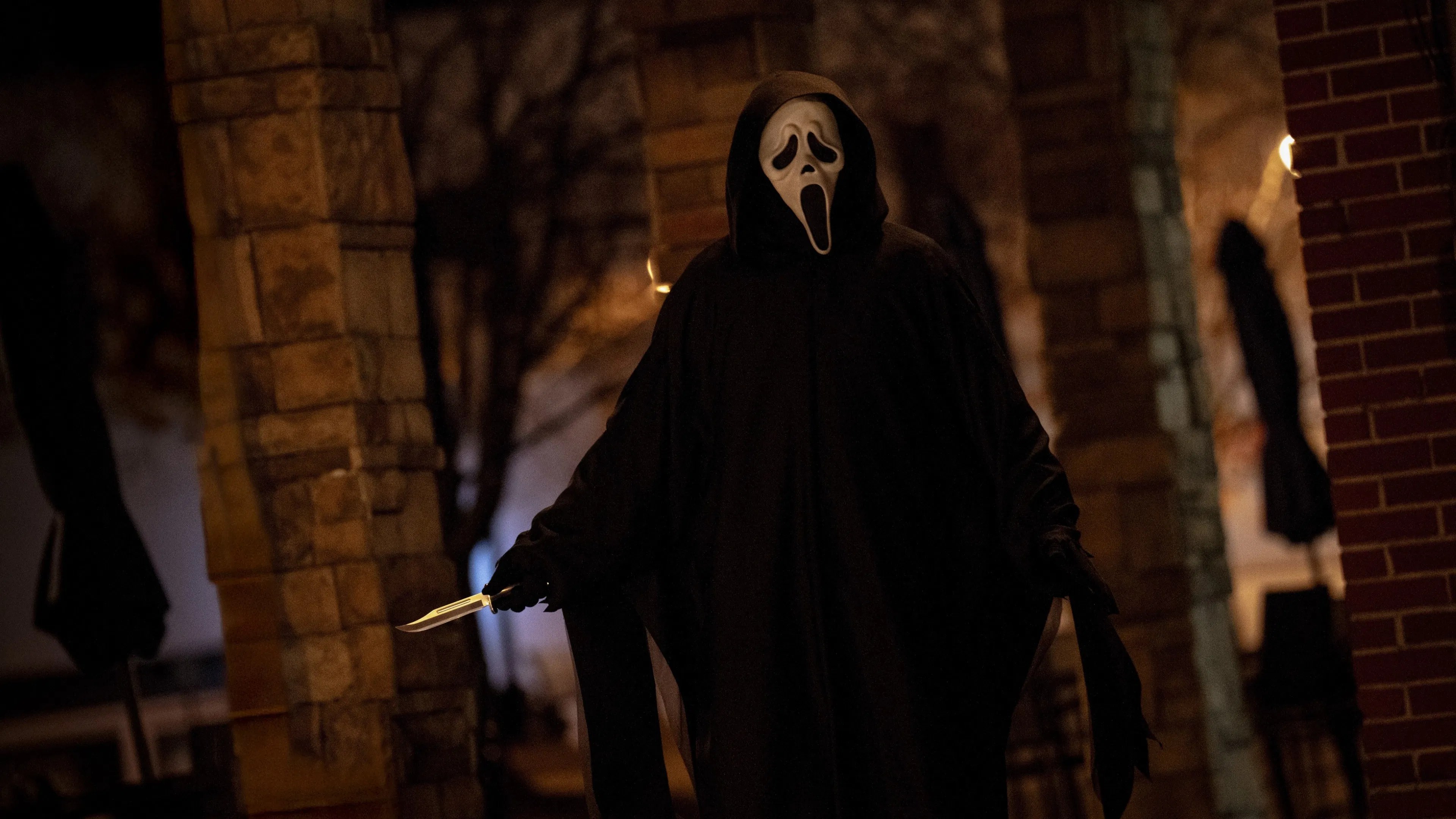
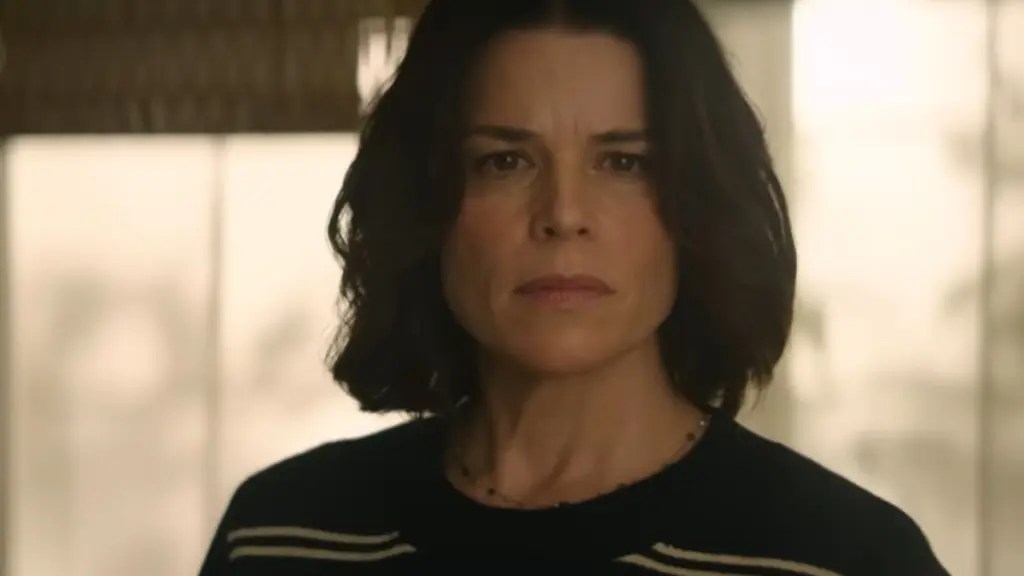
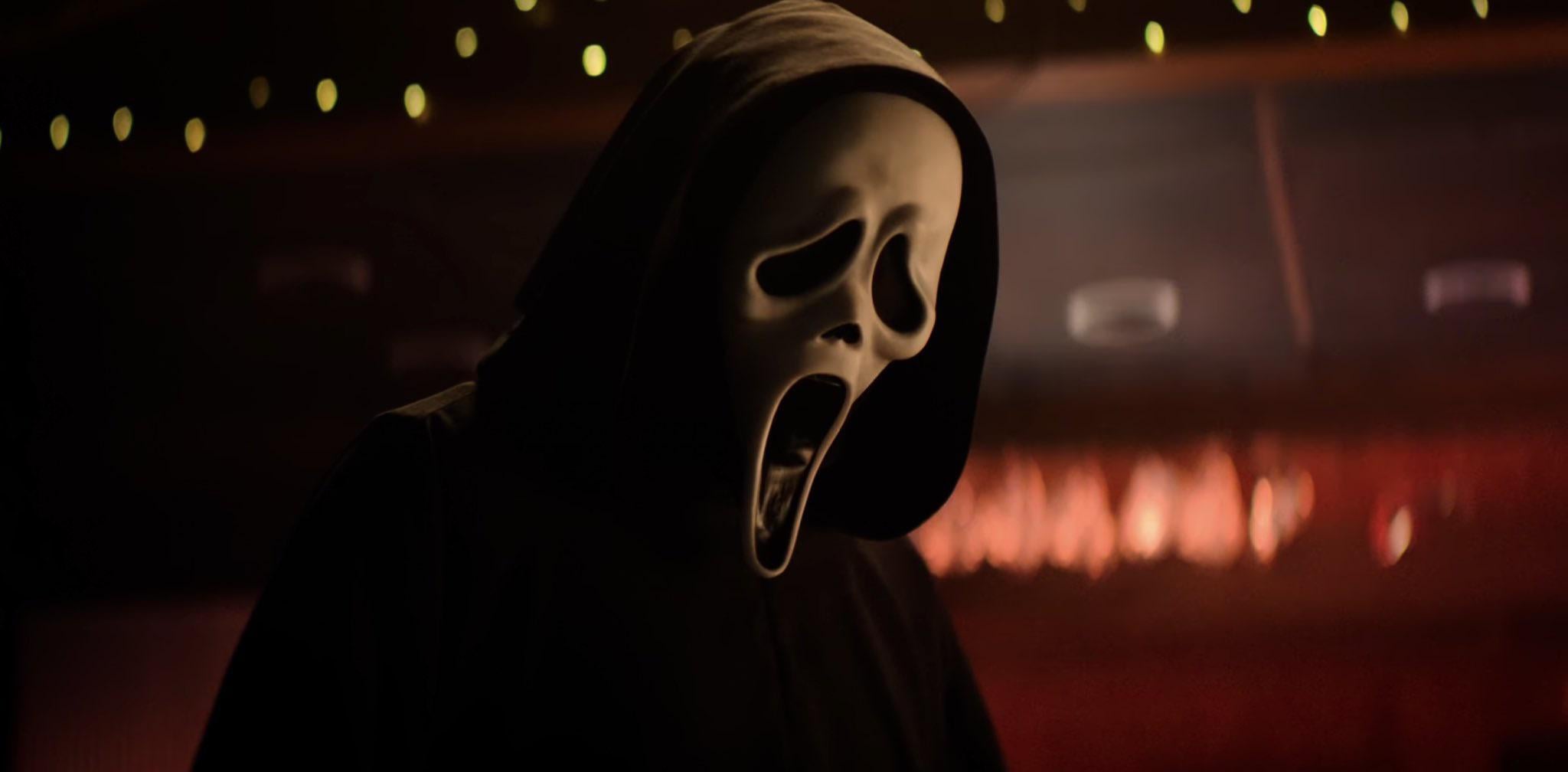
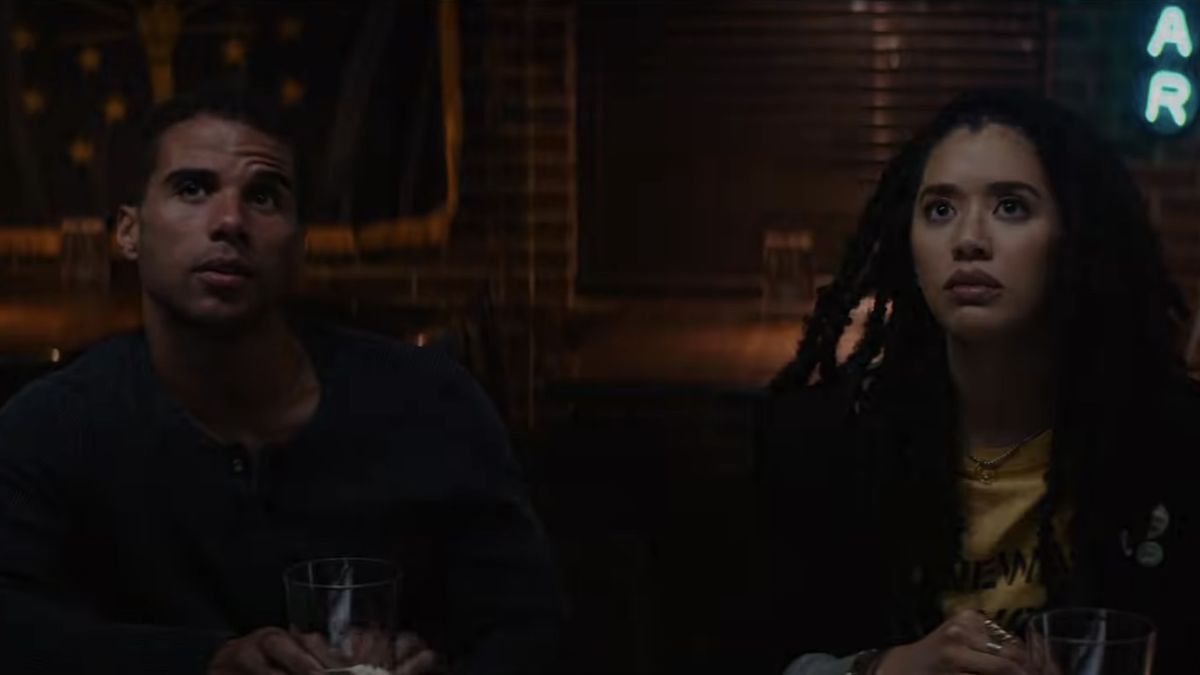
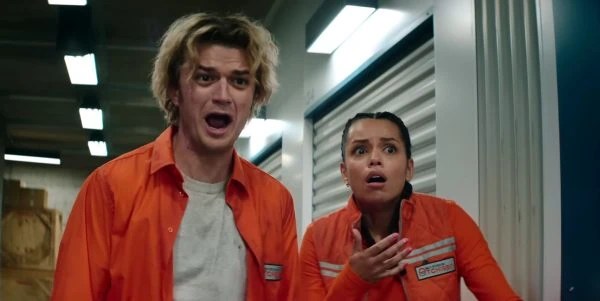
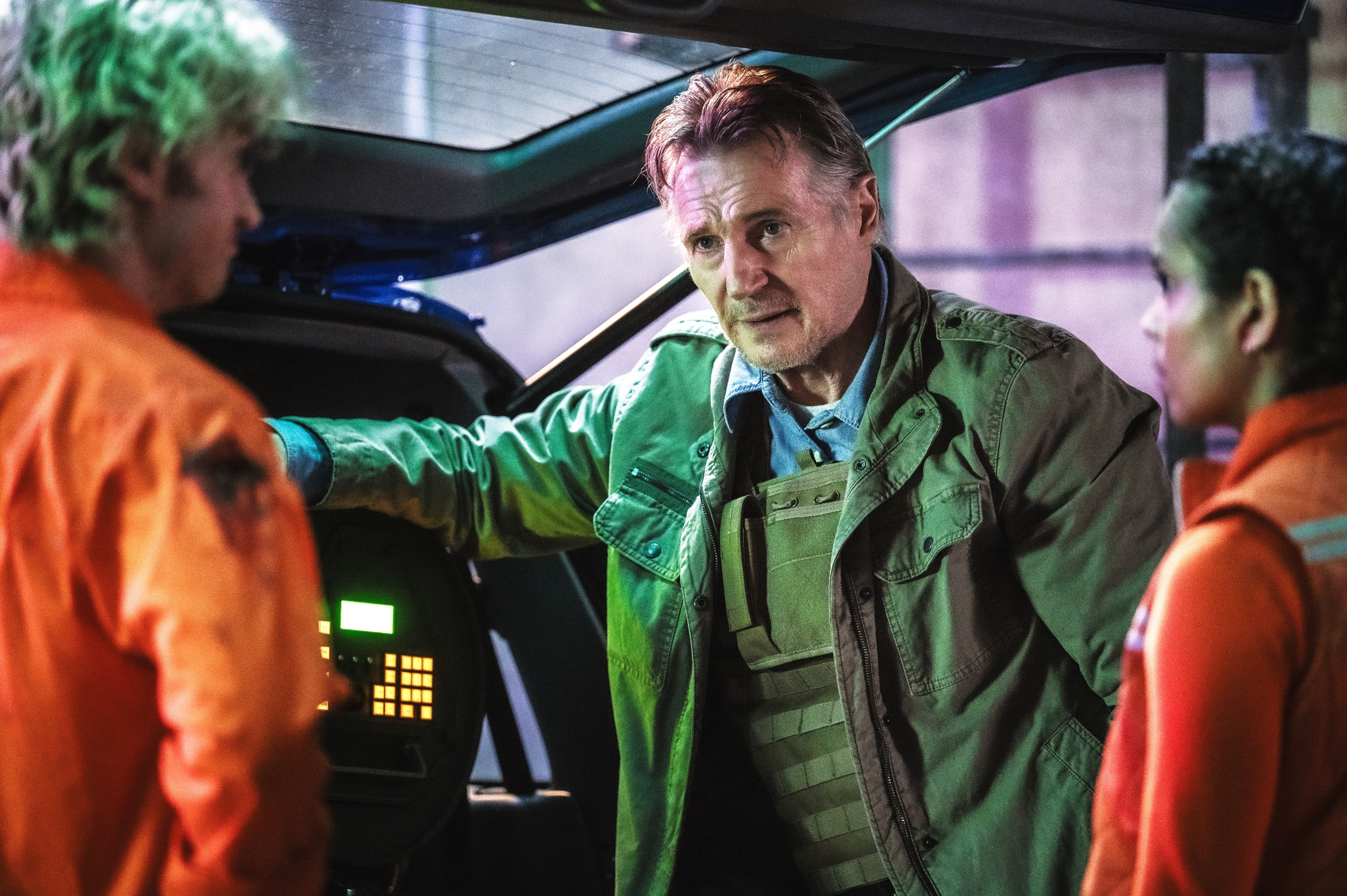
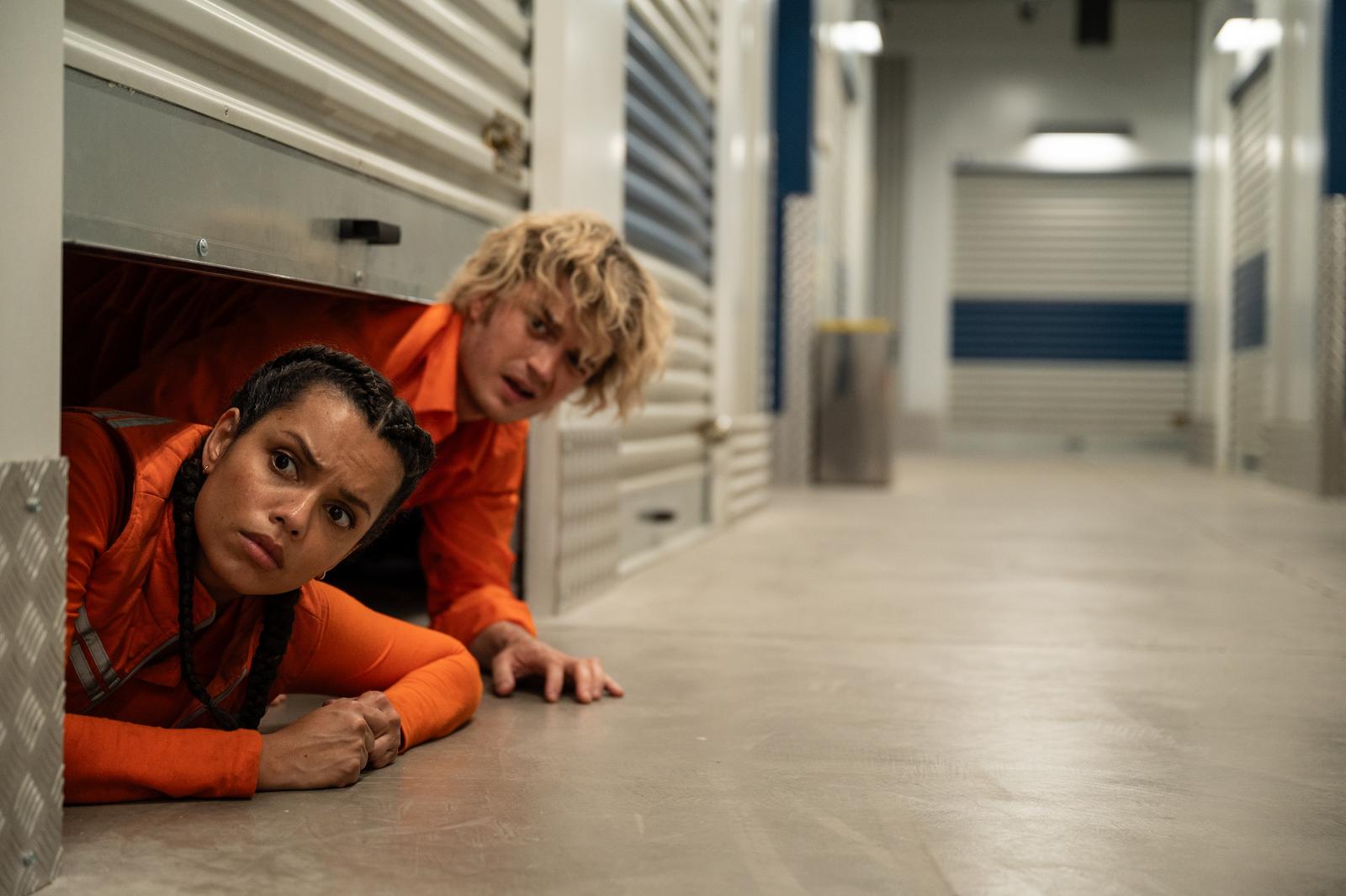
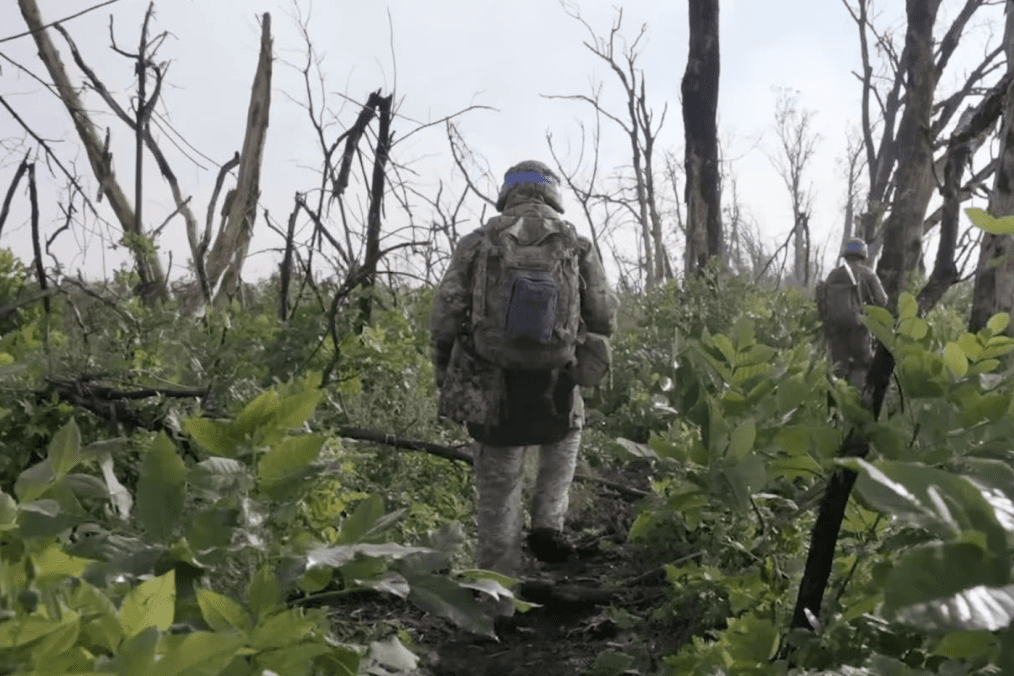
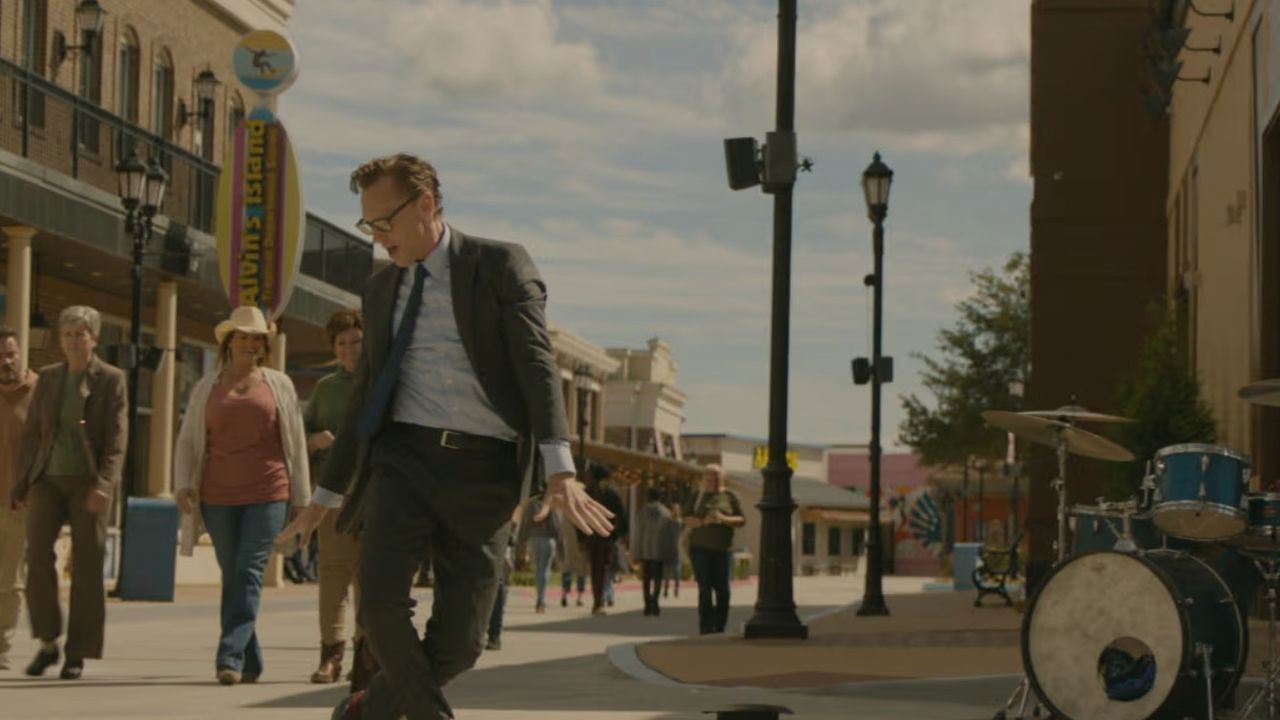

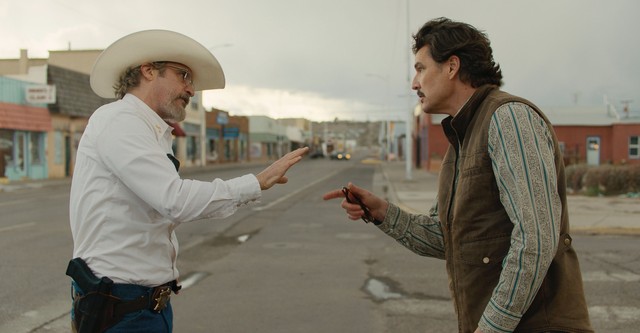

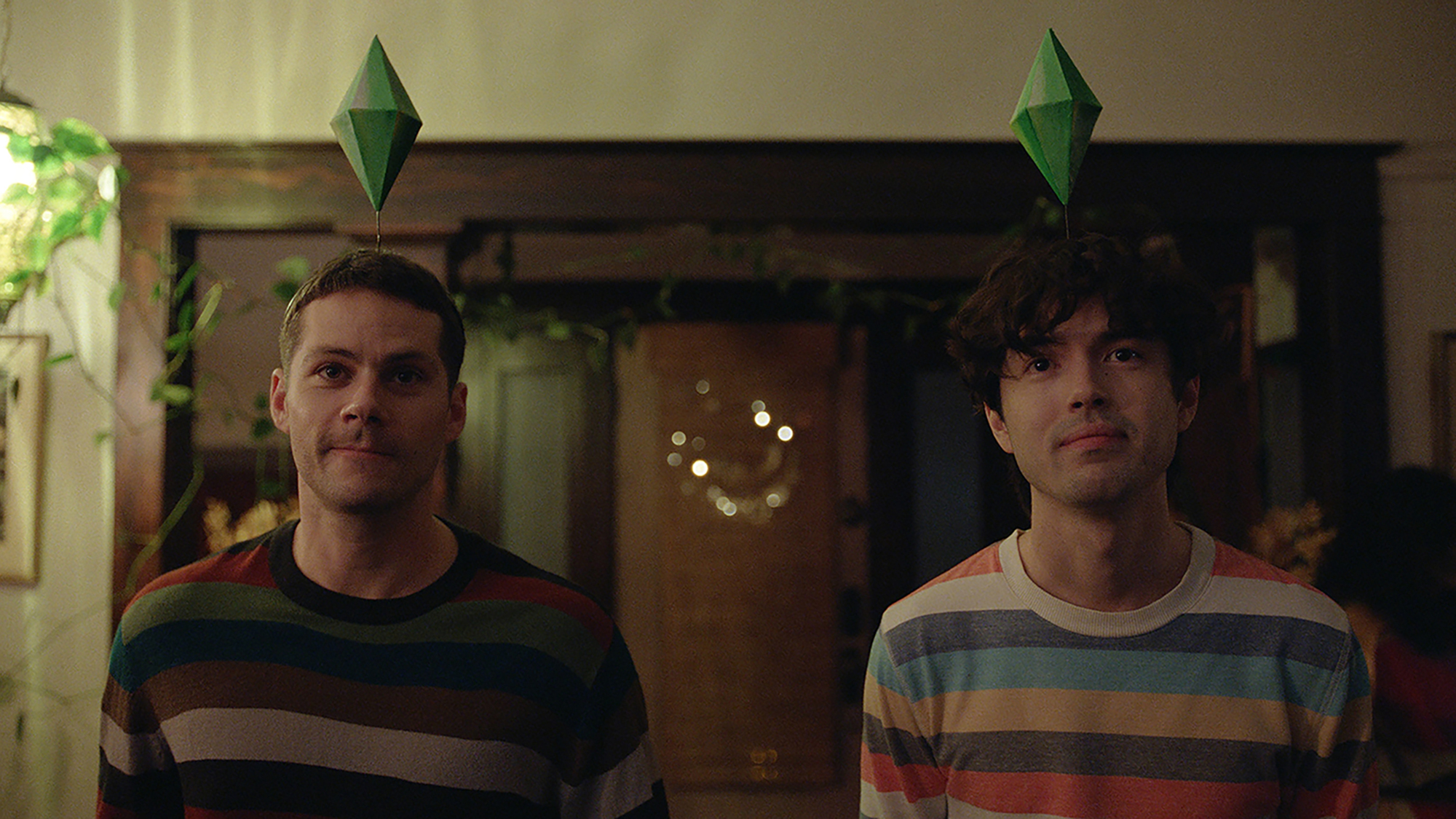
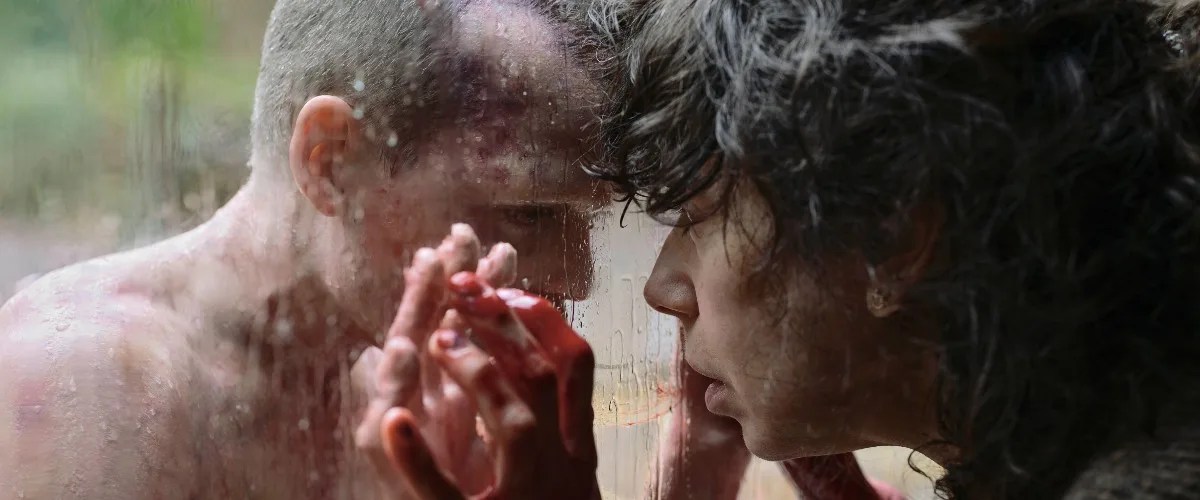
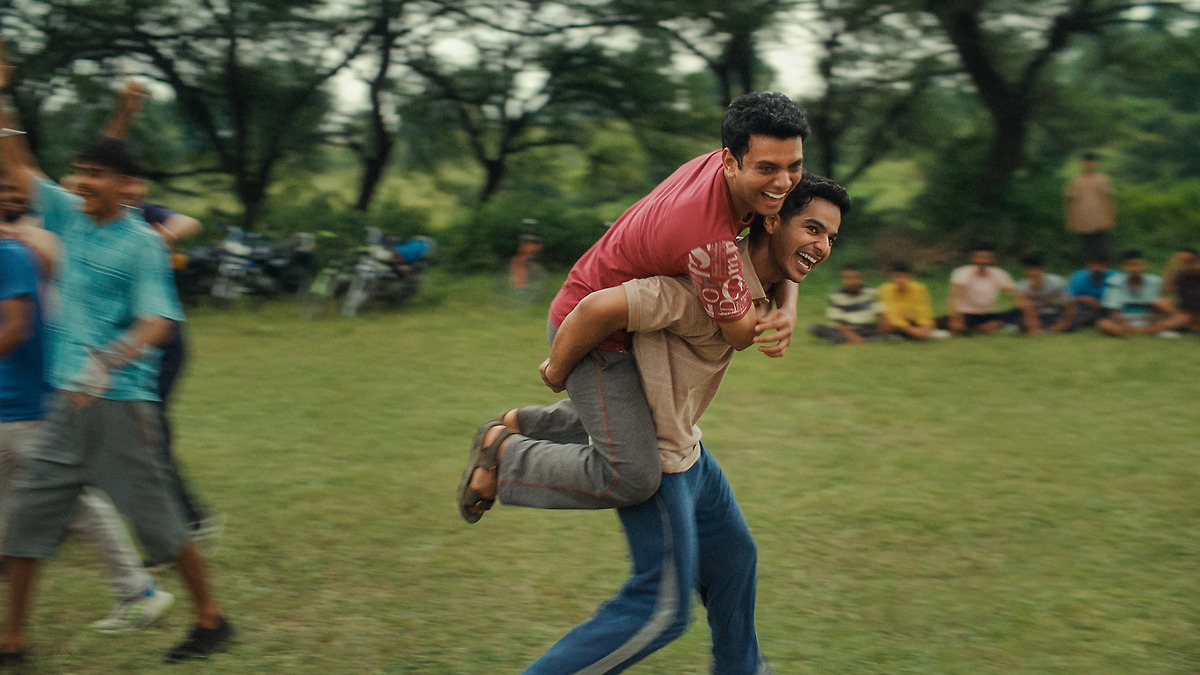
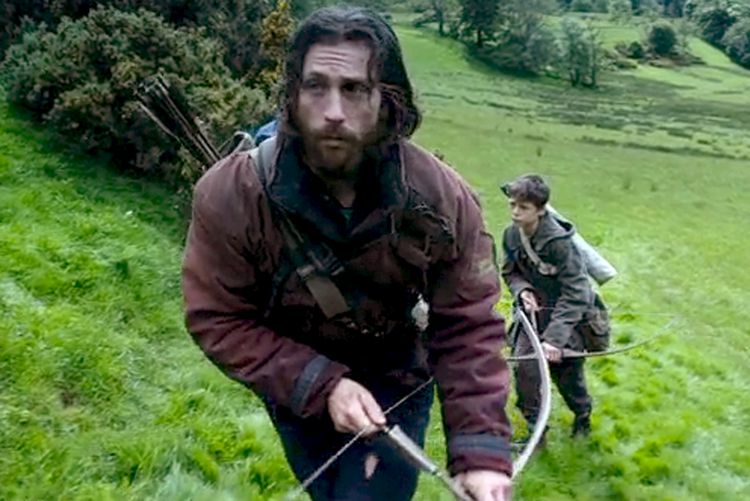
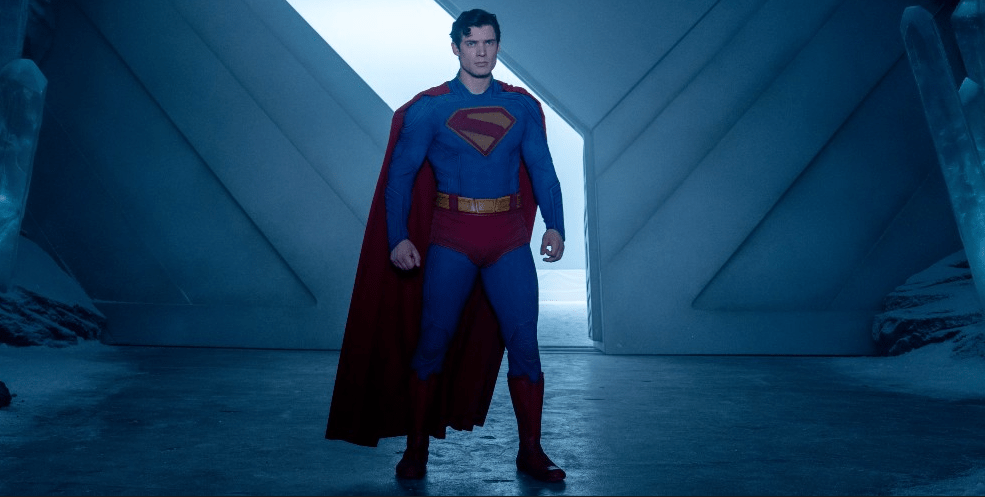
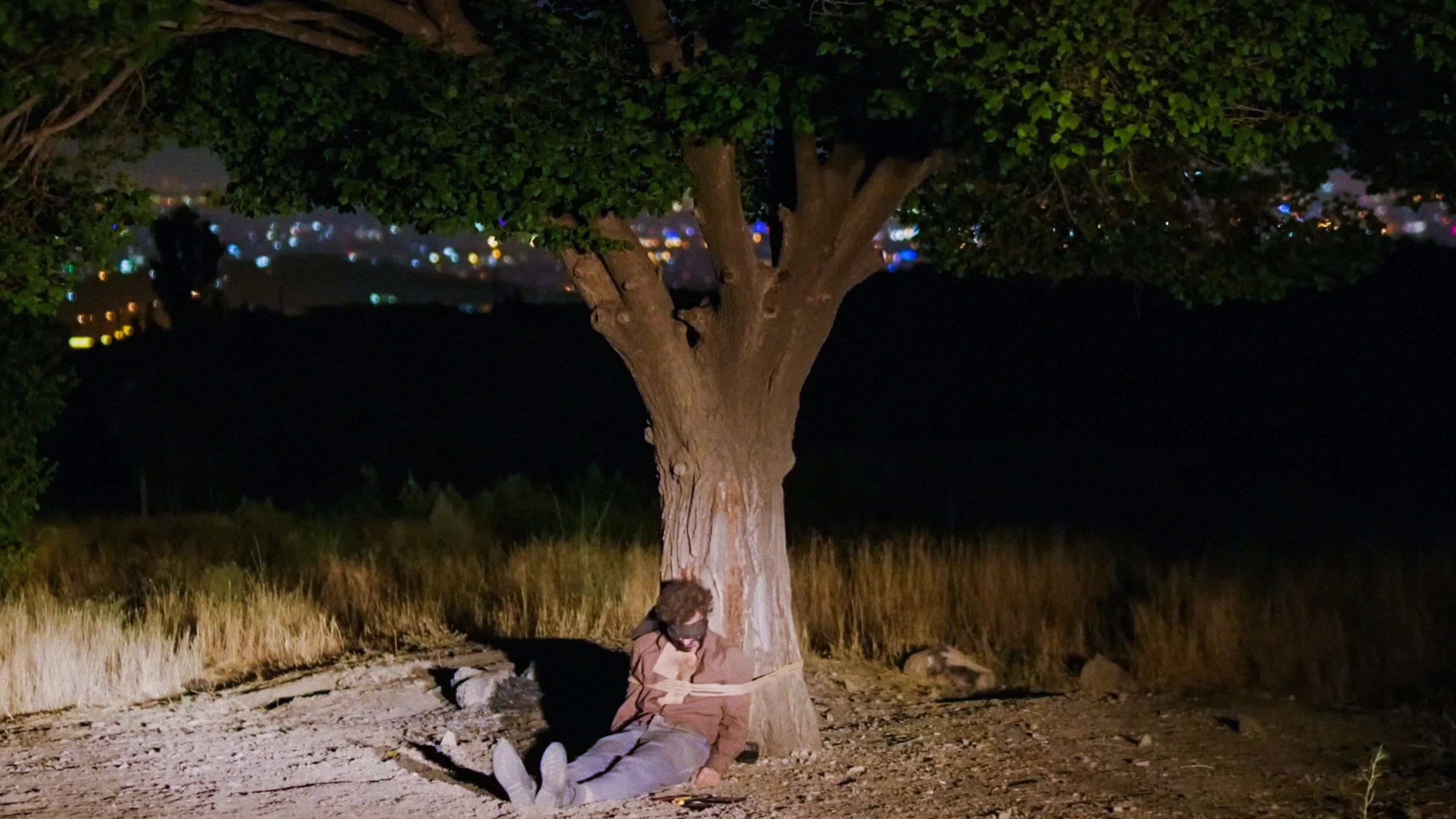
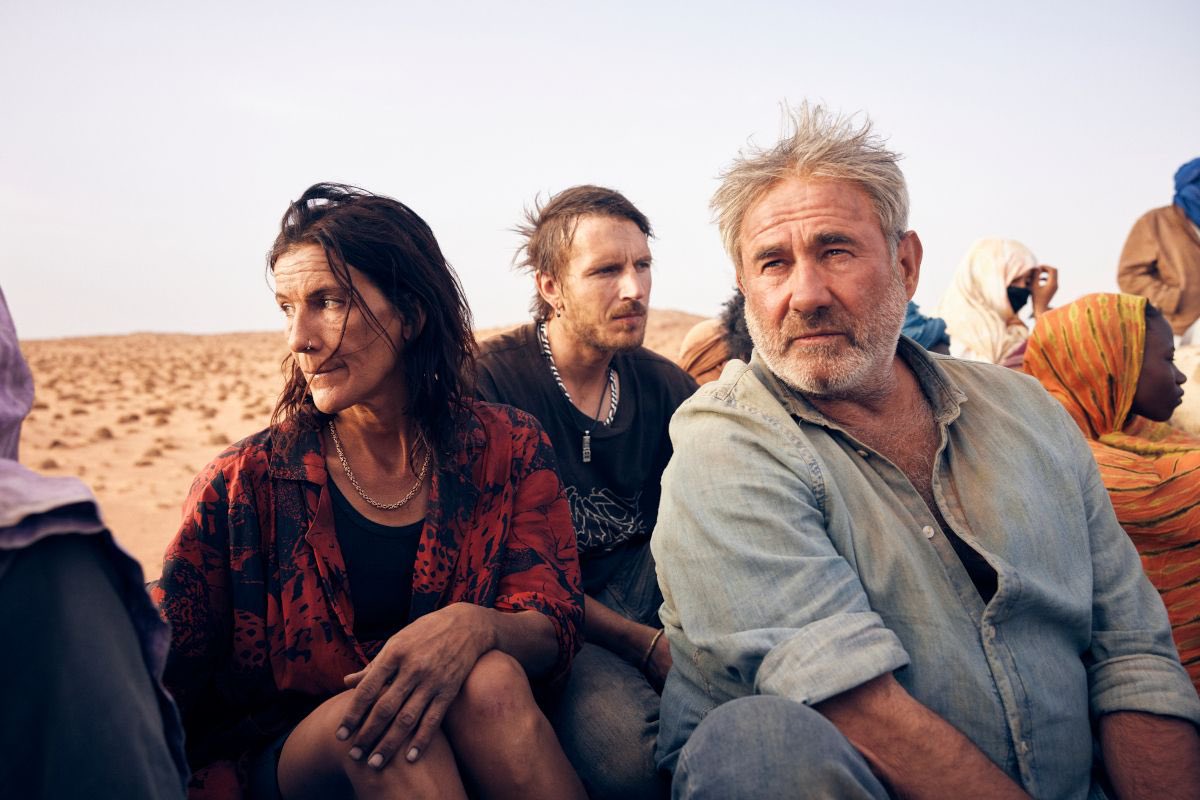
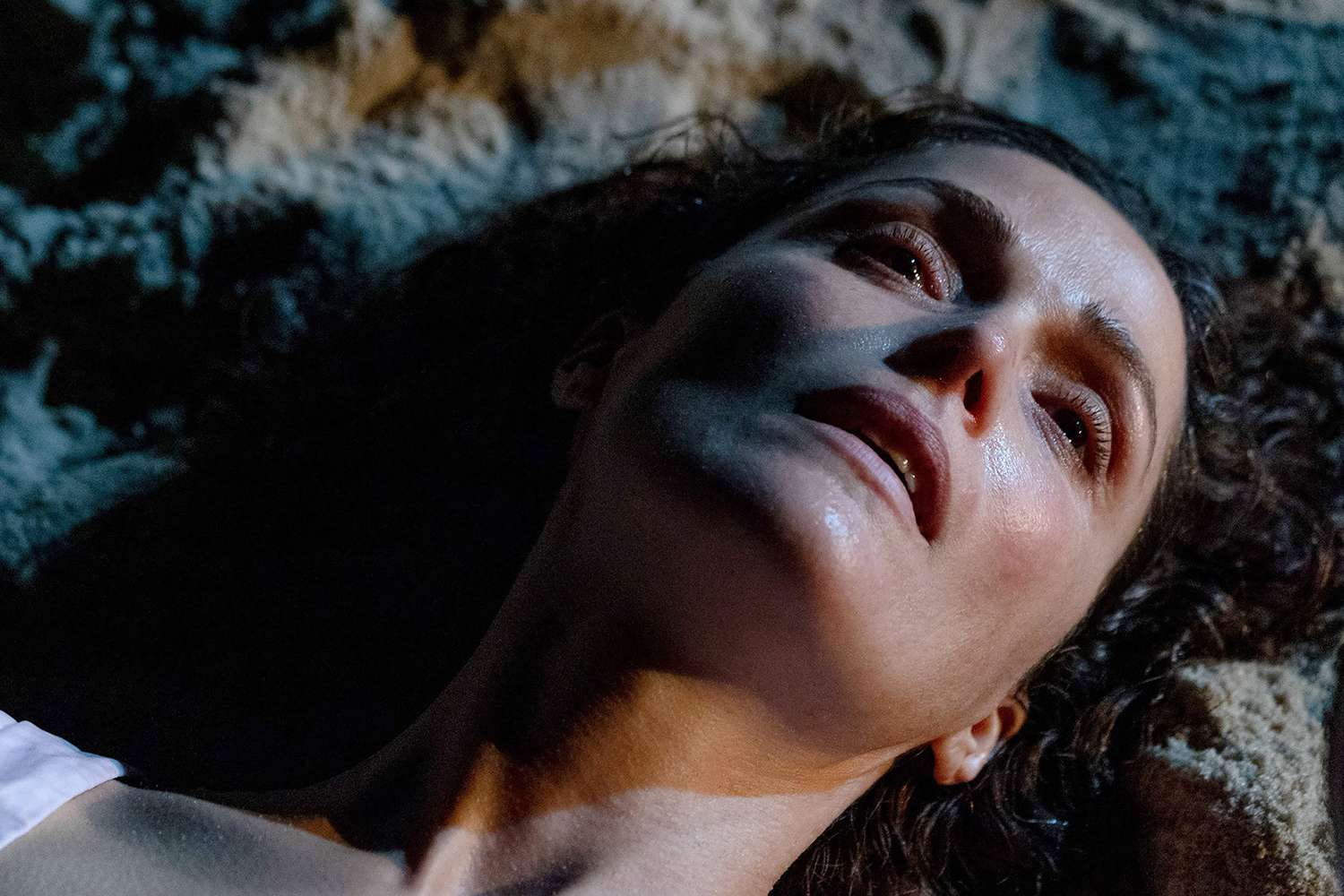
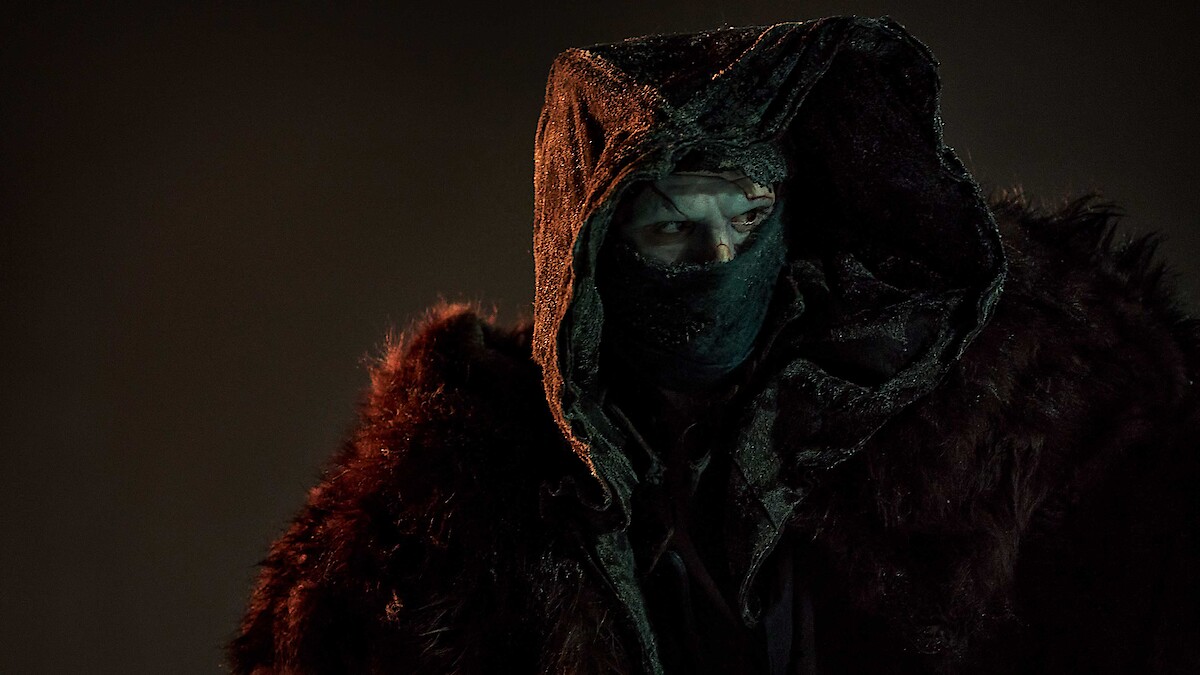
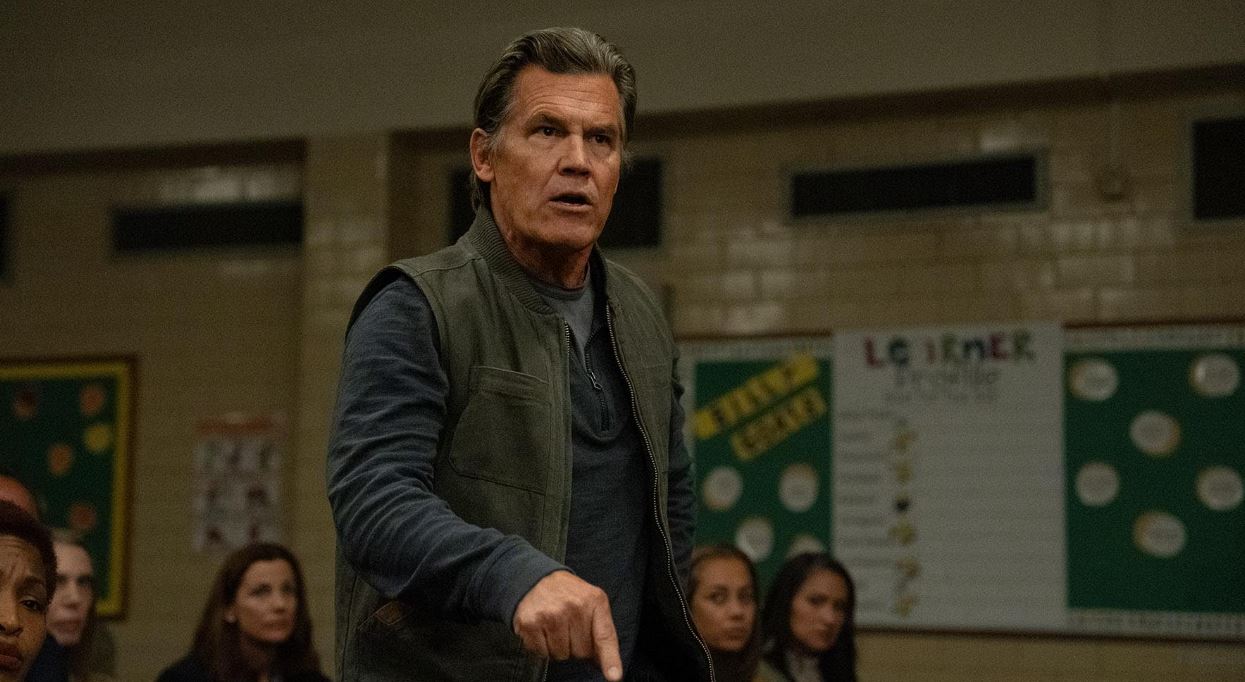
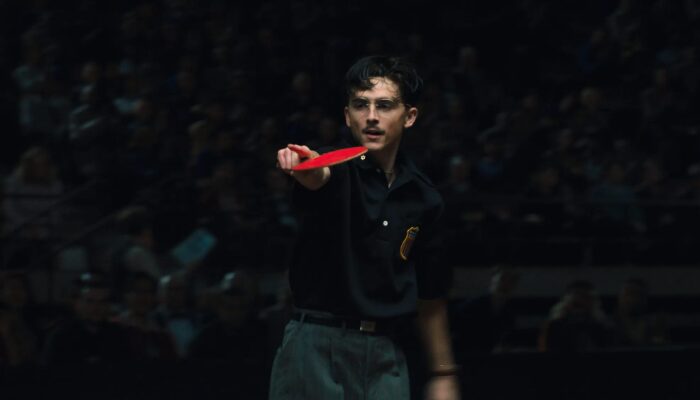

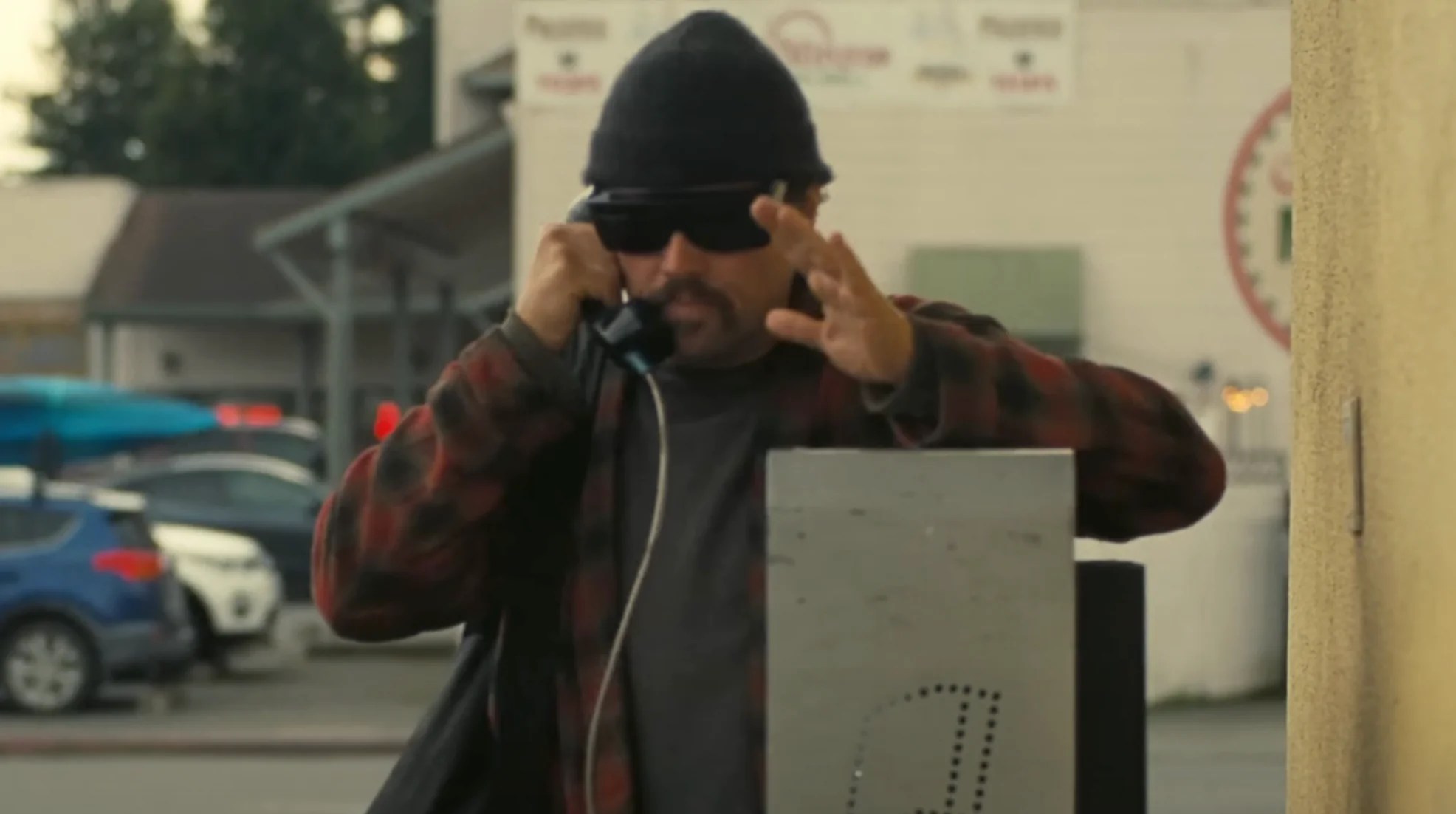
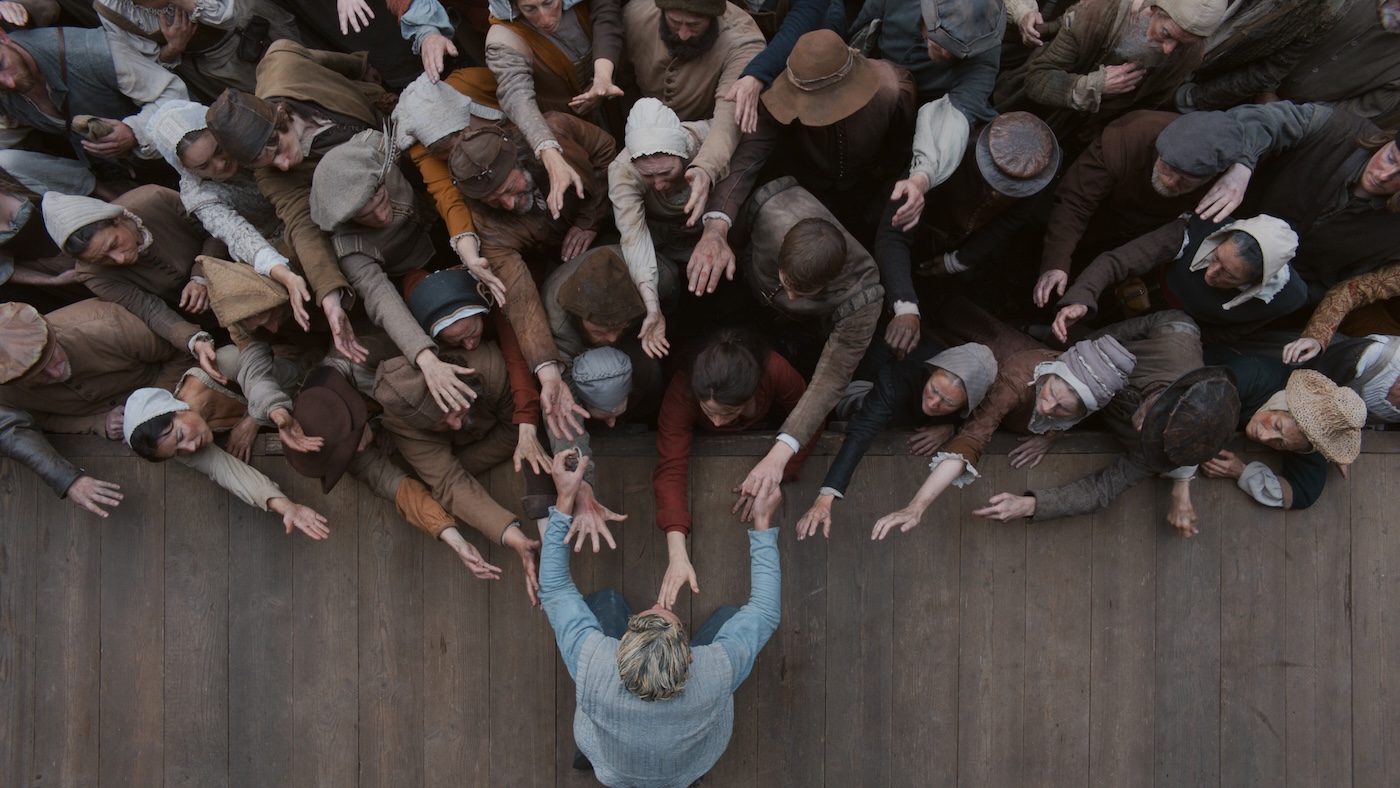
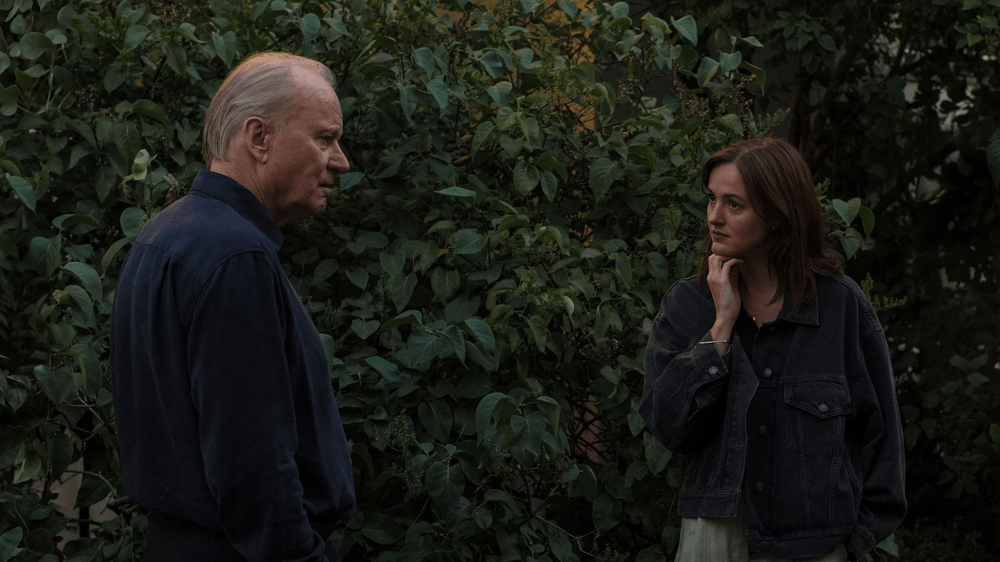
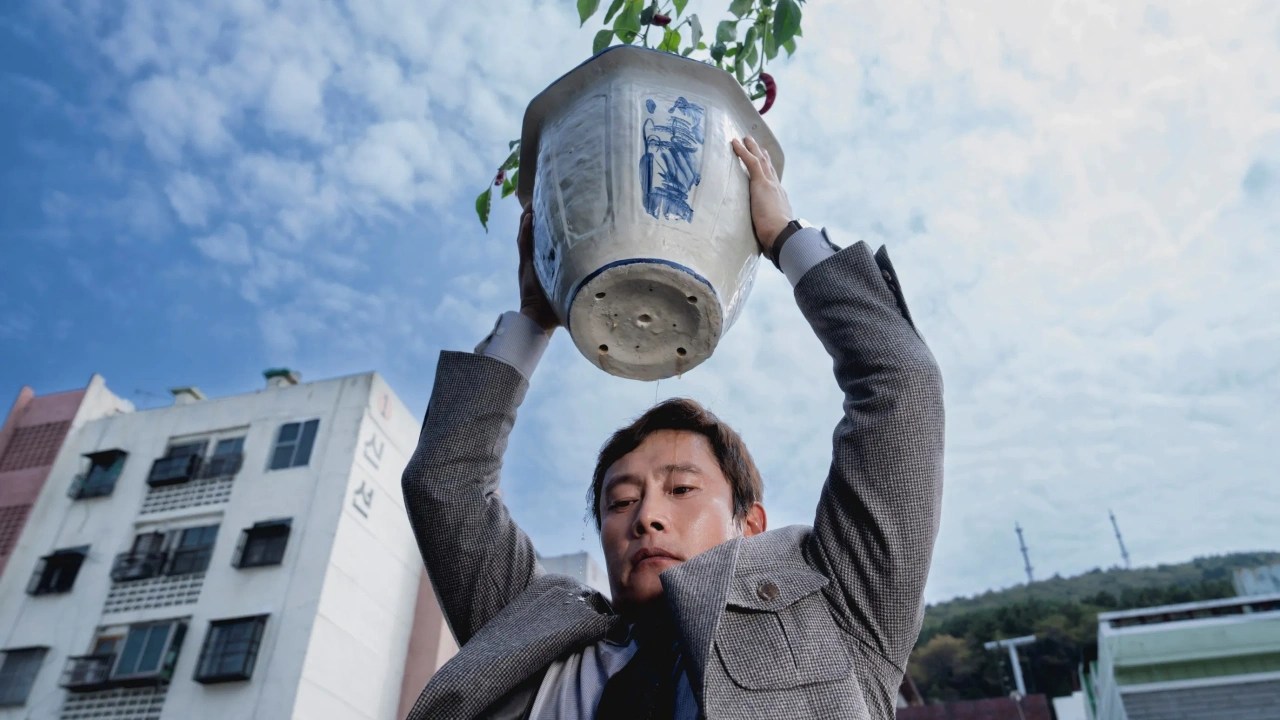
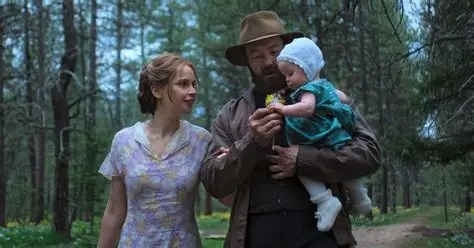
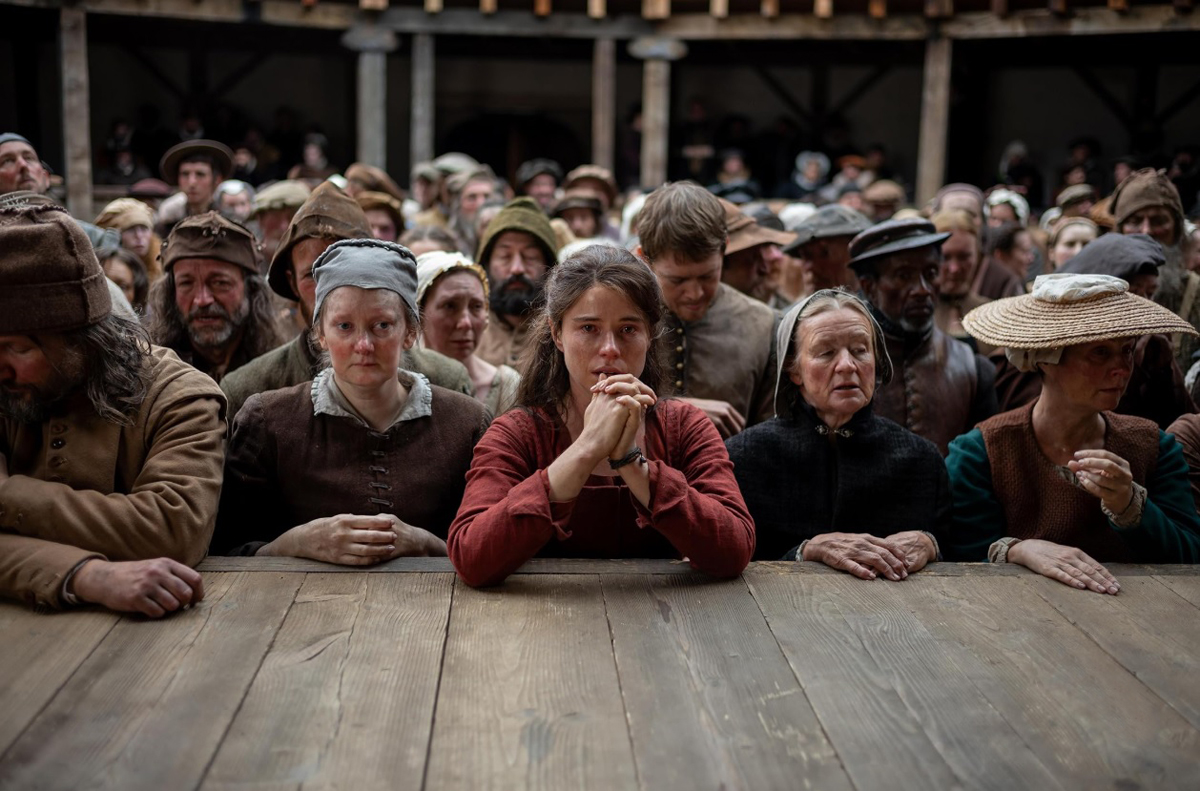
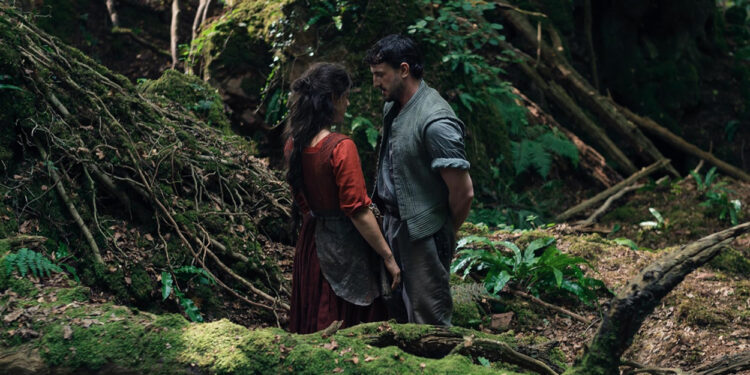
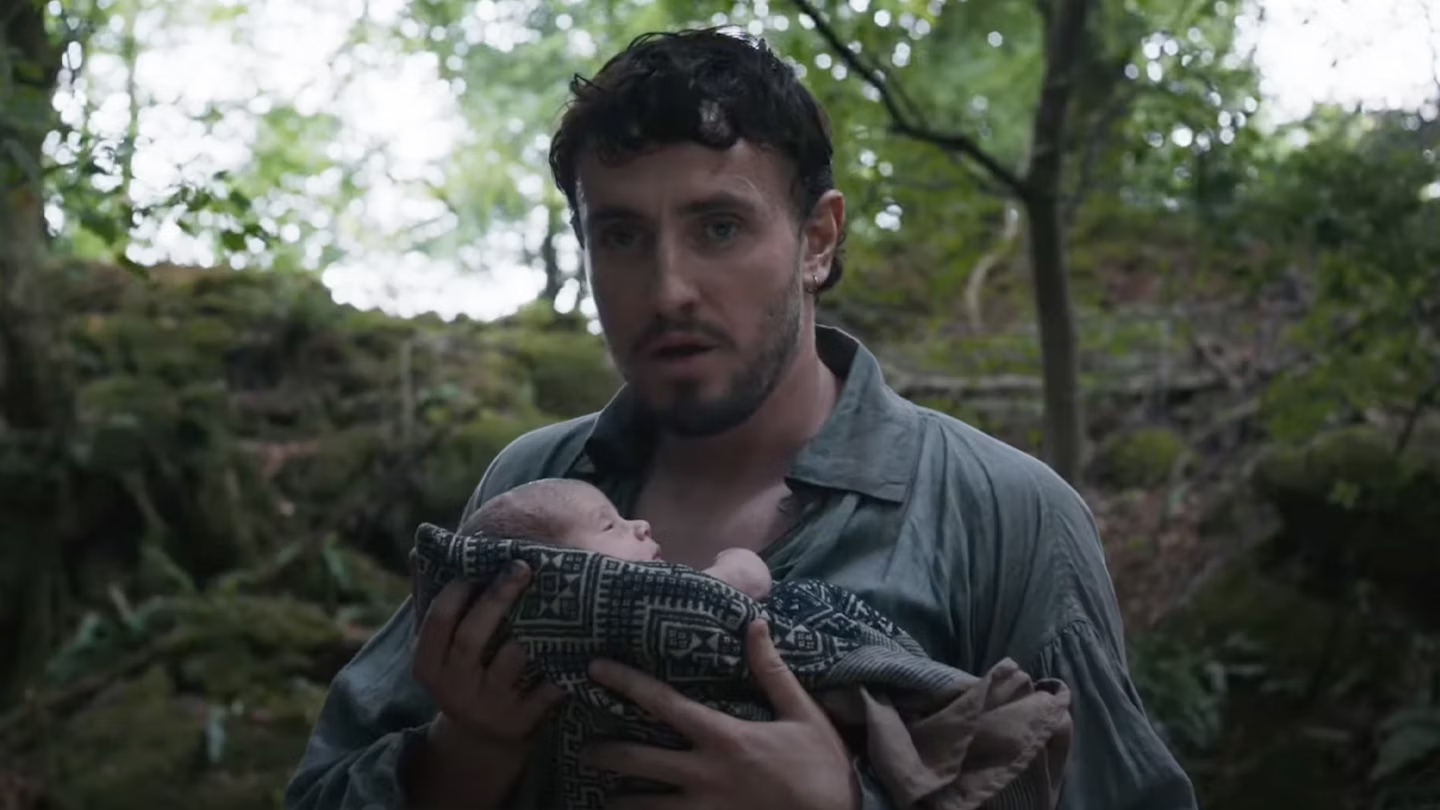
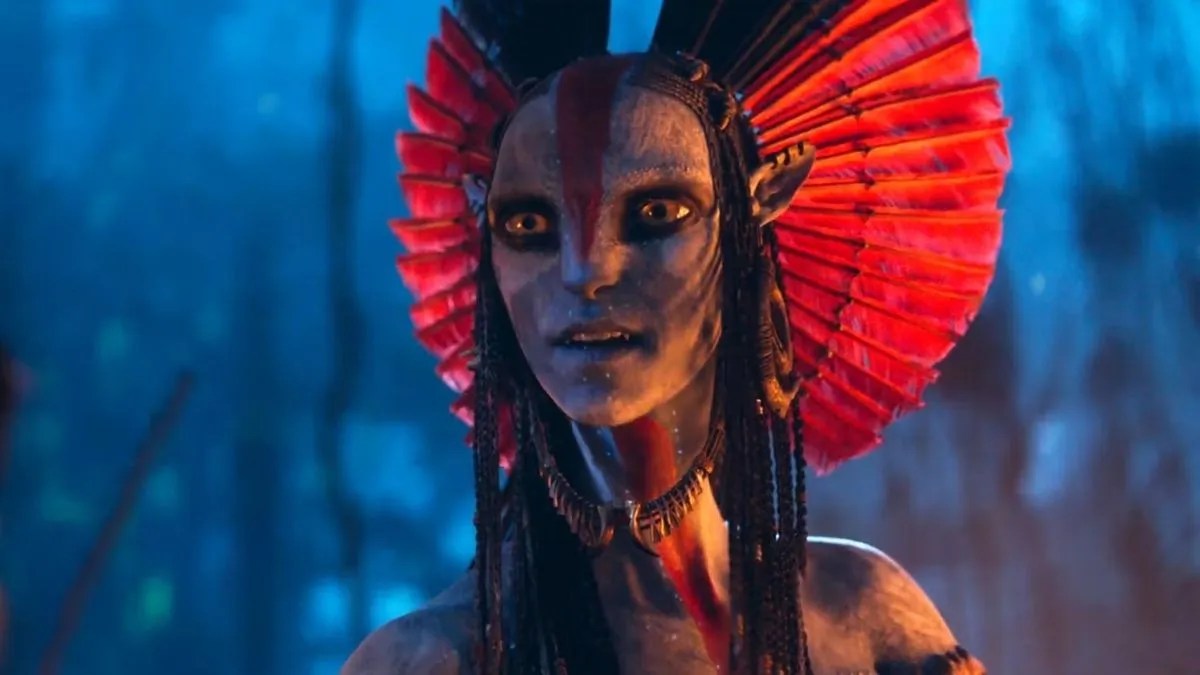
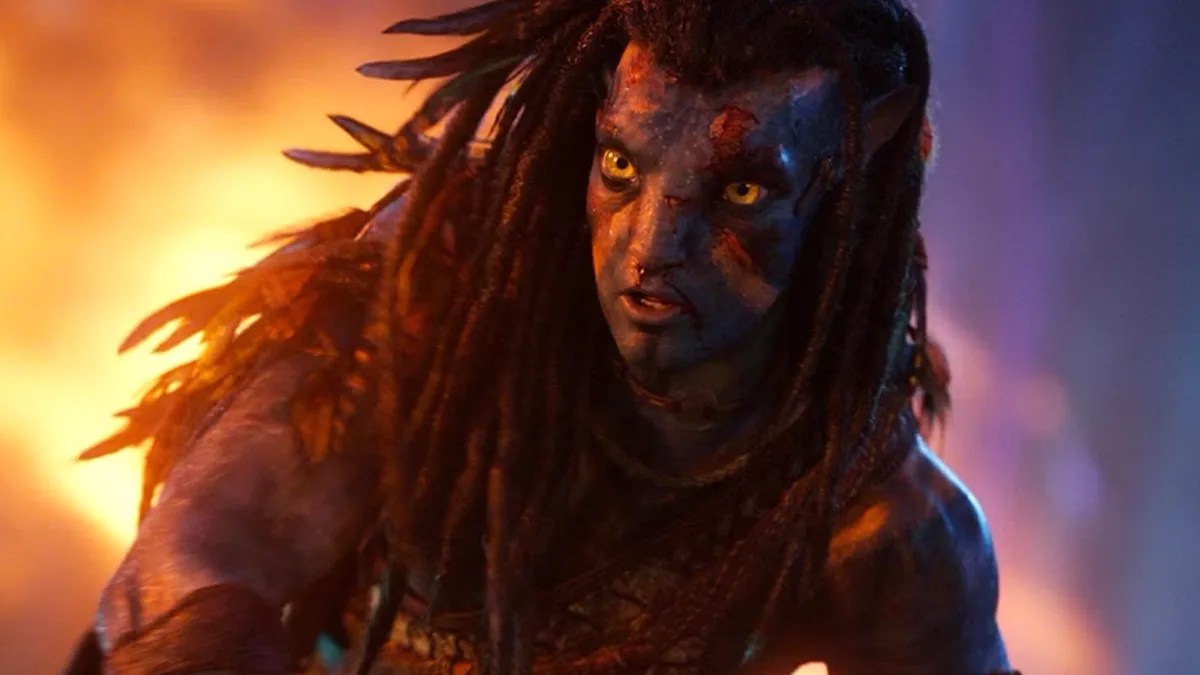
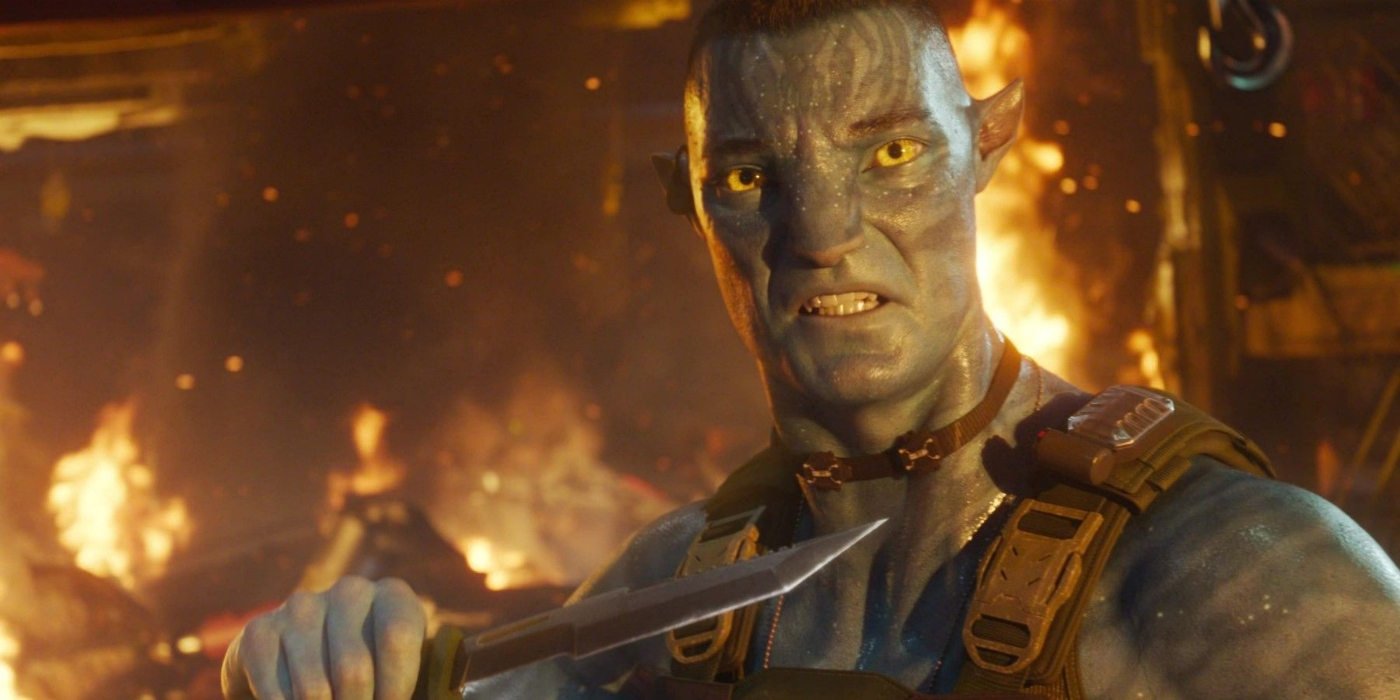
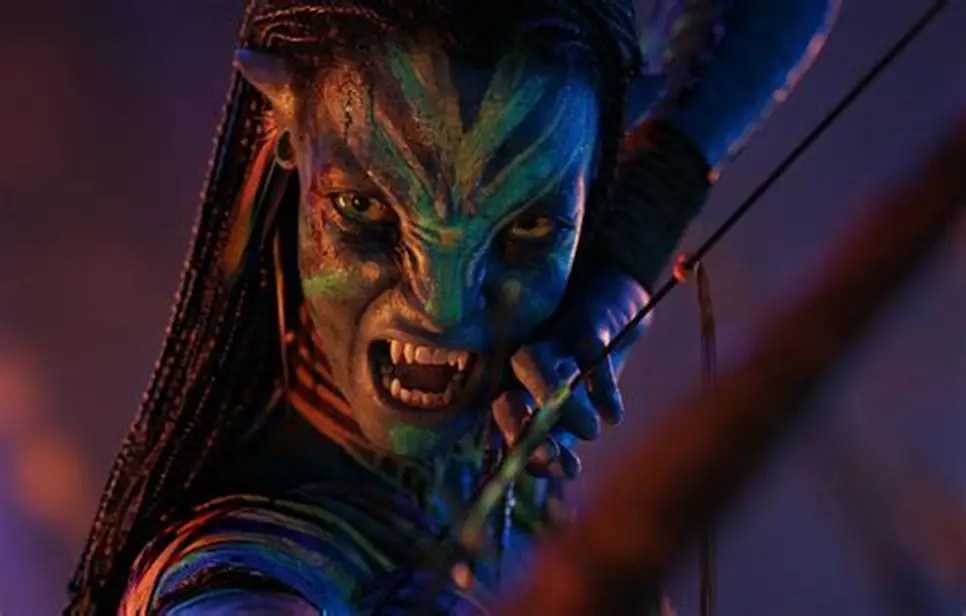
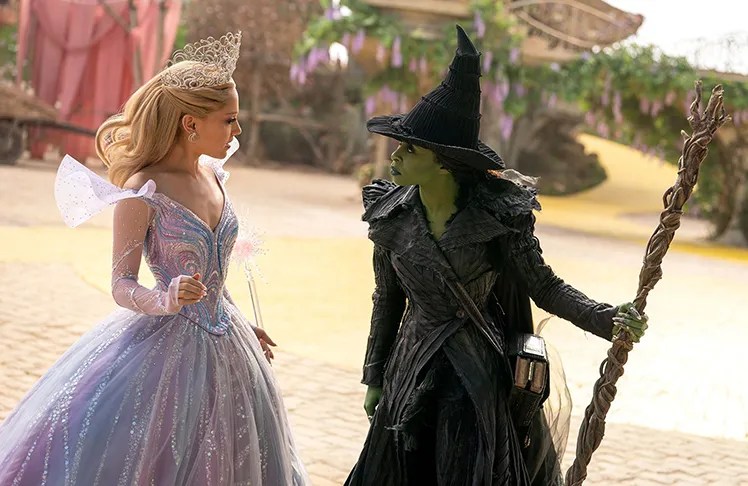
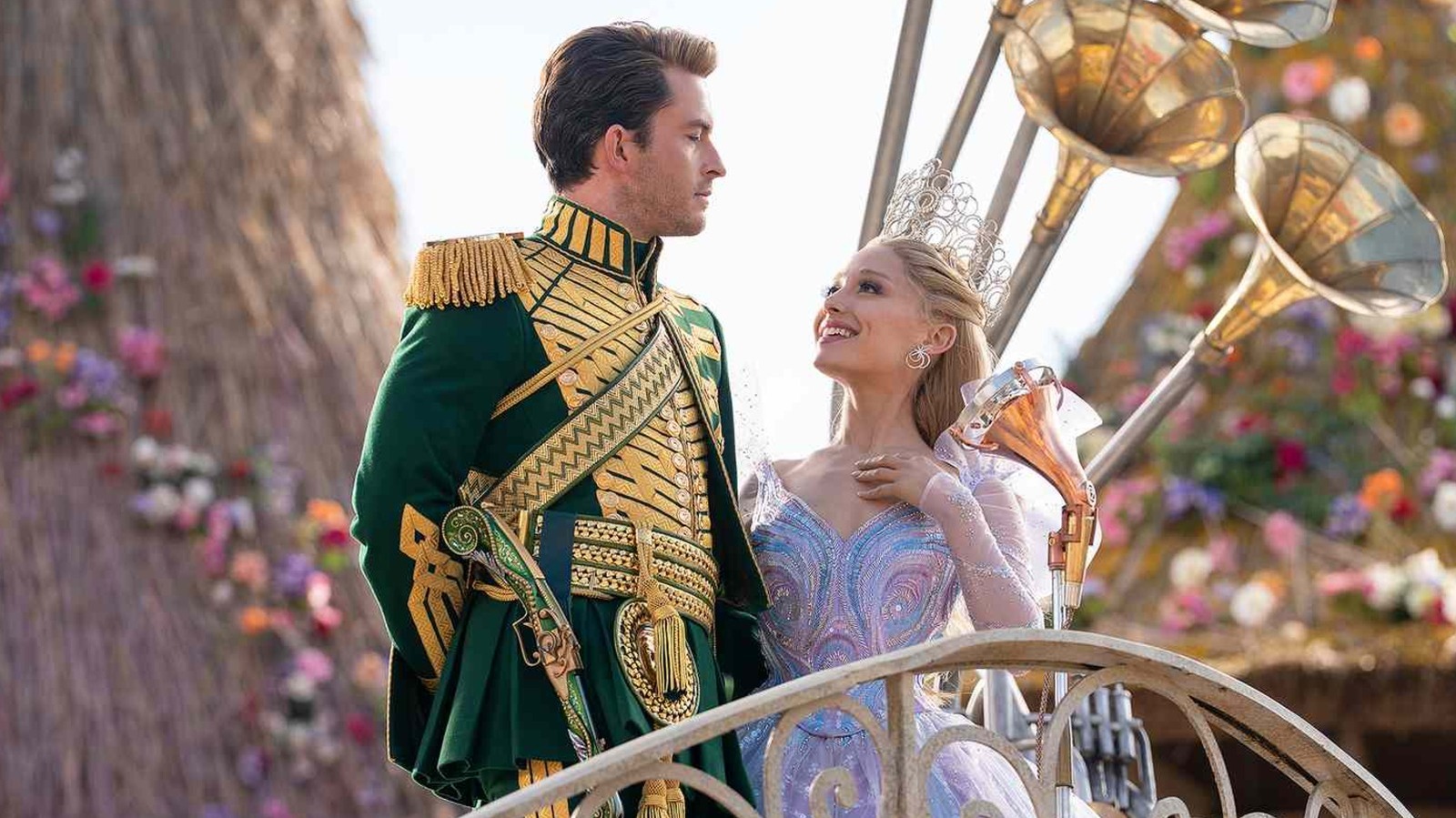
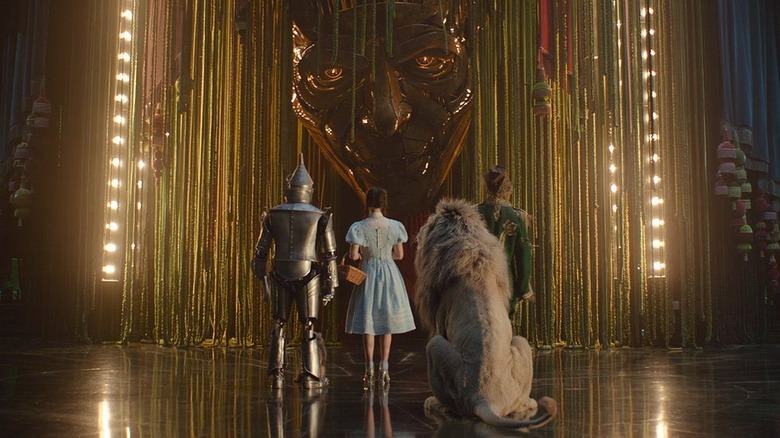
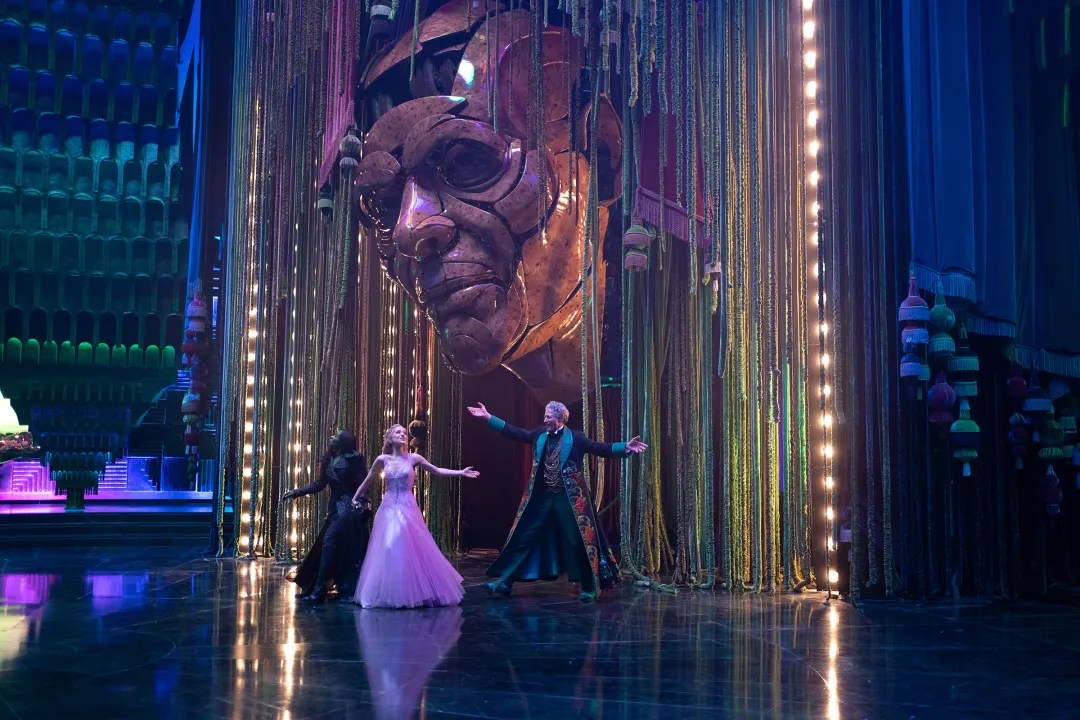
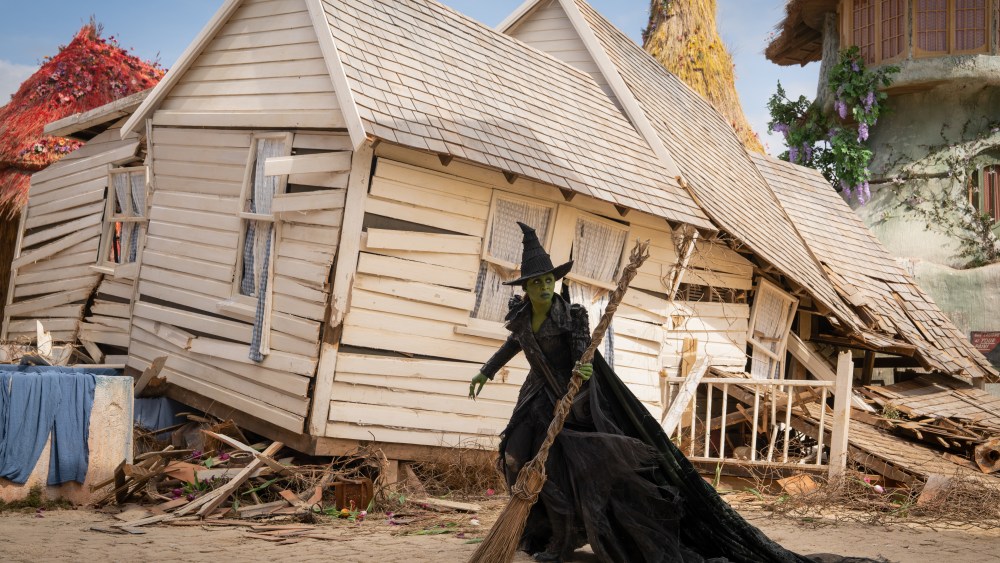
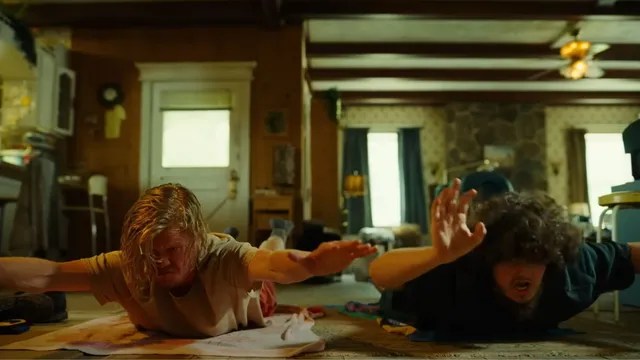

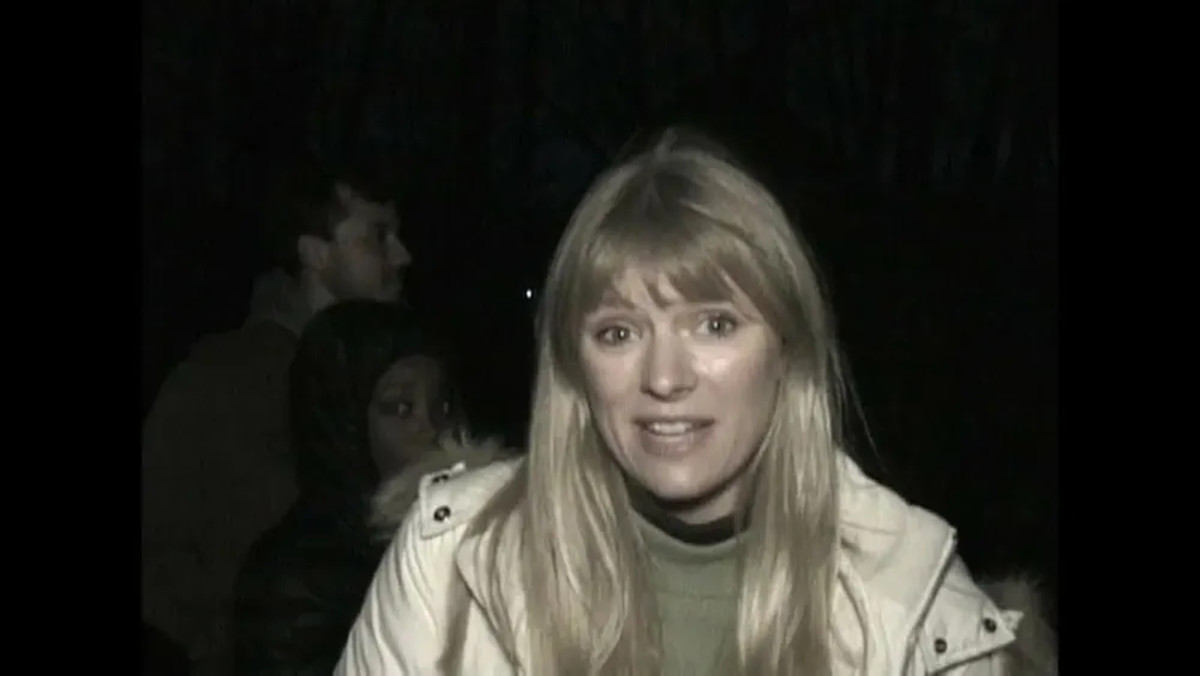
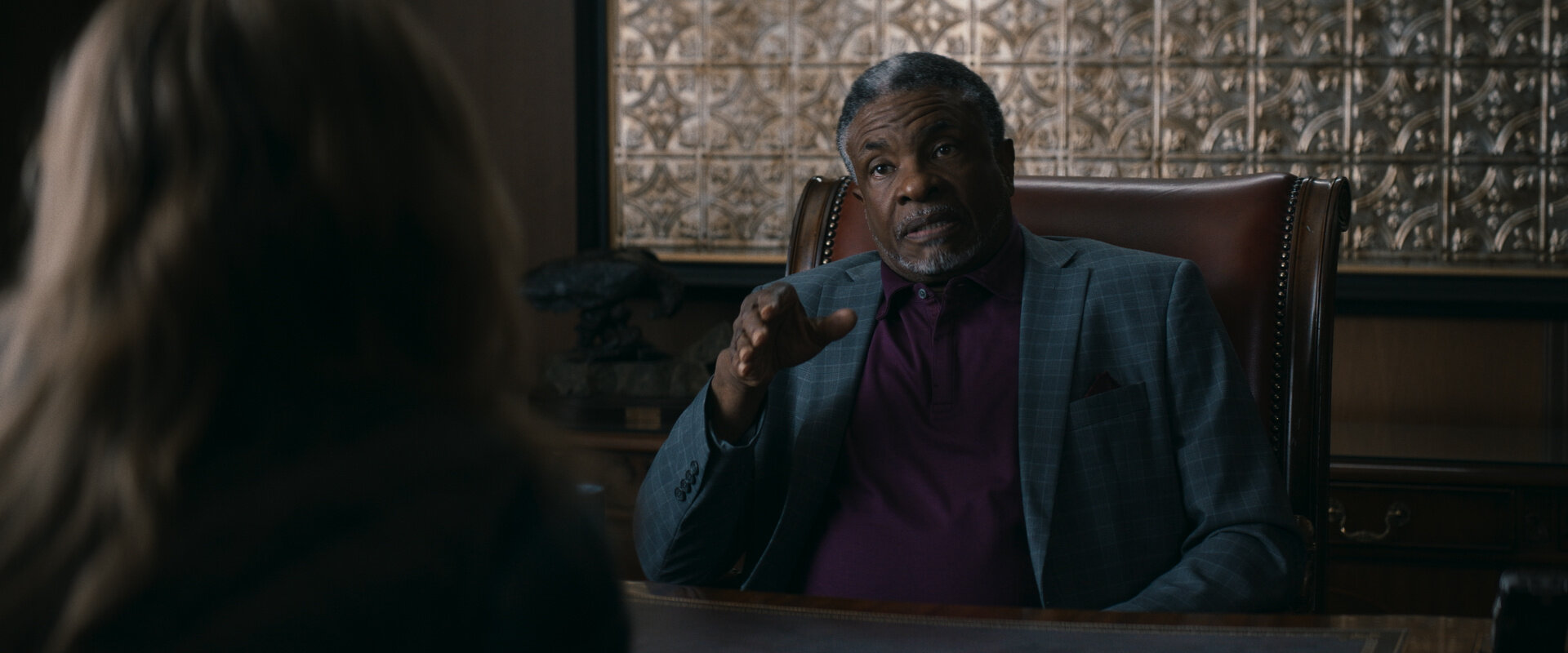
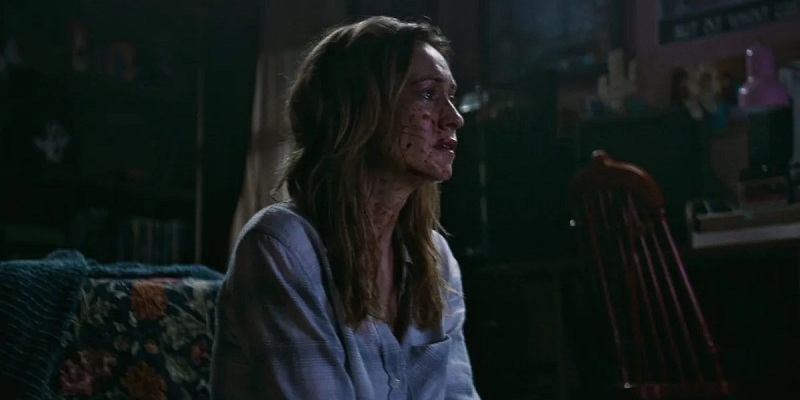
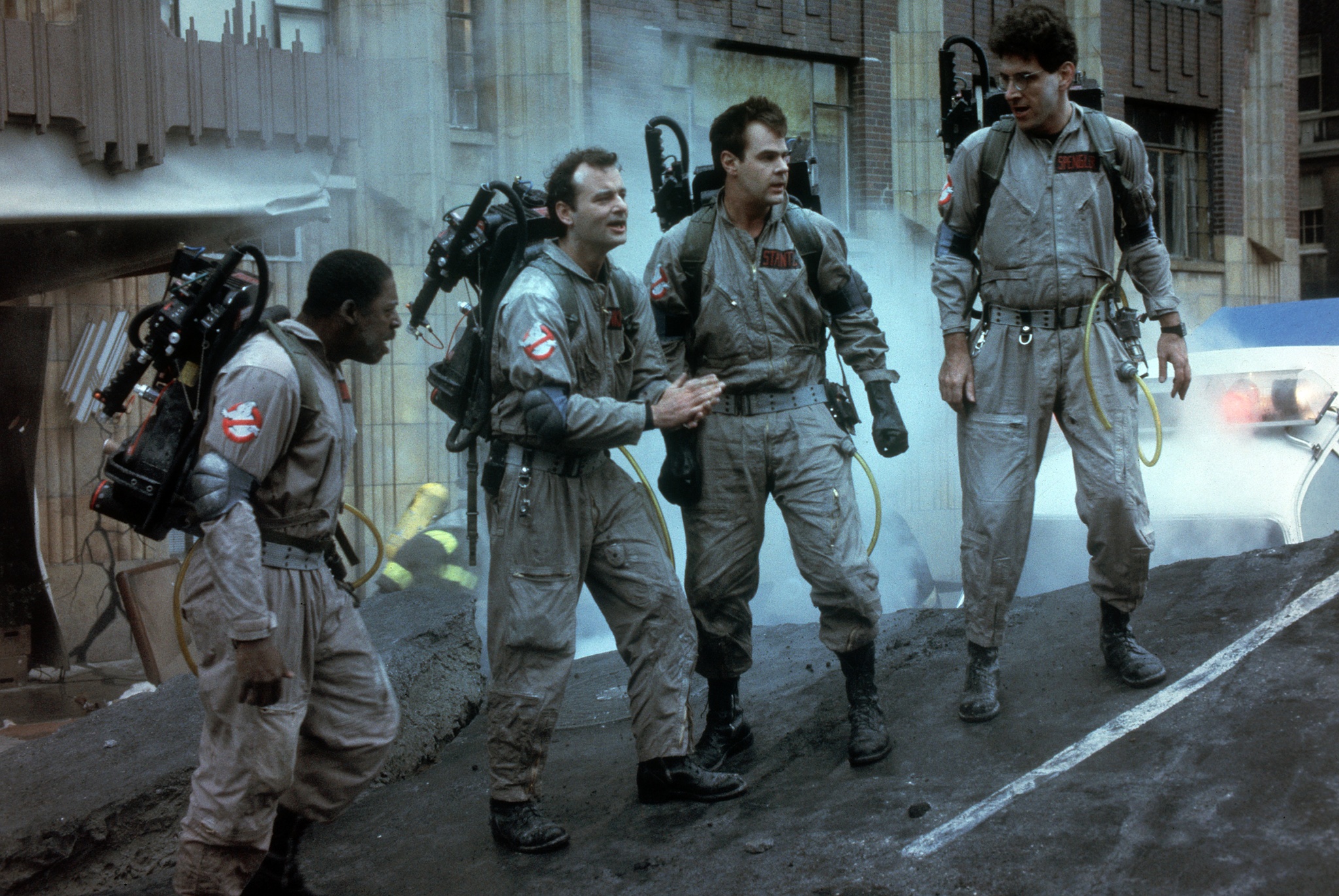

 Rhys Reviews