Tag: marvel

  • Wonder-Man Review

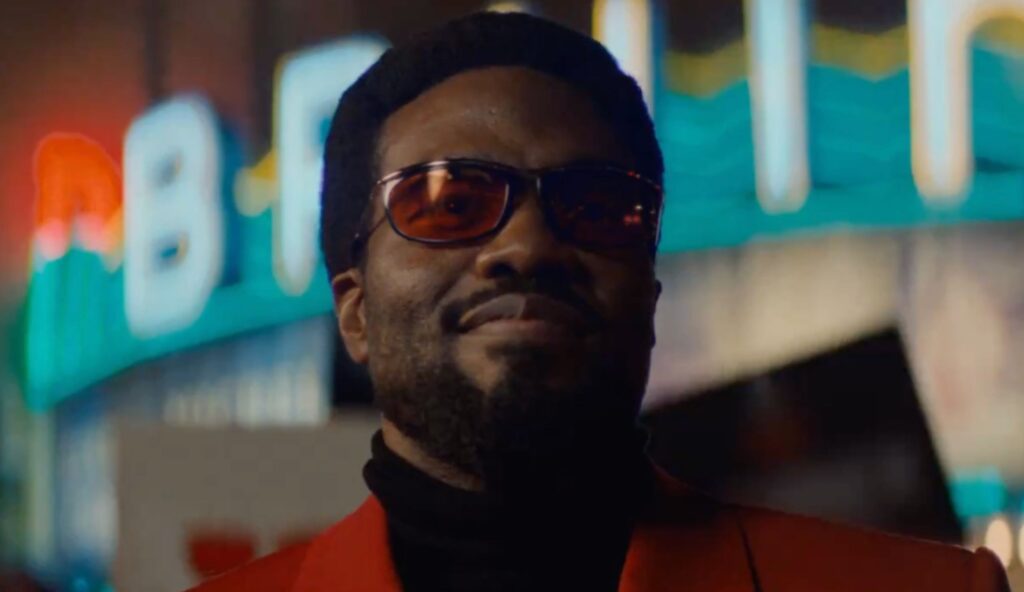
    Yahya Abdul-Mateen II in Wonder-Man

    The introduction of Disney+ broadened the worlds of various Disney properties from just the big screen, introducing such shows like the Mandalorian and Ahsoka from the Star Wars brand, or Monsters at Work from Pixar. One of the biggest franchises that took advantage of this was Marvel, which went from an interconnected set of films to a brand that released just as many television series, or even more series than films now. The problem came with the number of series being produced, and how many of them seemed like stretched-out scripts for films, that had been given the television treatment. Only some shows, namely She Hulk: Attorney at Law and WandaVision, felt like actual shows designed with the television format in mind. When in production of their revival for the Netflix series Daredevil, which would now be known as Daredevil: Born Again, and faced with the writer’s strike of 2023, Marvel Studios acted in overhauling their television productions. Shows would move away from focusing on major characters from the films, budgets would be saved and shows would now be helmed by creatives, led by a lead showrunner rather than a team led by a lead writer, which is more common for film. The first show to come out of this creative change, the Daredevil revival, would come out as a mixed bag, a Frankenstein-product of two different versions of the same show edited together.

    Another show would be developed and slightly retooled during this era, and that is Wonder Man, Marvel’s newest streaming series. The show came to life when Daniel Deston Crettin, director of Shang Chi and the Legend of the Ten Rings and Marvel’s next Spider-Man feature, signed a deal to create television series for the streaming service. The show began filming before the writer’s strike, and when resuming production, Andrew Guest, who was previously a writer for the show, was named showrunner. Set as the second television series in Marvel’s refocused look at TV, the show follows aspiring actor Simon Williams, who is hiding his superpowers, as he attempts to get cast in the reboot of his childhood favourite film, Wonder Man. While fighting for the role, he gets involved with Trevor Slattery, a disgraced actor who is attempting to revitalize his image.
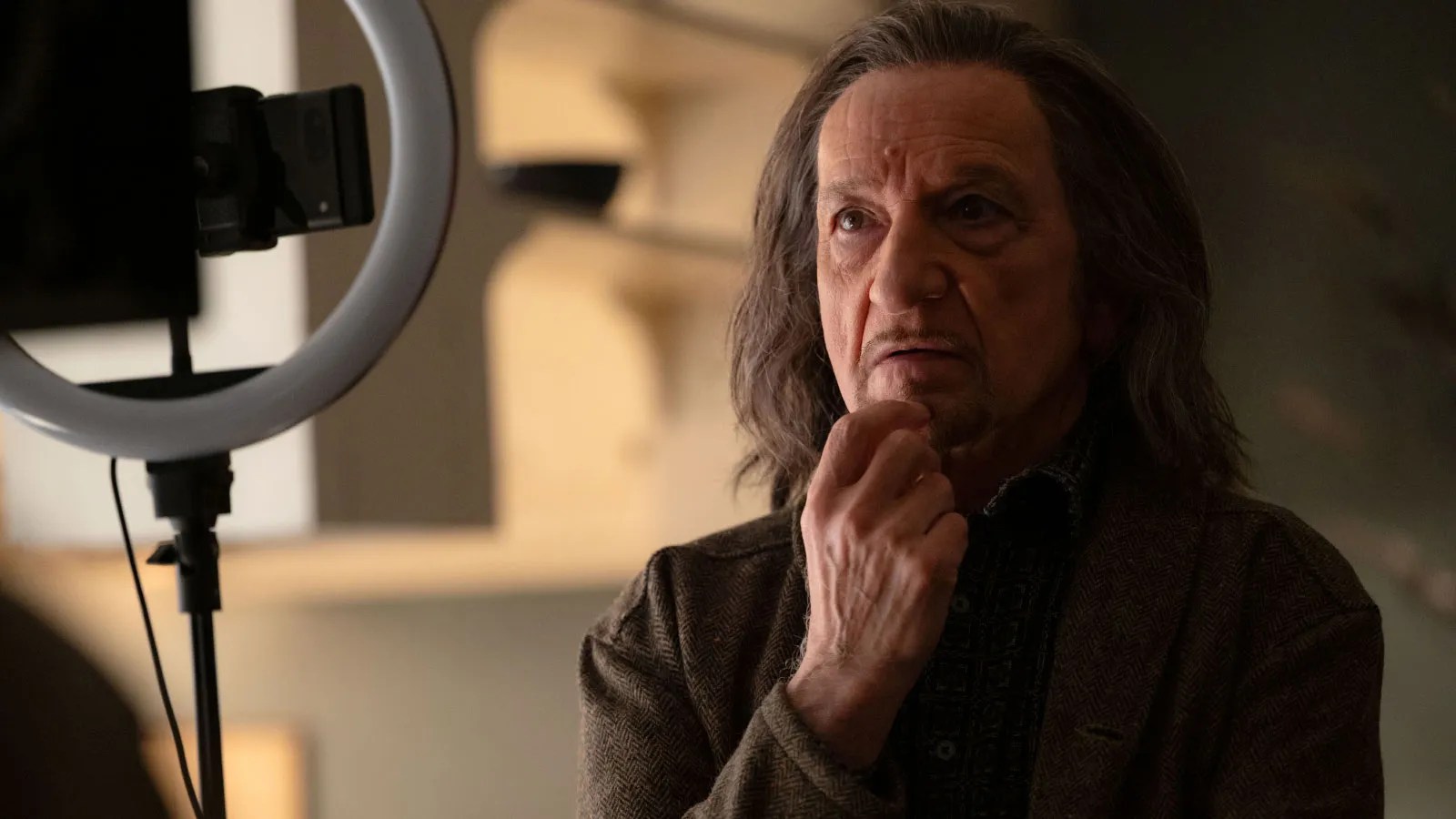
    Ben Kingsley in Wonder-Man

    The marketing for Wonder Man had been non-existent until a couple months ago, a show which Marvel looked like they were trying to keep secret, announced by the trades in 2022, but not formally announced by the studio until 2024. The show dropped all its episodes in one day, moving away from the one episode a week drop that formed the backbone of the service in the past. For a series that the studio seemed to want to drop and run from, it has come out as one of Marvel’s best projects in years. It is refreshingly low stakes for a franchise which deals with the end of the world in nearly every project, and the lack of action makes for a very different project. With the studio focused on the promise of the Multiverse and leading to another Avengers crossover, it’s when the franchise becomes grounded and human does it truly shine. It is a rare television series set in this brand that feels like it has been designed for this medium, each episode serves the goal of having a three-act structure and feeling standalone in scope, not just only a part of a larger story. The connections to the wider universe also feel like window dressing rather than a necessity, with the brand’s interconnected homework problem becoming a major issue lately. Existing as a meta-fiction in the world of Hollywood and television, industry references to actors, television series and films exist as the main so-called easter eggs in the show, with the franchise’s connective tissue with its other properties existing as an actual backdrop from the show, and not just for the use of setting up various other stories.

    The heart of the show comes from the dynamic between Simon and Trevor, a budding bromance which fills the show with a sense of direction and a true grounding. Yahya Abdul-Mateen II is not a stranger to the superhero genre, previously playing the villain Black Manta in the two Aquaman features, and Doctor Manhattan on HBO’s Watchmen adaptation, but here he really plays something different. Simon is a character dripping with insecurities, rooted in his hidden powers that could stop him from achieving his dream, a plot point paid off in the fourth episode, featuring the Doorman character from the comics. He is driven, but filled with anger and sadness, but his love of the arts and his passion for Wonder Man shines through, and the moment with his family really shines through and makes him a character to root for.
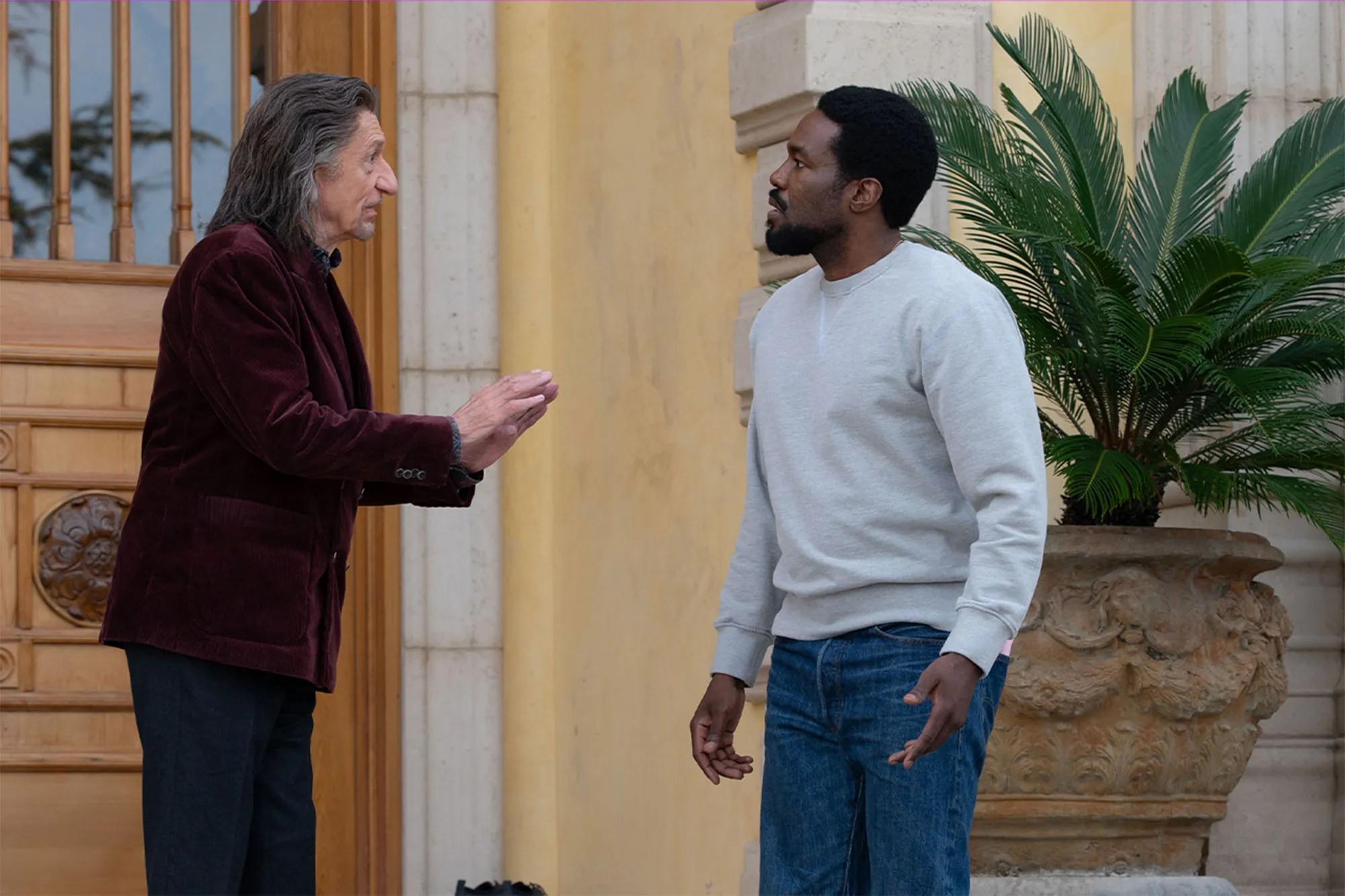
    Ben Kingsley and Yahya Abdul-Mateen II in Wonder-Man

    Trevor is another broken man, who serves as the connection to the wider Marvel universe, still reeling from bombing his career by becoming the Mandarin in Iron Man 3, and then being broken out of prison by the time Shang Chi and the Legend of The Ten Rings rolls around. He brings in the Department of Damage Control into the project, a group introduced in Marvel’s Spider-Man films, and have become the main threat in trying to imprison superpowered threats. This group serves to embolden the superpowers as metaphor for minorities that is prevalent across the show, which will be more prevalent when the franchise finally introduces the X-Men. Ben Kingsley just remains a highlight of every MCU project he is in, and he seems to be having a blast playing Trevor again, and the show’s attempt to humanise him and make him more of a character outside of the joke also just works wonders. There is a deep need for redemption, to do anything to make it big and make up for the things he done wrong, which bonds him to Simon. Yahya and Ben share wonderful chemistry throughout the season, and the show gives them the chance to just riff off each other and show their acting abilities, and those moments are the pure highlight.

    The lack of action allows the character moments to shine and allows the drama to take more of the focus. It also allows the show to be incredibly more creative than the rest of the Marvel television projects, feeling alive in the editing suite and forming its own distinct style. Sequences invoke the feeling of old Flash Gordon-type films, showcasing the magic of cinema and how rooted the love of arts is in the modern American dream, grounding the story by various flashbacks between Simon and his father. A long problem of the Marvel franchise is how grey they look visually, and how similar they look visually because of so. Choices like this however allows Wonder Man to stand on its own away from that standard lack-of-visual flair. Episode 4, mentioned earlier, shows this visual uniqueness, a bottle episode focusing on the explanation of the Doorman Clause, which stops superpowered actors from working in Hollywood. Portrayed in black-and-white, the episode showcases the true creativity that could come from these television series embracing the television format and not relying on being overly long movies.  
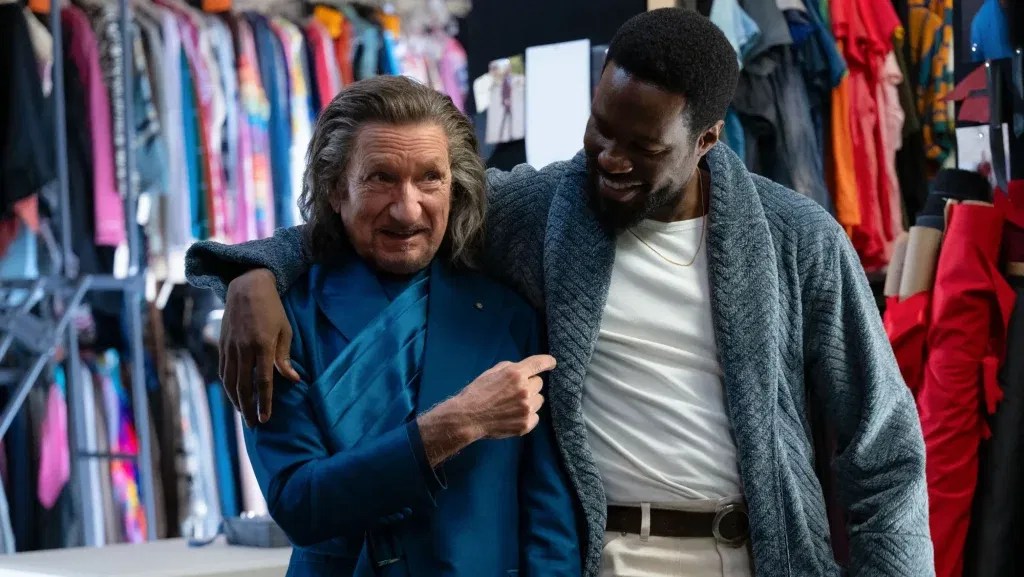
    Yahya Abudl-Mateen II and Ben Kingsley in Wonder-Man

    At current time of writing, a second season of this show is in a limbo state, awaiting to see how this show fares. With minimal marketing and essentially going under the radar, it can only be hoped that the positive reception will convince the studio to continue this unique series. Superhero fatigue is a real thing that has faced the Marvel brand moving into the 2020s, with an oversaturation of superhero content making it so that all their major film releases in 2025 underperformed. In a time where the brand is failing, projects like Wonder Man are what they really need, something unique, fresh and something that stands out from the crowd. Led by two superb performances, and dealing with a refreshingly low stakes journey, which swaps out the super powers and high stakes action for a drama which takes the pursuit of the Hollywood dream as seriously as an end-of-the-world threat, Wonder Man is bound to be a Marvel project that will be remembered for a long time afterwards.
  • The Fantastic Four: First Steps Review

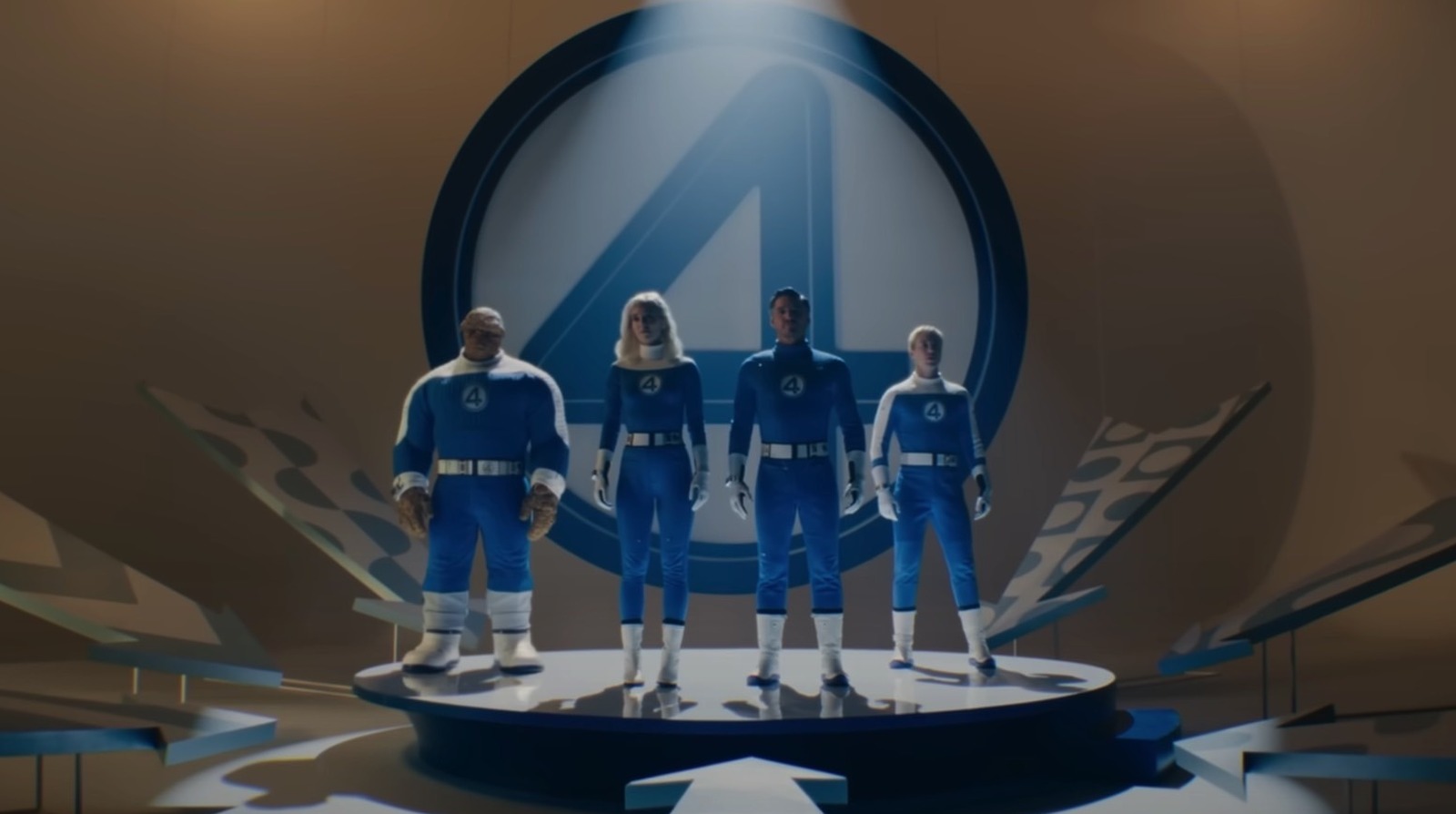
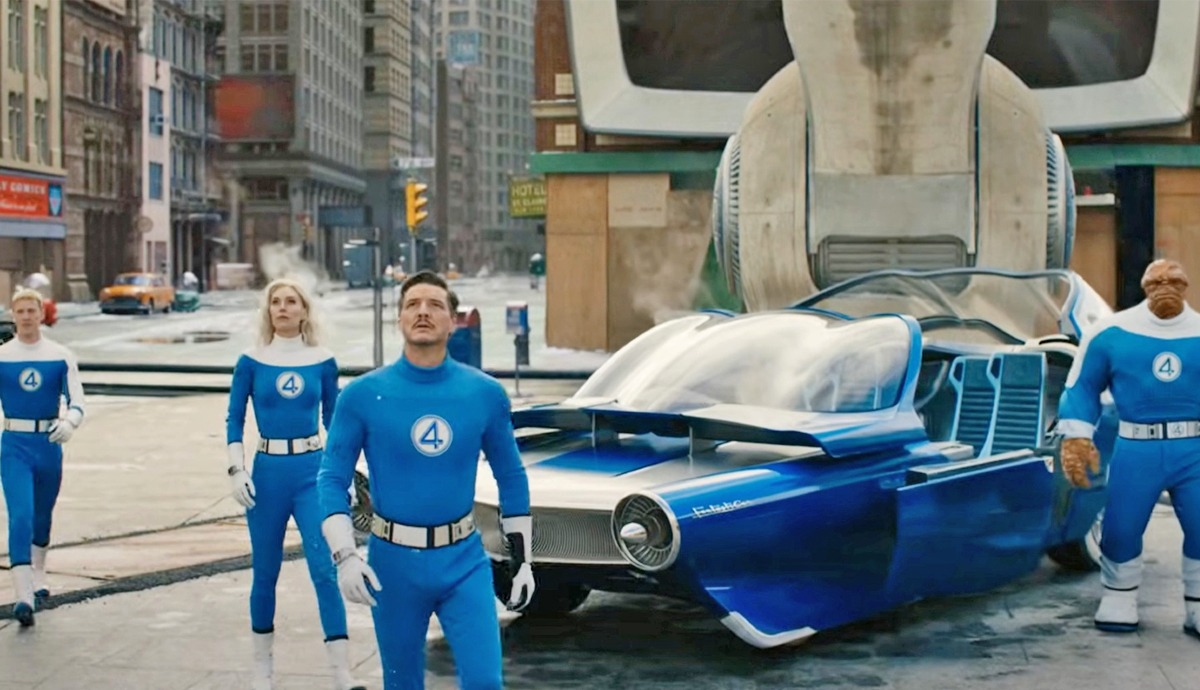
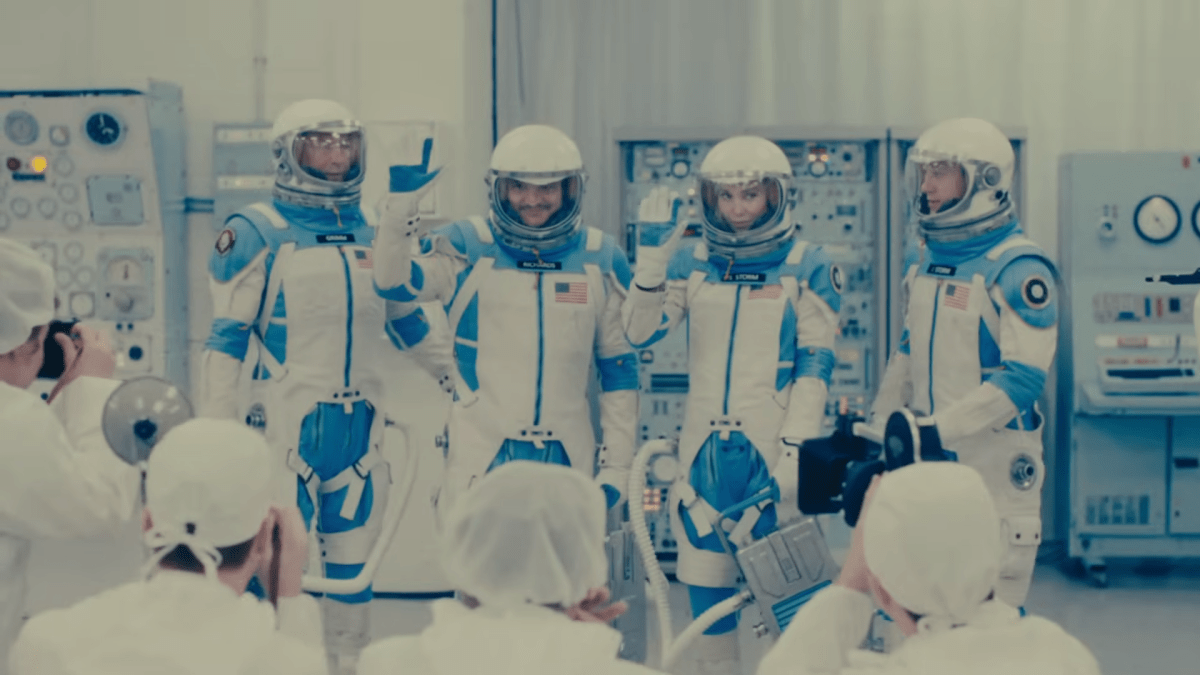
    Ebon Moss-Bachrach, Joseph Quinn, Pedro Pascal and Vanessa Kirby in The Fantastic Four: First Steps

    In the age of the modern superhero boom, the time where characters like Captain America, Spider-Man, Iron Man and many more have flown into the cultural zeitgeist there has always been one team that has struggled to marvel audiences on the big screen, The Fantastic Four. Originally conceived into live action in 1994, with the Roger Corman-backed low-budget feature bearing their name, that project was scrapped once completed, and will presumably never see the light of day as a released picture. 20th Century Fox took a second chance at the team in 2005, starring Chris Evans, Ioan Gruffudd, Jessica Alba and Michael Chiklis, which was successful enough to warrant a sequel, Fantastic Four: Rise of the Silver Surfer in 2007. Plans for a third film and a Silver Surfer spinoff would be cancelled after the box office disappointment of the 2007 follow-up, and the franchise would lay dormant again. Just in time to keep the rights away from transferring back to Marvel Studios, 20th Century Fox would return Marvel’s First Family to the big screen with Josh Trank’s Fantastic Four in 2015. Starring Michael B. Jordan, Kate Mara, Miles Teller and Jamie Bell, the film was a massive critical bomb, and the behind-the-scenes drama would break the potential franchise that would come.

    Fourth time seems the charm for Marvel Studios, as the Fantastic Four have returned home and joined their Cinematic Universe, after Disney’s buyout of 20th Century Fox. The Fantastic Four: First Steps follows these famous heroes, four years removed from their origin that gave them their fantastic powers, as they exist in an alternate reality to the one where the Avengers reside. When Vanessa Kirby’s Sue Storm falls pregnant and the team comes into conflict with Julia Garner’s Silver Surfer and Ralph Ineson’s Galactus, the team must come together as a family once more to welcome the new child and stop their planet from being destroyed.

    Pedro Pascal, Vanessa Kirby, Ebon Moss-Bachrach and Joseph

    The most notable part of the film’s marketing campaign has been its focus on its new setting, capturing a reality which resembles the 1960s and the retro-futuristic artwork that Jack Kirby drawn in the team’s first comic outings. The film’s world is one of the highlights for sure, the film has a clear style in the set dressing, costumes and direction that gives it an authentic old-timely charm. A studio which commonly makes the use of green screen instead of authentic sets, Marvel Studios makes a welcome change here by giving their actors an actual palpable world to bounce off with, as the sets complement director Matt Shakman’s direction. Best known as a TV director, directing episodes of It’s Always Sunny in Philadelphia, Game of Thrones and Marvel’s own WandaVision, he shows of a great level of control behind the camera and wows with some breathtaking visuals. Cinematographer Jess Hall works to capture the film with so much colour, colour that has been missing from Marvel’s output lately. Michael Giacchino’s score gives the movie an upbeat and timely feel, matching the tension and the family moments that are contained in the film. The world just feels alive because of these technical aspects, and the fact that the film spends so much time showcasing the world’s reaction to the heroics of its signature team. Ripped out of Sam Raimi’s Spider-Man movies, the public are important to the movie, saving lives are important and it imbues the film’s optimistic view of the world.

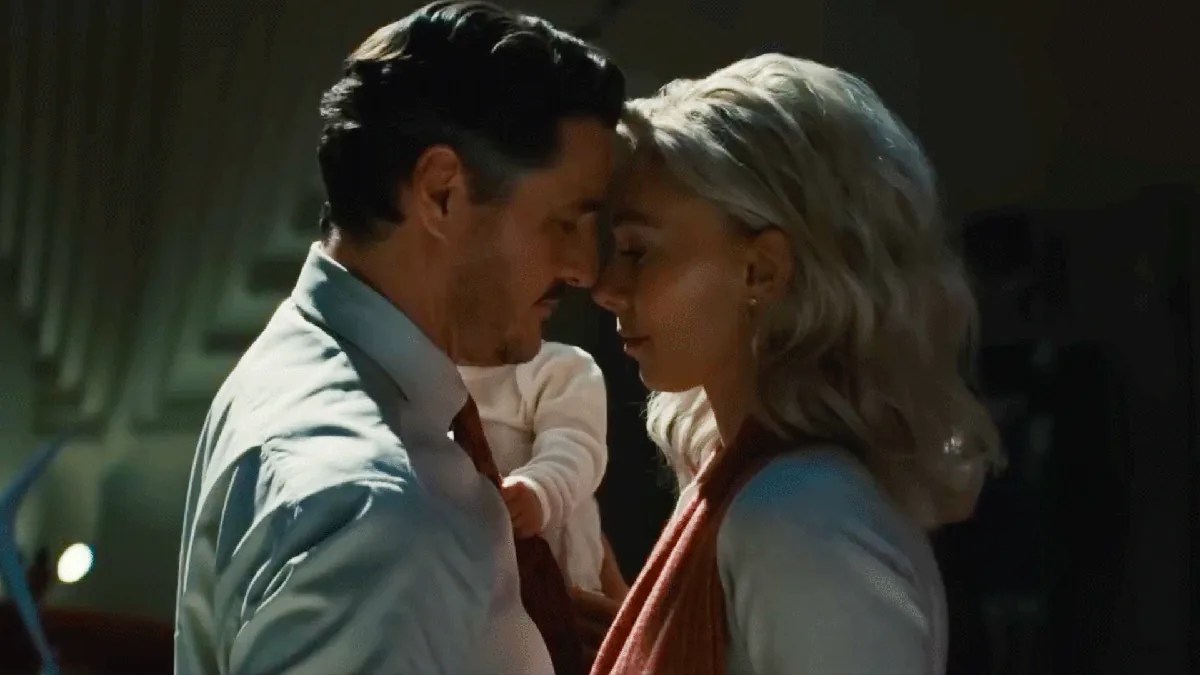
    Pedro Pascal and Vanessa Kirby are the leads of the film as the stretching scientist, Mr Fantastic, and the invisible matriarch of the family, the Invisible Woman, respectively. Pascal delivers a side to the troubled scientist that no actor has been able to yet, the fear of a newborn in the family, a part of life he cannot control, or study is something he is terrified of. Pascal delivers the vulnerability of a man obsessed with science, to the point that he thinks there is something wrong with him. Kirby is the first time Sue Storm has felt like a fully fleshed out character in one of The Fantastic Four’s cinematic outings, she is the heart of the team, the matriarch that keeps the family together. She gets to show off her powers during her fight scene with showy effects and flex her emotional range when her son comes under threat.

    Vanessa Kirby and Pedro Pascal in The Fantastic Four: First Steps

    Joseph Quinn’s hot-headed Human Torch gets a lot of play in the story, tying him in with a small romantic story where he gets to fight conventions of the idiot he is thought of as. Quinn nails the comedic aspect of the character, but also how deeply loyal he is to his sister and overall family. Ebon Moss-Bachrach’s super-strong The Thing gets the least to do narrative wise, but he remains a strong character, feeling like the member of the team that deals with the public the most, contrasting his rocky exterior with a kind and gentle demeanour. His romantic side-plot with Natasha Lyonne however feels like an afterthought, contained to merely two scenes. The highlight of the film is seeing the central four interact, they bounce off one another splendidly, with the film spending a lot of time setting up this dysfunctional but loving family.

    Action sequences take a backseat in the film, for a clearer focus on drama. There are essentially only two action sequences across the film, but the film stills have a lot of plots to crawl through in its small runtime. Once the plot starts going, a mere 20 minutes or so into the feature, the film moves at an incredibly fast pace and never lets up, feeling too fast in some moments. Based on the recent news that John Malkovich’s character was cut from the theatrical release of the film, it seems there is a longer cut that exists, a longer runtime that the film would benefit from. More time would be beneficial to focus on the strongest aspect of the film, the family dynamic, but also the side characters that seem like an afterthought in the fast-moving narrative. Additional scenes would benefit the non-existent romantic relationship between Nastasha Lyonne and The Thing, and Paul Walter Hauser’s Mole Man, who’s role feels superfluous in the overall narrative flow. The opening struggles the most with this squeezed runtime, with the editing being sloppy and chaotic as it clearly squashes a longer-opening featuring Malkovich’s Red Ghost into a montage which only mentions the character.

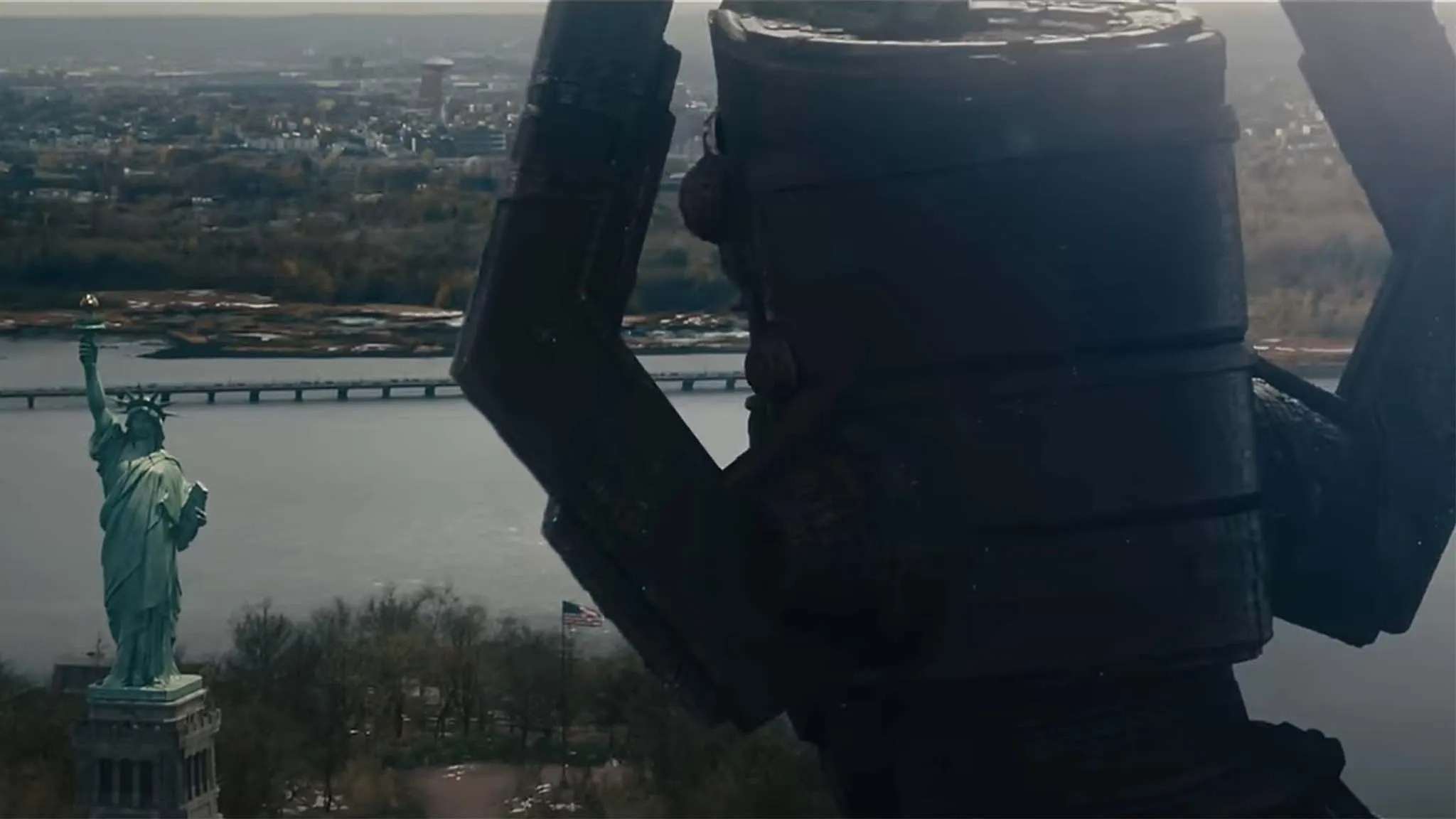
    Ralph Ineson provides the voice of Galactus in The Fantastic Four: First Steps

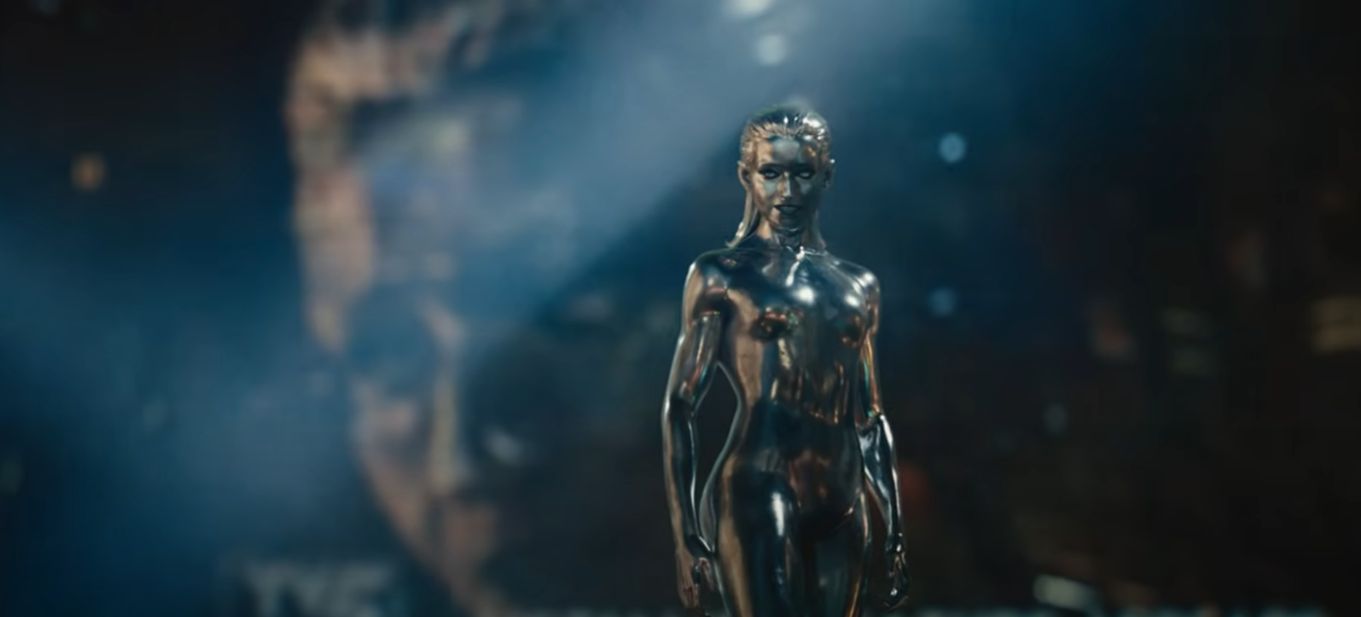
    A longer runtime would also benefit the most wasted aspects of the film, Silver Surfer and Galactus. This film feels like a second try at Jack Kirby and Stan Lee’s Galactus saga which was already adapted in 2007’s Fantastic Four: Rise of the Silver Surfer. There, Galactus was translated into a planet destroying space cloud, but here is translated into the giant god in purple armour. The movie sets it apart as well from moving away from the iconic Norrin Radd, comic’s most famous Silver Surfer, in favour of Julia Garner’s Shalla-Ball. The character feels very one note across the film’s runtime, with only one scene giving Garner any material to chew on dramatically. For most of the film, she exists as a visual effects-created antagonist, whose only role essentially serves to herald Galactus and has Human Torch be attracted to her. Ralph Ineson’s Galactus does not serve much better but at least has the booming presence that comes with the design and the voice. The threat of the character feels larger than the actual depiction of the character, his lack of screen time allows him to feel like a bigger threat as his name continues the mind of its characters, but when the character does eventually draw his head into the narrative, he meanders more than wows.

    Julia Garner in The Fantastic Four: First Steps

    The Fantastic Four: First Steps is easily the best out of the team’s cinematic outings, but it is not without its pitfalls. The central four are casted perfectly and are brimming with personality and family charm, but the film doesn’t always blend the world of family drama and superhero action perfectly. Pacing is shaky across the film, and the film falls when dealing with its generic end-of-the-world plot, with paper thin villains. It however promises more to come, with Marvel’s First Family looking to improve in future outings.

    Pedro Pascal, Vanessa Kirby, Ebon Moss-Bachrach and Joseph