Tag: james-gunn

  • Superman (2025) Review

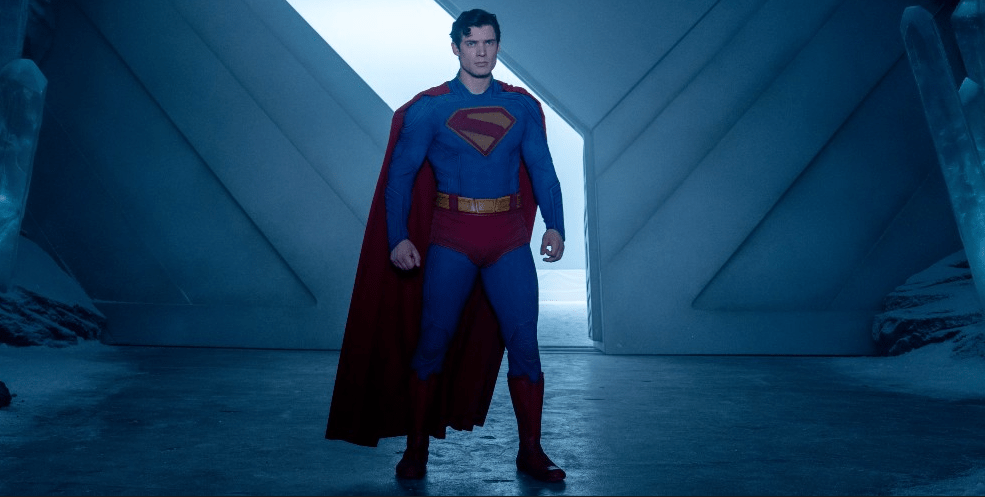
    David Corenswet as Superman

    Genuine human kindness stands out as rebellious in the modern day, where the news focuses on so much death, war and attempts to divide us. It is normal to be cynical and cruel nowadays, but director James Gunn’s newest feature, Superman, puts a spotlight on the belief that being generally kind and heartfelt is the way we should be. In the past decade where the Man of Steel was depicted as an unfeeling, God-like being through the films directed by Zack Snyder, it is fundamentally refreshing to see a film which depicts Superman as the closest yet to Richard Donners’ original big screen take.

    Gunn’s newest big screen depiction of the Man of Tomorrow follows the hero as he sees his worldview and his public status tested when he saves lives in the middle of an ongoing war. When uncertain truths are revealed about his past, the hero sees himself coming into conflict with fellow heroes, the United States government and his archnemesis Lex Luthor.
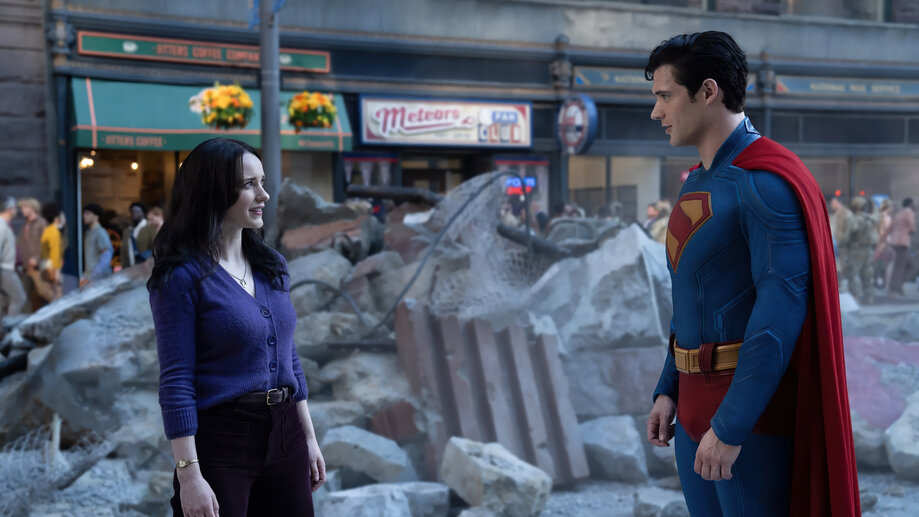
    David Corenswet and Rachel Brosnahan in Superman

    Gunn has worked with ensembles throughout his career in the superhero genre, with his four previous features all following superhero teams, namely the Guardians of the Galaxy and The Suicide Squad. Crafting a solo feature is a different task for the director, and the extended cast for this film could have been a detriment for sure, but this talented director always makes it work.

    This film feels the closest a director has come to capturing the tone and feel of an actual comic book, the film opens in media res, the characters already exist, and the origin stories are skipped, like the audience has opened a comic book in the middle of a story arc. All the characters have important roles to play in the film, but they all enter and exit the movie as the story requires of them, feeling like a Superman story with crossovers. Starting this new cinematic universe with the superheroes already active and the world being built around that really makes it stand apart from the competition. The film does get bogged down in some exposition in the first act, but the movie really functions perfectly without any need for justification of the events or the characters. The film also just retains its character-focus by the plot being so focused on the conflict between Lex and Superman.

    Nathan Fillion in Superman

    David Corenswet is the newest actor to take on the iconic role of Superman. He is the linchpin of this film, the most important character who dictates the tone of the film, and Corenswet impresses as the character. The film reflects the light-heartedness and the earnest portrayal of the character, giving Corenswet so much opportunity to mark out a unique take on the character that sets him apart from both Christopher Reeve and Henry Cavill. He is a hero who believes in love, kindness, the fundamental ability for people to change and the protection of all life, to the point that so many action sequences in this film pay specific attention to the hero saving people and protecting them from harm’s way. The hero is charming and warm, brimming with personality and he uplifts the film’s cheesy nature into feeling hopeful and bright.
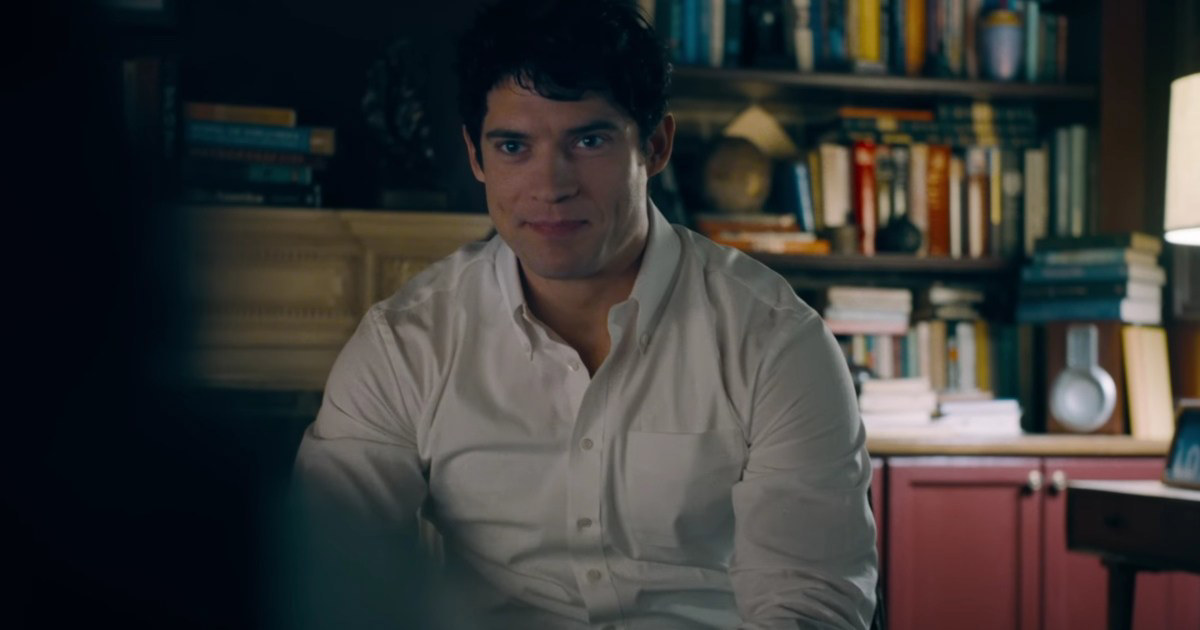
    David Corenswet’s Clark Kent in Superman

    The actor also just has magnificent chemistry with co-star Rachel Brosnahan, who plays Lois Lane. Brosnahan delivers a levelled Lois Lane performance, depicting the character as troubled and untrusting, but so filled with the need to seek the truth. She is a realist, which clashes with Superman’s look at the world which may seem naïve to an audience, but is proven right through the character’s actions.

    Nicholas Hoult portrays the film’s lead antagonist, Lex Luthor. Luthor is among the most iconic comic book movie villains, portrayed throughout the decades by many talented actors with vast different takes on the character. Hoult portrays the obsessive nature of Luthor, he is cold and calculating, treating his staff terribly, the only passionate speeches from him comes from talking about killing his archenemy. His character acts as an anthesis to the message portrayed by Superman, he represents the realistic evil of humanity, his xenophobic and cruel side opposing the kindness and emotional nature of the protagonist. His role also serves to configure the movie’s political analogy with the ongoing Palestine-Israel conflict, with the waring nations that Superman takes part in being a clear analogue to this real-world conflict. The film takes a clear side in the conflict and critiques the American government and the upper class for the role in the conflict through Lex, a hard stance that is a surprise for a mainstream Hollywood film.
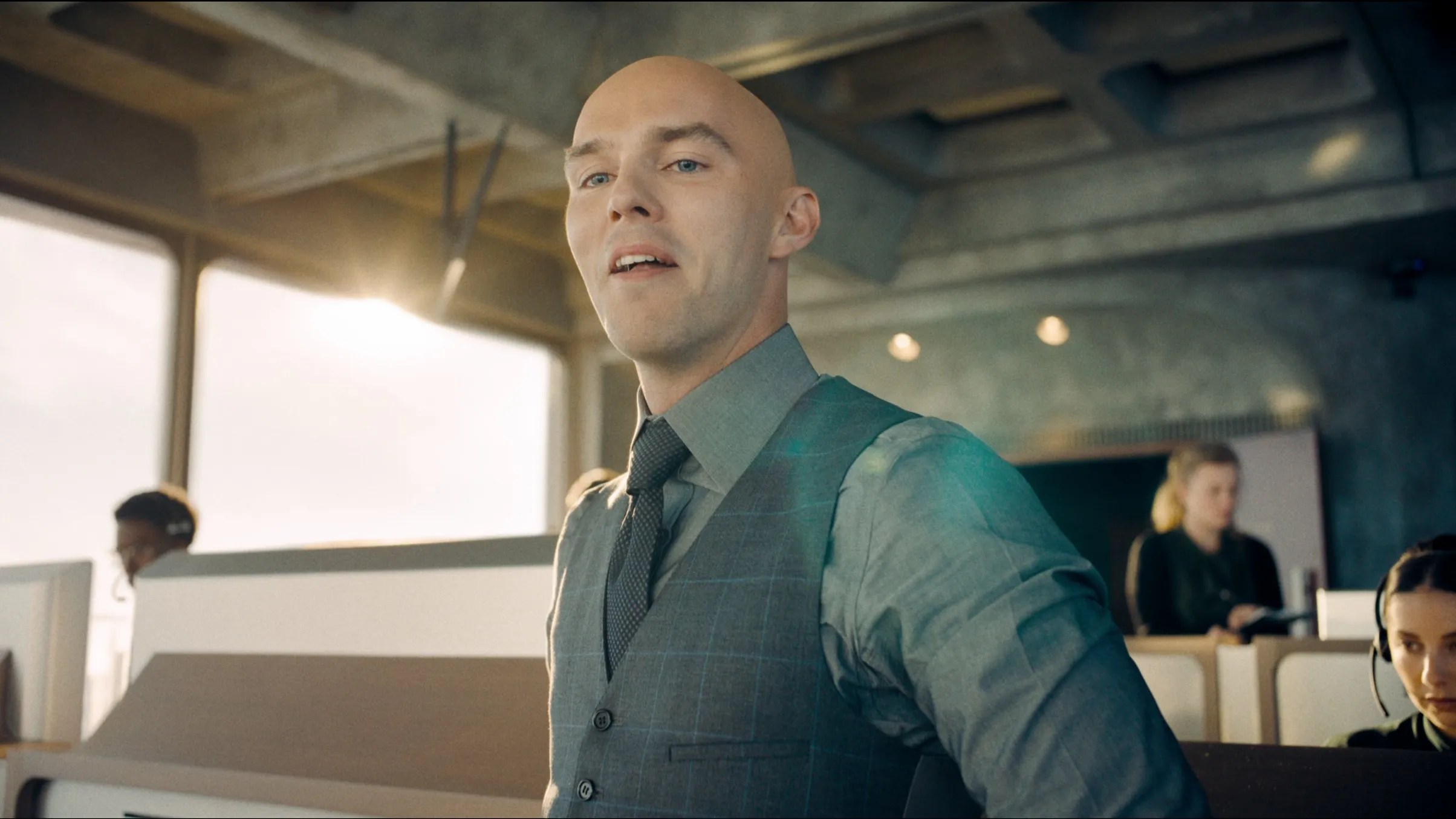
    Nicholas Hoult’s villainous portrayal of Lex Luthor in Superman

    Corenswet, Hoult and Brosnahan are joined by a massive cast of supporting actors who range in importance. Skyler Gisondo, Wendell Pierce, Beck Bennett and Mikaela Hoover serve as the team behind the Daily Planet newspaper, each having a small but memorable role in the film. Nathan Fillion, Isabela Merced and Edi Gathegi portray the heroes that make up the ‘Justice Gang’, Green Lantern, Hawkgirl and Mr Terrific respectively, three heroes that serve as supporting players in action sequences and as moral support. The characters serve as more of a taster for what’s to come, as a promise of more solo adventures in this new universe. Action sequences serve as a major highlight of the film, as Gunn makes the use of the heroes’ wide variety of powers to convey interesting and unique action sequences. Filmed on IMAX, Gunn’s direction consistently amazes and surprises, shooting flying sequences so dynamically and with head-on shots that remind of Tom Cruise’s Top Gun: Maverick.

    A common critique of the Marvel films is their flat directions, commonly grey and dull in colour with very little stylistic flair. Gunn’s work has always stood out as visually interesting, and Superman is his most visually distinct yet. The film is colourful and bright, matching the tone with a direction which looks like it was ripped out of the comic pages. Gunn’s work is also commonly critiqued for its tonal mismatches, the mixture of both comedy and emotional moments leads to one overpowering the other. This film feels like his most tonally consistent film, the emotional beats land and the comedy feels contained and concentrated, and there is still a sizeable number of jokes that for everyone that doesn’t land, there will be one that does. The music needle drops are also very contained and focused to only two in this film, compared to the cohesive soundtracks of the director’s previous work.
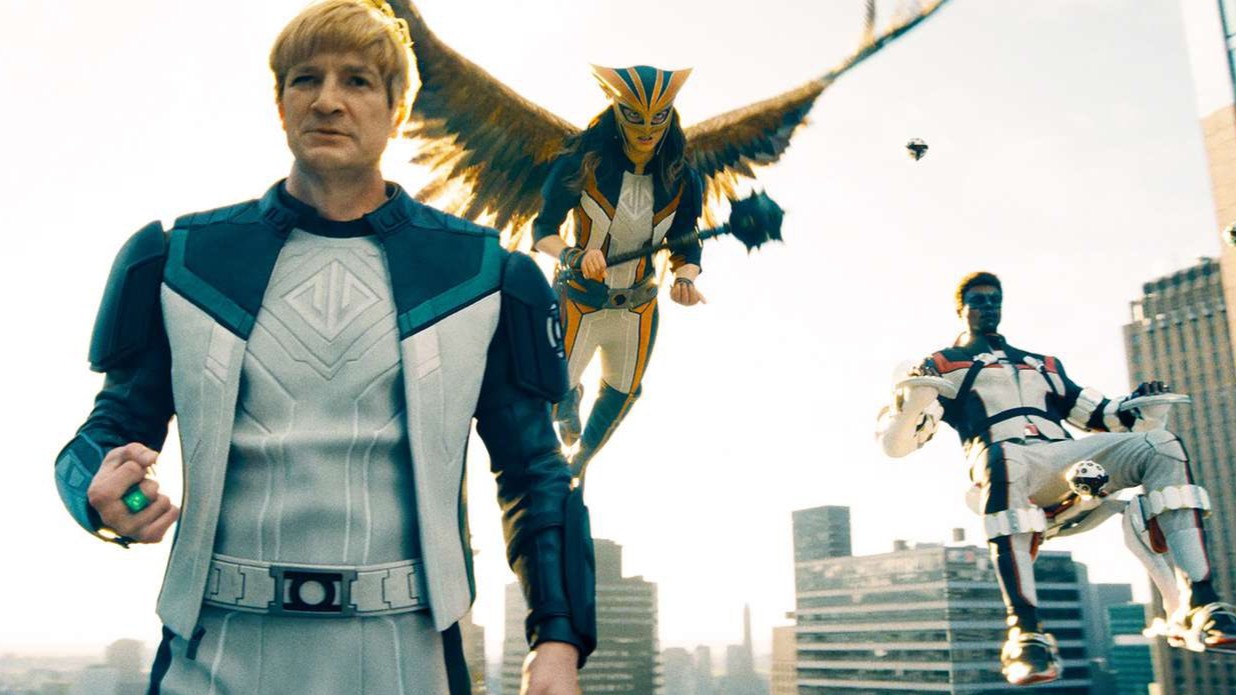
    Nathan Fillion, Isabela Merced and Edi Gathegi in Superman

    Composers John Murphy and David Fleming’s score puts a great end stone to the film’s style, marking a hopeful film with an equally hopeful score, remixing John Williams’ original Superman score into something unique and vibrant. The electric guitar marks a connection to punk rock, connecting to Superman’s central vision, that human kindness and empathy is the true punk rock.
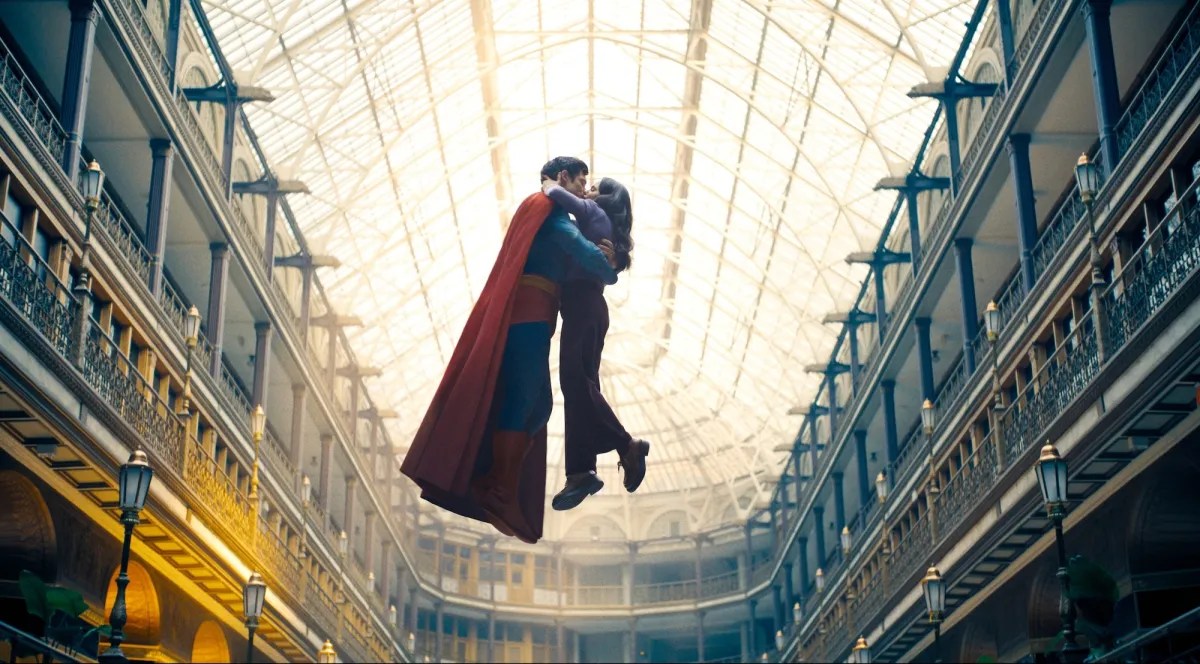
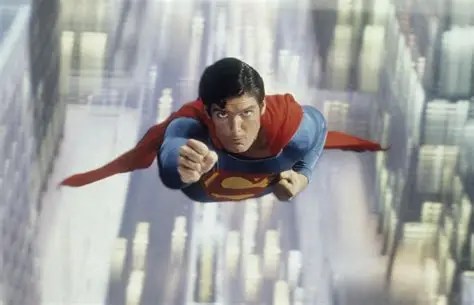
    David Corenswet and Rachel Brosnahan soar in Superman
  • The Impact of Superman (1978)

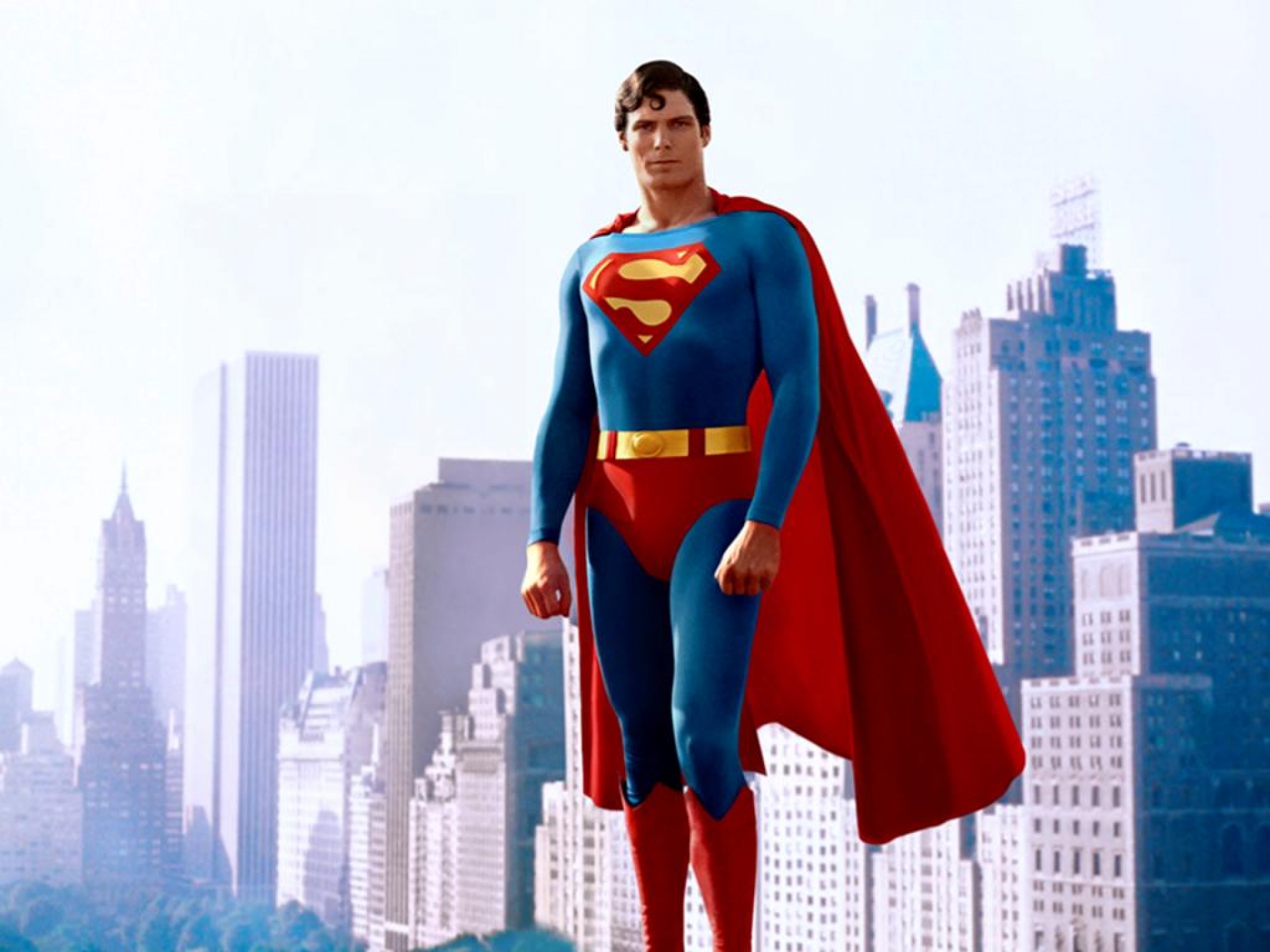
    Christopher Reeve in Superman (1978)

    On the week that the Man of Steel flies again onto our cinema screens, through the release of director James Gunn’s take on the character, it is only natural to look back on the cinematic history of the character. It has been twelve years since the last cinematic version of the character debuted, with Henry Cavill taking on the role in 2013’s Man of Steel, returning to play the character in 2016’s Batman V Superman: Dawn of Justice, 2017’s Justice League, 2021’s Zack Snyder’s Justice League and finally 2022’s Black Adam. The character is synonymous with the superhero genre, adapted to live action so many times at this point that he, Batman and Spider-Man would be argued to be the faces of the genre, but pre the superhero boom of the 2000s, Superman would start any interest at all in the genre in the late 70s, where Christopher Reeve donned the suit for the first time and made people take the superhero film seriously.

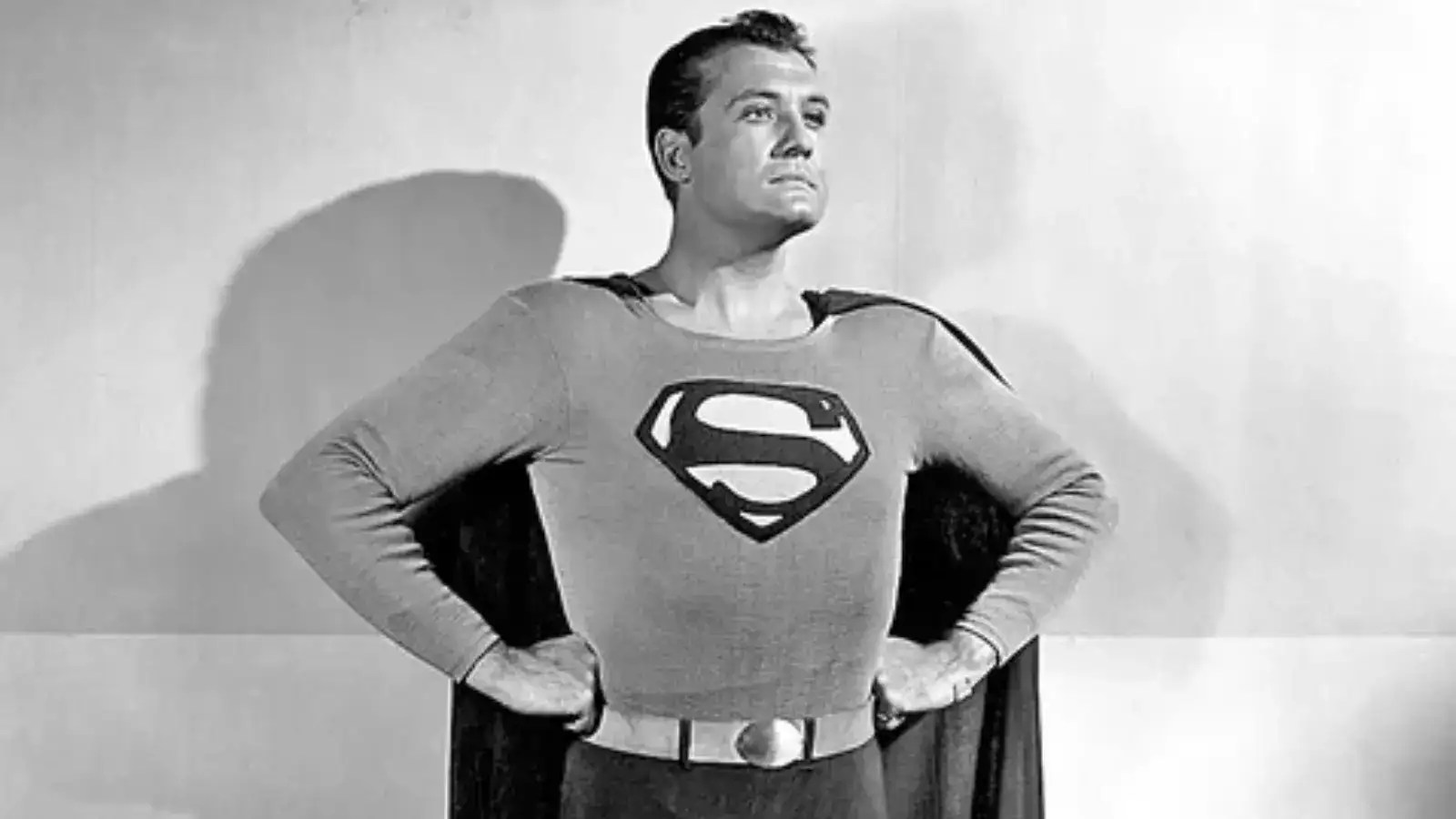
    George Reeves portrays Superman

    Christopher Reeve was not the first actor to don the cape, Kirk Alyn was the first actor to play the character in 1948’s Superman serials, and George Reeves would play the character in 1952’s Adventures of Superman television series, but Reeve has easily become the most iconic take on the character. Released in 1978, Superman the Movie was marketed as the film to make you believe a man could fly, marketing the film as almost much of a science-fiction film as it was a superhero feature. What is today a well-known origin story that has been done to death in superhero cinema, was fresh and new at time of release.

    The film saw the first cinematic depictions of the destruction of Superman’s home-planet, Krypton, his childhood in Smallville by earth parents Ma and Pa Kent, his debut as Superman, starting his work as mild-mannered reporter Clark Kent and romance with Lois Lane in Metropolis, and his first showdown with long-time nemesis Lex Luthor. All conveyed across a two-hour runtime, the movie is almost a filmic epic in the amount it conveys to its audience but doing such a herculean task with such confidence in front and behind the camera.

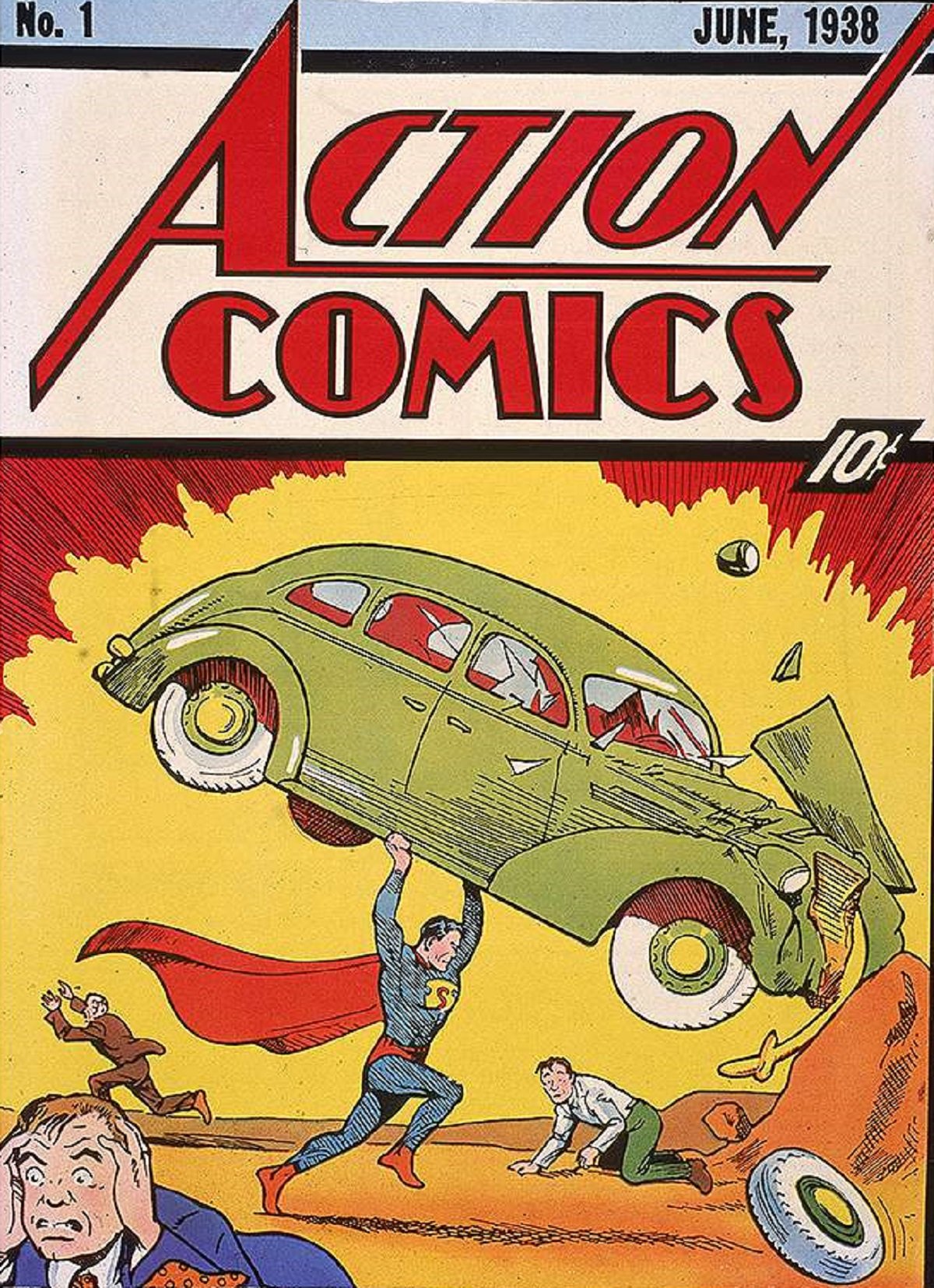
    The cover of Action Comics #1

    Created by writer Jerry Siegel and artist Joe Shuster in 1938 for Action Comics #1, Superman is essentially the modern superhero, he is the archetype for every superhero that would follow on the publishing scene. It is because of this character that so many tropes of superhero media have since become typical, Superman wears a costume, has a masculine physique, uses a codename and makes the use of extraordinary powers. At the time of the release of the film as well, Superman had the largest array of powers possible for a comic-book character, not simplified for a long time after the release of the film.

    The superhero comic was popular in the 1940s as war propaganda but soon became to slip in popularity after the world returned to normal, and this was when comics became sillier in nature. The general depiction of comics to the general masses would be based on the adaptations of the work, and mainly that would be from the Adam West-starring Batman television series, and its accompanying film in 1966. The material reflected the camp that was contained in superhero narratives at the time and changing that general audience perspective would be the focus going into Superman the Movie.

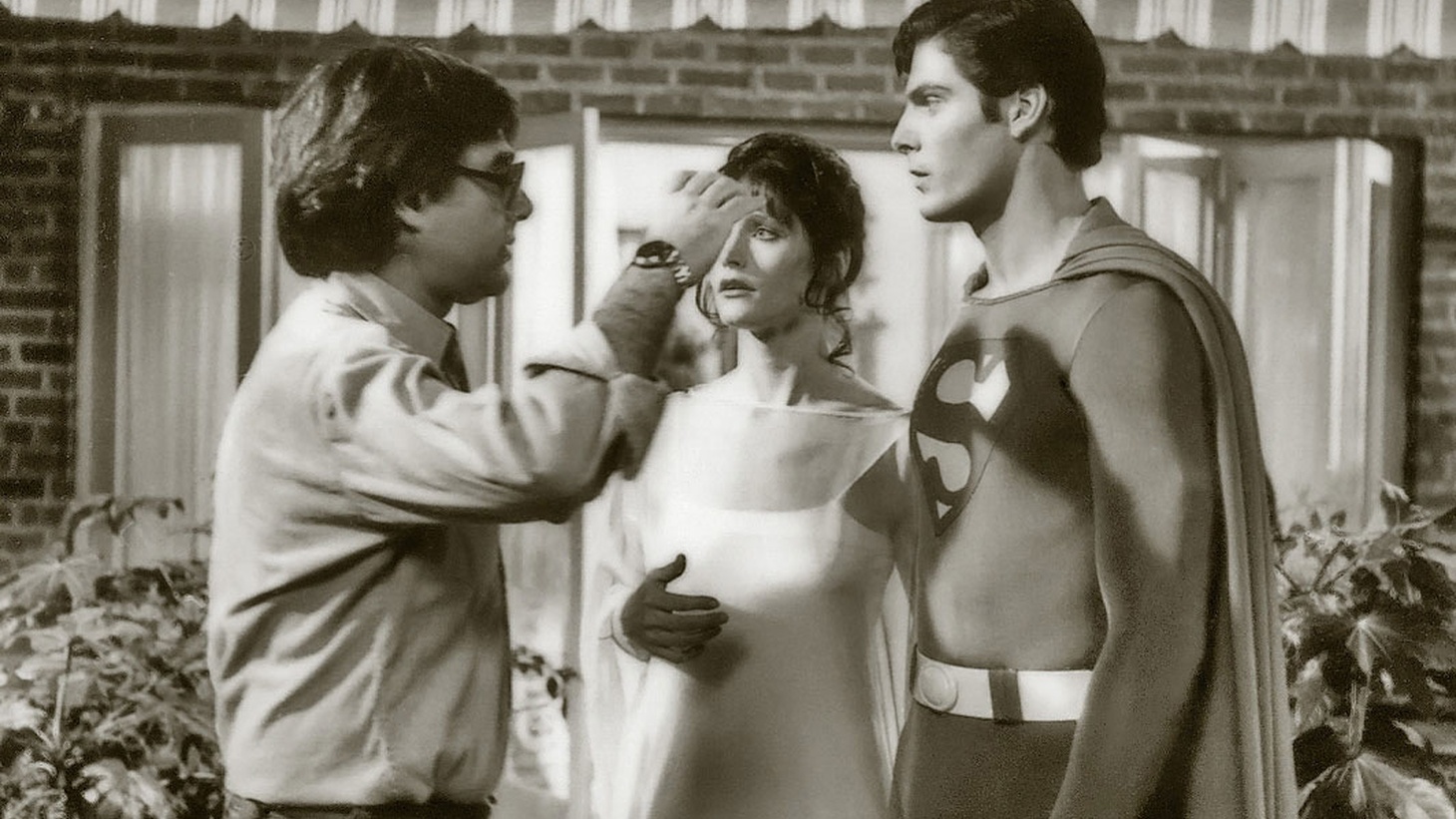
    Director Richard Donner behind the scenes with Christopher Reeve and Margot Kidder

    Director Richard Donners’ goal when creating the film was to take the material seriously, to formalize audiences with a world that was now like their own. Lex Luthor would be reinvented from the original evil scientist that was found in the comics, to a rich businessman which would soon become the most iconic take on the character. The titular character’s father would die from a heart attack in an early scene to humanize the god-like character, showcasing that even with all these powers the hero could still not save everyone. The film reinvented Krypton as a planet of coldness and cruelty, from the world that had just advanced past humanity from the source text to one made up of crystalline structures and resembled a dystopia. Superman’s connection to Krypton would also be emphasized more throughout the film, with this feature being the first time the symbol on the character’s chest would be the same as the family crest that his Kryptonian parents would use.

    Christopher Reeve’s depiction of the Man of Steel would also become the blueprint on how to depict the character; his portrayal still being held to high regards after all these years. The actor would portray the two sides of the characters as two separate roles, Clark Kent would hold himself with a nervousness, a man with a large mass but looked small because of his bumbling nature, he delivers his lines with such pause and intentional bewilderment that he stands apart from the stoic Superman. The actor holds himself large and strong as Superman, his mass on full display as he portrays the character’s genuine warmth and happiness, the character was synonymous with the superhero genre because he is kind and comforting, a friend and not just a protector. The film depicts him wearing a clearly silly costume, but the film takes the hero seriously through Reeve’s performance.

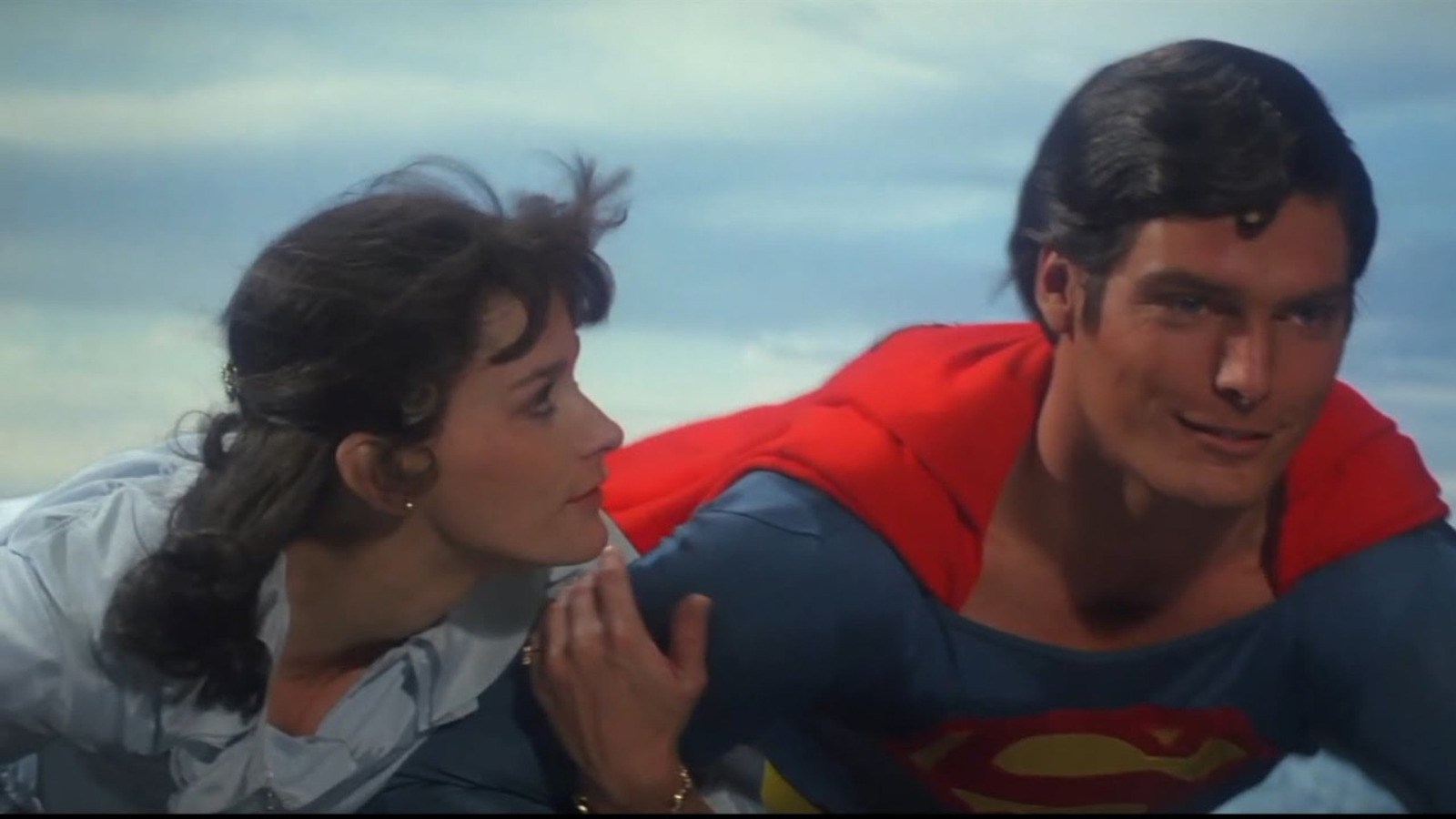
    Margot Kidder and Christopher Reeve as Lois and Clark in Superman (1978)

    Margot Kidder would portray the love interest of the feature, intrepid reporter Lois Lane, who first appeared in Action Comics #1 as well. She brings an ambitious spark to the character that was needed, sharing fantastic chemistry with Reeve in what would become one of the most iconic romantic pairings in cinema. After an interview between the costumed hero and the reporter, he takes her on a flight across the world, selling the wonder of the concept but also marking a wonderful connection between these two characters. The film made time for romantic beats, which would become a staple of the superhero genre moving forward. The superhero genre is a hybrid genre in nature, with Superman becoming the blueprint for so, blending the worlds of romance, action, science-fiction and comedy through the role of Lex Luthor.

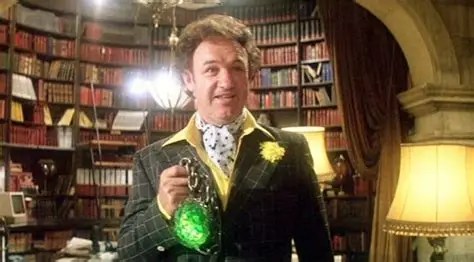
    Gene Hackman portrays the hero’s archnemesis, who first appeared in the source material in Action Comics #23 in 1940. Depicted as the opposite of the text’s hero, Lex represents ego, the human’s reaction to aliens and superpowers, and the attempt of supremacy over those superpowers through intellect. When first introduced, the character was a one-off antagonist who was a villain because he blamed the hero for the loss of his hair, depicted as a mad scientist. Hackman’s portrayal of the character stays true to some of the silly renditions of the character but updates him to a businessman whose whole plot revolves around money. The character would soon develop into a ruthless businessman and politician in the source text after the release of the film, fuelled with racial discrimination for the alien immigrant main character. That fundamental change would be fuelled by this very film, where Hackman stands out from the crowd as a humorous villain who opposes the kindness of the lead.

    Gene Hackman as antagonist Lex Luthor in Superman (1978)

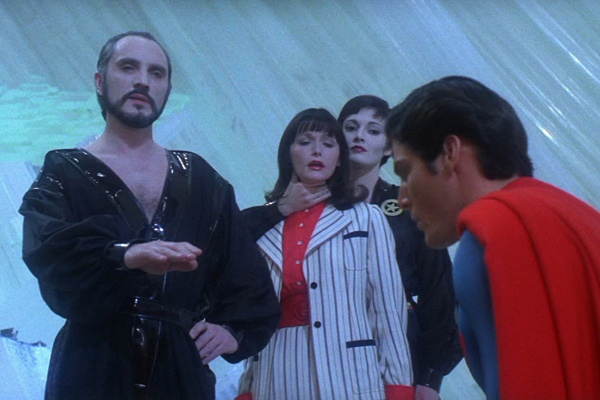
    The effects of the time were groundbreaking, there is a reason why the film was marketed with the promise of making you believe, the flying sequences are excellent. The film’s final act builds on a crescendo as Superman flies around the world multiple times to reverse time and save Lois from her fate, ending on a triumphant moment and a showcase of the hero’s impressive powers. The franchising possibility would also be threaded throughout the film, setting up the promise of future films through comic book references and easter eggs that would become important to the genre. The movie would begin with the imprisonment of classic Superman foes General Zod, Ursa and Non by the Kryptonian high council. The characters would return to the film’s sequel as the main antagonists, a film that was originally to be shot alongside the original film, but was paused 75 percent of the way through, only being resumed once the original was a success. Franchises would become the backbone of the superhero genre coming into the 21st century, and turning Superman into a 2-film epic would be the first sight of that.

    Christopher Reeve faces Terrence Stamp’s Zod in Superman II, Sarah Douglas and Margot Kidder also star

    Superman would become the first major hit of the superhero genre, and the first one to become a franchise. Released in 1980, Superman II would follow up on the tease of General Zod, a character who was a smaller villain in the comics, debuting in Action Comics #283 in 1961, and only becoming one of Superman’s biggest foes in response to his role in the sequel film. The film would continue the serious take on the character, with hints of camp, but would start a downwards trend for the franchise, with original director Richard Donner leaving the project. Followed by two sequels, Superman III in 1983, and Superman IV: The Quest for Peace in 1987, the franchise saw diminishing returns in both box office and critical reviews. The serious tone was completely replaced by camp and a silly tone, returning the superhero genre to the angle it was seen as from before the release of Superman the Movie. The genre would only come back to prominence with the release of Tim Burton’s Batman in 1989.

    Even with the diminishing returns with the franchise, Superman the Movie still stands as an important piece of cinema. With the boom of the superhero film with the Marvel Cinematic Universe and the continuing cinematic importance of Superman, it is the blueprint for an entire genre and stands as one of the sole reasons why the character still stands the test of time.

    Christopher Reeve in Superman (1978)