Currently in cinemas are two films that could be easily mistaken for each other, with Radio Silence’s follow-up to their breakout hit Ready Or Not releasing last week, and They Will Kill You starring Zazie Beetz also opening in a close time. Both films follow characters being hunted by rich socialites in a game of sport or a game of life and death, with a supernatural twist, focusing on a working class versus upper class dynamic. The differences come down to setting, but there mix of horror, thriller and comedy makes them feel like sister-films, it is not hard to see They Will Kill You being inspired by Radio Silence’s original Ready or Not. With how similar these films are, it is only appropriate to tackle a review of these films in one article, appraising them for their similarities and differences.
They Will Kill You
Starting with the original feature, They Will Kill You follows an ex-convict who starts working as a housekeeper at a mysterious New York high-rise. She soon realises she has applied to a job run by a community of rich socialites who are involved in a series of disappearances. The biggest problem of this film is how derivate it is, after a central twist which was hidden in the marketing, the film falls back into the common conventions of these survival action-horrors, and the narrative becomes incredibly predictable. After this initial supernatural twist, which the marketing hid by showcasing most of the first act as the main footage in those trailers, the film enters a great rhythm that gets slowed down heavily until an utterly bizarre third act. Besides it’s obvious inspiration from Ready or Not, the film very clearly holds its influences from films like Evil Dead, The Raid and John Wick very earnestly, as its bloody action feels stylized in a way that recreates the video-gamey decisions made behind the camera for the newest John Wick feature.
Inspirations from Tarantino also appear commonly, namely in the very first action sequence which feels very Kill Bill-Esque. The action is easily one of the highlights of the film, playing every action beat so comedically and with so much stylisation behind the camera that you can very easily forgive some of the pitfalls the movie falls through. Director Kirill Sokolov has made a career for making darkly comedic action films, and he clearly knows his way around a camera, there are so many dynamic camera movements here that make the action feel alive and fluid, tracking shots are a highlight of this very feature. There are some visual effects that feel out of place in the carnage, but it strangely gives the film a campy effect, something that makes it feel very rooted in tone to Evil Dead 2. The action is bloody and violent, with some excellent kills, and a great final sequence which is lit by inflamed fire axe, and the film delivers a great balance between serious gore with comedic sequences featuring those kills. The films’ supernatural twist allows for some hilarious moments where the insanity of the plot becomes a goldmine for physical comedy. A great score from Carlos Rafael Rivera and a great use of hip-hop backing track gives the action some great rhythm and movement.
It is the characters which really hold this film back from being anything other than solid. These horror-action films can really be defined by how memorable its group of characters are, from its protagonist to the group of villains that are designed to either be comedic foils or beyond evil and designed to make you want them to be killed. The villains here are so surface level and undeveloped that an audience will feel nothing when their narrative is wrapped up. They exist to hunt our protagonist and that is it, the only one who is given anything to do is Patricia Arquette’s lead villain. Arquette seems to be playing the same character she plays in Severance, with an inconsistent accent and a backstory which feels like an afterthought with how very little it gets brought up.
Her connection to another character feels surface-level and shows that such a brisky 90-minute film could have maybe done with an extra ten minutes of runtime to develop some of the background characters. Zazie Beetz is really the star of the film and is holding the entire narrative on her back. She has proven herself as an action star starring as Marvel superhero Domino in Deadpool 2, and she continues to impress as a leading woman here. She is burdened by a superfluous family plot, which feels so tropey for these types of films, that even Ready or Not 2 does the same thing and feels so barebones. Beetz manages to bring out some level of emotion from that plot, but it all feels a little empty when you must look at anything over than the action and gore
Ready or Not 2: Here I Come
Moving onto the sequel to the inspiration for They Will Kill You. The original Ready or Not was a surprise hit when it came out in 2019, a fun and refreshing survival film where a woman must survive until dawn while being hunted by her new in-laws on the night of her wedding. The movie skyrocketed the directing duo Matt Bettinelli-Olpin and Tyler Gillett and their production company Radio Silence into major success, as they were instantly given the opportunity to make two Scream movies, and their upcoming project is a new sequel to Brendan Fraser’s Mummy franchise. A sequel to their breakout hit would have been the obvious next step along the way, and here we have it. Ready or Not 2: Here I Come picks up instantly after their original feature, as Samara Weaving’s Grace is recovering from surviving the brutal game of hide and seek that led to the death of her entire new family. Surviving the game has triggered a power-play with the elite families that run the games, leading them to use Grace in a new game, where she must protect her sister in a familiar situation.
That is easily the biggest problem with this sequel, everything feels very familiar. It feels like a typical 80s or 90s sequel, a Ghostbusters 2 or Beverly Hills Cop 2, where they are essentially the same films beat for beat as the original, just with new villains. The only big difference is their attempts to go bigger, and Ready or Not 2 does go bigger. It benefits from the fact that the supernatural elements are out of the bag now, they were a closing twist in the original, but now the film gets to run with that supernatural angle, and it allows for some very compelling visuals and kills. The main way however that the film decides to go bigger is through both the multiple families hunting the protagonists, and through the addition of Grace’s sister, meaning there is two being hunted this time rather than just one.
The addition of multiple families’ facilities the same plot being laid out, just with more characters now hunting than just one family, but the film does do something that They Will Kill You failed to do, make its villains interesting and compelling. The various families all have interesting quirks and play off each other in compelling ways, all out for themselves, whether it makes them scary or pathetic, leading to tension and comedy. Elijah Wood plays a fun role as the lawyer for each family, a man just concerned with the game and nothing else, and Sarah Michelle Gellar and Shawn Hatosy deliver great performances as the film’s central antagonists. Hatosy delivers a very chilling performance in the final act, but a performance that isn’t scared to lean into zaniness at the same time.
Kathryn Newton plays Grace’s sister, Faith, as the film develops Grace more as an estranged sister. Newton and Weaving have great chemistry, but their arguing and cliché family relationship can get tedious after a while. It feels like a plot thread in They Will Kill You, but this film gives more time to develop that relationship, even if does feel incredibly cliché. Weaving continues to shine as a scream-queen, and you cannot help but enjoy her banshee-like scream, and her commitment to being covered in fake blood and taking part in ballsy action sequences. The film is more comedy focused than its predecessor, relying a lot more on the comedic aspects of the bloody action, and the comedic twinge allows it to standout. The editing in this is immaculate, with great comedic timing throughout, and the action is consistent throughout. It loses the claustrophobic nature of the original film’s setting, but that might be a good trade-out for a sequel with double the laughs, a bigger body count, more blood and a bigger cast of characters to work with. It will never hold a candle to the original, but Ready or Not 2 is still a very good time
The production of Scream 7 has been a troubled one, with a series of creative retooling’s taking place during the production of the seventh film in the franchise that used to be the child of horror legend Wes Craven. Craven directed the first four films, and after his unfortunate death in 2015, Spyglass Media Group and Paramount Pictures looked to revive the franchise. Revive the franchise they did, as Scream 5 and 6 released in 2022 and 2023 respectively and became box office smash hits, marking the Scream franchise back in the big leagues. Scream 6 would not be without its small amount of controversy, as the franchise left behind its lead actor, Neve Campbell, lowballing the actress for pay in the franchise that she was the so-claimed ‘final girl’ of. This would only be the start of the trouble that would come for this franchise, with Scream 4 and 6 directors Matt Bettinelli-Olpin and Tyler Gillett announcing they would not return to wrap up this trilogy, and they would be replaced by Freaky and Happy Death Day director Christopher Landon. These directors would not be the only people leaving the franchise, as replacement lead for the franchise, Melissa Barerra, would be fired from the 7th film after the film was paused during the 2023 SAG-AFTRA strike. Barrera’s firing came from the studio’s claim of her supporting antisemitism on her social medias, after posting pro-Palestinian videos during the Gaza War. This would be the catalyst that would cause many to boycott the film, and created a domino effect of more problems, from other lead actress Jenna Ortega to leave the project, and to lose new director Christopher Landon.
This soon caused a clear panic mode for the studio, as Paramount and Spyglass quickly made the decision to repair their relationship with former series star Neve Campbell, with her returning as lead, and to move the franchise as far as possible from Ortega and Barerra. Kevin Williamson, who wrote the original, would finally return to the franchise after being absent since the 4th entry, and would sit in the director’s chair this time around. The franchise seemed to fall back into what any franchise does when it faces controversy, hide from it by filling the film with nostalgia. The marketing of this film has hit home that Matthew Lillard is returning as Stu Macher, and the trades have already leaked that David Arquette and Scott Foley would return as Dewey and Roman Bridger respectively. It reeks of desperation, and the film reflects that. Scream 7 picks up after the events of the New York attacks in the previous film, as Sydney lives a safe life with her daughter and husband. When a new Ghostface arrives to her sleepy town, hunting for her daughter, and potentially in leagues with Stu Macher, she is forced out of retirement to stop another massacre.
Neve Campbell in Scream 7
Scream was once the most consistent horror franchise out there, none of them could hold up to the original film, but they all felt genuine worthwhile experiences, that had something to say about the genre and the state of Hollywood at the time. Scream 7 is the first time that the franchise has genuinely nothing to say and feels like it was made only to make some money. There are some small commentaries on true crime, the never-ending cycle of Sydney being brought back repeatedly, and the absence of Sydney from the previous film play a role in the film’s narrative. All of this feels only like surface dressing however, and feels incredibly underbaked, as the film attempts to remove itself from the commentary, and instead taking itself incredibly seriously. A part of Scream was how it perfectly played both sides; it could be incredibly graphic and intense but also played with the genre in comedic ways and Ghostface himself could be a terrible killer. This film plays everything way too straight, which leads to some unintentionally comedic moments, and removes the fun.
The movie has some brutal kills, the pure highlight of the film, but the movie really stands apart from the franchise because it feels like it has nothing to do with the franchise outside of its nostalgia pandering. The nostalgia feels all-consuming to a franchise that usually jokes around with its own connections to the wider genre, and the nostalgia feels like a crux here, the only thing it can really offer when it has no commentary to tell. The movie recreates various scenes from the original, including out of place musical queues, all to elicit some sort of nostalgia twinge to its audience. It is the type of thing the franchise should be making fun of, not actually doing, and that goes for the storyline where the film is essentially recreating Laurie’s motherhood storyline from both H20 and the 2018 Halloween film.
Neve Campbell delivers an incredible performance here, feeling like she has never left the role as Sydney feels authentic as ever. Every scene she owns, and she really elevates some really excruciating dialogue, and the movie’s focus on her coming to terms with her trauma is one of the very few good parts of such a messy script. Her relationship with her daughter is the central focus of the film, dealing with generational trauma as the Ghostface killers decide to target her daughter, Tatum, and make her become the next Sydney. Isabel May delivers a solid performance as Tatum, but she does not feel as fleshed out as the protagonists of 5 and 6, and she very much falls back into being the moody teenager character. Joel McHale also does a solid job as Sydney’s husband, Mark, who the film quickly makes you like as he shares great chemistry with Campbell. The character was very clearly written originally to be Mark Kincaid, a character introduced in Scream 3, played by Patrick Dempsey, but with the actor unable to return, they pivoted and changed Mark to another Mark. McHale’s Mark is a solid replacement for such a legacy character, however. The biggest problem of the film is how many characters are in the cast, and how little the film uses those characters.
Celeste O’Connor, McKenna Grace, Sam Rechner and Asa Germann play the friendship of Tatum, a group of characters that appear in every movie, and the movie doesn’t even bother to make them characters, they are just in the film to add to the body count. It is hard to care when the characters exist to die, and when the deaths are so brutal, it feels almost mean-spirited. Other returning characters include Gale, who after Sydney’s absence in 6 is the only character to appear in all 7 movies, and Chad and Mindy, the remaining leads from the 5th and 6th film. These characters feel like they could be removed from the film and nothing would change, superfluous characters who are only bearable because the performances are so charming.
Kevin Williamson has only directed one film before this, the 1999 black-comedy feature Teaching Mrs Tingle, and with a 27-year gap in directing, his direction here is very surprising and strong. The film looks great, and has some very striking shots, and cinematographer Ramsey Nickell heightens so many kill sequences by making them look frighteningly beautiful. It can only be said that Williamson should have probably spent as much time polishing his script as he did prepare for the actual film shoot. Every great who-dunnite mystery feature has various red herrings, characters designed to be mysterious and make the audience think that they are the ones responsible. Scream has used this trope various times across the various films, from the boyfriend character in Scream 2, and the new Deputy in Scream 4, this film makes the use of various red herrings, but these characters make a flimsy plot fall apart completely. Characters completely disappear from the plot with no end in sight for their storylines, and various plot threads barely come together to make a cohesive plot. It feels like multiple different scripts that have just been thrown together, with such big elements like Stu’s return feeling superfluous to the actual plot taking place.
Williamson has already stated that there were various scenes cut in the original version, with a chase sequence with Gale being a big one, and that can really explain why so many elements feel so half-baked and left behind. It can also explain why the Ghostface reveals are so underwhelming as well. No spoilers of course, half the fun of these movies are figuring out who the killers are, but these killers are the most underwhelming of the franchise, feeling both incredibly obvious and so underwhelming with how little they appear in the film before the grand reveal. A middling movie could be saved by a great reveal and fantastic conclusion, but the Ghostface reveal just destroys any good will left. First the finale gives us a embarrassing cameo-fest of characters phoning in lines where they look like they just got out of bed, and then the actual killer reveals leave the audience underwhelmed. The motive makes no sense and doesn’t really add to Sydney’s overall storyline, and feels more at home with a typical slasher, and not the Scream franchise that this used to be.
Mason Gooding and Jasmin Savoy Brown in Scream 7
Scream 7 is a disappointing franchise return, a movie that seems desperate to make you forget about the previous entries and the controversy that came from Melissa Barrera’s firing. Nostalgia is the focus of this film, recreating scenes from Craven’s classic and bringing back as many characters as possible, even if these do not fit into the comedic tone of the franchise. Neve Campbell delivers a great performance, and the kills are brutal and creative, but they are the only highlights of this absolute mess of a feature. The film takes itself way too seriously for it to be fun, the supporting cast feel underdeveloped and boring to watch, and the script feels like a first draft with how much it doesn’t make sense. With Williamson supposedly attached to helm Scream 8 already, as well after the box office hit this film has been, it can only be hoped that he learns from the mistakes of this film and delivers a better product. However, it truly feels like this franchise has outlived its lifespan, maybe it’s time to finally let it rest
This passing week has saw the release of some of the biggest films in the year already, from Gore Verbinski’s new blockbuster adventure feature, Good Luck, Have Fun, Don’t Die, to the controversial new adaptation of Wuthering Heights from Saltburn-director Emerald Fennell. However, it also saw the release of a contained and smaller feature that harkens back to the old creature-feature mid-budget movies of the past, and that would be Cold Storage. Starring Stranger Things breakout Joe Keery and Barbarian star Georgina Campbell, alongside the well-known Liam Neeson, the film is based on a book of the same name, written by David Koepp, the screenwriter behind such classics as Jurassic Park and Mission Impossible. Koepp would return to write the screenplay for the film adaptation, which skews very closely to his original text, with that former text feeling like a proof-of-concept for a film anyway. The film follows Keery and Campbell as disgruntled workers at a storage industry building, who meet on the same nightshift as they discover the building has been built on the remains of an old military base. The base holds a parasitic fungus, as the duo attempts to contain it and with the help of a military officer, played by Neeson, who has had a past with the fungus, destroy it as well.
There is something inherently charming about Cold Storage, a very contained body-horror thriller, contained to one single location, and developing enough interesting sequences in such a contained location. The film screams low budget, with the director being someone who has gained prominence from documentaries, and some one-episode stints on TV. In this day and age, when the cinema experience seems to be designed for big-budget blockbusters, it is incredible to see such a entertaining and smaller-scale feature, that in this day would end up being sent straight to TV or be thrown on a streaming service like Netflix. There have been many contagion-style films, or zombie apocalypse scenarios, and even the concept of this coming from a fungus is not original, the game and television series The Last Of Us done that first, but homage seems to be the focus of this film. It feels spiritually like a Romero-film, or like it is homaging Shaun of the Dead, a horror-comedy that uses the tropes of the genre to have fun and designed to be enjoyable without any major thought into the plot.
That is not to say that the movie is perfect however, as mentioned before, the plot is not where you are coming for, it is essentially a loose connection of fun sequences that are tied together by a string that will crash and burn at any moment. The central plot-thread of the American military leaving one of their decommissioned military bases that holds a world-ending fungus is laughable, especially when the fungus is shown to have been spreading through the base before the military left and no one noticed. The fungus also works in such a way that if you removed yourself from the harmless and fun vibes of the feature, you would question why it breaks its own rules consistently. Sometimes the fungus takes minutes to infect a host, sometimes it takes longer, and the amount of time it takes to kill or bloat them into a fungus bomb varies based on where the plot is at that moment. In an impressively eerie opening sequence set in the initial finding of the fungus, the film sets up the fungus will move itself to meet the nearest host and can infect a host through their shoes when they stand on it. However, the film goes out of its way to make the fungus act irrationally to stop its main characters from being infected, even during a scene where a lead touches a padlock that was previously touched by an infected.
Liam Neeson, Joe Keery and Georgina Campbell in Cold Storage
Speaking of those main characters, the performances of the main cast is where the film truly comes alive. Georgina Campbell has made a name for herself as a Scream-Queen in the last couple of years, from starring in Zach Cregger’s Barbarian, to her next film being the slasher, Psycho Killer, and she pulls in an engaging performance here. Joe Keery is another reliable actor, rising to fame because of his smaller role in Stranger Things, that soon led him to become a fan-favourite and become boosted to a major character. With that show over, his career can truly start, and he plays differently to his iconic Steve Harrington character here, taking on the role of a fast-talking delinquent with a level of charisma that can only come from Keery. His need to constantly talk can become irritating at some points, but it’s saved by the excellent chemistry between Keery and Campbell, they compliment each other well and the movie gives them enough emotional beats to offset how fast the action starts when they first meet.
Liam Neeson seems to be leaning more into his recent turn to comedy here, off the back of his The Naked Gun remake, with his side of the film being easily the most comedic based. He spends essentially the whole movie driving to the plot and serves as basically an exposition machine for the world-building of this fungus, but that exposition never feels tedious, because Neeson delivers it in such a serious way that you cannot help but find it hilarious. His section of the film feels like a completely different film at times, but when you get to the two plotlines overlapping, the small interactions you get between the central cast is very endearing.
Rated in the UK as a 15 as well, the film does enough with the body-horror angle of the fungus infection to make some memorable, and usually comedic in tone sequences with some great makeup effects, and some impressive visual effects for a movie so low-budget. Not all the effects are perfect, any time the movie includes an infected animal, namely a cat and a deer, the effects stand out incredibly hard, and make sequences which are meant to be frightening, into something incredibly comedic. There is an interesting choice throughout the film to include visual-effects heavy sequences where the camera follows the fungus into the body, showcasing it affecting the blood cells and taking over the body, and those sequences are some of the most frightening featured across the film, really bringing across the fear of the situation.
Georgina Campbell and Joe Keery in Cold Storage
The effects really shine a light on how the film is, not perfect, but a great popcorn flick that Hollywood just does not make anymore. In another world, if it wasn’t for the Liam Neeson appearance and the fact its written by such a big screenwriter, this film would find a home on Netflix, or any of the other streaming services. It is important to appreciate good mid-budget features like this on the big screen, and there is enough fun to be had here to make any horror fan have a good time. It is not the most original film in the world, but its influences it wears earnestly, and three great central performances allow it to become a compelling zombie flick that is worth the price of admission
Sam Raimi has spent most of the late 2010s and early 2020s as a producer, producing mainly horror features in films such as Crawl, Don’t Breathe and the newest instalments in what used to be his sole franchise, The Evil Dead. Raimi got big off the back of his original feature, The Evil Dead, released in 1981, a movie which hit the mainstream when getting praised by iconic author Stephen King. His career has been characterised by works in the horror genre, crafting a unique style which mixed the worlds of horror but also comedy, with slapstick genre features alongside those horror films. Evil Dead spawned a franchise, and he launched into even more success when helming the free Tobey Maguire-led Spider-Man films, which made him into a blockbuster filmmaker. Since the release of Spider-Man 3 and him leaving the franchise, he only directed two features until 2020, the return to horror-comedies with 2009’s Drag Me To Hell and 2013’s Oz the Great and Powerful. A prequel to the Wizard of Oz, the film seemed to sour Raimi’s love for filmmaking for nearly a decade, with his only credits for a long while being as producer. It took another comic book film for him to come back, replacing Scott Derrickson as director of Marvel’s Doctor Strange sequel, 2022’s Doctor Strange in the Multiverse of Madness. It wasn’t a critically lauded film, but a film that proved that Raimi still had it, he could shine through with his stylistic quirks in a big studio film.
It seemed to get him back into the mood to direct as well, as we have entered 2026, and that marks the release of the first original Raimi feature since 2009, and his first R rated feature since 2000’s The Gift. Send Help stars Rachel McAdams and Dylan O’Brien as they get stranded on a deserted island when getting into a plane crash. O’Brien plays the CEO of a company, and McAdams his employee, a dynamic which becomes increasingly twisted when employee becomes boss and boss becomes subservient when stuck on the island.
Dylan O’Brien and Rachel McAdams in Send Help
The film takes a while to get going, with a prolonged first act to get to the plane crash and set up the workplace relationship between employee and boss, but when the film gets to the actual survival aspect, it is an absolute blast. It has been a while since a Raimi movie has been able to go so far into the slapstick and goofy angle, and this film goes for broke in various instances, while remaining an entertaining and emotionally fulfilling narrative. The centre pieces of the film are the incredible performances from the film’s two leads, who are doing so much heavy lifting in a film which is essentially just them two for the entire runtime.
Rachel McAdams is an Academy Award nominated actress, a true powerhouse of a serious performer, with films like Spotlight and the Notebook showing off her talents, so its entertaining as hell to see her acting it up in a goofy film by Raimi. She commits to a crazy performance here, commandeering the screen and making herself the focus, playing well with the hilarious and over-the-top script by writing duo Mark Swift and Damian Shannon, who wrote the screenplay for horror crossover Freddy Vs Jason. Her performance is multi-layered and deliberately hard to track, as she moves from quiet and chaotically unsocial, to glowing up into a provider and survivalist, with a streak of meanness. Dylan O’Brien has a great performance here as well and seems to have been cast based on how hilarious his laugh can be, feeling like Raimi has found the perfect Bruce Campbell successor with that quirk. He plays the spoiled rich boy perfectly, and his movement from power-mad sleaze to subservient employee is entertaining to see for sure.
One of the most entertaining parts of both the script and both character’s performances is that both characters are far from saints, and the movie constantly plays with the audience for which character they are meant to root for. Dylan O’Brien’s Bradley is easy to hate at the beginning, a clear translation of a nepo-baby boss, who is there because of his family and not because of his skill, passing people up for promotions so his friends can also be wealthy. McAdams’ Linda feels like a typical protagonist, as the movie works from her perspective, but as the power of being the top-dog on the island goes to her head, she morphs into a near monster, sadistic and hiding information from both the audience and Bradley. Bradley retains his douche personality from the beginning, but he morphs into a survivalist himself, and you can only feel sorry for him for what he eventually must go through. O’Brien is so good at making you care for him, when he is playing such a horrible individual, and you cannot help but fall for the chemistry between the two actors and then feel even the sadder when the film becomes a cat and mouse game of control and into violence by the third act.
Rachel McAdams in Send Help
The film bears a lot of resemblance to Ruben Ostlund’s 2022 film, Triangle of Sadness, in how they both talk about class, and the relationship between bosses and their employees when survival pushes those dynamics out the door. That film also ends up with the characters stranded on an island, with the power dynamic shift leading the less fortunate to become as ruthless and careless as the people they once served. Raimi’s film is very clearly not as deep as that film, its just background dressing for a fun thriller, but it is notably there. It has something to say clearly about the dynamic between men and women in the workplace, toxic masculinity and how power can easily corrupt someone.
Raimi’s metaphorical exploration into these themes is very surface level at times, but that is to showcase how much he still has it in the directorial compartment. His directorial style is all over this film, with so many sequences that seem to be built just for the director’s taste, the screenwriters work perfectly to make this feel like a Raimi movie. All of the comedy comes from Raimi’s signature whip-pans and pull-ins, the movie would be no where near as effective without those quirks. There is a great use of close-ups in the beginning that marks the audience with an actual reason to also find Rachel McAdams’ character as gross. The movie manages to hold a great balance between slapstick, over-the-top comedy and genuine tension-filled drama, with some of the most over-the-top gore.
Rachel McAdams in Send Help
The movie is listed as a horror film in some areas, but that part feels a bit shoe-horned in to keep up with Raimi’s normal genre conventions, but the film would be more characterised as a survival thriller really. If you are here for brutal kills and some goofy gore through that, you are in total look, there’s some nail-biting gore sequences here, but it never goes too far in vomit-inducing mood because of the hilarious way the film conveys these sequences. It is a directorial style that may not be for everyone, but it’s something you won’t get from any other director and helps to showcase how important directorial voices are in these big blockbuster features. It can only be hoped that this will be major success and bring Raimi back for another outing and keep him working for the foreseeable future.
It has been a year since the tragic passing of one of film’s greatest directors, David Lynch, and this year also marks the 40th anniversary of one of his most famous films, Blue Velvet. Through an impressive career, he delivered 10 incredibly dreamy, frightening and impressive features, and the incredible series, Twin Peaks. His work has been characterised by their dream-like qualities, the surrealist depiction of life and character, and a developing exploration into sexuality, coming of age and abuse. He is one of America’s most important directors, so important he launched a term just for himself, Lynchian, and as follows, we will list his 10 released features:
10) Dune (1984)
Kyle MacLachlan in Dune
At the bottom of the list, we have Lynch’s big attempt to break into mainstream Hollywood and why he returned to his roots away from the limelight straight after, and that project would be Dune. Based on Frank Herbert’s iconic science-fiction novel of the same name, which is essentially the blueprint for the modern science-fiction film, and part of the structure that makes up Star Wars. Comparing this original attempt to the modern two-part version that has come out lately shows the difference in the Hollywood business essentially, and how ambitious Lynch was in trying to adapt such a large novel into one film. The modern version split the novel in half, which helped the pace, but where Lynch’s film succeeds is in how it adapts the spiritual, dreamy and strange side of the novel. Herbert’s tendency to use visions and more out-there ideas matches with Lynch a lot, with the newest versions shying away from some of the strangest elements of the novel, and if the movie had the runtime and pace to match it would produce a completely solid feature. The movie’s pacing just hurts it completely, delivering a movie which cannot breathe and stops some of the character-based moments from hitting as much as they should.
The descent of Paul Atreides just feels sudden and unconvincing, down to a mixture of the pace and a frankly miscast Kyle MacLachlan in the role, who works for Lynch the first time here. The effects have obviously not aged the best as well, showcasing a quaint look at the way effects have evolved in the years. It is impressive for Lynch to attempt to bring over so much of the strange elements of Herbert’s novel, but the effects were not there to match his vision. The movie was deemed confusing by various reviews at the time, with the film being bogged down in exposition to attempt to make any sort of sense out of such a complex novel, opening with a character talking to the audience in a black void. This has essentially become the black sheep of Lynch’s filmography, the film he had essentially disowned and the major film that had been hated by critics. It is his only major blockbuster, and his wishes to continue work in the mainstream world, being offered a Star Wars film and working on a script for Dune: Messiah, the novel’s follow-up, would become dead in the water.
9) The Straight Story (1999)
Richard Farnsworth in The Straight Story
Another big outlier in Lynch’s filmography is the road movie, The Straight Story, a film which throws out Lynch’s surrealist tendencies in favour of a story about a man travelling the country in search of connection. Based on the true story of Alvin Straight’s journey across Iowa and Wisconsin on a lawnmower, the film is named The Straight Story both because of its connection to the real man, but also because the film is incredibly straightforward in its narrative. Marketed as a family-movie, it is easily Lynch’s simplest story, a story of a man just travelling, and the slow movement of his vehicle allowing the film to showcase the beauty of the American countryside ad the way of life. It is an exploration of the American Dream, a lust for connection and something better even this late in life. Road movies are commonly characterised by the characters our lead meet along their journey, and how they help them in their journey, and Lynch, who showcased his love for humanity and connection in projects like Twin Peaks, shows the best of America in the kindness and appreciation thrown our lead’s way by the people he meets. A simple story contains multitudes, and one of the best Lynch moments, as Alvin recounts his trauma during the war with a fellow World War II veteran in a bar, and how the world is not ready to help those people who have been damaged
8) Lost Highway (1997)
Bill Pullman and Patricia Arquette in Lost Highway
A film which feels like the biggest showcase of Lynch’s tendency to showcase beautiful imagery, paired with an amazing score, and then leave the audience to explain to themselves what they just watched. A narrative which has been described as similar to a Mobius strip, essentially a time loop where the film circles back in on itself by its conclusion. This narrative structure has allowed it to become one of the director’s most-talked about films in trying to understand its meaning, with the director refusing to ever explain what his dream-like films mean. It is a clear film about identity, with the main character literally changing into a second actor halfway through the runtime, as he explores what it is like to be young again, how he would redo his life outside of the prison cell he finds himself in, and forced to make the same mistakes again. Characterised as a neo-noir, it plays heavily with the tropes of the genre, from a lead character who is investigating a mystery, and is constantly thrown into a destructive world of death, sex and darkness. He is plagued by a femme fatale, a female character who represents the sexuality of the genre, and acts as a mysterious woman who is usually dubious in nature.
Alice represents this character well, as Patricia Arquette plays double roles as both Alice and Renee, but the film explores the neo-noir world, as described by Arquette herself ‘through the eyes of a misogynist’. Lynch’s works commonly focus around sexual abuse, and commonly that abuse faced by women, and Renee sees herself as a victim of the men in her life, and when reborn as Alice, she does not live in a perfect world, she is instead seen as a dubious woman who the men in her life still sees as a monster. Paired with an incredible score by Angelo Badalamenti and Barry Adamson, the movie feels like a living nightmare, and a perfect look at some of Lynch’s most incredible filmmaking tendencies
7) Inland Empire (2006)
Laura Dern in Inland Empire
Lynch’s final film, Inland Empire, feels like one of the most Lynchian films ever made, a perfect final movie which includes every theme of the director’s previous works, and a perfect conclusion to his filmmaking career. Laura Dern returns to the world of Lynch and puts in one of her best performances, in a film which can only be compared to a living nightmare. Written, shot, directed, scored and edited by solely Lynch himself, the film follows a Hollywood actress who begins to lose her identity when entering a cursed production, which cause nightmares and her to inhabit the character’s personality. No film could be described as more genre less than this film, a film which defies the conventions of various genres but still sees itself as a combination of so many genres, from surrealism, crime, drama, horror and fantasy. It explores the long-running themes of the director, exploring a dissolution with self, dissociation with one’s identity, and continues Lynch’s dark exploration of Hollywood and the filmmaking life which follows from Mulholland Drive and Lost Highway.
Lynch’s choice to shoot the film on digital gives the film an intimate look, a grainy feel which makes every sequence feel more frightening, and closer to home, and draws a direct comparison to porn videos, continuing Lynch’s look into sexual crimes and the danger that women face. The film features some of the most frightening images in Lynch’s filmography and some of his most bizarre, as the narrative comes together as a loose collection of scenes that need to be paced together, unified by tone and their confusion drawing more fear. It is a beautiful final big-screen outing from the director, a three-hour exploration into dreams and nightmares, a movie which makes you feel like you are floating with each sequence
6) The Elephant Man (1980)
John Hurt in The Elephant Man
Lynch’s second feature feels like one of his most emotional, the story of a man with a physical ailment who deals with the common theme of identity, as his physical form causes him to face both pain and love. John Hurt does wonders crafting a character who the audience barely ever sees face-to-face, doing wonders in acting without ever completely showing his face. It could not have been easy to pull off a character who the audience cannot connect with face-to-face, but he manages to make the audience feel for the character and deliver one of the most emotional performances in any drama. It is such a powerful character that the makeup was criticised for not being nominated at that year’s Oscars ceremony, causing the creation of the Academy Award for Best Makeup at the following year’s ceremony. The film even gained widespread acclaim, receiving eight nominations at the Oscars, with Lynch being up for Best Director and John Hurt up for best Actor, though the film finished the night with no awards.
The film is loosely based on the life of Joseph Merrick, which had already been adapted into two novels and a broadway play, and caused the film to be sued to claim copyright infringement. Freddie Francis’ black-and-white cinematography allows it to stand apart from the various other adaptations of the story, giving it the feel of a documentary, and bringing an authentic feel to the setting of 19th century London. It is easily one of Lynch’s most emotional films, relaying a very straightforward story which emphasises human compassion and connection, paired with some of the best performances of Anthony Hopkins’ and John Hurt’s careers
5) Eraserhead (1977)
Jack Nance in Eraserhead
The film where it all began and marked Lynch as a powerful filmmaker in the surrealist scene. Starring Jack Nance, who would become a staple actor in the director’s works, a man who is thrown into an unexpected time in his life when he must care for his deformed baby. Here is where a lot of Lynch’s most iconic themes start from, Nance’s Henry Spencer is a regular everyman, whose identity is formed by his inactivity and passivity to the events going on, only becoming proactive in the end, when he kills his own child. The act is awarded by the mysterious Lady in the Radiator, representing Spencer’s pursuit of identity, his pursuit of becoming proactive in his own life, even if his choice begins Lynch’s common look at men’s violence, which morphed into sexual abuse exploration later in his career. There is a lot of sexual imagery throughout the film, opening with a image of conception, and Spencer going through a sort of coming of age throughout the film, as he is scared, but fascinated by the concept of sex. The child represents a sperm-like creature, the Lady in the Radiator even violently smashes various sperm creatures in her musical sequence, drawing a connection to sexual violence towards men, as Lynch showcasing the dangers of sexual growth.
There is a reason why this film became a cult-classic and why it launched Lynch into becoming one of our most popular filmmakers, it can frighten you and shock you, but its impossible to look and not be fascinated by the images on screen, it’s a perfect sensory experience. Industrial sounds frequently fill the backdrop of the audio landscape, disorienting the audience from the out-there visuals on display and creating a contrast between these real-world sounds and the visuals. The sound design of this film is just something that cannot be talked about enough, it is why the film is so unsettling throughout and still stands high as one of Lynch’s best features.
4) Wild at Heart (1990)
Laura Dern and Nicholas Cage in Wild at Heart
A film that would usually be expected to be a lot lower on some people’s ranking, Wild at Heart is a beautiful fever dream of a movie, a film that both compliments and subverts what would come with the Straight Story years later. It acts as basically a anti-road movie, as our characters move across the seedy underbelly of the American landscape, and meet every scum and horrific character that gives them trouble, far removed from the positive and loving look at American life from Lynch’s later road movie. Characters like Bobby Peru, played perfectly by Willem Dafoe, especially feel creepy and monstrous, pure villains who just continue to explore Lynch’s look into the pain that men can cause. There is an attempt at times to make every character increasingly over the top, which emphasises the villainous qualities, and the heroic and desperate love between Ripley and Fortune, played perfectly by Nicholas Cage and Laura Dern respectively. The movie’s dreamy qualities come into play when the movie makes various allusions to classic film, The Wizard of Oz, which acts as an escape for our various characters, a dream of a perfect world away from violence, and the sexual abuse faced.
The road is referred to as the Yellow Brick Road commonly by the characters, a possible escape from the pain of the real world, and after she is sexually assaulted by Bobby Peru, Fortune clicks her red heels together twice, just like Dorothy, hoping to return to the safety of home. Sheryl Lee, who played Twin Peaks’ Laura Palmer, even appears as Glenda the Good Witch, appearing to convince Ripley and Fortune to get back together, to reject the pain of the unknown and embrace each other again, the one bit of freedom and happiness the two have known. It is a deeply passionate love story, that embraces romance and sexuality in a positive way, when done with a partner who really cares for you. The lightness of the feature mixes well with the darkness, embracing Lynch’s beautiful character work.
3) Blue Velvet (1986)
Kyle MacLachlan and Isabella Rossellini in Blue Velvet
Lynch’s big comeback film after the failure of his big studio blockbuster, Dune, Blue Velvet has become of his most popular films since release, named as one of his ‘magnum opus’ features. Starring Kyle MacLachlan in a perfect role for the young actor, he plays a developing college man, who is drawn into the world of the seedy underbelly of his town when finding a severed human ear in a field. Easily being able to be described as a coming-of-age film by the director, the film sees MacLachlan’s Jeffrey Beaumont stuck between the love of the girl-next-door type character Sandy, played by Laura Dern, and the mysterious troubled older woman, Dorothy, played by Isabella Rossellini. A simple mystery with surrealist elements, the true narrative forms from looking at the film in a Freudian way, as Jeffrey represents the Child in the Oedipal stage, a developing man who is drawn to the motherly figure in Dorothy, and by the violence displayed by lead villain Frank Booth. Frank represents a father figure to the young man, a violent father who represents the cruel world he is stepping into, and the normalised violence that men inflict on women. This violence could consume Jeffrey, to inflict his ownership over Dorothy, and the sequences where Jeffrey watches Booth inflict pain on Dorothy when hiding in her closet showcases this. It is the forbidden pull of violence and the mysterious love of an older woman, that can only be pulled away from when Jeffrey finds a woman of his own age, in Sandy, a woman that can pull him away from the mother figure.
Lighting becomes a key component in keeping the film in the neo-noir genre, dark and surrealist images conveying the danger that Jeffrey is taking part in keeping with Dorothy, and the true hidden horror she is also facing. It is incredibly real and disturbing imagery, that the film was initially reviewed middlingly because of the use of the sexual violence in such explicit ways. These frightening visuals however are used to build to a beautiful moment, as Jeffrey and Sandy reconcile, the screen filling with bright warm light, a terrific contrast to the former events. It is a simple narrative with so much complexity, and setting up various narrative devices and images that Lynch will continue to use throughout his filmmaking career. The seeds that will become Twin Peaks from here, from the musical sequences that make the audience feel like they are floating with every beat, and the appearance of red curtains, which eventually form the red room in the series. It is a haunting, beautiful film about the pull of growing older, and the hometown secrets that are bubbling under the surface, a Lynch classic.
2) Twin Peaks: Fire Walk With Me (1992)
Kyle MacLachlan and Sheryl Lee in Twin Peaks: Fire Walk With Me
The runner-up goes to the film that served as both a prequel and sequel to what most would say was Lynch’s biggest project, Twin Peaks. Fire Walk With Me was meant to serve as the first of multiple spin-off movies that would serve as the continuation of the show’s narrative, years before the actual revival, and after the cliffhanger ending of the show’s second season. This film took us back to the final days of Laura Palmer but also seeks to feature various references to the plot ongoing in the show’s future, after the show’s sudden cancellation. It features a perfect showcase of turning people’s expectations on their heads and pulling an audience into a false sense of security, opening with something familiar to every member of the audience who had seen the show. FBI agents are sent to a small-town to investigate the death of a girl, with the help of various familiar faces, but things go awry instantly, and the feeling that will return in the show’s revival season comes to the forefront, the fact you cannot ever go home, that nothing will be the same. Where the town of Twin Peaks welcomed Dale Cooper with open arms, the town are hostile to our new agents, and these small worrying changes opens the door to one of Lynch’s most unsettling films. The audience are aware of the reveals of the show, that Laura’s own father is possessed by the villainous Bob, and that Leland Palmer himself was the one who killed Laura. So, when we finally return to the town of Twin Peaks, there is no hiding the horrors in display, the story may include supernatural imagery, and some incredible horror sequences, but it is at heart the story of the sexual abuse a father can inflict on his own daughter.
It is deeply unsettling, and horrific, but so simple in basic structure, as the true horror comes from scenes in the household, from Sheryl Lee’s shook performance and Ray Wise’s chilling performance as Leland. One of the biggest aspects of the show is that it opens with Laura already dead, and through the various characters you learn about her and feel for her because they do. However, off the back of watching this film, you can start that first episode again and feel those emotions alongside the characters, fleshing Laura out into a full-blown tragic character.
1) Mulholland Drive (2001)
Naomi Watts and Laura Harring in Mulholland Drive
Sitting at the top of our list is a film that commonly features near the top of everyone’s Lynch list, and that is Mulholland Drive. A true mystery box of a feature, a true neo-noir looks at the Hollywood system, the film was initially meant to be a television series, with a pilot being filmed from the footage that would become the film. After ABC viewed the initial cut for the pilot however, they scrapped it and Lynch went on to repurpose the script for a film, filming new material and writing a ending into the script. A true Lynchian classic, the film has compelled critics and audiences for the last decade to try and understand its meaning, to try and see what the true narrative tells. Lynch sees it as a straightforward film, a film that tells a clear-cut narrative, but that usually comes from a perspective of seeing the film just through the lens of dreams, or as a mood piece. Critics like Ebert note that various scenes, plotlines and vignettes seemingly go nowhere, which may be a holdover from the pilot’s script, or just the way dreams go, dreams don’t have a natural endpoint, you just wake up. However, various actual narrative theories have persisted through the years, namely the film’s look at the horrors of Hollywood. Lynch clearly holds a warm candle to the past, to the early days of Hollywood, giving a sort of nostalgia-tinted lens to those days, but he does not shy away from how twisted Hollywood can be, and certainly how rough it is on new voices in the modern day.
Both Naomi Watts and Laura Harring serve dual roles in the narrative, Watts portraying Diane and Betty, and Harring as Camilla and Rita. Which is the true self in this scenario is what has plagued theorists for years, but the common assumption is that the true narrative is Watts’ Diane imagining the actions of her life through the promising and successful Betty. Diane has ruined her life, it has slumped without the success she desperately desires, and in her pain, she arranges for her ex-lover, Rita, to be killed. Desperate to remove herself from the world, she recontextualizes her life as one where she is Betty, an upcoming movie-star, who is living the life of an old Hollywood movie, and one where Rita has become Camilla, a dependant amnesiac which allows her a second chance at both controlling her and loving her. It is a purposeful ode to a film that inspired Lynch so many years ago, Sunset Boulevard, and you can only hope these works will continue to inspire people for years to come
After almost ten years, Netflix’s pop-culture juggernaut, and one of the biggest television series of the decade has finally concluded, with New Years Eve 2025 launching the final episode of Stranger Things. Mere weeks ago, we looked back at the history of the series and its development from small-town mystery to blockbuster action spectacular, so it is only natural to take a brief look at the show’s final season and offer up some critiques and appraisal. Season 5 was marketed as the grand finale of the show, offering itself up in three different packages, releasing four episodes on the 26th November, 3 additional episodes on Christmas Day and the 2-hour final that came on New Years Eve. The final episode was also screened at various specific cinemas in the States, as it proved itself as the juggernaut it truly was, crashing Netflix on release of the finale. The new season has been received critical acclaim at initial release, but with the subsequent releases of episodes, the fanbase has become a lot more split, drawing in review bombing, with the show receiving its worst rated episode across the entire five seasons.
The show has still not reached the heights of the near-perfect first season, with the quality always remaining in subsequent seasons as good-to-great, but never spectacular, and is far from the worst television released this year, and the review bombing seems to be a harsh response to political messaging naturally rooted in the show. What could have been a cause of this massive fan backlash is also the long waits between seasons, which has only made people reevaluate the seasons of the past, build up expectations that could not be met and become annoyed by the long wait to get answers. The season continues from the cliffhanger ending of the previous season, as Vecna can open a rift between the Upside Down and Earth, leaving Hawkins with irreversible damage. Months later, the characters are now brought together to attempt to stop Vecna one more time, before he merges the Upside Down and Earth permanently. Hawkins is under lockdown by the military, as they hunt down Eleven to use for nefarious purposes.
Jamie Campbell Bower as Vecna
Previous seasons of the show would separate their characters into smaller sub-groups to naturally split the storylines, and season five does that as well but come the second batch of episodes on Christmas Day, the entire cast are back together. One of the major problems that comes in this season, is that the show has way too many characters now, where powerful scenes like Will’s coming out sequence has near fifteen characters in one row, which feels ridiculous. The show has grown such an expansive cast of characters across its five seasons, because of its inability to kill off any members of their core cast, and then continue to introduce new characters in its final season. The cast rivals show like Game of Thrones in casts at this point, and the show lacks a sense of danger, the audience knows these characters are not going to die, because they failed to make deaths feel meaningful in the past. The fake out deaths of both Hopper and Max in previous seasons have only led to the belief that these characters are immortal and leaves all action feeling meaningless. Vecna feels less powerful than ever when he can so easily butcher unnamed military troops but fails to kill our leads. The expanded cast also leads the show to feel so overstuffed, with the need to wrap up so many storylines at once which leaves so many characters getting the short end of the stick.
Mike, who was easily the main character of the first season, has become an afterthought come this final season. He exists as a soundboard for other characters emotional development, until the final minute of the finale remembers to give him some emotional closure. Characters like Murray and Erica fail to have any meaningful impact and makes you question why they were ever moved to main cast members in the first place, alongside a late season with Karen Wheeler, making an impossible save that only exists as a sequence because the show needed to justify making her a main cast member. Joyce has also lost an identity, lost in the shuffle as the Duffer Brothers have lost any important plotlines for her outside of being a love interest for Hopper, or a doting mother for Will. However, the character dynamics that they do invest time into really works, the new dynamic of Will and Robin is very strong and delivers on one of the most satisfying moments of the season, the dramatic reveal of Will’s powers. Will’s coming out has been a long, drawn-out plot thread across the show, and Robin is used as a emotional guru for the character to finally get to that point, which leads to a very powerful performance from Noah Schnapp.
Noah Schnapp as Will Byers
Dustin’s reaction to Eddie’s death from the previous season makes for a great showcase for Gaten Matarazzo’s talents as an actor, as his coming back to the comedic foil for the group comes naturally and powerfully. Making up with best friend Steve also comes to one of the best sequences in the season, alongside a wonderful sequence where Nancy and Jonathan end their long-standing and long-suffering relationship in a heartfelt manner. Sadie Sink and Caleb McLaughlin still deliver exceptional performances and share the most chemistry out of the show’s romantic plotlines, while dynamics like Mike and Eleven fall flat and feel left to collect dust. Vecna feels like an afterthought in the season, the show leaving the character until episode 4 for a proper dramatic return, and there are attempts to develop him, but most falls flat without knowledge of the show’s spinoff Broadway show. Jamie Campbell Bower, however, truly delivers the performance of the season, a character who is both easy to hate but also incredibly entertaining to watch.
New plot threads come in the usual involvement of the military, with Linda Hamiliton taking on the lead villainous role in this plot thread. All characters in this plotline feel like cartoons, and ultimately become pointless, used as more of a canon fodder for action sequences, then fully developed antagonists. Characters like Derek and Vickie serve small roles in focus episodes but then stick around when they are well past their importance. The return of Kali, a long-forgotten character from the potential backdoor pilot episode from the show’s second season, also feels hollow. She is revealed in the show’s fourth episode and then stands around doing nothing until the show’s finale, where she is killed off to whimpers. The season spends a fundamental amount of time as well with a recast Holly Wheeler, the character getting more screentime than most of the main characters, featuring in a plotline that goes on for way too long and feels needlessly dragged out so there can be stakes in the finale. So many of these characters and plotlines could easily have been edited down to make room for the main characters who feel loss and superfluous.
The entire season could have easily been edited down throughout, as the show has become plagued by monologues and increasingly long episodes, similarly to the previous season. The season is consistently stopped by a sequence where the characters stand around and form a plan, spelling it out to the audience through props and needlessly over-explanatory dialogue. This has been a staple of the show since the beginning, but it is present in this season way too much, with one of these scenes in every episode. A study came in 2023, where Netflix found that 94% of their subscribers would view their phone while streaming, and the service sent out a request for their original programming to be streamlined and be more expository for audiences not paying attention. This is the first project where this is very clear, every scene feels like characters stopping to explain how they are feeling, or what is happening to a maddening degree, and by the finale, flashbacks from almost 20 minutes before in the same episode are shown to remind audiences of information.
It comes with the movement of the show becoming such a massive titan of a franchise, the reveals this season muddles the waters of the show’s mythology and leaves various elements feeling convoluted. The finale sticks the landing, easily being the best episode of the season, but the lead villains feel too easily dispatched with such long build-up. In addition, for a season that is reported to have a budget between 400-480 million, the show looks increasingly cheap at times, with a major greenscreen problem throughout. Effects like the Demogorgon and Vecna look incredible, but completely effects created scenery looks ridiculous, with it easy to be seen that everyone is on a green screen and not in an interesting set that used to be common in prior seasons.
The finale is where the show shines and falters, with a massive ending which would look ridiculous comparing it to the small-scale events of the first season. However, the shows wrap up in the 30-minute-long epilogue wraps the show up perfectly, leaving each character off in an emotionally impactful situation, and has enough level of bittersweetness to its conclusion, where not everything is a perfect happy ending. Stranger Things is a show that very much outlived its initial premise, a show that probably should not have made it past that initial first season. However, no matter how messy each season got afterwards, the characters were always the highlight and that continues in this season, and it ends it on a nice note, one that won’t leave the show being left negatively, but also won’t end it becoming one of the best shows ever made. Stranger Things will be remembered for one amazing season, and a couple of follow-ups that had their moments, but also as a global phenomenon which was a very specific point in time
Christmas movies are a staple of the holiday period, the movies designed to be watched with the family on the big day, films filled with whimsy, heart and holiday charm. Commonly characterised by comedies and dramas, films like Home Alone, Miracle on 34th Street, It’s a Wonderful Life and Elf are the most common staples of the holiday season, or films focused on fantasy elements like the multiple adaptations of Dr Seuss’ The Grinch. The horror genre is not uncommon to be included in the holiday craze however, with one of the many prototype slasher films coming as a holiday feature, in the film Black Christmas, and horror-holiday features continue to this day with films like Krampus. One of the most famous horror features set in the Christmas season would come in 1984, with the release of Joe Dante’s Gremlins. The film was released in the height of Steven Speilberg’s producing career, where most of the big blockbusters of the 80s felt like Spielberg films even when they were not directed by him, with films like Back to the Future and Poltergeist falling under this category.
Gremlins follows Billy Peltzer, who receives the mysterious Gizmo as a pet, who spawns evil members of his kind when touched with water, unleashing mischievous creatures onto Billy’s hometown. Gremlins would soon become a holiday classic, blending the worlds of dark comedy and horror under a Christmastime setting, and inspired a trend of horror creatures causing chaos on the big screen, with films like Critters and Spookies following the release of Gremlins. Demand would be made by Warner Bros for Dante to make a sequel instantly after the success of the original film, and the sequel would arrive in 1990. Not a Christmas classic in any sense of the word, it is one of the most entertaining and complex sequels made from such a lucrative property. Gremlins: The New Batch follows the same basic plot of the original film, but with a grander scale, as Billy now works in a skyscraper in New York City, where the mogwai Gizmo resurfaces, and a fresh new breed of Gremlins wreak havoc in the skyscraper.
Dante was originally against the idea of making a sequel to his Christmas classic, believing that the original told a very open-and-close narrative, and he seen the production of the original film as very taxing for him. Work on the sequel would be shopped around afterwards, with ideas being formed around bringing the Gremlins to cities like Los Angeles or even Mars. Dante would return to production of the sequel when Warner Bros returned to him with the offer of having complete creative control over the film, and budget that was triple compared to the original film. The 80s and 90s were filled with sequels, with most being seen as near-remakes of the original film but going under the motto of bigger is better. Ivan Reitman’s 1989 sequel to Ghostbusters would retread many of the same character beats of the original, resetting the characters progress so they could come apart and come back together as the Ghostbusters once again, leaning into the family friendly angle that came from the cartoon produced at the time. Chris Columbus’ 1992 follow-up to holiday classic Home Alone would do much of the same, but instead swapping Kevin and his family, leaving him home alone abroad, but still having to deal with the same robbers. Even Spielberg would not be immune to just remaking his own film, with 1997’s The Lost World: Jurassic Park coming alive with the central idea; what if there was a second island with dinosaurs on it. Dante seems to follow this trend of sequels, with the plot following the same basic concept of the original, but this time on a grander scale, but also heavily parodies sequels, and Hollywood itself.
Gremlins: The New Batch opens with a Looney Tunes animated short, directed by Chuck Jones, who had retired before being asked to return for these shorts. The opening short acts to confuse the audience, believing it’s an animated short attached to the film, and not actually part of the film, with Daffy Duck attempting to become the main character and requesting for the actual film to play once he fails to do so. The opening sets up the chaotic tone of the film, and how anarchic the film will get as it continues. The animated opening also helps set the stage for how animated and slapstick oriented the actual film becomes, as the film leaves its connection to horror behind to focus on the signature Gremlins causing chaos. A central plot thread leads to the Gremlins mutating into various forms, causing the Gremlins to become their own characters, most likely for merchandise but also to fall in line with its cartoonish aesthetic.
There is a lightning Gremlin, a female Gremlin and a smart Gremlin, who can speak full sentences. It is a rather goofy set of scenes that would not sit at home in the original feature. Satirical elements make up a large section of the Gremlins sequel, as the setting even satirises Trump Tower, with the character Daniel Clamp and his Clamp Tower clearly being a satirisation of billionaire Donald Trump. Spoofs of popular media appear all over the film, alongside spoofing cable television, which was on the rise in popularity at the time. Scenes include Gizmo wearing an outfit that resembles the lead character from the Rambo franchise, a Gremlin wearing the outfit owned by the Phantom of the Opera, or a bat Gremlin resembling the iconic Batman logo. Robert Prosky appears in the film as an actor portraying Grandpa Fred, a character from the popular show The Munsters, and the cast of the show Square One Television appear as themselves filming an episode of the show.
Meta comedy is all the rage in Hollywood nowadays, with films referencing popular culture and satirises their genres being common staple after the release of Scream in 1996, but it was certainly not commonplace in the time of the release of this Dante feature. The most meta moment comes when Dante stages the idea of the film breaking, as the Gremlins sabotage the projector and begin to engage in shadow puppets across the scene. Hulk Hogan makes a cameo appearance next as he threatens the troublemakers into allowing the film to continue to be shown, as the film continues. This scene was then reworked when coming to VHS and home media, where the scene is staged to make it look like the viewer’s VCR has been sabotaged, as the Gremlins are threatened by John Wayne instead, in a broadcast of the 1970 film Chisum, with actor Chad Everett providing voice over lines impersonating the late actor.
Hulk Hogan’s cameo in Gremlins: The New Batch
A scene also includes film critic Leonard Maltin, a critic who had heavily critiqued Dante’s original film, who retreads his thoughts on the original film inside the film’s sequel, before cutting off when being attacked by the Gremlins. There is another scene that acts as a direct commentary on the original film, namely around the rules placed on the Mogwai. The first film sets up rules, that you should not splash any water on the mogwai and you should not feed the mogwai after midnight, with this second rule leading to various fan theories. A scene in the sequel follows-up on this running ‘criticism’ of the first film, as Billy explains the rules to the staff of Clamp Tower, with the staff finding them absurd. The staff then ask the fan favourite question, whether a mogwai on a plane travelling across time zones would keep with the rule or break it, because it is always ‘midnight somewhere’.
Gremlins: The New Batch became a cult classic in the years after its release in 1990, grossing $42 million at the box office on a budget of $30-50 million, compared to the box office success of the first film, which sits at $212.9 million on a budget of only $11 million. With a higher budget, the film didn’t translate into a bigger box office haul, which put a pause on the franchise for nearly two decades. Dante would move on and find success with two more cartoon-focused features with 1998’s Small Soldiers, and 2003’s Looney Tunes: Back in Action. Dante remains focused that Gremlins 2 is his last film with the franchise, as Warner Bros has moved into the streaming era.
HBO Max series, Gremlins: Secret of the Mogwai
With the need of content for their HBO Max Streaming Service, Gremlins: Secret of the Mogwai would air on the service in 2023, with the second season, renamed to Gremlins: The Wild Bunch, airing between 2024 and 2025. The series acts as a prequel to the films, and also gaged the interest of the audience into the franchise. With the franchise appearing in various video games in the past couple of years, from crossover fighting game Multiversus, and the Lego Dimensions game, it was only time that the franchise would make a return. A Gremlins 3 is currently scheduled for 2027, directed by Chris Columbus, with Spielberg returning as producer, after being in development hell for decades. It can only hope that this film will live up to the hilarious heights of Gremlins: The New Batch, a film which broke the clear sequel roles, ushering in a new trend of meta filmmaking
Video game adaptations seem to be a new commodity for Hollywood in the wake of the oversaturation of the superhero feature, with video game adaptations moving from the joke of the industry to big moneymakers. The earliest live action adaptation of a video game for film would be the Super Mario Bros in 1993, a critically appalling movie, which hurt the video game film brand for decades. Followed by live action takes on franchises like Resident Evil, Tomb Raider, Street Fighter and Mortal Kombat, the video game movie was received as one flop to the next. However, things have changed in the 2020s, with video game adaptations going as far to be nominated for the Emmys and winning big at the box office. Sonic the Hedgehog has just finished a trilogy of blockbuster family features, with a fourth on the way, and Mario returned to the big screen with an animated feature with Illumination, becoming the second highest grossing film of 2023. Television has lit up with adaptations of The Last of Us and Fallout and will soon be joined by a revival of Tomb Raider, and a reported Assassins Creed television series. The franchise potential of gaming brands that have already got a built-in fanbase has opened the door to new attempts at Resident Evil and Street Fighter coming in 2026, and sequels to the Mortal Kombat reboot and the animated Super Mario Bros film, both also coming in 2026. One of the biggest surprises in the current video game adaptation boom came in 2023 with the release of Five Nights at Freddys.
Based on the video game franchise of the same name, the games follow the player as a night security guard as they attempt to survive five nights in a closed down restaurant, which is the home to deadly living animatronics. The horror games are designed as point-and-click thrillers, with jumpscares as the biggest release of tension, eventually expanding to bigger free-roam style games when moved to consoles. The franchise is synonymous with the expanded lore that is hidden in supplemental material and in the games itself, building a life for itself on Youtube with theories circulating in the fanbase. Bringing this simple game with such complicated lore to the big screen was no easy task, and it released a film that was mixed in its critical response. Loved by fans but failing critically, the film however grossed an impressive $297.1 million on a $20 million dollar budget and marked itself as a new horror franchise for Blumhouse.
Piper Rubio, Josh Hutcherson and Elizabeth Lail in Five Nights at Freddy’s 2
Two years later, and creator Scott Cawthon has crafted a follow-up, in Five Nights at Freddy’s 2, which follows loosely the elements of the second game in the series. Set a year after the events of the previous film, the film follows the characters still reeling from the action taken place at Freddy Fazbear’s Pizza. Vanessa, daughter of serial killer William Afton, is having nightmares about her past with her father, and Abby Schmidt attempts to regain her animatronic friends when contacted by them. However, what she doesn’t know is that there is a second Fazbear location, which holds a terrifying and secret enemy who is looking for vengeance.
Before exploring the film’s plot, specific attention must be paid to the shining light of both horror productions, and that is the animatronic suits created by Jim Henson’s Creature Shop. Jim Henson’s Creature Shop has been a longstanding effects and creature design location for Hollywood, crafting amazing suits for projects like the Muppets, Labyrinth, The Dark Crystal and the Teenage Mutant Ninja Turtles. They crafted 6 amazing suits for the original Five Nights at Freddys, and now up to almost 16 for the film’s sequel. The production design has always been the part that impresses the most about these features, and the amount of variation in each animatronics design is impressive. The film features up to three different sets of animatronics, from the ones featured in the original, the withered and destroyed versions of that animatronics and the new Toy animatronics, who are designed to be looking shinier and newer. The designs look ripped straight out of the games, and are brimming with personality, fluid movement and detailed. Even the production design of a lot of the sets is a massive step up from the previous film, with the new location featured here feeling more lived in and resembling a real-world Chuck E.Cheese.
With the positives out of the way, it is not hard to see Five Nights at Freddy’s 2 as around the same quality as the original feature. Both films seem designed to put video game references and easter eggs before crafting an actual meaningful or engaging narrative, with both films falling flat in both their dramatic and horror moments. Fans of the games will find the films fun and entertaining, with the films designed to make those fans point and reminiscence of better uses of those elements or characters, but someone looking to feel engaged in a plot or feel scared will be missing out here. The previous feature lacked any serious scares and felt more like a children’s film that sometimes-featured scary animatronics, with the film leaning heavily on its antagonists being really victims and children. This film attempts to include some scares, but they are all boiled down to generic jumpscares, and the movie takes so long to even get to the horror that it is almost a shock when those horror attempts begin. There is a lack of tension in any of the scenes featuring the villains, and the new central villain, the Marionette, becomes a use to turn characters into possessed monsters who resemble more like members of the band KISS then something horrific.
For a franchise that is remotely more about child murder, decomposing and brutal possessed monsters, it lacks any actual brutal or unsettling imagery, with every kill featured in the film feeling like something that could be at home in a children’s movie. The camera cuts when it gets to the good bit, with the only actual kills being seen when the animatronics get destroyed or hurt. The movement of releasing the animatronic killers from their pizzeria homes to the actual real world leads to some of the most humorous moments of the year, which is certainly not the point the movie was aiming for.
Matthew Lillard in Five Nights at Freddy’s 2
Character work does not seem to be the focus for screenwriter Scott Cawthon, who also created the game series, as the characters become the worst part of this film. Cawthon seems to want to be seen as a serious screenwriter, attempting to fill the film with drama, the characters are attempting to overcome their trauma, in a first act that feels slow and plodding in nature. The character work is just not strong enough to keep the boring and monotonous first act above water, with Vanessa, played by Elizabeth Lail, taking the focus as she attempts to remove herself from the trauma of her father. However, its one to thing to say that it is her arc throughout, and another thing to prove it when the film only pays attention to that character arc in a small amount of scenes, with the real role of that arc being so that they can include a dream sequence role for Matthew Lillard and set up another future villain.
Lillard feels wasted once again, appearing in only two scenes, and his Scream star Skeet Ulrich feels wasted himself, appearing in one scene that only serves to throw exposition at the viewer. Josh Hutcherson, who took on the protagonist role in the prior film, feels lost in the shuffle of this film, as his character is thrown to the background as support for Vanessa and her non-existent character journey. Abbey, played by Piper Rubio, gets a lot to do, but a lot which still boils down to replicating her role in the prior film, with the script asking you to suspend your disbelief in the smarts of a child, especially one that has already been through a life-and-death scenario such as this.
Skeet Ulrich in Five Nights at Freddy’s 2
The biggest problem with the film is how aimless it feels, it’s a sequel that seems designed to set up sequels, by throwing as many video game characters in as possible, instead of telling its own contained story. The amount of sequel set up leaves the entire narrative feeling too convoluted for its own good, designed almost to confuse people who are not familiar with the games, and are not familiar with the already complicated lore that originates from there. The film seems to be building to a massive confrontation at the FazFest event taking place, but the film just ends far away from that choreographed end. Cliffhanger endings can leave you anticipating the next entry but also can leave a film feeling unfinished and unsatisfying, and the ending of this film just feels rushed and confusing. It almost feels like the film lacks a third act, completely stuck in the second act once the animatronics come into play. It is an ending that wants to set up the future, with the writer and Blumhouse high on their supply with the almost guaranteed box office success this film will have, allowing them to just produce an unsatisfying finale that can print out more sequels.
Barrack Obama was the president of the United States when Netflix’s biggest series, Stranger Things aired in 2016, and while the show has been airing its subsequent seasons, America has gone through a Donald Trump presidency, a Joe Biden presidency and now amid Trump’s second term. It has been nearly ten years since the show began, and this year marks the final season of the show. There has been much criticism facing the show around the long wait times between seasons, as streaming series become increasingly padded in release, and as the actors who were once age appropriate for their roles, have become twenty-year olds playing high schoolers. However, it is hard to downplay the power of Stranger Things, and the immense popularity it has had since its release in 2016, and its importance to Netflix. It has been reported that the combined production cost of the newest season is in the ballpark of $400-$480 million, around $50-$60 million per episode. Netflix, the streaming giant that is well known for cancelling shows only two or three seasons into their lifespans, has threw massive amounts of money into the series that has essentially became its backbone.
The service has big series, mainly all released off the back of Stranger Things, with shows like Squid Game, Wednesday and Bridgerton being streaming series giants, but nothing compared to the cultural phenomenon that Stranger Things was. When its first season aired, it became the third most streamed season on the service and come the third season the show was watched by 64 million households in the first month of release of the show’s third season. The show’s fourth season has entered the top 10 most streamed seasons on Netflix of all-time and is one of the few Netflix franchises that have evolved past just the series. The show has launched a set of comics and novels, including crossovers with the Teenage Mutant Ninja Turtles and Dungeons and Dragons, various mobile games and appearances in crossover games like Dead by Daylight and Fortnite, and a canon stage play prequel known as Stranger Things: The First Shadow. Mere weeks before the launch of the fifth season, an animated series was announced, set between the shows second and third season, proving the franchise is here to stay.
Set in 1983, the first season opens with the disappearance of Will Byers, as he leaves a Dungeons and Dragons game with his friends and disappears into the night. His friends find a strange girl when on the hunt for him and soon encounter a supernatural being linked to another world. Will’s mother believes she is communicating with her son and brings the local town sheriff in to investigate Hawkins Lab, as the child’s brother teams up with one of his brothers’ siblings to hunt the monster themselves. The Upside Down, the other world mentioned beforehand, and the characters become the centre piece of the show, as the second season explores a larger threat coming from the Upside Down, as Will becomes possessed by the being that calls that world home. The third season hosts the Mind Flayer, the larger threat, trying to become real, as the Russians attempt to use the Upside Down to win the Cold War. The fourth and fifth season expand the scope of the show, as the expanded cast attempt to put an end to the threat faced by the military, the Russians and the Upside Down, who has revealed a new threat in the form of Vecna.
Stranger Things came out during the height of the 2010’s 1980s nostalgia movement, a nostalgia that critics have pointed out had started since the 1990s but only became more prominent in the past decade. Stranger Things owes much of its success to the films, series and iconography that it draws upon from the 1980s. The biggest inspirations clearly come from the work of John Carpenter and Steven Spielberg, and the literary works of Stephen King. The first season acts intentionally as a merging of the narratives of ET: The Extraterrestrial and King’s Firestarter. Eleven, the mysterious little girl who becomes the focus of the series, acts as a stand-in for the pyrokinetic abilities of the character from King’s novel, hunted by the government for the abilities she holds. However, she also acts as a stand in for ET, being harboured by Mike in his house, and the season features a homage to ET raising the bikes in the air in that classic feature. The characters travelling around on bikes acts a homage to both Kings’ novels, IT and the Body, which would be turned into the film Stand By Me, to the point that Warner Bros’ future IT adaptations that came in 2017 and 2019, would in turn cast one of the central Stranger Things’ child actors for a character and feature a decade change in setting to the 80s to cash in on that nostalgia started by Stranger Things. Connection in the show comes from the characters’ love of pop culture, as the show acts as not just a homage to the pop culture icons it is based on, but a celebration of those cultural touchstones.
The central boys are friends because of their love for Dungeons and Dragons, which the show derives names from for its central antagonists, and Eleven finds love for Eggo Waffles, a brand which brings her close to Mike and eventually Sherriff Hopper, in season 2. The homages to 1980s pop culture only continues to become more prominent in the shows’ subsequent seasons, with the shows’ sophomore season featuring a clear callback to The Exorcist in the possession of Will Byers. The season’s finale features more than one Demogorgon, now known as Demodogs, as a translation of the movement between Alien and Aliens. Even the casting of Sean Astin acts as a popular culture callback, known for his roles in the Goonies and Lord of the Rings, and even a Halloween episode where the characters dress as the Ghostbusters. Season 3 featured a plot which called back to films like the Blob and Invasion of the Body Snatchers, as the Mind Flayer possessed large groups of people and reformed into a sinister blob-like creature.
A heavy-handed Russian character also clearly seemed to reference The Terminator. The show’s fourth season acts an homage to Nightmare on Elm Street, with a central antagonist that can attack the characters in your dreams and nightmares, feeding on fear and trauma, and even featuring an appearance from Freddy Krueger himself, Robert Englund in a small role. Character’s connections form from their love of pop culture, but also in their love of 80s music, which becomes a driving force of the show’s nostalgia. From a duet to The Never Ending Story to the immensely popular Kate Bush sequence from the show’s fourth season, the show homages the best in 80s music to a great degree.
Homages to the 80s famous features even comes at the cost sometimes of even understanding what those films were about, as the third seasons acts as a clear homage to George A. Romero’s Dawn of the Dead. That film featured zombies in a mall, deriving metaphoric commentary around the consumerism of the 80s and how the ones who mindlessly consume products of such are just the same as the zombies featured. The show’s third season derives inspiration from the film by featuring a mall as a central location, and a final battle featuring the monster being trapped in said mall. However, the inspiration stops there, as the show’s love for the past and love for consumerist goods hits an all-time high, featuring a mind-numbing sequence where Lucas advertises New Coke to the audience, an old rebrand for Coke that was brought back as a tie-in promotion for the season. Season three also moved the show from just referencing products from the past, to featuring products that Netflix would sell themselves inspired by the show, from Scoops Ahoy to the fourth season’s Surfer Boy Pizza. The show became bigger than it could have ever imagined to be at this point, moving from the small ‘indie’ series that was a mystery to Netflix’s blockbuster show which acted as a long-running film. This could be seen as early as the second season, with the show referring to its seasons as sequels, with its second season being labelled as Stranger Things 2.
What really made the show shine, however, was how it also turned its inspirations on its head and turned character archetypes on their head. The central bully character, Steve Harrington, played by Joe Keery, becomes a hero as the show progresses, and a fan favourite character alongside that. The character was designed to die but was rewritten once the creator’s fell in love with Keery as the character. The season two-character, Billy, would take on the form of the more stereotypical bully, but once becoming part of the narrative in season two, would be featured in a smaller redemption arc. Hopper, the town sheriff, would start the series as the drunken mess who does not believe in the supernatural happenings, but would be soon developed into a multi-layered character who starts as the cliché trope because of the loss of his daughter, but believes in the supernatural once having clear proof.
The characters became iconic and fuelled fan demand, as the fanbase of the show grew and grew. Fans would get into shipping wars, from demanding the inclusion of Byler, a fan-made relationship between characters Will and Mike, to an online campaign known as Justice for Barb, after the said character died in the first season. This campaign would influence a storyline in the second season, proving how engrained the fan base was in the creation of one of the 2010’s most popular shows. The central five child actors all seemed to strike a chord with audiences, as Finn Wolfhard, Millie Bobby Brown, Gaten Matarazzo, Caleb McLaughlin and Noah Schnapp deliver exceptional performances as young actors in the first season. The show follows the same route as the Harry Potter films, as the cast age with the show and begin to develop as actors as the show becomes more emotionally complex, with season two’s Sadie Sink joining the central child actors and proving herself a talent. David Harbour’s portrayal as Hopper becomes another backbone of the show as he balances a character who is warm but also intense, emotionally guarded but incredibly loyal. This character allowed the actor to finally break out and become the star he is now, starring in films in the Marvel universe and becoming a box office draw.
Winona Ryder, who would be a draw for the show’s nostalgia appeal, starring in 80s films like Beetlejuice, delivers an exceptional performance as a mother who is willing to do anything for her son. The characters are all brimming with charm, characterised by their connection to the audience through their own love for pop culture, but also in their dynamics with each other. Representation is also an important part of the show’s later season identity, with the exploration of Will’s coming out, and the introduction of Robin, a lesbian character who has become a fan favourite. Positive representation of LGBTQ characters in popular media is still hard to come by, and this is a very positive direction for the show. The show is immensely popular because the characters are distinct and memorable, but also flexible enough to move between the show’s varying tones.
The strength of the first season is that it is easily able to balance the various genres it is composed. It can pull of the Spielberg feeling, the wonder and awe that comes with referencing those films, but the show can also pull back into being a genuine tensely horror series. Comedy comes from the characters’ relationships and camaraderie, and never from the actual scenarios or the monsters. It can balance being essentially a creature feature at times, with a smart script that keeps the audience guessing with the mystery but also keeping it fun with its science-fiction elements. Later seasons would find it difficult to balance the various genres, with many critics pointing out how absurd season three was in going down the comedy angle, with the show swapping out the autumn leaves and low scale drama for neon lights and a summer blockbuster feel. The fourth season would embrace the blockbuster angle by splitting the characters up into smaller mini-movies, with each mini-narrative harbouring its own tone and genre that makes some hard to combine. The show’s strength is that it always harbours itself in realism, with all the extended world building that the show drags out, there is always a human element to the narrative.
When crafting the show, the Duffer Brothers based their concept off MKUltra, a US project in crafting medicine and drugs that could alter human behaviour, and the show would continue to explore its narrative as being a complex combination of the 80s nostalgia explored before, and the real-world issues happening at the time. 80s films were heavily influenced by the paranoia of the Cold War, with many of the films featuring either a distrust for the American government, with the government being the villains, or a foreign enemy. Stranger Things does both, the American government being after Eleven is a common part of each season, but the Russians become a antagonist from season three onwards. The supernatural elements of the fourth season become a conflict in the town because of the current events of the Satanic Panic. The panic came about with over 12,000 unsubstantiated cases of Satanic Ritual Abuse in the 1980s, with major cases being linked to the blame of films, music and other popular culture. Season four’s newest character, Eddie, becomes linked to a series of murders that envelops him in the satanic panic movement, as he and the rest of the characters are blamed because of their involvement in Dungeons and Dragons.
Stranger Things is a cultural phenomenon that has survived a long period of time and remained able to be as popular as ever. It has nearly been ten years since the show first aired, and it is hard to argue against the fact that the show is probably the most famous show of the 2010s. It owes so much of its success to the films, music, television and games it takes ideas from, as its homages so many popular media, but it brings enough of its own twists that it stands on its own. The characters are memorable, becoming much as part of popular culture as the films they have based them on, and the mythology crafted for the show is rich enough to become important. 2025 marks the end of the show, but with promises of a spin-off series, a rumoured anime and the animated series premiering next year, the story is far from over.
Various characters throughout history have become almost mythological, so contained in culture that every generation will know about them, even if they have never read the original story they were formed from. From Dracula to Pinocchio, Sherlock Holmes to the Peter Pan, or one of the most adapted monsters of all time, Frankenstein’s Monster. The character originates from the 1818 gothic novel that shares the name with the character, also known as the Modern Prometheus, written by Mary Shelley, who published the novel anonymously, until attaching her name in a re-release in 1821. The novel follows the life of Victor Frankenstein; a scientist obsessed with conquering death and creating life. In the process of understanding life, the scientist brings together remnants of dismembered corpses and brings to life an amalgamated corpse that plagues him throughout his remaining life. The first film adaptation of the monster would come in 1910 by Edison Studios, a silent film which was lost to time until being found in the 1980s. After another silent era film in 1915, the Monster would come back to the big screen in his most famous cinematic endeavour, portrayed by Boris Karloff in 1931’s Universal Pictures’ Frankenstein.
Separating the events of the books between the film and its 1935 sequel, Bride of Frankenstein, the films took liberties with the material and turned the monster from horrific victim-turned villain, into a brainless monster who was more of a victim than an antagonist. 1939’s Son of Frankenstein would be the last time the most iconic version of the character would be portrayed by Boris Karloff, the franchise moving into crossovers with characters like Dracula, The Wolf Man and comedians Abbott and Costello. British versions of the character would come in the Hammer horror series, beginning with The Curse of Frankenstein in 1957, and ending with Frankenstein and the Monster from Hell in 1974. Future cinematic depictions of the monster would use both the Universal Pictures version and the Hammer Horror version as a basis, creating films based on film original characters like Igor or The Bride, or depicting the character as either a tragic hero or a mindless monster, far from the horror character from the text.
Oscar Isaac in Frankenstein
Kenneth Branagh’s film, known as Mary Shelley’s Frankenstein, would follow the success of Bram Stoker’ Dracula from Francis Ford Coppola, releasing in 1994. The title would be deceiving however, as the feature would differ incredibly from the novel, even with the author’s name attached. The original script for the feature was helmed by Frank Darabont, who would go on to direct features like The Shawshank Redemption, and a script that Guillermo Del Toro would describe as a ‘pretty much perfect’ script. Del Toro had made his interest in directing a Frankenstein adaptation known for decades, first stating in 2007 and was then announced to be part of a three-year picture deal with Universal Pictures, making the film alongside Dr Jekyll and Mr Hyde, Slaughterhouse-Five and Drood. None of these films would come to fruition, with Del Toro’s Frankenstein film being paused once Universal Pictures transitioned their Universal Monsters characters into their Dark Universe shared universe. The project was finally revived in 2023, when Del Toro signed a multi-year deal with Netflix to release films on the service, and the success of his animated Pinocchio movie allowed him to get the funding to finally craft his dream feature. Beginning a limited theatrical release on October 17th 2025, and finally released on Netflix this November, Del Toro’s Frankenstein is released on the world after so many years in development.
Del Toro’s film opens in the same way that the novel opens, a ship gets stranded in the Arctic and the crew pick up a badly injured Victor Frankenstein, who is being hunted across the frozen wasteland by his creation. Once free of the monster briefly, the movie conveys its narrative through Victor telling the ship captain his past but also allows the film to separate the film in half. Separated as chapter titles, the film begins as Victor’s recounting of events and then switches to the Monster’s own perspective. This matches the film’s character exploration and its use of the unreliable narrator, Victor is a troubled character across this film, the film very heavily handily says at a certain point that he is the true monster, and the film conveys this by showing the differences once it switches perspectives. Victor sees the world one way, and some relationships one way, but they are revealed to be figments of his imagination once you get the Monster’s more streamlined and simplistic perspective. Del Toro conveys the narrative as more of a gothic tragedy, for both the monster and Victor, as he picks up the sympathetic portrayals of the monster from the Universal features.
Jacob Elordi and Mia Goth in Frankenstein
Jacob Elordi’s performance in this film will be the thing that will be talked about most after the film has been on Netflix for years, and it is only right. Elordi disappears into the role, proving himself an incredibly capable actor, and even more impressive when he was the second choice for the role after Andrew Garfield departed the role. There is an innocence to the character that he can portray, as he learns the world for the first time, and the movie makes you feel for him as he faces abuse at the hands of his creator. However, what the film also manages to balance that many versions are unable to, is making him scary as well. Elordi’s massive height allows him to be both a gentle giant but also a towering presence, a force of nature who becomes consumed by vengeance and loneliness. There is something so sad about the character, as he struggles with becoming the thing he is told he is, and how experiences life’s struggles, not its strengths.
Most of his abuse comes from his creator, who features in one of the film’s biggest changes from the novel, as Victor keeps the monster after his creation, rather than almost instantly leaving it to go on the run. This brief time with the monster becomes important, as his ego comes to full effect as he moves from protective father to an abuser, who repeats his father’s mistakes. Oscar Isaac brings a level of gravitas to this multi-faceted character, keeping the character from falling too far down the villain category. He is a tragic figure, who contains the film’s messages around nature versus nurture, the power of nature when trying to play God, and generational trauma. The film takes its time in building Victor as a character, with an incredibly slow-paced opening act which explores his childhood and how he brings the monster alive, enough time to give the character enough backstory to make him sympathetic. Isaac can play much with the ego of the character, and his obsession with science and controlling life and death, coming from a personal history with death.
Oscar Isaac in Frankenstein
His trauma from being abused by his father is passed down to the monster, as the film makes you sympathise with both characters for their shared trauma and the constantly continuing cycle of hurting the other. Elordi’s Monster doesn’t want to feel alone, shown in a translation of a scene from the book, where he demands Victor to make him a bride, which comes across less threatening and more desperate in this version. The refusal to give him a companion is the final nail in the coffin for him, as his creator refuses to allow him to live and feel happy, resorting instead to succumb to his monstrous appearance and inflict the pain he also faced. This slow-paced opening allows great exploration into some of the minor characters, with a specific memorable performance coming from Christoph Waltz. Mia Goth’s role as Victor’s brother’s fiancée, and as the romantic connection for Victor, is a slightly underdeveloped part of the narrative, but later narrative reveals showcase the purpose for this. Her tenderest moments come from her interactions with the Monster, the one character who is not scared of his appearance, her role seems to bring a level of humanity to the monster, tender moments that bring warmth to a very serious film.
The film feels like almost a culmination of Del Toro’s career so far, from his early work with Cronos and The Devil’s Backbone, to more contemporary work like Pan’s Labyrinth and Crimson Peak, Frankenstein feels like all the elements of those features put on as a final display. Del Toro feels drawn to monsters throughout his films, with films like The Shape of Water showcasing the beauty and humanity of what is seen as monstrous, and the tragic tale of Frankenstein’s Monster just climaxes that draw. His films have always had a level of gothic backdrops to them, his use of shadows and muted colours have always been a draw, and his look at fantastical technological in a world grounded in moody backdrops. The locations in Frankenstein invoke the gothic backdrops of Crimson Peaks and reflect the visual look of Hammer Horror and Universal Monsters takes on the characters. The production design of the film is immensely impressive, with fantastic costuming and an incredible attention to detail in the use of Mia Goth’s character in makeup. Del Toro has always had a great control over the camera, and expresses great confidence in direction, and paired with the excellent cinematography by Dan Laustsen, the film looks fantastic. The final sequences where the film finally shows how the Monster and Victor came to the arctic showcase some of the best-looking visuals across the film, as the frozen landscape showcases their slow chase and the sun shines down on them in beautiful shots.
After so many years in development, it could have been easy for Del Toro to deliver something messy and disjointed with all the versions that probably existed over the years, but he has instead delivered a film that feels like a culmination of his work. Frankenstein is a moving piece of cinema that looks at generational trauma, with all the gothic and drama elements pulled from Mary Shelley’s original story. There are clear changes made across the film from the text, but they are all in service of a grand story, a story which still feels the same in its soul as the original text. Jacob Elordi proves himself an incredible talent here and will be the most memorable part of this film for sure.
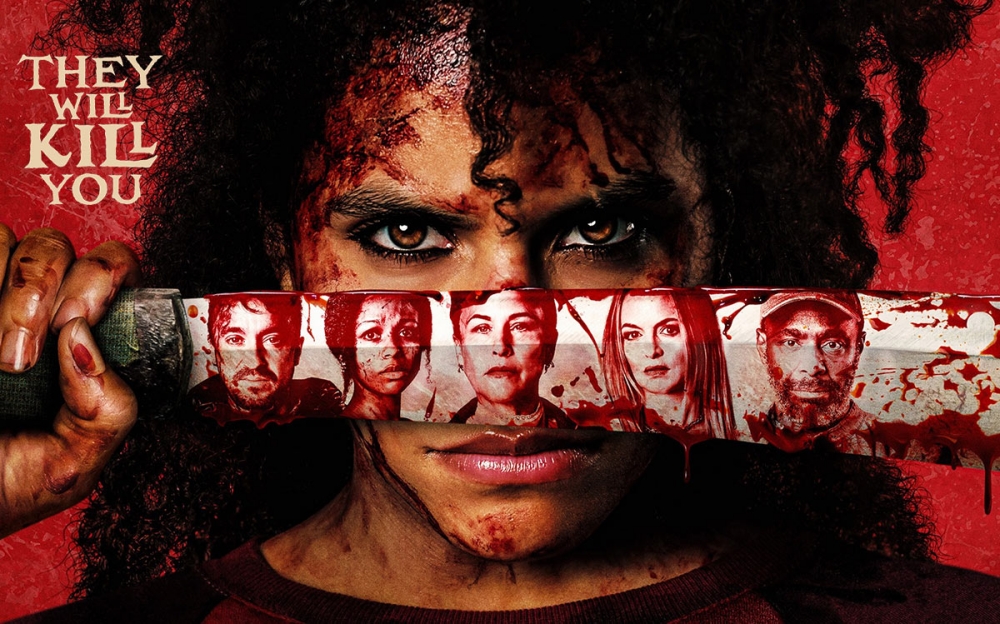
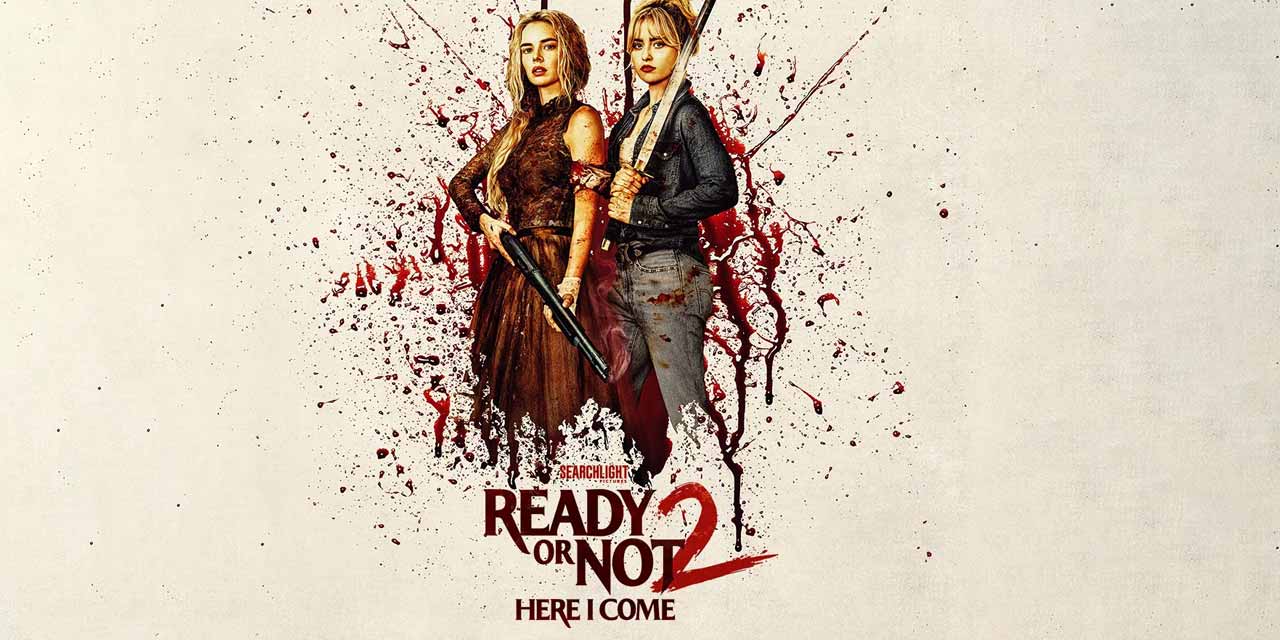
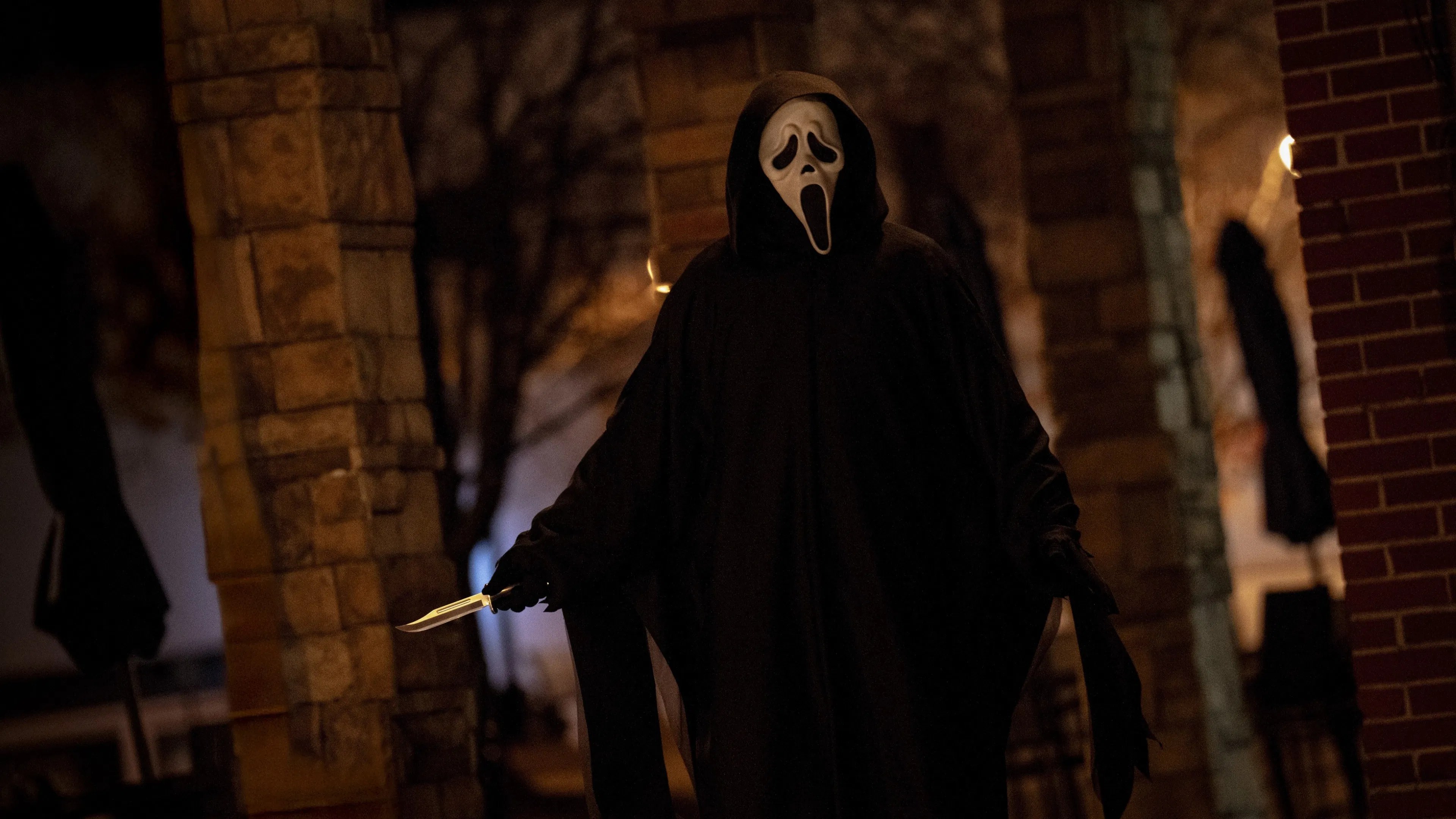
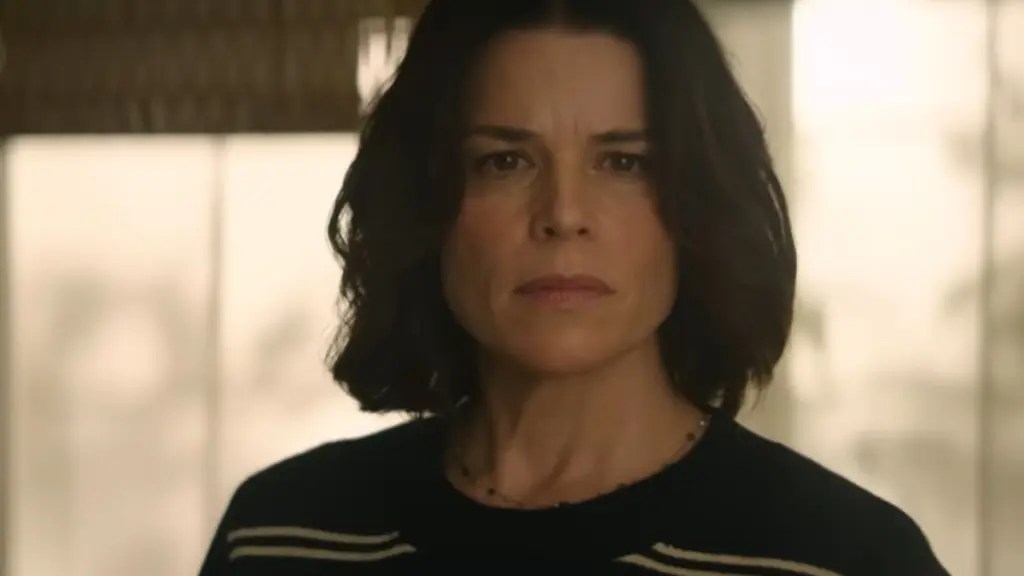
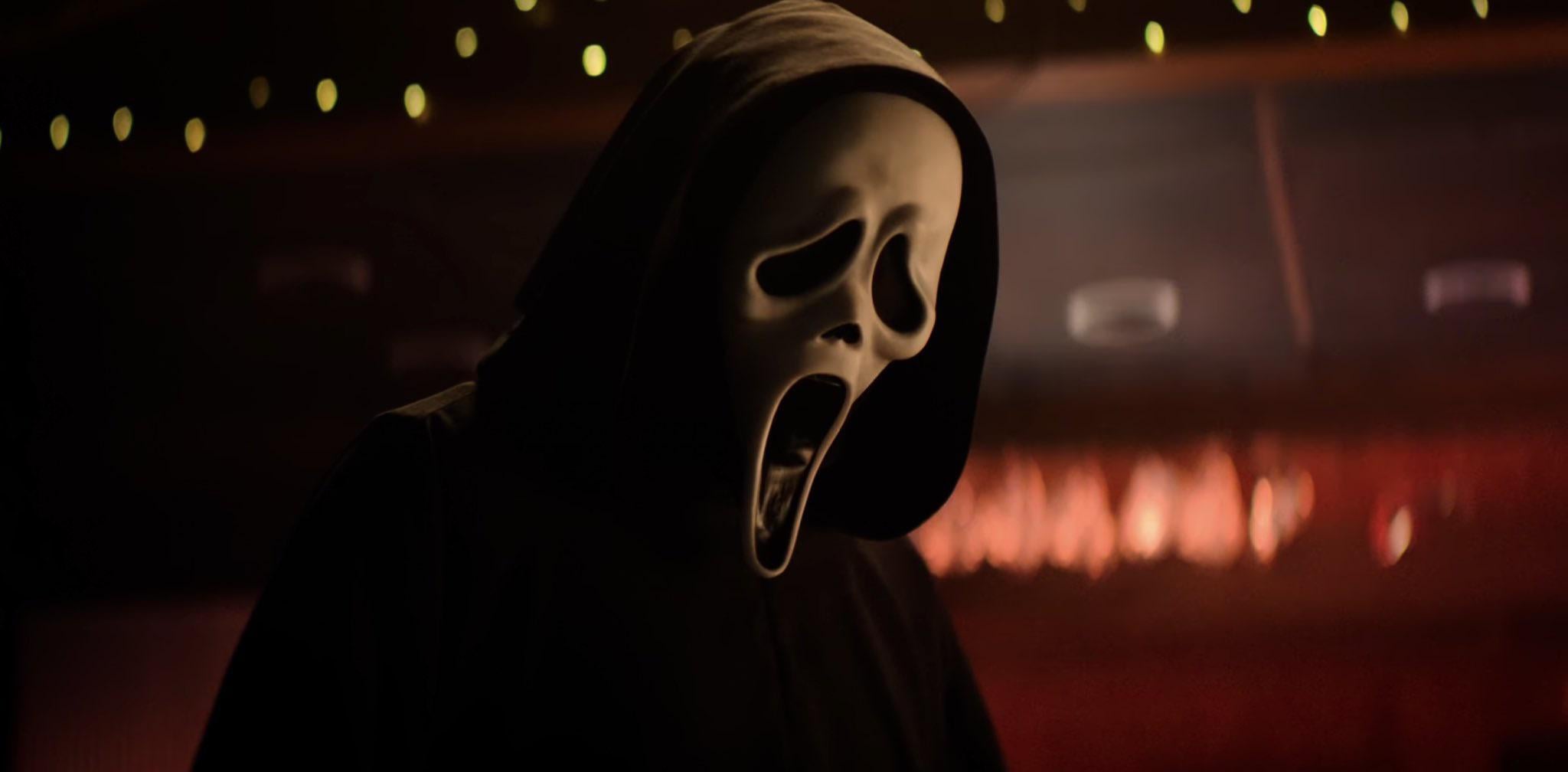
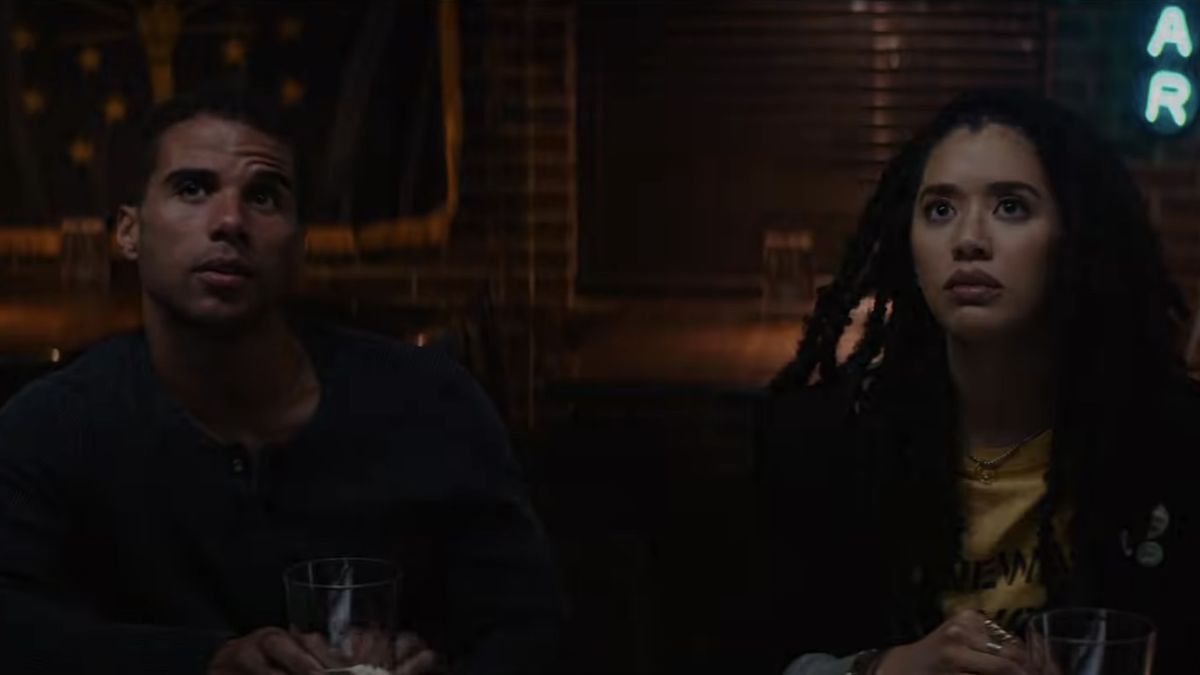
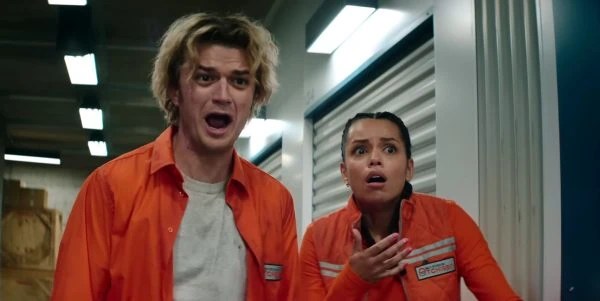
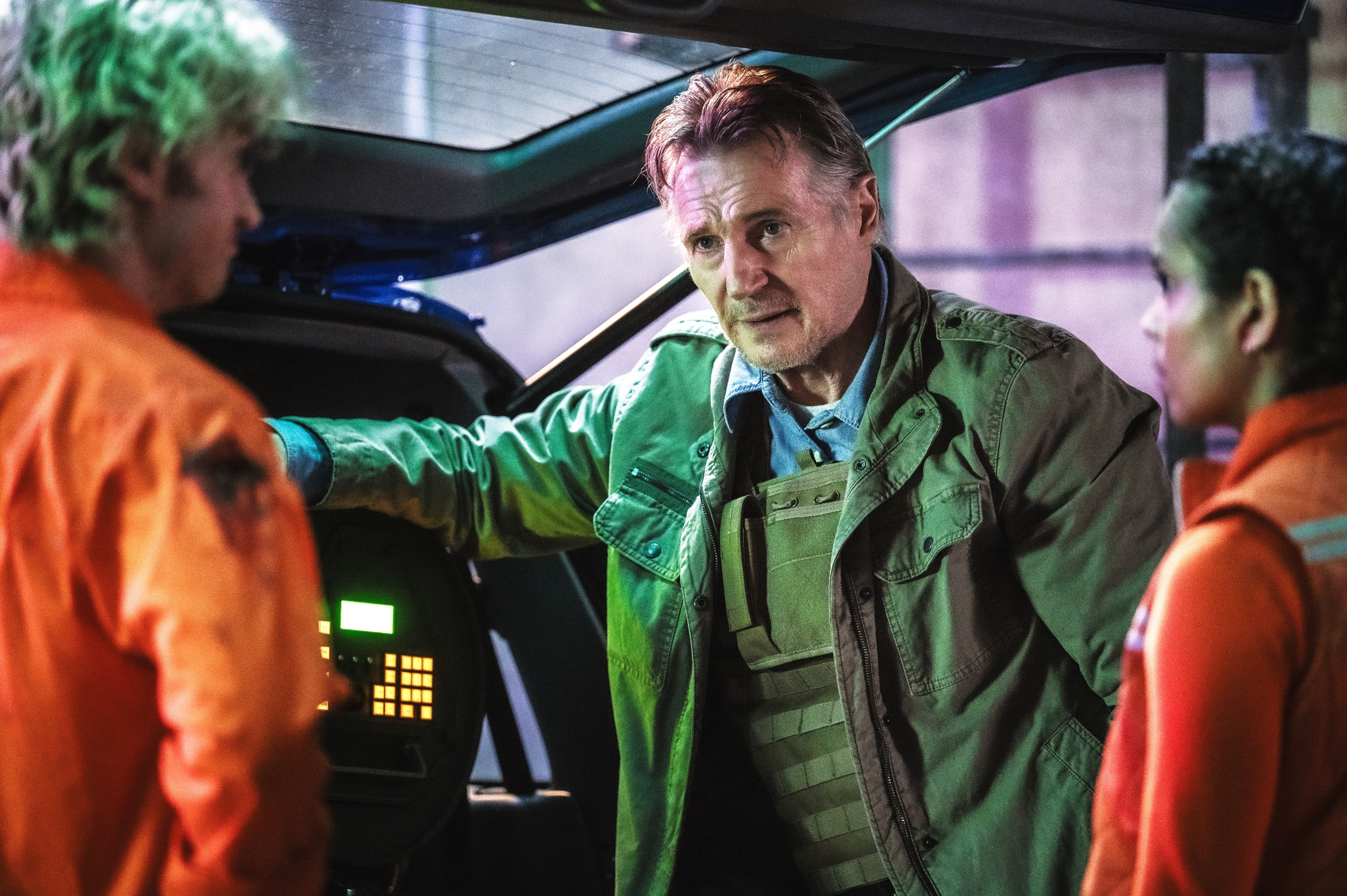
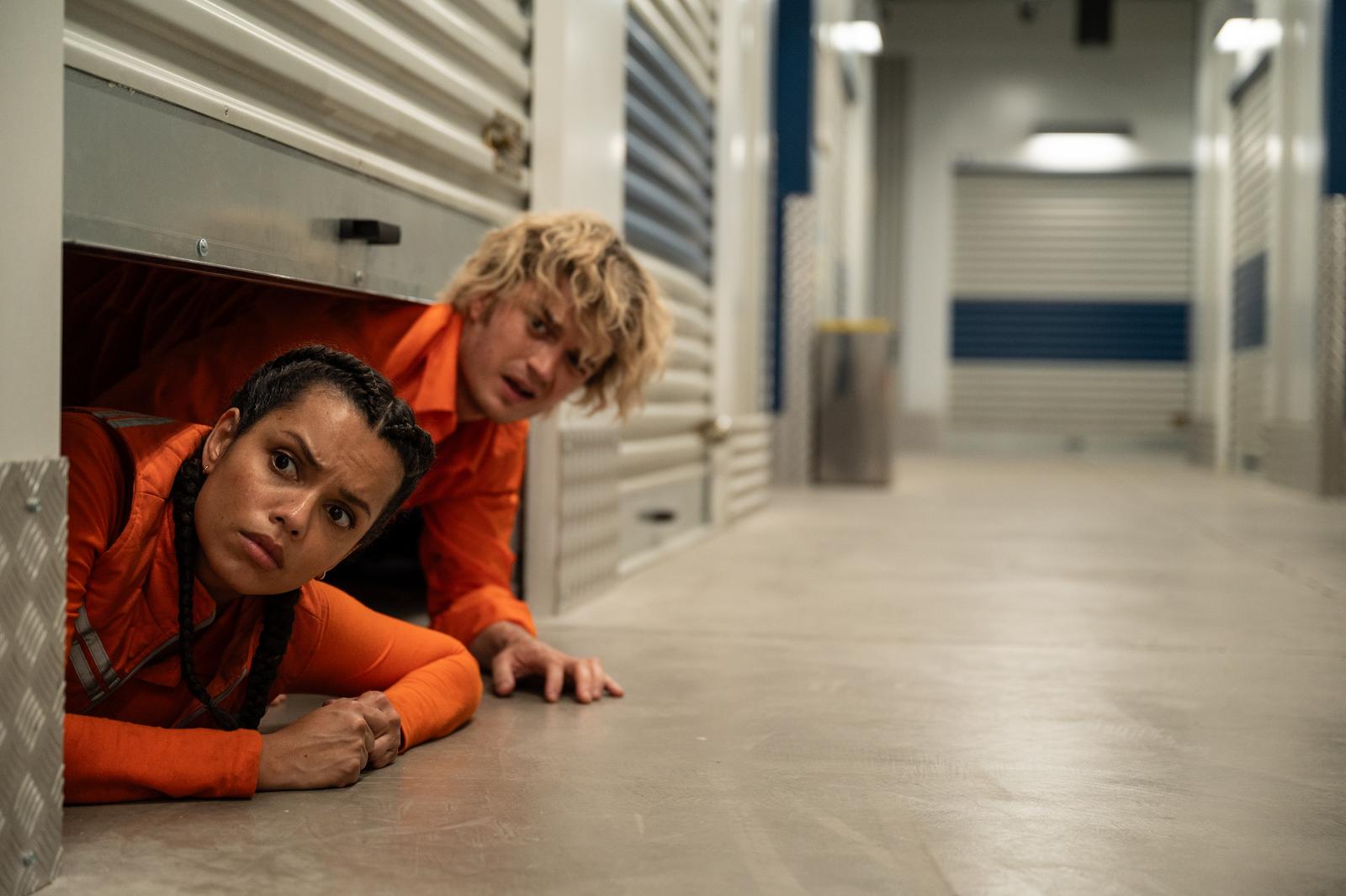
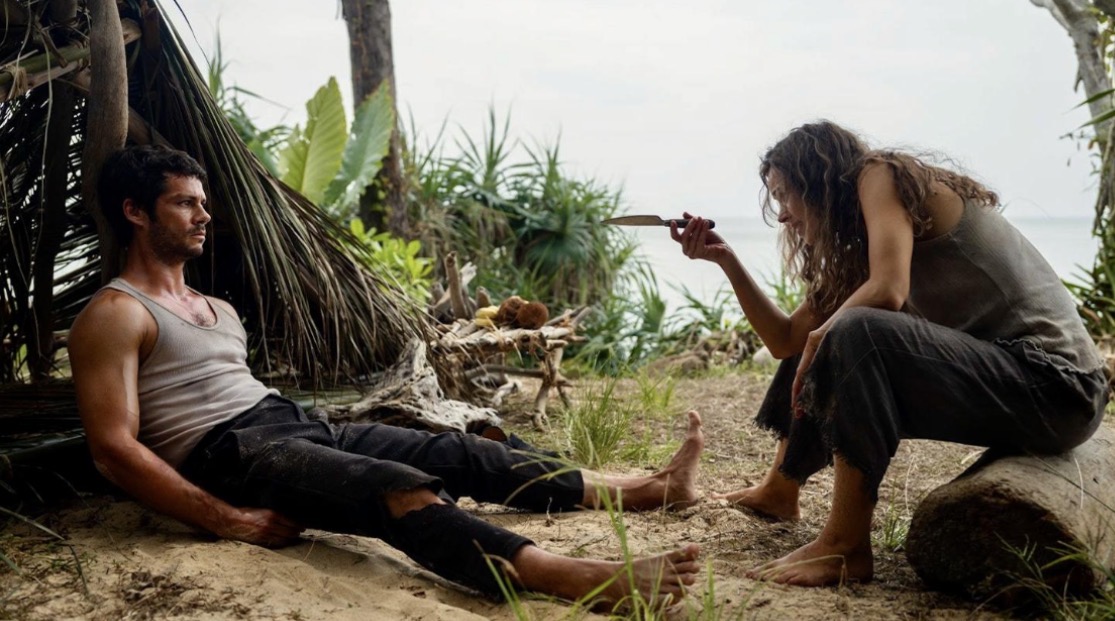
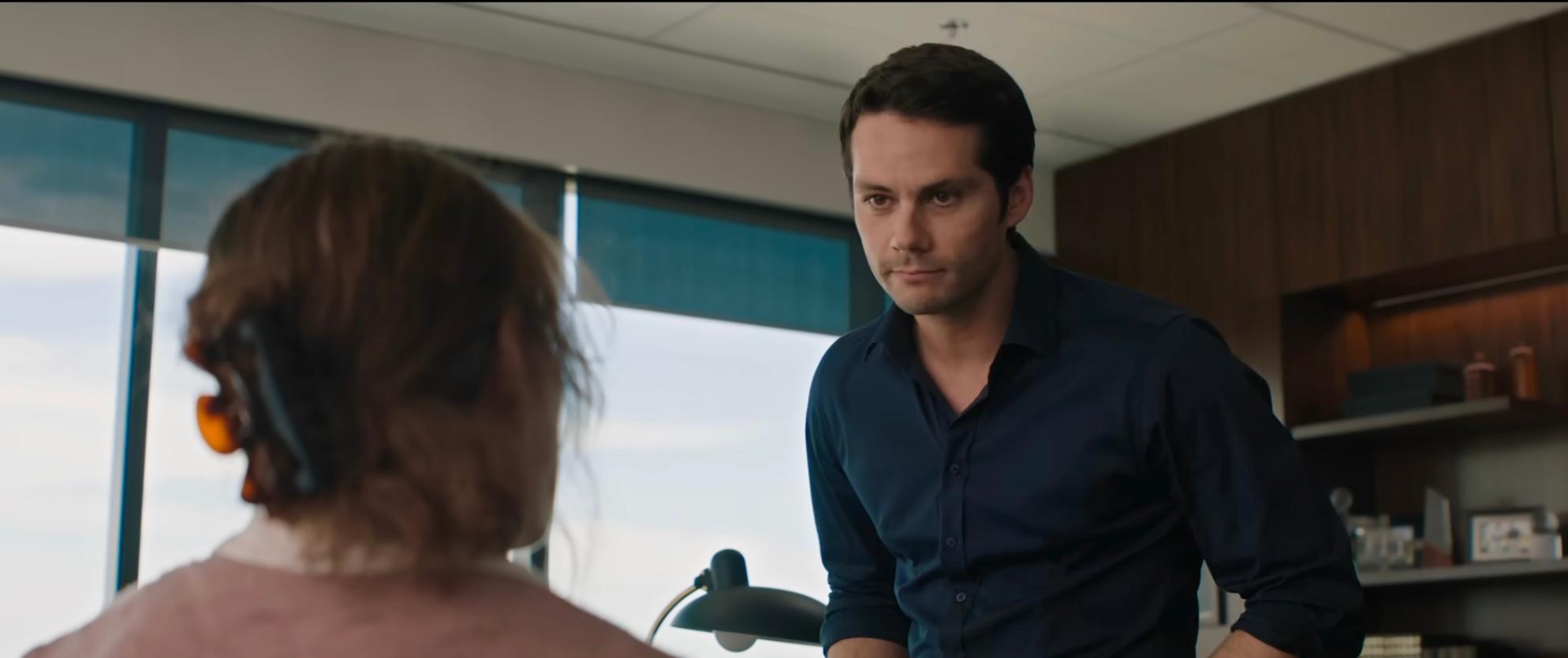


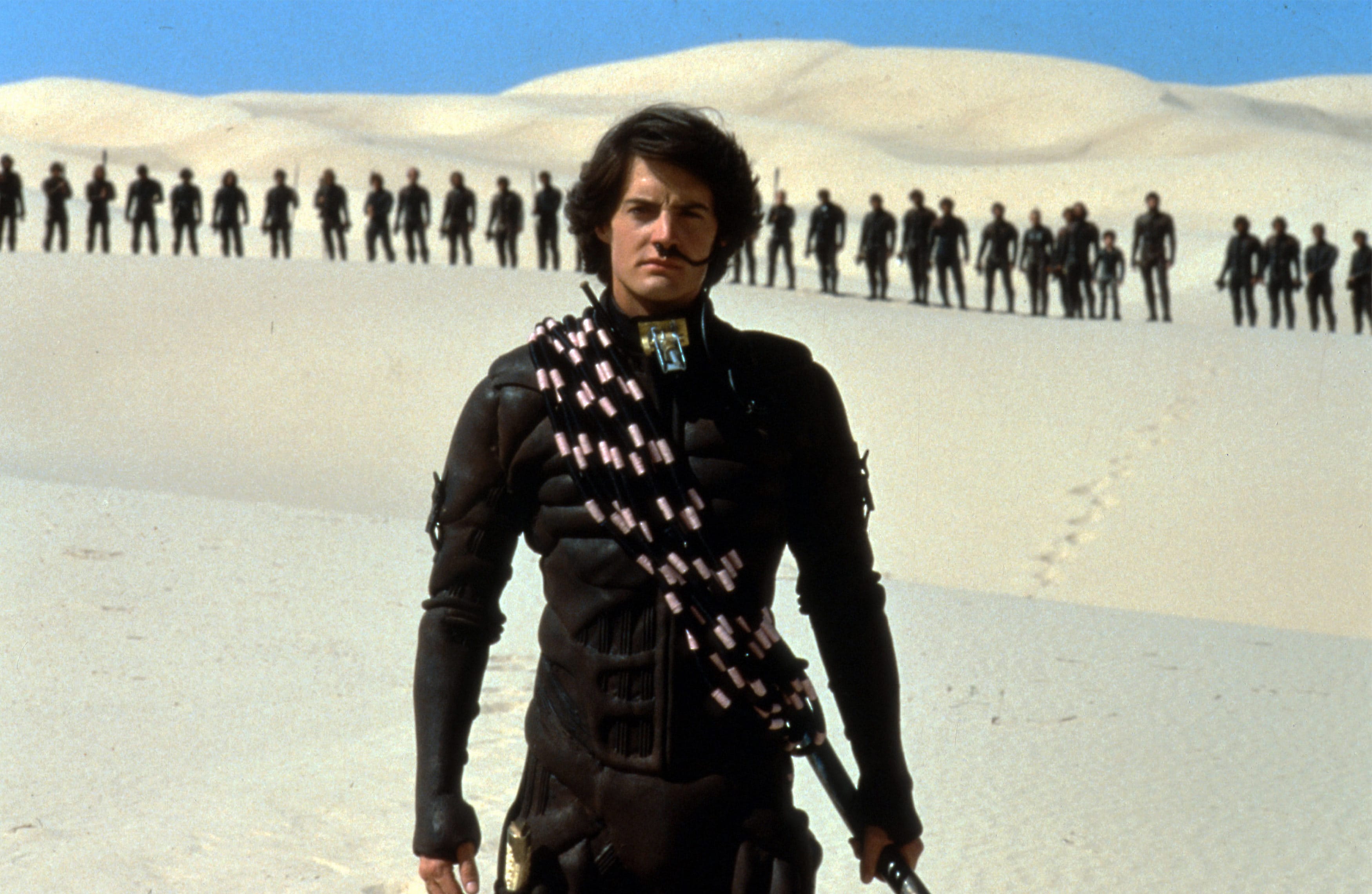
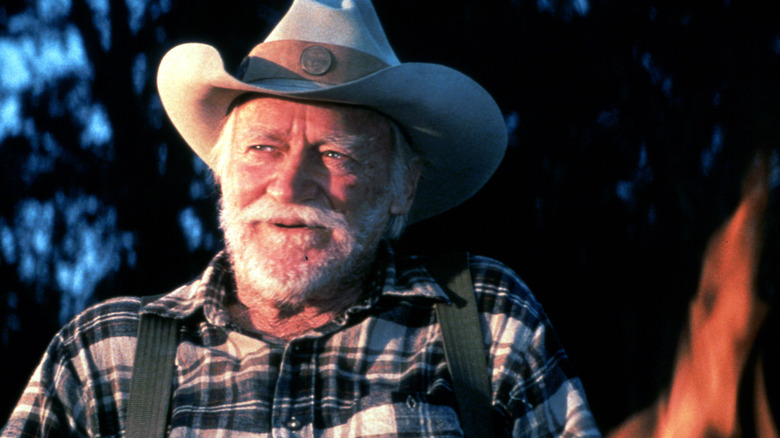
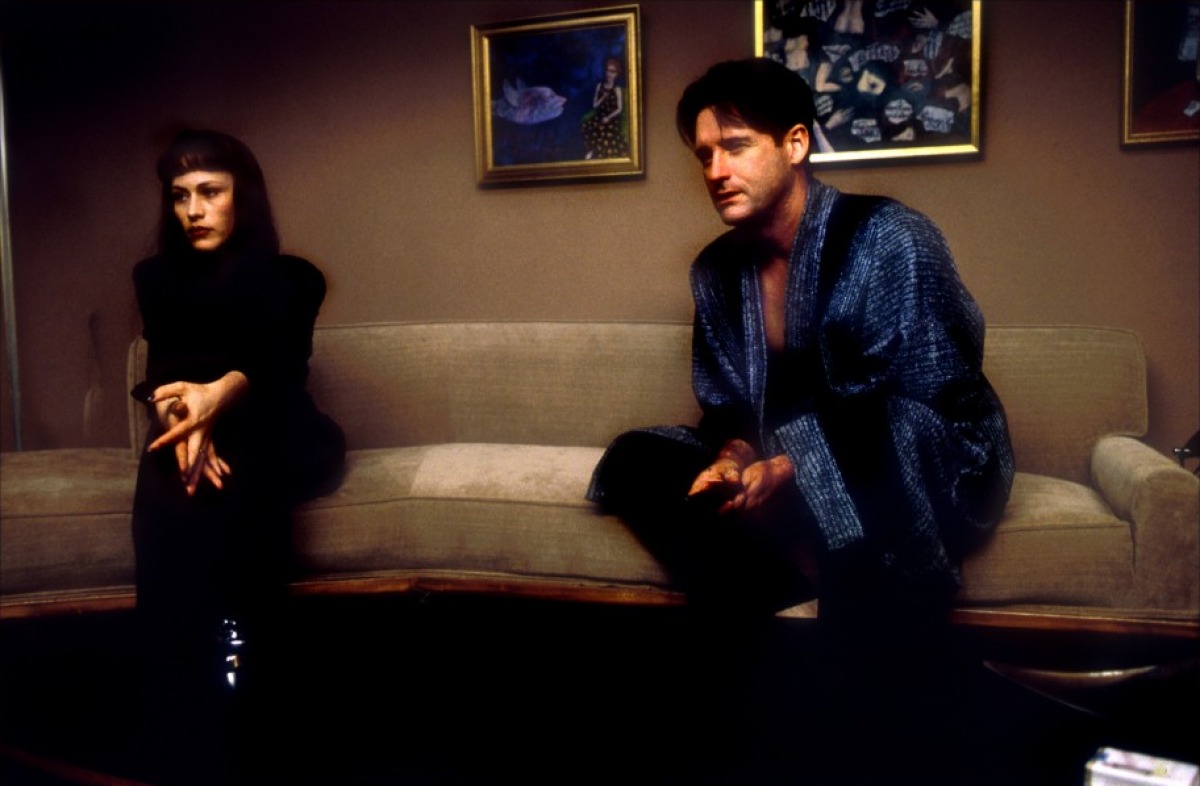
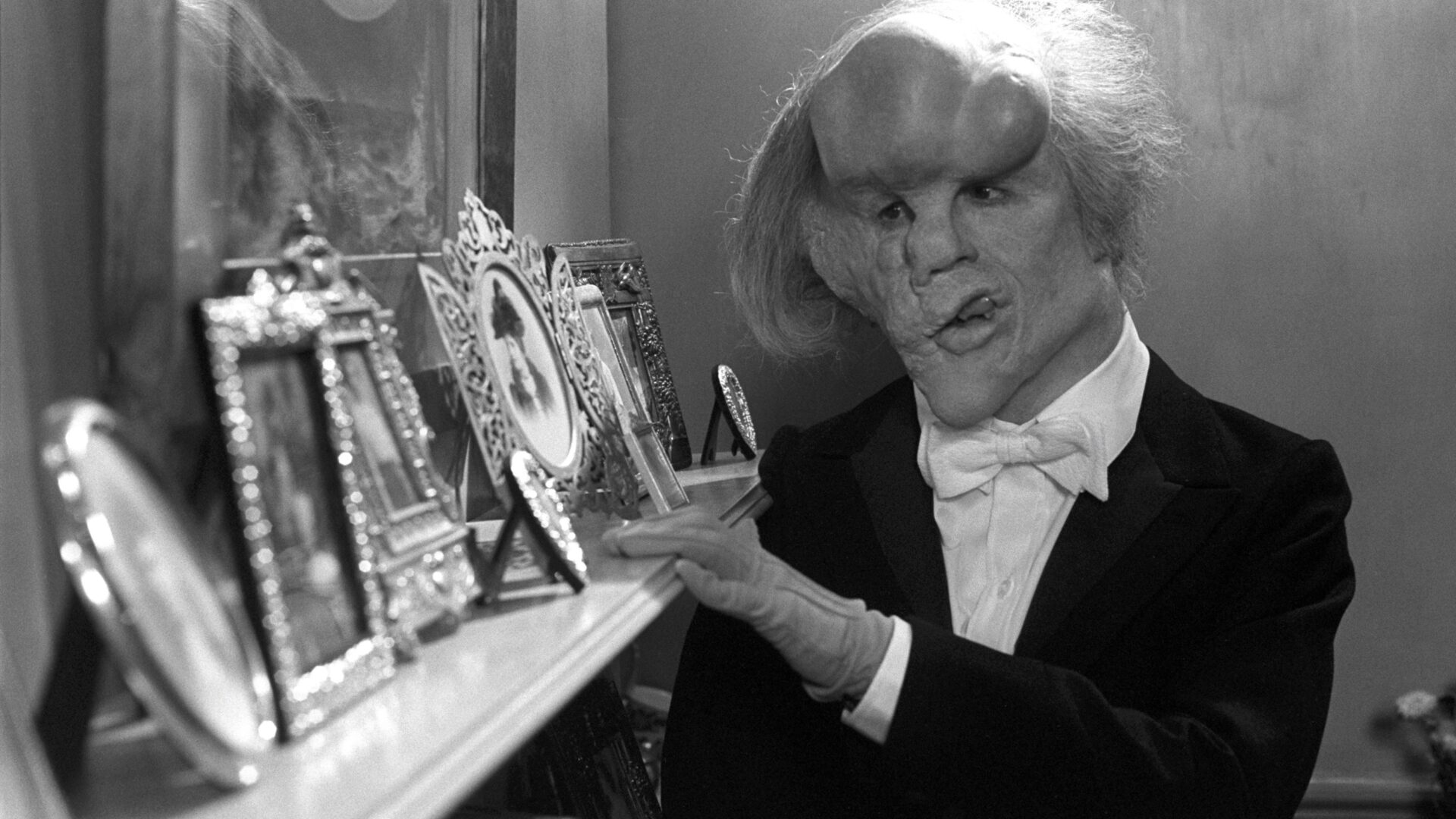
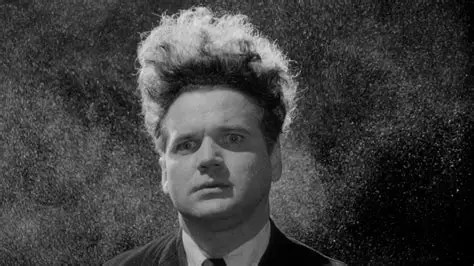
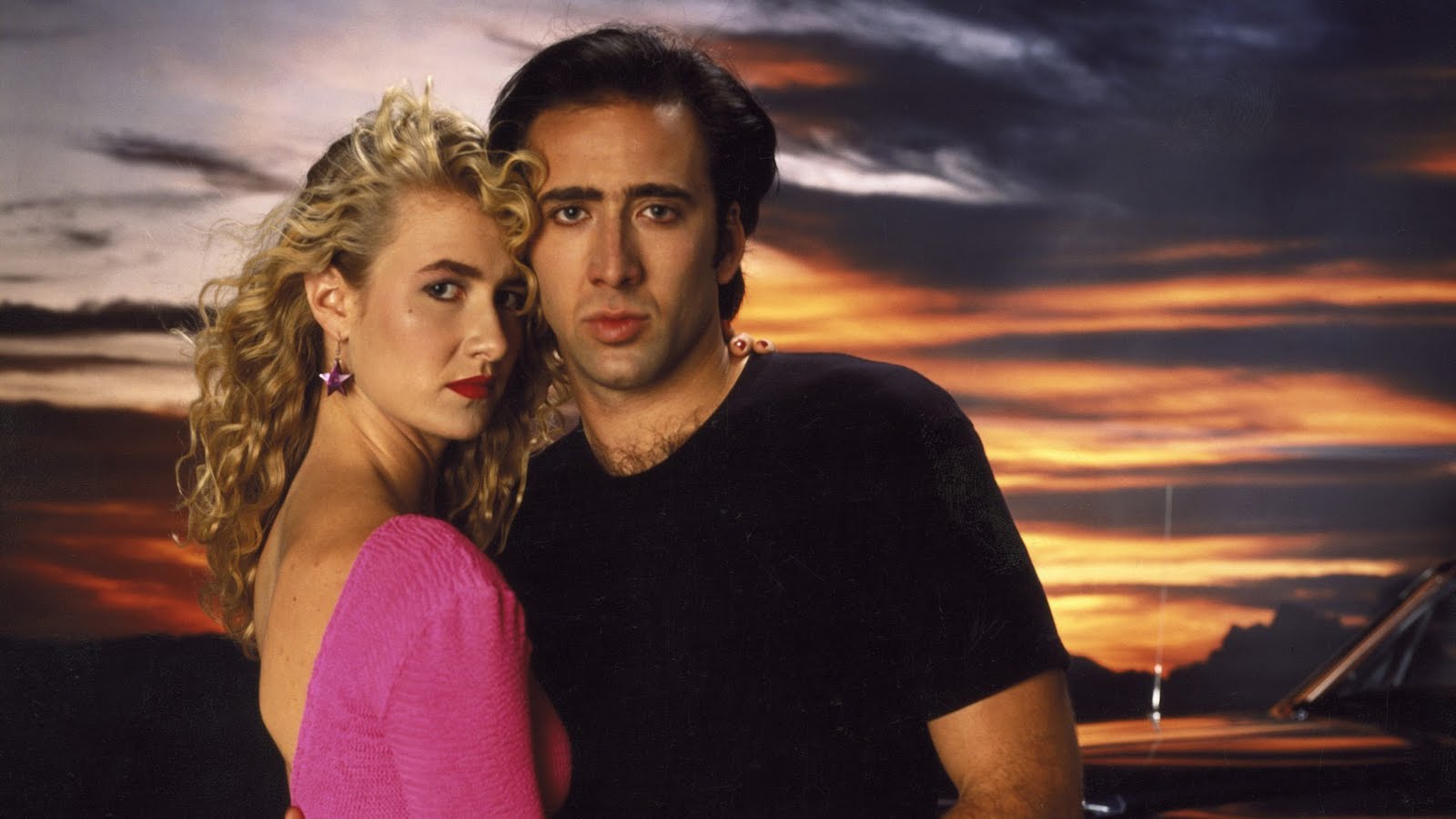
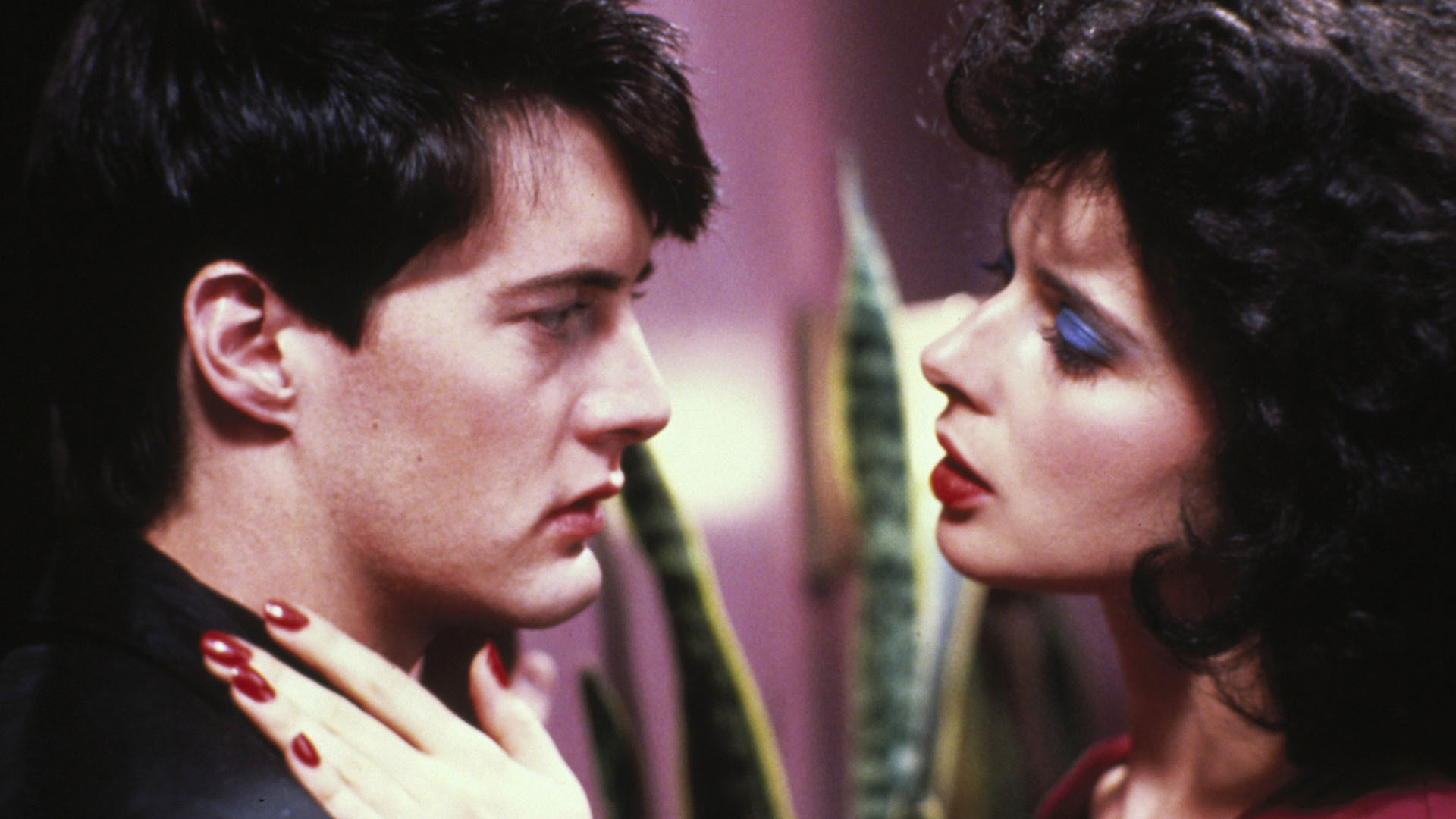
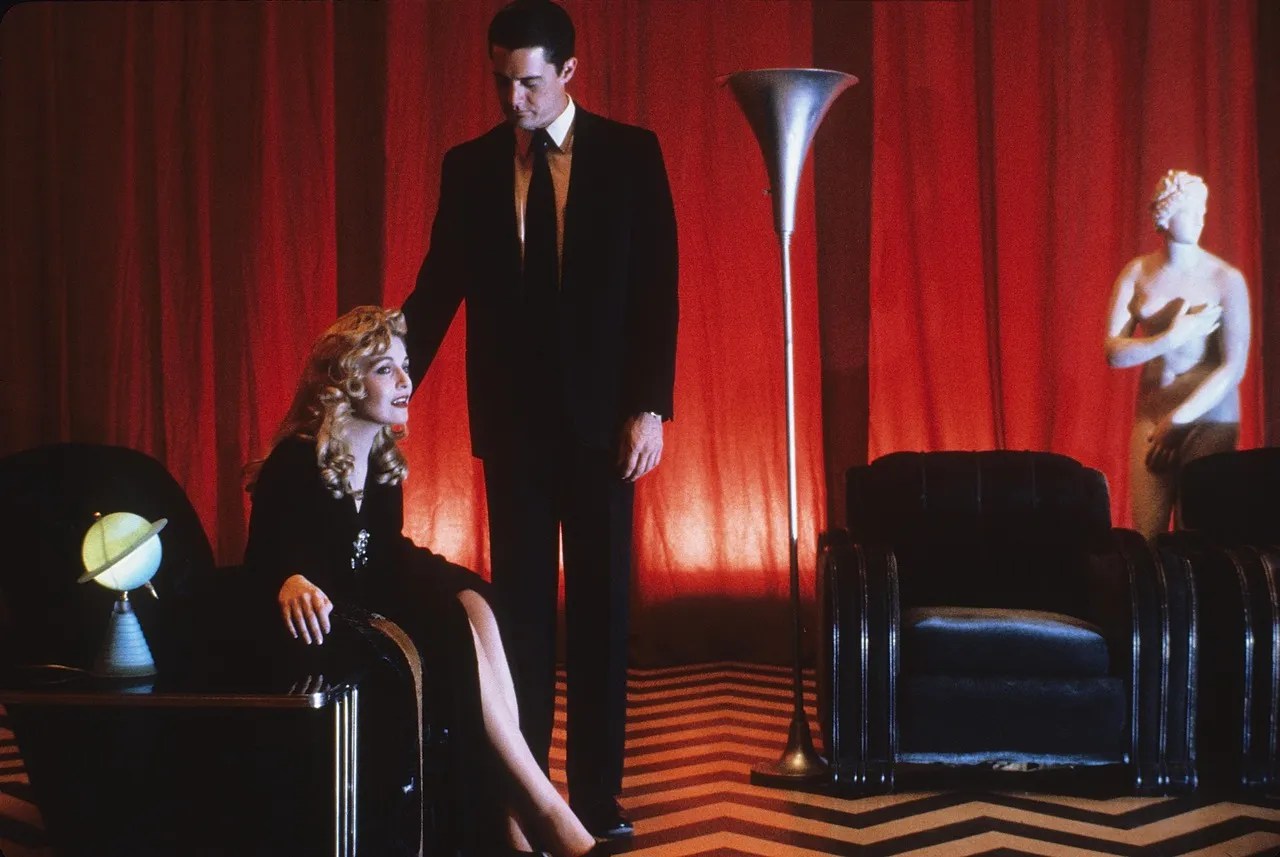
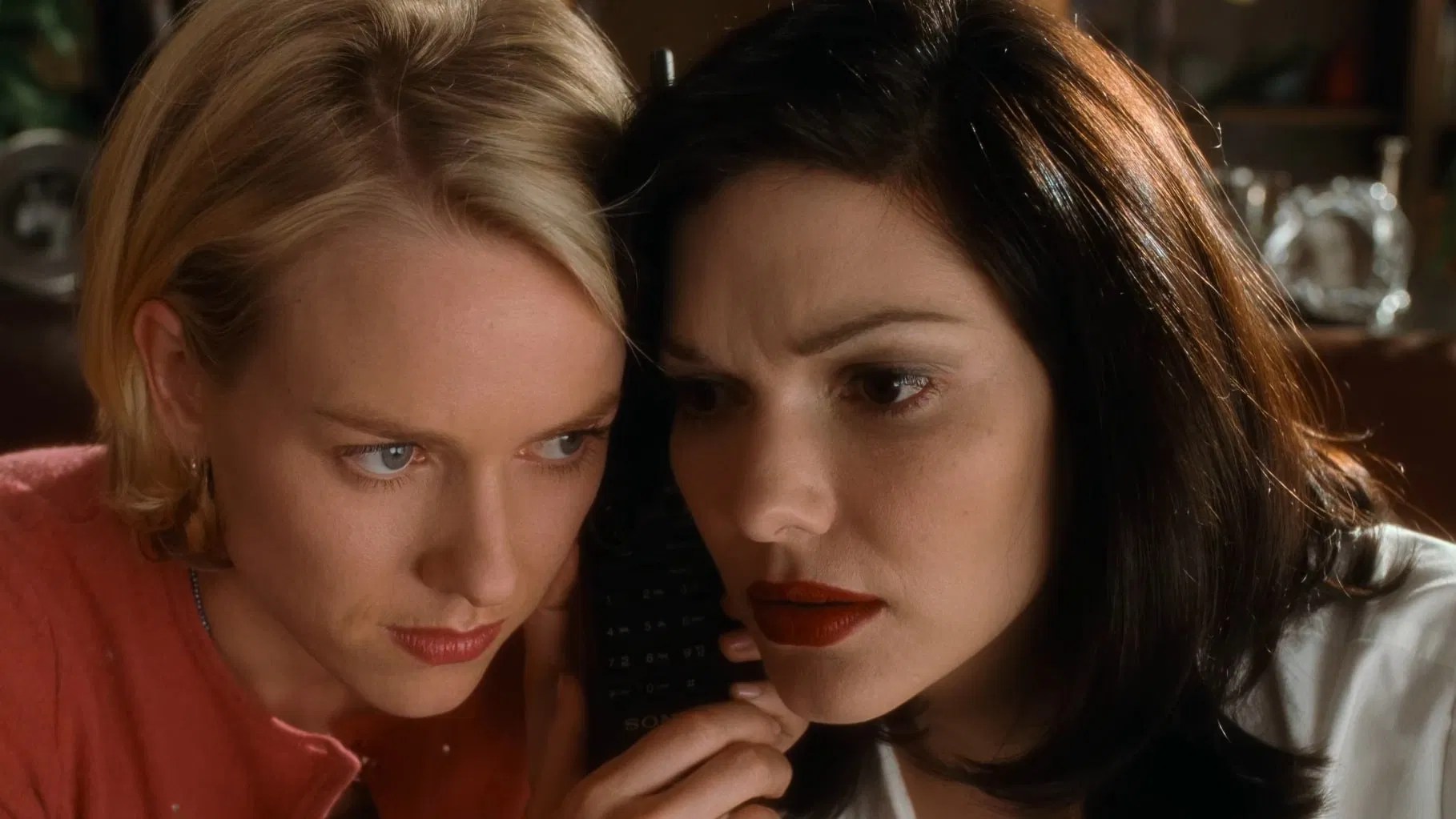
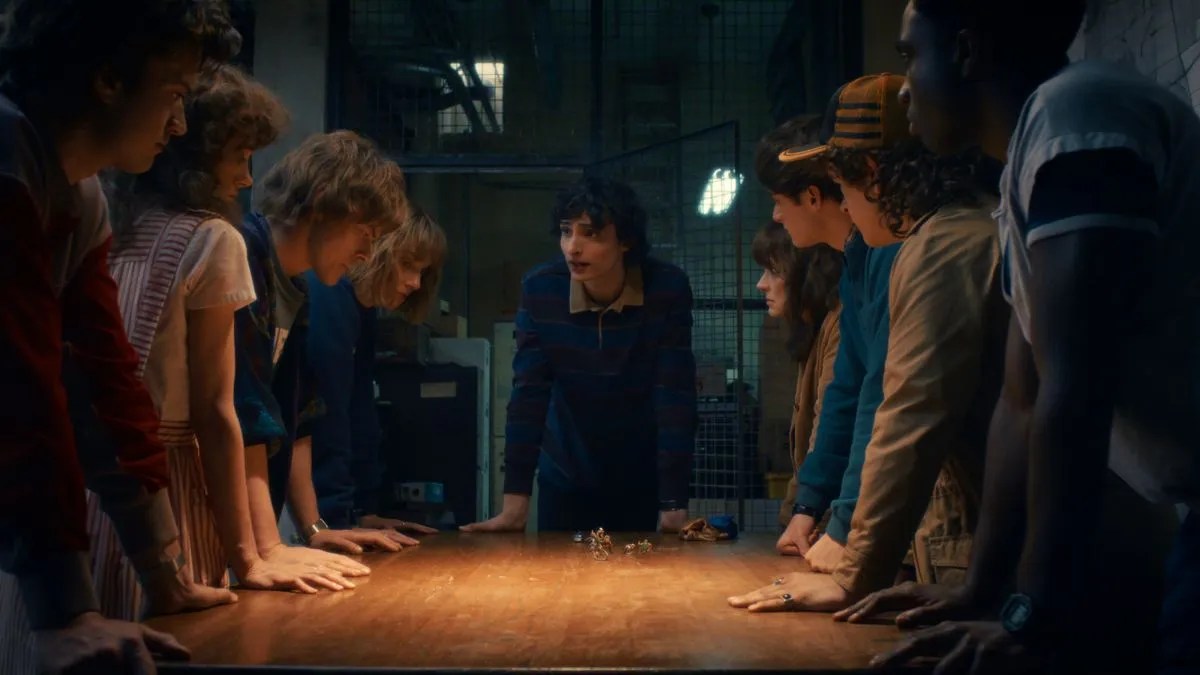
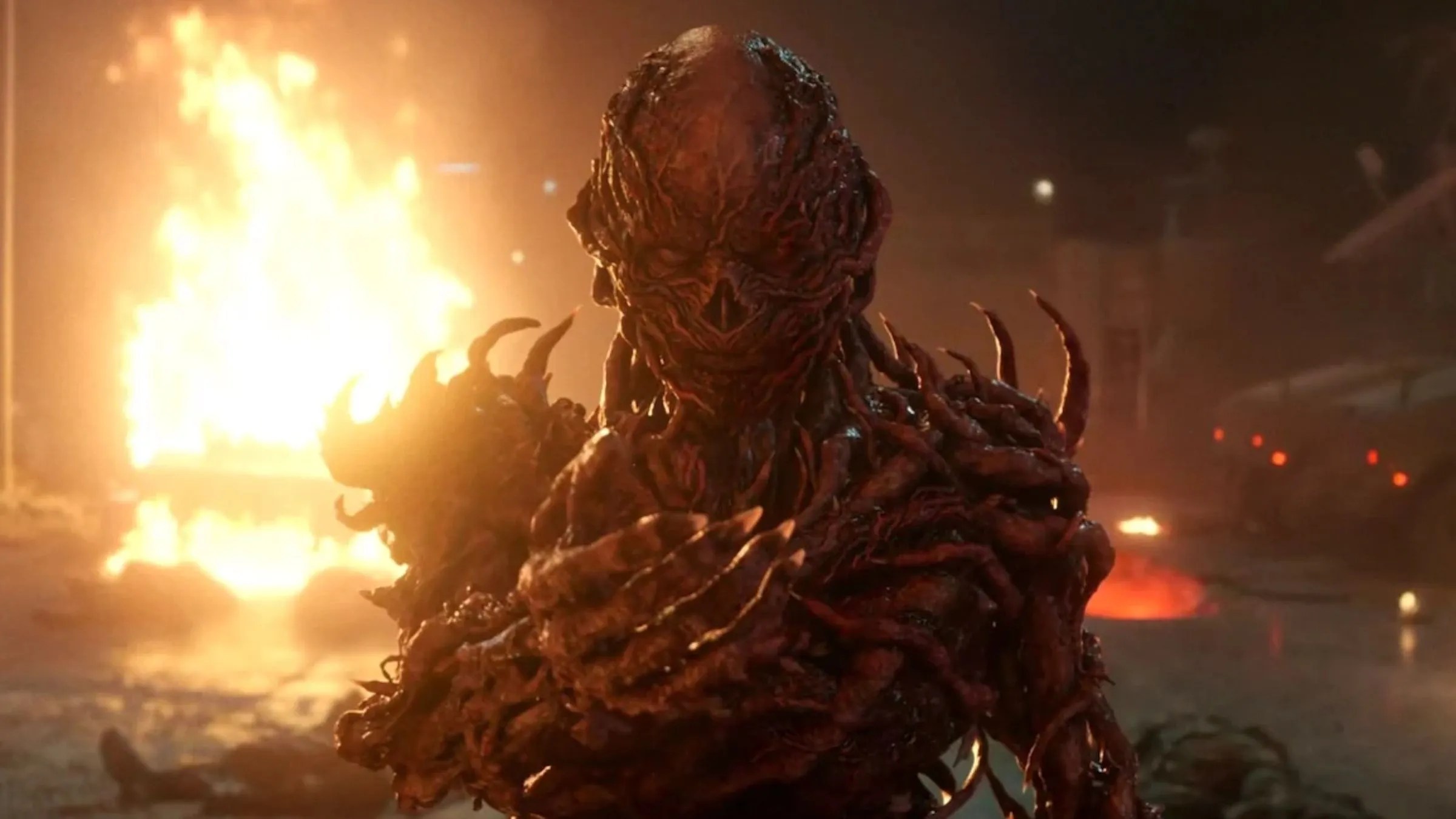
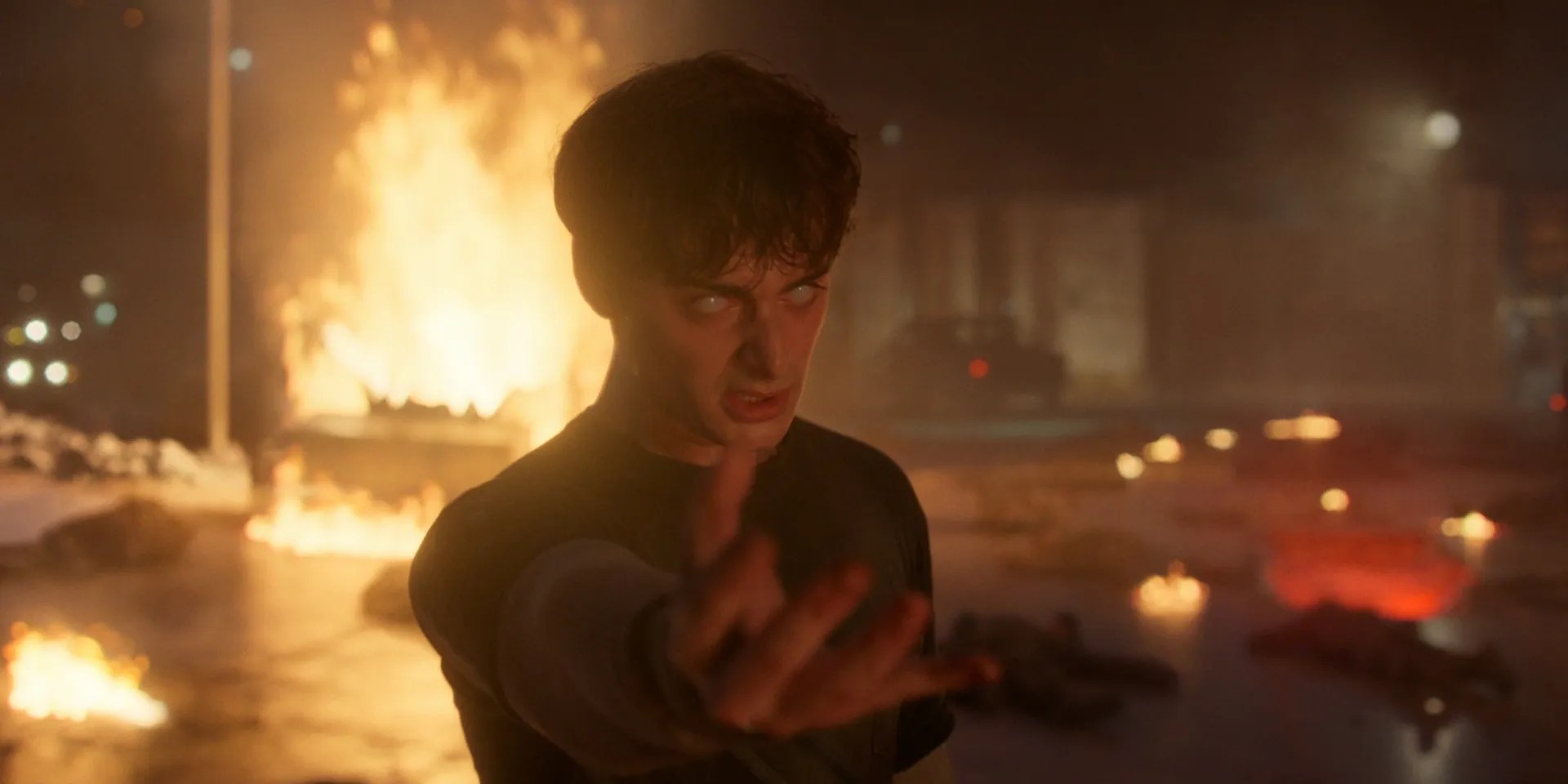
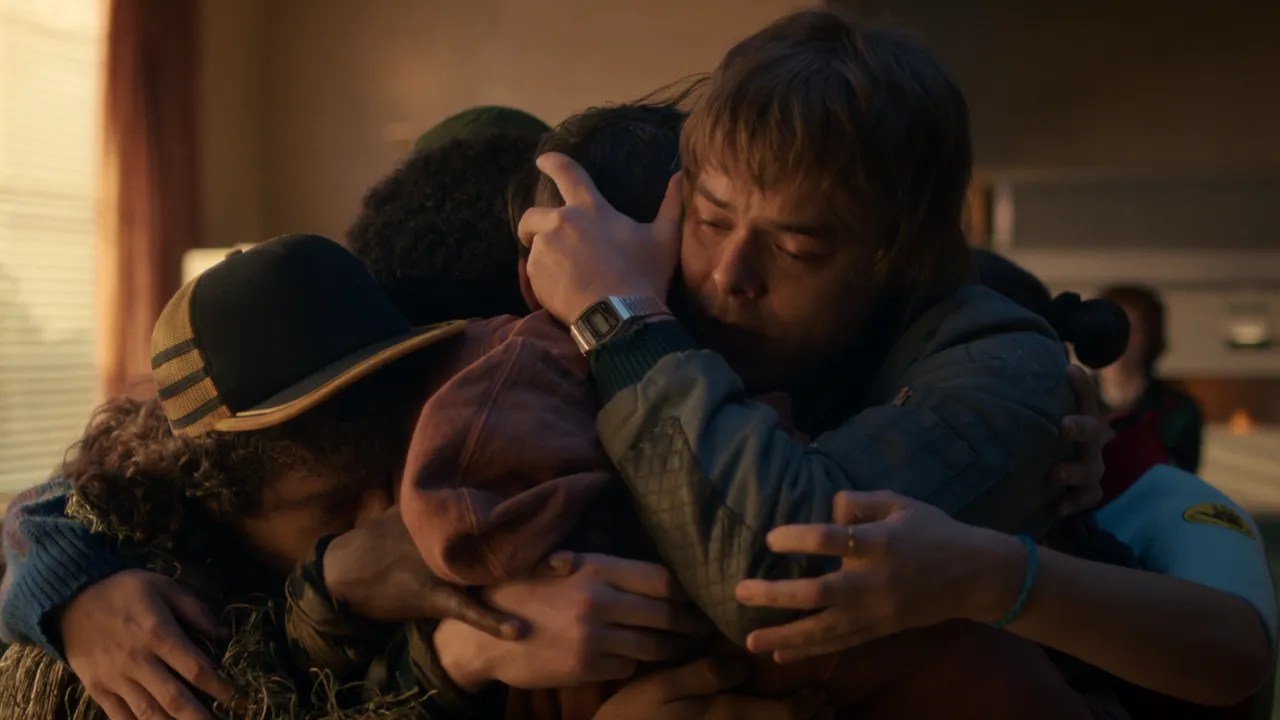
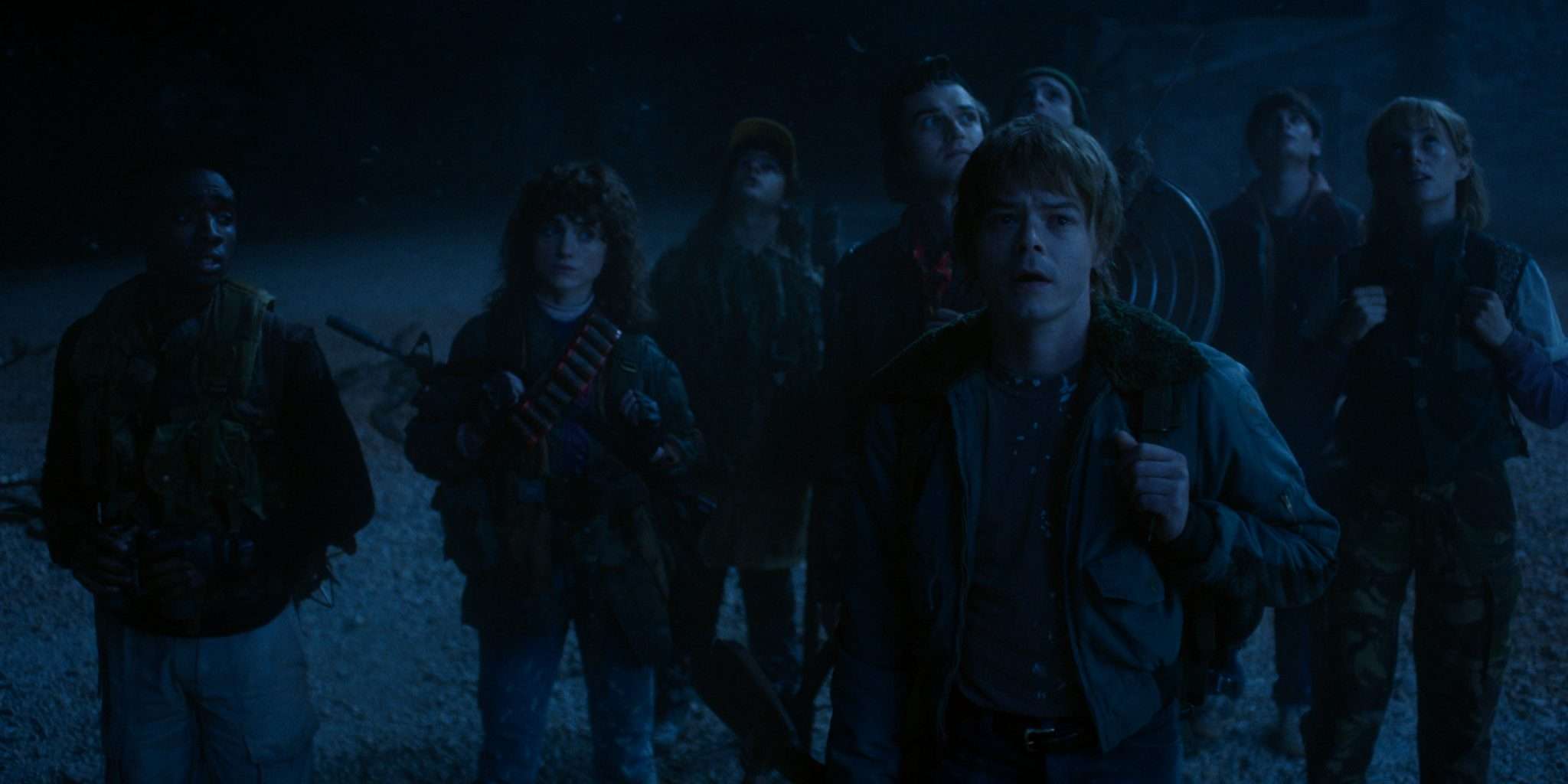
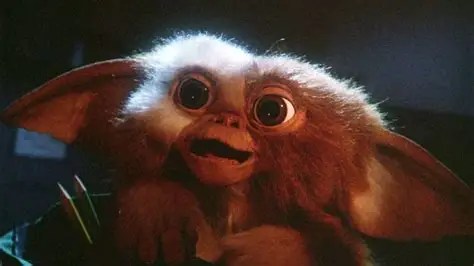
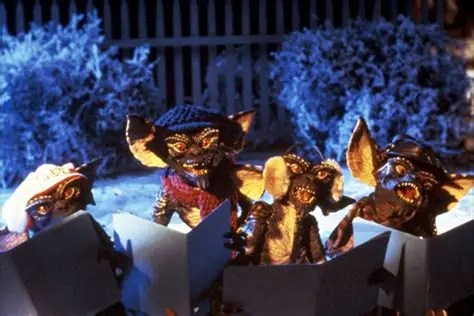
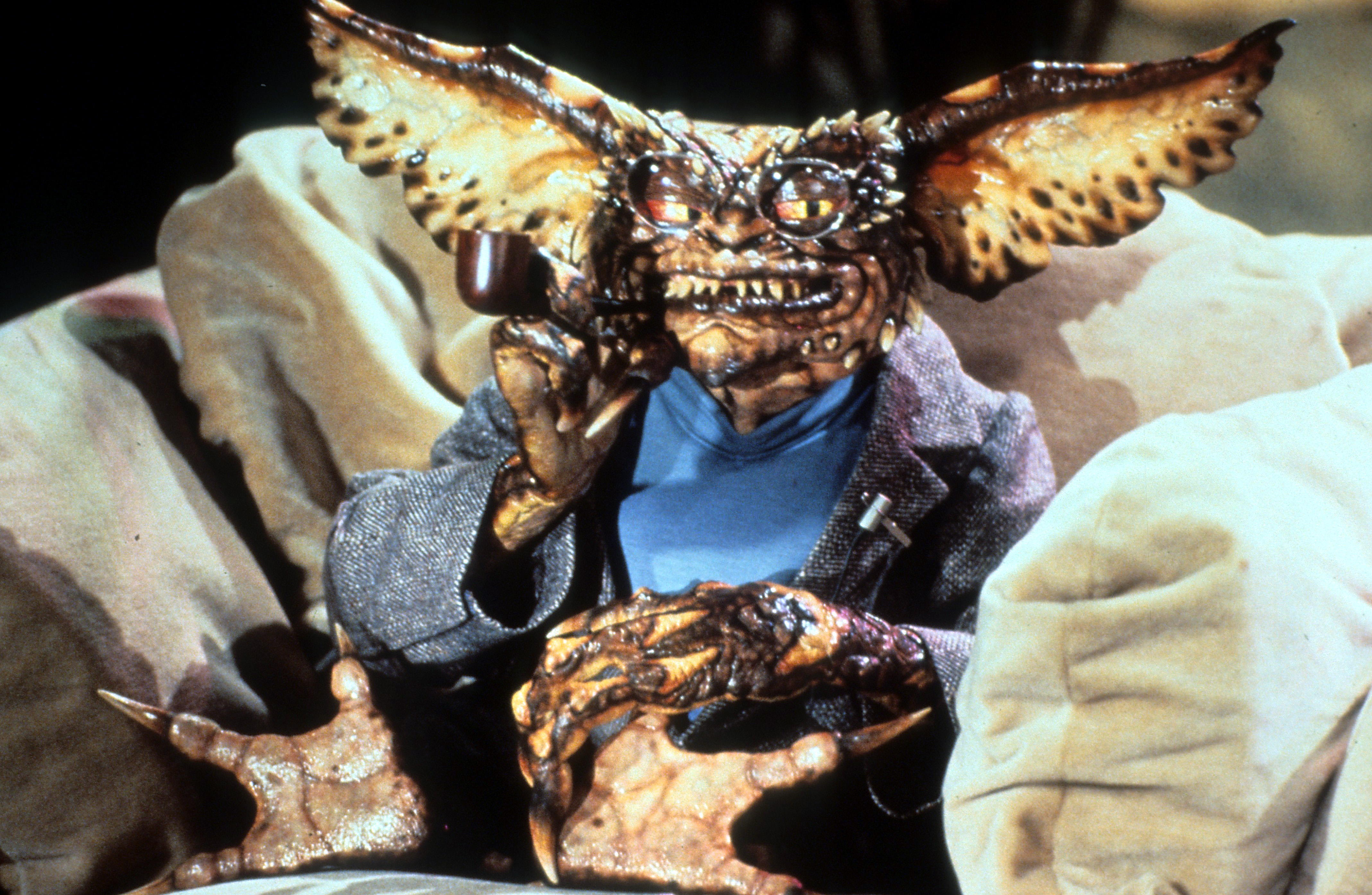
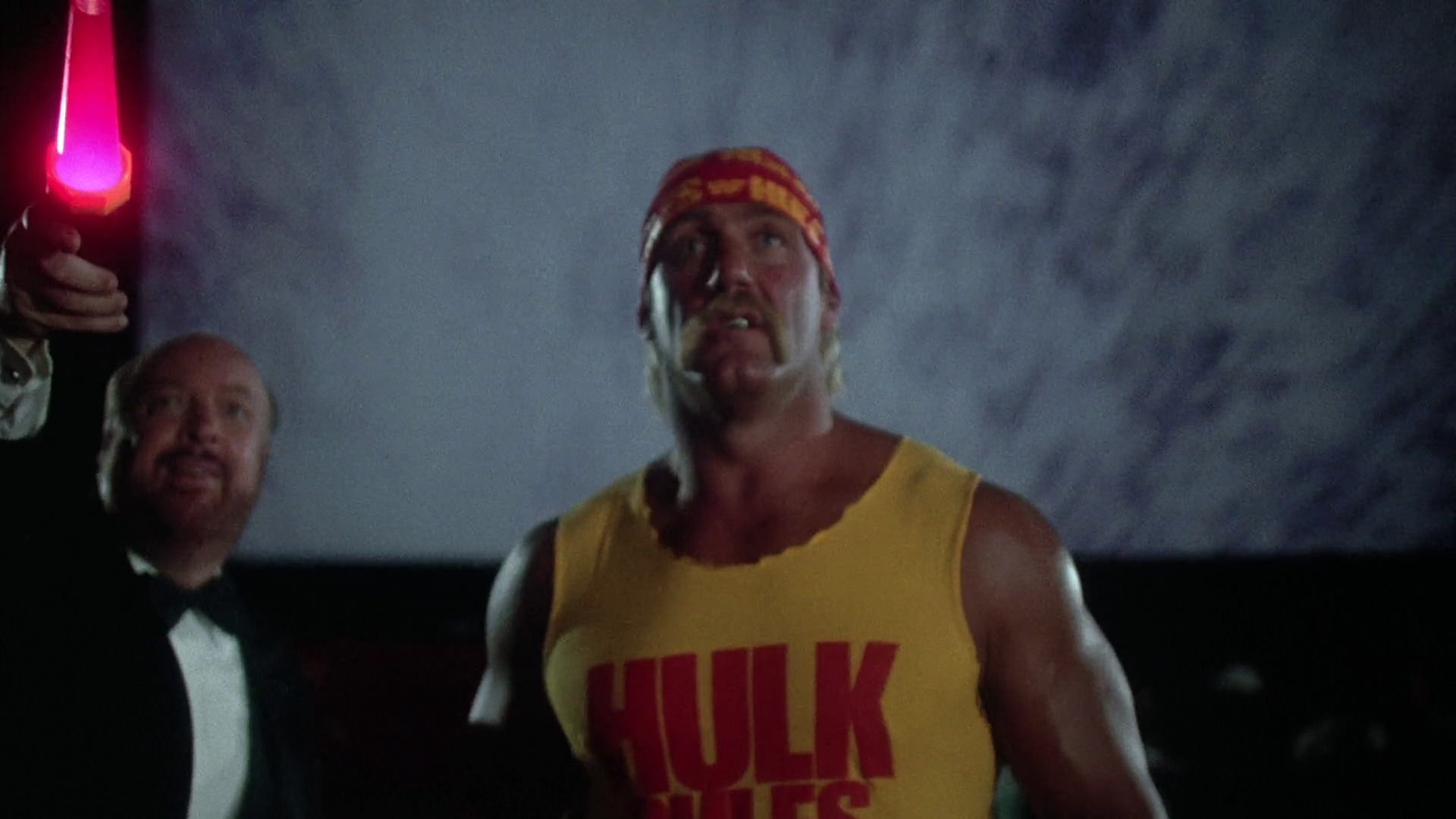

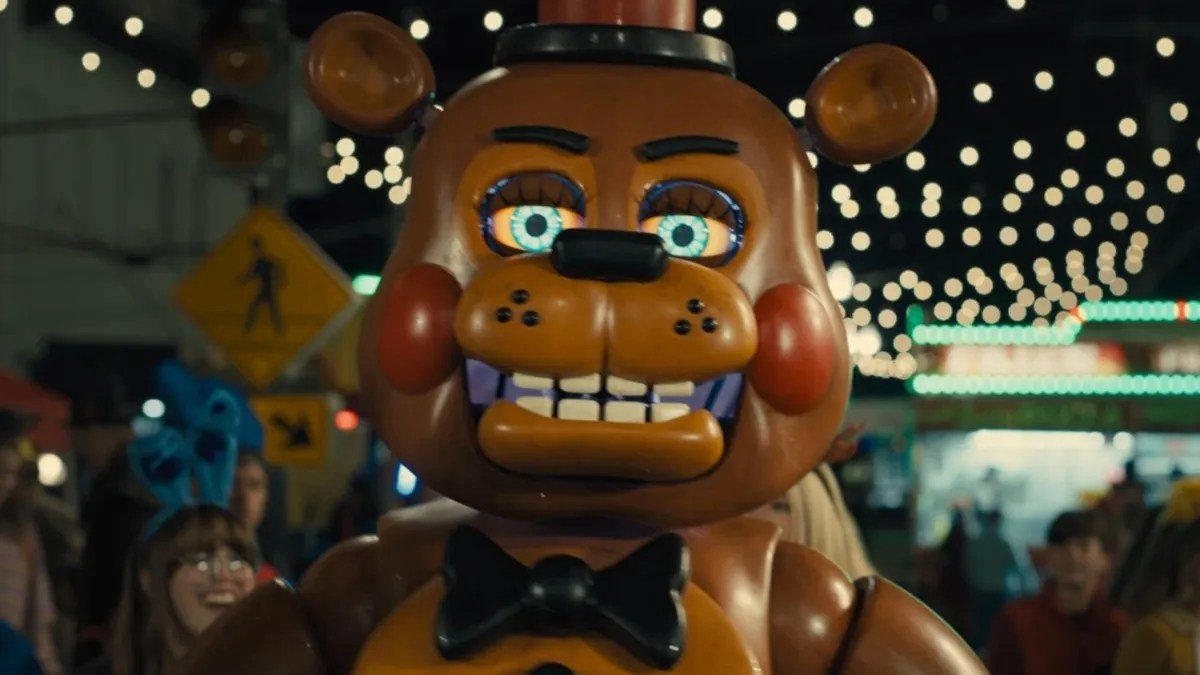
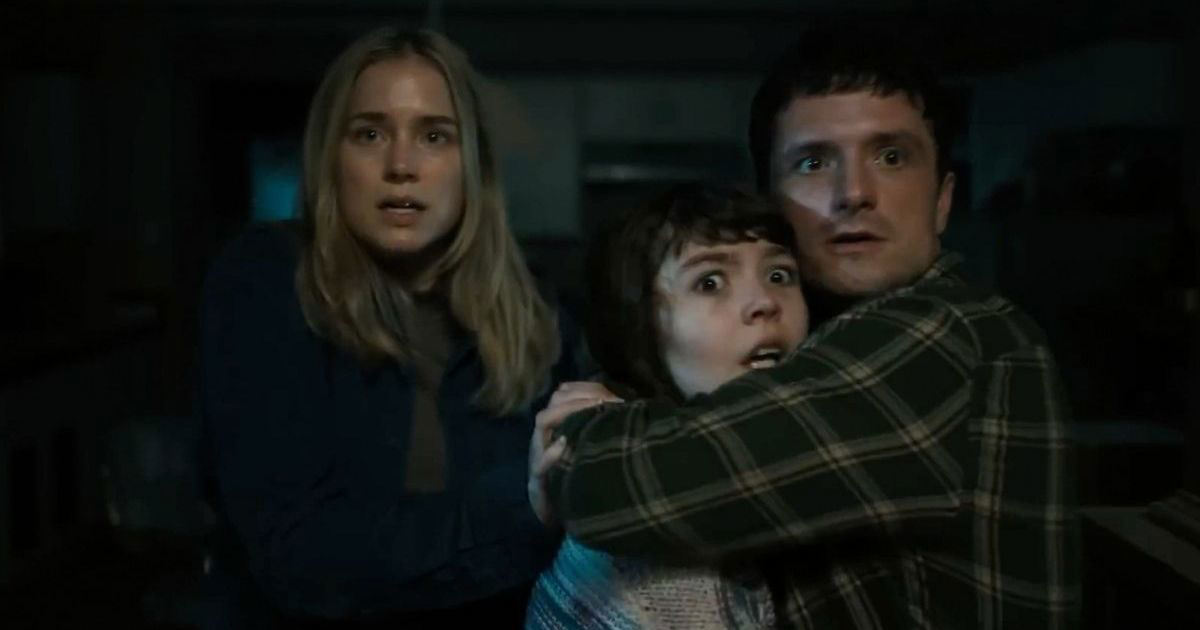
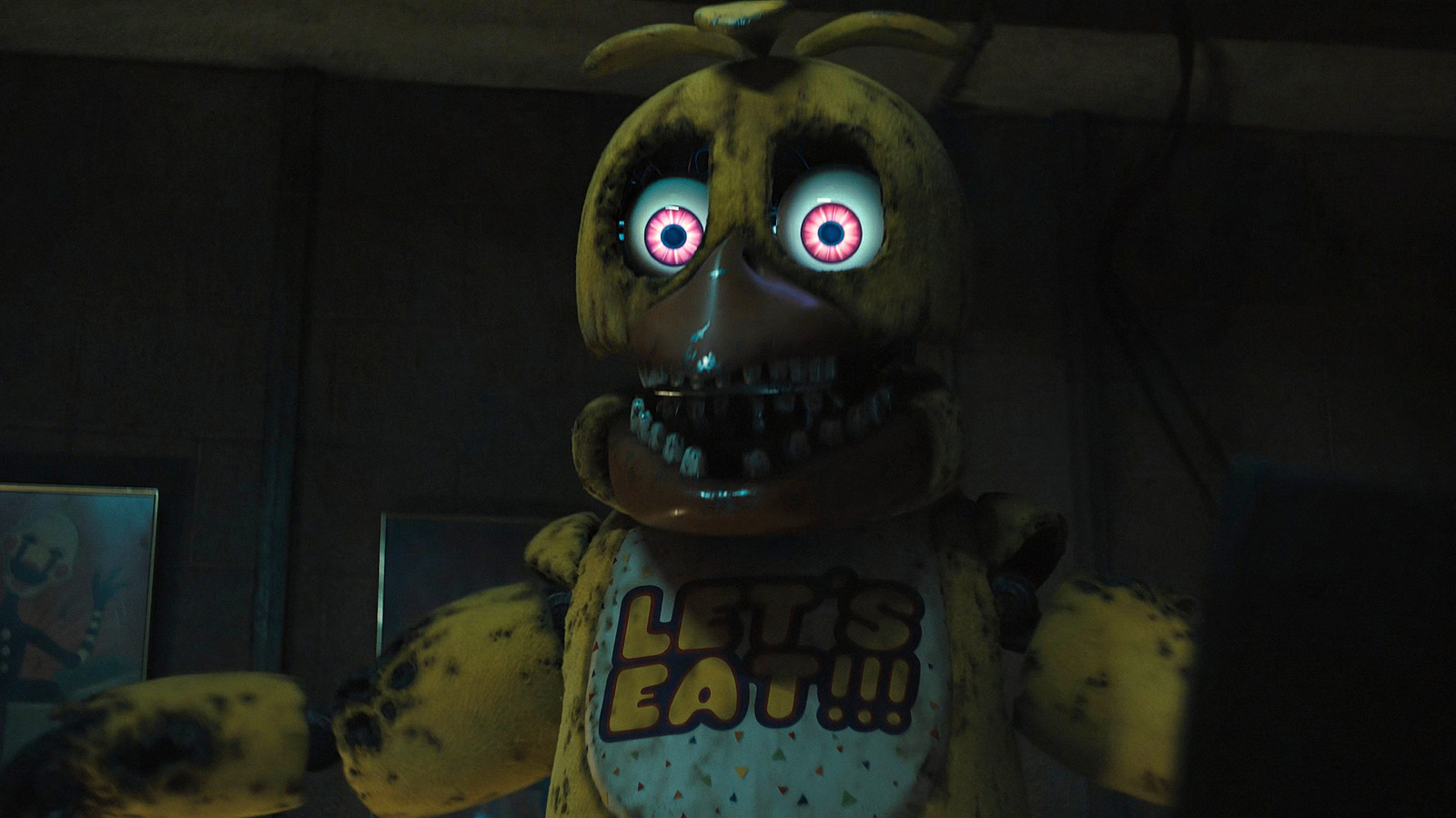
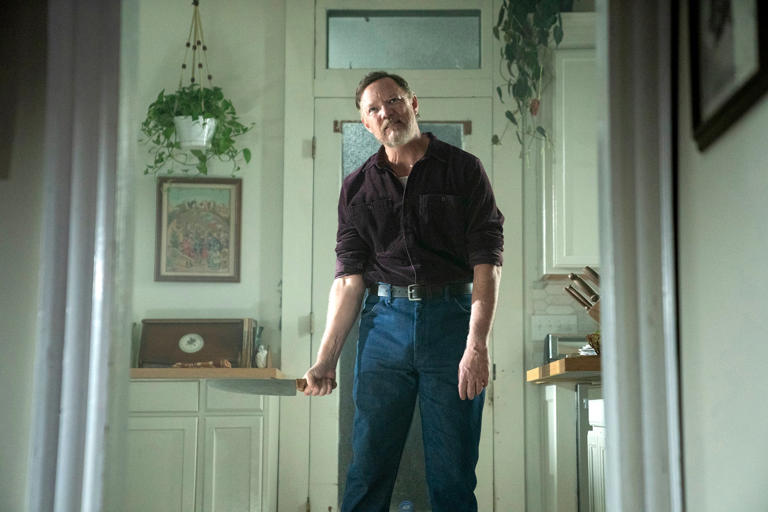
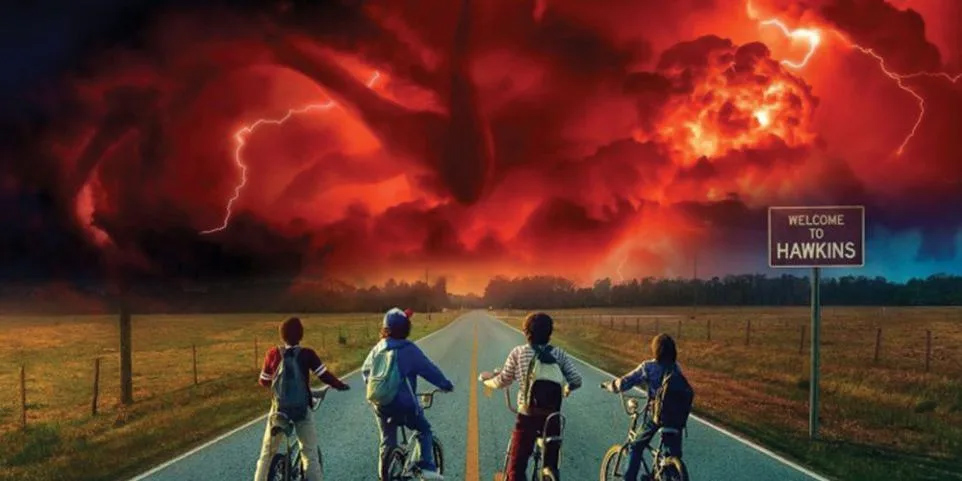
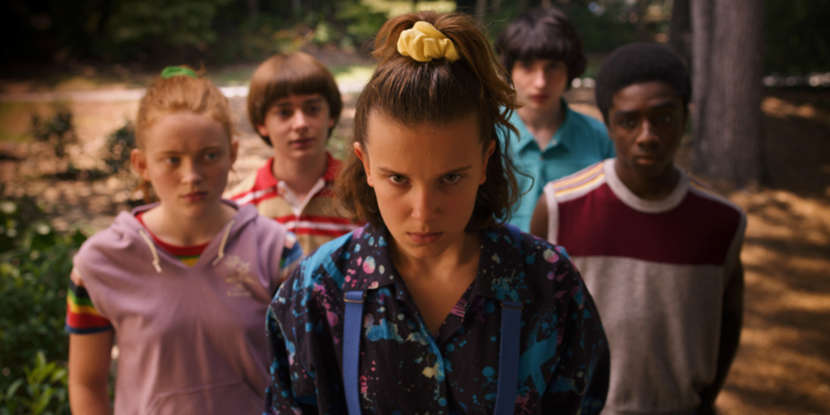
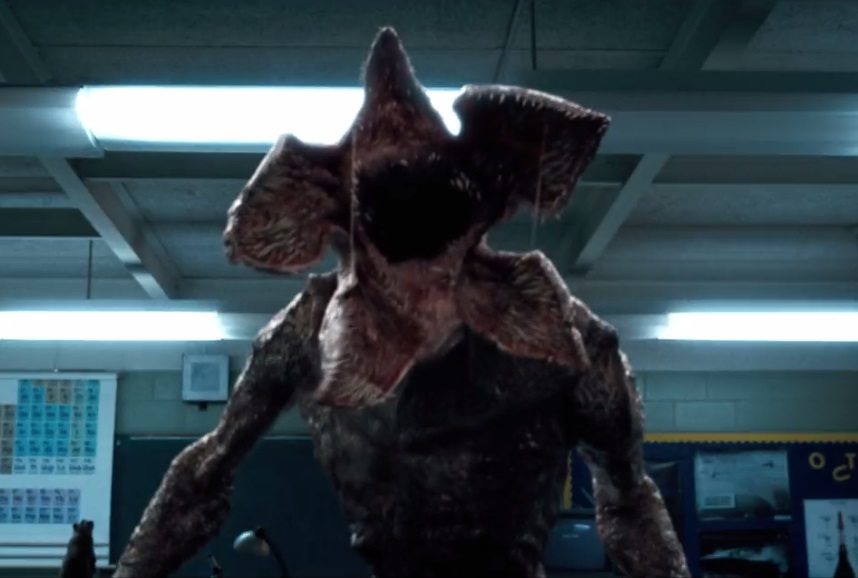
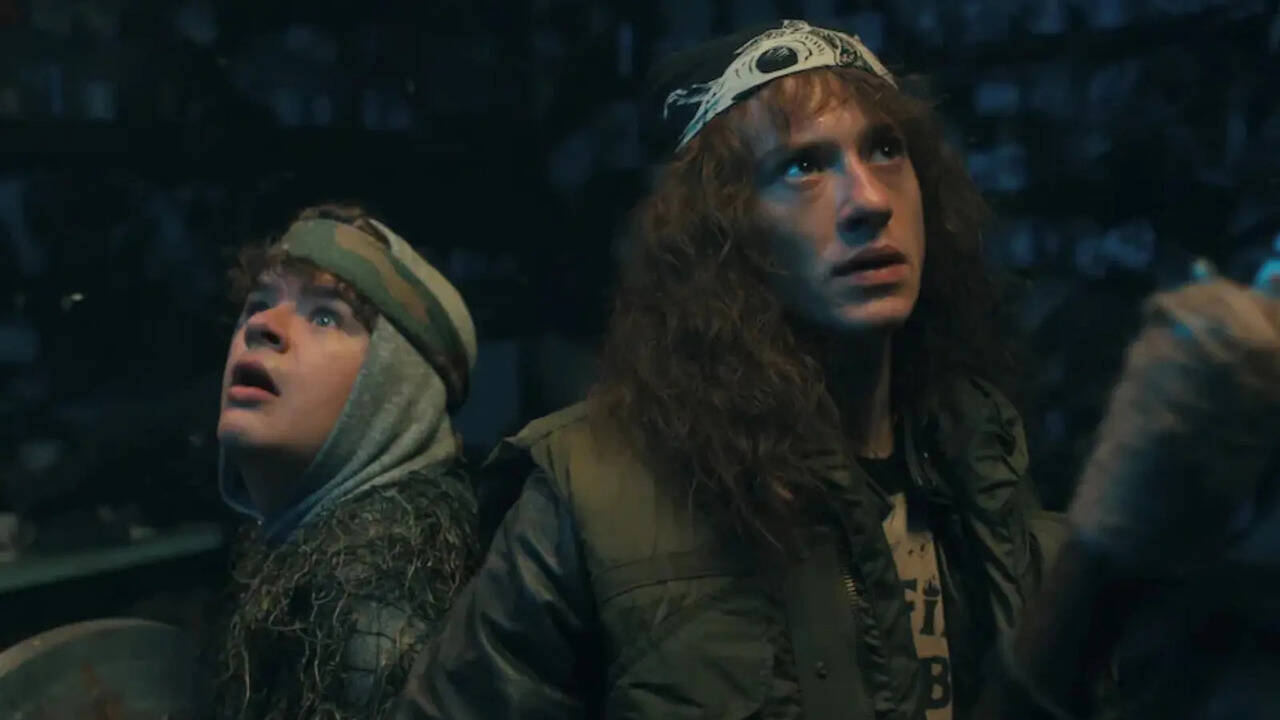
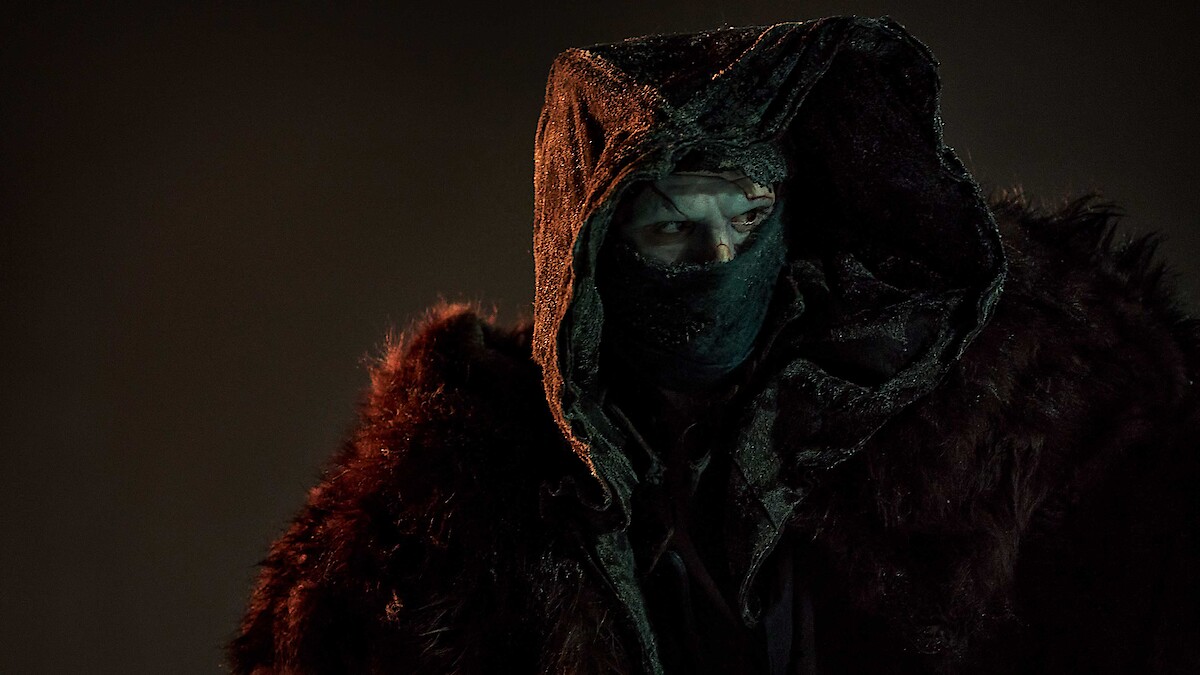
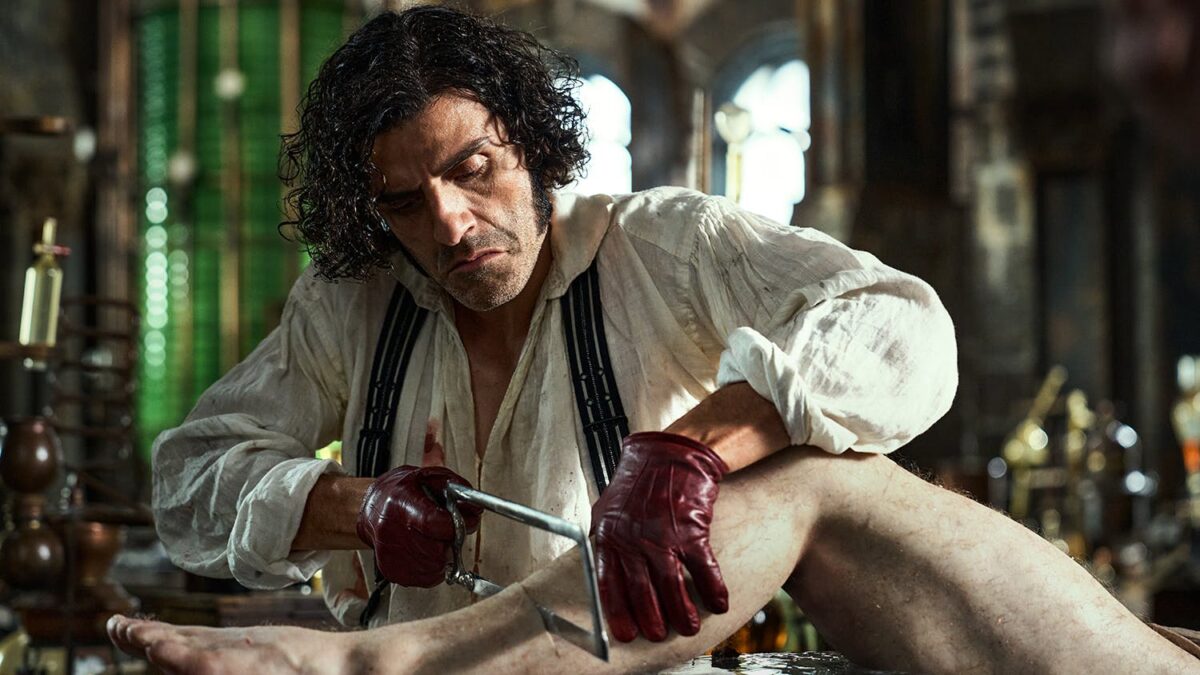
 Rhys Reviews