No one could have seen it coming when released in 2009, that Avatar would become a true global phenomenon, become the highest grossing film of all time and then essentially fading away from the cultural zeitgeist. It would take 13 years for a sequel to come, with 2022’s Avatar: The Way of Water, and the franchise returned to thunderous success, grossing over 2 billion at the global box office, becoming the highest grossing film of the year and the third highest grossing film of all time. This proved that Avatar was here to stay, the first film was no fluke, it was a franchise that the public had a hunger for, and no big gaps between sequels would stop people coming in droves to view the heroes of Pandora. Two sequels were initially announced when the first film released to major box office numbers, set for 2014 and 2015 release dates respectively.
These release dates would get further pushed back with multiple different factors facing the film, from the Fox buyout by Disney, to director James Cameron requiring the development of new technology to shoot motion capture scenes underwater, which lead to the sequels being shot from 2017 to 2020. The announcement of Avatars 4 and 5 lead to more work for the production, and lead to The Way of Water and 2025’s Avatar: Fire and Ash being shot back-to-back. Fire and Ash exist as a direct follow-up to 2022’s previous film, continuing the narrative almost instantly from where the film left off. After the death of their child, Jake Sulley and Neytiri are grieving, and threats of the RDA come back to face them and their family. Quaritch, who has become an Avatar himself when revived in the previous feature, comes across the Mangkwan, a tribe of warmongering and savage Na’vi, led by the mysterious Varang.
Sam Worthington in Avatar: Fire and Ash
There was a wave of a phenomenon known as post-Avatar depression syndrome when the first film released in 2009, a non-recognised medical condition where various viewers of the film felt unsatisfied with the real world, a disconnection with reality and a longing to live in the world of the fictional Pandora. It is understandable why people were so drawn to the world in the film, because the worldbuilding is truly the best part of Cameron’s features. An almost perfect world where creatures are in unity with nature, a utopian society which contrasts with the harsh and militarised world of the humans is a great setting to get lost in. The additions in the sequel also added a greater mythology to the world, from the spiritual afterlife to a water tribe, and Fire and Ash continue this trend by making the planet of Pandora feel even more real by adding conflict between the Na’vi. The volcano tribe of the Mangkwan are the most compelling part of this sequel, a new element for a film that feels very similar to the previous feature. They are essentially collaborationists in the war between the Na’vi and the RDA, holding grudges against the all-mother Eywa, joining forces with the enemy to bring the whole world down. Varang and her tribe don’t get much to do in the film’s runtime, but they have enough to keep them intriguing, easily setting them up to be larger elements of future films.
They’re true role seems to be to add to the eventual redemption arc of lead villain Quaritch, who was humanised in the last feature with the introduction of his son, and his conflicted feelings of being brought back as one of his enemies. He becomes one of the film’s most compelling characters, as he becomes enthralled by the Mangkwan way of life and with clear feelings for Varang, feeling the draw to become a pure Na’vi. His dynamic with franchise lead Jake Sulley is also compelling, brought together by a need to protect Quaritch’s son, Spider.
Stephen Lang in Avatar: Fire and Ash
The worldbuilding comes from the excellent visual effects that continue to stun throughout, there was a massive upscale in the effects between the 2009 film and its 2022 follow-up, but with the small amount of time between the two films, there is not much new technology at play, but everything still looks glorious. Simon Franglen’s score gives the film an awe-struck feel, helping to sell this world that still has so much to explore. It is a shame really that the film’s narrative cannot hold up to the excellent world it takes place in, as Cameron has essentially made the same film twice. If a viewer enjoyed The Way of Water, they are bound to enjoy this film as well but will easily see how both films are essentially the same feature. The introduction of a new Na’vi tribe does not do enough to differentiate a narrative that relies on cliches and playing it safe, from keeping the same villains, setting and even the same finale as the previous film, to even a predictable finale that leaves the door opening to have a fourth film which could promise to do something completely different. For a film that is clocking in at over three hours, it is extremely thin on plot, and its narrative ramps up at various times, with each act essentially ending on a sequence which could have been its own finale. It feels like the second act of a larger story, proven by the fact it was shot back-to-back with the previous film, but lacks its own signature hook or conclusive ending outside of putting all the toys back in the box for another day.
The previous film acknowledged serious change and ended on a major twist that promised no one was safe, but this film lacks those stakes, with each character feeling invincible. Jake Sulley takes the backseat of development, as the family focus on their grief and develop very little past that. Zoe Saldana’s Neytiri goes through a mourning period, becoming vengeful of humans from her hopeful past, and there is a serious consideration between her and Sulley that the audience knows will not be paid off, it’s a choice that Cameron doesn’t seem convinced himself in. The villains steal the show here, and feel like they get the most focus, when it seemed the opposite way in the previous film.
Zoe Saldana in Avatar: Fire and Ash
James Cameron had already put some work into Avatar 4, with the film rumoured to feature a time jump early on in its narrative, requiring the younger actors to film the prologue sequences during the production of 2 and 3. However, the press run of Fire and Ash has led to Cameron revealing that those sequels would only happen with the success of Fire and Ash. Cameron is attached to a film adaptation of Charles R. Pellegrino’s novels The Last Train from Hiroshima and Ghosts of Hiroshima, and an adaptation of Joe Abercrombie’s novel, The Devils, which might make him a busy man alongside the production of Avatar sequels. He has even discussed the idea of hiring a protégé to take on the franchise once he is done, which is begging the question, is the Avatar franchise soon to be done? Or is it just Cameron who wants out? Either way, Fire and Ash continue to showcase the impressive effects and large-scale blockbuster action that comes from one of modern Hollywood’s biggest franchises. It is pure blockbuster entertainment in an era where the blockbuster seems to be dying. It is not the most original film in the world, and its narrative falters in lacking anything truly new but it’s a good time at the cinema, and one can only hope for more.
Christmas movies are a staple of the holiday period, the movies designed to be watched with the family on the big day, films filled with whimsy, heart and holiday charm. Commonly characterised by comedies and dramas, films like Home Alone, Miracle on 34th Street, It’s a Wonderful Life and Elf are the most common staples of the holiday season, or films focused on fantasy elements like the multiple adaptations of Dr Seuss’ The Grinch. The horror genre is not uncommon to be included in the holiday craze however, with one of the many prototype slasher films coming as a holiday feature, in the film Black Christmas, and horror-holiday features continue to this day with films like Krampus. One of the most famous horror features set in the Christmas season would come in 1984, with the release of Joe Dante’s Gremlins. The film was released in the height of Steven Speilberg’s producing career, where most of the big blockbusters of the 80s felt like Spielberg films even when they were not directed by him, with films like Back to the Future and Poltergeist falling under this category.
Gremlins follows Billy Peltzer, who receives the mysterious Gizmo as a pet, who spawns evil members of his kind when touched with water, unleashing mischievous creatures onto Billy’s hometown. Gremlins would soon become a holiday classic, blending the worlds of dark comedy and horror under a Christmastime setting, and inspired a trend of horror creatures causing chaos on the big screen, with films like Critters and Spookies following the release of Gremlins. Demand would be made by Warner Bros for Dante to make a sequel instantly after the success of the original film, and the sequel would arrive in 1990. Not a Christmas classic in any sense of the word, it is one of the most entertaining and complex sequels made from such a lucrative property. Gremlins: The New Batch follows the same basic plot of the original film, but with a grander scale, as Billy now works in a skyscraper in New York City, where the mogwai Gizmo resurfaces, and a fresh new breed of Gremlins wreak havoc in the skyscraper.
Dante was originally against the idea of making a sequel to his Christmas classic, believing that the original told a very open-and-close narrative, and he seen the production of the original film as very taxing for him. Work on the sequel would be shopped around afterwards, with ideas being formed around bringing the Gremlins to cities like Los Angeles or even Mars. Dante would return to production of the sequel when Warner Bros returned to him with the offer of having complete creative control over the film, and budget that was triple compared to the original film. The 80s and 90s were filled with sequels, with most being seen as near-remakes of the original film but going under the motto of bigger is better. Ivan Reitman’s 1989 sequel to Ghostbusters would retread many of the same character beats of the original, resetting the characters progress so they could come apart and come back together as the Ghostbusters once again, leaning into the family friendly angle that came from the cartoon produced at the time. Chris Columbus’ 1992 follow-up to holiday classic Home Alone would do much of the same, but instead swapping Kevin and his family, leaving him home alone abroad, but still having to deal with the same robbers. Even Spielberg would not be immune to just remaking his own film, with 1997’s The Lost World: Jurassic Park coming alive with the central idea; what if there was a second island with dinosaurs on it. Dante seems to follow this trend of sequels, with the plot following the same basic concept of the original, but this time on a grander scale, but also heavily parodies sequels, and Hollywood itself.
Gremlins: The New Batch opens with a Looney Tunes animated short, directed by Chuck Jones, who had retired before being asked to return for these shorts. The opening short acts to confuse the audience, believing it’s an animated short attached to the film, and not actually part of the film, with Daffy Duck attempting to become the main character and requesting for the actual film to play once he fails to do so. The opening sets up the chaotic tone of the film, and how anarchic the film will get as it continues. The animated opening also helps set the stage for how animated and slapstick oriented the actual film becomes, as the film leaves its connection to horror behind to focus on the signature Gremlins causing chaos. A central plot thread leads to the Gremlins mutating into various forms, causing the Gremlins to become their own characters, most likely for merchandise but also to fall in line with its cartoonish aesthetic.
There is a lightning Gremlin, a female Gremlin and a smart Gremlin, who can speak full sentences. It is a rather goofy set of scenes that would not sit at home in the original feature. Satirical elements make up a large section of the Gremlins sequel, as the setting even satirises Trump Tower, with the character Daniel Clamp and his Clamp Tower clearly being a satirisation of billionaire Donald Trump. Spoofs of popular media appear all over the film, alongside spoofing cable television, which was on the rise in popularity at the time. Scenes include Gizmo wearing an outfit that resembles the lead character from the Rambo franchise, a Gremlin wearing the outfit owned by the Phantom of the Opera, or a bat Gremlin resembling the iconic Batman logo. Robert Prosky appears in the film as an actor portraying Grandpa Fred, a character from the popular show The Munsters, and the cast of the show Square One Television appear as themselves filming an episode of the show.
Meta comedy is all the rage in Hollywood nowadays, with films referencing popular culture and satirises their genres being common staple after the release of Scream in 1996, but it was certainly not commonplace in the time of the release of this Dante feature. The most meta moment comes when Dante stages the idea of the film breaking, as the Gremlins sabotage the projector and begin to engage in shadow puppets across the scene. Hulk Hogan makes a cameo appearance next as he threatens the troublemakers into allowing the film to continue to be shown, as the film continues. This scene was then reworked when coming to VHS and home media, where the scene is staged to make it look like the viewer’s VCR has been sabotaged, as the Gremlins are threatened by John Wayne instead, in a broadcast of the 1970 film Chisum, with actor Chad Everett providing voice over lines impersonating the late actor.
Hulk Hogan’s cameo in Gremlins: The New Batch
A scene also includes film critic Leonard Maltin, a critic who had heavily critiqued Dante’s original film, who retreads his thoughts on the original film inside the film’s sequel, before cutting off when being attacked by the Gremlins. There is another scene that acts as a direct commentary on the original film, namely around the rules placed on the Mogwai. The first film sets up rules, that you should not splash any water on the mogwai and you should not feed the mogwai after midnight, with this second rule leading to various fan theories. A scene in the sequel follows-up on this running ‘criticism’ of the first film, as Billy explains the rules to the staff of Clamp Tower, with the staff finding them absurd. The staff then ask the fan favourite question, whether a mogwai on a plane travelling across time zones would keep with the rule or break it, because it is always ‘midnight somewhere’.
Gremlins: The New Batch became a cult classic in the years after its release in 1990, grossing $42 million at the box office on a budget of $30-50 million, compared to the box office success of the first film, which sits at $212.9 million on a budget of only $11 million. With a higher budget, the film didn’t translate into a bigger box office haul, which put a pause on the franchise for nearly two decades. Dante would move on and find success with two more cartoon-focused features with 1998’s Small Soldiers, and 2003’s Looney Tunes: Back in Action. Dante remains focused that Gremlins 2 is his last film with the franchise, as Warner Bros has moved into the streaming era.
HBO Max series, Gremlins: Secret of the Mogwai
With the need of content for their HBO Max Streaming Service, Gremlins: Secret of the Mogwai would air on the service in 2023, with the second season, renamed to Gremlins: The Wild Bunch, airing between 2024 and 2025. The series acts as a prequel to the films, and also gaged the interest of the audience into the franchise. With the franchise appearing in various video games in the past couple of years, from crossover fighting game Multiversus, and the Lego Dimensions game, it was only time that the franchise would make a return. A Gremlins 3 is currently scheduled for 2027, directed by Chris Columbus, with Spielberg returning as producer, after being in development hell for decades. It can only hope that this film will live up to the hilarious heights of Gremlins: The New Batch, a film which broke the clear sequel roles, ushering in a new trend of meta filmmaking
Video game adaptations seem to be a new commodity for Hollywood in the wake of the oversaturation of the superhero feature, with video game adaptations moving from the joke of the industry to big moneymakers. The earliest live action adaptation of a video game for film would be the Super Mario Bros in 1993, a critically appalling movie, which hurt the video game film brand for decades. Followed by live action takes on franchises like Resident Evil, Tomb Raider, Street Fighter and Mortal Kombat, the video game movie was received as one flop to the next. However, things have changed in the 2020s, with video game adaptations going as far to be nominated for the Emmys and winning big at the box office. Sonic the Hedgehog has just finished a trilogy of blockbuster family features, with a fourth on the way, and Mario returned to the big screen with an animated feature with Illumination, becoming the second highest grossing film of 2023. Television has lit up with adaptations of The Last of Us and Fallout and will soon be joined by a revival of Tomb Raider, and a reported Assassins Creed television series. The franchise potential of gaming brands that have already got a built-in fanbase has opened the door to new attempts at Resident Evil and Street Fighter coming in 2026, and sequels to the Mortal Kombat reboot and the animated Super Mario Bros film, both also coming in 2026. One of the biggest surprises in the current video game adaptation boom came in 2023 with the release of Five Nights at Freddys.
Based on the video game franchise of the same name, the games follow the player as a night security guard as they attempt to survive five nights in a closed down restaurant, which is the home to deadly living animatronics. The horror games are designed as point-and-click thrillers, with jumpscares as the biggest release of tension, eventually expanding to bigger free-roam style games when moved to consoles. The franchise is synonymous with the expanded lore that is hidden in supplemental material and in the games itself, building a life for itself on Youtube with theories circulating in the fanbase. Bringing this simple game with such complicated lore to the big screen was no easy task, and it released a film that was mixed in its critical response. Loved by fans but failing critically, the film however grossed an impressive $297.1 million on a $20 million dollar budget and marked itself as a new horror franchise for Blumhouse.
Piper Rubio, Josh Hutcherson and Elizabeth Lail in Five Nights at Freddy’s 2
Two years later, and creator Scott Cawthon has crafted a follow-up, in Five Nights at Freddy’s 2, which follows loosely the elements of the second game in the series. Set a year after the events of the previous film, the film follows the characters still reeling from the action taken place at Freddy Fazbear’s Pizza. Vanessa, daughter of serial killer William Afton, is having nightmares about her past with her father, and Abby Schmidt attempts to regain her animatronic friends when contacted by them. However, what she doesn’t know is that there is a second Fazbear location, which holds a terrifying and secret enemy who is looking for vengeance.
Before exploring the film’s plot, specific attention must be paid to the shining light of both horror productions, and that is the animatronic suits created by Jim Henson’s Creature Shop. Jim Henson’s Creature Shop has been a longstanding effects and creature design location for Hollywood, crafting amazing suits for projects like the Muppets, Labyrinth, The Dark Crystal and the Teenage Mutant Ninja Turtles. They crafted 6 amazing suits for the original Five Nights at Freddys, and now up to almost 16 for the film’s sequel. The production design has always been the part that impresses the most about these features, and the amount of variation in each animatronics design is impressive. The film features up to three different sets of animatronics, from the ones featured in the original, the withered and destroyed versions of that animatronics and the new Toy animatronics, who are designed to be looking shinier and newer. The designs look ripped straight out of the games, and are brimming with personality, fluid movement and detailed. Even the production design of a lot of the sets is a massive step up from the previous film, with the new location featured here feeling more lived in and resembling a real-world Chuck E.Cheese.
With the positives out of the way, it is not hard to see Five Nights at Freddy’s 2 as around the same quality as the original feature. Both films seem designed to put video game references and easter eggs before crafting an actual meaningful or engaging narrative, with both films falling flat in both their dramatic and horror moments. Fans of the games will find the films fun and entertaining, with the films designed to make those fans point and reminiscence of better uses of those elements or characters, but someone looking to feel engaged in a plot or feel scared will be missing out here. The previous feature lacked any serious scares and felt more like a children’s film that sometimes-featured scary animatronics, with the film leaning heavily on its antagonists being really victims and children. This film attempts to include some scares, but they are all boiled down to generic jumpscares, and the movie takes so long to even get to the horror that it is almost a shock when those horror attempts begin. There is a lack of tension in any of the scenes featuring the villains, and the new central villain, the Marionette, becomes a use to turn characters into possessed monsters who resemble more like members of the band KISS then something horrific.
For a franchise that is remotely more about child murder, decomposing and brutal possessed monsters, it lacks any actual brutal or unsettling imagery, with every kill featured in the film feeling like something that could be at home in a children’s movie. The camera cuts when it gets to the good bit, with the only actual kills being seen when the animatronics get destroyed or hurt. The movement of releasing the animatronic killers from their pizzeria homes to the actual real world leads to some of the most humorous moments of the year, which is certainly not the point the movie was aiming for.
Matthew Lillard in Five Nights at Freddy’s 2
Character work does not seem to be the focus for screenwriter Scott Cawthon, who also created the game series, as the characters become the worst part of this film. Cawthon seems to want to be seen as a serious screenwriter, attempting to fill the film with drama, the characters are attempting to overcome their trauma, in a first act that feels slow and plodding in nature. The character work is just not strong enough to keep the boring and monotonous first act above water, with Vanessa, played by Elizabeth Lail, taking the focus as she attempts to remove herself from the trauma of her father. However, its one to thing to say that it is her arc throughout, and another thing to prove it when the film only pays attention to that character arc in a small amount of scenes, with the real role of that arc being so that they can include a dream sequence role for Matthew Lillard and set up another future villain.
Lillard feels wasted once again, appearing in only two scenes, and his Scream star Skeet Ulrich feels wasted himself, appearing in one scene that only serves to throw exposition at the viewer. Josh Hutcherson, who took on the protagonist role in the prior film, feels lost in the shuffle of this film, as his character is thrown to the background as support for Vanessa and her non-existent character journey. Abbey, played by Piper Rubio, gets a lot to do, but a lot which still boils down to replicating her role in the prior film, with the script asking you to suspend your disbelief in the smarts of a child, especially one that has already been through a life-and-death scenario such as this.
Skeet Ulrich in Five Nights at Freddy’s 2
The biggest problem with the film is how aimless it feels, it’s a sequel that seems designed to set up sequels, by throwing as many video game characters in as possible, instead of telling its own contained story. The amount of sequel set up leaves the entire narrative feeling too convoluted for its own good, designed almost to confuse people who are not familiar with the games, and are not familiar with the already complicated lore that originates from there. The film seems to be building to a massive confrontation at the FazFest event taking place, but the film just ends far away from that choreographed end. Cliffhanger endings can leave you anticipating the next entry but also can leave a film feeling unfinished and unsatisfying, and the ending of this film just feels rushed and confusing. It almost feels like the film lacks a third act, completely stuck in the second act once the animatronics come into play. It is an ending that wants to set up the future, with the writer and Blumhouse high on their supply with the almost guaranteed box office success this film will have, allowing them to just produce an unsatisfying finale that can print out more sequels.
Barrack Obama was the president of the United States when Netflix’s biggest series, Stranger Things aired in 2016, and while the show has been airing its subsequent seasons, America has gone through a Donald Trump presidency, a Joe Biden presidency and now amid Trump’s second term. It has been nearly ten years since the show began, and this year marks the final season of the show. There has been much criticism facing the show around the long wait times between seasons, as streaming series become increasingly padded in release, and as the actors who were once age appropriate for their roles, have become twenty-year olds playing high schoolers. However, it is hard to downplay the power of Stranger Things, and the immense popularity it has had since its release in 2016, and its importance to Netflix. It has been reported that the combined production cost of the newest season is in the ballpark of $400-$480 million, around $50-$60 million per episode. Netflix, the streaming giant that is well known for cancelling shows only two or three seasons into their lifespans, has threw massive amounts of money into the series that has essentially became its backbone.
The service has big series, mainly all released off the back of Stranger Things, with shows like Squid Game, Wednesday and Bridgerton being streaming series giants, but nothing compared to the cultural phenomenon that Stranger Things was. When its first season aired, it became the third most streamed season on the service and come the third season the show was watched by 64 million households in the first month of release of the show’s third season. The show’s fourth season has entered the top 10 most streamed seasons on Netflix of all-time and is one of the few Netflix franchises that have evolved past just the series. The show has launched a set of comics and novels, including crossovers with the Teenage Mutant Ninja Turtles and Dungeons and Dragons, various mobile games and appearances in crossover games like Dead by Daylight and Fortnite, and a canon stage play prequel known as Stranger Things: The First Shadow. Mere weeks before the launch of the fifth season, an animated series was announced, set between the shows second and third season, proving the franchise is here to stay.
Set in 1983, the first season opens with the disappearance of Will Byers, as he leaves a Dungeons and Dragons game with his friends and disappears into the night. His friends find a strange girl when on the hunt for him and soon encounter a supernatural being linked to another world. Will’s mother believes she is communicating with her son and brings the local town sheriff in to investigate Hawkins Lab, as the child’s brother teams up with one of his brothers’ siblings to hunt the monster themselves. The Upside Down, the other world mentioned beforehand, and the characters become the centre piece of the show, as the second season explores a larger threat coming from the Upside Down, as Will becomes possessed by the being that calls that world home. The third season hosts the Mind Flayer, the larger threat, trying to become real, as the Russians attempt to use the Upside Down to win the Cold War. The fourth and fifth season expand the scope of the show, as the expanded cast attempt to put an end to the threat faced by the military, the Russians and the Upside Down, who has revealed a new threat in the form of Vecna.
Stranger Things came out during the height of the 2010’s 1980s nostalgia movement, a nostalgia that critics have pointed out had started since the 1990s but only became more prominent in the past decade. Stranger Things owes much of its success to the films, series and iconography that it draws upon from the 1980s. The biggest inspirations clearly come from the work of John Carpenter and Steven Spielberg, and the literary works of Stephen King. The first season acts intentionally as a merging of the narratives of ET: The Extraterrestrial and King’s Firestarter. Eleven, the mysterious little girl who becomes the focus of the series, acts as a stand-in for the pyrokinetic abilities of the character from King’s novel, hunted by the government for the abilities she holds. However, she also acts as a stand in for ET, being harboured by Mike in his house, and the season features a homage to ET raising the bikes in the air in that classic feature. The characters travelling around on bikes acts a homage to both Kings’ novels, IT and the Body, which would be turned into the film Stand By Me, to the point that Warner Bros’ future IT adaptations that came in 2017 and 2019, would in turn cast one of the central Stranger Things’ child actors for a character and feature a decade change in setting to the 80s to cash in on that nostalgia started by Stranger Things. Connection in the show comes from the characters’ love of pop culture, as the show acts as not just a homage to the pop culture icons it is based on, but a celebration of those cultural touchstones.
The central boys are friends because of their love for Dungeons and Dragons, which the show derives names from for its central antagonists, and Eleven finds love for Eggo Waffles, a brand which brings her close to Mike and eventually Sherriff Hopper, in season 2. The homages to 1980s pop culture only continues to become more prominent in the shows’ subsequent seasons, with the shows’ sophomore season featuring a clear callback to The Exorcist in the possession of Will Byers. The season’s finale features more than one Demogorgon, now known as Demodogs, as a translation of the movement between Alien and Aliens. Even the casting of Sean Astin acts as a popular culture callback, known for his roles in the Goonies and Lord of the Rings, and even a Halloween episode where the characters dress as the Ghostbusters. Season 3 featured a plot which called back to films like the Blob and Invasion of the Body Snatchers, as the Mind Flayer possessed large groups of people and reformed into a sinister blob-like creature.
A heavy-handed Russian character also clearly seemed to reference The Terminator. The show’s fourth season acts an homage to Nightmare on Elm Street, with a central antagonist that can attack the characters in your dreams and nightmares, feeding on fear and trauma, and even featuring an appearance from Freddy Krueger himself, Robert Englund in a small role. Character’s connections form from their love of pop culture, but also in their love of 80s music, which becomes a driving force of the show’s nostalgia. From a duet to The Never Ending Story to the immensely popular Kate Bush sequence from the show’s fourth season, the show homages the best in 80s music to a great degree.
Homages to the 80s famous features even comes at the cost sometimes of even understanding what those films were about, as the third seasons acts as a clear homage to George A. Romero’s Dawn of the Dead. That film featured zombies in a mall, deriving metaphoric commentary around the consumerism of the 80s and how the ones who mindlessly consume products of such are just the same as the zombies featured. The show’s third season derives inspiration from the film by featuring a mall as a central location, and a final battle featuring the monster being trapped in said mall. However, the inspiration stops there, as the show’s love for the past and love for consumerist goods hits an all-time high, featuring a mind-numbing sequence where Lucas advertises New Coke to the audience, an old rebrand for Coke that was brought back as a tie-in promotion for the season. Season three also moved the show from just referencing products from the past, to featuring products that Netflix would sell themselves inspired by the show, from Scoops Ahoy to the fourth season’s Surfer Boy Pizza. The show became bigger than it could have ever imagined to be at this point, moving from the small ‘indie’ series that was a mystery to Netflix’s blockbuster show which acted as a long-running film. This could be seen as early as the second season, with the show referring to its seasons as sequels, with its second season being labelled as Stranger Things 2.
What really made the show shine, however, was how it also turned its inspirations on its head and turned character archetypes on their head. The central bully character, Steve Harrington, played by Joe Keery, becomes a hero as the show progresses, and a fan favourite character alongside that. The character was designed to die but was rewritten once the creator’s fell in love with Keery as the character. The season two-character, Billy, would take on the form of the more stereotypical bully, but once becoming part of the narrative in season two, would be featured in a smaller redemption arc. Hopper, the town sheriff, would start the series as the drunken mess who does not believe in the supernatural happenings, but would be soon developed into a multi-layered character who starts as the cliché trope because of the loss of his daughter, but believes in the supernatural once having clear proof.
The characters became iconic and fuelled fan demand, as the fanbase of the show grew and grew. Fans would get into shipping wars, from demanding the inclusion of Byler, a fan-made relationship between characters Will and Mike, to an online campaign known as Justice for Barb, after the said character died in the first season. This campaign would influence a storyline in the second season, proving how engrained the fan base was in the creation of one of the 2010’s most popular shows. The central five child actors all seemed to strike a chord with audiences, as Finn Wolfhard, Millie Bobby Brown, Gaten Matarazzo, Caleb McLaughlin and Noah Schnapp deliver exceptional performances as young actors in the first season. The show follows the same route as the Harry Potter films, as the cast age with the show and begin to develop as actors as the show becomes more emotionally complex, with season two’s Sadie Sink joining the central child actors and proving herself a talent. David Harbour’s portrayal as Hopper becomes another backbone of the show as he balances a character who is warm but also intense, emotionally guarded but incredibly loyal. This character allowed the actor to finally break out and become the star he is now, starring in films in the Marvel universe and becoming a box office draw.
Winona Ryder, who would be a draw for the show’s nostalgia appeal, starring in 80s films like Beetlejuice, delivers an exceptional performance as a mother who is willing to do anything for her son. The characters are all brimming with charm, characterised by their connection to the audience through their own love for pop culture, but also in their dynamics with each other. Representation is also an important part of the show’s later season identity, with the exploration of Will’s coming out, and the introduction of Robin, a lesbian character who has become a fan favourite. Positive representation of LGBTQ characters in popular media is still hard to come by, and this is a very positive direction for the show. The show is immensely popular because the characters are distinct and memorable, but also flexible enough to move between the show’s varying tones.
The strength of the first season is that it is easily able to balance the various genres it is composed. It can pull of the Spielberg feeling, the wonder and awe that comes with referencing those films, but the show can also pull back into being a genuine tensely horror series. Comedy comes from the characters’ relationships and camaraderie, and never from the actual scenarios or the monsters. It can balance being essentially a creature feature at times, with a smart script that keeps the audience guessing with the mystery but also keeping it fun with its science-fiction elements. Later seasons would find it difficult to balance the various genres, with many critics pointing out how absurd season three was in going down the comedy angle, with the show swapping out the autumn leaves and low scale drama for neon lights and a summer blockbuster feel. The fourth season would embrace the blockbuster angle by splitting the characters up into smaller mini-movies, with each mini-narrative harbouring its own tone and genre that makes some hard to combine. The show’s strength is that it always harbours itself in realism, with all the extended world building that the show drags out, there is always a human element to the narrative.
When crafting the show, the Duffer Brothers based their concept off MKUltra, a US project in crafting medicine and drugs that could alter human behaviour, and the show would continue to explore its narrative as being a complex combination of the 80s nostalgia explored before, and the real-world issues happening at the time. 80s films were heavily influenced by the paranoia of the Cold War, with many of the films featuring either a distrust for the American government, with the government being the villains, or a foreign enemy. Stranger Things does both, the American government being after Eleven is a common part of each season, but the Russians become a antagonist from season three onwards. The supernatural elements of the fourth season become a conflict in the town because of the current events of the Satanic Panic. The panic came about with over 12,000 unsubstantiated cases of Satanic Ritual Abuse in the 1980s, with major cases being linked to the blame of films, music and other popular culture. Season four’s newest character, Eddie, becomes linked to a series of murders that envelops him in the satanic panic movement, as he and the rest of the characters are blamed because of their involvement in Dungeons and Dragons.
Stranger Things is a cultural phenomenon that has survived a long period of time and remained able to be as popular as ever. It has nearly been ten years since the show first aired, and it is hard to argue against the fact that the show is probably the most famous show of the 2010s. It owes so much of its success to the films, music, television and games it takes ideas from, as its homages so many popular media, but it brings enough of its own twists that it stands on its own. The characters are memorable, becoming much as part of popular culture as the films they have based them on, and the mythology crafted for the show is rich enough to become important. 2025 marks the end of the show, but with promises of a spin-off series, a rumoured anime and the animated series premiering next year, the story is far from over.
Cynthia Erivo and Ariana Grande in Wicked: For Good
There have been various adaptations of L. Frank Baum’s novel The Wonderful Wizard of OZ since its release in 1900, from the 1974 stage version known as the Wiz, the NBC television series known as the Emerald City, or the iconic 1939 film that has become synonymous with the property to this day. One of the most bizarre takes on the material came in 1995, with Gregory Maguire’s novel, Wicked: The Life and Times of the Wicked Witch of the West, which reinvented the story of Oz through the eyes of the Witch herself, renamed Elphaba. The novel was more adult focused in its storytelling, with some of its sequel books, 2005’s Son of a Witch, 2008’s A Lion Among Men and 2011’s Out of Oz, being described sometimes as ‘edgy’ in content. The children novel made by Baum was reinvented in one focusing on themes of terrorism, racism, nature versus nurture and propaganda. The fact that this novel would be then turned into the second most popular Broadway musical of all-time would surprise anyone, with Universal Pictures acquiring the rights for a film adaptation of the novel, with actresses such as Demi Moore, Nicole Kidman and Whoopi Goldberg rallying for the lead role, before composer Stephen Schwartz convinced the studio to pivot to musical theatre.
Opening in 2003, the musical has become the fourth-longest running Broadway show in history and opened the door for Universal to once again become interested in adapting the musical now to film. Plans started all the way back in 2011, with director Stephen Daldry announced to direct in 2016, with Lady Gaga and Shawn Mendes rumoured to be up for major roles. Daldry left the project by 2020 after major setbacks in production, with the film missing various release dates in favour of Universal releasing films like Cats and Sing 2, alongside the COVID-19 Pandemic stalling production. 2021 hit the news that Jon M. Chu boarded as director, and the film finally hit theatres as part one of two in 2024, starring Cynthia Erivo and Ariana Grande. A year later, and the idea of splitting the musical adaptation into two films, one adapting act one, and one adapting act two finally shown the light of day, as Wicked: For Good has opened worldwide.
Jonathan Bailey and Ariana Grande in Wicked: For Good
Adapting the second act of the play, Wicked: For Good follows after Elphaba found out the truth of Oz and the Wizard. Now with a rift between her and her best friend Glinda, the two begin to embrace their roles as The Wicked Witch of the West and Glinda the Good, as the film depicts the last days of the Witch, and eventually overlaps with the arrival of Dorothy as the events of The Wonderful Wizard of Oz takes place.
The original film became a cultural phenomenon when it was released a year ago, finding itself on various best of the year lists, the music trending all other social media and the film finding itself nominated for ten Academy Awards, including Best Picture. The film was not immune from having various faults showing through, the direction is very work-like at times and the colour palette is very dull and muted until the film’s glorious conclusion, but was filled with whimsy, charm and a wonder that made it popular. The film closed out the same way Act One of the plays does, with a triumphant rendition of Defying Gravity, a climatic moment that leaves the film off with a sense of wonder, all the film’s faults leaving the minute the song hits. Going into For Good, the film was in a good place, left on a wonderful hook, with massive boots to fill, but the film really fails to grasp the potential it could have. For Good picks up in the middle of the action, lacking a clear three-act structure, instead having a various number of events happening in a row because the plot demands it and because the book it is trying to connect to has those events happen. It has been long debated that the second act of Wicked is where the play faulters, and it really shows here in this adaptation.
Splitting the play into two films leaves the first film with the fun and the whimsical aspects of the story, and the second film with the dull and contrived. Every character in the narrative must become a character from the original novel, and most of them feel shoe-horned in, in a movie overstuffed with continuous contrived plot elements. It is a tonally confused film, trying to both handle the characters it had introduced in the original film and then also addressing the events of Baum’s novel, and attempting to turn that childlike wonder from those books into serious plot elements. The addition of characters like the Cowardly Lion, The Scarecrow, Dorothy and The Tin Man feel shoe-horned into the narrative, less like they are part of the story and more like ticking boxes to signal the classic elements missing from the prior feature. The prior’s film left off in such a way that it did not even need a sequel, it tells a completed story that could have lead into the events of the 1939 original film, and this film lacks that satisfactory open and close, lacking any substantial character arcs or natural plot progression, everything happens in a rush to get to the ending, and because it needs to tie into the original novel.
The three central performances of the original film continue to impress. Cynthia Erivo, Ariana Grande and Jonathan Bailey are the highlights of the film in their roles as Elphaba, Glinda and Fiyero respectively. Erivo and Grande received Academy Award nominations for Best Actress and Best Supporting Actress for the previous film, and for good reason, they are incredible in both these films. They share wonderful chemistry in their scenes together, and some of the few charming and humorous moments from the dreary film come from their moments together. Bailey is a Bonafide star, he commandeered the screen in his small number of scenes in the first film, and this film turns him into more of a serious star, and gives him a more sizeable role, but he is easily able to hold his own here. One of the major problems with this film is that there is no song featured here that can rival any of the songs featured in the original, and no song that can hit the same heights as Defying Gravity.
Jeff Goldblum, Cynthia Erivo and Ariana Grande in Wicked: For Good
‘No Good Deed’ and ‘For Good’ are both songs that attempt to hit those heights and fall short but are easily the highlights of the film’s soundtrack, and ‘Wonderful’ feels like one of the only musical numbers that attempts something visually distinct. The three central performers do wonders across all the film’s tracks, even if the songs aren’t as memorable as the ones featured in the original. The appearances of Michelle Yeoh and Jeff Goldblum continue to provide small problems for the films, similarly to the first feature, as Yeoh delivers another confused performance as Madame Morrible. Both performers are not as gifted musically as the other stars, which leaves their musical numbers as feeling awkward and stilted.
The tone of the film is incredibly sombre and serious, leaving the whimsical nature of the first half behind for a film which feels ridiculously unpleasant to watch at times, taking it so serious at points and ending up with some elements feeling humorous accidentally. The biggest problem of the original feature came from Chu’s direction, which was lacking visual creativity, and looking washed up and grey in the lightning and colour grading department. It was a visually dull musical, which is the last thing a musical really should be, and this film matches that visual dullness with a dull narrative and tone as well. The colours of the film are washed out and incredibly dark in the lightning department, and the musical numbers lack any creativity visually. There are no big set pieces, with each musical number essentially being two characters singing at each other in flat shot-reverse shot or long takes. Chu can do interesting looking musical numbers, he showed it off in 2021’s In The Heights, but he fails to showcase those directing skills here.
Cynthia Erivo in Wicked: For Good
Wicked: For Good just pails in comparison to its predecessor, it is a film attempting to justify its existence in reinventing moments that have been done in the original text and the iconic 1939 film. Wicked left on such a triumphant note that the change to a sombre tone for the sequel leaves the film feeling like an unpleasant watch, as the great performances from Bailey, Erivo and Grande get lost in the shuffle of middling music and a horrendous colour palette. The problems that shown up in the prior feature are only more apparent here, as Chu fails to deliver a visually spectacular film, leaving off with a muddy and grey film which looks at home with a funeral.
The 2003 South Korean feature film Save The Green Planet was formed from two separate instances in director Jang Joon-hwan’s research. Firstly, his criticism of the lack of development for Annie Wilkes in the film adaptation of Stephen King’s Misery, resorting if he ever made a kidnapping film, it would be from the kidnapper’s perspective. The second half of his idea would come when he saw a crack website theory that Leonardo DiCaprio was secretly an alien invader who wanted to conquer the planet by seducing the earth’s population of women. An American remake of the 2003 film was in the works from the global pandemic, with the original director attached, Ari Aster on board to produce and Will Tracy adapting the screenplay. The big changes that would come from this new screenplay was the decision to gender swap the leading kidnapping victim from male to female and replace the kidnapper’s accomplice from his girlfriend to an autistic cousin. The gender swapping decision would be Joon’hwan’s final involvement in the film, as he dropped out and would become an executive producer instead, being replaced by director Yorgos Lanthimos.
Lanthimos was a perfect director for the material, a director who has a satirical and dark-comedy edge to most of his material, dealing with dark subjects in a way that never feels too heavy. Starting in experimental theatre, he made his directorial debut in 2001 with My Best Friend and broke out as a director when 2009’s Dogtooth was nominated for the Academy Award for Best Foreign Language Film. His immediate move to American-language features came to an immense success, with films like The Lobster, The Favourite and Poor Things leading to vast academy nominations across the board and leading to best actress wins for Olivia Coleman for The Favourite and Emma Stone’s second win for Poor Things. Poor Things was a smash-hit, receiving 11 nominations and winning 4, and Bugonia would be seen as his big next feature, after his anthology film, Kinds of Kindness in 2024.
Jesse Plemons in Bugonia
Bugonia follows the same plot threads as the original South Korean film, following two conspiracy theorists who kidnap a powerful CEO, who they believe is secretly an alien who wants to destroy the planet. The kidnapping becomes more convoluted when the family members fail to trust each other, and revelations come to light about the CEO’s connection to the kidnapper’s dying mother.
The main draw of Bugonia is the excellent dynamic between kidnapper and kidnappee, with Jesse Plemons, Emma Stone and Aidan Delbis all delivering excellent performances. The strength of the script comes from the tension built by the reliability of all three characters, the movie keeps you guessing throughout whether Stone’s CEO is truly an alien or not, and whether Plemmons and Delbis are just insane conspiracy theorists. Outside of some backstory-filled flashbacks, the film is contained mostly just to the kidnapper’s house, but the film is above to drive so much out of one location with some excellent visuals from cinematographer Robbie Ryan. The film is colourful and bright while telling its bleak narrative, eye-popping visuals contrasting with the mundane nature of the setting, and the truly sad story on display. Ryan worked on Lanthimos’ previous three features, so it is only natural that he was able to continue bringing his eye-catching visuals to this narrative.
Aidan Delbis makes his film debut for this feature, submitting his own self-tape while he was still in the final year of high school. For a first-time actor, Delbis puts across an incredible performance, a performance and character that feels like the heart of the film, a meeting point between the conspiracy nut and the out-of-touch CEO. Lanthimos described his performance as the soul of the movie, he is the voice of reason who balances out Plemons’ unhinged performance, a simple but effective role in showcasing humanity in a world based around acting out of emotion. The fact that he can hold his own against such seasoned performers like Jesse Plemmons and Emma Stone is a testament to his natural acting ability. Emma Stone has starred in four Lanthimos movies so far, following her roles in The Favourite, Poor Things and Kinds of Kindness, and got her acting start mainly in comedic roles, with films like 2007’s Superbad, 2009’s Zombieland and 2010’s Easy A. Her roles have always been linked to her natural charisma, her comedic sensibilities and a level of empathy that have led to her blockbusters like 2012’s The Amazing Spider-Man, but this role uses those sensibilities to deliver a multi-layered performance that keeps the audience guessing.
Jesse Plemons and Aidan Delbis in Bugonia
There is always something off with her throughout, like an alien wearing a human’s face, a sense of dullness mixing in with her natural charisma and empathy. Her performance can be cold and frightening one minute, and then warm and empathetic the next. The film constantly feels like Plemons and Stone matching each other’s confusing performances and trying to one-up another. Plemons has made his career through supporting roles mainly in television series, including Breaking Bad, Fargo and Black Mirror. Once moving to feature films, he would commonly be typecasted in roles of characters that were commonly unnerving and sometimes creepy, which is what he played in his first collaboration with Lanthimos, in Kinds of Kindness. Plemons plays on this typecasting again here, down to even the greasy hair, the unkempt facial hair and his maniac body movements, but the film humanises him through his dynamic with Delbis’ character, keeping the character relatable enough so he can be still seen as a protagonist.
His tragic past with his mother, blaming her illness on Stone’s CEO character introduces a wrinkle to the story, humanising Plemons but also dehumanising Stone at the same time. The best scenes of the film come from the two characters bouncing off each other, with Plemons shouting out conspiracy theory rhetoric while Stone pleads for her life and tries to end things peacefully. Will Tracy’s script is incredibly effective in leaving both characters feeling inhuman but also human at various points, it is what an effective thriller should really be, keeping the audience guessing as they must play along. There is a clear critique of the upper class across this film, bordering on some rhetoric of eating the rich, but also some clear criticism of internet-dwelling conspiracy theorems.
There is a level of Lovecraft sensibilities to the plot as well, with the major conspiracy focusing on the alien’s controlling society and dumbing down the masses, almost like John Carpenter’s They Live. The biggest message that the film pays service to however is an environmentalism message, blaming the upper classes for the engagement of animals and the loss of habitats. Frequent shots of beehives hammer home this message, and the title even derives its meaning from the belief that bees could arise from the flesh of a sacrificed bull. This could dwell on either meaning, that the aliens must die to save the population and nature itself, or the Earth will become a better place for animals once the aliens wipe us out.
Emma Stone in Bugonia
Bugonia is an effective thriller throughout, a film which hides its true tone in its dark comedy genre, as it relays an increasingly saddening story. Jesse Plemons, Emma Stone and Aidan Delbis make up an entertaining trio of actors to follow, as the fantastic script by Will Tracy and Lanthimos’s superb direction allows the film to drive the most out of a contained narrative. The most effective part of it is the fact it constantly makes the audience question every character’s motive, and if they are telling the truth, and when the answers finally come, they are incredibly rewarding.
Various characters throughout history have become almost mythological, so contained in culture that every generation will know about them, even if they have never read the original story they were formed from. From Dracula to Pinocchio, Sherlock Holmes to the Peter Pan, or one of the most adapted monsters of all time, Frankenstein’s Monster. The character originates from the 1818 gothic novel that shares the name with the character, also known as the Modern Prometheus, written by Mary Shelley, who published the novel anonymously, until attaching her name in a re-release in 1821. The novel follows the life of Victor Frankenstein; a scientist obsessed with conquering death and creating life. In the process of understanding life, the scientist brings together remnants of dismembered corpses and brings to life an amalgamated corpse that plagues him throughout his remaining life. The first film adaptation of the monster would come in 1910 by Edison Studios, a silent film which was lost to time until being found in the 1980s. After another silent era film in 1915, the Monster would come back to the big screen in his most famous cinematic endeavour, portrayed by Boris Karloff in 1931’s Universal Pictures’ Frankenstein.
Separating the events of the books between the film and its 1935 sequel, Bride of Frankenstein, the films took liberties with the material and turned the monster from horrific victim-turned villain, into a brainless monster who was more of a victim than an antagonist. 1939’s Son of Frankenstein would be the last time the most iconic version of the character would be portrayed by Boris Karloff, the franchise moving into crossovers with characters like Dracula, The Wolf Man and comedians Abbott and Costello. British versions of the character would come in the Hammer horror series, beginning with The Curse of Frankenstein in 1957, and ending with Frankenstein and the Monster from Hell in 1974. Future cinematic depictions of the monster would use both the Universal Pictures version and the Hammer Horror version as a basis, creating films based on film original characters like Igor or The Bride, or depicting the character as either a tragic hero or a mindless monster, far from the horror character from the text.
Oscar Isaac in Frankenstein
Kenneth Branagh’s film, known as Mary Shelley’s Frankenstein, would follow the success of Bram Stoker’ Dracula from Francis Ford Coppola, releasing in 1994. The title would be deceiving however, as the feature would differ incredibly from the novel, even with the author’s name attached. The original script for the feature was helmed by Frank Darabont, who would go on to direct features like The Shawshank Redemption, and a script that Guillermo Del Toro would describe as a ‘pretty much perfect’ script. Del Toro had made his interest in directing a Frankenstein adaptation known for decades, first stating in 2007 and was then announced to be part of a three-year picture deal with Universal Pictures, making the film alongside Dr Jekyll and Mr Hyde, Slaughterhouse-Five and Drood. None of these films would come to fruition, with Del Toro’s Frankenstein film being paused once Universal Pictures transitioned their Universal Monsters characters into their Dark Universe shared universe. The project was finally revived in 2023, when Del Toro signed a multi-year deal with Netflix to release films on the service, and the success of his animated Pinocchio movie allowed him to get the funding to finally craft his dream feature. Beginning a limited theatrical release on October 17th 2025, and finally released on Netflix this November, Del Toro’s Frankenstein is released on the world after so many years in development.
Del Toro’s film opens in the same way that the novel opens, a ship gets stranded in the Arctic and the crew pick up a badly injured Victor Frankenstein, who is being hunted across the frozen wasteland by his creation. Once free of the monster briefly, the movie conveys its narrative through Victor telling the ship captain his past but also allows the film to separate the film in half. Separated as chapter titles, the film begins as Victor’s recounting of events and then switches to the Monster’s own perspective. This matches the film’s character exploration and its use of the unreliable narrator, Victor is a troubled character across this film, the film very heavily handily says at a certain point that he is the true monster, and the film conveys this by showing the differences once it switches perspectives. Victor sees the world one way, and some relationships one way, but they are revealed to be figments of his imagination once you get the Monster’s more streamlined and simplistic perspective. Del Toro conveys the narrative as more of a gothic tragedy, for both the monster and Victor, as he picks up the sympathetic portrayals of the monster from the Universal features.
Jacob Elordi and Mia Goth in Frankenstein
Jacob Elordi’s performance in this film will be the thing that will be talked about most after the film has been on Netflix for years, and it is only right. Elordi disappears into the role, proving himself an incredibly capable actor, and even more impressive when he was the second choice for the role after Andrew Garfield departed the role. There is an innocence to the character that he can portray, as he learns the world for the first time, and the movie makes you feel for him as he faces abuse at the hands of his creator. However, what the film also manages to balance that many versions are unable to, is making him scary as well. Elordi’s massive height allows him to be both a gentle giant but also a towering presence, a force of nature who becomes consumed by vengeance and loneliness. There is something so sad about the character, as he struggles with becoming the thing he is told he is, and how experiences life’s struggles, not its strengths.
Most of his abuse comes from his creator, who features in one of the film’s biggest changes from the novel, as Victor keeps the monster after his creation, rather than almost instantly leaving it to go on the run. This brief time with the monster becomes important, as his ego comes to full effect as he moves from protective father to an abuser, who repeats his father’s mistakes. Oscar Isaac brings a level of gravitas to this multi-faceted character, keeping the character from falling too far down the villain category. He is a tragic figure, who contains the film’s messages around nature versus nurture, the power of nature when trying to play God, and generational trauma. The film takes its time in building Victor as a character, with an incredibly slow-paced opening act which explores his childhood and how he brings the monster alive, enough time to give the character enough backstory to make him sympathetic. Isaac can play much with the ego of the character, and his obsession with science and controlling life and death, coming from a personal history with death.
Oscar Isaac in Frankenstein
His trauma from being abused by his father is passed down to the monster, as the film makes you sympathise with both characters for their shared trauma and the constantly continuing cycle of hurting the other. Elordi’s Monster doesn’t want to feel alone, shown in a translation of a scene from the book, where he demands Victor to make him a bride, which comes across less threatening and more desperate in this version. The refusal to give him a companion is the final nail in the coffin for him, as his creator refuses to allow him to live and feel happy, resorting instead to succumb to his monstrous appearance and inflict the pain he also faced. This slow-paced opening allows great exploration into some of the minor characters, with a specific memorable performance coming from Christoph Waltz. Mia Goth’s role as Victor’s brother’s fiancée, and as the romantic connection for Victor, is a slightly underdeveloped part of the narrative, but later narrative reveals showcase the purpose for this. Her tenderest moments come from her interactions with the Monster, the one character who is not scared of his appearance, her role seems to bring a level of humanity to the monster, tender moments that bring warmth to a very serious film.
The film feels like almost a culmination of Del Toro’s career so far, from his early work with Cronos and The Devil’s Backbone, to more contemporary work like Pan’s Labyrinth and Crimson Peak, Frankenstein feels like all the elements of those features put on as a final display. Del Toro feels drawn to monsters throughout his films, with films like The Shape of Water showcasing the beauty and humanity of what is seen as monstrous, and the tragic tale of Frankenstein’s Monster just climaxes that draw. His films have always had a level of gothic backdrops to them, his use of shadows and muted colours have always been a draw, and his look at fantastical technological in a world grounded in moody backdrops. The locations in Frankenstein invoke the gothic backdrops of Crimson Peaks and reflect the visual look of Hammer Horror and Universal Monsters takes on the characters. The production design of the film is immensely impressive, with fantastic costuming and an incredible attention to detail in the use of Mia Goth’s character in makeup. Del Toro has always had a great control over the camera, and expresses great confidence in direction, and paired with the excellent cinematography by Dan Laustsen, the film looks fantastic. The final sequences where the film finally shows how the Monster and Victor came to the arctic showcase some of the best-looking visuals across the film, as the frozen landscape showcases their slow chase and the sun shines down on them in beautiful shots.
After so many years in development, it could have been easy for Del Toro to deliver something messy and disjointed with all the versions that probably existed over the years, but he has instead delivered a film that feels like a culmination of his work. Frankenstein is a moving piece of cinema that looks at generational trauma, with all the gothic and drama elements pulled from Mary Shelley’s original story. There are clear changes made across the film from the text, but they are all in service of a grand story, a story which still feels the same in its soul as the original text. Jacob Elordi proves himself an incredible talent here and will be the most memorable part of this film for sure.
Director Chris Stuckmann started his career in the film industry by being one of the earliest film reviewers on video-sharing website, Youtube. Starting on the website in 2009, the film critic has gained over 2 million subscribers and over 779 million views, marking him as one of the biggest online critics. His career on the website has allowed him to focus on other big projects, from releasing two film-focused books and directing the short film, Auditorium 6, in 2017. In a controversial video released in 2021, Stuckmann revealed that he would be cutting down on his film-reviewing content, and he would stop reviewing films that he did not enjoy. His content would transform instead into informative videos on filmmaking and the work behind the camera, and his reviews to something more positive, focused on what he likes about new releases. This change was marked with the news of the film reviewer making the jump to becoming a full-fledged director, with Stuckmann stating it would not be fair to be a filmmaker who criticised other filmmakers. With the dawn of Youtube, there was bound to be a large movement of Youtubers making their way onto the big screen, with mixed success, from 2010’s Fred: The Movie and its sequels, to 2015’s Smosh: The Movie. In the years following however, there has been a clear movement of Youtubers making their way behind the camera rather than in-front, and to large success. From David F. Sandberg being able to get a career making films for Warner Bros, to Danny and Michael Philippou moving from their youtube channel RackaRacka to big screen horror features like 2022’s Talk To Me and 2025’s Bring Her Back, Youtube filmmakers are becoming common place, and it is only more impressive that Stuckmann could make the jump himself.
This film debut would come in the form of horror feature Shelby Oaks, which has finally released in cinemas this Halloween. Initially an independent feature, which was crowdfunded by Kickstarter, the film drew in a massive amount of support, becoming the most-funded horror film ever placed on Kickstarter. Its world premiere was held in 2024, at the 28th Fantasia International Film Festival, where horror director Mike Flanagan would come onboard as executive producer, and, after another screening, film distribution and producer company Neon would come onboard and would fund substantial reshoots. The film serves as a continuation to a set of short films Stuckmann released, focusing on an online paranormal investigation team known as the Paranormal Paranoids. Shelby Oaks sees a woman searching for her sister, who went missing during the production of an episode of the Paranormal Paranoids, when investigating the abandoned town that shares the film’s title.
Sarah Durn in Shelby Oaks
Stuckmann’s debut starts out with great promise, pre-title drops, the first 30 minutes set a mood and a central intriguing mystery that the rest of the film can very clearly not deliver upon through its full runtime. The film has been advertised as a found-footage feature, and was labelled as so when initially announced, and the first act delivers on that, but once the title sequence drops, the real film begins. The best moments of the film are the eerie and creepy found footage of the Youtube ghost-hunters, as they encounter a sinister threat. Stuckmann delivers excellent scares which sometimes fall back on jumpscares but are more commonly based around mood and tension. Exposition is conveyed in a mockumentary style, which delivers on all the backstory required and setting up a mystery that engages the viewer. Found footage has always been a effective new horror sub-genre, conveying a realism that some horror features lack, and the simplicity of the scares help the terror feel real and palpable.
This opening good will only take a movie so far however, as the movie transitions into becoming a standard horror feature that stumbles and falls in attempting to answer its mysteries. Stuckmann’s film seems more concerned with building horror and tension, and showing off his impressive directorial talents, and lacks clear focus on delivering worthwhile characters or dialogue. Camille Sullivan does what she can with a script that doesn’t seem to concern itself with her or her character, as the downfall of her relationship with her character’s husband seems to just rely on cliches rather than to build anything worthwhile or dramatic. Cliches plague the second half of Shelby Oaks, from a sequence of the main character going the library to research the plot, a husband that does not believe the central supernatural events, or a scene with Keith David, who only serves to be a clairvoyant character who hands the plot reveals to the main character and the audience.
Keith David in Shelby Oaks
The film is clearly inspired by various other horror features, and uses various scenes, plotlines and scares as blueprints to transport over. It feels like a disjointed combination of Rosemary’s Baby, Hereditary and The Blair Witch Project in particular. Even the use of an online campaign where the advertisers are pretending that the events of the film are true and delivering more footage and theories on a website harkens back to the marketing campaign for The Blair Witch Project. The central tagline of ‘What Happened to Riley Brennan’, also seems to share a lot in common technically to ‘Who Killed Laura Palmer’ from David Lynch’s Twin Peaks series. These inspirations plague that second half of the film and leave the film feeling predictable and unoriginal, and its only hurt more by an underwhelming finale that gives the film’s central mystery out on a whimper. As a directorial debut, the film feels like an entertaining B-movie that wants to be higher, but the third act strives for something grander and more metaphorical, that the film has not earned at all. It feels A24-lite, but in a way that is incredibly unsatisfying, and seems to be engaging with Stuckmann’s time as a Jehovah Witness during his youth, but this is not developed at all.
Shelby Oaks is a film fighting against itself, between an original mockumentary with clear tension and emotions, to a derivative and cliché supernatural feature with worrying special effects and a mystery that feels disjointed and not thought out at all. Things happen for seemingly no reason, as the plot races to the finish line with no time to stop and breathe, the only lights to be shown being the found footage sequences that still rear their head in the second half. The film is a good showcase of Stuckmann’s directorial talents, and it can only be hoped that he can continue after this, maybe with a screenwriter on hand to work on a script that can match his eye for visuals.
The Pirates of the Caribbean movies were a lightning in a bottle for live action Disney projects, films that lit up the box office in a dry period of Disney’s live action attempts. The studio would come to purchase Marvel and Star Wars to bolster their live action output, and their live action remakes of beloved animated classics would bring up their numbers, but Pirates brought Disney the idea that they could replicate that success. Through the 2010s, and even moving into the 2020s, Disney would make multiple attempts to create successful live action franchises that could stand alongside Marvel and Star Wars. From the Dwayne Johnson-starring Jungle Cruise that was released during the COVID-19 lockdown, to the box office bomb John Carter in 2012, and even the Johnny Depp-starring Lone Ranger from 2013, which the studio marketed thoroughly, included the characters in their crossover game Disney Infinity.
The most notable live action attempt however would come in 2010, with the release of Tron: Legacy. A sequel to cult classic film Tron, released in 1982, the film followed the events of that film by seeing lead character Kevin Flynn, played by Jeff Bridges, becoming lost in the Grid, a virtual reality game he had created. His son would follow him into the game many years later and help stop a rogue AI from escaping the game. Though not being as much as a box office bomb as the original film, the film was only a moderate success and would only become popular in the years following release. The overall franchise has become a cult classic and spawned comic book follow-ups and a Disney XD animated series, which ran for a season. The popularity comes from the visuals that stand out from the normality of Hollywood visuals, from the white and game-like visuals of the original to the neon and colourful look of the 2010 follow-up, and the immensely popular soundtracks that come from Wendy Carlos and Daft Punk.
Jared Leto in Tron: Ares
A Legacy sequel has been in the works ever since that film became a cult film and was in production until being abandoned in 2015 after the failure of another Disney live action attempt, Tomorrowland. Tron was finally back alive again in production by 2017, when Jared Leto boarded the project as lead star and producer, moving the project from a direct follow-up, to instead a soft reboot which would strike out on its own narratively. After swapping directors and production designers in the years since, the film has finally hit the big screen eight years after initial announcement, as Tron: Ares. The film follows Leto’s character Ares, an AI from the Grid, created by tech billionaire Jullian Dillinger, who has cracked the code on bringing AI programs into the real world and back. Using the programs to make money with the armed forces, his plans go wrong when Ares goes rogue.
For fans of the Tron franchise, the film’s lack of continuing key storylines and bringing back the lead characters of Legacy will hit hard as a negative, but the film continues the franchise’s core focus of music and visuals. The movie is worth the price of admission for the music by Trent Reznor and Atticus Ross, who make up the band Nine Inch Nails. The rock band has made a prominent movement into film soundtracks since working with David Fincher on The Social Network in 2010, as frequent collaborators on Finchers’ releases since then, alongside director Luca Guadagnino. The music works hand in hand with the visuals to give the movie a futuristic mood, a sense of gravitas and awe that matches the visuals of the previous features. As a visual focused movie, the film however lacks its own identity outside of just copying designs and visuals from the previous film. The visuals are impressive all the same, but the jump between the original film and Legacy came from the change in the visual style, and this lack of originality in the visual department makes this film feel lesser in some ways. Legacy was directed by visionary big budget director Joseph Kosinski, director of F1 and Top Gun: Maverick, and brought his own special-effects history to the franchise, crafting a unique visual style. Joachim Ronning, a director who seems to be contained to just making sequels for Disney, delivering films like Pirates of the Caribbean: Dead Men Tell No Tales and Maleficent: Mistress of Evil, seems to be more of a work-for-hire gig here, lacking any clear unique visual style.
Greta Lee in Tron: Ares
The plot of the film is relatively simple, it is essentially a fetch quest to obtain an item to save the day, and that would not be negative against the film if the lead characters were not all incredibly uninteresting. The previous features did not have the most compelling or complex narratives, but they survived on likeable leads, a pleasant score and incredible visuals. When those likeable protagonists are stripped away, it is easy to see the flaws in the script and the lack of creativity. After receiving critical acclaim as the lead of 2000’s Requiem for A Dream and then receiving an Academy Award for 2013’s Dallas Buyers Club, Jared Leto has become a hot commodity for Hollywood.
His franchise roles however have been less impressive than ever lately, from his panned performance as the Joker in 2016’s Suicide Squad, and then the 2022 box office bomb Morbius, and his performance as Ares here continues to show this lack of passion for the actor in franchise roles. His performance is incredibly flat, and when the AI starts to gain a conscience, he continues to act the same without any added personality. The lead is uninteresting, and his performance makes him even more unlikeable, and it does not help that he shares zero chemistry with co-star Greta Lee. Lee just gained prominence from her starring role in the Oscar-nominated Past Lives, and she feels lifeless here, lacking any central charm as she sleepwalks through her dialogue. Evan Peters’ antagonist, Julian Dillinger, is the highlight of the cast, capturing a spoiled rich nepo-baby fantastically, Peters has the charisma for a franchise like this, and it’s a shock he wasn’t considered for the lead role instead.
Jeff Bridges in Tron: Ares
The film’s narrative just suffers incredibly from its lack of originality, mixing its plot points from the previous Tron films and then throwing in other film influences throughout. The second act feels increasingly like it is inspired by T2: Judgement Day through the interactions between Ares and his new found allies, but Leto’s delivery doesn’t do any wonders like Arnold’s did in that feature. The fetch quest featured in the film feels like it only exists to dwell in nostalgia in a drawn-out scene which brings back Jeff Bridges as Kevin Flynn, a nostalgic sequence that seems out of place in a franchise such as this. The goal of the movie seems to remind the audience of the previous feature, and the sequel that would never come. The soundtrack and visuals are fantastic as expected, but reminding the audience of another film only leads to being reminded, you could just be watching Legacy instead.
Dwayne Johnson got his start as ‘The Rock’ in WWE wrestling, where he appears on a part-time basis, but made his big splash into the public consciousness as an actor. Making his film debut in 2001’s The Mummy Returns, the actor has had a long-running career starring in action, family and comedy films across the 2000s and the 2010s. The Jumanji franchise came back to prominence with him in the cast, in 2017’s Jumanji: Welcome to the Jungle and 2019’s Jumanji: The Next Level, he has starred as fan favourite character Luke Hobbs in the Fast and Furious franchise beginning with 2011’s Fast Five, and he has lent his voice as Maui in Disney’s Moana duology.
These films have led to him becoming one of the highest paid actors in Hollywood today, an actor synonymous with the blockbuster genre and an actor who draws in a crowd. However, in the aftermath of the COVID-19 pandemic and the change in cinemagoing, the draw of an actor seems to have gone, and Johnson’s films have fell in both popularity and box office success. 2022’s Black Adam was billed as Johnson’s takeover of the DC Universe, with reports of him strongarming creative control around a franchise that had lost its central narrative, but even with revealing the big post-credit cameo of Henry Cavill’s return as Superman, the film bombed. Mere weeks later, the sequels were cancelled, and Peter Safran and James Gunn became the new directors of the brand, and after 2023’s Fast X failed to become profitable, it seemed that the franchise potential of Dwayne Johnson is over.
Emily Blunt and Dwayne Johnson in The Smashing Machine
His most recent feature, 2024’s Red One, was a holiday box office disaster, grossing only $185.9 million against an estimated £250 million budget. Though still attached to various blockbusters soon, with a live action Moana remake coming to the big screen in 2026, and a third Jumanji film in production, Dwayne Johnson has made the bold career movie to get into serious acting. The blockbuster actor seems to be attempting to go for the Oscar, and with the help of director Benny Safdie, most known for films like 2019’s Uncut Gems and 2017’s Good Time which he directed with older brother Josh, comes The Smashing Machine. The film stars Johnson as MMA legend Mark Kerr, chronicling the life of one of the first personality fighters in the sport, as the 90s changes the way the sport is played. The film showcases his struggles with addiction and the conflict that rises in his life with girlfriend, Dawn Staples, portrayed by Emily Blunt.
The biggest conversation coming out of this film will easily be around Johnson’s performance, and he really surprises in how capable he is as a dramatic actor. He is a good actor in his action and blockbuster work but has become typecast in the same role in each feature, giving him less of a chance to showcase his talents outside his natural wrestling-born charisma. The Smashing Machine really allows Johnson to show a more vulnerable side, seeing the actor cry on screen for maybe the first time, and to see the actor lose when his career has been set by characters who cannot lose is something very refreshing. It is one of those performances where you can almost forget it is Dwayne Johnson in the role, he looks unrecognisable and dwells the character in both anger, sadness and desperation, which is incredibly unusual for a Johnson performance. The actor also shares incredible chemistry with already proven dramatic actor Emily Blunt, the scenes between them feel very real and natural. Blunt must deal with some heavy topics, and a character who can only be described as a mess, and this constantly changing character is handled perfectly.
Dwayne Johnson in The Smashing Machine
Director Benny Safdie was awarded the Silver Lion for Best Director for this film when it premiered at Venice Film Festival, and as his solo-directorial debut the direction impresses. Shot to give a documentary feel, the film has a clear grainy texture which makes the film feel like a home movie, a gentle and homely feel that contrast well with the serious sequences on display. Safdie’s camera is always on the move, staying stationary for very little of the runtime, giving the viewer the feeling that they are a cameraman filming this exclusive documentary. The fight sequences are entertaining and shot with some technical prowess, but there is not enough involvement of this part of Kerr’s life. The film picks a specific part of Kerr’s life to portray; his drug addiction and relationship troubles and puts a lot of the details around his fights and the overall movement of the MMA world to the backburner. Which part of his life an audience would prefer to see is completely up to that viewer, but it feels like a targeted choice to focus on the aspects that would allow Johnson more time to emote for a potential Oscar win.
Safdie’s script however does not feel up to the task of delivering the emotional weight needed for this type of film, with a lot of the dialogue coming across as clunky and strange when not delivered by a capable actor. A large section of the supporting cast includes boxing and MMA champions, with Ryan Bader, Bas Rutten and Oleksandr Usyk all taking roles in the feature, and they all fall flat in both performance and the lines they are given. Bringing these champions in gives the film a level of authenticity, but their acting is just not up to snuff. The film also just lacks a satisfactory narrative structure, the film just retackles the same plot elements repeatedly, multiple fights between Kerr and Staples, multiple drug sequences or a fight sequence, the film is just repeated sequences with very little resolution to each of these plot elements. The film lacks a substantial change in the character’s development or in closing any of these plot elements, that the film just falls into feeling repetitive. A closer look into the rule changes and the other changes that face the MMA during this period, that only exist in the periphery of the film’s narrative, would have livened up the script.
Dwayne Johnson in The Smashing Machine
All in all, The Smashing Machine is a film that is brought together by the surprising and impressive central performance by Dwayne Johnson, breaking out of his signature box as an action and comedy actor into a capable serious drama star. The overall film feels very derivative of various other sports dramas that have lit up the big screen over the years and lacks a signature hook outside of the same drama beats which every sports drama already contains. The film ends on a triumphant and emotional note that feels unique to most films in this genre, but that is not true for the rest of the film, and this ending does not feel completely earned because of so. Though underperforming at the box office, this film feels as a stepping stone in Johnson’s future possibility as a known serious actor, and with upcoming features with directors like Martin Scorsese, it can only be hoped that this performance will not be a one time thing, and that Johnson’ career is on a new successful path.
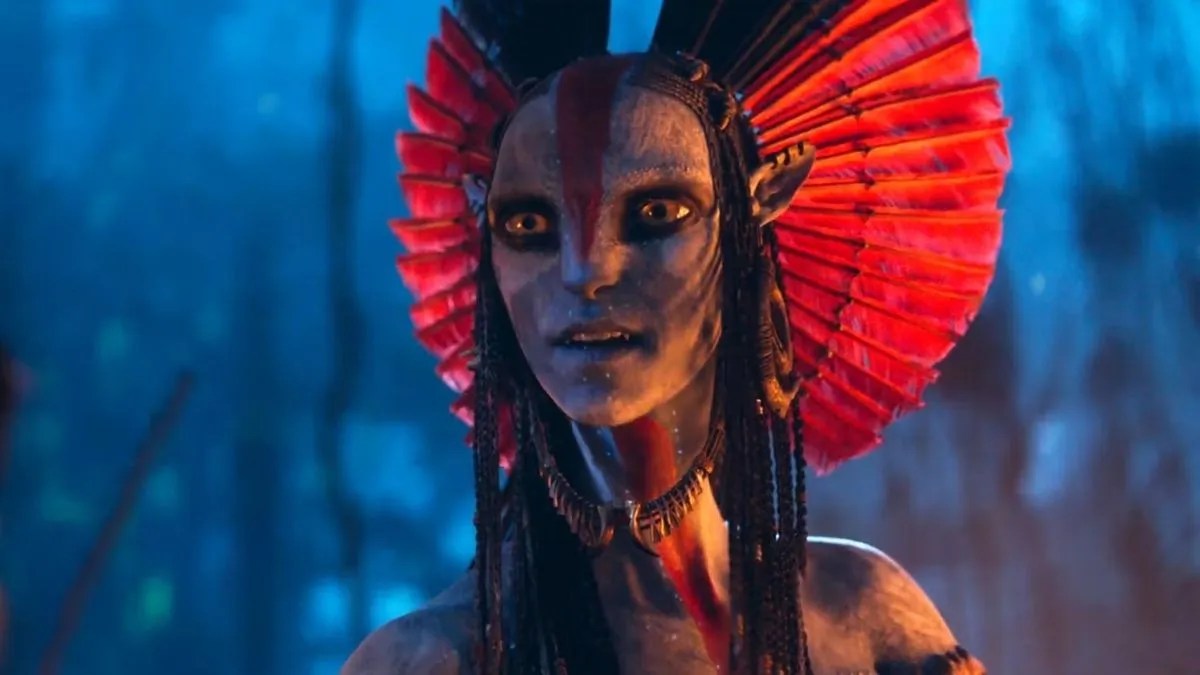
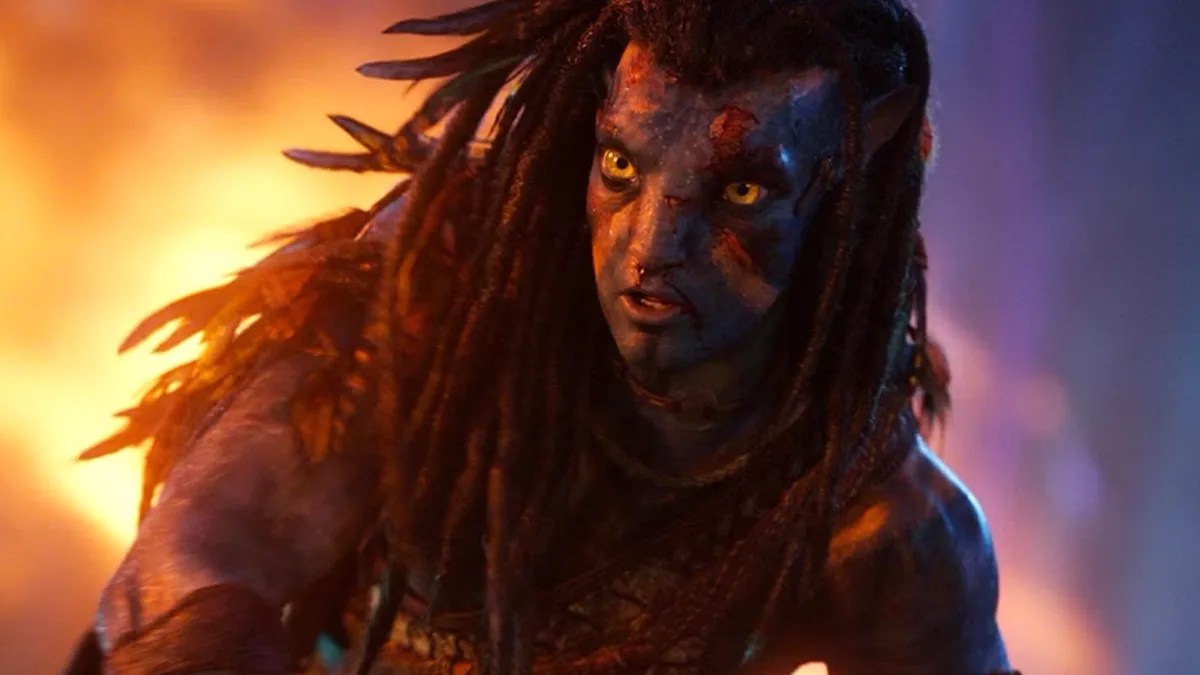
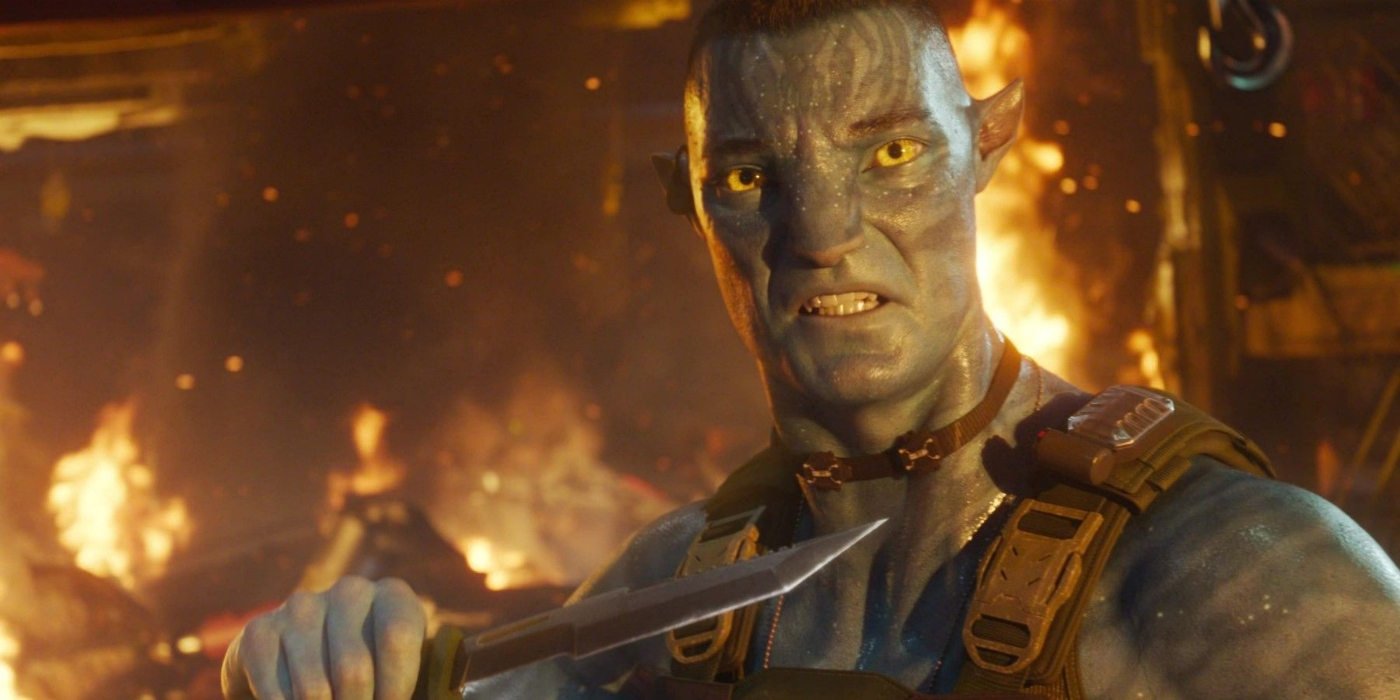
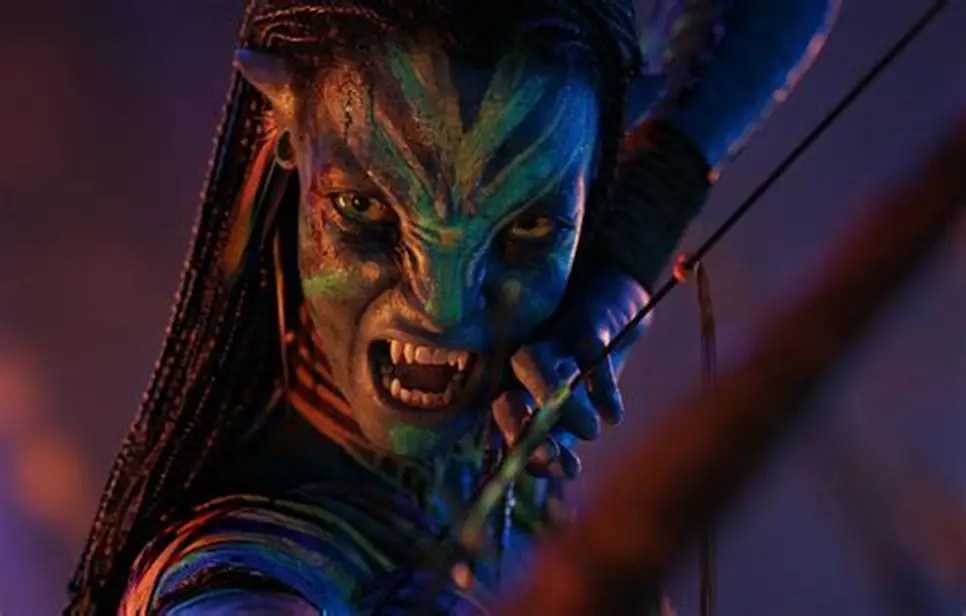
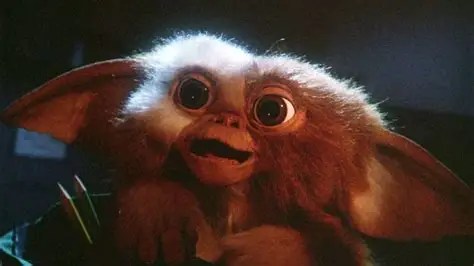
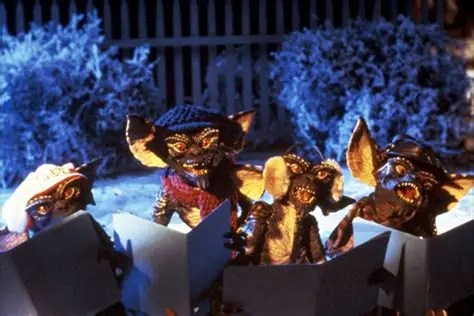
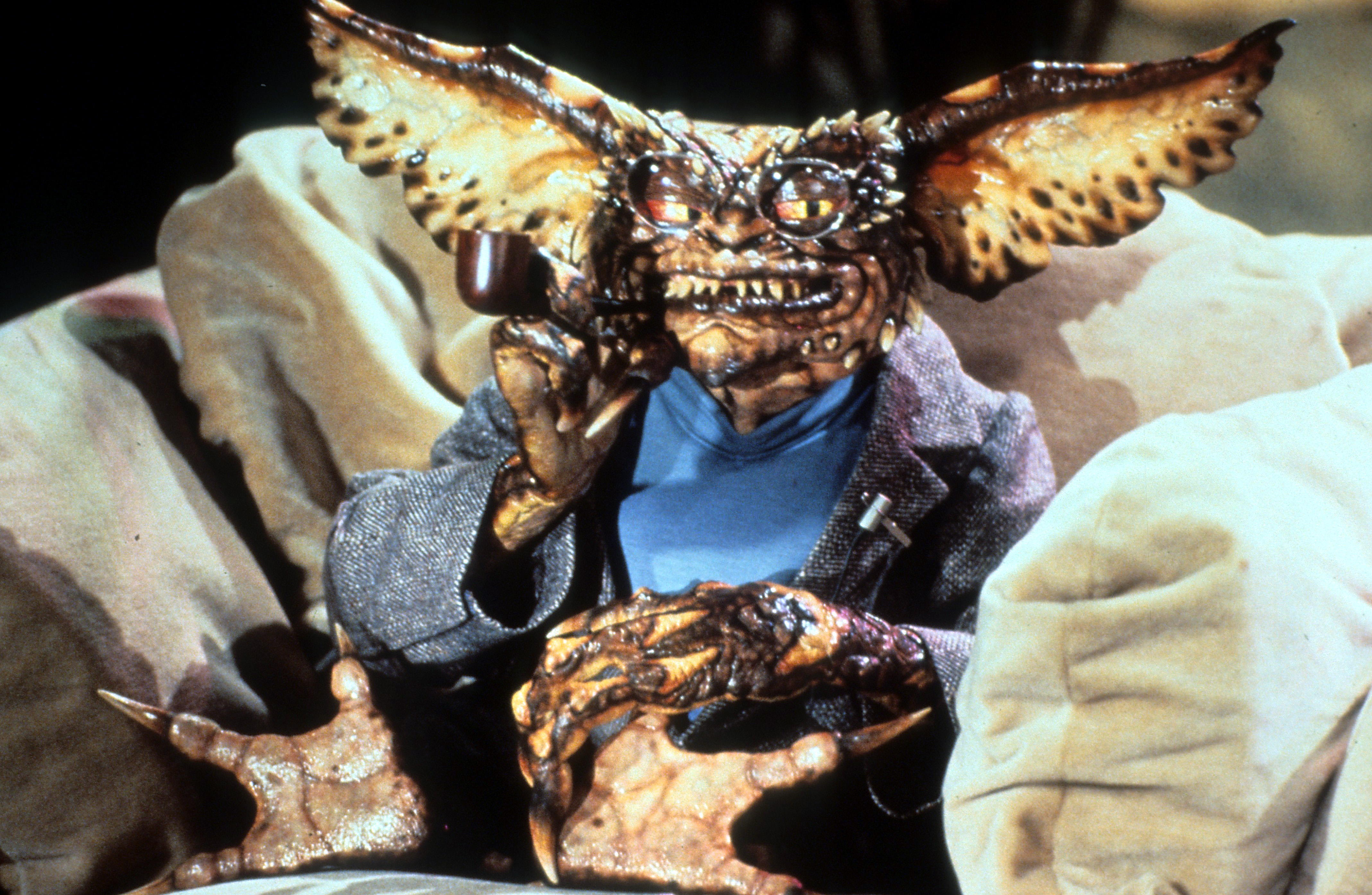
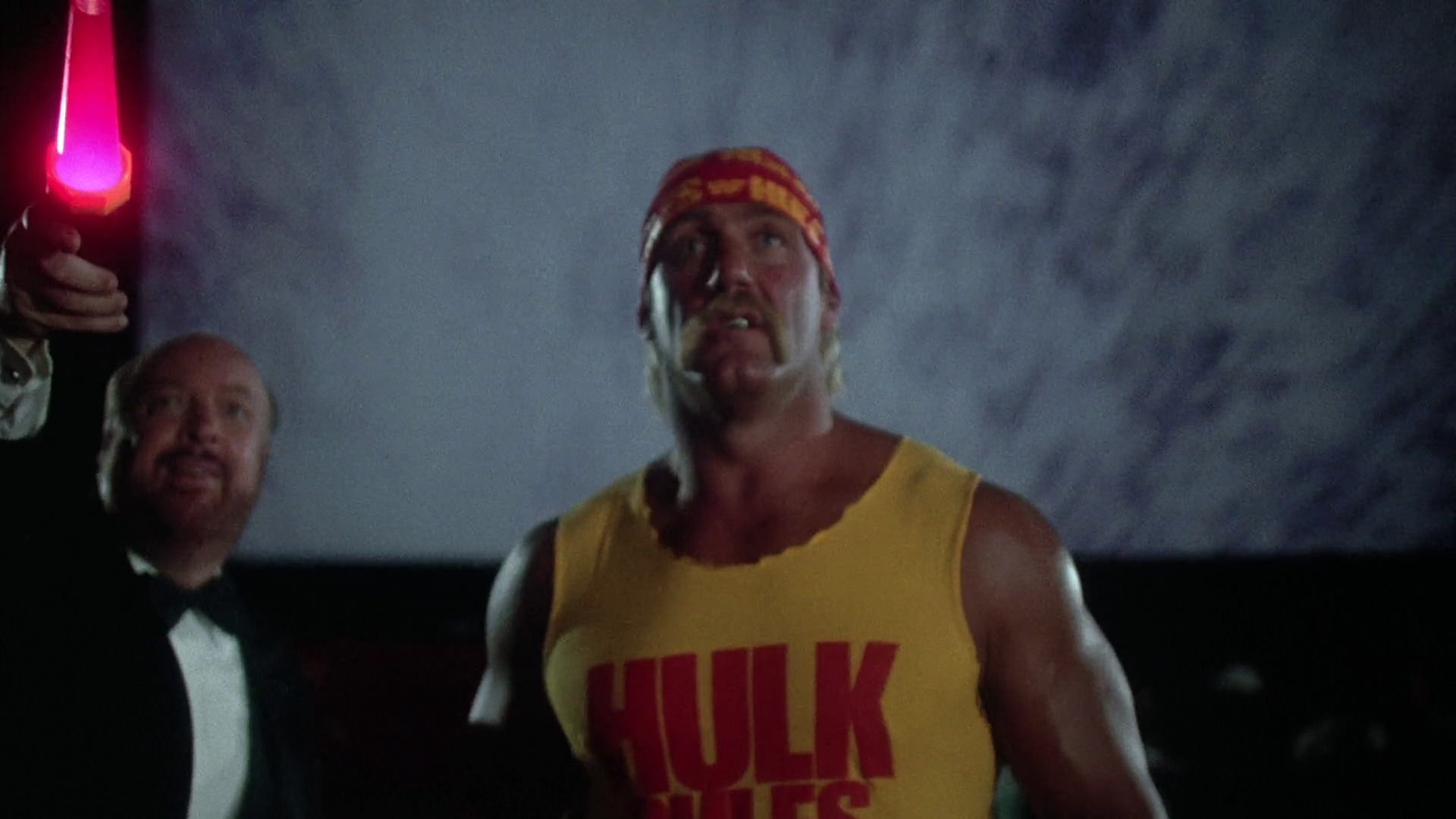

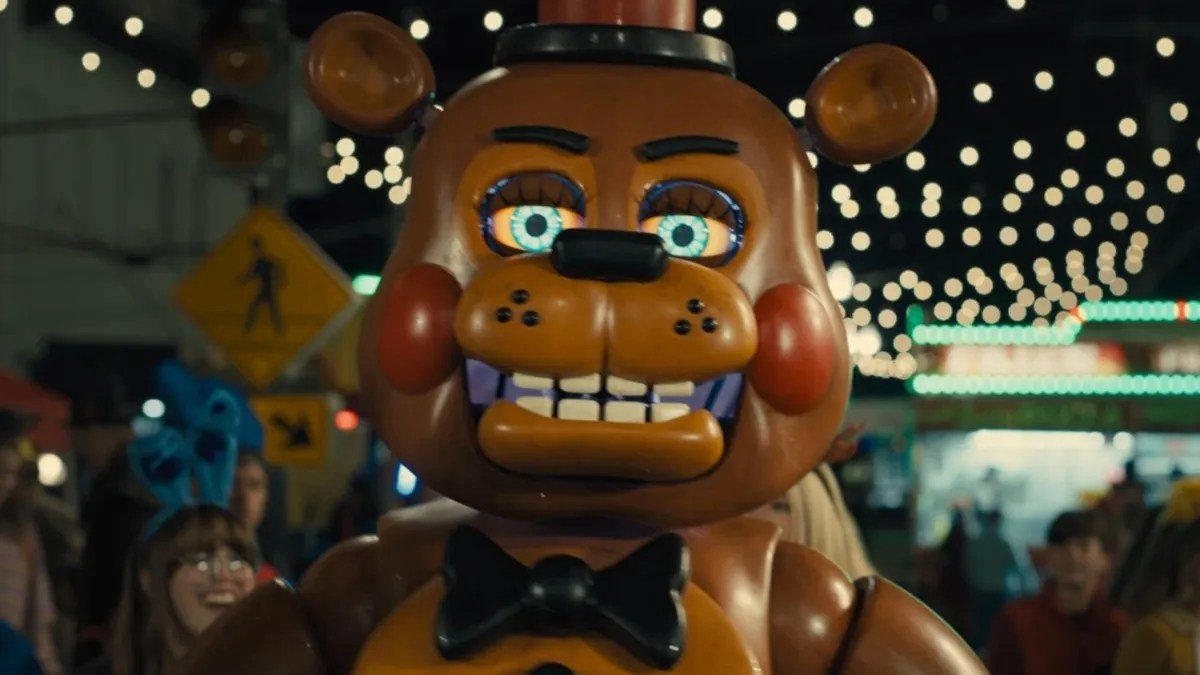
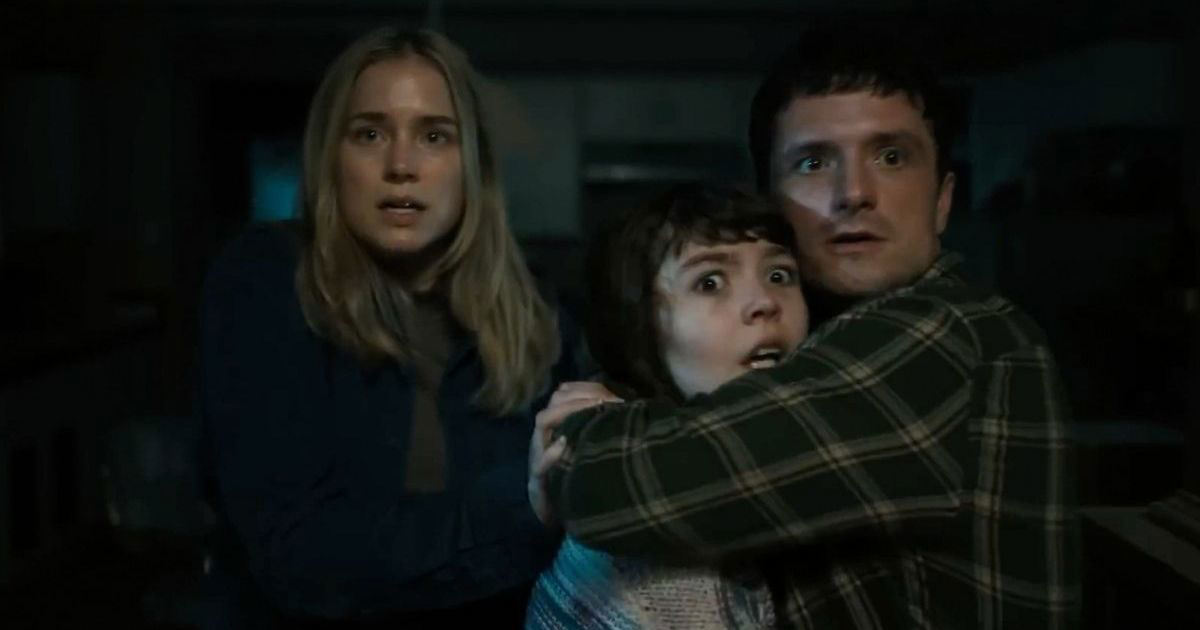
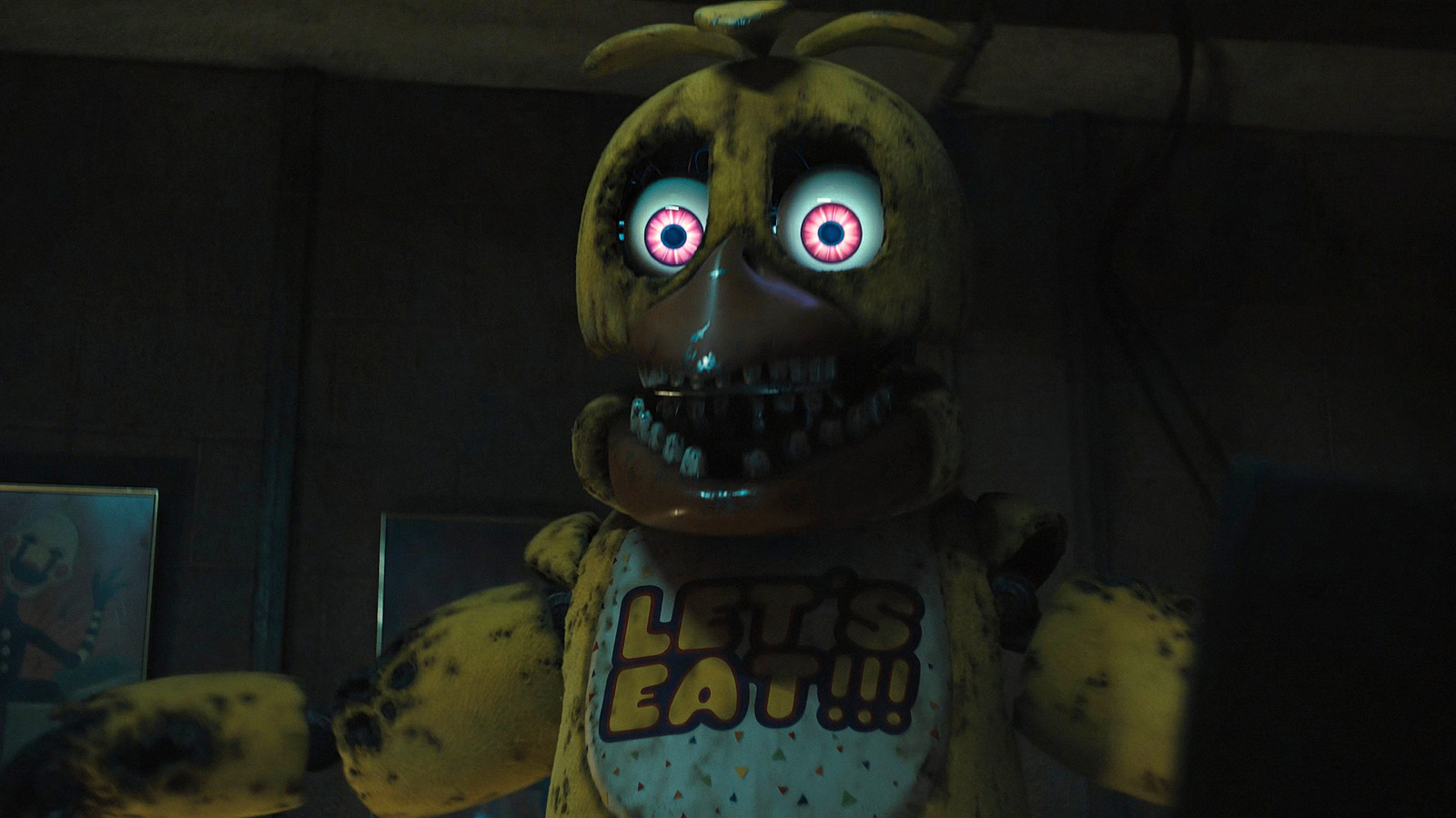
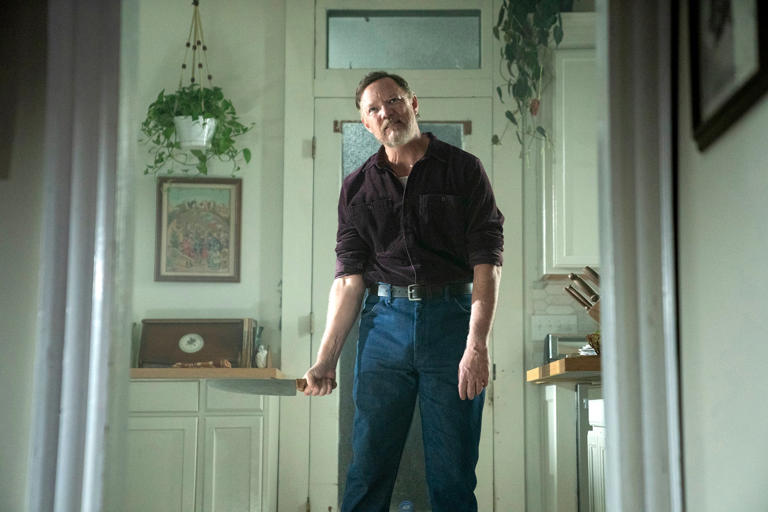
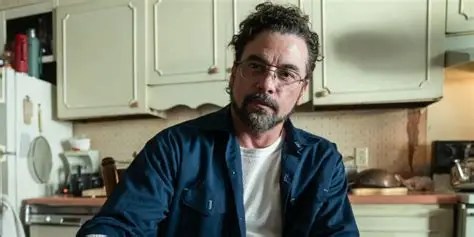
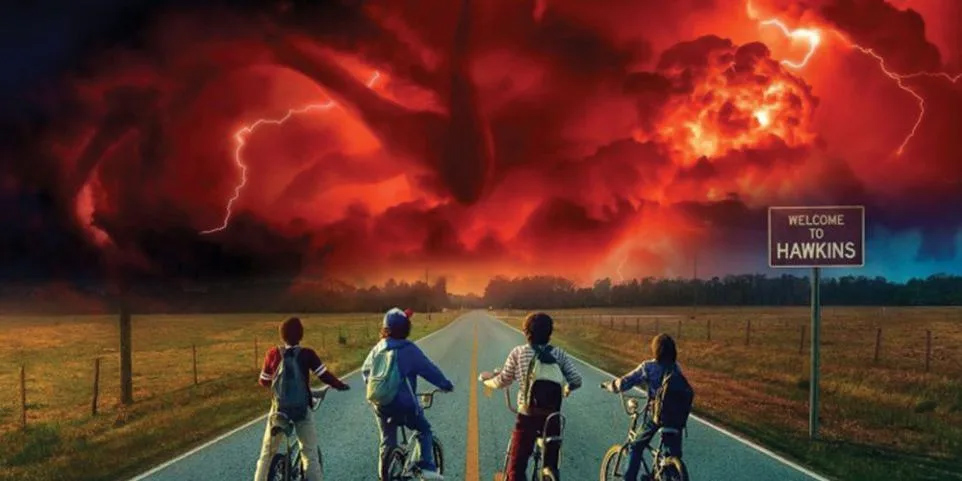
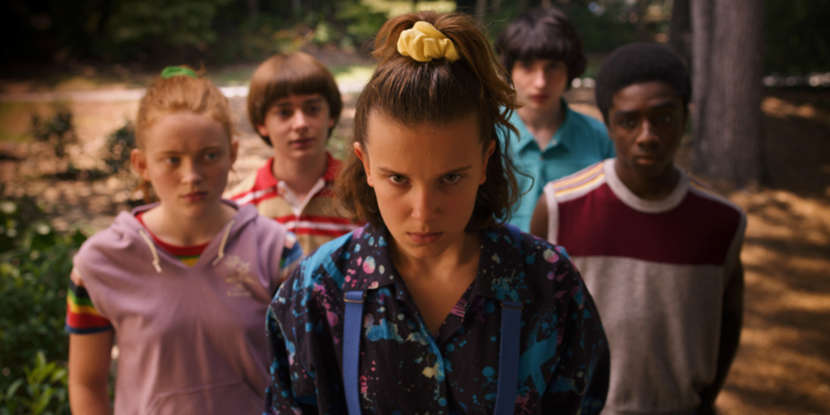
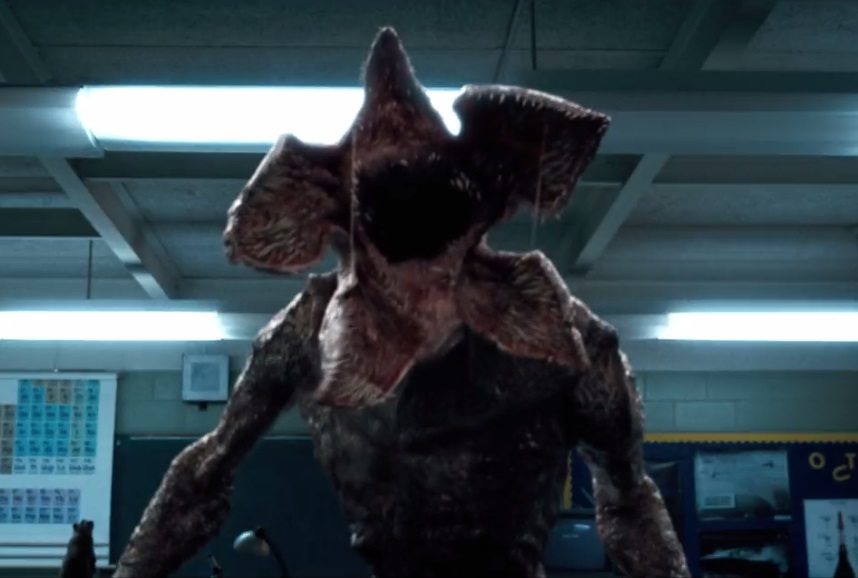
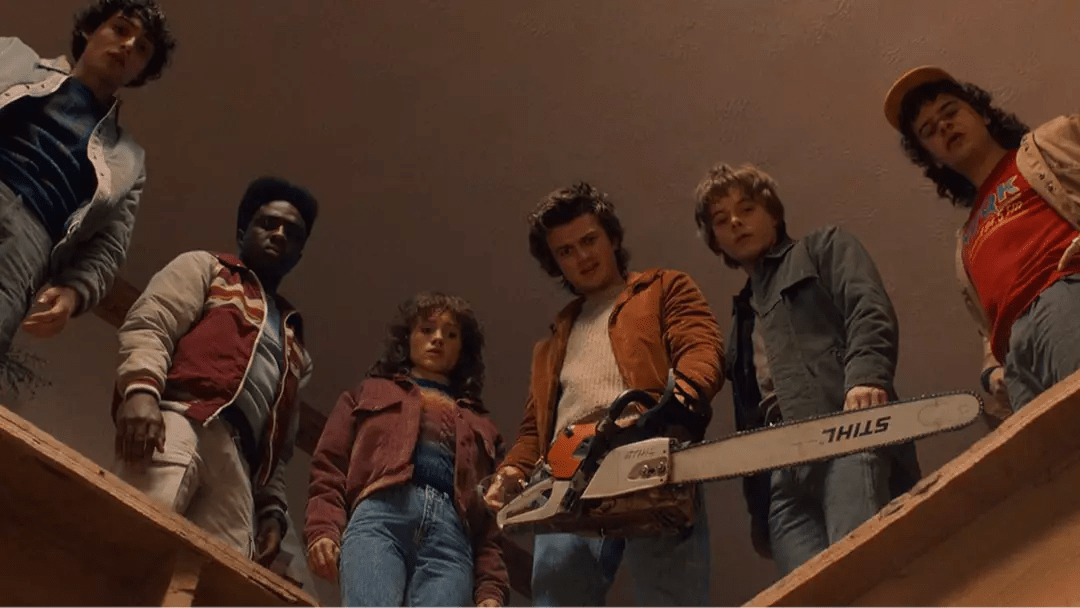
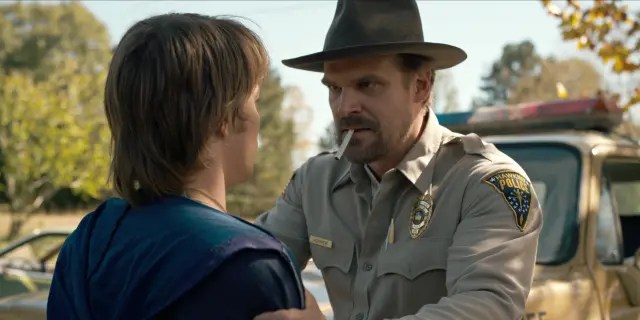
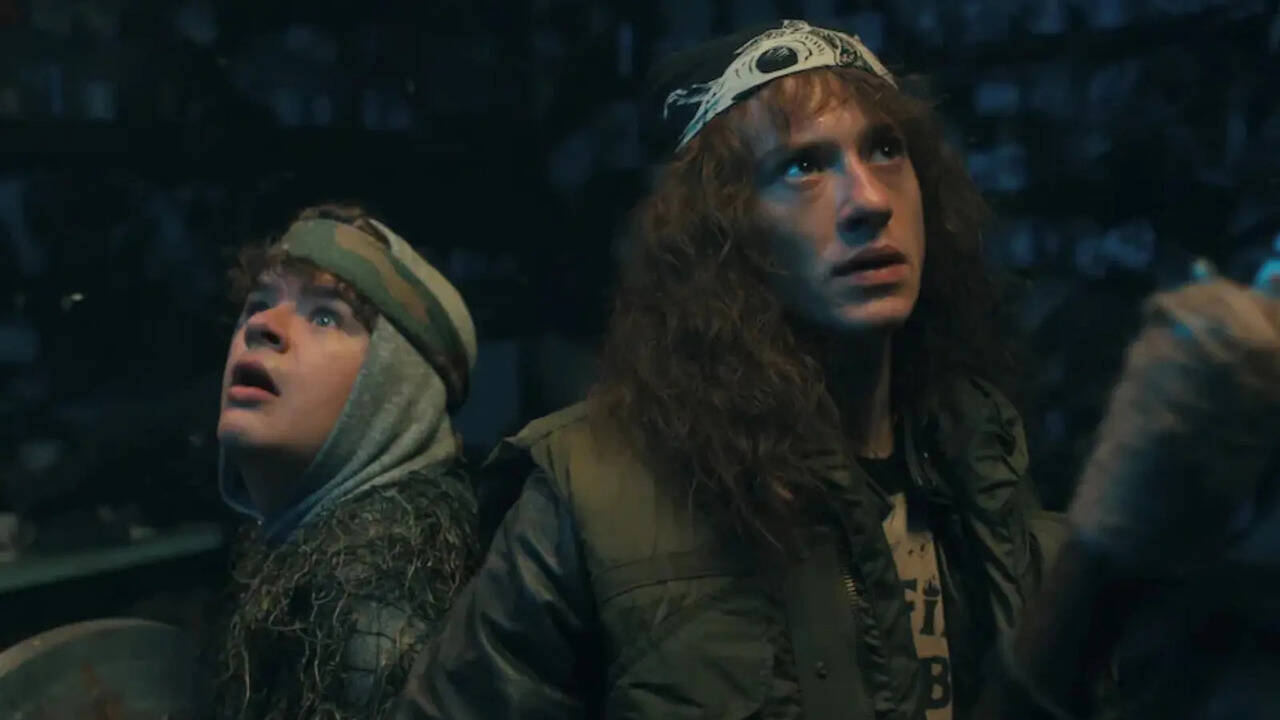
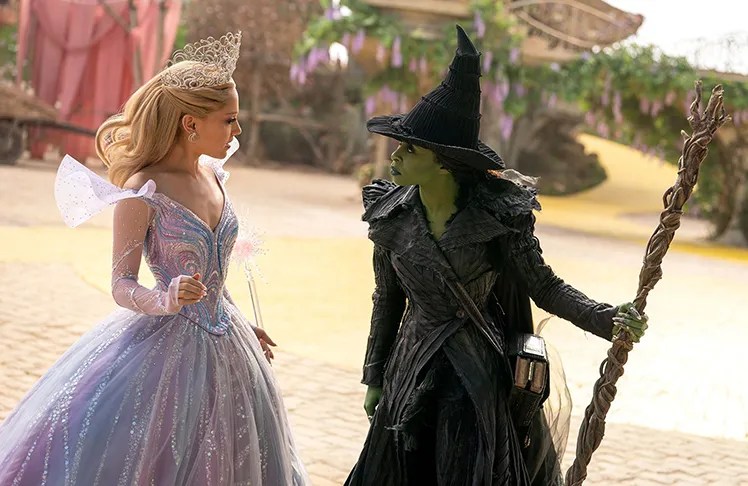
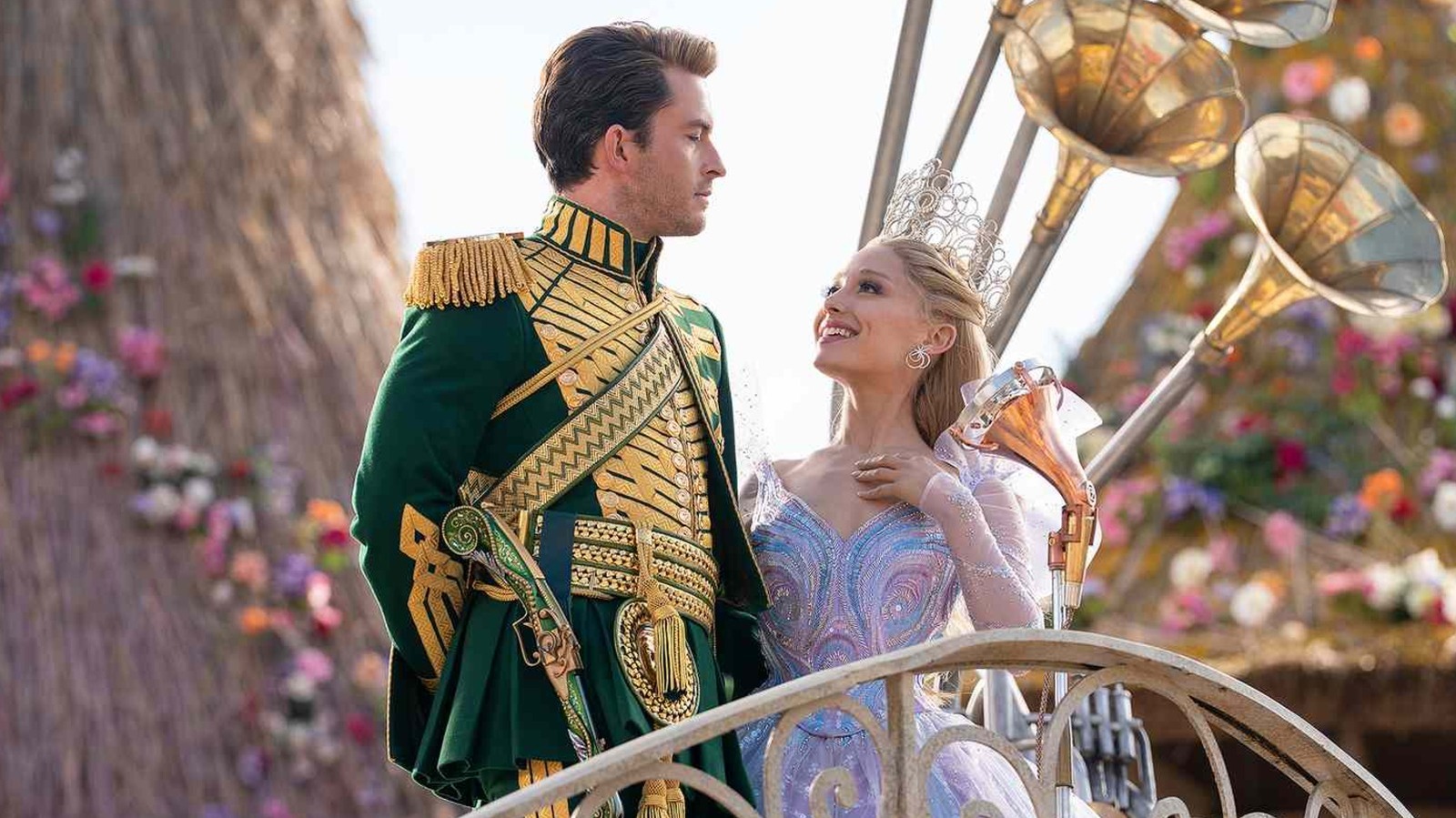
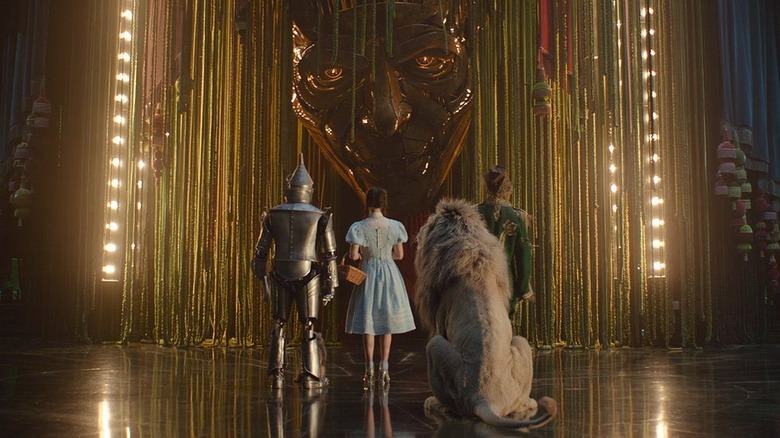
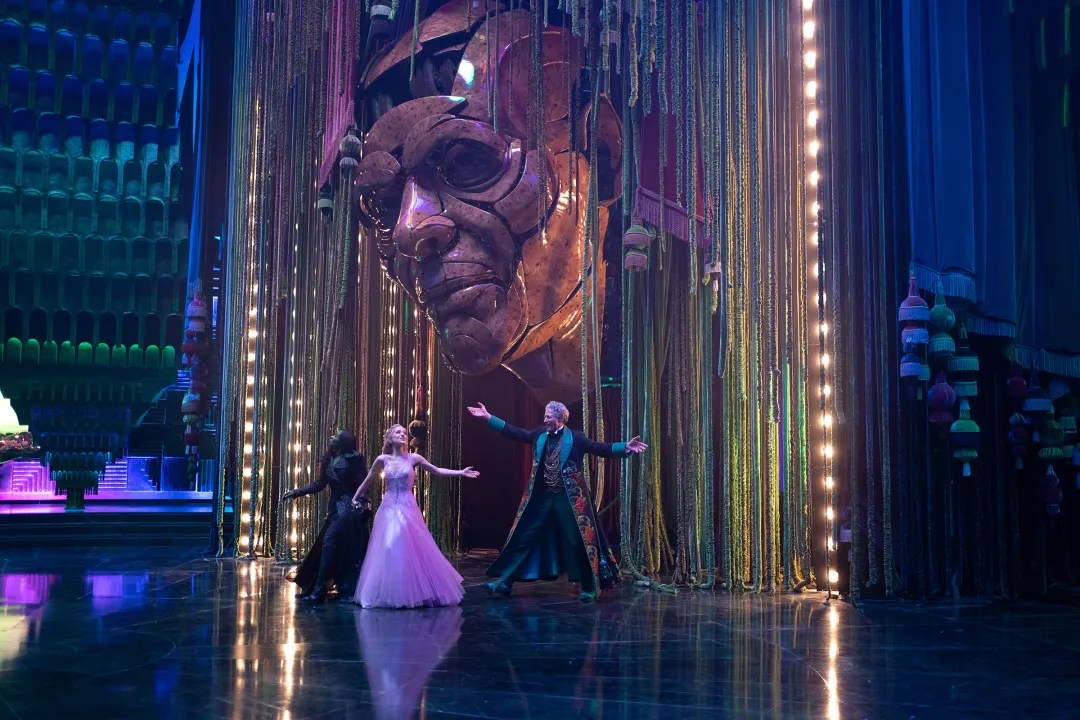
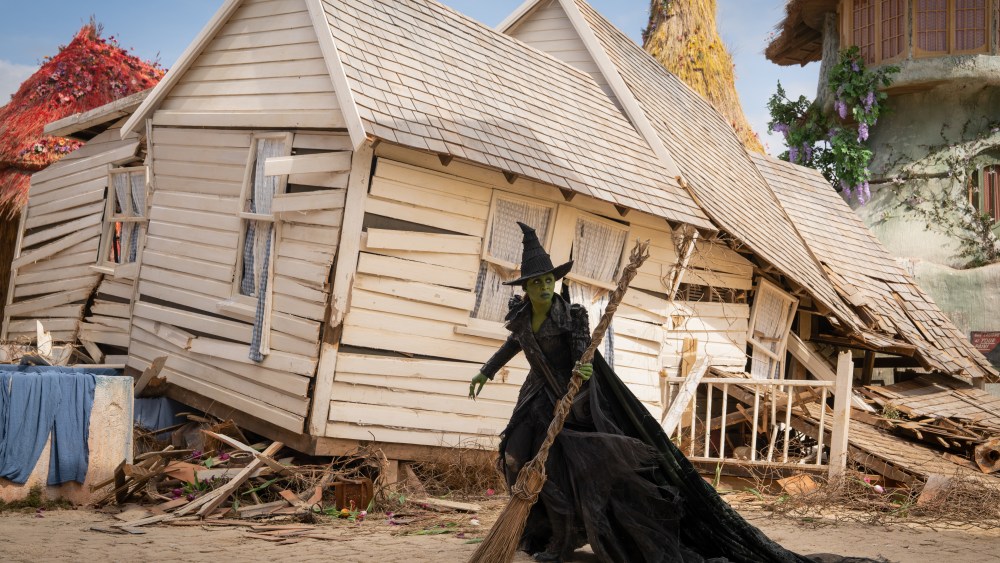

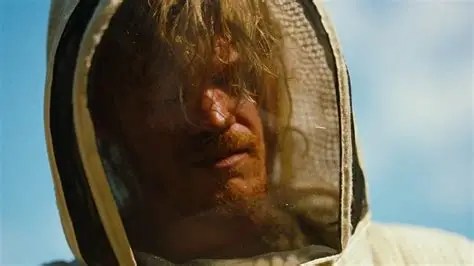
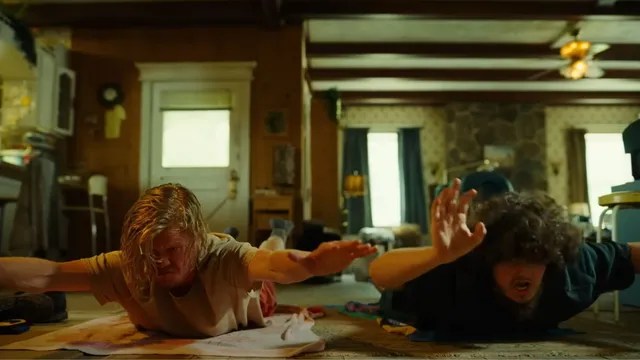

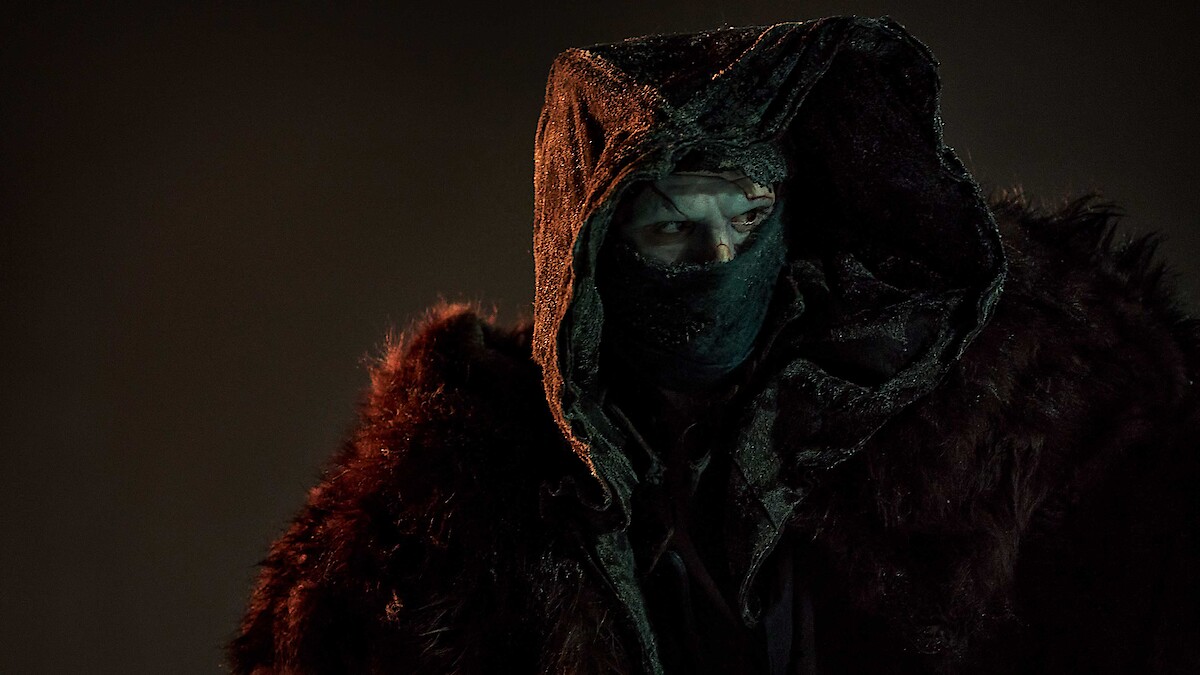
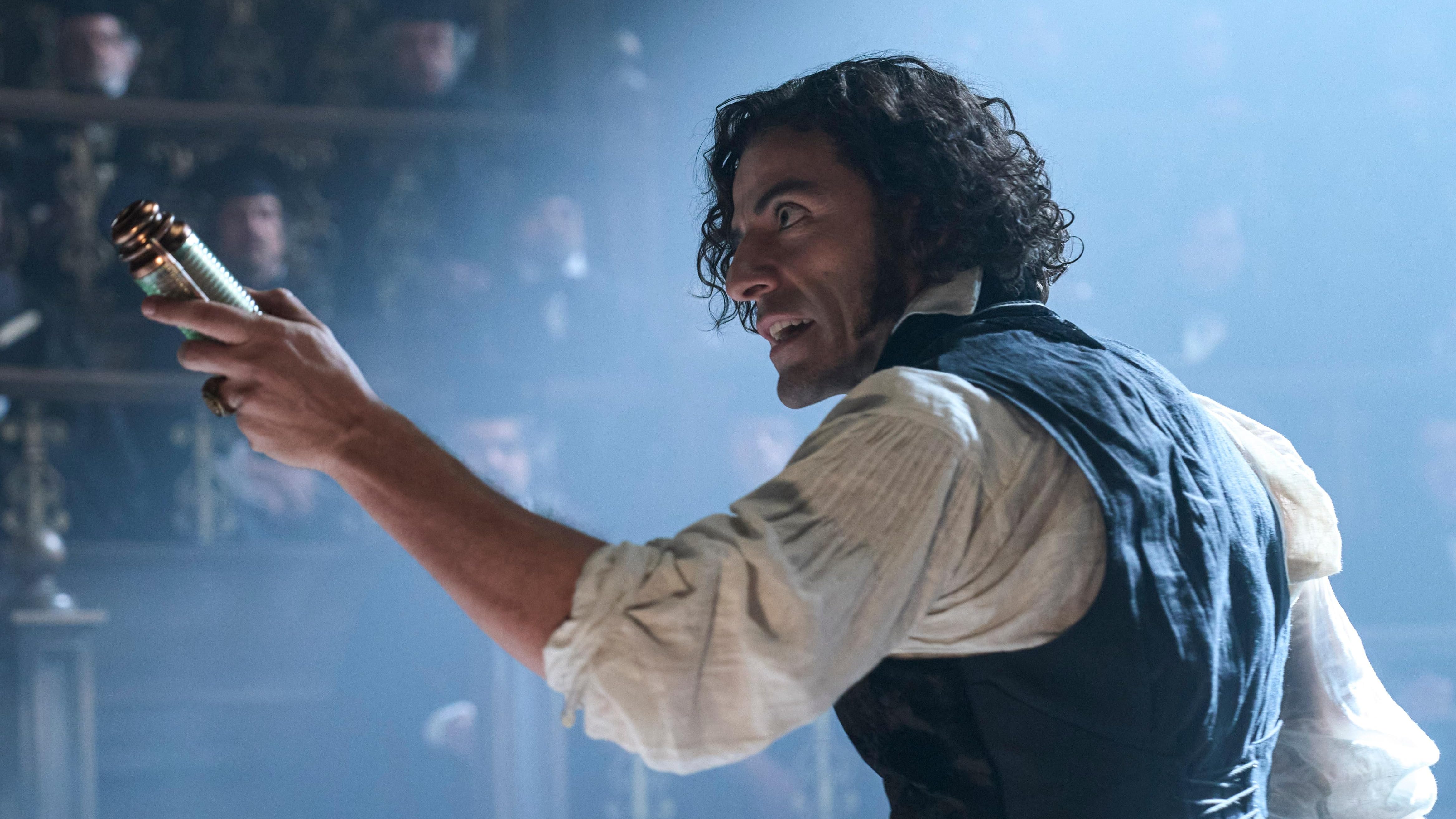
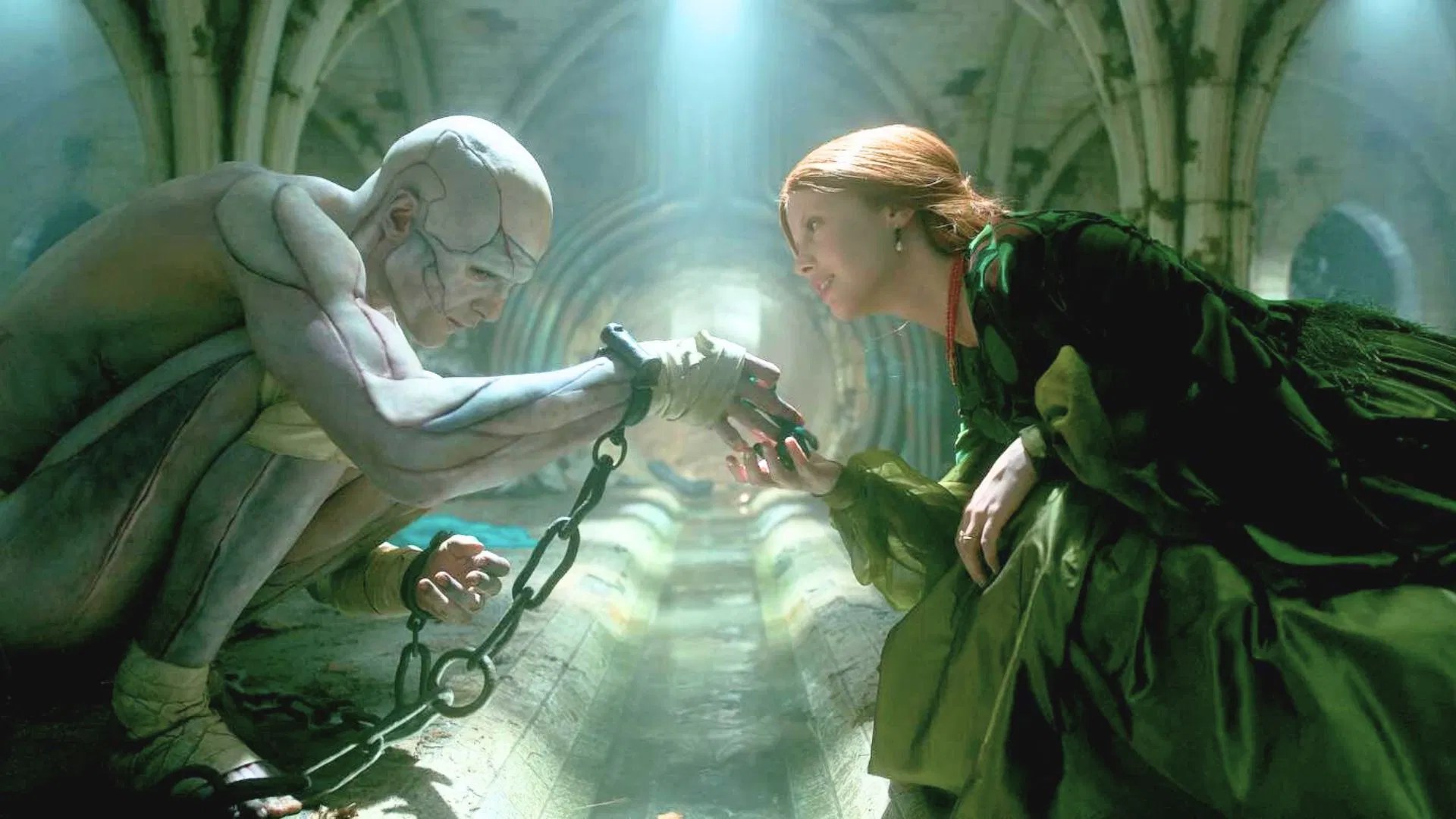
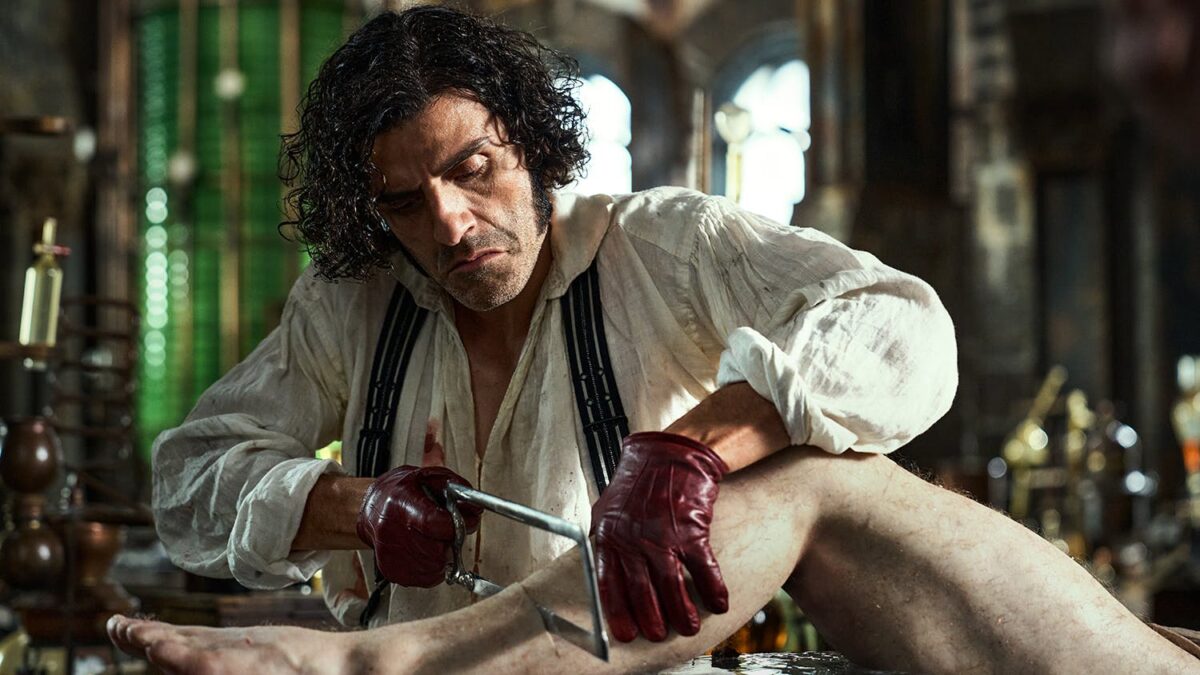
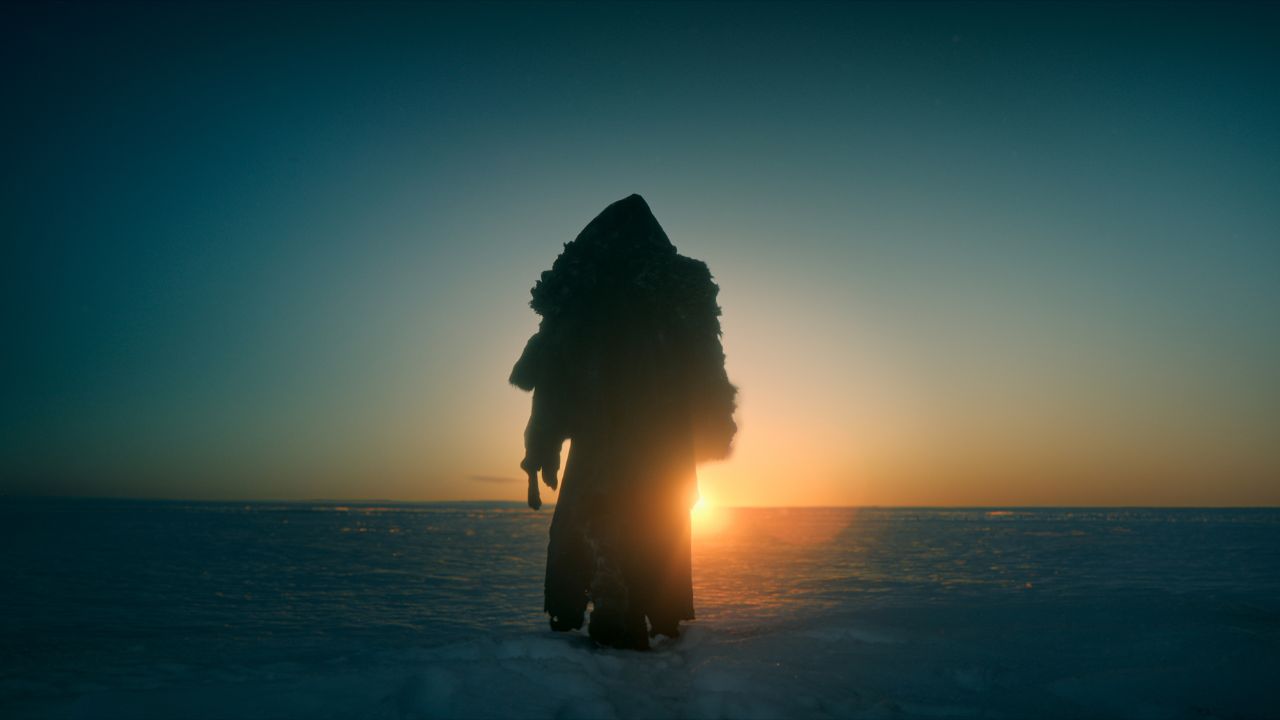
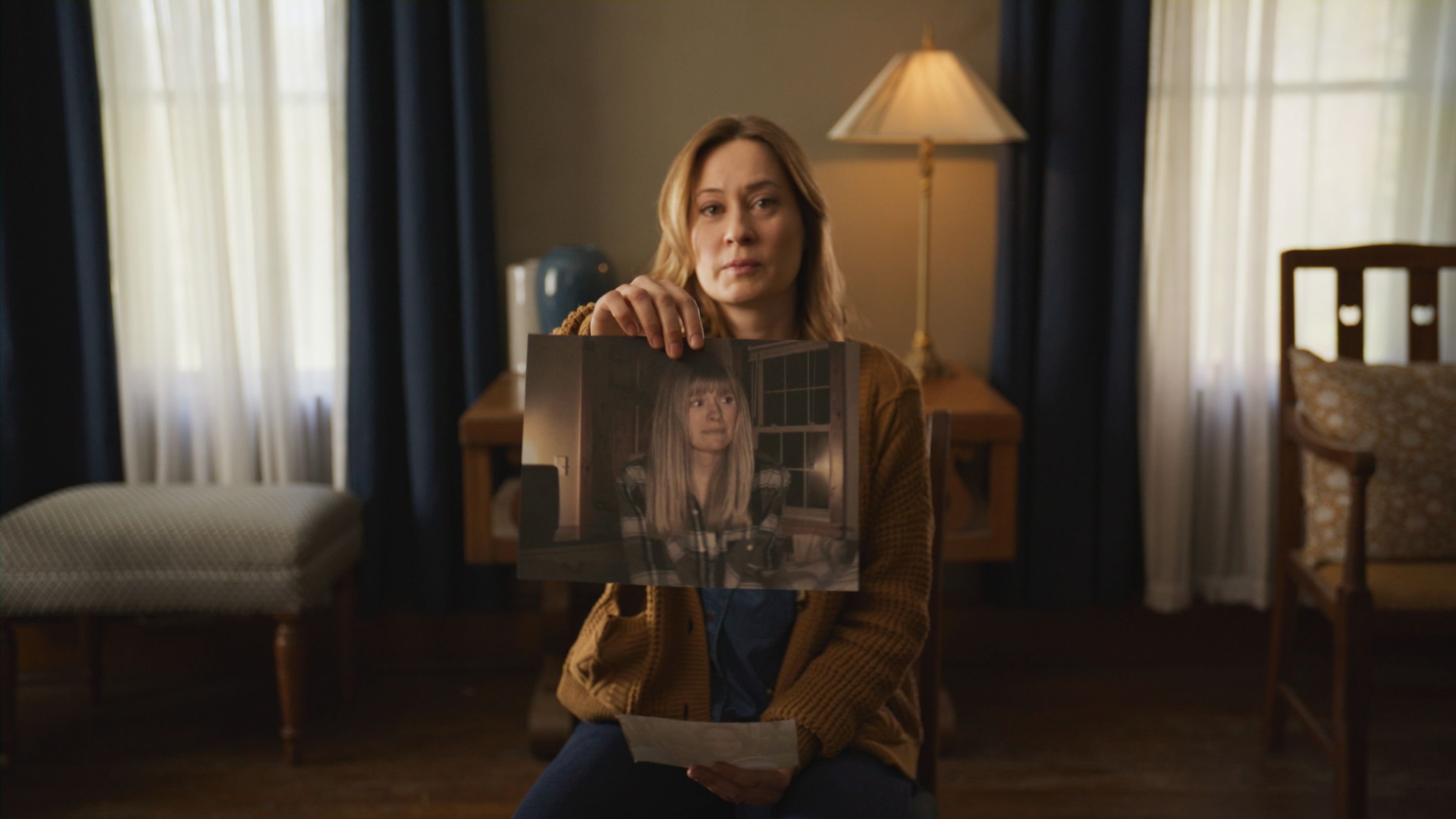
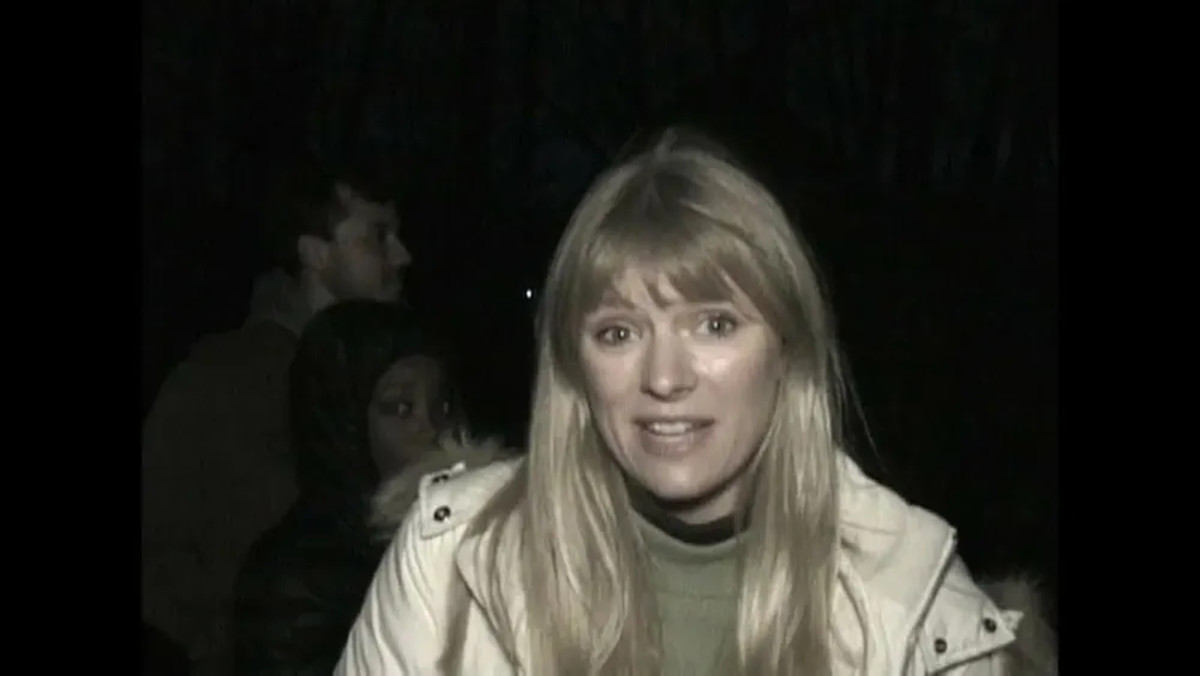
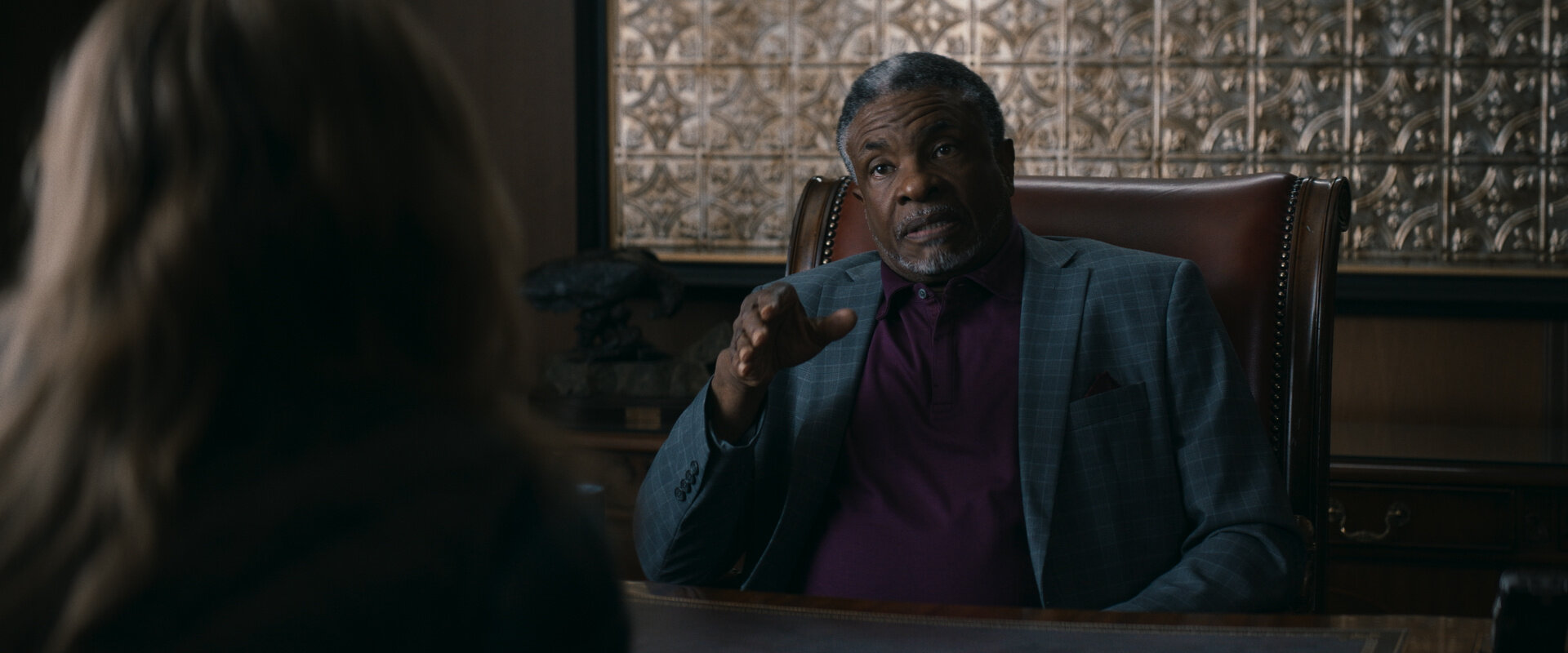
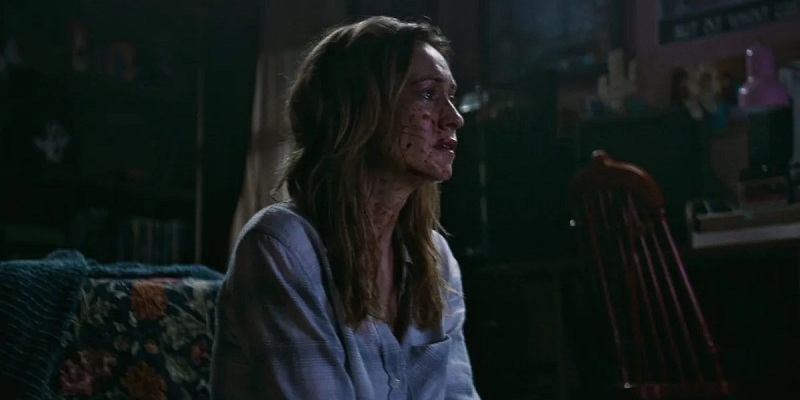
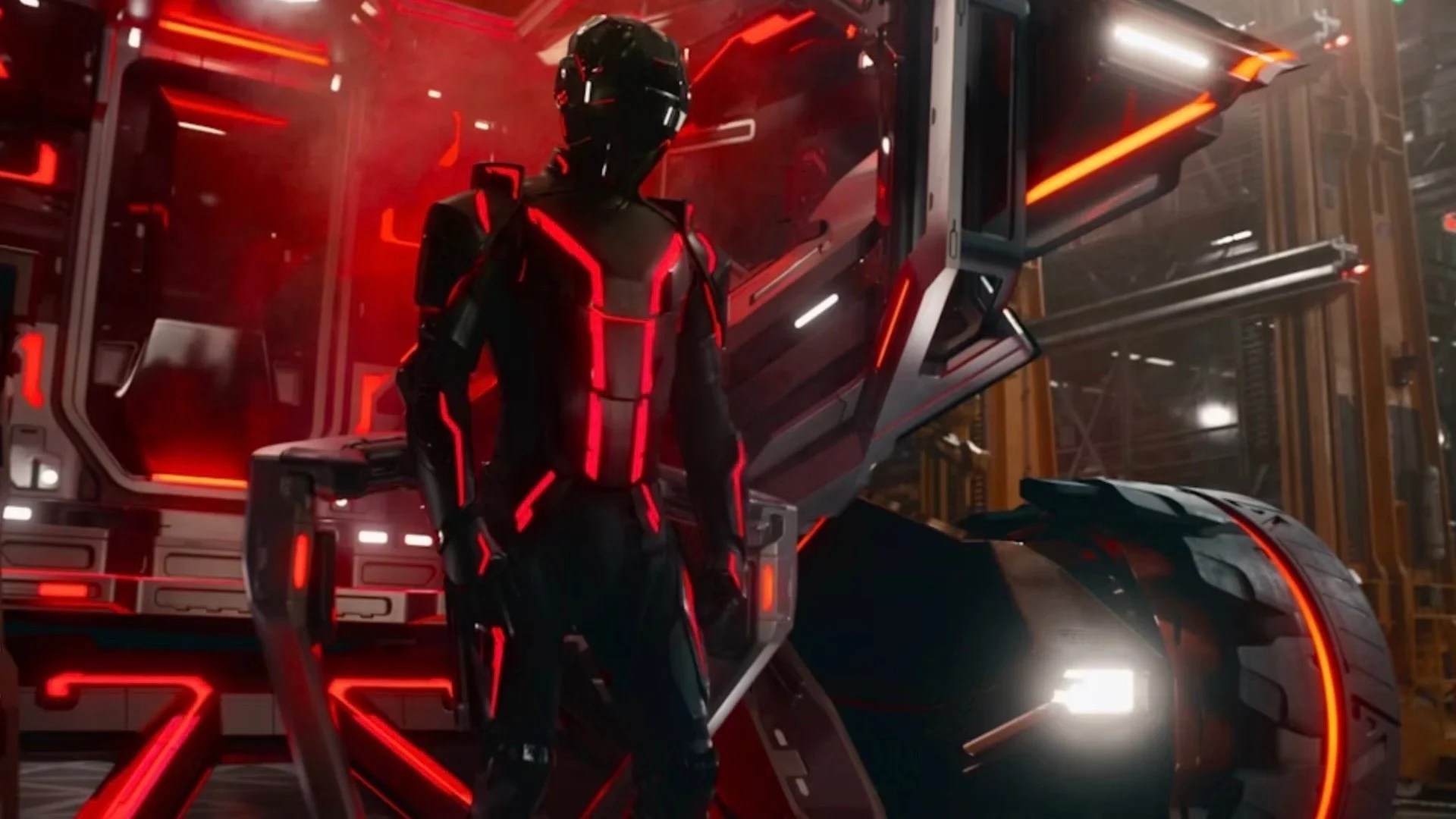
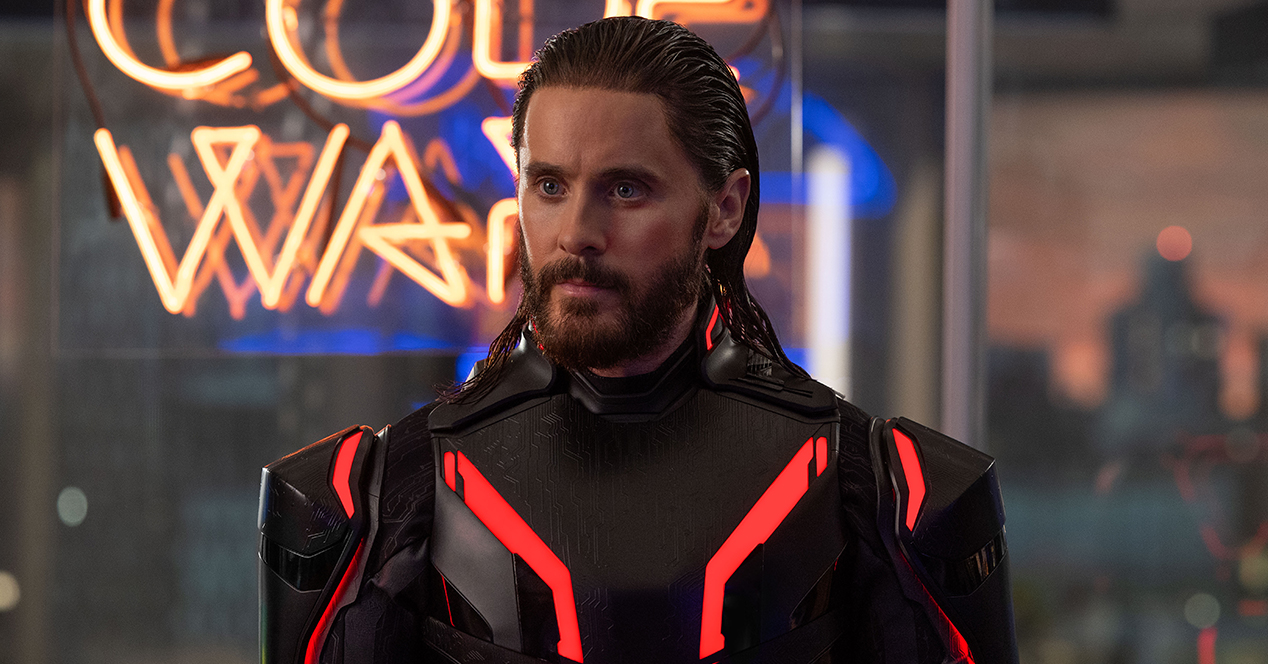
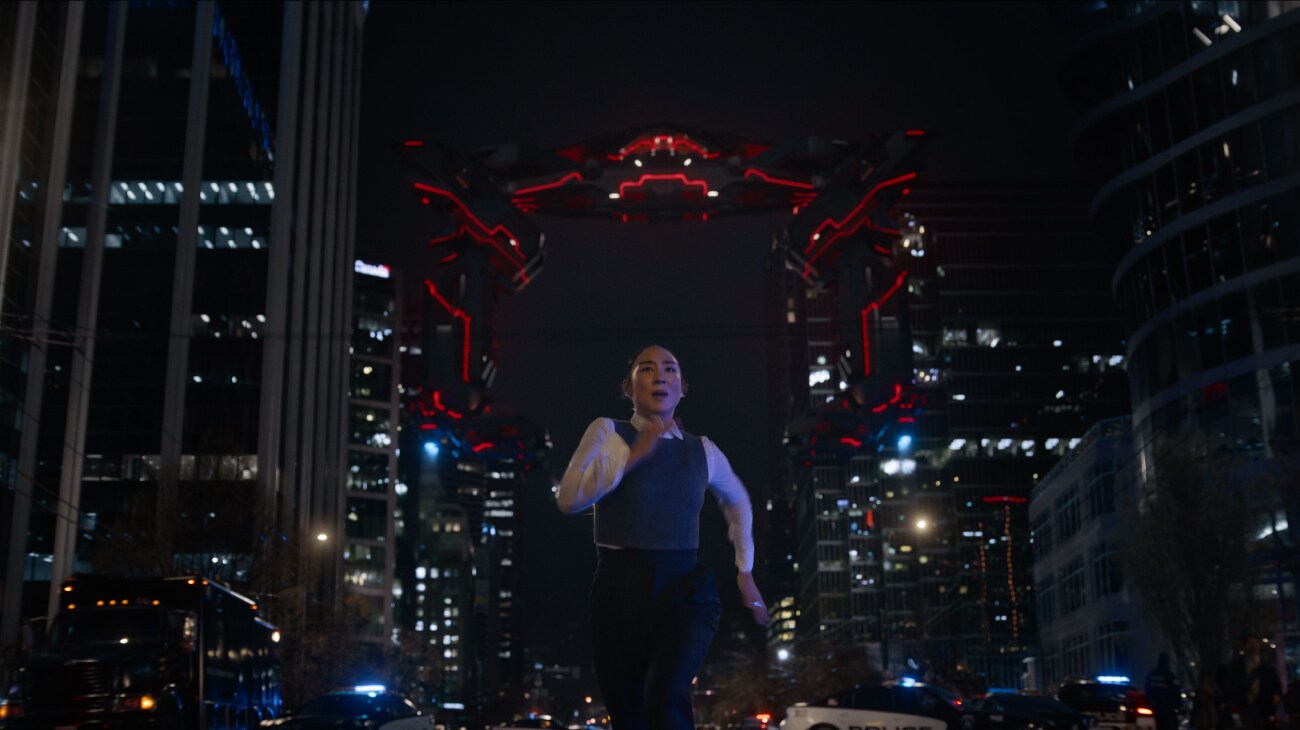

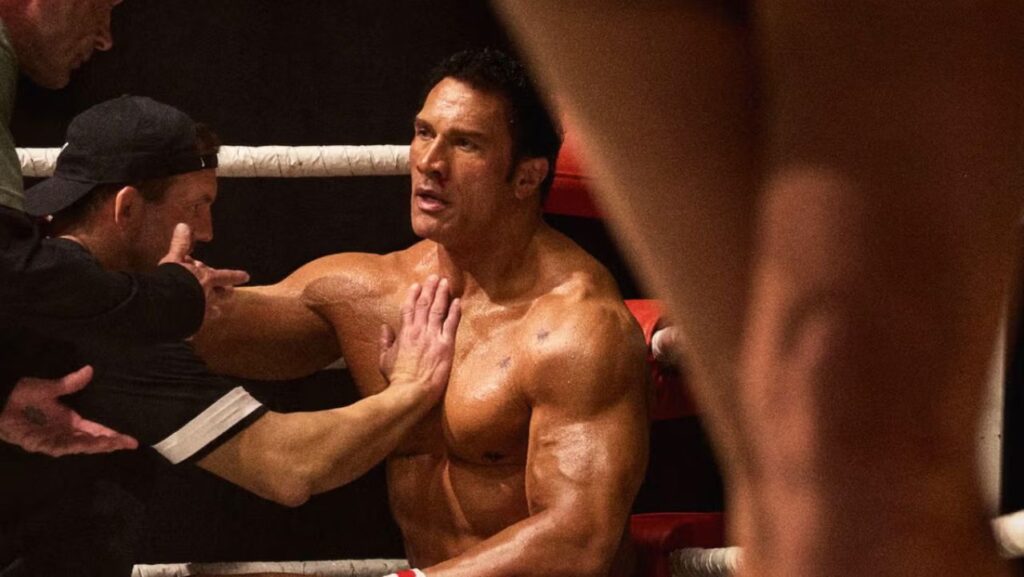
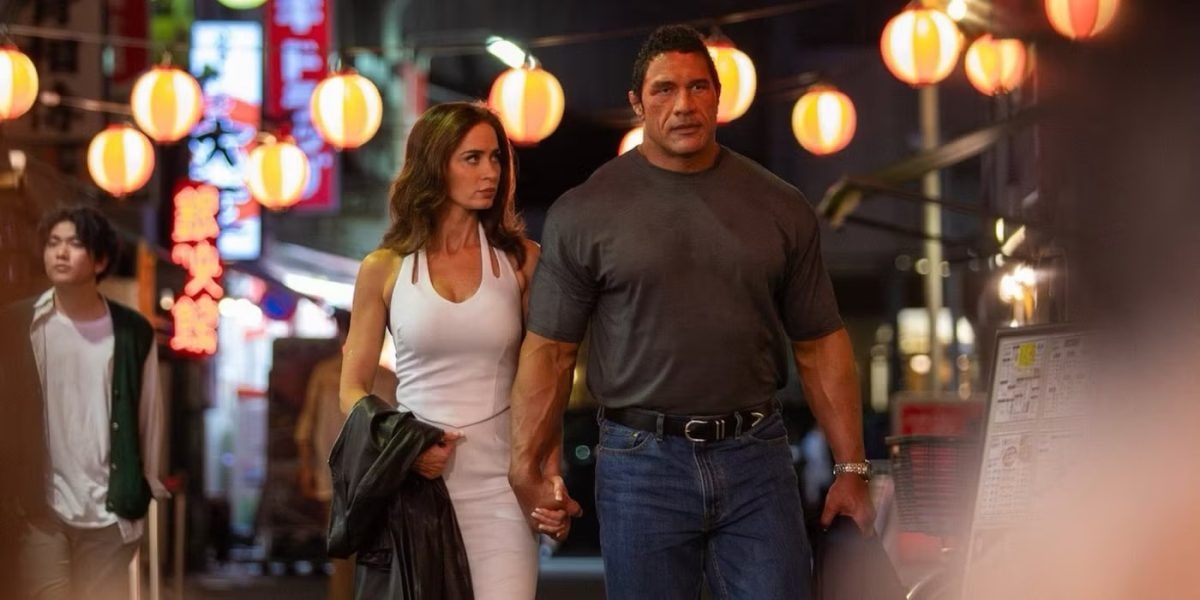
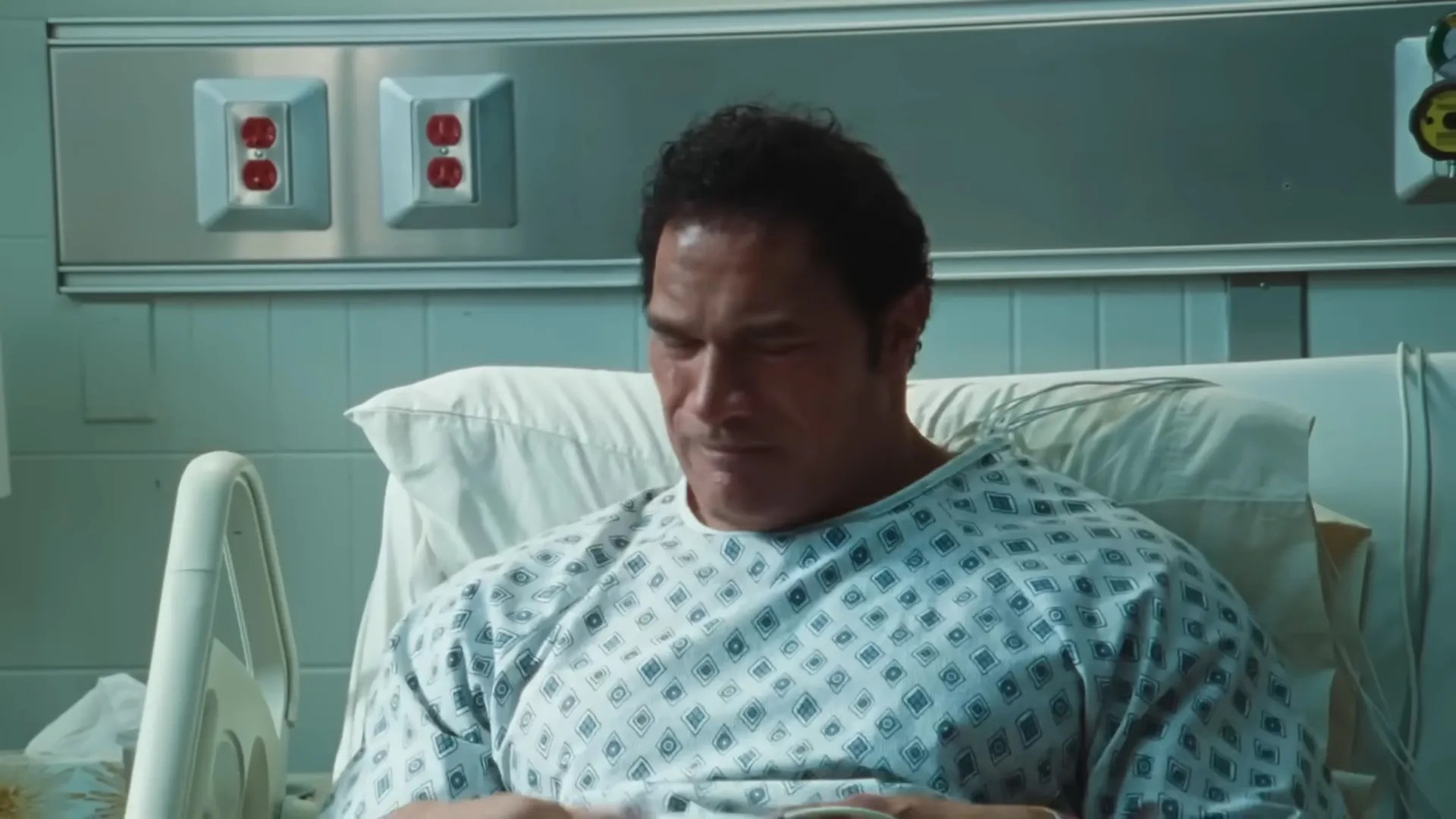

 Rhys Reviews