The introduction of Disney+ broadened the worlds of various Disney properties from just the big screen, introducing such shows like the Mandalorian and Ahsoka from the Star Wars brand, or Monsters at Work from Pixar. One of the biggest franchises that took advantage of this was Marvel, which went from an interconnected set of films to a brand that released just as many television series, or even more series than films now. The problem came with the number of series being produced, and how many of them seemed like stretched-out scripts for films, that had been given the television treatment. Only some shows, namely She Hulk: Attorney at Law and WandaVision, felt like actual shows designed with the television format in mind. When in production of their revival for the Netflix series Daredevil, which would now be known as Daredevil: Born Again, and faced with the writer’s strike of 2023, Marvel Studios acted in overhauling their television productions. Shows would move away from focusing on major characters from the films, budgets would be saved and shows would now be helmed by creatives, led by a lead showrunner rather than a team led by a lead writer, which is more common for film. The first show to come out of this creative change, the Daredevil revival, would come out as a mixed bag, a Frankenstein-product of two different versions of the same show edited together.
Another show would be developed and slightly retooled during this era, and that is Wonder Man, Marvel’s newest streaming series. The show came to life when Daniel Deston Crettin, director of Shang Chi and the Legend of the Ten Rings and Marvel’s next Spider-Man feature, signed a deal to create television series for the streaming service. The show began filming before the writer’s strike, and when resuming production, Andrew Guest, who was previously a writer for the show, was named showrunner. Set as the second television series in Marvel’s refocused look at TV, the show follows aspiring actor Simon Williams, who is hiding his superpowers, as he attempts to get cast in the reboot of his childhood favourite film, Wonder Man. While fighting for the role, he gets involved with Trevor Slattery, a disgraced actor who is attempting to revitalize his image.

The marketing for Wonder Man had been non-existent until a couple months ago, a show which Marvel looked like they were trying to keep secret, announced by the trades in 2022, but not formally announced by the studio until 2024. The show dropped all its episodes in one day, moving away from the one episode a week drop that formed the backbone of the service in the past. For a series that the studio seemed to want to drop and run from, it has come out as one of Marvel’s best projects in years. It is refreshingly low stakes for a franchise which deals with the end of the world in nearly every project, and the lack of action makes for a very different project. With the studio focused on the promise of the Multiverse and leading to another Avengers crossover, it’s when the franchise becomes grounded and human does it truly shine. It is a rare television series set in this brand that feels like it has been designed for this medium, each episode serves the goal of having a three-act structure and feeling standalone in scope, not just only a part of a larger story. The connections to the wider universe also feel like window dressing rather than a necessity, with the brand’s interconnected homework problem becoming a major issue lately. Existing as a meta-fiction in the world of Hollywood and television, industry references to actors, television series and films exist as the main so-called easter eggs in the show, with the franchise’s connective tissue with its other properties existing as an actual backdrop from the show, and not just for the use of setting up various other stories.
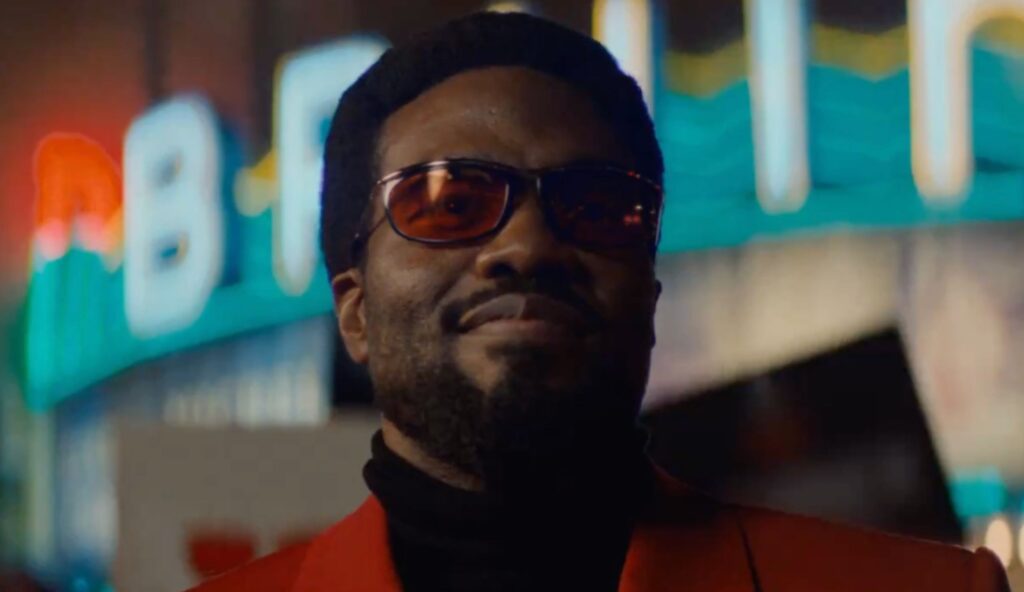
The heart of the show comes from the dynamic between Simon and Trevor, a budding bromance which fills the show with a sense of direction and a true grounding. Yahya Abdul-Mateen II is not a stranger to the superhero genre, previously playing the villain Black Manta in the two Aquaman features, and Doctor Manhattan on HBO’s Watchmen adaptation, but here he really plays something different. Simon is a character dripping with insecurities, rooted in his hidden powers that could stop him from achieving his dream, a plot point paid off in the fourth episode, featuring the Doorman character from the comics. He is driven, but filled with anger and sadness, but his love of the arts and his passion for Wonder Man shines through, and the moment with his family really shines through and makes him a character to root for.
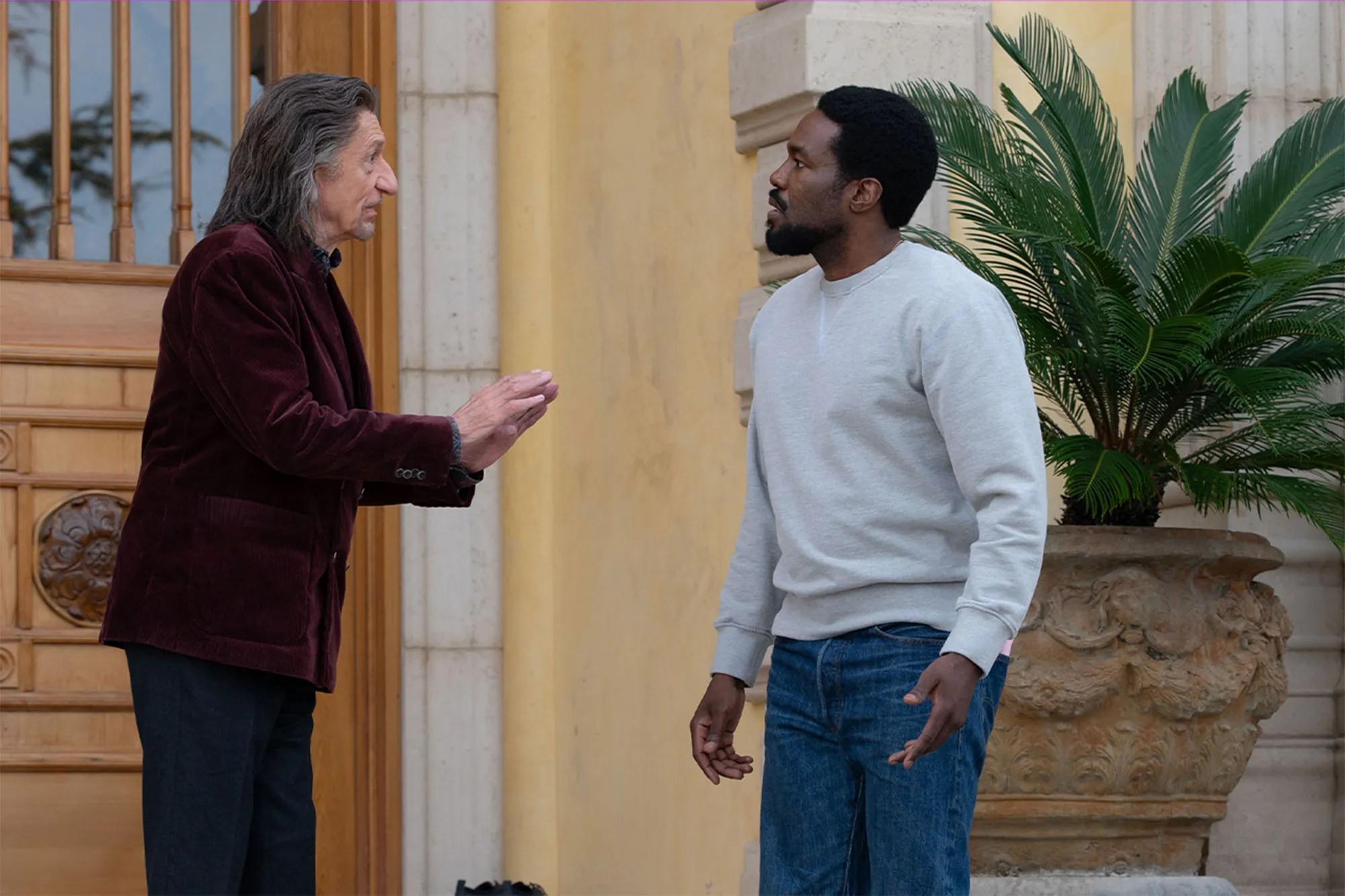
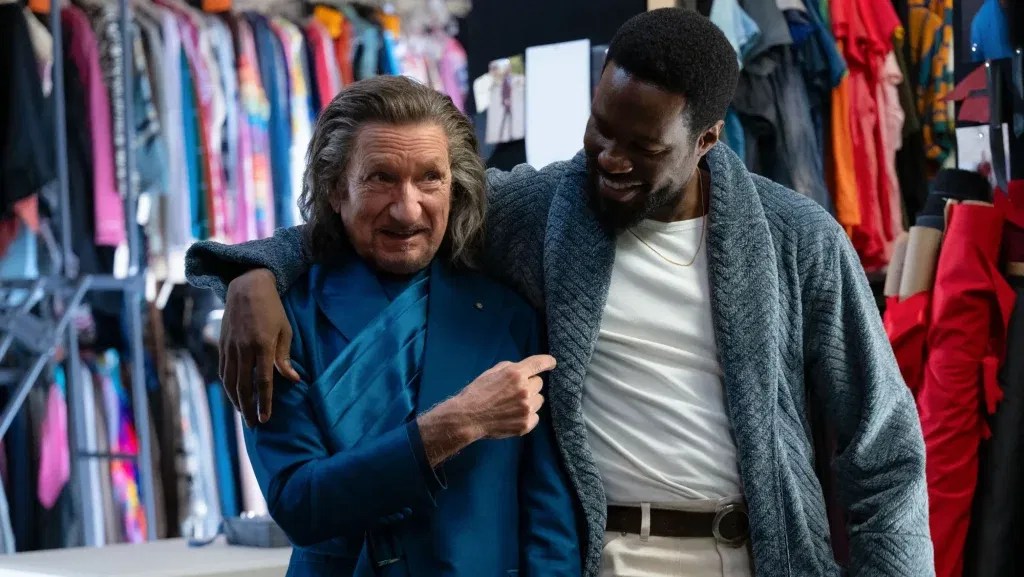
Trevor is another broken man, who serves as the connection to the wider Marvel universe, still reeling from bombing his career by becoming the Mandarin in Iron Man 3, and then being broken out of prison by the time Shang Chi and the Legend of The Ten Rings rolls around. He brings in the Department of Damage Control into the project, a group introduced in Marvel’s Spider-Man films, and have become the main threat in trying to imprison superpowered threats. This group serves to embolden the superpowers as metaphor for minorities that is prevalent across the show, which will be more prevalent when the franchise finally introduces the X-Men. Ben Kingsley just remains a highlight of every MCU project he is in, and he seems to be having a blast playing Trevor again, and the show’s attempt to humanise him and make him more of a character outside of the joke also just works wonders. There is a deep need for redemption, to do anything to make it big and make up for the things he done wrong, which bonds him to Simon. Yahya and Ben share wonderful chemistry throughout the season, and the show gives them the chance to just riff off each other and show their acting abilities, and those moments are the pure highlight.
The lack of action allows the character moments to shine and allows the drama to take more of the focus. It also allows the show to be incredibly more creative than the rest of the Marvel television projects, feeling alive in the editing suite and forming its own distinct style. Sequences invoke the feeling of old Flash Gordon-type films, showcasing the magic of cinema and how rooted the love of arts is in the modern American dream, grounding the story by various flashbacks between Simon and his father. A long problem of the Marvel franchise is how grey they look visually, and how similar they look visually because of so. Choices like this however allows Wonder Man to stand on its own away from that standard lack-of-visual flair. Episode 4, mentioned earlier, shows this visual uniqueness, a bottle episode focusing on the explanation of the Doorman Clause, which stops superpowered actors from working in Hollywood. Portrayed in black-and-white, the episode showcases the true creativity that could come from these television series embracing the television format and not relying on being overly long movies.
At current time of writing, a second season of this show is in a limbo state, awaiting to see how this show fares. With minimal marketing and essentially going under the radar, it can only be hoped that the positive reception will convince the studio to continue this unique series. Superhero fatigue is a real thing that has faced the Marvel brand moving into the 2020s, with an oversaturation of superhero content making it so that all their major film releases in 2025 underperformed. In a time where the brand is failing, projects like Wonder Man are what they really need, something unique, fresh and something that stands out from the crowd. Led by two superb performances, and dealing with a refreshingly low stakes journey, which swaps out the super powers and high stakes action for a drama which takes the pursuit of the Hollywood dream as seriously as an end-of-the-world threat, Wonder Man is bound to be a Marvel project that will be remembered for a long time afterwards.


 Rhys Reviews