No one could have seen it coming when released in 2009, that Avatar would become a true global phenomenon, become the highest grossing film of all time and then essentially fading away from the cultural zeitgeist. It would take 13 years for a sequel to come, with 2022’s Avatar: The Way of Water, and the franchise returned to thunderous success, grossing over 2 billion at the global box office, becoming the highest grossing film of the year and the third highest grossing film of all time. This proved that Avatar was here to stay, the first film was no fluke, it was a franchise that the public had a hunger for, and no big gaps between sequels would stop people coming in droves to view the heroes of Pandora. Two sequels were initially announced when the first film released to major box office numbers, set for 2014 and 2015 release dates respectively.
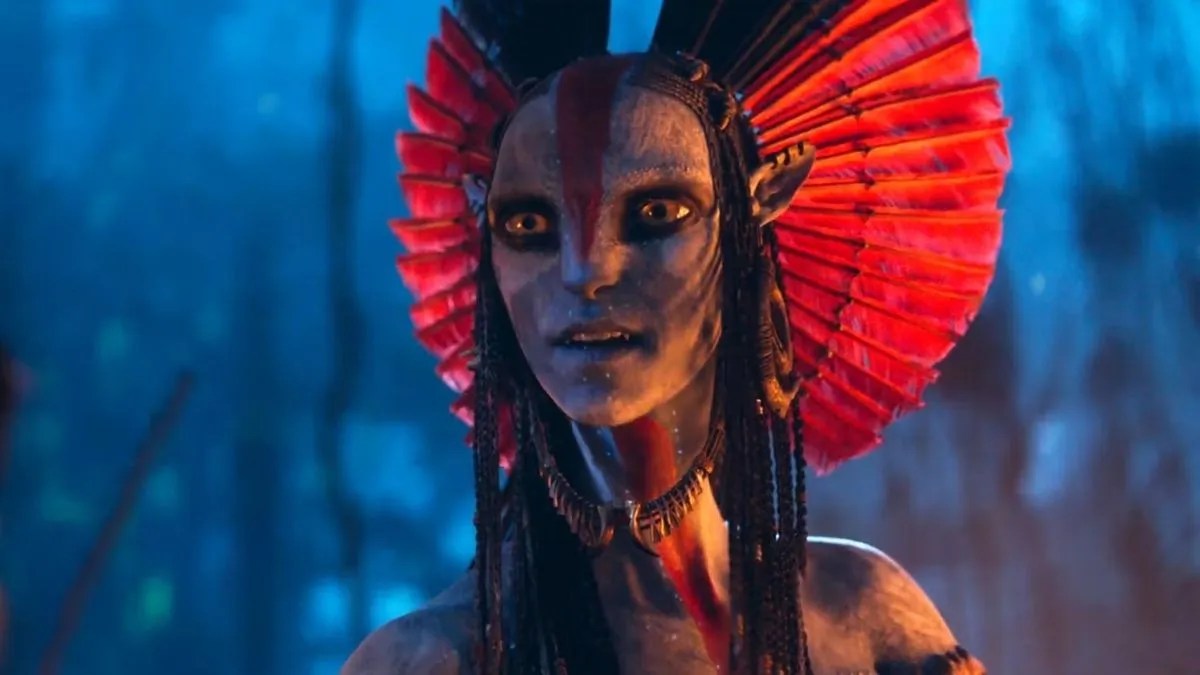
These release dates would get further pushed back with multiple different factors facing the film, from the Fox buyout by Disney, to director James Cameron requiring the development of new technology to shoot motion capture scenes underwater, which lead to the sequels being shot from 2017 to 2020. The announcement of Avatars 4 and 5 lead to more work for the production, and lead to The Way of Water and 2025’s Avatar: Fire and Ash being shot back-to-back. Fire and Ash exist as a direct follow-up to 2022’s previous film, continuing the narrative almost instantly from where the film left off. After the death of their child, Jake Sulley and Neytiri are grieving, and threats of the RDA come back to face them and their family. Quaritch, who has become an Avatar himself when revived in the previous feature, comes across the Mangkwan, a tribe of warmongering and savage Na’vi, led by the mysterious Varang.
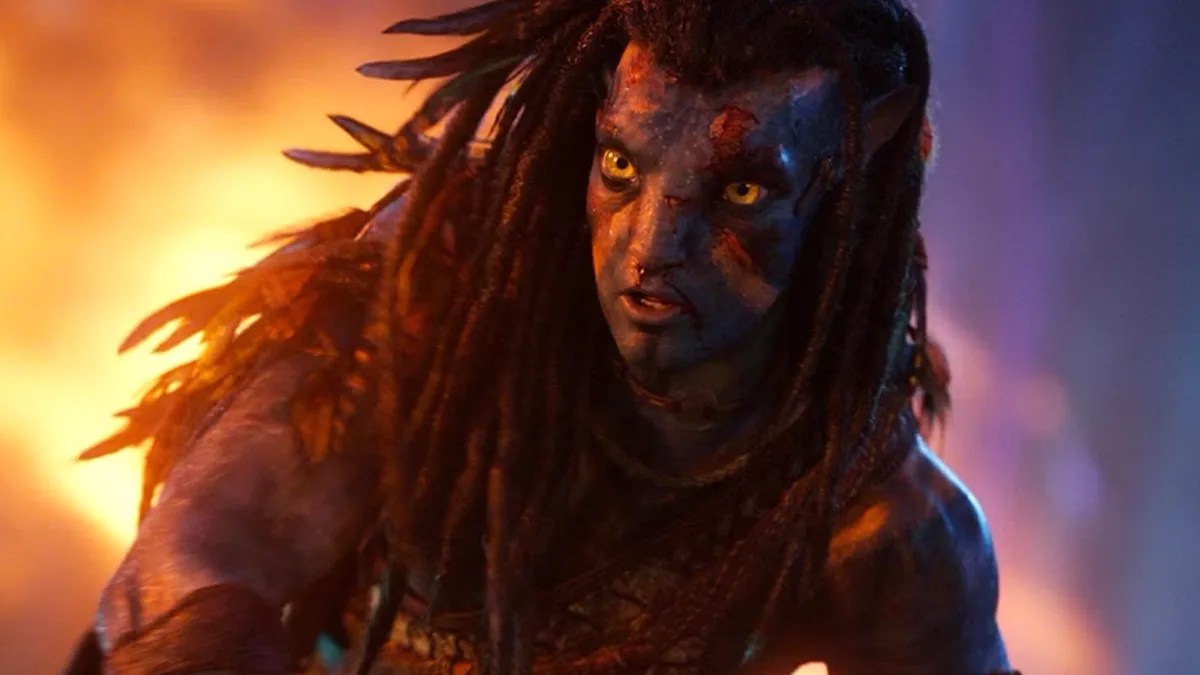
There was a wave of a phenomenon known as post-Avatar depression syndrome when the first film released in 2009, a non-recognised medical condition where various viewers of the film felt unsatisfied with the real world, a disconnection with reality and a longing to live in the world of the fictional Pandora. It is understandable why people were so drawn to the world in the film, because the worldbuilding is truly the best part of Cameron’s features. An almost perfect world where creatures are in unity with nature, a utopian society which contrasts with the harsh and militarised world of the humans is a great setting to get lost in. The additions in the sequel also added a greater mythology to the world, from the spiritual afterlife to a water tribe, and Fire and Ash continue this trend by making the planet of Pandora feel even more real by adding conflict between the Na’vi. The volcano tribe of the Mangkwan are the most compelling part of this sequel, a new element for a film that feels very similar to the previous feature. They are essentially collaborationists in the war between the Na’vi and the RDA, holding grudges against the all-mother Eywa, joining forces with the enemy to bring the whole world down. Varang and her tribe don’t get much to do in the film’s runtime, but they have enough to keep them intriguing, easily setting them up to be larger elements of future films.
They’re true role seems to be to add to the eventual redemption arc of lead villain Quaritch, who was humanised in the last feature with the introduction of his son, and his conflicted feelings of being brought back as one of his enemies. He becomes one of the film’s most compelling characters, as he becomes enthralled by the Mangkwan way of life and with clear feelings for Varang, feeling the draw to become a pure Na’vi. His dynamic with franchise lead Jake Sulley is also compelling, brought together by a need to protect Quaritch’s son, Spider.
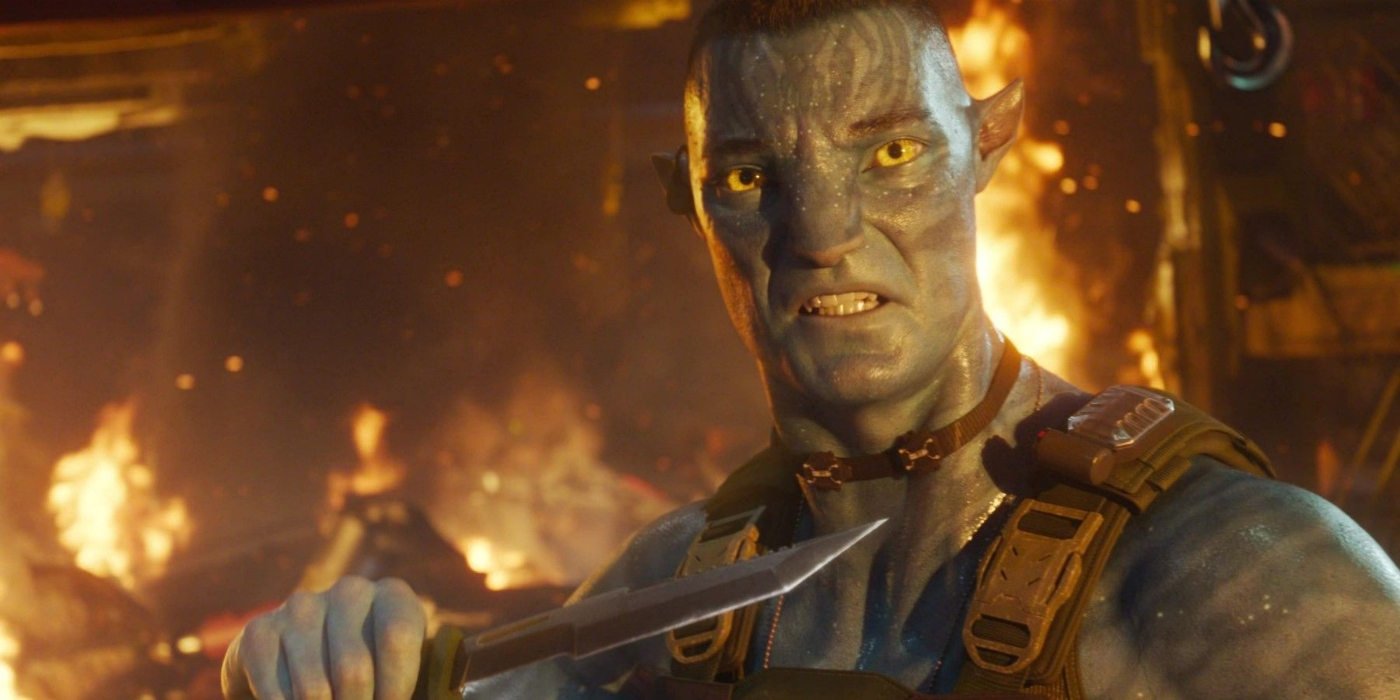
The worldbuilding comes from the excellent visual effects that continue to stun throughout, there was a massive upscale in the effects between the 2009 film and its 2022 follow-up, but with the small amount of time between the two films, there is not much new technology at play, but everything still looks glorious. Simon Franglen’s score gives the film an awe-struck feel, helping to sell this world that still has so much to explore. It is a shame really that the film’s narrative cannot hold up to the excellent world it takes place in, as Cameron has essentially made the same film twice. If a viewer enjoyed The Way of Water, they are bound to enjoy this film as well but will easily see how both films are essentially the same feature. The introduction of a new Na’vi tribe does not do enough to differentiate a narrative that relies on cliches and playing it safe, from keeping the same villains, setting and even the same finale as the previous film, to even a predictable finale that leaves the door opening to have a fourth film which could promise to do something completely different. For a film that is clocking in at over three hours, it is extremely thin on plot, and its narrative ramps up at various times, with each act essentially ending on a sequence which could have been its own finale. It feels like the second act of a larger story, proven by the fact it was shot back-to-back with the previous film, but lacks its own signature hook or conclusive ending outside of putting all the toys back in the box for another day.
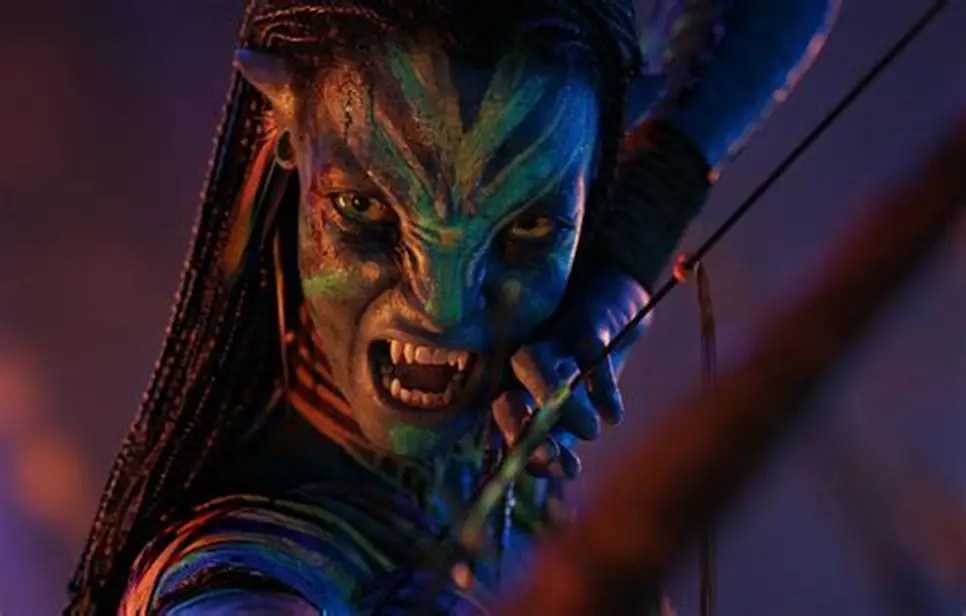
The previous film acknowledged serious change and ended on a major twist that promised no one was safe, but this film lacks those stakes, with each character feeling invincible. Jake Sulley takes the backseat of development, as the family focus on their grief and develop very little past that. Zoe Saldana’s Neytiri goes through a mourning period, becoming vengeful of humans from her hopeful past, and there is a serious consideration between her and Sulley that the audience knows will not be paid off, it’s a choice that Cameron doesn’t seem convinced himself in. The villains steal the show here, and feel like they get the most focus, when it seemed the opposite way in the previous film.
James Cameron had already put some work into Avatar 4, with the film rumoured to feature a time jump early on in its narrative, requiring the younger actors to film the prologue sequences during the production of 2 and 3. However, the press run of Fire and Ash has led to Cameron revealing that those sequels would only happen with the success of Fire and Ash. Cameron is attached to a film adaptation of Charles R. Pellegrino’s novels The Last Train from Hiroshima and Ghosts of Hiroshima, and an adaptation of Joe Abercrombie’s novel, The Devils, which might make him a busy man alongside the production of Avatar sequels. He has even discussed the idea of hiring a protégé to take on the franchise once he is done, which is begging the question, is the Avatar franchise soon to be done? Or is it just Cameron who wants out? Either way, Fire and Ash continue to showcase the impressive effects and large-scale blockbuster action that comes from one of modern Hollywood’s biggest franchises. It is pure blockbuster entertainment in an era where the blockbuster seems to be dying. It is not the most original film in the world, and its narrative falters in lacking anything truly new but it’s a good time at the cinema, and one can only hope for more.
 Rhys Reviews