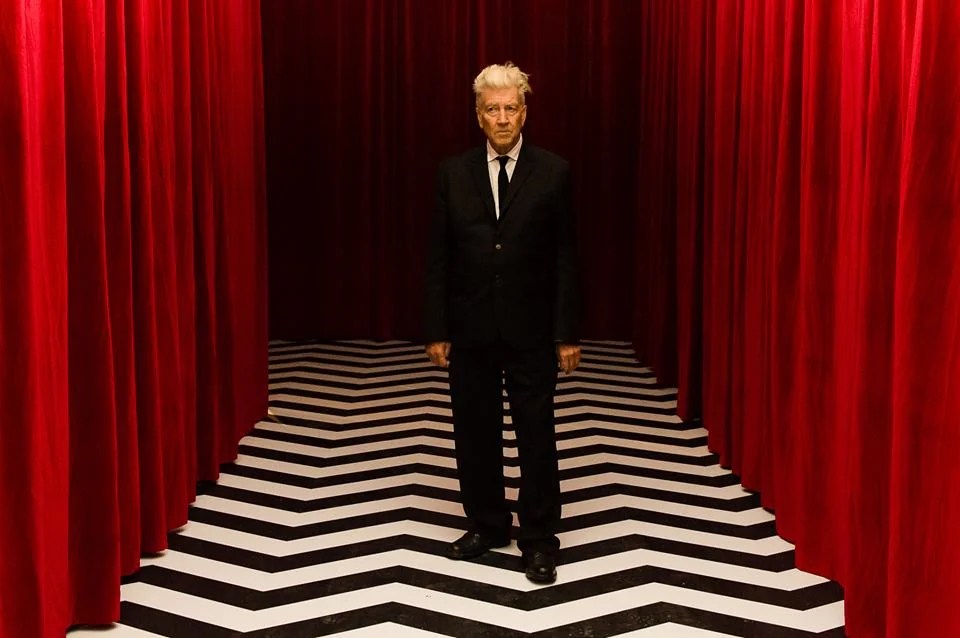
Rhys Reviews: Filmic Analysis

Welcome to my portfolio of film reviews and analytical discussion around cinema and television. Below are my pieces in order

  • Weapons Review

    Off the back of the release of Get Out in 2017, the horror genre has made another massive boom in relevance that has not been seen since the likes of the slasher trend in the 80s off the back of Halloween in 1978. As established through the term of ‘elevated horror’ during the post-modern legacy sequel Scream in 2022, horror has become meaningful and thematically deep once again. Horror franchises still exist and thrive, like the aforementioned Scream, or the forever relevant The Conjuring franchise that has dominated the 2010s, but as proved by the success of films like Longlegs and Sinners, original horror features with deeper metaphorical meaning and made with a director’s vision in mind has become the new hot commodity for the genre. Warner Bros has had a hell of a year so far with the success of both Sinners and Superman and entering the bidding war for Zach Creggers’ sophomore horror feature, Weapons, has landed them another certified hit.

    The studio won the bidding war against other giants like Netflix, TriStar Pictures and Universal Pictures, most notably subsidiary Monkeypaw Productions, Jordan Peele’s production company, with the Get Out-director parting ways with his managers after their loss in the bidding war. Director Zach Cregger impressed immensely with his solo feature film debut in Barbarian, a smart thriller which played with its audiences’ expectations of the genre rules and put the former member of comedy troupe The Whitest Kids U’ Know on the map as a new fresh voice in horror. This was not the first work the director-screenwriter had done for major studios, his comedy troupe were involved in the production of sitcoms Friends with Benefits, Guys with Kids and Wrecked, and co-directing with the late Trevor Moore on the panned feature film Miss March. This turn to horror put him on the map however, delivering a smart script which both thrilled and had deeper messaging around toxic masculinity and corruption, and this deeper exploration of themes only continues in 2025’s Weapons.

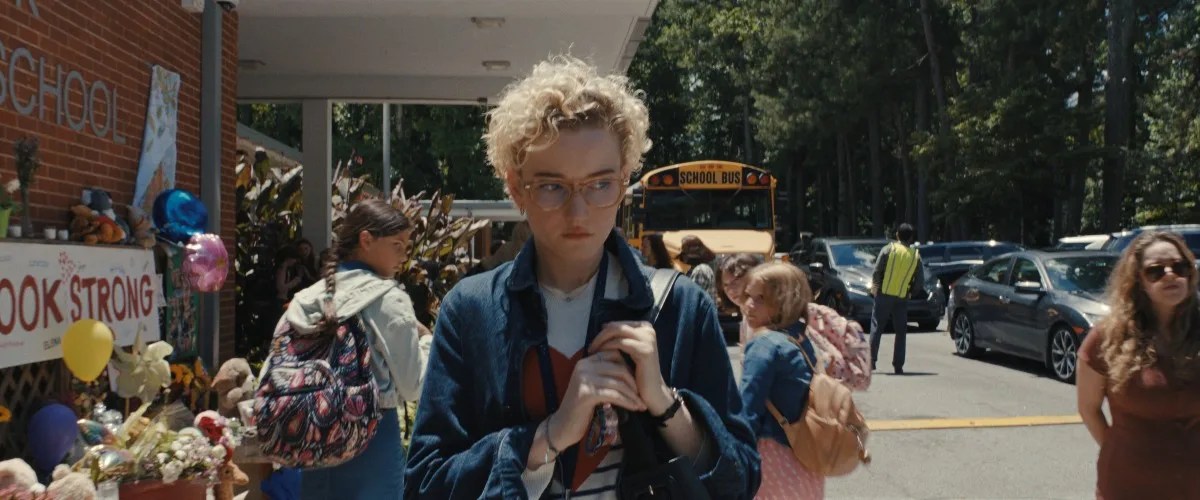
    Julia Garner in Weapons

    The marketing of Weapons has been very mysterious, with the unpredictability of the feature being one of its main marketing gimmicks, so this review will be as vague as possible when discussing this feature. Nevertheless, Weapons follows a mysterious tragedy that be-falls a small-town. Seventeen children mysteriously disappear in the night, all from the same class and taught by the same teacher. The film follows the town’s reaction to the unexplainable events, and the parent’s pursuit to find someone to blame.

    When being pitched to the studios through the software app Embershot on January 23 2023, Weapons was described as a ‘horror epic’, and the film easily lives up to that hybrid genre promise. Compared to the Paul Thomas Anderson feature ‘Magnolia’, the film mixes the world of horror and the film epic, combining the thrills and terror with a massive cast of characters that intersect across a grand narrative. The film’s structure is one of its most rewarding aspects, splitting the narrative into chapters that focus around one of the many characters that populate the film’s incredibly layered narrative. Events in the narrative take place across a small window of time, essentially two days, and each chapter plays out like a small piece of a larger puzzle, replaying similar events that have new meaning when viewed through new characters’ eyes. Each chapter feels like a separate film, layering out different tones and characters that all work together in such a fantastically controlled script. The movie rides the line between so many genres, adding in comedy and drama aspects as well into the pile, and Cregger combines it all together in a cohesive whole that should not work. The mystery is layered out and articulate in the details it gives you, suspenseful and scary in all the best ways, and then boils over to a ballsy and hilarious closer.

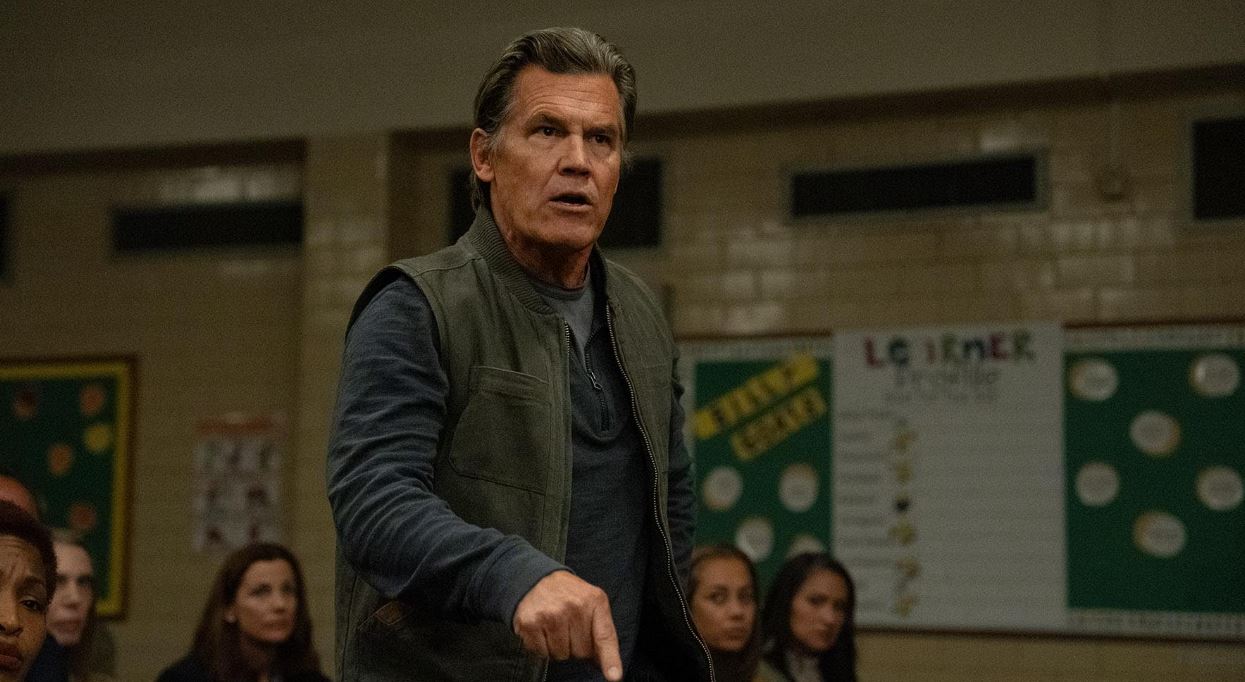
    Josh Brolin in Weapons

    When initially put into production after being purchased by Warner Bros, the film recruited a heavy sum of talent, with Pedro Pascal, Renate Reinsve, Brian Tyree Henry, Austin Abrams, Tom Burke and June Diane Raphael making up Cregger’s cast. However, once the actors strike hit in 2023 and production was delayed, Pascal, Reisve, Henry and Burke bowed out of their leading roles, and would soon be replaced with Josh Brolin, Julia Garner, Benedict Wong and Alden Ehrenreich respectively. Production delays can never be good for a feature, but here they worked out for the best, it is hard to imagine any other actors embodying their roles as easily as this cast featured here. Garner manages to convey many sides to her central teacher role, it’s a hard role to juggle, a character who is a victim because of the town’s pursuit of her being the perpetrator, but Cregger’s character don’t fall into perfect fundamental roles.

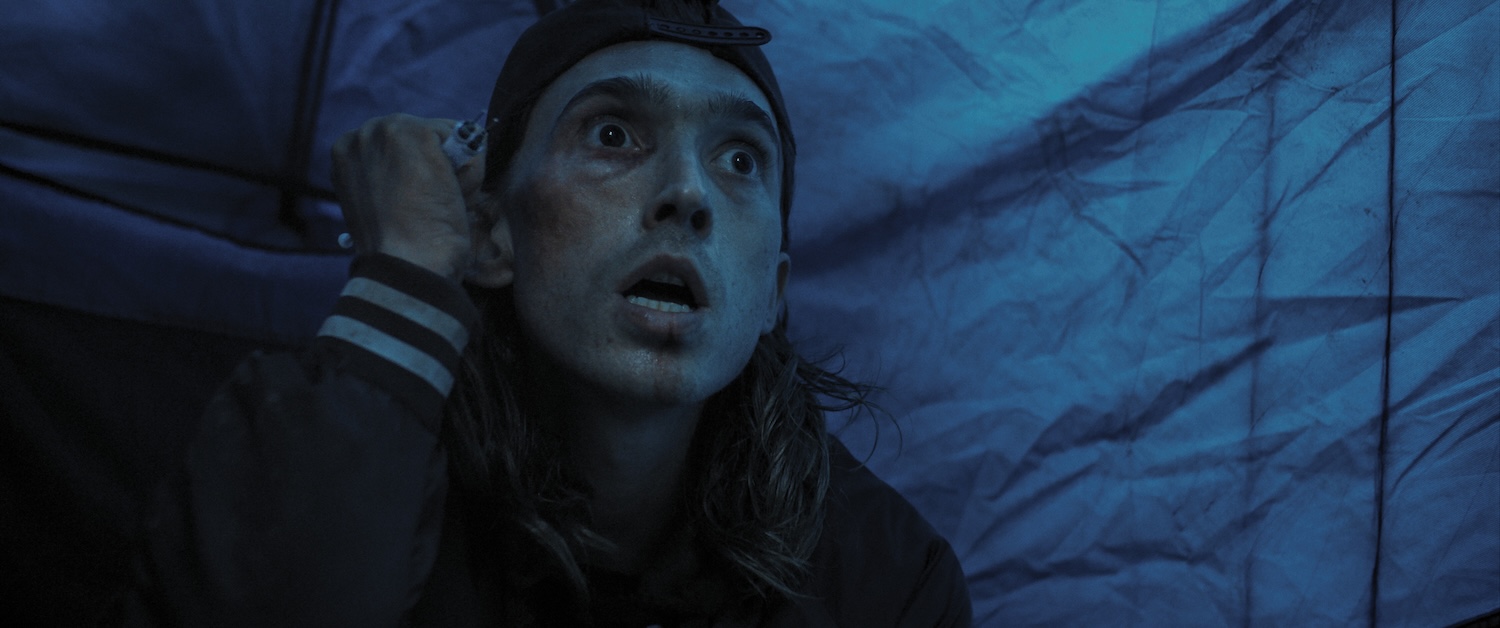
    Austin Abrams in Weapons

    Garner conveys a character who is unprofessional at times, and is a bit messy in her relationships, but the film shows she genuinely cares for the students she teaches. Brolin delivers a similar performance, playing a father who is wracked with guilt over his son’s disappearance and looking for anyone to direct his anger towards. It would be easy to make a character like this irredeemable or even completely innocent, but the script smartly does both, grief makes people do horrible things and an understanding of that comes from the audience. Benedict Wong and Alden Ehrenreich also do excellent work in their supporting roles, playing two characters that walk the line perfectly between hilarious and horrific in all the best ways. Austin Abrams’ performance makes a very stock ‘junkie’ character into an endearing and humorous part of such a talent cast, with his chapter serving as the film’s most comedic. The biggest standout of the cast however is newcomer Cary Christopher, who makes his film debut in such a crucial role here. For such a younger performer, Christopher handles a massive weight on his shoulders, the film would fall apart if his scenes were not nailed, the entire narrative forming around this one sympathetic performance.

    This character also serves to bring across Weapons’ many central themes. There is so much going on across this film, and the true metaphorical meaning of some narrative choices and visuals will be analysed for years to come, but there is still some clear messaging here. Creggers’ previous film, Barbarian, built itself around three pillars of metaphorical messaging, toxic masculinity, male rape culture and police corruption. Two of three of these central themes continue to be prevalent here, Ehrenreich’s chapter serves to highlight police corruption as a theme, but also in the failings of governmental bodies that do not seem to care about the less fortunate and their missing children, with vigilante justice being the only way the characters may save the day. Brolin’s character builds around a smaller look at toxic masculinity, representing him as a troubled father who finds it hard to fit out of the box of ‘traditional’ masculinity, which then rubs off on his child.

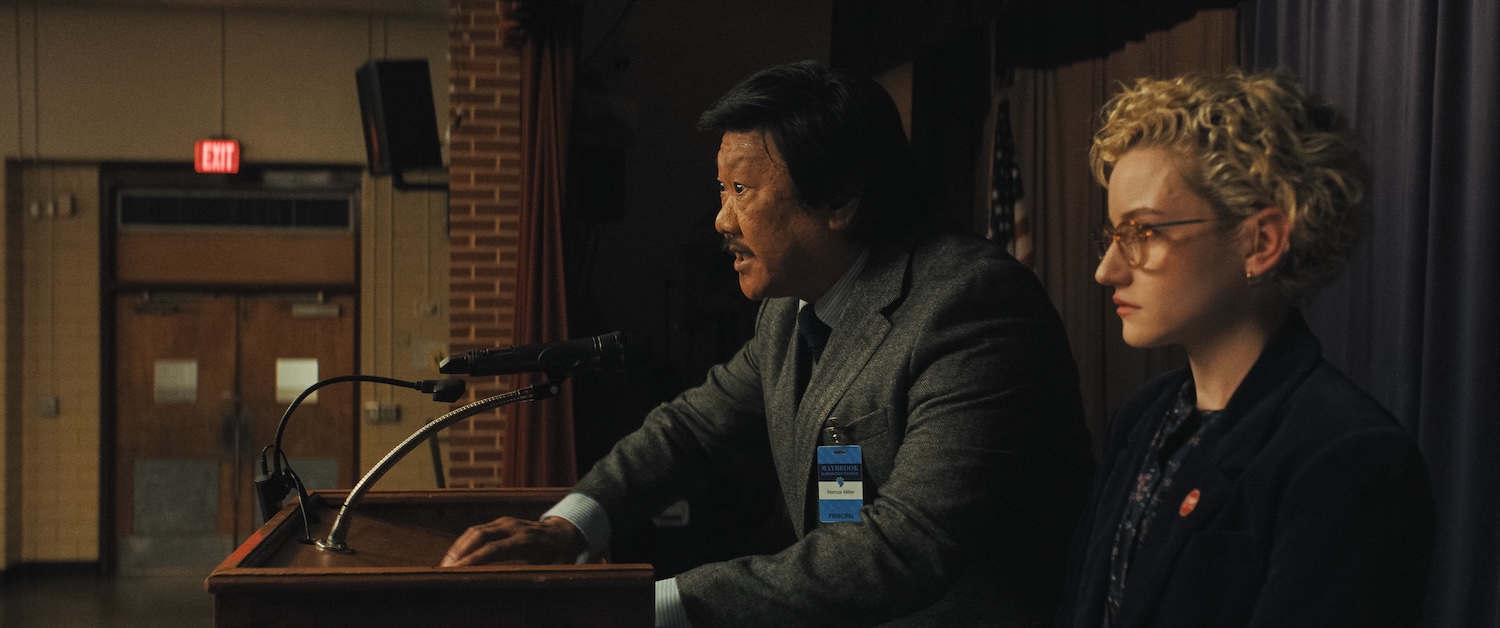
    Benedict Wong and Julia Garner in Weapons

    The term Weapons used in the title seems to convey the idea that bad parenting, pain, grief, the failings of governmental bodies who are meant to protect us, can all lead to a child becoming a weapon of that pain and anger. It’s a film about generational trauma, where the sins of the older generation only serve to make the lives of the next become more desperate and worrying. Zach Cregger has also sought to squash rumours that the film is metaphorically about the aftermath of the school shooting, but it is hard to shake when the points all lead to that conclusion. The central plot being focused on a school tragedy, with angry parents looking to blame anyone, even the teacher for an unexplainable event seems to connect the dots, and a dream sequence even showcases a floating gun, which seems to at least confirm an attempt to connect the supernatural events to a tragedy such as a school shooting.

    Cregger’s direction is filled with the thrills you would expect from this genre-bender rollercoaster of a feature, he has perfected the use of the tracking shot and the terror that comes from holding the camera still in long shots. Weapons is a tour-de-force showcasing of the talents of this director, a perfectly crafted film that should not work as well as it does, blending the genres of comedy, horror, drama and film epics in such a perfect way. Barbarian was the warm-up, and this is the true showing of his genius.

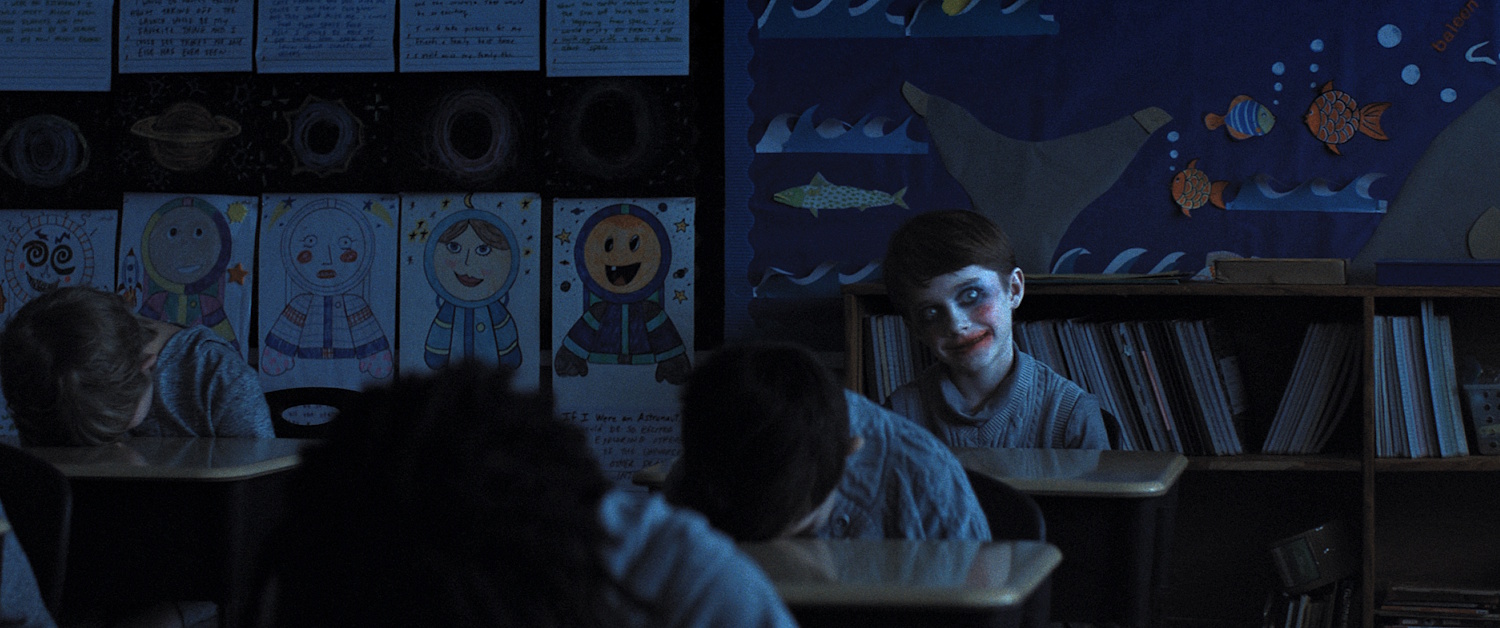
    Cary Christopher in Weapons
  • Bring Her Back Review

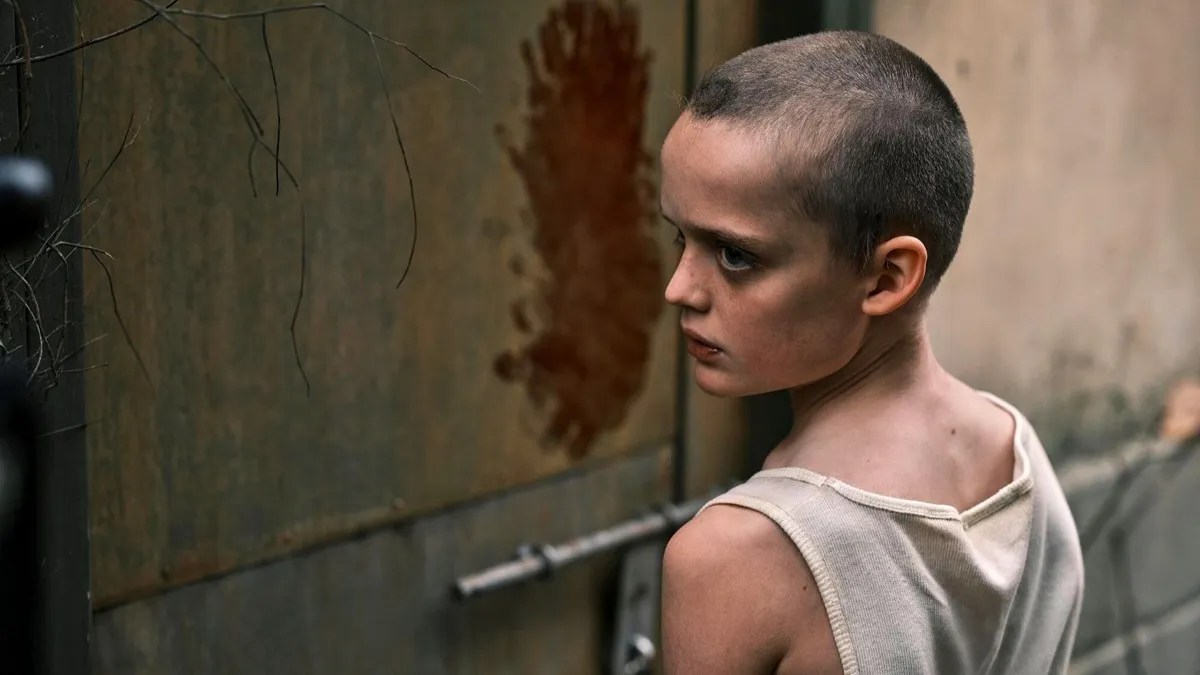
    Jonah Wren Phillips in Bring Her Back

    In the age of A24 and Blumhouse, the horror genre has made big names out of the most unlikely of faces. Jordan Peele, renowned director of such hits like Get Out and Nope, made his start as part of comedy duo Key and Peele. Barbarian director, Zach Cregger, began work as part of the comedy television troupe known as The Whitest Kids U’ Know, and Until Dawn director David F. Sandberg was discovered when making horror short films on video hosting website Youtube, with one short film turning into his directorial debut, Lights Out. Horror could easily be seen as gateway genre, built to debut entertaining and unique voices that no other genre may give a chance to, and one of those new key voices is the duo of Danny and Michael Philippou.

    The duo gained their fame from starting off as Youtube celebrities, creating the channel RackaRacka in 2013, a comedy focused channel, where the brothers filmed humorous and sometimes horrific and violent skits. A love for horror could be seen all the way back then, and after working as crew members on the 2014 film The Babadook, they began work on their directorial debut. Talk To Me served as their directorial debut, a low-budget indie that took the world by storm once it was picked up by A24 after being screened at festivals, and soon became their highest grossing film, grossing $92 million worldwide against a production budget of $4.5 million. A bold new take on the possession genre, with fresh new voices breathing new life into a tired old genre, they became a notable name in the genre.

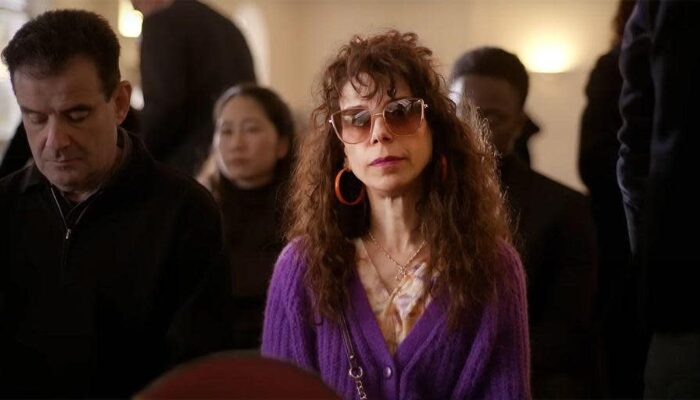
    Sally Hawkins and Jonah Wren Phillips in Bring Her Back

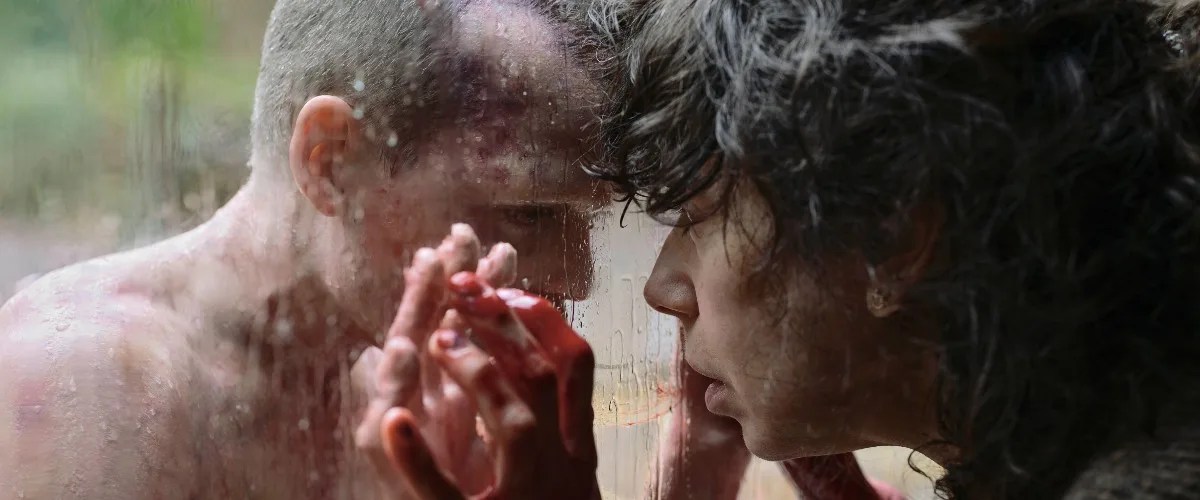
    Here, three years after the release of Talk To Me, the brothers have released their follow-up feature, still contained in the horror genre. In 2025, Bring Her Back serves as their return to the big screen, continuing their exploration into the possession genre, in a fresh new way that speaks in unison with their prior work. The film follows 17-year-old Andy and his partially sighted younger stepsister Piper, after the death of their father. Thrown into the adoption agency, they become adopted by a strange woman named Laura, who recently lost her own child, and wraps the two young siblings into a sinister occult ritual.

    Bring Her Back serves as hybrid genre film, mixing the worlds of the horror-possession film with the thriller/woman’s film sub-genre of the psycho-biddy. Launched with the release of the 1962 film What Ever Happened to Baby Jane, the genre conventionally focuses around a formerly glamorous woman who has become mentally unstable and terrorizes people in her vicinity. Continuing throughout the 60s and 70s, the films contained in the sub-genre became to be seen critically by film scholars, seen as offensive films that put down its antagonists as ‘hags’, showcasing their unattractiveness and their insanity.  This 2025 reinvention of the genre stars Sally Hawkins in the role of the ‘hag’, but instead of forming the character a monstrous villain, Hawkins’ character is incredibly sympathetic.

    Sally Hawkins in Bring Her Back

    Hawkins’ career in the modern day has been characterised by a variety of heartwarming and human performances, from the family matriarch Mrs Brown in the Paddington films, or the mute woman who falls in love with an aquatic monster in Guillermo Del Toro’s The Shape of Water. Moving into a more horror-focused role, these soft-spoken and humanist performances has not been left behind, Hawkins’ plays the adopted mother character like she is still playing Mrs Brown. There is a sense of eeriness in each of her scenes, like there is something wrong under the surface, similarly to the grandparents in M. Night Shyamalan’s The Visit, but there is something genuine and down to earth about her. She wears glamorous outfits and holds herself strong, in opposition to the 60s’ version of a similar character, but when that eventual ugliness does come out in the film’s final act, it comes out as more saddening and depressing than something horrific.

    Sally Hawkins’ central performance holds the movie together, she is the centre piece, but Billy Barratt, Sora Wong and Jonah Wren Phillips all hold their own performance-wise, as aforementioned Andy and Piper, and Phillips as Hawkins’ Laura’s foster son Oliver. Barratt and Wong share incredible chemistry as stepbrother and stepsister, a believable relationship that is heartwarming to view, a dynamic that is a crucial part of making the film work. Phillips’ delivers one of the most frightening child performances in a horror feature in years but also subdues a small sense of heartbreak into that terrifying performance.

    Billy Barratt and Sora Wong in Bring Her Back

    It is hard to argue whether Bring Her Back is better or worse than the duo’s previous directorial debut, it is going to be a strong argument for fans of the duo. However, it can be seen easily that the films work complimentary to each other. Talk To Me uses the possession sub-genre as a metaphor for drug addiction, the possessing hand makes the film’s lead, played by Sophie Wilde, addicted to the activity. Her addiction leads her to putting her friends in harm’s way and making questionable choices for another go at being possessed. The film is rooted in an exploration into grief; Wilde’s character is rooted to a wish to speak to her mother one more time.

    Grief appears as a complimentary theme for Bring Her Back, the siblings of Andy and Piper find it hard to get over their father, and Laura is dealing with her own grief around her daughter. This combination of grief should bring these characters together in collective mourning, but the unpredictability of the script allows a fresh exploration into the all-consuming feeling of grief, and the steps people may take to not feel those feelings once more. The Philippu’s also seem to be making clear messages around child endangerment and abuse and showing a concern around the adoption agency.

    Jonah Wren Phillips in Bring Her Back

    The film never reaches the terror of the scenes of hell in Talk To Me, but the more character focused storytelling leads the film into a tension-focused thriller. There is inclusion of VHS styled footage throughout, which seems to be a staple for A24 features at this point, off the back of films like Aftersun and Past Lives. The footage works however, crafting some creepy imagery, and explaining some of the film’s mysteries in a smarter way than just holding the audience’s hand through an explanation. Sound design works wonders as well in crafting some gross-out sequences. The Philippou’s have a strong control of the camera, with some fantastic editing that keeps the film tense and humorous at moments. There is a great montage set to a Yoko-Ono song which helps the film to bridge the gap between its sense of awkward humour and its tension-fuelled horror sequences.  

    Bring Her Back showcases an undeniable staying power for the youtube famous director duo, they show a great degree of control in balancing tone, with a mix of humour, horror and genuine sadness across the runtime. Bridging the world between the possession film and the psycho-biddy film, the film updates an older sub-genre to modern sensibilities, making the horror both gorey and filled with despair. Overcoming grief and the sense of never getting over that grief hangs over Sally Hawkins’ powerhouse performance, marking this as must watch for the 2025 horror summer season.

    Sally Phillips in Bring Her Back
  • I Know What You Did Last Summer Review

    Madelyn Cline, Chase Sui Wonders, Jonah Hauer-King, Tyriq Withers and Sarah Pidgeon in I Know What You Did Last Summer

    The success of Wes Craven’s Scream in 1996 cannot be downplayed, the slasher revitalized the horror genre after the 80s slasher trend finished, and opened the door for more self-reflective features, with postmodern film references all over the filmic landscape in the modern day. One of the things it caused mainly however was a line of clear copycats, just like Halloween spawned films like Friday the 13th and Nightmare on Elm Street, Scream spawned such features like Scary Movie and Urban Legend, continuing the new postmodern formula of Craven’s original feature. Probably the most famous film to come off the back of Scream is 1997’s I Know What You Did Last Summer. Based on Lois Duncan’s 1993 novel of the same name, the film took the mystery novel and turned it into a classic 80s slasher feature, a choice which some critics took issue with, viewing it as an out-of-date feature which falls back on the trappings of 80s horror rather than the positives that came from Scream. However, the movie owes its success to coming out a year after Scream, and even though fairing middling in critical reviews, the film was a box office success and has long since became a cult classic.

    The film was even written by Scream scribe Kevin Williamson. Followed a mere year later, I Still Know What You Did Last Summer was a box office success once again but essentially killed the franchise, receiving even worse critical reviews and being criticised for essentially feeling like a remake of the original. In the years since, there has only been small signs of life from Sony’s hopeful cash cow of a franchise, with an unrelated sequel coming direct to DVD in 2006, I’ll Always Know What You Did Last Summer, and a streaming reboot series released in 2021 to Amazon Prime, which was cancelled after one season.

    Lead Killer the Fisherman in I Know What You Did Last Summer

    It is only naturally that after the success of the Scream franchise coming back to the big screen once again, with successful entries in 2022 and 2023 and another instalment in the works currently, that studios would attempt to bring back their own reflexive slasher properties. Hollywood star Marlon Wayans, and his brothers Shawn Wayans and Keenan Ivory Wayans, have been announced to helm another Scary Movie feature, and Sony has returned to make another I Know What You Did Last Summer feature. In typical legacy sequel fashion, the film is titled the same as the original, and began life in 2014 when Mike Flanagan, famous for his Netflix series like The Haunting of Hill House, and Jeff Howard signed on to reboot the property. Initially pitched as a complete reboot of the franchise, removed from any connections to the original feature or the novel it was based on, the project entered development hell once Flanagan and Howard left the project. Revitalized by a legacy sequel pitch from director Jennifer Kaytin Robinson, the film has finally seen the light of day in cinemas now.

    The 2025 legacy sequel follows a new group of friends who become plagued by a hook-wielding fisherman killer after they covered up an accidental murder. 27 years later after a similar incident, the friend group recruits original survivors Julie James and Ray Bronson to help them stop the killer.

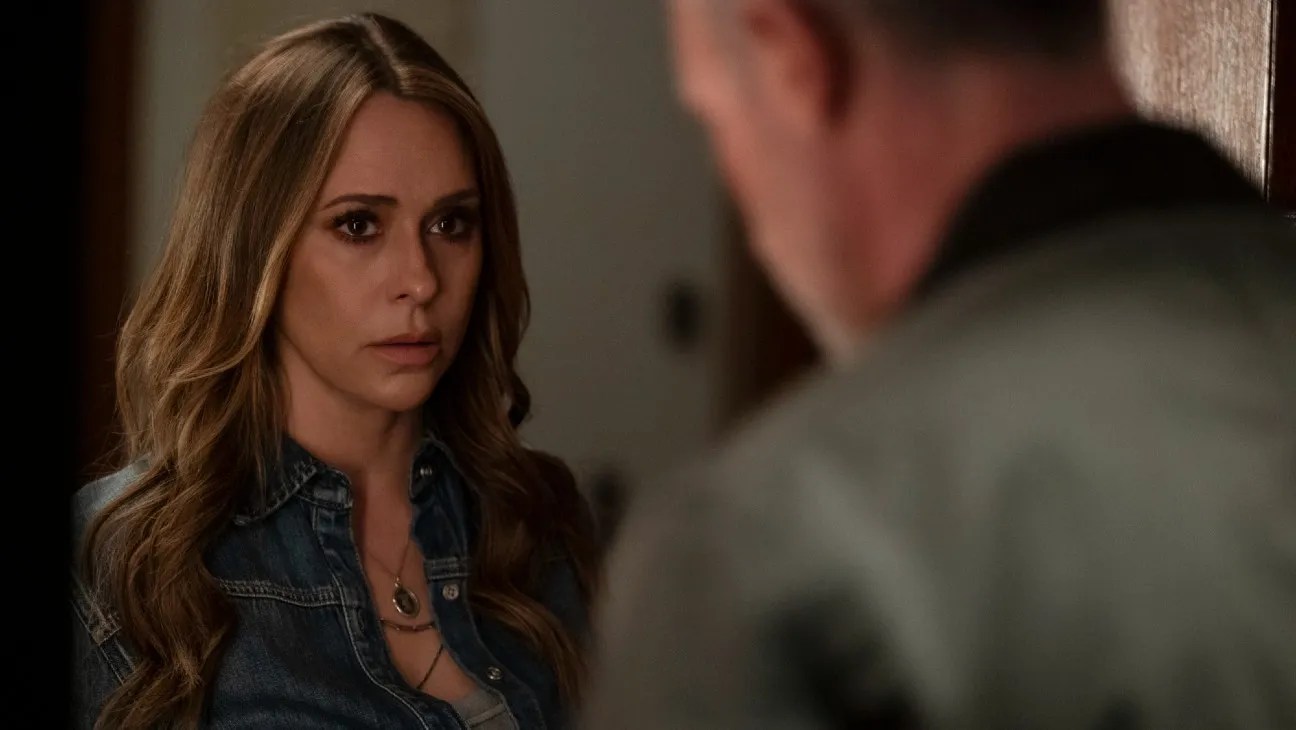
    Jennifer Love Hewitt and Freddie Prince Jr in I Know What You Did Last Summer

    The film sees the return of franchise star Jennifer Love Hewitt to the big screen, with her mainly being seen on television for the past decade, with brief appearances on shows like 9-1-1 and Criminal Minds. A baffling scene in the third act sees the character state that nostalgia is overrated, when the entire backbone of this feature is nostalgia. The choice to see the return of Hewitt and Freddie Prince Jr to the franchise is done to harken back to the originals, the movie follows the legacy sequel trend that 2018’s Halloween and 2022’s Scream started. Hewitt takes the role of Laurie Strode or Sidney Prescott from the previously mentioned features, a background returning character that serves only to remind audiences of the original and appear for the triumphant third act.

    Prince Jr continues the archetype started by the return of David Arquette’s Dewey in 2022’s Scream, a grizzled and saddened version of the character we once knew who returns to bring wisdom to the new characters and to inform them on the rules of the franchise. Just like every other legacy sequel, the film follows the exact same formula of the original, essentially acting as a remake but with returning characters. The newly added elements also just make the film feel like a spoof of Scream, the whodunnit nature is more present here, with various potential killers rather than just the one of the original. Red herrings are present throughout, and there is an attempt to have a postmodern conversation about nostalgia, but it all falls flat when the movie is falling back on nostalgia itself.

    Freddie Prince Jr in I Know What You Did Last Summer

    The movie is relatively safe in its narrative, if you have seen the original, then you have also seen this film. There is a bold attempt at subverting legacy sequel tropes in the third act, but it is choreographed well ahead of its reveal and will only serve to presumably annoy people who enjoy the original feature. Hewitt and Prince Jr give serviceable performance in their screen time, but the biggest pitfall of the newest legacy feature is how little it gives its new characters. Each new character is given an archetypal role that boils down their personalities and gives them very little else, giving newcomers Madelyn Cline, Chase Sui Wonders, Jonah Hauer-King, Tyriq Withers and Sarah Pidgeon very little to work with. When attempting to undertake a narrative like a whodunnit, it is important to make the characters memorable, and this film fails to follow through on that. They all feel like characters that would be found comfortably in an 80s slasher, whose only purpose is to become part of the body count.

    Editing inconsistencies also plague this film throughout, the lead killer seems to be able to teleport in sequences where it is clear moments have been stripped away in the edit, and there are scenes where characters seem to be changing attire in the same scene. The end tease for a potential sequel also seems to be based around a removed scene that was in an earlier screening of the film, with this line inclusion now seeming out of place with that scene removed. The entire plot of the film also hinges on an accident that does not make much sense, with screenwriters Sam Lansky and Jennifer Kaytin Robinson writing themselves in a corner with how to explain the killer’s motivations and the guilt of its central characters.

    Kills are brutal and creative throughout, with Robinson’s direction shining when making the use of shadows and making the use of impressive sound design in engaging kills. It is one of the clear standouts of a confused and middling script, but it cannot save a film which is struggling to stand out from the shadow of the Scream juggernaut. 2025’s I Know What You Did Last Summer feels like a late entry into the legacy sequel trend, a film irking of the success of much better slasher films in the last decade, and reflects the failings that can come from this once-dead genre.

    Madelyn Cline, Chase Sui Wonders and Sarah Pidgeon in I Know What You Did Last Summer
  • The Life of Chuck Review

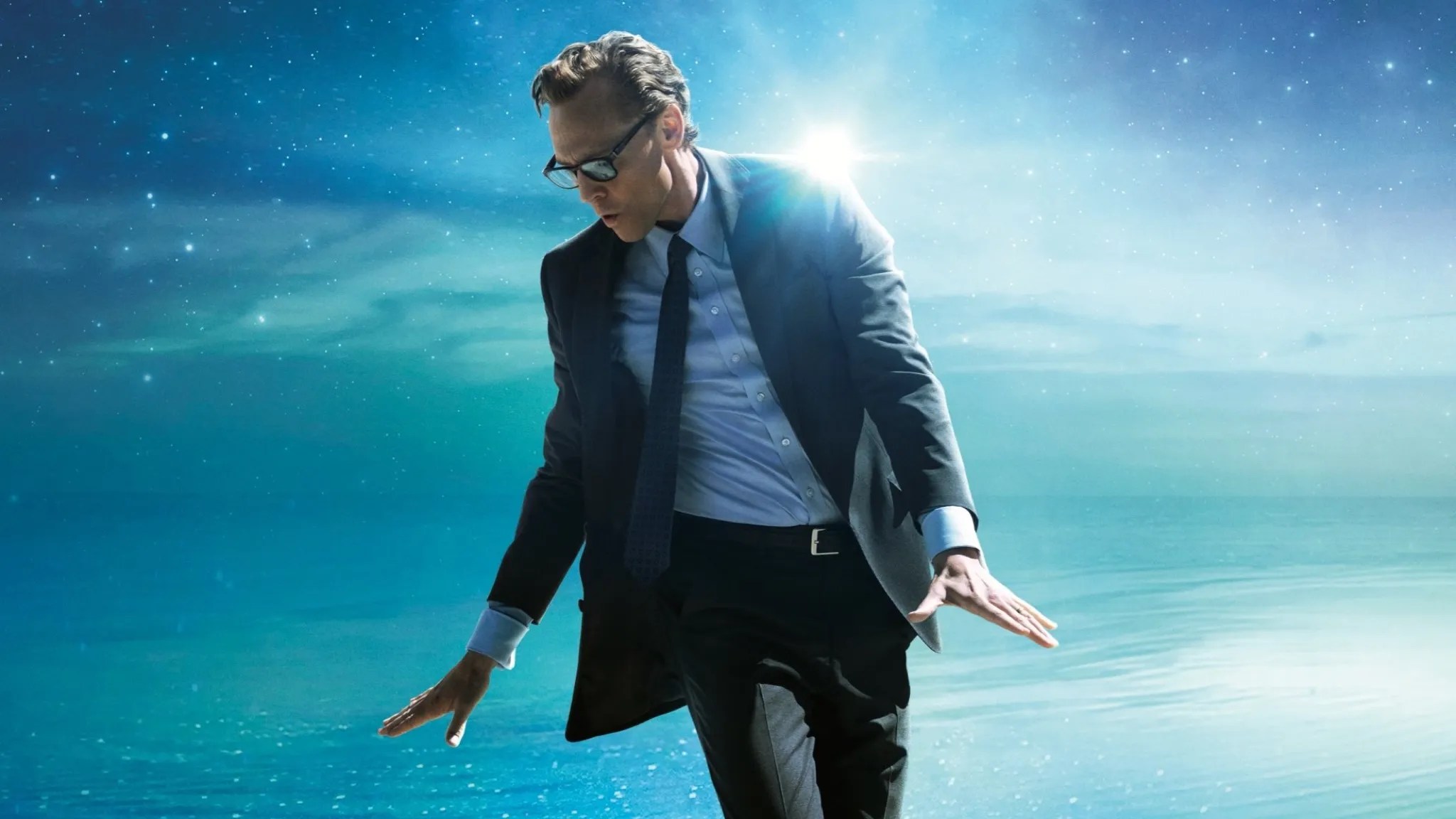
    Tom Hiddleston in The Life of Chuck

    Stephen King is one of the most popular horror authors of the modern day, publishing almost 60 novels since the release of his first novel in 1974, known as Carrie. Though, most known as a horror author, it’s the author’s non-horror works that have made the biggest splash critically when being translated to the big screen. Director Rob Reiner’s 1986 film Stand By Me, based on short story ‘The Body’, and Frank Darabont’s pair of releases, 1994’s The Shawshank Redemption and 1999’s The Green Mile based on the short story and novel of the same name, stand as prime examples of the success of adaptations of King’s more dramatic pieces of work.

    Director Mike Flanagan has already had tremendous success working with King, adapting two of his horror novels, Doctor Sleep and Gerald’s Game, into features released in 2019 and 2017 respectively. The director is also most known for his horror works, starting with his low budget feature Absentia in 2011, and most probably known to a general public for his horror Netflix television series, notably 2018’s The Haunting of Hill House, 2020’s The Haunting of Bly Manor, 2021’s Midnight Mass, 2022’s The Midnight Club and 2023’s The Fall of The House of Usher. Before he returns to the worlds of horror, with the director attached to a new Exorcist film and a Carrie television series for Amazon Prime next, Flanagan has sought out a lesser-known King-drama short story to adapt, The Life of Chuck.

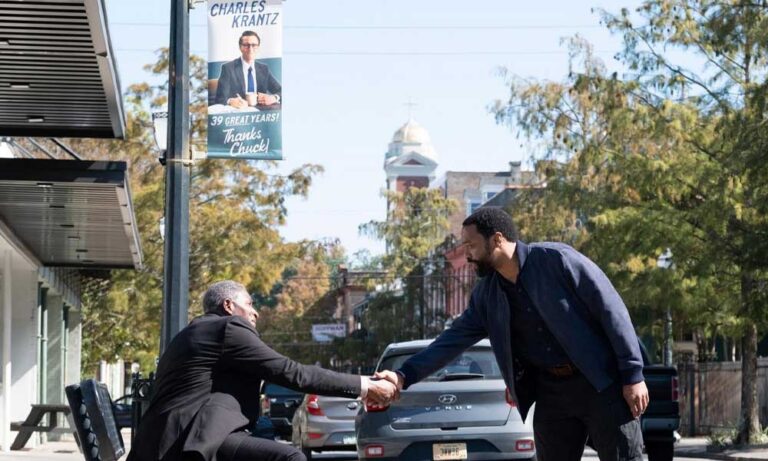
    Carl Lumbly and Chiwetel Ejiofor in The Life of Chuck

    Told through 3 separate chapters, that tell the life of Charles Krantz, known as Chuck to his friends, as the film explores the character’s life backwards. Starting with the end of his life, and beginning with his coming of age, the film and original short story showcases how the people in his life shaped him to the man he is, exploring the multitudes of life and memory.  

    Through his previous two works adapting the horror author, it was clear to argue that King and Flanagan almost felt like they were made for each other, the connection between King’s introspective dialogues and Flanagan’s wordy monologues is palpable. The same can be said for The Life of Chuck, a short story that seems like it was made to be adapted by Flanagan. Flanagan makes the genius decision to give this film a voice-over narration, with Nick Offerman doing the voice-over duties, delivering narration directly from the novel word-for-word. This helps the narrative for sure, some of the strongest emotional beats come from Offerman’s delivery and words and helps to bring structure to such a weirdly structured film. Delivering accurate narration onto the big screen is not the only thing pulled from the short story, the film essentially brings everything from the story onto the screen, favouring expansion to some elements than removing any. Narrative-wise, the story of this film leans a lot more on the emotional side of the King adaptation filmography, its overly sentimental and wordy in its messaging, a choice that will not work for every audience member but works well for people used to Flanagan’s dialogue-heavy previous projects.
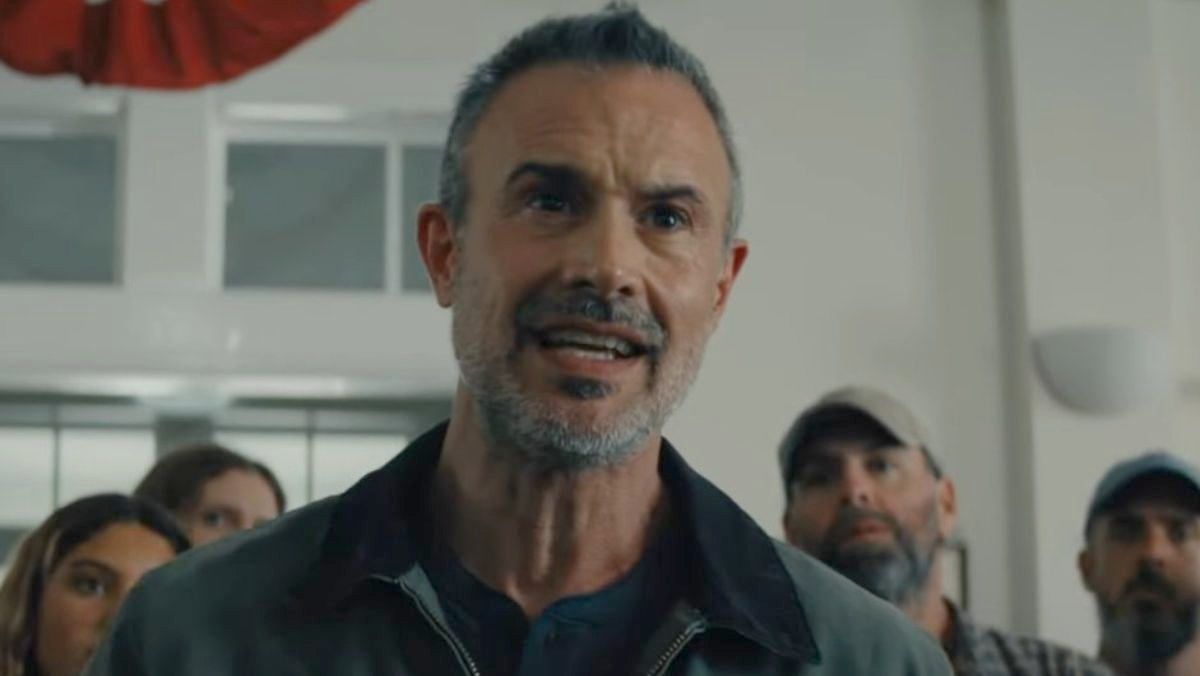
    Mark Hamill in The Life of Chuck

    Flanagan’s Netflix series, mostly Midnight Mass, would be criticised commonly for its lengthy dialogue sequences, with many conversations between characters ranging between 3 to 5 minutes in length. These scenes could be argued as an example of show, don’t tell, featuring characters discussing the themes of the show, exploring topics of religion, greed, death and the meaning of life, but the writing was so well-realised and moving that it could be ignored for its lengthy inclusion. This film is a treasure-trove of lengthy monologues, the film being held together by the people that come in and out of Chuck’s life, imparting wisdom on him and then leaving the narrative. Running just under two hours, viewers who would criticise Flanagan’s meaningful but lengthy dialogue sequences may find the inclusion here more meaningful and emotional in their frequented but shortened inclusion.

    The themes that the director explored in his long-running series also make appearances here, from discussion around religion, the fear of death and the meaning of life, all explored in new ways through both the characters and the central narration. The narrative also being in reverse chronological order allows for a central mystery to build, opening with characters dealing with the end of the world, and how this end links to a man they barely know, Chuck. Through the reverse chronological narrative, the film becomes more complex and denser as the narrative moves on, revealing answers and a central twist as Chuck’s life becomes simpler and more mundane, from adult to child.

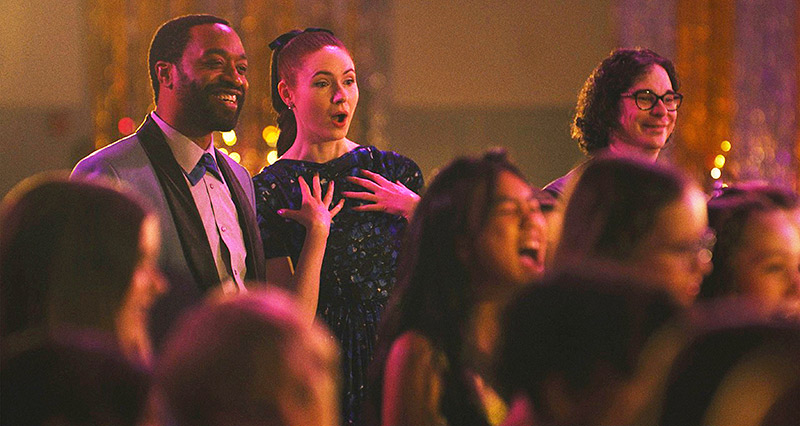
    Karen Gillan and Chiwetel Ejiofor in The Life of Chuck

    Flanagan’s film has delivered an incredibly surprising cast, with most of its biggest names being in small scenes and essentially cameos. Flanagan mainstays, that have populated his casts for a decade at this point each get a moment to shine, notably Rahul Kohli, Carl Lumbly, Kate Siegel and Samantha Sloyan. David Dastmalchian and Harvey Guillen share a fun singular sequence each which brings some welcome levity to the proceedings. Scream and now-Five Nights at Freddy’s star Matthew Lillard has a memorable sequence that will tug at the heart strings, and Nightmare on Elm Street’s own Heather Langenkamp makes a notable return to the big screen. Starting the film off with people reacting to Chuck outside of meeting the character ourselves, welcomes Chiwetel Ejiofor and Karen Gillan into essentially being the opening acts main characters and they handle the focus perfectly. Newcomers to the worlds of overlong monologues, they seem naturals at talking about the meaning of life and death itself. Mark Hamill and Mia Sara give heartbreaking performances as Chuck’s grandparents, bringing some realistic humanity to such a fantasy-esque narrative.
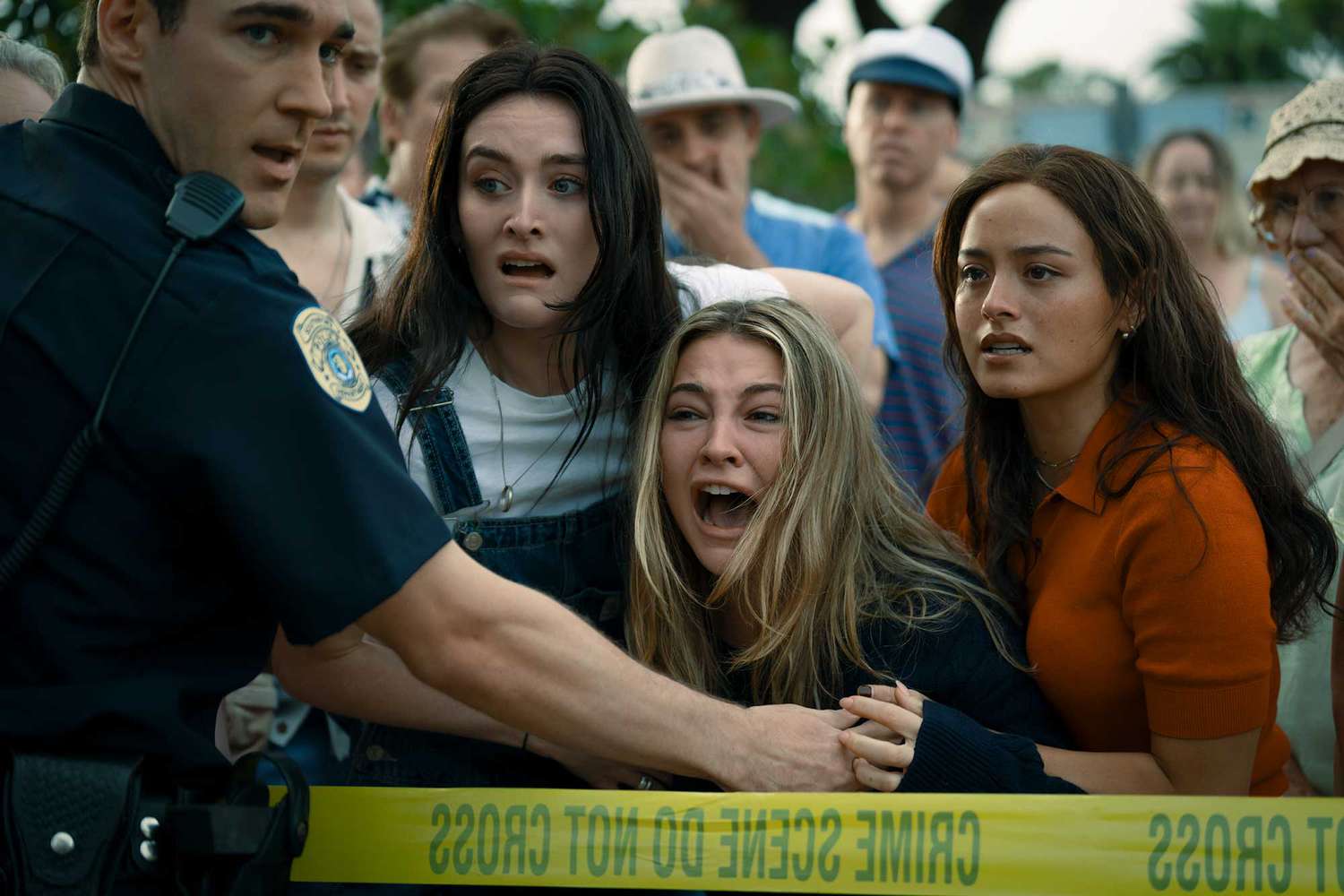
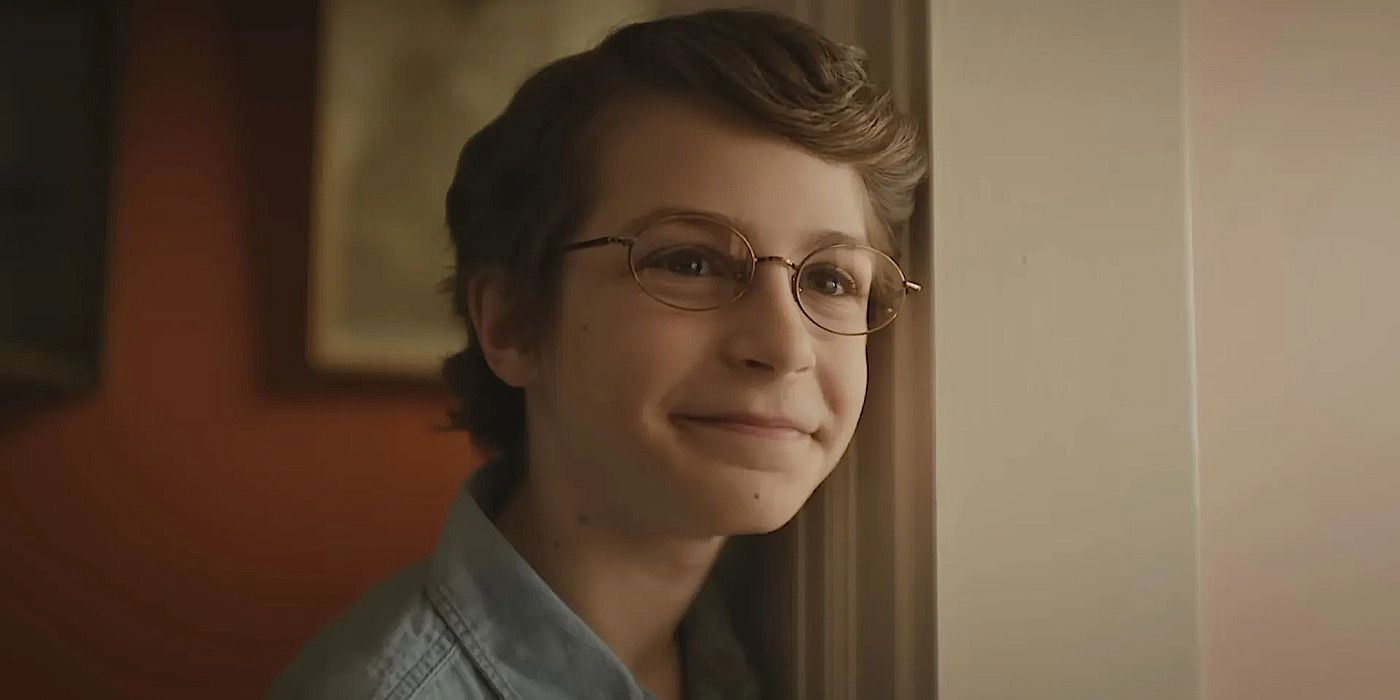
    Benjamin Pajak in The Life of Chuck

    The titular character has been marketed as being played by Tom Hiddleston, but the Marvel-star is in very little of the film. Chuck’s most common actor is newcomer Benjamin Pajak as the 11-year-old version of the character, and he delivers the true heart of the movie through his performance. The entire narrative reveals itself through his impassioned performance, reflecting himself through Hiddleston’’s short tenure as the character, selling the positivity of the character amongst all the pain he encounters, his love of dance and the teenage angst that comes at that age.

    The Life of Chuck stands strong next to some of King’s most successful adaptations. Mike Flanagan just knows how to breath the cinematic language into the author’s texts, delivering a scene like a man and woman dancing to a reggae beat which any other director could make silly or heartless, but it ends up on the screen as a heartfelt and moving sequence. It may be overly sentimental at times, but the heart is in the right place, it’s a movie which feels like a lifetime, filled with so many characters and actors giving a moment of wisdom. Each sequence feels better than the last, feeling like a film designed perfectly for fans of both Flanagan and King.

  • The Fantastic Four: First Steps Review

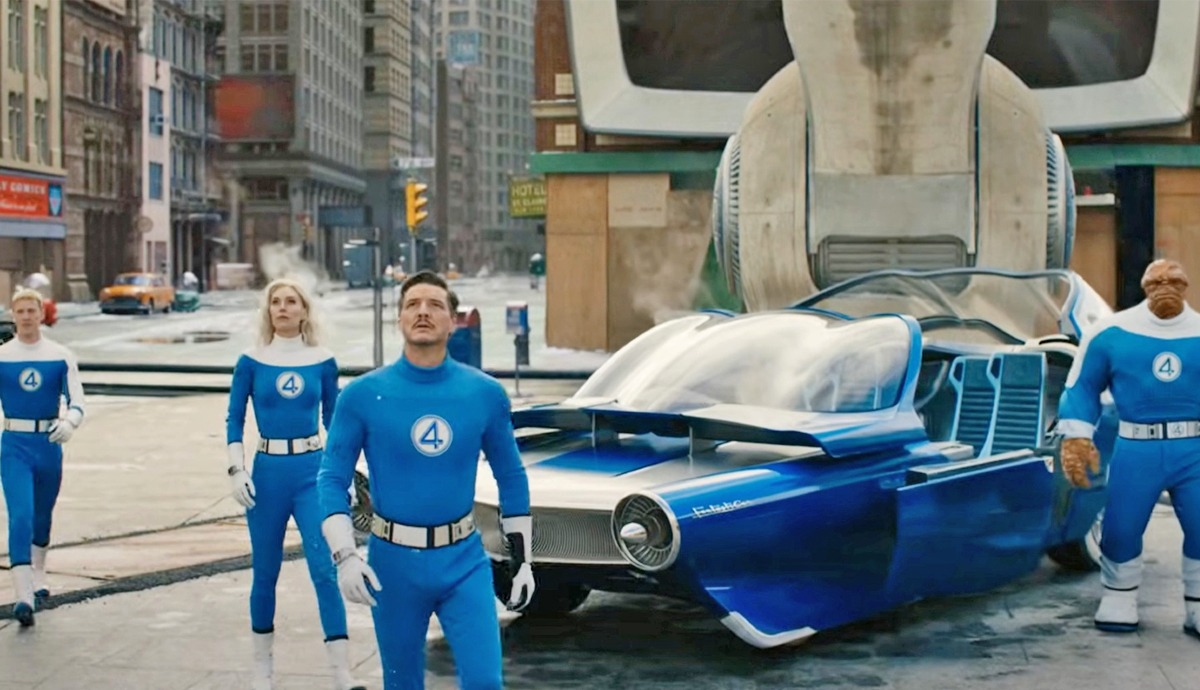
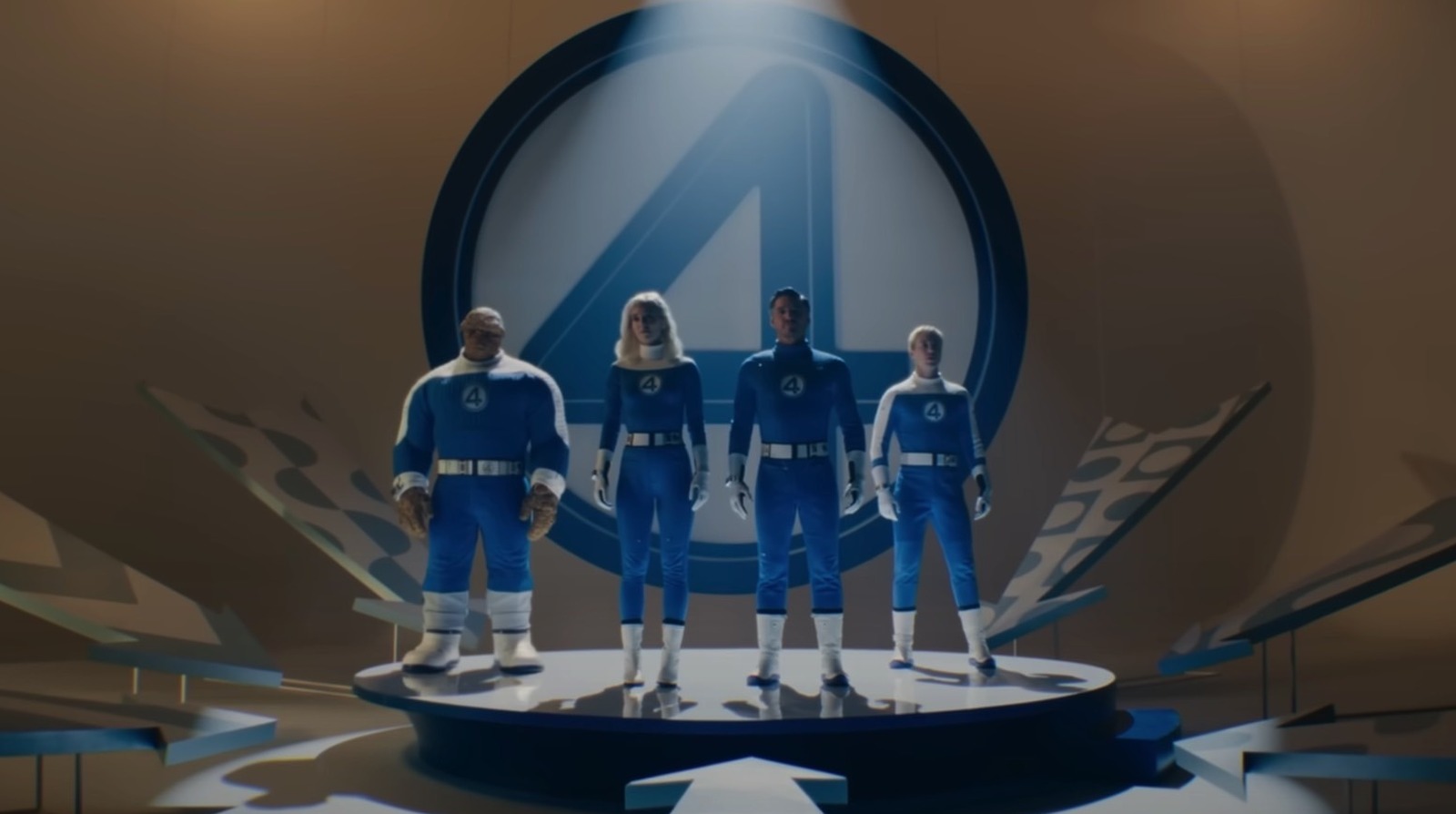
    Ebon Moss-Bachrach, Joseph Quinn, Pedro Pascal and Vanessa Kirby in The Fantastic Four: First Steps

    In the age of the modern superhero boom, the time where characters like Captain America, Spider-Man, Iron Man and many more have flown into the cultural zeitgeist there has always been one team that has struggled to marvel audiences on the big screen, The Fantastic Four. Originally conceived into live action in 1994, with the Roger Corman-backed low-budget feature bearing their name, that project was scrapped once completed, and will presumably never see the light of day as a released picture. 20th Century Fox took a second chance at the team in 2005, starring Chris Evans, Ioan Gruffudd, Jessica Alba and Michael Chiklis, which was successful enough to warrant a sequel, Fantastic Four: Rise of the Silver Surfer in 2007. Plans for a third film and a Silver Surfer spinoff would be cancelled after the box office disappointment of the 2007 follow-up, and the franchise would lay dormant again. Just in time to keep the rights away from transferring back to Marvel Studios, 20th Century Fox would return Marvel’s First Family to the big screen with Josh Trank’s Fantastic Four in 2015. Starring Michael B. Jordan, Kate Mara, Miles Teller and Jamie Bell, the film was a massive critical bomb, and the behind-the-scenes drama would break the potential franchise that would come.

    Fourth time seems the charm for Marvel Studios, as the Fantastic Four have returned home and joined their Cinematic Universe, after Disney’s buyout of 20th Century Fox. The Fantastic Four: First Steps follows these famous heroes, four years removed from their origin that gave them their fantastic powers, as they exist in an alternate reality to the one where the Avengers reside. When Vanessa Kirby’s Sue Storm falls pregnant and the team comes into conflict with Julia Garner’s Silver Surfer and Ralph Ineson’s Galactus, the team must come together as a family once more to welcome the new child and stop their planet from being destroyed.

    Pedro Pascal, Vanessa Kirby, Ebon Moss-Bachrach and Joseph

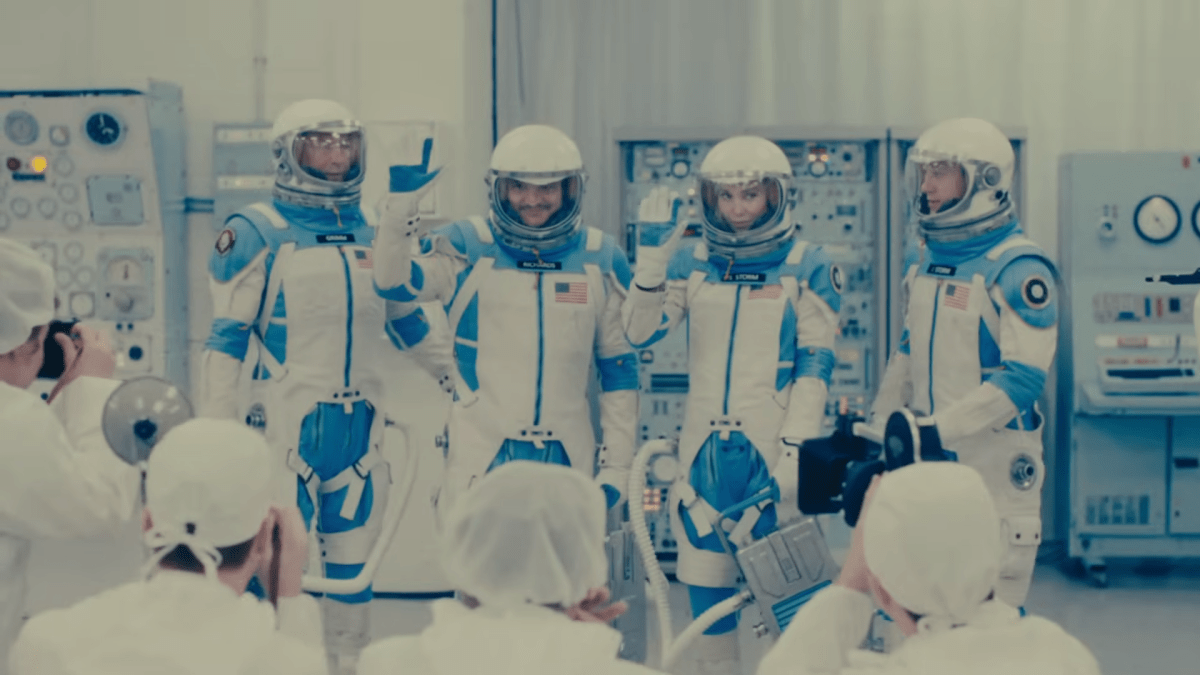
    The most notable part of the film’s marketing campaign has been its focus on its new setting, capturing a reality which resembles the 1960s and the retro-futuristic artwork that Jack Kirby drawn in the team’s first comic outings. The film’s world is one of the highlights for sure, the film has a clear style in the set dressing, costumes and direction that gives it an authentic old-timely charm. A studio which commonly makes the use of green screen instead of authentic sets, Marvel Studios makes a welcome change here by giving their actors an actual palpable world to bounce off with, as the sets complement director Matt Shakman’s direction. Best known as a TV director, directing episodes of It’s Always Sunny in Philadelphia, Game of Thrones and Marvel’s own WandaVision, he shows of a great level of control behind the camera and wows with some breathtaking visuals. Cinematographer Jess Hall works to capture the film with so much colour, colour that has been missing from Marvel’s output lately. Michael Giacchino’s score gives the movie an upbeat and timely feel, matching the tension and the family moments that are contained in the film. The world just feels alive because of these technical aspects, and the fact that the film spends so much time showcasing the world’s reaction to the heroics of its signature team. Ripped out of Sam Raimi’s Spider-Man movies, the public are important to the movie, saving lives are important and it imbues the film’s optimistic view of the world.

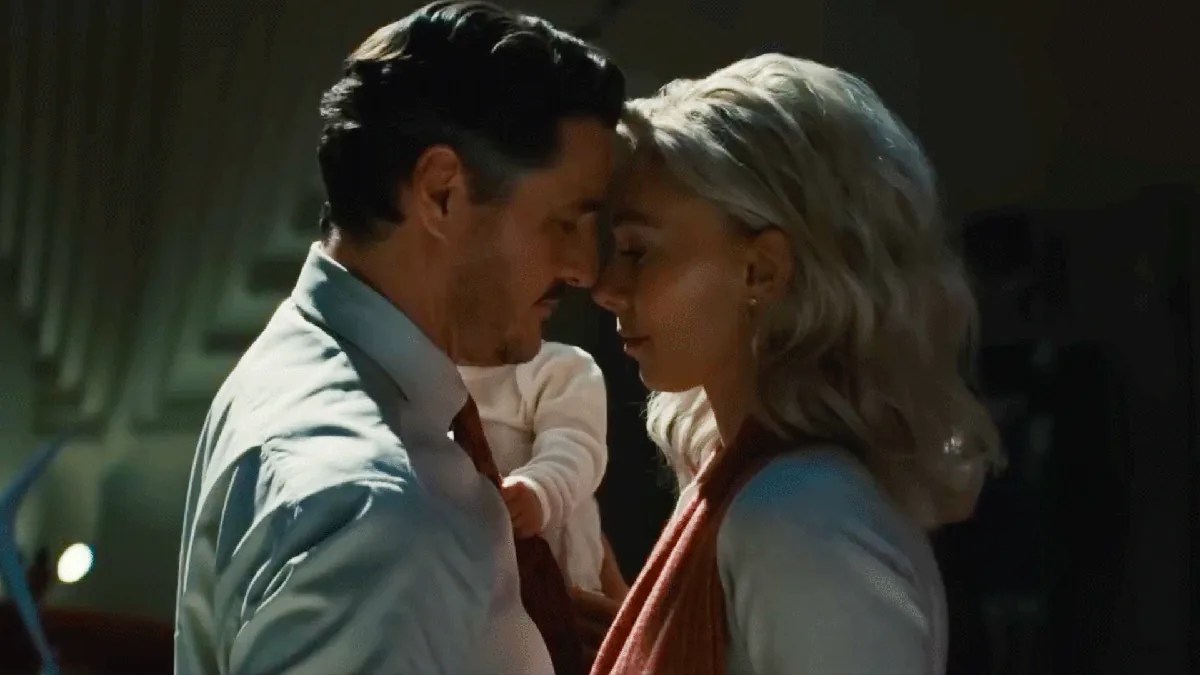
    Pedro Pascal and Vanessa Kirby are the leads of the film as the stretching scientist, Mr Fantastic, and the invisible matriarch of the family, the Invisible Woman, respectively. Pascal delivers a side to the troubled scientist that no actor has been able to yet, the fear of a newborn in the family, a part of life he cannot control, or study is something he is terrified of. Pascal delivers the vulnerability of a man obsessed with science, to the point that he thinks there is something wrong with him. Kirby is the first time Sue Storm has felt like a fully fleshed out character in one of The Fantastic Four’s cinematic outings, she is the heart of the team, the matriarch that keeps the family together. She gets to show off her powers during her fight scene with showy effects and flex her emotional range when her son comes under threat.
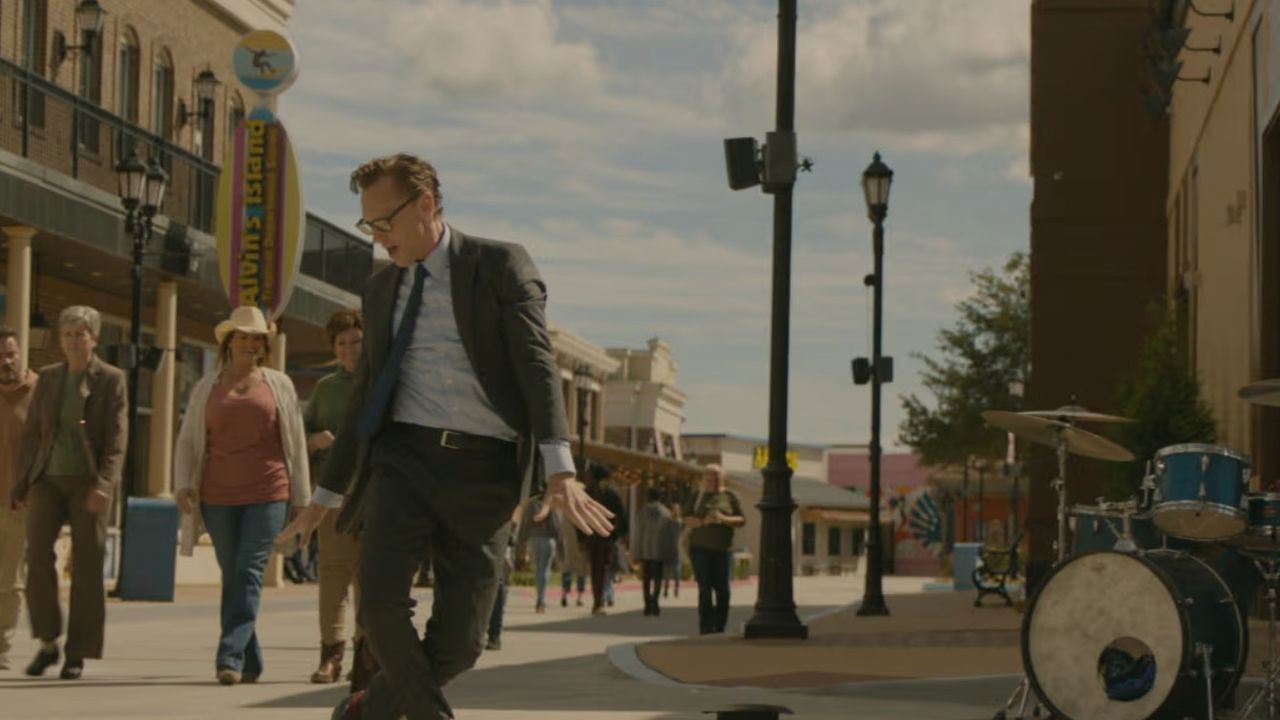
    Vanessa Kirby and Pedro Pascal in The Fantastic Four: First Steps

    Joseph Quinn’s hot-headed Human Torch gets a lot of play in the story, tying him in with a small romantic story where he gets to fight conventions of the idiot he is thought of as. Quinn nails the comedic aspect of the character, but also how deeply loyal he is to his sister and overall family. Ebon Moss-Bachrach’s super-strong The Thing gets the least to do narrative wise, but he remains a strong character, feeling like the member of the team that deals with the public the most, contrasting his rocky exterior with a kind and gentle demeanour. His romantic side-plot with Natasha Lyonne however feels like an afterthought, contained to merely two scenes. The highlight of the film is seeing the central four interact, they bounce off one another splendidly, with the film spending a lot of time setting up this dysfunctional but loving family.

    Action sequences take a backseat in the film, for a clearer focus on drama. There are essentially only two action sequences across the film, but the film stills have a lot of plots to crawl through in its small runtime. Once the plot starts going, a mere 20 minutes or so into the feature, the film moves at an incredibly fast pace and never lets up, feeling too fast in some moments. Based on the recent news that John Malkovich’s character was cut from the theatrical release of the film, it seems there is a longer cut that exists, a longer runtime that the film would benefit from. More time would be beneficial to focus on the strongest aspect of the film, the family dynamic, but also the side characters that seem like an afterthought in the fast-moving narrative. Additional scenes would benefit the non-existent romantic relationship between Nastasha Lyonne and The Thing, and Paul Walter Hauser’s Mole Man, who’s role feels superfluous in the overall narrative flow. The opening struggles the most with this squeezed runtime, with the editing being sloppy and chaotic as it clearly squashes a longer-opening featuring Malkovich’s Red Ghost into a montage which only mentions the character.
    Ralph Ineson provides the voice of Galactus in The Fantastic Four: First Steps

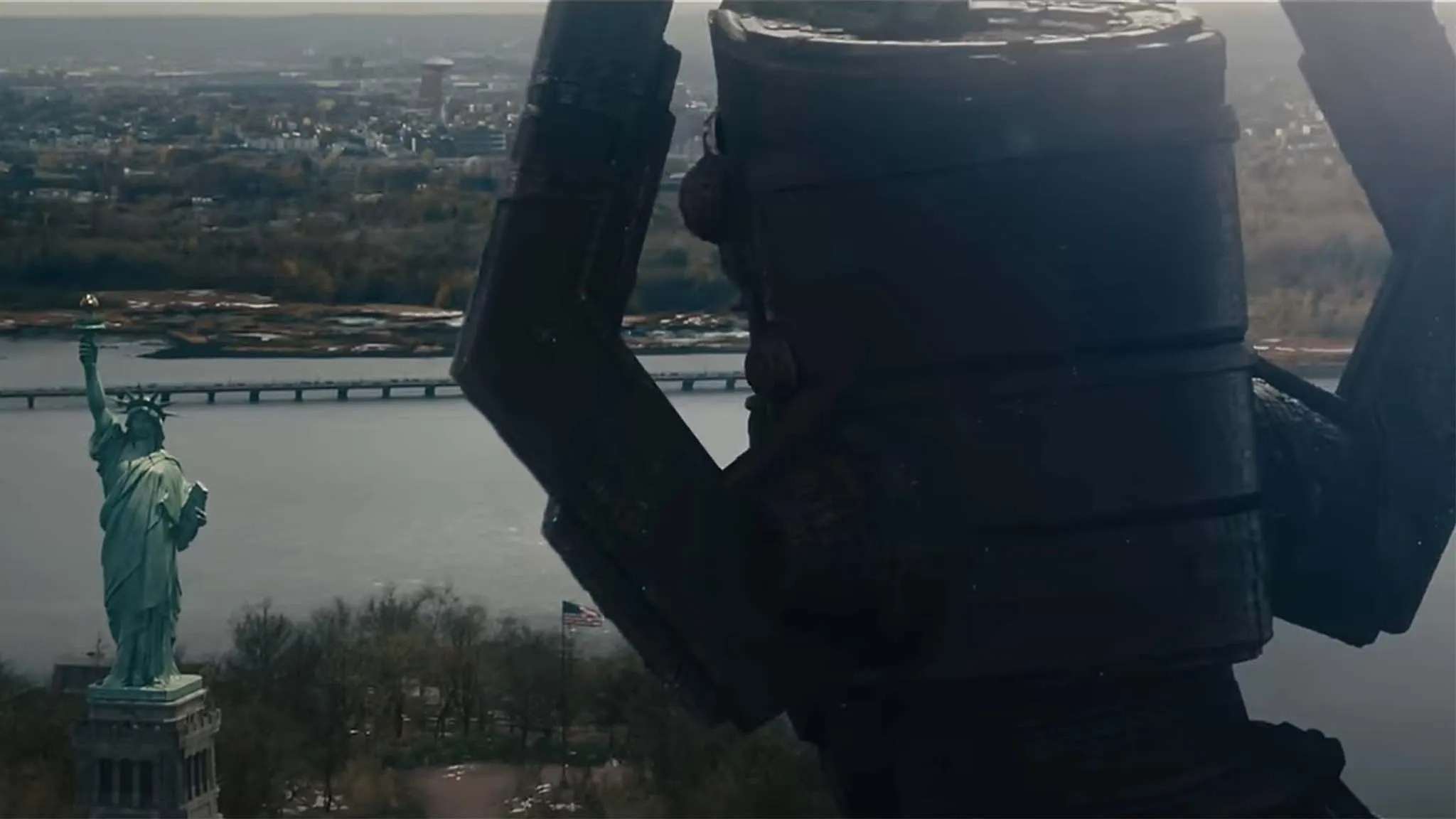
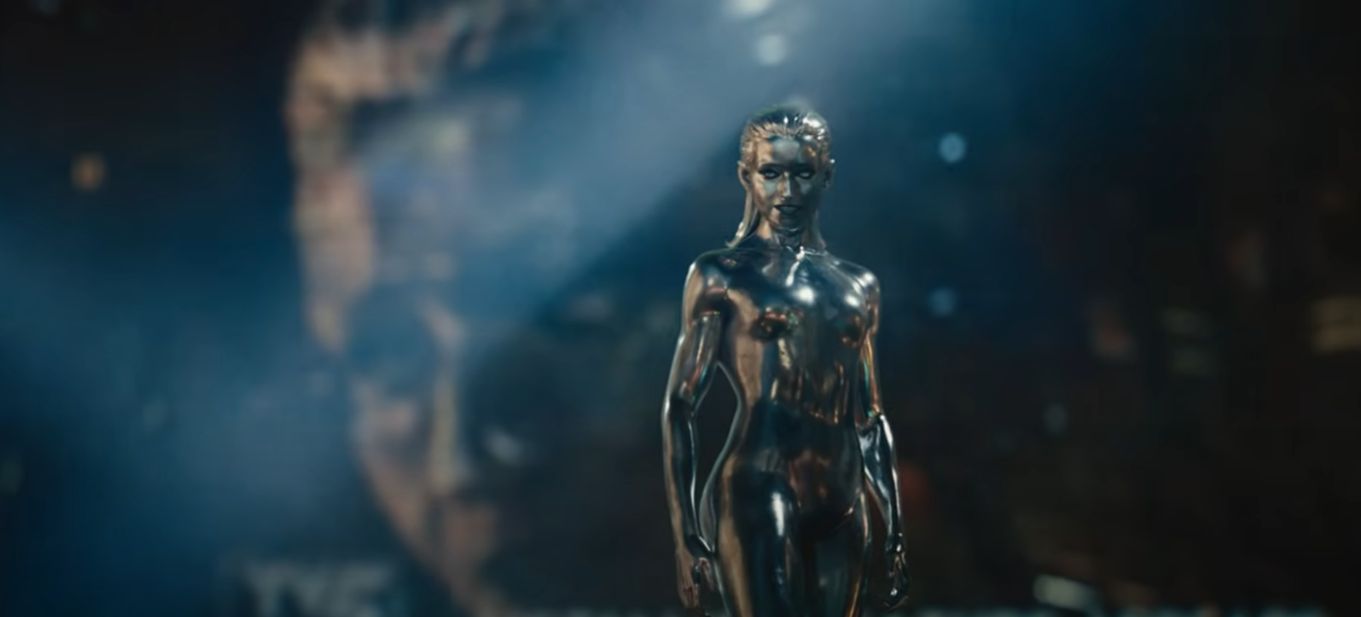
    A longer runtime would also benefit the most wasted aspects of the film, Silver Surfer and Galactus. This film feels like a second try at Jack Kirby and Stan Lee’s Galactus saga which was already adapted in 2007’s Fantastic Four: Rise of the Silver Surfer. There, Galactus was translated into a planet destroying space cloud, but here is translated into the giant god in purple armour. The movie sets it apart as well from moving away from the iconic Norrin Radd, comic’s most famous Silver Surfer, in favour of Julia Garner’s Shalla-Ball. The character feels very one note across the film’s runtime, with only one scene giving Garner any material to chew on dramatically. For most of the film, she exists as a visual effects-created antagonist, whose only role essentially serves to herald Galactus and has Human Torch be attracted to her. Ralph Ineson’s Galactus does not serve much better but at least has the booming presence that comes with the design and the voice. The threat of the character feels larger than the actual depiction of the character, his lack of screen time allows him to feel like a bigger threat as his name continues the mind of its characters, but when the character does eventually draw his head into the narrative, he meanders more than wows.

    Julia Garner in The Fantastic Four: First Steps

    The Fantastic Four: First Steps is easily the best out of the team’s cinematic outings, but it is not without its pitfalls. The central four are casted perfectly and are brimming with personality and family charm, but the film doesn’t always blend the world of family drama and superhero action perfectly. Pacing is shaky across the film, and the film falls when dealing with its generic end-of-the-world plot, with paper thin villains. It however promises more to come, with Marvel’s First Family looking to improve in future outings.

    Pedro Pascal, Vanessa Kirby, Ebon Moss-Bachrach and Joseph
  • Ghostbusters: Lightning In A Bottle

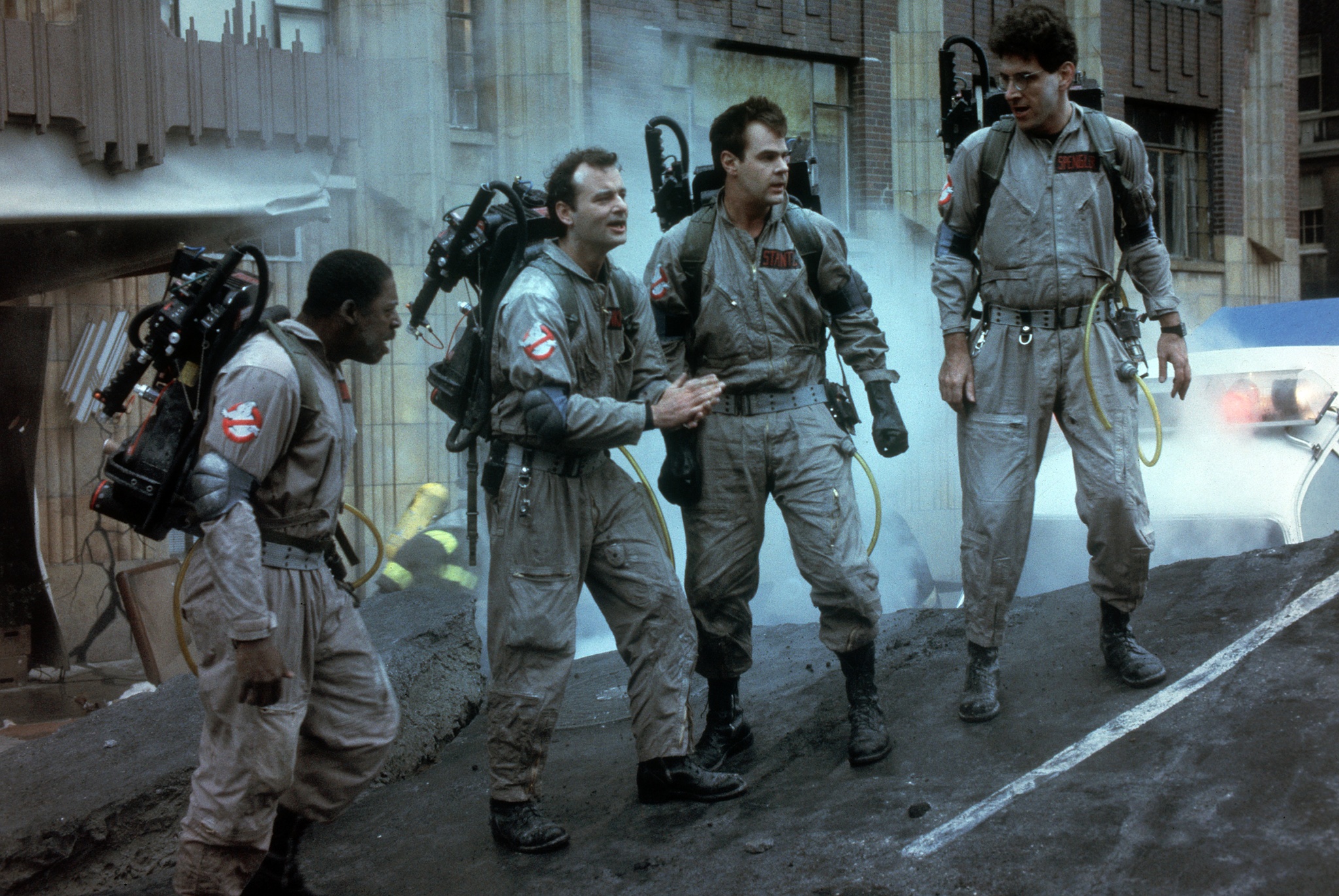
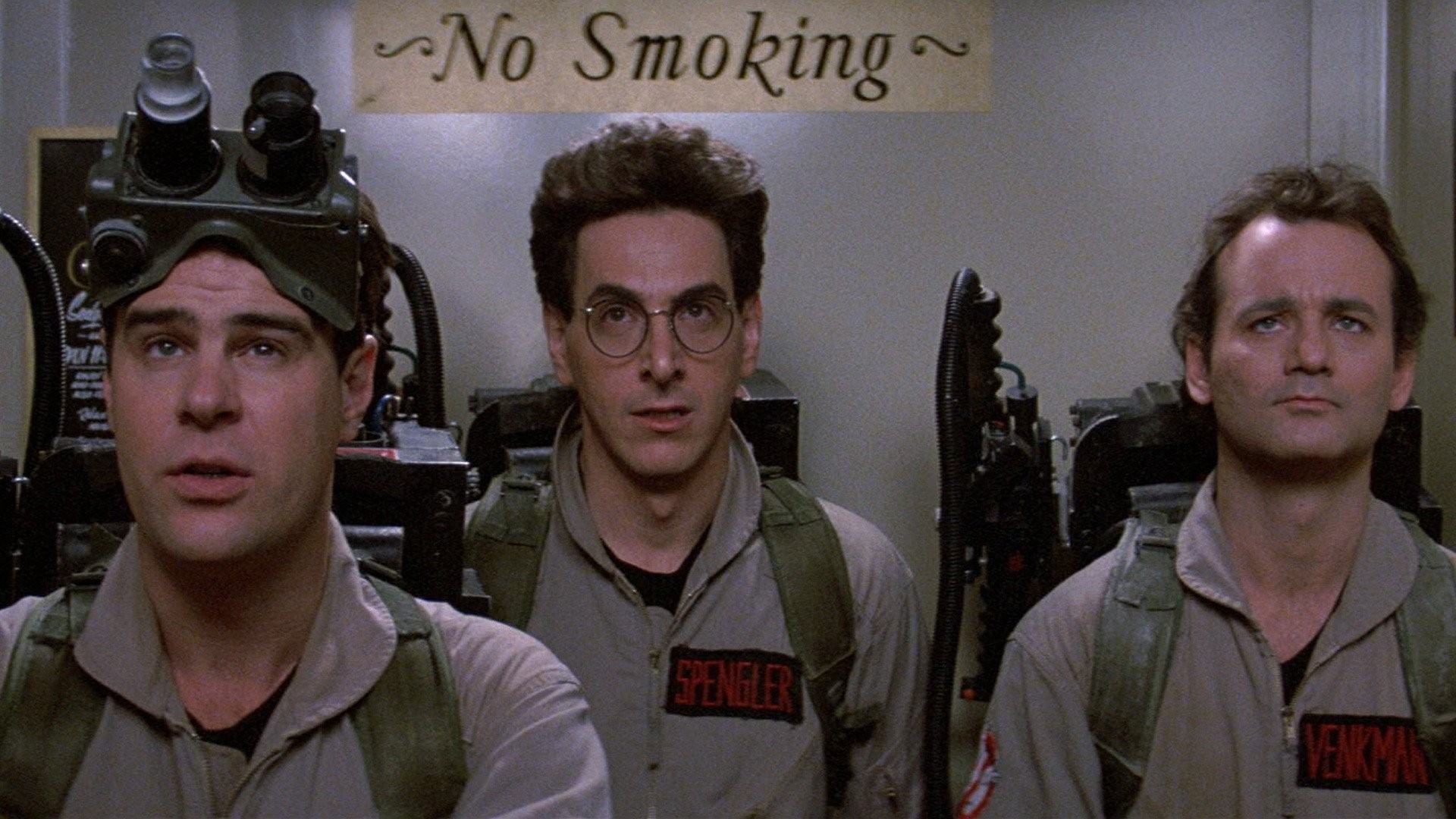
    Ernie Hudson, Bill Murray, Harold Ramis and Dan Aykroyd star in Ghostbusters

    Released in 1984, a film about four down-on-their-luck working class men who start a ghost-catching business to make money became the start of a long-running multimedia franchise. Ghostbusters, the brainchild of star Dan Aykroyd, was originally conceived as a big-budget project featuring Aykroyd and John Belushi as they hunted down supernatural threats across time and space. After the death of the former and director Ivan Reitman joined the project, the film was downsized to the New York-set supernatural-comedy hybrid that it is remembered fondly for now. It is hard to argue against that Ghostbusters was a lightning-in-the-bottle film, releasing in the height of the careers of Aykroyd, Bill Murray and Harold Ramis after their stints on Saturday Night Live, and capturing a moment in Hollywood where blockbusters and franchise cinema were becoming a hot-commodity.

    A film that spawned the future of big budget comedy features and set in a very specific time in America which formulated the narrative, and it’s a film that is hard to replicate. The popularity of the film spawned one of the pillars of multimedia merchandising, off the back of the success of Star Wars’ similar turn in 1977, launching the follow-up animated series The Real Ghostbusters in 1986 and its sequel, Extreme Ghostbusters in 1997. The theme song ‘Ghostbusters’ by Ray Parker Jr was a number one hit for 3 weeks, spending 21 weeks on the charts, and starting the trend of film-artist theme song collaborations. Reitman would return for a sequel in 1989, and a third film was eventually cancelled after the death of Ramis in 2014, instead being followed by a reboot in 2016, and a direct-follow-up to the original directed by Reitman’s son, Jason Reitman, in the duology of Ghostbusters: Afterlife in 2021 and Ghostbusters: Frozen Empire in 2024. Each subsequent film has been a success of course, successful enough to warrant continuations, but never has the franchise hit the peak of the original, with the first sequel seeing diminishing returns instantly, seeing negative reviews on release and a drop in box office, earning a worldwide gross of $215.4 million against the original’s $282.2 million.

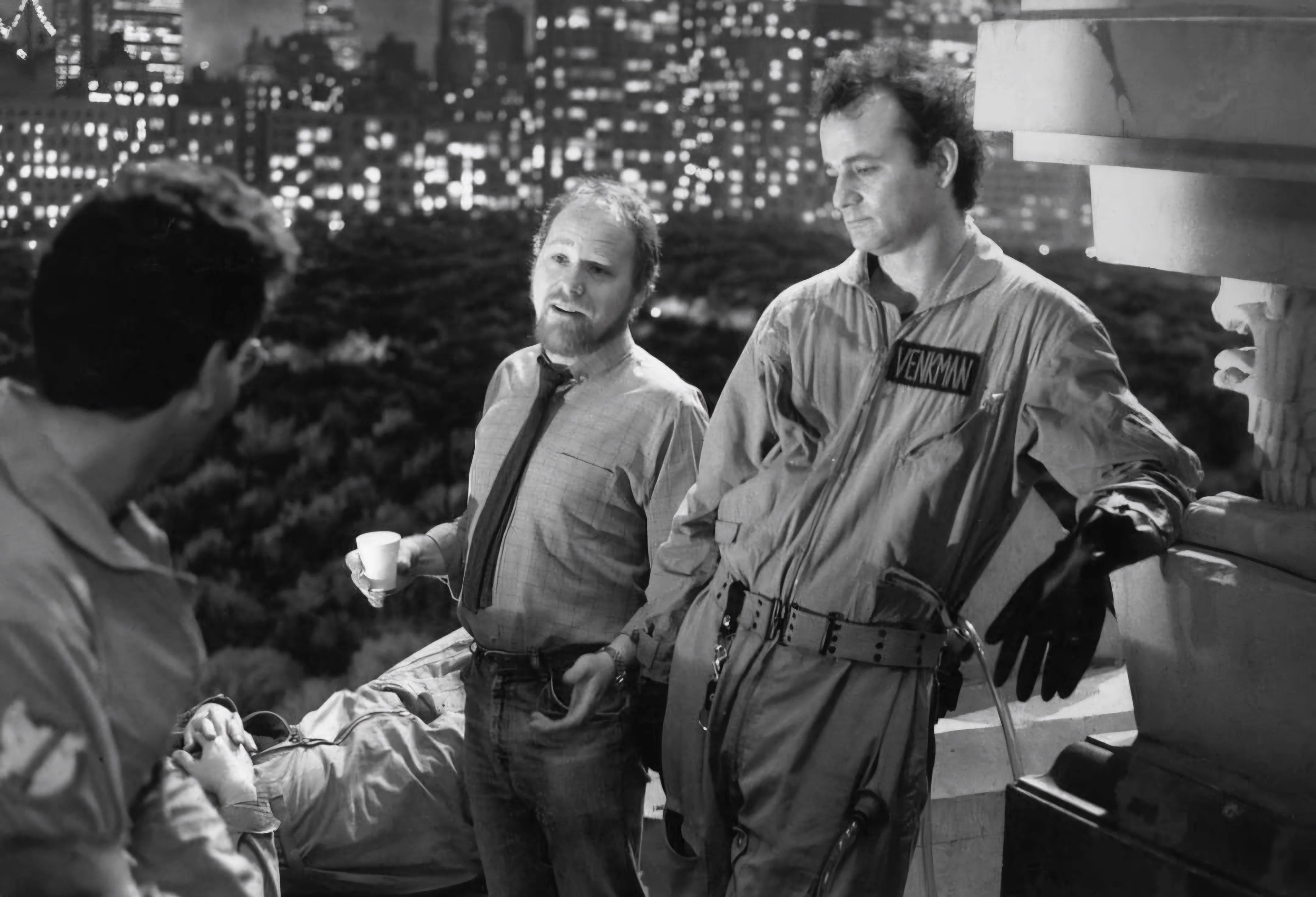
    Behind the scenes with director Ivan Reitman

    Director Ivan Reitman found success with his collaborations with star Bill Murray in comedies Meatballs in 1979 and Stripes in 1981, with his prior work being the horror-comedy feature Cannibal Girls in 1973. This collaboration between the pair would come as one of the biggest strengths of the feature, as the passion project of Aykroyd became a star vehicle for Murray, playing lead character Peter Venkman. Both star and director’s background in comedy lent the film a comfortable edge in bringing alive the SNL-like comedy that would be absent from the sequels. The ghost-catching business the protagonists would take part in would be a clear spoof on exterminators, capturing the reactions of the everyday working-class man as a blockbuster hero, while also making time for the scientific backdrop that Aykroyd was so interested in. Murray plays his role with deadpan expressions, playing the character as a suave conman who is straightened out by a romantic encounter with Sigourney Weavers’ Dana Barrett. Aykroyd’s Ray Stanz is the fanatic of the group, one of the two scientists that make up the cast as the character reflects the actor’s obsession with the supernatural.

    Ramis’ Egon Spengler serves as the straight man of the group, a colder and more serious scientist whose comedic input comes from his own deadpan delivery, a character favoured by Ramis when he co-wrote the script with Aykroyd. Ernie Hudson’s Winston Zeddemore joins the central cast late into the runtime and serves as the film’s ‘normal’ man of the group, just a man trying to make money with no scientific backdrop. These four characters are central to the film, using the supernatural elements as a backdrop for situational comedy and allowing the actors to bounce off one another. One of the key sequences to show this is the Ghostbusters’ first job, with the central three bouncing off each other in a still middle shot in the elevator. Once Egon turns on Ray’s proton pack, Egon and Venkman scoot further away from him, eyes raised high as they hope it doesn’t explode. They become startled once they exit the elevator, shooting a maid and her trolly with their proton packs as they scream in terror, and would soon follow that mess with destroying the entire interior of the building they are trying to save from Slimer. Scenes like this showcase the importance of the actors’ heightened performances and situational comedy to the success of the original feature.

    Harold Ramis, Dan Aykroyd and Bill Murray in Ghostbusters

    Sequels struggled with continuing these comedic threads, with one of the major complaints of Reitman’s initial sequel was that the comedy was made more family-oriented in response to the success of the animated series. The film’s plot was also critiqued for its similarities to the original, replicating the events of the original and resetting most character’s arcs for the beginning of the film. 2016’s reboot made a return to the comedy of the original, but with a swapped gendered cast it became a controversial film on the internet. Both late sequels by Jason Reitman reflected two separate looks at the franchise, as Afterlife took focus as a serious-drama dealing with the brand as almost mythological, and then Frozen Empire being easy to be described as a live-action version of an animated series episode. This mismatch tones led to the former film to be seen as a failure critically and at the box-office, reflecting how far the franchise has strayed from the original. Ghostbusters becoming a franchise has become one of its major weaknesses in some regards.

    Socio-political commentary precedes over the narrative of Ivan Reitman’s original feature. The film reflected the new free market that came after the 1970’s financial turmoil that inspired the look of a grungy and uncomfortable New York that preceded over films like Taxi Driver and Escape From New York. The grunge was still present moving into the 1980s, but Ghostbusters reflects the freedom that comes from new President Ronald Reagan’s sweeping reforms, reflecting a feeling of togetherness and comfortability for the working-class people. Reaganomics focused on limited government spending and the removal of state regulations, in favour of a free market provided by the private sector and private businesses. The incoming movement of free markets and mass-consumerism because of so, is reflected in the film commonly, from Ray being unable to think of anything other than a consumerist mascot in The Stay Puft Marshmallow Man, or the first encounter with Zuul being in a stocked fridge. Ghostbusters’ draws its comedy from being a satire of American way of life moving into this era, spoofing the academia and intellectuals of the upper classes, governmental officials and tax officers, and the average New Yorker.

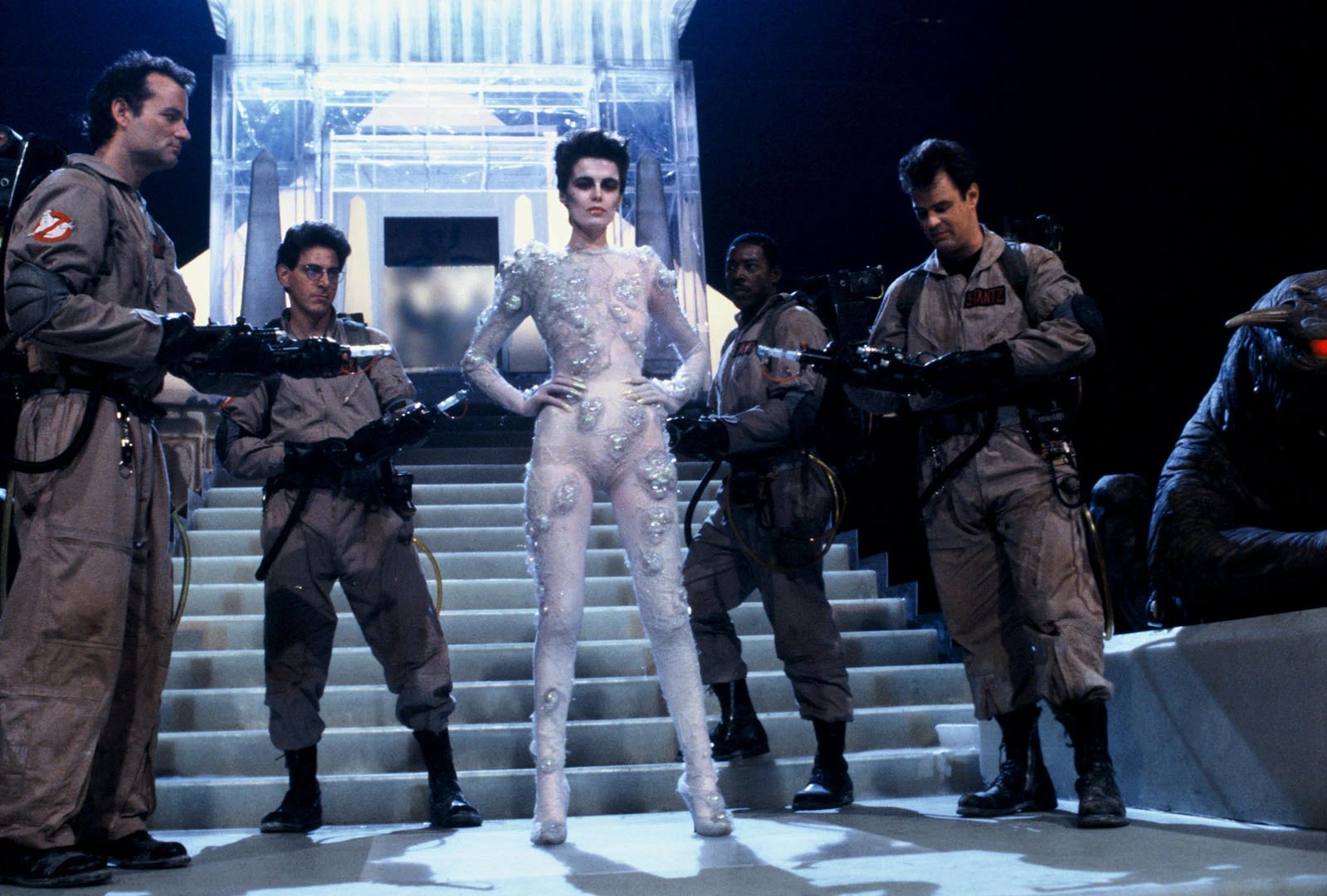
    Slavitza Jovan joins the cast of Ghostbusters as Gozer

    The entire plot is based around the private business owned by the four protagonists, as the governmental official, Walter Peck, played by Willaim Atherton, causes more problems for them. Peck’s involvement in trying to close this private business leads to the ghosts being freed and the eventual freedom of lead ghost antagonist Gozer, marking Peck as the true antagonist of the film. The movie sparks a connection to the new working class that had finally been given a leg over in making money, as the government is incapable of containing the threat, while the private sector comes in to save the day, working for a fee, however. The mayor picks a size in the conflict; paying for the Ghostbusters to save the day once he realises his own backers cannot do much to help and Peck reveals himself to be useless, and after being reminded that his choice will help to save millions of registered voters that could help him stay in power. It is a still cynical look at America, reflecting government officials only doing what is right, only helping the private sector when it benefits them as well.

    Removed from this political context, the cynical nature of the first film is lost in the sequels. Ghostbusters II reflects the commercialisation of the franchise at the time, but in less of a spoof and more leaning into becoming a product. It’s central plot around a river of slime appearing in New York which is leading to New Yorkers becoming more hostile to one another feels more cartoonish in nature. There is still political commentary, with the Ghostbusters institutionalised after being outspoken around their ghost encounters, being forced to give up their jobs by the government that looked like fools because of them. They are only brought back into action when the government lift their ban to save the day when the government once again fail in containing the threat, reaffirming the private sector’s importance against governmental bonds.

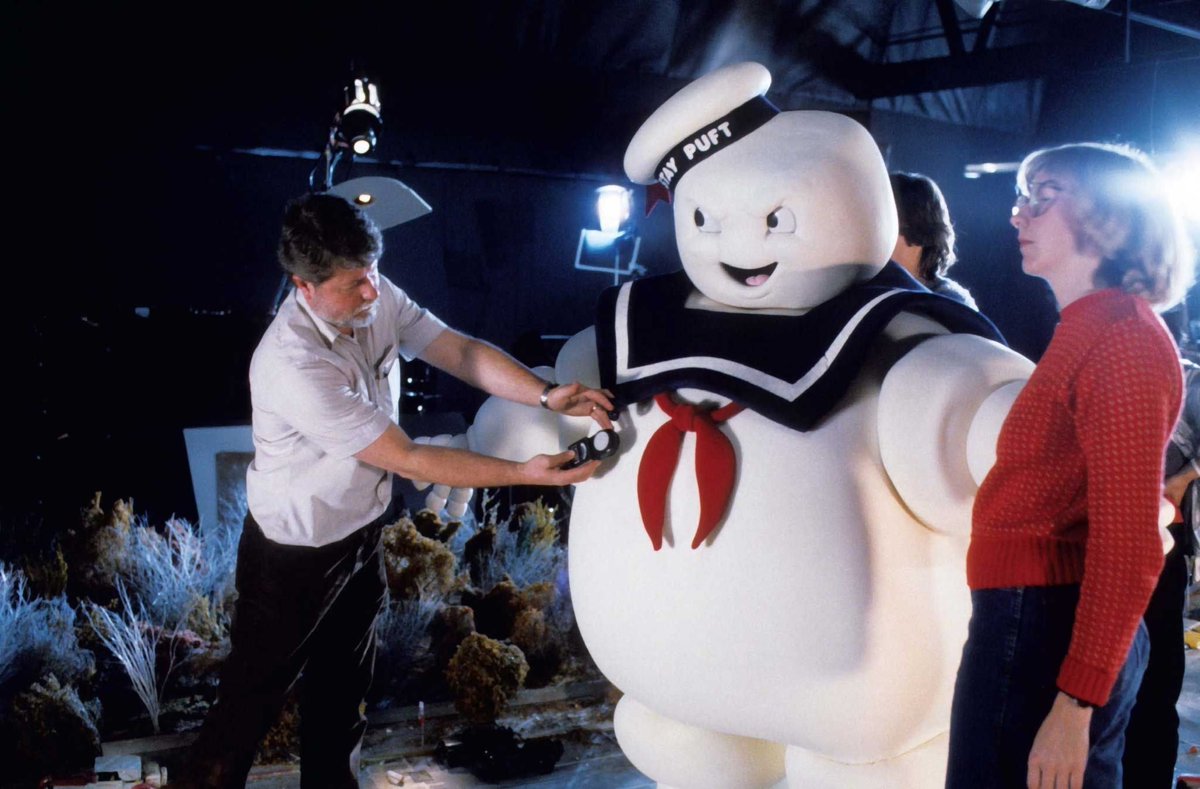
    Behind the scenes of Ghostbusters, designing the Stay Puft Marshmallow Man

    What becomes the problem is that the film is mainly just reaffirming the political context of the original, copying the events and doing them just again, but this time in a less serious manner and with more childish antics. The Ghostbusters are locked away in the first film as well, with the franchise running out of ideas from its first sequel. 2016’s franchise reboot would see the same series of events happening, with governmental officials stopping the now-female Ghostbusters from doing their work, but removing the political context of the original, it just feels like an imitation. Similar could be said with 2024’s Ghostbuster: Frozen Empire, which brought back Peck to threaten the Ghostbuster’s with closure once again, ticking one more of the franchise’s tropes off the list.

    In the years after the release of the original Ghostbusters, the popularity of the film’s mise-en-scene would transcend the original context of the film. A film about working class pest controllers who save the day because the government cannot stop the pests, and they save the day for a quick buck, would be remembered for the pop culture toys that hit the zeitgeist. Slimer, the Stay Puft Marshmallow Man, the Proton Pack, the Ecto-1 would all become the face of the franchise, morphing the franchise from one which placed comedy foremost other its blockbuster qualities, into one that would market itself as the newest summer action blockbuster. The newest entry, Frozen Empire, seen the entirety of New York encased in ice as an end-of-the-world threat, with almost eight Ghostbusters assembling to stop the threat. The days of the franchise being a simple situational comedy, using ghosts as backdrop, has long gone, but the original film remains as an important touchstone in cinematic history, a lightning-in-a-bottle feature.  

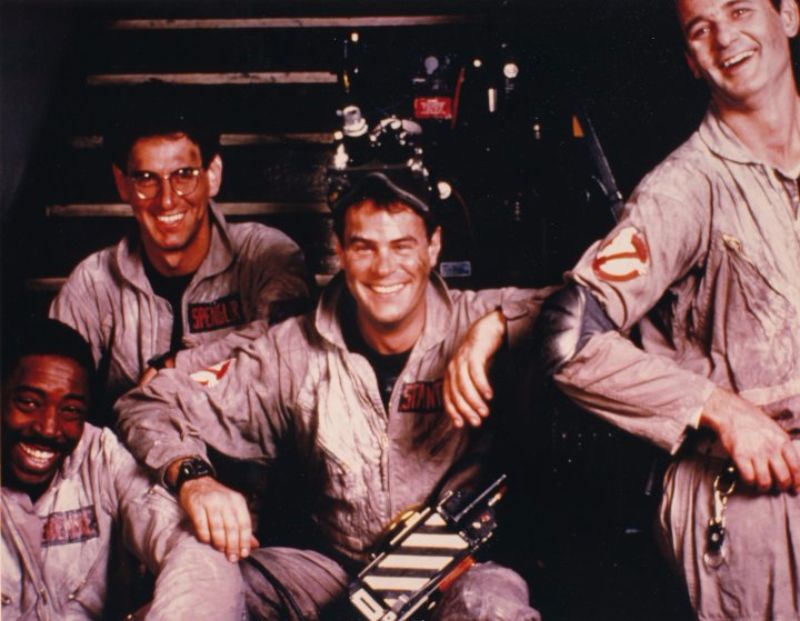
    Ernie Hudson, Harold Ramis, Bill Murray and Dan Aykroyd behind the scenes of Ghostbusters
  • Jurassic World: Rebirth Review

    4/10

    Nothing is ever truly gone, and like a fossil out of amber, the Jurassic franchise is roaring back into cinemas with another entry. 2022’s Jurassic World: Dominion marketed itself as the end of the Jurassic saga, wrapping up the story of the Jurassic World trilogy and bringing back original Park cast Laura Dern, Jeff Goldblum and Sam Neill. That conclusion didn’t seem to stick for long, as a new film was reported to be written by David Koepp, who co-wrote the original Jurassic Park and wrote its original sequel, in January 2024. A mere month later, a director was announced, and it was reported that most of the principal visual effects-footage had been shot and was ready to go, prepared well-in advance to avoid another COVID blunder, which affected the predecessor.

    Describing the director’s role as more ‘shooter than auteur’, director Gareth Edwards had essentially been hired to direct a film that was completely out of his hands. This film was Jurassic World: Rebirth, an attempt at a clean slate for the Jurassic franchise. Set years after the events of its predecessor, Rebirth sees the dinosaurs no longer out free in the wild, but instead re-homed around the equator, the only area habitable to them. The lead characters of the film are a group of scientists and former military who have assembled to obtain samples of three different dinosaurs in hopes of using their DNA to help with heart disease treatments. They find themselves in an abandoned research facility which holds rejected samples of mutated dinosaurs, and a lost family that have shipwrecked onto the island.

    Jonathan Bailey and Scarlett Johansson in Jurassic World: Rebirth

    Director Gareth Edwards has made a name for himself directing franchise films, most notably 2014’s Godzilla and 2016’s Rogue One: A Star Wars Story, the former being another film that was controlled by the studio. Edwards knows how to direct a good-looking feature, the biggest positive that can be applied to this film is that the direction and cinematography is stunning, brimming with colours and looking authentically real. The dinosaur sequences are spectacular of course as well, mainly down to the fact that they have been mapped out and ready to go years in advance. The plot boils down to essentially a fetch-quest, a video game-type narrative where the characters must deal with three separate set pieces, with Edwards essentially bridging the gap between these effects-heavy sequences. The sequences are entertaining, focusing the plot around the Mosasaurus, Titanosaurus and the Quetzalcoatlus, with the primary dinosaur having the most thrilling sequence in the film. There is also a thrilling sequence featuring the T-Rex that is ripped straight out of Michael Crichton’s original novel, one of the only scenes not translated into Spielberg’s original feature.

    What lacks in these sequences however is the complete lack of originality. Seven movies into the Jurassic franchise and it really seems like the franchise is running out of ideas, and especially when the freshest sequence is ripped straight out of the source text. The movie’s plot can be described as colliding together the basic plot of Jurassic Park 2 and Jurassic Park 3 together, taking the research expedition and military component of the former, and the lost family aspect of the former. Even the mutant dinosaurs, who seem to be an afterthought in the movie, only making an appearance at the tail end of the film and in the cold open, pale in comparison to the more thought-out inclusion of the concept in Jurassic World and Jurassic World: Fallen Kingdom. The attempt to do all three of these plot elements from former Jurassic movies just leaves them all feeling incredibly half-baked, with no side of the film feeling as developed as they should be.

    Mahershala Ali in Jurassic World: Rebirth

    Scarlett Johansson leads a cast of talented actors, with Mahershala Ali, Rupert Friend and Jonathan Bailey joining her on the expedition. All the actors are trying their best with the material they are given, but Koepp’s script pales in comparison to his former work in the Jurassic franchise.  The characters are incredibly surface level, engaging in bravado dialogue straight out of the Marvel wheelhouse, and bringing up interesting character details that are instantly forgotten about once they are brought up. Explorations into PTSD, the loss of a daughter and the destruction of a marriage, and the moral ambiguity of what they are doing, as they are essentially selling these health cures for money, are brought up in one scene and then never mentioned again, leaving each character half-baked.

    The inclusion of the family as well, played by actors Manuel Garcia-Rulfo, Luna Blaise, David Iacono and Audrina Miranda, serves to essentially slowdown the plot, as they enter and exit the movie as a distraction, not serving any narrative purpose. The inclusion of so many named stars also cause the franchise to lose any of the grit or suspense that these movies used to have, deaths are bloodless and mostly off-screen, and the characters exist as superheroes with very little danger facing them. The movie includes various cannon-fodder characters who only exist to die, leaving so many thrilling sequences with very little thrills.

    Never has John Williams’ iconic Jurassic Park theme feel so misused and less powerful than in this film, where it’s thrown into every sequence where the movie cannot convey that emotion by itself. The movie opens with a crawl that reminds the audience what the last few Jurassic World movies kept stating, that people are growing tired of dinosaurs. What it is accidentally proving is how tired and formulaic these Jurassic movies have become, even when a talented franchise director like Gareth Edwards goes behind the camera, it still comes out as the same film you have seen so many times before. The same set pieces, the same character archetypes, even the same dinosaurs, this franchise is going the way of the dinosaur.

  • Superman (2025) Review

    David Corenswet as Superman

    Genuine human kindness stands out as rebellious in the modern day, where the news focuses on so much death, war and attempts to divide us. It is normal to be cynical and cruel nowadays, but director James Gunn’s newest feature, Superman, puts a spotlight on the belief that being generally kind and heartfelt is the way we should be. In the past decade where the Man of Steel was depicted as an unfeeling, God-like being through the films directed by Zack Snyder, it is fundamentally refreshing to see a film which depicts Superman as the closest yet to Richard Donners’ original big screen take.

    Gunn’s newest big screen depiction of the Man of Tomorrow follows the hero as he sees his worldview and his public status tested when he saves lives in the middle of an ongoing war. When uncertain truths are revealed about his past, the hero sees himself coming into conflict with fellow heroes, the United States government and his archnemesis Lex Luthor.

    David Corenswet and Rachel Brosnahan in Superman

    Gunn has worked with ensembles throughout his career in the superhero genre, with his four previous features all following superhero teams, namely the Guardians of the Galaxy and The Suicide Squad. Crafting a solo feature is a different task for the director, and the extended cast for this film could have been a detriment for sure, but this talented director always makes it work.

    This film feels the closest a director has come to capturing the tone and feel of an actual comic book, the film opens in media res, the characters already exist, and the origin stories are skipped, like the audience has opened a comic book in the middle of a story arc. All the characters have important roles to play in the film, but they all enter and exit the movie as the story requires of them, feeling like a Superman story with crossovers. Starting this new cinematic universe with the superheroes already active and the world being built around that really makes it stand apart from the competition. The film does get bogged down in some exposition in the first act, but the movie really functions perfectly without any need for justification of the events or the characters. The film also just retains its character-focus by the plot being so focused on the conflict between Lex and Superman.

    Nathan Fillion in Superman

    David Corenswet is the newest actor to take on the iconic role of Superman. He is the linchpin of this film, the most important character who dictates the tone of the film, and Corenswet impresses as the character. The film reflects the light-heartedness and the earnest portrayal of the character, giving Corenswet so much opportunity to mark out a unique take on the character that sets him apart from both Christopher Reeve and Henry Cavill. He is a hero who believes in love, kindness, the fundamental ability for people to change and the protection of all life, to the point that so many action sequences in this film pay specific attention to the hero saving people and protecting them from harm’s way. The hero is charming and warm, brimming with personality and he uplifts the film’s cheesy nature into feeling hopeful and bright.

    David Corenswet’s Clark Kent in Superman

    The actor also just has magnificent chemistry with co-star Rachel Brosnahan, who plays Lois Lane. Brosnahan delivers a levelled Lois Lane performance, depicting the character as troubled and untrusting, but so filled with the need to seek the truth. She is a realist, which clashes with Superman’s look at the world which may seem naïve to an audience, but is proven right through the character’s actions.

    Nicholas Hoult portrays the film’s lead antagonist, Lex Luthor. Luthor is among the most iconic comic book movie villains, portrayed throughout the decades by many talented actors with vast different takes on the character. Hoult portrays the obsessive nature of Luthor, he is cold and calculating, treating his staff terribly, the only passionate speeches from him comes from talking about killing his archenemy. His character acts as an anthesis to the message portrayed by Superman, he represents the realistic evil of humanity, his xenophobic and cruel side opposing the kindness and emotional nature of the protagonist. His role also serves to configure the movie’s political analogy with the ongoing Palestine-Israel conflict, with the waring nations that Superman takes part in being a clear analogue to this real-world conflict. The film takes a clear side in the conflict and critiques the American government and the upper class for the role in the conflict through Lex, a hard stance that is a surprise for a mainstream Hollywood film.

    Nicholas Hoult’s villainous portrayal of Lex Luthor in Superman

    Corenswet, Hoult and Brosnahan are joined by a massive cast of supporting actors who range in importance. Skyler Gisondo, Wendell Pierce, Beck Bennett and Mikaela Hoover serve as the team behind the Daily Planet newspaper, each having a small but memorable role in the film. Nathan Fillion, Isabela Merced and Edi Gathegi portray the heroes that make up the ‘Justice Gang’, Green Lantern, Hawkgirl and Mr Terrific respectively, three heroes that serve as supporting players in action sequences and as moral support. The characters serve as more of a taster for what’s to come, as a promise of more solo adventures in this new universe. Action sequences serve as a major highlight of the film, as Gunn makes the use of the heroes’ wide variety of powers to convey interesting and unique action sequences. Filmed on IMAX, Gunn’s direction consistently amazes and surprises, shooting flying sequences so dynamically and with head-on shots that remind of Tom Cruise’s Top Gun: Maverick.

    A common critique of the Marvel films is their flat directions, commonly grey and dull in colour with very little stylistic flair. Gunn’s work has always stood out as visually interesting, and Superman is his most visually distinct yet. The film is colourful and bright, matching the tone with a direction which looks like it was ripped out of the comic pages. Gunn’s work is also commonly critiqued for its tonal mismatches, the mixture of both comedy and emotional moments leads to one overpowering the other. This film feels like his most tonally consistent film, the emotional beats land and the comedy feels contained and concentrated, and there is still a sizeable number of jokes that for everyone that doesn’t land, there will be one that does. The music needle drops are also very contained and focused to only two in this film, compared to the cohesive soundtracks of the director’s previous work.

    Nathan Fillion, Isabela Merced and Edi Gathegi in Superman

    Composers John Murphy and David Fleming’s score puts a great end stone to the film’s style, marking a hopeful film with an equally hopeful score, remixing John Williams’ original Superman score into something unique and vibrant. The electric guitar marks a connection to punk rock, connecting to Superman’s central vision, that human kindness and empathy is the true punk rock.

    David Corenswet and Rachel Brosnahan soar in Superman
  • The Impact of Superman (1978)

    Christopher Reeve in Superman (1978)

    On the week that the Man of Steel flies again onto our cinema screens, through the release of director James Gunn’s take on the character, it is only natural to look back on the cinematic history of the character. It has been twelve years since the last cinematic version of the character debuted, with Henry Cavill taking on the role in 2013’s Man of Steel, returning to play the character in 2016’s Batman V Superman: Dawn of Justice, 2017’s Justice League, 2021’s Zack Snyder’s Justice League and finally 2022’s Black Adam. The character is synonymous with the superhero genre, adapted to live action so many times at this point that he, Batman and Spider-Man would be argued to be the faces of the genre, but pre the superhero boom of the 2000s, Superman would start any interest at all in the genre in the late 70s, where Christopher Reeve donned the suit for the first time and made people take the superhero film seriously.

    George Reeves portrays Superman

    Christopher Reeve was not the first actor to don the cape, Kirk Alyn was the first actor to play the character in 1948’s Superman serials, and George Reeves would play the character in 1952’s Adventures of Superman television series, but Reeve has easily become the most iconic take on the character. Released in 1978, Superman the Movie was marketed as the film to make you believe a man could fly, marketing the film as almost much of a science-fiction film as it was a superhero feature. What is today a well-known origin story that has been done to death in superhero cinema, was fresh and new at time of release.

    The film saw the first cinematic depictions of the destruction of Superman’s home-planet, Krypton, his childhood in Smallville by earth parents Ma and Pa Kent, his debut as Superman, starting his work as mild-mannered reporter Clark Kent and romance with Lois Lane in Metropolis, and his first showdown with long-time nemesis Lex Luthor. All conveyed across a two-hour runtime, the movie is almost a filmic epic in the amount it conveys to its audience but doing such a herculean task with such confidence in front and behind the camera.

    The cover of Action Comics #1

    Created by writer Jerry Siegel and artist Joe Shuster in 1938 for Action Comics #1, Superman is essentially the modern superhero, he is the archetype for every superhero that would follow on the publishing scene. It is because of this character that so many tropes of superhero media have since become typical, Superman wears a costume, has a masculine physique, uses a codename and makes the use of extraordinary powers. At the time of the release of the film as well, Superman had the largest array of powers possible for a comic-book character, not simplified for a long time after the release of the film.

    The superhero comic was popular in the 1940s as war propaganda but soon became to slip in popularity after the world returned to normal, and this was when comics became sillier in nature. The general depiction of comics to the general masses would be based on the adaptations of the work, and mainly that would be from the Adam West-starring Batman television series, and its accompanying film in 1966. The material reflected the camp that was contained in superhero narratives at the time and changing that general audience perspective would be the focus going into Superman the Movie.

    Director Richard Donner behind the scenes with Christopher Reeve and Margot Kidder

    Director Richard Donners’ goal when creating the film was to take the material seriously, to formalize audiences with a world that was now like their own. Lex Luthor would be reinvented from the original evil scientist that was found in the comics, to a rich businessman which would soon become the most iconic take on the character. The titular character’s father would die from a heart attack in an early scene to humanize the god-like character, showcasing that even with all these powers the hero could still not save everyone. The film reinvented Krypton as a planet of coldness and cruelty, from the world that had just advanced past humanity from the source text to one made up of crystalline structures and resembled a dystopia. Superman’s connection to Krypton would also be emphasized more throughout the film, with this feature being the first time the symbol on the character’s chest would be the same as the family crest that his Kryptonian parents would use.

    Christopher Reeve’s depiction of the Man of Steel would also become the blueprint on how to depict the character; his portrayal still being held to high regards after all these years. The actor would portray the two sides of the characters as two separate roles, Clark Kent would hold himself with a nervousness, a man with a large mass but looked small because of his bumbling nature, he delivers his lines with such pause and intentional bewilderment that he stands apart from the stoic Superman. The actor holds himself large and strong as Superman, his mass on full display as he portrays the character’s genuine warmth and happiness, the character was synonymous with the superhero genre because he is kind and comforting, a friend and not just a protector. The film depicts him wearing a clearly silly costume, but the film takes the hero seriously through Reeve’s performance.

    Margot Kidder and Christopher Reeve as Lois and Clark in Superman (1978)

    Margot Kidder would portray the love interest of the feature, intrepid reporter Lois Lane, who first appeared in Action Comics #1 as well. She brings an ambitious spark to the character that was needed, sharing fantastic chemistry with Reeve in what would become one of the most iconic romantic pairings in cinema. After an interview between the costumed hero and the reporter, he takes her on a flight across the world, selling the wonder of the concept but also marking a wonderful connection between these two characters. The film made time for romantic beats, which would become a staple of the superhero genre moving forward. The superhero genre is a hybrid genre in nature, with Superman becoming the blueprint for so, blending the worlds of romance, action, science-fiction and comedy through the role of Lex Luthor.

    Gene Hackman portrays the hero’s archnemesis, who first appeared in the source material in Action Comics #23 in 1940. Depicted as the opposite of the text’s hero, Lex represents ego, the human’s reaction to aliens and superpowers, and the attempt of supremacy over those superpowers through intellect. When first introduced, the character was a one-off antagonist who was a villain because he blamed the hero for the loss of his hair, depicted as a mad scientist. Hackman’s portrayal of the character stays true to some of the silly renditions of the character but updates him to a businessman whose whole plot revolves around money. The character would soon develop into a ruthless businessman and politician in the source text after the release of the film, fuelled with racial discrimination for the alien immigrant main character. That fundamental change would be fuelled by this very film, where Hackman stands out from the crowd as a humorous villain who opposes the kindness of the lead.

    Gene Hackman as antagonist Lex Luthor in Superman (1978)

    The effects of the time were groundbreaking, there is a reason why the film was marketed with the promise of making you believe, the flying sequences are excellent. The film’s final act builds on a crescendo as Superman flies around the world multiple times to reverse time and save Lois from her fate, ending on a triumphant moment and a showcase of the hero’s impressive powers. The franchising possibility would also be threaded throughout the film, setting up the promise of future films through comic book references and easter eggs that would become important to the genre. The movie would begin with the imprisonment of classic Superman foes General Zod, Ursa and Non by the Kryptonian high council. The characters would return to the film’s sequel as the main antagonists, a film that was originally to be shot alongside the original film, but was paused 75 percent of the way through, only being resumed once the original was a success. Franchises would become the backbone of the superhero genre coming into the 21st century, and turning Superman into a 2-film epic would be the first sight of that.

    Christopher Reeve faces Terrence Stamp’s Zod in Superman II, Sarah Douglas and Margot Kidder also star

    Superman would become the first major hit of the superhero genre, and the first one to become a franchise. Released in 1980, Superman II would follow up on the tease of General Zod, a character who was a smaller villain in the comics, debuting in Action Comics #283 in 1961, and only becoming one of Superman’s biggest foes in response to his role in the sequel film. The film would continue the serious take on the character, with hints of camp, but would start a downwards trend for the franchise, with original director Richard Donner leaving the project. Followed by two sequels, Superman III in 1983, and Superman IV: The Quest for Peace in 1987, the franchise saw diminishing returns in both box office and critical reviews. The serious tone was completely replaced by camp and a silly tone, returning the superhero genre to the angle it was seen as from before the release of Superman the Movie. The genre would only come back to prominence with the release of Tim Burton’s Batman in 1989.

    Even with the diminishing returns with the franchise, Superman the Movie still stands as an important piece of cinema. With the boom of the superhero film with the Marvel Cinematic Universe and the continuing cinematic importance of Superman, it is the blueprint for an entire genre and stands as one of the sole reasons why the character still stands the test of time.

    Christopher Reeve in Superman (1978)
  • The Most Influential Horror Films

    The horror genre has consistently been a genre that has moved with the times, from the slashers of the 70s, the torture porn and found footage sub-genres of the 2000s, and the current trend of socially conscious horror spearheaded by A24 and Blumhouse. Tracking the movement of the genre, below are a list of the most important films to the genre:

    Psycho (1960)

    Janet Leigh in Psycho

    Sometimes dubbed as the first slasher film, Alfred Hitchcock’s Psycho was a trailblazer of a film at its time of release. Based on the 1959 novel of the same name by author Robert Bloch, the film centres its narrative around embezzler Marion Crane, escaping from her job with a sum of money and hiding out on the road, leading to an encounter with Norman Bates, a seemingly normal man who runs the Motel she stays at. After a worrying encounter, the film shifts focus to Crane’s friends and family as they attempt to track down the woman and find out what happened to her. Director Alfred Hitchcock is easily one of the most influential American filmmakers, and this can be easily argued as his most influential feature. In a horror landscape where the antagonists were commonly monsters, vampires and creatures from fantastical regions, Psycho finds its horror in a rare case of humanity, setting up a long running obsession with Hollywood filmmaking around serial killers. Norman Bates, played by Anthony Perkins, would become the central figure of realistic horror, a man who can put on a façade to remain in society, but behind closed doors is a murderous killer with sexual impulses. Shocking subject matter for-the-time perpetuate across the feature, as star Janet Leigh is murdered in a violent manner, watched by both the voyeuristic Norman Bates and the audience in his point-of-view. The sudden death of Leigh would have been a shock to audiences, killing off the biggest star early on the feature and shifting focus was very groundbreaking material.

    This comes with some of the earliest uses of the point of view shot for the genre as well, as the film puts you into the perspective of the killer, a slasher trope that would become synonymous with the genre come the release of Halloween in 1978. Norman Bates has also seen himself become a topic of discussion through Freudian psychoanalysis, with his close relationship to his mother and his need to keep her alive even after death, by perceiving her body and dressing as her, connecting him to the Oedipus Complex. He cannot separate himself from his mother and develop sexually away from this root, and this can be seen commonly across future slashers, most noticeably Jason Voorhees. Though received with mixed reviews at the time of its release because of its graphic subject matter, Psycho was rightfully praised in the years to come. It has slowly been regarded as the importance touchstone it is in the movement of the horror genre from Universal Monsters and ghouls to the realistic killings to come in the 70s with the slasher genre.

    After his passing in 1980, Psycho opened the door to join its slasher family in becoming a franchise of its own, spawning three sequels, a remake, a TV film and a TV series.

    Night of the Living Dead (1968)

    Various actors dressed up as zombies in Night of The Living Dead

    Shot through black-and-white photography to save budget, Night of the Living Dead would be the first film by director George A.Romero. Although only referred to as ‘ghouls’ across the runtime of the film, this first film by the influential director would become the blueprint for the rise of the zombie sub-genre. The film follows a group of survivors trapped in a farmer house as they attempt to survive the flesh-eating undead that are trying to break inside. Zombies had existed in popular culture before the release of this film, but commonly only linked to voodoo and black exploitation films, where the zombie was linked to magic rather than being distinctly undead. Though it is never explained in depth in the film how the zombies come to be, Night of the Living Dead is important in introducing many tropes that would become synonymous with the monster in the coming years.

    The need to feast on flesh and specifically brains, the monster being undead and being able to bite and infect others and the concept of the slow-walking zombie all come from this important feature. Even the concept of man being the true villain in these apocalyptic scenarios come from this film, as the true drama comes from inside the farmhouse as the survivors turn on each other to survive. Though cast without skin tone in mind, the film would become equally important through it being one of the first horrors features to feature a black leading man in Duane Jones. The film ends with its lead being gunned down as the white mob confuses him with the zombies, connecting Romero’s zombies back to race. Many critics have compared the death of the film’s lead as like the at-the-time recent death of Martin Luther King Jr, and the current events of the civil rights movement, taking a critical look at racism in America by showcasing the white mob’s summarisation that a black man must also be a monster.

    The film would launch Romero’s storied career with the horror genre, as he would return to make various other zombie features. His two initial follow-ups, 1978’s Dawn of the Dead and 1985’s Day of the Dead, served as continuing the narrative parallels to real world issues through the zombie sub-genre. The films tackled the current rise of consumerism, sexism and took on criticisms of the American armed forces. Before his death in 2017, the director also released three more, 2005’s Land of the Dead, 2007’s Diary of the Dead and 2009’s Survival of the Dead.

    The Exorcist (1973)

    Linda Blair in The Exorcist

    Audiences left their local cinemas in 1973 calling The Exorcist one of the most terrifying films of all time, as it became synonymous with restrictions, namely in the United Kingdom, and for being seen as highly offensive by the Catholic Church. The film, directed by William Friedkin, and written by original novel writer William Peter Blatty, follows the possession of a young girl as her mother attempts anything to get to the bottom of what is wrong with her daughter. When general practices and science fail to help her daughter, she begs a disillusioned priest, a man struggling with his own faith, to come help her and exorcise the demon from her daughter. The aspect of The Exorcist that stands out the most from its competitors at the time is how human and relatable it feels, it blends the worlds of horror and drama perfectly. The horror of the picture comes from the home, as a woman desperate to save her own daughter nearly drives herself mad trying to protect her daughter in the new home and city she lives in. The priest does not believe in his own god, as he must come to terms with forgiving god for the death of his mother to save this little girl from harm.

    The movie is slow and dramatic, almost proving the horror genre as something to be watched by critics and not something schlocky and played for audiences, as the film became the first horror to be nominated for Best Picture. The film is also deeply religious in its exploration of faith versus evil, Father Karris may struggle with his faith in the end, but it is only through his sacrifice after devoting himself back to the church, does good win the day. Even after getting her memories removed of her possession, the young Regan sees comfort in the Christian cross. Popularising a new horror sub-genre in the possession film, the film launched the concept of exorcisms back into the public consciousness and led to various calls to Churches to attempt to do them for real. Exorcism films would soon become a staple in the genre, with various haunted house features and possession films following the release of The Exorcist, namely The Amitytville Horror in 1979. The genre remains relevant today, with the Conjuring franchise being one of the most popular franchises in the 21st century, spawning an entire cinematic universe based around possession and exorcisms.

    William Peter Blatty would follow his original novel with a sequel, known as Legion. The film sequel would not follow this however, returning Linda Blair as Regan as she takes on the demon again. Exorcist 3 would adapt the novel’s sequel, as the storyline would shift to a demonic serial killer being hunted by police officers. Two prequels would follow, and a direct sequel to the original was released in 2023.

    Halloween (1978)

    Nick Castle wears the mask of The Shape in Halloween

    There were slasher films before the release of John Carpenter’s Halloween, namely aforementioned Psycho, but also Black Christmas and The Texas Chainsaw Massacre in 1974, but it is hard to argue against the fact that Halloween pioneered the sub-genre into the 80s. Following the killer Michael Myers, who murdered his sister as a child on Halloween night, the film follows the killer as he escapes from the mental hospital and travels back to his hometown of Haddonfield. There, Laurie Strode, played by Jamie Lee Curtis, must survive the night while being stalked by this infamous killer.  A low budget film that wowed audiences and set Carpenter onto a storied career in the world of horror, the film is essentially a blueprint for the slasher features that would come into the 80s and 90s. Namely, there was a slew of slashers based around certain national holidays after the release of the film, from Friday the 13th, to Prom Night, or even My Bloody Valentine. The final girl originated from this feature, with many slashers favouring to end with their killer bested by the holy girl, a final survivor who survives not just by her wits but her abstinence. Laurie is responsible in the film, she does her schoolwork, babysits the neighbour’s child, and even agrees to takeover her friend’s babysitting job when she goes to meet her boyfriend. Sex is something that is shown to be frowned upon by the film, people become victims to the killer because they have had sex.

    The opening scene is young Michael killing his sister while she is naked, preferring to have sexual activities than to look after the young boy. The slasher film refers to abstinence as something to up your chances of survival, with the killer out for any who doesn’t abide to that rule. Though used in Psycho as well, the film makes the use of various point-of-view shots as the audience looks through the eyes of Michael and welcomes the genre to one of their first marketable masked slashers. Carpenter’s score establishes a central theme for the killer, linking a connection between music and the genre, establishing a killer’s theme would be important. The success of this film would spark a resurgence in the 1980s, with masked killers hunting sexually promiscuous teenagers being all the rage for the horror genre.

    The slasher genre only becomes more popular with the continuation of its famed killers in sequels and franchising. Michael would soon become the face of a franchise that has spawned 13 separate features, with its latest feature being only in 2023.

    Alien (1979)

    Yaphet Kotto, Sigourney Weaver and Veronica Cartwright in Alien

    During the slasher era of the 70s, where the horror genre was focused on small-town horror and killers wearing masks, the film that stood out more was Ridley Scott’s alien horror. Blending the world of science fiction and horror, the film stood out for its blending of genres, essentially grafting the slasher film into a galactic setting. The film follows a group of the spaceship Nostromo, as they investigate a mysterious alien planet and come face to face with a dangerous extraterrestrial. Clearly inspired by the likes of Jaws by Steven Spielberg, the film made the use of suspense as the alien picks off the survivors one by one, hiding the full design of the alien until the film’s climax.

    Sigourney Weaver plays Ellen Ripley, who essentially serves as the film’s final girl, as she outwits the alien and survives past the stronger men to win the day, and the film continues the signature sexual exploration around the horror genre. Sexual imagery appears across the film, with the titular killer laying eggs in its victim’s chest as a face hugger, attaching on its victims’ face. The alien will then pop out of its victim’s chest once born and once separated from its host will form into an adult. This life cycle marks a comparison to phallic imagery, as the face hugger is like rape, while the chest burster compares itself to forced birth and appears phallic in structure. The combination of the worlds between science fiction and horror marks as a blueprint in how to make these sci-fi-horrors, grafting horror narratives and tropes into the mise-en-scene of science-fiction. After the release of this feature, a wave of science-fiction features that blended with horror became a promising trend, with the release of films like The Abyss in 1989.

    Alien would spawn itself a franchise, spawning seven features in total. Across these seven features, the films would bridge the world between not just science-fiction and horror, but also action as well. Crossing over with its neighbouring Predator franchise, saw the release of Alien Vs Predator in 2004 and Alien Vs Predator: Requiem in 2007, which served as a bridge between horror, science-fiction, action and adventure features.  

    Scream (1996)

    Neve Campbell, Courteney Cox and Jamie Kennedy in Scream

    Director Wes Craven joined the slasher boom in the 80s, with the release of his own supernatural slasher, A Nightmare on Elm Street in 1984. Come the turn of the 90s, slashers were becoming stale, stuck with releasing the same franchises again and using the same tropes that Halloween pioneered. Craven attempted something different with his return to Elm Street, with the release of 1994’s Wes Craven’s New Nightmare. The director crafted a meta-narrative, where the film existed in the real world where the movies exist, as returning actors instead play themselves rather than their franchise characters, and Craven appears himself in the film. This would essentially be a proof-of-concept for the release of 1996’s Scream, a film that can be pointed out for being responsible for the revitalisation of both the horror genre and slashers themselves. The film follows Sydney Prescott, played by Neve Campbell, and her high-school friend group after they must survive a costumed serial killer known as Ghostface, who attempts to murder the friend group on the anniversary or the death of Sydney’s mother.

    The opening of the film showcases what the 90s was all about for horror features, as Drew Barrymore is quizzed on her horror knowledge while over the phone with Ghostface, only murdered because she misremembers Jason as the killer in the original Friday the 13th. What made Scream stand apart from its slasher peers is that the characters are like the audience, they know the tropes of a genre that had nearly been around for 20 years at that point, and they know horror trivia. The characters make references to various slashers, there is an entire scene where Randy comments on how to survive a horror film, stating that they cannot drink, have sex or take drugs. Various cameos appear across the film, from Linda Blair from The Exorcist to a janitor who wears an outfit like Freddy Krueger. When the killers are finally revealed, Syndey shouts at them for seeing too many movies, which the two killers reject, featuring a postmodern commentary on violence in the relation to film. Postmodernism refers to works that are aware of other art, self-referentially reflecting other works of art. This self-referential humour is very much part of modern cinema at the time as well, with films like the Marvel movies commonly making jokes about other films, with Spider-Man: Homecoming featuring references to Ferris Bueller’s Day Off for example. In response to the release of Scream, the slasher film became a staple of the horror genre once again, with a prominent number of features featuring teenage high-school victims, self-referential humour and masked killers once again. From I Know What You Did Last Summer to Urban Legend, the slasher film was back and had a new film to base themselves off.

    Each subsequent film would continue its meta-commentary on the genre, Scream 2 referring to sequels, Scream 3 to trilogy-closers, Scream 4 to the torture porn and remake era of the 2000s, and Scream 5 and 6 to franchises and legacy sequels.

    The Blair Witch Project (1999)

    Heather Donahue in The Blair Witch Project

    Moving into the early 2000s, the horror genre was looking for a new cash-cow, a new sub-genre that would take the cinema going audience by storm, and that came in the release of The Blair Witch Project in 1999. Following a group of three college students that travel to Burkittsville, Maryland, the group are hoping to shoot a documentary about the local legend of the Blair Witch. Once they got lost in the woods, the legend becomes real as they must hope to survive. The film stood apart from its modern horror siblings because of its use of found footage, a term referring to a film which presents its filmmaking as camera-recorded footage that has been found and played for the world, commonly recorded through point-of-view shots of a character’s own camera. There had been found footage before released by Hollywood, most noticeably 1980’s Cannibal Holocaust and 1998’s The Last Broadcast, but the success of Blair Witch was unfathomed. Made for a minute budget, the marketing of the film allowed it to become a massive success, still one of the most profitable films to this day.

    The film was one of the first features to make use of the blossoming marketing potential of the internet, launched an associated website which marketed the film as a true event, with each character in the film using the real actor’s names. The potential of crafting a film which could be made for a very small budget and see a return majorly from that, sometimes doubling and tripling that budget, was a rich promise that Hollywood took upon instantly. The late 2000s and early 2010s seen a sudden insurgence of low-budget found footage films, especially after the success of Paranormal Activity in 2007, an indie film that had the backing of Steven Spielberg. Movies like Cloverfield, V/H/S and The Last Exorcism became the newest moneymaker for the horror genre, rising to spawn franchises of their own, like Paranormal Activity.

    The Blair Witch Project would become a franchise of its own with the release of Book of Shadows: Blair Witch 2 in 2000. This film would dodge the found footage aesthetic and instead aligned itself with the metatextual commentary of Scream, featuring the original film as a film-in universe of the film’s narrative. 2016’s Blair Witch would return the franchise back to it’s found footage roots.

    Saw (2004)

    Cary Elwes in Saw

    Found footage features were not the only new wave that came during 2000’s Hollywood filmmaking, as the release of the low budget feature, Saw in 2004, opened the door to the ‘torture-porn’ sub-genre. A sub-genre that emphasised the gross-out parts of horror, the sub-genre would indulge in all the blood and gore you would expect from horror but make that its entire focus. Rooted in the so-called ‘splatter films’, films which rooted their narratives around violence, gore, nudity, sadism and mutilation, it was very common for films that were labelled ‘video nasties’ in the United Kingdom. What stands these films apart from the modern ‘torture-porn’ is the difference in release, the original era of splatter films were independent features and commonly released on home video, while the modern variation had bigger budgets and widespread releases from major movie studios.

    Saw is relatively tame compared to the franchise it would become, and for the films it would spawn. A low budget feature, the film was made after the screening of a short film that depicted on scene from the longer feature and was written by the duo of Leigh Whannel and James Wan, who would direct the feature. The film follows a non-linear timeline, as two men wake up in a rotten bathroom with no memories of how they got there and how they relate to each other. As they attempt to survive, the police hunt down the notorious Jigsaw killer, after a trial of bodies are found. The Jigsaw Killer serves as the original prototype killer for these films, a killer who places people in traps where they must take part in giving themselves immense pain to survive, in hopes of the victim becoming a better person. The violent nature of these films reflected the mood of the American people at the time, fresh of the heels of 9/11. Films became more violent and serious in tone, torture porn reflecting the fear of the time, reflecting the fear of the unknown and the distrust between one and another. Films which depicted people inflicting pain on each other to the most severe level was the big new thing, and the mistrust of society is palpable. Films that followed Saw emphasised this further, as films like Hostel explored the fear of foreign countries and people to American society, and the racism that comes from that.  

    Hostel was the first film that was labelled as a ‘torture-porn’ film, but this name was eventually referred to Saw. Saw has since become the poster child of the 2000’s torture-porn era of horror and has also lived past the death of this genre. With the 10th film released in 2023, the Saw franchise has staying power unlike any other.

    Get Out (2017)

    Daniel Kaluuya in Get Out

    Coming into the 2010s, the horror genre had morphed again away from the torture porn and found footage of the 2000s and had opened the door to a new brand of horror. When released in 2022, franchise restarter Scream gave a name to the new trend of horror features as ‘elevated horror’, and it could be argued that the success of Jordan Peele’s directorial debut Get Out in 2017 has led to the new trend of ‘socially conscious horror’. Get Out follows a young black man, played by Daniel Kaluuya, who drives to meet his new girlfriend’s parents, only to find worrying signs about the family. The film features various social and political commentary on America throughout its runtime, exploring life for African Americans and how white Americans can make their life hard even if they are not meaning to. It features a full spectrum on commentary, not just exploring the harm of racism, but the pain that can be caused when people turn a blind eye to racism, claiming to be an ally when they are not committing to change. Even the girlfriend, who would commonly be the one good person in the family or a white saviour, is revealed to be the worst member of the family, dating black men as trophies rather than seeing them as a romantic interest.

    Off the back of this film, Peele would make two follow-up films, Us in 2019, and Nope, in 2023, two films that continue thematic messages in their narratives. Get Out would not be the first successful socially conscious horror to be released in the decade but would be the one that would become the most successful, being one of the only horror films to be nominated for Best Picture at the 2018 Academy Awards. This success would inspire a movement of new features that would commonly be released from independent studios Blumhouse and A24. The former would become a famous film distributor moving into the 2020s, spawning various features that would highlight the horror medium of the modern day. Whether its commentary on the greed of the upper class in films like Opus in 2025, criticism of enforcing one’s beliefs on others in films like Heretic in 2024, or exploring grief in Midsommar in 2019, horror has now focused upon making social comments through its horror.