Director Scott Derrickson’s career was encapsulated around his work in the horror genre, getting his start with directing the direct-to-DVD Hellraiser follow-up, Hellraiser: Inferno in 2000. This horror work would continue with notable features like 2005’s The Exorcism of Emily Rose, 2012’s Sinister and 2014’s Deliver Us from Evil. Derrickson would then briefly detour away from the horror genre with the release of 2016’s superhero feature Doctor Strange. When creative differences severed his ties with Marvel Studios amidst discussions around the film’s sequel, which would become 2022’s Doctor Strange in the Multiverse of Madness, directed by Sam Raimi, Derrickson returned to the horror genre. This return would come in the form of 2022’s The Black Phone, which was an adaptation of Joe Hill’s, son of Stephen King, 2004 short story from his anthology collection 20th Century Ghosts. The film was a commercial and critical success, grossing $161.4 million globally against a $16-18 million dollar budget, marking a potential for a new horror franchise.
Three years later, and after a canonical spin-off short in 2023’s anthology horror feature V/H/S/85, the lead villain, The Grabber, appearing in popular video game Fortnite, and the same villain appearing in Halloween Fanta merchandise alongside horror giants like Chucky, the franchise finally has its long-awaited sequel. The Black Phone 2 follows four years after the events of the original film, where survivor Finnley Blake was able to kill the Grabber after using the mysterious black phone, which allowed him to communicate with the victims of his captor. With the help of his psychic sister, Gwen, he was able to escape, but four years later, the pair become haunted by victims of a murder at the Alpine Lake Camp in 1957. Arriving at the Camp, the pair learn the connection that the camp has to their deceased mother and learn that The Grabber may still be alive from beyond the grave.
Ethan Hawke and Madeleine McGraw in Black Phone 2
Derrickson’s sequel takes a long time to get going, it’s almost fifty minutes into the feature until the titular villain appears, and an audience’s patience will vary based on how invested into these characters they are. The film’s first act is heavily focused upon centring itself on the fallout of the previous feature, and how the various characters react to their trauma. Massive changes have been made in the lives of our central characters, namely the sobering up of their formerly abusive father, with the film’s depiction of trauma and grief being nothing groundbreaking or original, but strong, nonetheless. Mason Thames’ career has been on the up since getting cast as Finnley in the original feature, starring in Dreamworks’ live action take on How to Train Your Dragon this year, and he shows an impressive amount of control here in his performance. The character’s journey is predictable and may seem cheesy, but Thames delivers two strong distinct versions of his character, the wall that Finnley puts up to not deal with his trauma, and then when the walls come crashing down and he’s revealed to still be a scared child.
The film also makes a clear decision to move the plot to one focused around the former film’s lead and instead make him part of an extended cast. Most of the new characters introduced are slightly underwhelming but serve their purpose, but the improved focus on sister character, Gwen is an improvement. With her psychic abilities, the film puts her to the forefront and essentially makes her the lead, and Madeleine McGraw really impresses with her performance. It is not easy for a young actress like herself to carry a film of this magnitude, but she excels, portraying the pure terror she faces in not just the Grabber, but also her own abilities.
Madeleine McGraw and Ethan Hawke in Black Phone 2
Derrickson uses her abilities to fall back into some creative sensibilities, as the walking dream sequences feature a grainy, home-movie look. The scenes call back to the disturbing home videos featured in 2012’s Sinister, as Ethan Hawke’s character watches the murders of multiple families filmed in grainy 16mm film. It is an entertaining call-back to this classic in his filmography and opens the film too operating under two separate filmic styles, which set the sequences apart. These dream sequences offer the best scares, and the only kills featured throughout the film’s runtime, as grainy footage showcases graphic deaths and a score by Derrickson’s son, Atticus, which gives the feeling of static. The score also makes the film have a rock aesthetic, brimming the film with 80s aesthetic, with C. Robert Cargill’s script being filled with 80s references and dialogue that feels close to be irritating but also feels fitting for the films released at the time.
The film’s plot and setting call back to many famous horror features, from the Grabber haunting dreams and acting as a ghostly boogieman like Freddy Krueger from the Nightmare on Elm Street franchise, to the camp setting featuring a slasher like the Friday the 13th franchise. The snowed-in location also calls back to Stanley Kubrick’s classic film, The Shining, alongside the psychic sequences.
Ethan Hawke in Black Phone 2
Ethan Hawke’s The Grabber really does serve as a modern interpretation of Freddy Krueger, and Hawke’s performance continues to awe. He’s one of the best working actors currently, delivering great indie performances in films like the Before trilogy and Paul Schrader’s First Reformed, but still delivering great performances in mainstream genre features like The Purge and Sinister. He is unsettling in this film, spending most entirety of the film either masked or with a deformed face, relying on a fantastic physical performance to send across terror. His voice commands the screen to him, and it is rare for a horror villain to feel this evil, with the film offering a central reveal that cements his villainy and gives the film a reason to exist, outside of just continuing the story of a box office success. Fans looking for the villain to stay true to any rules set up will be disappointed by this villain, as its never clear what the Grabber can and can’t do as a supernatural ghost, but Hawke delivers a strong enough performance that it is easy to forget what doesn’t make much sense.
Interest has been shown by all the parties involved in making a third film in the Black Phone series, marking this as a big new modern franchise, and Derrickson’s sequel sets the groundwork to keep this going. There are small growing pains, but Derrickson has delivered a film that can easily stand alongside its predecessor. Hawke, Thames and McGraw deliver exceptional performances, and the film has a clear visual flair that allows it stand above a lot of the usual franchise affair. If the phone rings once again, it seems that there is more than enough reason to watch The Grabber once again.
Dwayne Johnson got his start as ‘The Rock’ in WWE wrestling, where he appears on a part-time basis, but made his big splash into the public consciousness as an actor. Making his film debut in 2001’s The Mummy Returns, the actor has had a long-running career starring in action, family and comedy films across the 2000s and the 2010s. The Jumanji franchise came back to prominence with him in the cast, in 2017’s Jumanji: Welcome to the Jungle and 2019’s Jumanji: The Next Level, he has starred as fan favourite character Luke Hobbs in the Fast and Furious franchise beginning with 2011’s Fast Five, and he has lent his voice as Maui in Disney’s Moana duology.
These films have led to him becoming one of the highest paid actors in Hollywood today, an actor synonymous with the blockbuster genre and an actor who draws in a crowd. However, in the aftermath of the COVID-19 pandemic and the change in cinemagoing, the draw of an actor seems to have gone, and Johnson’s films have fell in both popularity and box office success. 2022’s Black Adam was billed as Johnson’s takeover of the DC Universe, with reports of him strongarming creative control around a franchise that had lost its central narrative, but even with revealing the big post-credit cameo of Henry Cavill’s return as Superman, the film bombed. Mere weeks later, the sequels were cancelled, and Peter Safran and James Gunn became the new directors of the brand, and after 2023’s Fast X failed to become profitable, it seemed that the franchise potential of Dwayne Johnson is over.
Emily Blunt and Dwayne Johnson in The Smashing Machine
His most recent feature, 2024’s Red One, was a holiday box office disaster, grossing only $185.9 million against an estimated £250 million budget. Though still attached to various blockbusters soon, with a live action Moana remake coming to the big screen in 2026, and a third Jumanji film in production, Dwayne Johnson has made the bold career movie to get into serious acting. The blockbuster actor seems to be attempting to go for the Oscar, and with the help of director Benny Safdie, most known for films like 2019’s Uncut Gems and 2017’s Good Time which he directed with older brother Josh, comes The Smashing Machine. The film stars Johnson as MMA legend Mark Kerr, chronicling the life of one of the first personality fighters in the sport, as the 90s changes the way the sport is played. The film showcases his struggles with addiction and the conflict that rises in his life with girlfriend, Dawn Staples, portrayed by Emily Blunt.
The biggest conversation coming out of this film will easily be around Johnson’s performance, and he really surprises in how capable he is as a dramatic actor. He is a good actor in his action and blockbuster work but has become typecast in the same role in each feature, giving him less of a chance to showcase his talents outside his natural wrestling-born charisma. The Smashing Machine really allows Johnson to show a more vulnerable side, seeing the actor cry on screen for maybe the first time, and to see the actor lose when his career has been set by characters who cannot lose is something very refreshing. It is one of those performances where you can almost forget it is Dwayne Johnson in the role, he looks unrecognisable and dwells the character in both anger, sadness and desperation, which is incredibly unusual for a Johnson performance. The actor also shares incredible chemistry with already proven dramatic actor Emily Blunt, the scenes between them feel very real and natural. Blunt must deal with some heavy topics, and a character who can only be described as a mess, and this constantly changing character is handled perfectly.
Dwayne Johnson in The Smashing Machine
Director Benny Safdie was awarded the Silver Lion for Best Director for this film when it premiered at Venice Film Festival, and as his solo-directorial debut the direction impresses. Shot to give a documentary feel, the film has a clear grainy texture which makes the film feel like a home movie, a gentle and homely feel that contrast well with the serious sequences on display. Safdie’s camera is always on the move, staying stationary for very little of the runtime, giving the viewer the feeling that they are a cameraman filming this exclusive documentary. The fight sequences are entertaining and shot with some technical prowess, but there is not enough involvement of this part of Kerr’s life. The film picks a specific part of Kerr’s life to portray; his drug addiction and relationship troubles and puts a lot of the details around his fights and the overall movement of the MMA world to the backburner. Which part of his life an audience would prefer to see is completely up to that viewer, but it feels like a targeted choice to focus on the aspects that would allow Johnson more time to emote for a potential Oscar win.
Safdie’s script however does not feel up to the task of delivering the emotional weight needed for this type of film, with a lot of the dialogue coming across as clunky and strange when not delivered by a capable actor. A large section of the supporting cast includes boxing and MMA champions, with Ryan Bader, Bas Rutten and Oleksandr Usyk all taking roles in the feature, and they all fall flat in both performance and the lines they are given. Bringing these champions in gives the film a level of authenticity, but their acting is just not up to snuff. The film also just lacks a satisfactory narrative structure, the film just retackles the same plot elements repeatedly, multiple fights between Kerr and Staples, multiple drug sequences or a fight sequence, the film is just repeated sequences with very little resolution to each of these plot elements. The film lacks a substantial change in the character’s development or in closing any of these plot elements, that the film just falls into feeling repetitive. A closer look into the rule changes and the other changes that face the MMA during this period, that only exist in the periphery of the film’s narrative, would have livened up the script.
Dwayne Johnson in The Smashing Machine
All in all, The Smashing Machine is a film that is brought together by the surprising and impressive central performance by Dwayne Johnson, breaking out of his signature box as an action and comedy actor into a capable serious drama star. The overall film feels very derivative of various other sports dramas that have lit up the big screen over the years and lacks a signature hook outside of the same drama beats which every sports drama already contains. The film ends on a triumphant and emotional note that feels unique to most films in this genre, but that is not true for the rest of the film, and this ending does not feel completely earned because of so. Though underperforming at the box office, this film feels as a stepping stone in Johnson’s future possibility as a known serious actor, and with upcoming features with directors like Martin Scorsese, it can only be hoped that this performance will not be a one time thing, and that Johnson’ career is on a new successful path.
The Monsterverse has been a staple of the American box office in the last decade, with 2021’s Godzilla Vs Kong being one of the few big budget features to make a massive profit during the COVID pandemic. Produced by Legendary Pictures and co-financed and distributed by Warner Bros Pictures, the franchise has been one of the only major cinematic universes that have been successful in the wake of the Marvel Cinematic Universe, the franchise uniting the worlds of Godzilla and King Kong. Across five feature films, namely 2014’s Godzilla, 2017’s Kong: Skull Island, 2019’s Godzilla: King of The Monsters, Godzilla Vs Kong and 2024’s Godzilla X Kong: The New Empire, and two series, the film has grossed $2.525 billion at the worldwide box office, and will only continue to grow, with Godzilla X Kong: Supernova releasing in 2027. Known for its cinematic kaiju fights, the focus of the franchise is less on characters and drama, but more the conflicts between the massive monsters that call the franchise home. The character of King Kong belongs to Universal Pictures, first appearing as a novelization of the 1933 film that shared the character’s name, and appearing across various feature films, with remakes hitting the big screen in 1976 and 2005. Kong’s franchise was a relatively simple one and is easily reinvented for the Monsterverse to turn the character into a fighting monster. Godzilla, on the other hand, was most associated with the entire genre of Kaiju features, with one prior American film, Roland Emmerich’s 1998 film sharing the character’s name.
33 films have been made for the character across his time as a staple of Japanese cinema, released by the Toho company, as the monster battles various other kaiju’s, from King Ghidorah to Mothra, Rhodan to MechaGodzilla, the focus of the franchise has always been on the clash of giant monsters and the destruction that comes from that action. The initial concept of the clash between Godzilla and King Kong even comes from the initial Japanese Godzilla features, with 1962’s King Kong Vs Godzilla introducing the characters to one another, but also really reinforcing the routine of each Godzilla feature introducing a new monster for the titular character to face. The franchise is rooted in its own complex mythology, with films like 1968’s Destroy All Monsters acting as a crossover between various monsters featured throughout the franchise, and spinoff franchises that spawned from the franchise.
Godzilla and Kong clash in the American Monsterverse
However, there is more to the Japanese productions of Godzilla then just climatic monster fights, the franchise is rooted in Japanese political and social turmoil. As easily Japan’s biggest film franchise, the films consistently reflect the period they are made in, reflecting Japanese life and the struggles that are happening socially and politically. The initial Godzilla feature, released in 1954, set the template for the franchise, following the reactions by the people and government of Japan as they attempt to take down a massive monster, a monster who is linked to the atomic past of the country and which triggers the fears of a potential nuclear holocaust. The conflict of World War II had not been kind to Japanese way of life, with the country joining the Axis powers, alongside Italy and Germany, to fight against the Allies. Though successful through a series of attacks, from the invasion of the Republic of China to the Military occupation of French Indochina, they also started the Pacific War, the biggest battle of the war after Japanese forces attacked multiple American and British positions in the Pacific.
Their successes would only lead to embarrassing defeats however, with the world power taking major losses in the Battle of Midway and facing the Soviet Union when they also declared war. The biggest loss would come on the 6th and 9th August 1945, when Japan was hit by two atomic bombs, over Hiroshima and Nagasaki, sent by the American armed forces, which killed between 150,000 to 246,000 people, mainly civilians. Only six days after the dropping of the second bomb, Japan would surrender to the Allies, and an American occupation of the country would begin, starting on September 2nd, 1945, and ending with the Treaty of San Francisco on April 28th, 1952. Godzilla would come out in the wake of all these events, only two years after America had left their posts in the occupation and would be seen as a reflection of Japan’s role in this nuclear conflict, and the potential annihilation that could come from continued nuclear tests.
The remains of Hiroshima
The film opens with Godzilla destroying a Japanese vessel, a reflection of the most recent nuclear disaster that had happened in the country. Months before the film was made, in March of the same year, Japanese vessel Daigo Fukuryu Maru, was showered with radioactive fallout from the testing of the US’ Castle Bravo hydrogen bomb, at the nearby station of Bikini Atoll. This event led to the fear of Japan’s fish being contaminated by the nuclear fallout, with each member of the fishing crew being sickened, and one dead, and the boat’s catch becoming contaminated with radiation. This led to the emergence of a still-enduring anti-nuclear movement, which eventually became institutionalised as the Japan council against Atomic and Hydrogen bombs. Godzilla being a monster that is both mutated from nuclear bombs, and hails from the sea reflects this fear tremendously. The only way the characters can defeat Godzilla, in the end, is through the creation of the Oxygen Destroyer, a weapon that disintegrates oxygen atoms and causes victims to asphyxiate, and eventually dissolve, an item which is tested out in many horrifying scenes on fish. The item is dropped in the water, with its creator going with it to stop any attempt of it becoming a weapon of mass destruction, another weapon used on the aquatic life that had only just recovered from atomic testing. It is a grim ending, showcasing the only way to stop the atomic monster is to use another weapon that could cause as much pain and destruction.
Godzilla, who would soon become a character akin to a superhero in the initial 70s stretches of features, becoming a protector of the innocent in child-friendly films like Son of Godzilla and All Monsters Attack, is shown as a frightening monster across the initial feature. His first actual appearance in the film, he is contained in darkness, with only his reign of terror being visible until his actual reveal later in the film. For a franchise that would soon be centred around action set pieces featuring people in costumes, the first film is incredibly bleak and contemplative. Most of the scenes feature people in boardrooms discussing how to stop the monster, or people travelling by town as they discuss the atomic past faced by the country. The film’s metaphors are laid out in dialogue, labelled out clearly in a thoughtfully manner which is both entertaining to view but also saddening and horrifying. A staple of Godzilla is used briefly in the film, the Atomic Breath, which would soon become an all-destroying beam which would be used as a killing blow to any other monster, is depicted as a beam which sets ablaze anything it encounters, smog filling the air.
After an attack on Tokyo, the hospitals are crowded with the maimed and the dead, many suffering from radiation sickness. Though seen as a being of pure destruction, nature’s attempt to punish man’s creation of the atomic bomb, the shared history of atomic destruction would cause Japanese viewers to feel sympathy for the terrifying monster. When being dubbed for the American release, 1956’s Godzilla, King of the Monsters, which featured new footage of Raymond Burr as an American reporter covering the events of the original film, removed the themes from the film in the dubbing. Though both featuring connections to Japan and atomic testing in their opening sequences, both 1998 and 2014 American Godzilla movies would quickly move the monster into America and forget these connections after. The 2014 film even moves the monster instead into being a prehistoric predator, a so-called ‘Titan’ which exists to battle to become nature’s champion. Godzilla’s connection to Japanese culture does not translate to American audiences, and once removed from so, becomes a generic monster to do battle with others.
Japanese Godzilla sequels would have a hard time trying to balance the monster fighting, which would be introduced instantly in the film’s sequel, 1955’s Godzilla Raids Again, and the political messaging that the initial film was known for. As mentioned previously, some films would focus more heavily on the fights, like 1965’s Invasion of the Astro Monster, or would be more comedy and family-friendly, like 1967’s Son of Godzilla. Some films, however, continue and develop more onto the themes of the original film. 1964’s Mothra Vs Godzilla, which unites the two monsters after starring in separate entries, 1961’s Mothra introducing that so called character, sees an exploration into greed and corruption. These themes, alongside military distrust and evil corporations would become a staple of the sequels, as the film involves Mothra’s egg being contained by a company in Japan. Rather than trying to save the egg itself, the film’s leads come to Mothra and ask for more, ask for its help in stopping Godzilla, using the egg as a bargaining chip. Mothra, who soon becomes more empathetic and willing to forgive, has a clear distrust for humanity after the atomic testing on its home, Infant Island, which left it as an atomic wasteland.
Mothra takes down Godzilla
1971’s Godzilla Vs Hedorah sees the lead monster coming into conflict with a being made from pollution, reflecting the movement of fear for the country from one focused around nuclear disaster to one based around environmental fears of pollution. The film features some of the most graphic deaths in the series, as characters succumb to poisoning, their bodies dissolving when encountering the monstrous villain, and even sees Godzilla becoming burned and disfigured. Pollution is at the heart of the film’s central theming, but the victims becoming burned into becoming skeletons connects it heavily to the original atomic theming.
1984 and 1998 would see the franchise rebooted, both ignoring all sequels to the original film and being a direct sequel to that feature, with The Return of Godzilla and Godzilla 2000: Millenium respectively returning Godzilla to his force of nature identity. However, both rebooted series would return Godzilla to his heroic demeanour and to Kaiju fights soon after. 2016’s Shin Godzilla served as an update for the film’s metaphorical themes, transporting the character’s connection to the atomic bombings featured in Hiroshima and Nagasaki, to being inspired by the tragedies of the 2011 Fukushima nuclear disaster and the Tohoku earthquake and tsunami. The film focused on Japanese politicians attempting to confront the foreign foe, with the film criticising the Japanese government, being unable to confront the threat as they fight themselves, reflecting the countries’ biggest threat as being from inside, rather than out. The most recent Godzilla feature, 2023’s Godzilla Minus One, works incredibly well as a modern reinterpretation of the original feature, exploring similar themes as that feature but through a directly post-war lens.
The Destruction of Godzilla Minus One
Godzilla is depicted in his most frightening form, with an atomic blast which can level a city instantly, destruction that has never looked more like an atomic bomb than ever before. Released the same year as Christopher Nolan’s Oppenheimer, which explored the creation of the atomic bomb, the movies act as a conversation between each other, one focused around America’s involvement in the creation of such a weapon, and Japan’s exploration of the effects that the bomb had on everyday lives. The film’s newest theme focuses on its protagonist, who served as a kamikaze pilot during the war, who is looked down upon by his community because of his inability to die in conflict and do his role.
Bushido was a central ideal in Japanese way of life, connected to the samurai period in the country, and being reinforced as the honour to die in battle during the second World War. The lead of Godzilla Minus One is suicidal, wanting to die in battle fighting Godzilla and bring honour back to his name, as he faces the conflict between wanting to live and die. The film is a clear critique of the government’s argument that persuaded many to take their life during the second World War, using Godzilla once again to hit home a sensitive topic for the people of Japan.
All in all, Godzilla is one of Japan’s biggest touchstones, a cinematic franchise that is so deeply rooted in the social and political conflicts that have faced the country across the years. The initial feature rooted itself in the nuclear fallout of the second world war, using Godzilla as a metaphor for the events of Hiroshima and Nagasaki. Subsequent follow-ups would continue to develop on these themes, alongside explorations into bushido, pollution and the earthquake-tsunami that occurred in 2011. The character has become one of the countries’ biggest exports, appearing in a series of films by Legendary Pictures from 2014 to the present day, a series which loses its connection to the film’s thematic roots, and becomes boiled down to monster fights. This is simply because Godzilla is Japan, and removing the monster from so loosens his impact.
Director Paul Thomas Anderson has not directed a film set in the present day since the release of 2002’s Punch Drunk Love, with each proceeding feature being released as a period piece, from post-World War Two to the 1970’s set features Licorice Pizza and Inherent Vice. Returning to the present day must come for a good reason, for a director whose aesthetic ties so perfectly with the troubles of the past, and with the release of his tenth big budget feature, One Battle After Another, it comes with all the right reasons. Anderson has made a name for himself in Hollywood, being the only director to win Best Director at the Cannes Film Festival, the Silver Lion at the Venice Film Festival, and the Silver and Golden Bear at the Berlin Film Festival. His career rose to stardom with the release of his second feature, 1997’s Boogie Nights, and eventually his films would become classics, with 2007’s There Will Be Blood topping the lists of many critics as one of the greatest films ever made. The director is usually categorised by his films focusing on the psychological drama of its lead, normally focusing on men, and in later films women as well, dealing with alienation, family dysfunction and loneliness, various characters dealing with a crisis of faith or a destruction in their masculinity or femineity.
His previous feature, 2021’s Licorice Pizza, stood outside that regular wheelhouse as a coming-of-age feature, but One Battle After Another delivers an exceptional film epic-level story focused on family dysfunction, but also delivering a narrative that feels topical to the modern day. Inspired by the 1990 novel Vineland by Thomas Pynchon, the film follows a father and daughter dealing with an absent mother, a mother who made a living as a revolutionary. A corrupt military official comes knocking, looking specifically for the daughter, forcing the father to come out of retirement himself to save his daughter.
Leonardo DiCaprio and Benicio Del Toro in One Battle After Another
Anderson’s movies do not shy away from a long run time, most of his films benefit from a drawn-out length, with most of his films hitting above the two-hour mark. His most famous feature, There Will Be Blood, sits neatly above the 150-minute mark. One Battle After Another has now become his longest feature film to date, and the film feels like one of his shortest. Long-running films can come with a catch; they can become more developed and bigger in scope with a longer length but can also be dragged out to a needless length where the pacing feels like the film runs longer than it should. The edit by Andy Jurgensen gives the film a sense of urgency and speed that the film feels a hour shorter at least, it is one of Anderson’s fastest moving features, conforming to the film’s comedic and action-packed sensibilities more than the epic genre it is also contained to. It could be said that the film is probably one of Anderson’s most accessible features, it could play easily to a mainstream audience, but there is a reason why it has been labelled one of the best of the year, and a prime candidate for the Best Picture award at this upcoming Oscars ceremony. Theres enough going on metaphorically across the film that it can play for a mainstream audience but still provides value for viewers who want something deeper.
Like Ari Aster’s Eddington from earlier this year, the film is holding a mirror to the state of America at the current time, as the country goes through a turbulent period under Donald Trump. A revolutionary story is what the country needs, and especially a story that comments so heavily on the struggles that come with this new administration. Immigration has been a large talking point during the second Trump administration, with immigrants being targeted for persecution and sent back to their original homes in force, and the film depicts this, immigration camps make for the film’s first big set piece. The film depicts Mexican revolution to the immigration camps and makes specific talking points around abortion and borders as well. It’s biggest underlying thread comes from the rich and powerful group of white older men who run the country, providing the lead military villain with a need to keep himself white and ‘pure’. A country run by the rich and powerful is what the American population is dealing with now, and with the country becoming so divided based on skin colour, sex and the choice to have an abortion, the movie only feels more real and plausible with every day.
Chase Infiniti in One Battle After Another
If you want to boil it down simpler though, the film is simplest as a family drama, with Chase Infiniti and Leonardo DiCaprio depicting a strong warm bond as daughter and father. The film is optimistically revolutionary, depicting the need to make the world a better place for the next generation by any means necessary, but also how we can fail in that pursuit, and it can be sadly left to the next generation to pick up the slack. Chase Infiniti is a powerhouse new actress with this film, only previously working on Apple TV+’s Presumed Innocent, and she works wonders acting against a large series of established actors. She fills her character with enough personality and charm, that the film’s separation of her and DiCaprio allows you to enjoy both sides of the narrative. It is a major success that Anderson’s script allows you to care for the central two characters, when they only share screentime for one brief sequence at the beginning of act two.
The opening act, featuring an incredible performance by Teyana Taylor, sets the importance of the family and why the daughter is so important both villain and hero, that the movie makes you feel for a dynamic that you only see fleetingly. DiCaprio continues to deliver exceptional performances across the board, and his role serves to sprinkle a variety of comedy across the film. His inexperience of being a revolutionary after various years in hiding gives the film a comedic edge, and the film’s middle portion with a charming performance by Benicio Del Toro is the film’s best stretch.
Sean Penn and Teyana Taylor in One Battle After Another
The comedy all feels natural to the story, mainly coming from a place of confusion and anger, as DiCaprio becomes more frustrated and overly cautious in his pursuit of returning his daughter home. The best performance, however, comes from Sean Penn as the film’s villain, Colonel Steven Lockjaw, a character depicted as essentially just being pure evil. The film makes him both terrifying and pitiful at the same time, mixing his horrific depiction with one which makes him border on a joke, but Penn always plays the character incredibly straight. He is haunting in his facial expressions, a relentless solider who goes through so much, just to come out the other side as a joke. It is an excellent balancing act that only works because of Sean Penn’s depiction of the material.
The technical aspects continue to be a strong aspect of Anderson’s work as well, delivering a commercial revenge narrative through an auteurism lens. Long takes and constantly moving shots continue to be a focus in the director’s visual language, delivering one of the most intense and visually creative car chase sequences in years, conveying an over-played set piece in a new way that has never been done before. Panning shots feature commonly here, with one of the films funniest movies coming from a panning long shot of a building, showing the insane size of the building as the characters look tiny in comparison.
Jonny Greenwood’s score, who returns to compose the score for this film after being absent from Licorice Pizza, is excellent, keeping the intense atmosphere of the film palpable commonly. Tension comes into play with both the horrific moments lead by the antagonist, but also tension played as comedy, the tension of the situation causing DiCaprio’s character to crack, the score adding so much to the comedic language displayed. It is a impressively technically crafted film from an established auteur, crafting one of his best films of his career, taking a simple story and elevating it with excellent direction, amazing pacing, strong performances, compelling music and subject matter that feel so relevant to the times, it’s a must watch for sure.
Romero behind the scenes of Night of the Living Dead
Horror has always been linked to challenging societal norms, applying commentary on the unknown, whether its topics around gender, race, sexuality and any other of society’s taboos. Unlike any other film genre, the genre is linked to the fear of the unknown, the return of the repressed, whether that’s the return of a zombie from the grave or confronting societies repressed notions of sexuality. 1985’s Nightmare on Elm Street 2: Freddy’s Revenge has been analysed as metaphorically focused on gay repression, 2000’s Ginger Snaps uses the werewolf transformation as a metaphor for puberty, and 2008’s mockumentary feature Lake Mungo uses its ghost story as an exploration around grief. These are all prime examples of horror being metaphor, but no director can summarise this more through his work, then George A. Romero and his Living Dead franchise. Made up of five central features, the films would be a staple in the zombie sub-genre, creating the commonly accepted version of the monster for modern audiences. His initial feature, 1968’s Night of the Living Dead, became a metaphor for racism in complete accident, recontextualised in its time and through its central casting, when Romero had no plans to make the film metaphorically about anything at all.
The positive reaction to this aspect of his debut feature led to the original Trilogy of the Dead being heavily focused around political and social commentary, 1978’s Dawn of the Dead and 1985’s Day of the Dead being clearer with its commentary, built into the narrative rather than being analysed retrospectively. Twenty years later, the franchise would continue with 2005’s Land of the Dead, the film continuing the franchise’s lack of continuity, joined together by the similar exploration into a group of survivors trying to thrive in a zombie infested America. Land of the Dead updates the franchise to the modern day, making the use of phones, and reflected Romero’s future with the franchise, following with 2007’s Diary of the Dead and 2009’s Survival of the Dead, which would both tackle modern commentary through the lens of the zombie feature. Survival of the Dead would be the final feature of the late director, dying in 2017 at the age of 77, during pre-production on his newest feature in the franchise, but the director left behind a compelling legacy of social commentary in the zombie feature.
Duane Jones and Judith O’Dea in Night of the Living Dead
The zombie feature found prominence with the release of the 1932 feature, White Zombie, with the original concept of the zombie focusing on African voodoos, capitalising on a race angle as African characters being villains, turning white characters into mind-controlled puppets. It was rooted in America’s obsession with African mysticism, and that concept of the zombie would not change until Night of the Living Dead. Made on a miniscule budget and shot in black and white to save costs, the film never actually refers to the flesh-eaters as zombies, rather as ‘ghouls. The film set up the precedent of the creatures rising from the grave, their craving for brans, infecting others and the slow-walking nature of their movement, with the film’s implied backstory for the infection coming from radiation from a fallen satellite. The casting of African American actor Duane Jones, who had been cast by Romero because he was the best actor for the best part and not because of any racial undertones for the plot, moved the narrative into one being composed of a racial angle. Prominent black characters in mainstream Hollywood were increasingly uncommon, so the first major black protagonist in a horror feature being gunned down alongside the monsters of the film by a horde of white men seems to have major political meaning. Critics have long compared the death of Jones’ Ben to the assassination of Martin Luther King Jr and compared the ending to the multiple African American causalities of the civil rights movement.
Ben is shot down in the movies’ conclusion, as the white hunters mop up the remaining zombies left after morning rises, and confuse him as a zombie. Ben represents a racial other, joined forth with the zombies as a racial threat, a victim of white America. His presence in the film comes as a threat to the white suburban home, as he finds solace in what he believes is an abandoned home, only to come face to face with a father, child and mother. The conflict of the movie comes from the butting heads between Ben and the father, as Ben takes the upper hand and the father’s insistence to not listen costs his family their lives. The white family feels threatened by a black man in their home, the film aligning him more with the zombies outside, the family seeing him as mindless threat just like the undead. Even without meaning to, the film draws incredibly clear racial messaging, confronting headlong into the black experience during the civil rights movement.
The credits roll in 1978’s Dawn of the Dead by showing the zombies walking around aimlessly the mall that the central characters of the film once called sanctuary, multiple still shots showing the zombies acting as mindless as the shoppers that once roamed those very aisles. Dawn of the Dead very much tackles the concept of consumerism head on; it’s a film where Romero realised, he could imbue his movies with specific actual messaging that would not be forced onto the film after release. In the present day, shopping malls are very uncommon, in a world where most shopping can be done on your phone, but during the time of release, shopping malls were a societal norm which represented the capital of capitalist spending. Most of the runtime of the film takes place in the very shopping malls that represent America’s interest in consumerism, as the characters find solace and happiness in meaningless items, walking around in new clothes and taking part in various montages as they move from shop to shop. The items mean nothing in an apocalypse, and once the zombies descend into the building, stacked outside like an army of shoppers waiting for the doors to open, the items become just part of their fight for survival, no different to how they were trying to survive beforehand.
Shot in colour and with a larger budget than his previous feature, Romero uses the movement in the zombie genre since the release of his previous feature to highlight the impressive zombie makeup featured here. The zombies all wear distinct outfits, matching the professions that they had when they were alive, less a horde of similar monsters and more now a group of victims that resemble the humans that kill them. Even zombie children are included, who our protagonists have a moment of hesitation for, wondering if they will kill a child. The outfits make them blend into the shopping districts, they are one in the same as the groups that have used this as their home, as brainless as the people who make shopping and commercial goods part of their need to survive. The protagonists can escape, using a helicopter on the roof, but the zombies are not so lucky, stuck wandering the halls of a dead mall, a mall which has no monetary value in a world which does not run on money and spending. The zombies are victims in Romero’s mind, forced to repeat their meaningless monetary existence in both their life and death.
Sherman Howard in Day of the Dead
Dawn of the Dead’s opening sees a group of media agents trying to downplay the current zombie crisis, showcasing the media hiding the truth from the public as a breakdown in information and communication leads to it all going array. Breakdowns in communication and distrust of governmental bodies makes up a major focus of Day of the Dead’s narrative thrust. The film is contained to a small underground bunker in Florida, where a group of survivors, made up of scientists and military personnel must decide how to continue society after the zombie virus has got even worse. Romero mentioned in an interview after the release of Dawn of the Dead, that he saw the zombies as sympathetic characters, as the real victims of the entire conflict, and that’s how this movie depicts the characters. In the final decade of the Cold War, the movie released during Ronald Reagan’s presidency, a period where the president led America to becoming more consumerist but also helped private owned businesses and struggled to respond to the threat of AIDS. It was a period which was uncertain for the American citizen, and Romero’s feature reflects that, showcasing the worst of the military personnel and the scientists that should be trying to stop this zombie threat. Zombie media frequently boils down to narratives which reveal that humanity is the real villain, even with all the zombies featured, it is the basis of every season of The Walking Dead series, and Romero seems to be where this factor began. The characters bicker at each other, turn on each other constantly and the scientists are taking part in inhuman tests on zombies, so bad that the lead scientist is nicknamed ‘Frankenstein’.
With zombies becoming more part of their regular everyday life, the zombies have moved from horrific to a part of life that the military personnel enjoy, loving the sport of dispatching the zombies one by one. They are sexist to the female lead, violent and Joseph Pilato’s performance as Henry Rhodes leads him feeling more mentally insane than trustworthy military man. A film needs a protagonist then, and the only way the film can keep up with this need is making the zombies the protagonists, and specifically a domesticated zombie, known as Bub. In a world where humanity has been taken over by flesh-eating zombies, the only actual human thing in the bunker is one of the zombies, as the deaths of the various military personnel becomes cathartic to the audience. The zombies are contained to their nature, they cant help being monstrous, while the humans decide to be cruel, it instinctively reflects the feelings of unease and distrust in America, when the monster is the hero, how does that reflect on who is meant to be the good guys.
Eugene Clark in Land of the Dead
Sympathy for the zombies becomes the backbone of Romero’s return to the zombie genre, in Land of the Dead. The zombie sub-genre was back, popular at the box office once again, after the success of 28 Days Later and Shaun of the Dead, and these successes allowed Romero the chance to make another zombie feature. Land of the Dead builds on various aspects of Day of the Dead and contains elements that were scrapped from that film because of budget restraints. Years removed from the initial zombie outbreak, humanity survives in city-states across North America, where the rich live in high rises and in safety, and the poor live in the outskirts of the guarded cities, forced to survive in squalor. Consumerist goods become a means to an end in this new society, used by the paramilitary personnel to barter for money, housing and favours with the leader of the city, Paul Kaufman. The poor are given worse goods when the paramilitary travel for supplies, giving the rich goods to the upper classes and the spoiled foods to the poor. The features’ plot gets into focus when one of the army men takes Kaufman’s rich army vehicle, bartering it to get the apartment that was promised to him, each character is just fighting to survive in a world where consumerism is used to subjugate them and keep them in check.
The zombies featured, led by a former gas worker, known as Big Daddy, fall in line with the poor of the city. Zombies are used as threats in the town, forcing prostitutes into cages with zombies for entertainment, its Romero continuing his view of the rich and governmental bodies being unfair and the true evil. The zombies gain sentience, as Big Daddy can learn how to use a gun, and is able to have enough mental capabilities to become a leader to the zombie horde. By the end of the film, the zombies and the paramilitary both storm the city, both using guns and taking down the rich. When it comes to face off, the zombies spare the humans and walk away, recognising each other as societies just trying to survive. The movie’s exploration into the split between the rich and poor is very clear, and reflects a movement in Romero’s film-work, where his metaphorical messaging has become less like metaphors, and is clearer and more heavy-handed. It is a continuation of the themes that appear in the previous two features, but with a modern and less polished look.
Romero’s final works for the franchise are easily his worst, and less fleshed out compared to the previous four. Diary of the Dead takes place during the initial outbreak, shot as a found footage film with Romero seeing out of his depth in exploring the zombie as a metaphor for modern media. It is a thinly veiled look at the disinterest in violence in the modern day of cameras and social media, and the commercialisation that comes from that new world, but it’s just a worse version of Romero’s previous exploration of those themes. Romero stated in an interview after the release of Zack Snyder’s remake of Dawn of the Dead in 2005, that the exploration into consumerism would not work in the modern day, and that was proven right by his own feature. Survival of the Dead works more as a zombie feature because of its lack of major metaphorical themes, outside of the continued narrative thread of the distrust of the military, it’s a narrative sure zombie feature. They both continue the zombie as metaphor staple of Romero, a factor that unites his Living Dead franchise, a franchise that is without any actual continuity. Zombies are seen as victims, representing themselves as both villain and protagonist, and reflecting the messaging fitting the period, from racism, to consumerism, to distrusting governmental bodies, and finally, as a mirror of the feudal system.
John Carpenter is one of the masters of the horror genre, forming the basis for the slasher sub-genre, but also dabbling in the psychological horror, the science-fiction horror and even wandering outside of the horror genre. He is characterised heavily by pessimistic and nihilistic films, and by composing his own scores for his features, becoming a soundtrack artist long after he has finished being a filmmaker in the modern day. With the upcoming Halloween season, following will be a ranking of the eighteen theatrically released films directed by the horror auteur, not including his direct to television features or his involvement in anthology features.
18) Ghosts of Mars
Pam Grier, Natasha Henstridge, Clea DuVall and Liam Waite in Ghosts of Mars
Starting the list off, comes Carpenter’s second most recent film released into cinemas, 2001’s Ghosts of Mars. Starring a central cast of Natasha Henstridge, Ice Cube, Jason Statham and Pam Grier, the film centres itself around a future where Mars has been colonized. A squadron of police officers and a convicted criminal are forced to work together to fight against the possessed residents of a mining colony, with the ghosts of the planet’s original inhabitants taking control over the peaceful residents. The film has slowly become a cult classic to many fans of the director’s work, but the film also marks a downward trend in the director’s late career, from the 1990s to the present day. The film essentially serves as a remake of one of Carpenter’s classic features, Assault on Precinct 13. Just like that film, the feature brings police officers and criminals together to stop a gang that essentially act as zombies, mindless monsters that exist as cannon fodder in various action sequences where they try to break into one building.
Where that original feature is entertaining, this film just blends itself in mediocrity, with all the central players failing at making their characters feel convincing or entertaining. The film lacks the central feel of a Carpenter feature; his nihilistic characters and plot lines are replaced with a film that feels more campy and embarrassingly unfunny compared to a genuine horror-action feature. Carpenter’s score feels generic and unimpressive, lacking a unique hook that makes it stand apart, and the direction flounders in keeping up with the set style of 2000s horror, with an oversaturated look and shaky camera use that makes it fall in line with the eventual style that Saw, in 2004, would set for the genre. Action sequences can be fun at parts, but when the film stands out so much from the general quality of Carpenter’s work, it is hard to praise anything in the feature
17) Village of the Damned
Christopher Reeve in Village of the Damned
In a 2011 interview, John Carpenter described his remake of Village of the Damned as a ‘contractual assignment’ that he was ‘really not passionate about’. Starring Christopher Reeve, Kirstie Alley, Linda Kozlowski and Mark Hamill, the film follows what happens after all women in a town are impregnated by brood parasitic aliens, with the children growing rapidly and having psychic abilities. Based on 1957’s The Midwich Cuckoos, the book has created various adaptations of the work, with 1960’s Village of the Damned and its sequel, 1964’s Children of the Damned, being the basis of Carpenter’s remake. The novel also spawned a television remake, sharing the same name as the novel rather than the film version, released in 2022. A remake of Village of the Damned had been in the works for a decade since the popularity of 1978’s Invasion of the Body Snatchers, with the adaptation being aimed to tackle the subjects that the original film could never tackle.
With censorship at the time of production, the original could not even mention impregnation and could not explore the true focus of the narrative, abortion. Outside of this big change with the lack of censorship, Carpenter’s version of the narrative just falls short and ends up feeling campier than a serious outlook on abortion. Reeve’s final role before he was paralysed in 1995, both him and Hamill feel miscast in their roles and fail to convince as serious stars, and the score suffers, similarly to Ghosts of Mars, as feeling generic, and at times, out of place in such a dramatic feature. The film marks the ‘work for hire’ time in Carpenter’s career, with the 1990s serving him badly with a lack of creator-owned projects.
16) Escape from LA
Kurt Russell in Escape From L.A.
A fifteen-year late sequel to Carpenter’s classic feature, Escape from New York, 1996’s Escape from L.A, is a derivative film that feels in line with sequels to 80s classics. Similar in case to features like Ghostbusters 2, the film serves more as a remake of the original film than a direct sequel, with very little callbacks to the original and more of Carpenter just doing the same plot beats again. Set in a near-future world of 2013, where the United States is ruled by a President for life, the film sees Snake Plissken returning into action when the president’s daughter steals the remote of a new superweapon. She finds herself in L.A., which has been walled off from the rest of the States as a prison-city, and Plissken is tasked to save her and retrieve the weapon to stop his upcoming deportation. Carpenter has long declared his sequel to be his favourite of the two, stating his reasons as because of the film’s darker and more nihilistic tone and its deeper themes, but the film fails at being either of these things.
A competent film, but a lesser feature when compared to Carpenter’s original, the film feels sillier and more cartoonish than a darker feature. Scenes including a paragliding action sequence, a chase on surfboard and a showdown between heroes and villains through a basketball game come across as goofier than anything, and the turn from impressive miniatures and practical effects to poorly aged digital effects lead the film looking less impressive than ever. Originally, the film would be followed with an end of a promised trilogy, as Escape from Earth would double down on the special effects, however the poor box office performance left all plans for the franchise on the cutting room floor. The shining light of the film comes from Kurt Russell’s still impressive performance as Plissken, he is still committed to making the character cool and the character never flounders when the rest of the film does.
15) The Ward
Amber Heard in The Ward
There would be a nine-year gap between Ghosts of Mars and Carpenter’s most recent big screen venture, 2010’s The Ward. He has since directed an episode of the streaming series Suburban Screams in 2023, but until then this was his most recent directorial work, with the director falling out of love with the medium in the years since Ghosts of Mars. It was during his short stint working on two episodes for Showtime’s anthology series, Masters of Horror, that his love for the medium returned. The Ward sees that love for return, and though it is nowhere near groundbreaking, it is a chilling story that proves that Carpenter still can make a tension inducing and briefly scary feature. The film follows a young woman who is institutionalized after setting fire to a house, and once arriving at the institute, she becomes haunted by the ghost of a former inmate at the ward. Starring Amber Heard, Mamie Gummer, Danielle Panabaker and Jared Harris, the film suffers from a script that undermines everything Carpenter has done with the atmosphere and setting.
Characterisation is basically null in the film, with each inmate having one personality trait, and the late-game reveal that the narrative is all happening in one person’s head, and no one is real gives that a reason, but leaves the film feeling cheap and empty. Knowing the central twist as well, leads to the film feeling impossible to enjoy on a rewatch, when nothing that is happening on screen is real, it is hard to become invested.
14) Memoirs of an Invisible Man
Chevy Chase in Memoirs of an Invisible Man
The production of Carpenter’s take on H.F. Saint’s novel, Memoirs of an Invisible Man, would be hellish and would almost make the director want to quit, a hard start to his downward trend in filmmaking during the 90s. The film was backed by the studio because of Chevy Chase’s intense interest in using it as a star vehicle to move him from being a comedic actor to a serious star. The star was most well-known off the back of his stint on comedy series, Saturday Night Live, where he starred from 1975 to 1976, and then a comedy leading man in films like 1980’s Caddyshack and the five National Lampoon’s Vacation movies. His move to serious actor was a confusing one, and the departure of director Ivan Reitman, famous for Ghostbusters, came about because of these budding heads of tone, with Carpenter eventually hired after Superman-director Richard Donner left the project after eight months.
The film follows Chase as Nick Halloway, a man who is rendered invisible after an accident, and he soon becomes the target of a CIA operative who sees him as a potential new weapon for the American government. Chase wanted to base the film in drama, focusing on the troubles a man would have when becoming invisible and how that would drive him away from his friends and family, and wanted the film to be a central love story. This is where the film falls flat, Carpenter directing a light-hearted comedy drama, where the main star is refusing to do the comedy aspect only leads to disaster. The film is tonally confused, and there are interesting uses of the invisibility effects, and a fun performance by Sam Neill, but Chase only bewilders in his performance, and the central connection between him and love interest Daryl Hannah is nowhere to be seen. The troubled production has only led to an equally troubled feature.
13) Vampires
Thomas Ian Griffith in Vampires
When asked in an interview on his opinion of the filmic version of his novel, Vampires, author John Steakley pointed out how the adaptation retained much of his dialogue but none of his original plot, though he liked the film. Carpenter’s 1998 film Vampires has become a cult classic since its release, spawning a franchise which contains two direct-to-DVD features, 2002’s Vampires: Los Muertos and 2005’s Vampire: The Turning. Moving away from the gothic loneliness that the monsters were known for, Carpenter’s film tackles the vampires as bloodthirsty monsters which more resemble zombies than anything like the Draculas of the past. Starring James Woods as Jack Crow, who leads a team of vampire hunters, after being raised by the Catholic Church to become their master vampire slayer. The plot kicks into gear after his crew are killed, and he must pull together new members to take down the first vampire, Jan Valek, who is after a centuries-old cross. The plot is paper-thin, essentially a series of engaging action sequences that are stitched together by something resembling a plot.
The film has become a cult classic because of its reliance on action, it is a movie trying its best to be cool and kick-ass, with a central performance by James Woods that feels laughably over-the-top at times. Carpenter has always wanted to make a Western, with many of his films falling into Western-lite at times, with Ghosts of Mars and They Live being the prime examples. Vampires serve as the closest to a Western for Carpenter and showcases his tendency to make his films increasingly goofy and comedic in the 90s, but its also hard to be completely invested when Carpenter makes all his characters so increasingly unlikeable. It has gained a cult-following in the years since but outside of some great action and some maybe not on purpose-comedic moments, it is hard to see why.
12) Dark Star
Serving as Carpenter’s debut feature, the science-fiction comedy, Dark Star, is a bit rough around the edges as a student film but has enough charm and is important enough to the genre that it deserves to be high enough on the list. Set up essentially as a spoof of Stanley Kubrick’s 2001: A Space Odyssey, the film went through a journey from University of Southern California student film, to expanding with reshoots in 1973 and then having a limited theatrical release in 1975. Serving as Carpenter’s first directorial project, the film also offered Carpenter his first chance to score a feature. The film follows the crew of the deteriorating starship, named after the title of the film, twenty years into their mission to destroy unstable planets which might threaten the future of galactic colonization.
The film feels messy at times because of the clear inclusion of various random sequences to lengthen the runtime of the film, with the film’s plot essentially being a bunch of comedic sequences one after another until the central bomb plot takes place in the back half. The film does not really get going into that secondary half, but the inclusion of a beach ball alien is humorous and makes up for some of the shortcomings of the set up. Outside of making a career for horror auteur John Carpenter, the film is equally important for launching the career of Dan O’Bannon, who would take the beachball alien concept and turn it into screenplay of the hit 1979 film Alien. His animation work here would also lead him to provide the special effects animation for 1977’s Star Wars, setting himself up as a signature creator for the science-fiction genre, and marking the importance of Dark Star as a figurehead of the genre.
11) Christine
Keith Gordon in Christine
The opening sequence of John Carpenter’s Christine sets itself apart from the original novel instantly, as the film opens with the creation of the signature car, with the car instantly revealed to have a mind of its own as it injures a mechanic. The film marks a connection between Christine and femineity, the car strikes out in anger when a man touches herself in a private area, and later becomes jealous when Arnie, it’s owner, becomes entwined with another woman. It is far away from Stephen King’s original concept for the central car, where the car was possessed by its previous owner, marking it as a normal car made evil through possession, where Carpenter’s is evil from the assembly line. Like Kubrick’s take on The Shining, this had led King to disliking this version of his novel, but outside of this central origin difference, and some more cinematic depictions of the death sequences, the film is faithful to the textual events. The film was handled by Carpenter as a work-for-hire job, while he was trying to develop a filmic version of King’s other novel, Firestarter. The film follows Arnie Cunnigham, as his life takes a dramatic change when he purchases the car known as Christine, which only becomes worse when he meets a new girl at school, and the car begins to take control over him.
As a work-for-hire job, the film excels in showing the class of Carpenter’s 80s work, working hard to make a car scary and capable of gruesome kills. The film conveys an interesting personality through an inanimate object, and Keith Gordon’s central performance as Arnie holds the film together perfectly. The character is as multilayered as the novel, the film spending so much time away from the character so that by the end of the feature, he feels as evil and alien as the car, Gordon tracking a change in his performance, from innocent and kind student to a crazed murderer. Even if King does not like this version of his work, it has the spirit contained in it for sure.
10) Prince of Darkness
Donald Pleasence in Prince of Darkness
The second instalment in what Carpenter names as his ‘Apocalypse trilogy’, alongside The Thing and In The Mouth for Madness, Prince of Darkness is a mix between Sam Raimi’s Evil Dead and Evil Dead 2. Starring Donald Pleasence, in a welcome return to the world of Carpenter after last being in Halloween, and a larger cast, the film follows a group of quantum physics students who are assigned to assist a Catholic priest. The priest has found a liquid at a local monastery, which they soon come to find is a sentient, liquid embodiment of Satan himself. At heart, the movie is a possession film, a possession takes on The Thing, as the characters fall one by one to the possession in a similar way to that previously mentioned feature. Like Raimi’s Evil Dead movies, the charm comes in the possessed creature effects, and the compelling ways that each character plays their possessed self-compared to the original character, mixing the serious nature of Evil Dead with enough goofy and comedic performances that makes it stand toe-to-toe with Evil Dead 2. The central romance of the film feels underwritten, but each other aspect of the film more than makes up for it. An early found footage scene is included, well before the concept boomed with the release of The Blair Witch Project, and the film works to convey a film brimming with doom and despair.
The liquid possession angles the film explores seems to be a clear comparison to the AIDS epidemic that was still raging during the release of the film. The possession is transmutable, passing via fluid transferred between person to person. Similarly, the film also transmutes many references to homosexuality across its runtime, namely through a sequence where Walter, an implied gay man, is only able to escape from a group of possessed women, by coming out of a closet. Homosexuality, at the time, was believed to be the only sexuality to be infected by AIDS, marking a deeper meaning in a tonally comedic film, balancing both comedy and heavier themes perfectly.
9) Assault on Precinct 13
Austin Stoker and Darwin Joston in Assault on Precinct 13
Carpenter’s second feature as a director is essentially a remake of George A. Romero’s classic 1968 feature, Night of the Living Dead, only swap out the mindless undead instead for an army of mindless gangsters. The film even retains Romero’s accidental social commentary by focusing the film on a black lead during a time where that was a phenomenon in mainstream cinema. Originally developed as a straightforward Western, a film that Carpenter has always wanted to create, the film explored a similar plot to Rio Bravo, where a sheriff’s office is attacked by the local rancher’s gang when the sheriff arrests the corrupt rancher. When the film lacked the budget required, the film was downsized to taking place in the present day instead, following a police officer who must band together with a death row-bound convict to defend a defunct precinct against a criminal gang. The film opened to mixed reviews, and a dwindling box office performance, but would soon become a cult classic, allowing it to even garner a remake in 2005, starring Laurence Fishburne and Ethan Hawke.
Even if no longer a Western, the film still retains Western components and features a running gag of the line ‘Got a smoke?’, a reference to the various cigarette gags that came from Howard Hawks classical Westerns. The film features a poppy score from Carpenter, a synthy electric score that breaths strong life into the action, as the station gets swarmed by army after army of faceless goons. The film’s most shocking moment, however, comes from the execution of a little girl in bloody fashion, an event that kicks off the central plot of the film after a slow start of plot build-up. The MPAA threatened that the film would receive a X rating if the scene was not cut from the film, and Carpenter relented, removing the scene from the copy he gave to the MPAA, but distributing the film with the scene still present to play coy with them. It was for the best that the film retained this harrowing sequence, it marked it for what it truly was, one of the very best exploitation features.
8) In The Mouth of Madness
Sam Neill in The Mouth of Madness
The one movie that still proved that Carpenter had the ability to make a tremendous film during his ‘work-for-hire’ period of the 90s, In The Mouth of Madness is a great outlier in Carpenter’s filmography, a supernatural film that feels smart and surreal in its narrative, that many critics considered it pretentious during its initial theatrical run. Starring Sam Neill, in his return to the world of Carpenter after a villainous turn in Memoirs of an Invisible Man, as an insurance investigator, visiting a small town when looking into the disappearance of a successful horror author. Once reaching the town, the lines between reality and fiction begin to blur as Neill’s character begins to question his sanity, as this famous horror author seems to be able to bend reality to his own whim. The horror from this feature comes from the sense of the loss of free will, questioning how much free we will really have when something dictating our every move can be written. It is a clearly multilayered feature, questioning even what insanity really means, when one can be labelled as such when they are just acting outside of the regular order of nature put forward by society.
The texts written by the central author also make people insane, essentially showcasing Carpenter questioning the true meaning between crime and media, does what people view through film, television and fiction truly make them violent, or is it the people themselves that is to fault. There is a grand scale to the narrative that is so unlike Carpenter, with excellent creature designs and a genuine foreboding tone. Inspired by the works of H.P Lovecraft, and clearly with the author being designed to be like Stephen King, the film matches the scale of those two authors perfectly. The film even opens in media res, as Neill’s character tells the film’s narrative in a similar way to Lovecraft’s work, it’s a love letter to Lovecraftian horror that truly works.
7) The Fog
Jamie Lee Curtis in The Fog
Started in 2020, and occurring annually on April 21st is Fog Day, a day where fans will watch Carpenter’s classic supernatural feature, The Fog. The fact that there is an entire day named after the film is a shocking one, especially after it received incredibly middling reviews during its initial theatrical run in 1980. In the years since, the film has garnered a cult following and an impressive re-assessment as one of Carpenter’s finest works, a drive which brought upon a critically panned remake in 2005. The film follows the day-to-day lives of the residents of a small coastal town in Northern California, whose lives are mixed up when a strange fog arrives in town. The fog brings ghosts linked to the past of the town, as the ghosts seek revenge on the children of the men that wronged them many years in the past. Dean Cudney’s cinematography is the star of the show of this feature, as Cudney shoots an incredible number of scenic shots of the coastal town, as it becomes encased in eerie fog, with the one brimmer of light coming from the tall lighthouse poking out in the distance. Carpenter makes the use of shadows to shoot the ghosts in complete murky light, more silhouettes than fully formed designs that add to the creepiness of the sequences, the fog hides them, and the lightning follows suit, but the little you see, of the zombie-like pirates makes for memorable creature design.
Carpenter’s strength here is the build-up, bringing together an incredibly well-cast set of characters that make the town feel alive, the tension palpable and makes you question the validity of the ghosts when both sides are almost human. Tom Atkins, Jamie Lee Curtis, Janet Leigh and Carpenter’s at-the-time wife, Adrienne Barbeau, all deliver strong performances. At heart, the movie is about the pain and sin that causes a town, a nation to be built, for each beautiful thing created, someone else is either stolen from or hurt for it to be made. 100 years on, the townsfolk celebrate their town with no idea what was done to create that very town, a topical message that could be conveyed to various aspects of American life, with a clear analogue to the pain and suffering brought to the Native Americans.
6) They Live
Roddy Piper in They Live
Carpenter’s career was characterized heavily by a series of films that were pessimistic in nature, even before he got to a feature focusing around Lovecraftian monsters controlling free will, and no film is more pessimistic than 1988’s They Live. A precursor to that before mentioned Lovecraftian feature, They Live follows a drifter who finds a special pair of sunglasses that reveal the secret truth of humanity. Putting on the sunglasses, they reveal to Nada, played by Roddy Piper, that the ruling class are aliens concealing their identities and rule the world through manipulating people to follow the status quo through subliminal messages across various forms of media. Based on the 1963 short story known as ‘Eight O’clock in the Morning ‘by Ray Nelson, the short story’s film rights were bought by Carpenter as he used it as a basis of his more developed script. His take came from how dissatisfied the director was with then-president Ronald Reagan’s economic policies, also known as Reaganomics, which was focused around increasing defence spending, slowed growth of government spending, reducing government regulation and tightening the money supply to reduce possible inflation. These economic policies were mixed in value, on one hand causing an entrepreneurial revolution, and on the other, the national debt tripling in eight years. The biggest outcome was the rise in consumerism in the country, another factor that Carpenter was spoofing in this feature, connecting mass consumerism as one of the major causes of drone-like personalities and American patriotism.
The film’s signature sunglasses sequences were shot with black-and-white photography, a filmic style which brings the sequences closer in line with war propaganda films during the second World War. The film has all the action movie quirks that makes films like Assault on Precinct 13 and Big Trouble in Little China work but mixed with an excellent amount of social commentary that makes every punch and gunshot come with a thematic purpose. It is a complete shame that the movie has essentially become the opposite of its thematic theming in popular culture, becoming a pop culture juggernaut in one of its central macho lines, and the film’s alien designs becoming synonymous with street art.
5) Escape from New York
Kurt Russell in Escape from New York
Written originally in 1976 as a response to the Watergate scandal, the political turmoil of the time where American society did not trust their own president caused Carpenter to pen Escape from New York. The project would not be released until 1981, after the director had enough pull to begin production on such a risky movie after the smash hit of Halloween, and after Michael Myers actor Nick Castle was able to touch up the script with some humorous additions. The film mirrored a common trope for the time, concerning a grim and gritty look at New York City that perpetuated through the 80s with films like Ghostbusters and then into the 90s with Teenage Mutant Ninja Turtles, and a level of humanity drawn through humorous New Yorkers. Dealing with a near-future, a future which is ruled over by a forever president, and one where Manhattan Island in New York City has been caged off as a maximum-security prison. When Air Force One is hijacked and the President is kidnapped into the streets of New York, federal prisoner Snake Plissken is given twenty-four hours to find and rescue the President to be able to be pardoned for his crimes. Plissken is easily where this film shines, he seems like your typical action hero, but he is incredibly stubborn, angry and resentful across the film, speaking in low octave with almost growls rather than the typical one liner you would expect from an 80s action hero. Kurt Russell really shines here, playing against type as a gritty and serious action star after years of being a comedic actor.
He is known by every character in the film, building a mystique around him and the eventual excellent action sequences he will be able to pull off, and he has morals. The film twists the script on the typical hero-villain dynamic, Plissken is a shady individual but he’s a hero, while the people he is helping are clearly the villains. The President is the true antagonist, and the people who are keeping him hostage are just victims of a system that had put them down and refuses to give them the rehabilitation they deserve, a pure criticism of the American prison complex. It is a film which gives its viewers all the gritty action you would want out of your Hollywood blockbuster, but also enough to chew on under the surface, a bridge of both best worlds of cinema.
4) Big Trouble in Little China
Kurt Russell, Dennis Dunn, Victor Wong and James Lew in Big Troubles in Little China
20th Century Fox hired Carpenter to helm Big Trouble in Little China because of his reputation of being able to work incredibly fast, with the film facing a limited preproduction schedule of only ten to twelve weeks and rushed into production to beat a similar releasing film. The Eddie Murphy starring feature, The Golden Child, was seen as big competition for the studio, a film Carpenter was even offered to direct, sharing similar narrative threads, and having such a big star attached. Big Trouble in Little China was originally put into production as a separate film, mixing the action of the Western with the new popular sensibilities of the martial arts feature, but would be rewritten into being more modernised. This version of the script would be what enticed Carpenter to the feature, fulfilling his desire to one day direct a martial arts feature. The film, which continued Carpenter’s lack of success at the box office during theatrical runs, followed drifter truck-driver Jack Burton, who must help his friend Wang Chi rescue his green-eyed fiancée from criminals in San Francisco’s Chinatown. The green-eyed woman is important to the plot of an ancient sorcerer, who requires a woman with green eyes to marry him to be released from a centuries-old curse. An interesting genre blend of various tones and genres, from the American action movie, the comedy, mystical and supernatural elements and the martial arts feature, Carpenter’s high-flying feature has everything and has become a deserved cult classic in the years since release.
Kurt Russell returns to the world of the Carpenter feature, his role of Jack Burton inspired by the machismo of actors like John Wayne, but with an entertaining satirical edge. The film flips the American movie on its head, where once the American lead would have a foreign sidekick, Russell’s Burton is macho and cool, but he is a goof, and out of his element next to such strong leaders like Wang Chi. He is along for the ride in a narrative that spins around him, never through him, to the point that he is knocked out and misses the entire final battle. The failure at the box office of Big Trouble in Little China is what led John Carpenter back into the world of independent filmmaking, disillusioning him with mainstream Hollywood, where he would only come back for work-for-hire jobs. It is a shame as well that the movie put a pin in his big-budget career, because the film is one of the perfect summer blockbusters, feeling like a genre-blender at its best.
3) Halloween
Nick Castle wears the mask of The Shape in Halloween
1978’s Halloween is an important release in the Hollywood zeitgeist for various reasons, from it being Carpenter’s first box office success, to launching the career of Jamie Lee Curtis, or being a big factor in the boom of the slasher movie sub-genre into the 80s and 90s. The slasher film existed beforehand, with 1960’s Psycho, or the double release of The Texas Chainsaw Massacre and Black Christmas in 1974, but the story of babysitter killer Michael Myers, who returns to Haddonfield after escaping a mental asylum to kill everyone who stands in his way, lit up the zeitgeist and proved the sub-genre could be a box office success. The final girl, the use of point-of-view shots of the killer, the chase sequence and the defining of sex as the cause of death in the feature would become staples of the genre and would define the entire Halloween franchise. To date, there are thirteen movies released in the franchise, with varied levels of involvement from series creator Carpenter, who essentially handed over the franchise after releasing the first feature.
The sequel’s script would be penned by the director, the third feature would move away from Michael to go through an anthology lens because of Carpenter’s insistence, and the director would return as producer and composer for Blumhouse’s requel trilogy, 2018’s Halloween, 2021’s Halloween Kills and 2022’s Halloween Ends. The slasher genre would follow the Halloween genre across the decades, with the initial boom coming from 1980’s Friday the 13th, which was a remake without the name of Halloween, to the genre being revived in the wake of 2018’s Halloween. This importance comes with a major reason; Carpenter’s initial Halloween feature is one of his very best. It is his very best score, with his most memorable motifs, and has two winning central performances by Jamie Lee Curtis and Donald Pleasence. The film’s central villain is incredibly intimidating and eerie, a feeling that many slasher villains cannot convey, with the eerie sound of his breathing being felt across various sequences. The film’s final shots linger on empty spaces, leaving the film on a menacing note, retracing each location from the film and proving that nowhere is safe, the boogeyman could be anywhere.
2) Starman
Karen Allen and Jeff Bridges in Starman
What starts as a science-fiction adventure with a creepy alien morphing sequence, soon becomes an emotional drama that stands as the biggest outlier in Carpenter’s filmography. The film, starring Jeff Bridges and Karen Allen, follows an alien arriving to Earth in response to the invitation found on the Voyager 2 space probe. The alien takes the form of a cloned body of a grieving widow’s husband, as the widow and the clone must take on a cross-county road-trip to send him home and escape the government who is after him. The film has been theorised to have been put into production as a response to the success of Spielberg’s ET: The Extraterrestrial and picked up Carpenter after The Thing failed at the box office because of audience’s being more familiar with positive alien features off the back of that previously mentioned Spielberg venture. The film, which went through at least six different script drafts, one where the signature alien flew during sequences, feels like an outlier in a career which is characterized heavily by films which feel pessimistic in nature. The film is hopeful and warm, a love story which uses its central science-fiction narrative to wow and surprise rather than to make the audience uneasy, a scene where Bridges’ alien revives a deer that has been killed by a hunter is one such powerful moment.
It is a road movie, with each character the central leads meet across their journey feeling warm and sincere, and even the central governmental forces allow the characters to go at the end. Karen Allen’s character feels like Carpenter willing himself into the narrative, a nihilistic character who feels only pain from the death of her husband, whose nihilistic tendencies are proven wrong by the film’s genuine pleasantness. Bridges received an Academy Award nomination for Best Actor for the film, in a performance that feels so inhuman but never in a terrifying way, a perfect encapsulation of the fish out of water trope, he is charming in his eccentricities, and the central love story is moving and powerful. The movie ends on a terrific note, a loving final embrace leads Allen’s widow pregnant with a child who is both the child of her late husband and the alien she loved soon after, a moving final beat that encapsulates the tenderness of this film compared to each other Carpenter feature.
1) The Thing
Kurt Russell in The Thing
No other film could be placed first on a John Carpenter ranking, The Thing is just his magnum opus. Based on the 1938 novella Who Goes There? by John W. Campbell Jr, which had already been adapted into the 1951 feature film, The Thing from Another World, the film is another Lovecraftian horror from the director. The film tells the story of a group of American researchers in Antarctica, who encounter an alien life-form that assimilates, then imitates organisms. The group is brought against each other, believing any one of them could be the signature ‘Thing’. The film is a perfect encapsulation of the feeling of paranoia and isolation, the viewer is along for the ride in trying to decide who is the Thing, the film leaving it up to the audience to catch up on the mystery as the characters figure it out together.
The setting of Antarctica also brings the isolation to the forefront, it is open plains of nothingness, encased in darkness which makes the characters cold and isolated, it is an eerie location which is used to its best effect. As mentioned previously, the film was a box office bomb when released in 1982 and was even slated by critics. It has since become a staple of the science-fiction genre, a creature feature with excellent creature effects by Rob Bottin, a film which is both disturbing and impressive in its use of practical effects. The eventual 2011 prequel, with the same name as its title, would try to compete with its CGI effects, but nothing can compare to the practical effects shown here, The Thing looks inhuman in each body modification it causes, but there’s always human elements to it, an eeriness to each form it takes. The film was initially given to director Tobe Hooper, and various other directors were considered after Carpenter briefly decided to leave the project to direct a passion project, which then fell through, but it is hard to see any other director helming the film. It’s Carpenter’s first big-budget feature, and cinematographer Dean Cudney’s as well. Only Carpenter could direct such a bleak film as this, playing the best to his nihilistic tendencies, as the situation feels hopeless and impossible, but balancing that with such well-realised characters.
Kurt Russell takes the lead once again, but with a character who is forced to lead, bouncing off such a wonderful supporting cast that is led by a wonderful performance by Keith David. When asked in an interview, Carpenter stated that the film is pro-human, in comparison to the original text’s pro-science exploration, or the initial film adaptation’s anti-science exploration. The film’s humanist approach to its storytelling has led to a series of discussions about the film’s thematic meaning, namely because of its creation during post-Cold War tendencies. The paranoia can be seen as a metaphor for the red scare at the time, with people not knowing who to trust in the wake of Communists being found across the country. The film is also exploring nuclear annihilation through mutually assured destruction in the wake of the Cold War, with the death of The Thing only being possible if both our lead characters die alongside it. However, the film’s end leads the film on a forever sinister note, a cliffhanger ending that only Carpenter knows the answer to, as both characters sit opposite each other not knowing if either or both are The Thing, a perfectly mysterious ending that leaves the audience thinking long after the film is finished.
Stephen King has made a long career as one of the most successful American horror authors of all time, crafting horrific stories from Carrie to Salem’s Lot, or from IT to Christine. However, the author has also stepped outside of that box with various novels of various other genres, from the crime thriller of Mr Mercedes, the fantasy story of Eyes of the Dragon, or the science-fiction narrative of 11/22/63. Dystopian narratives have an equal importance to the career of King, mostly published under the authors’ pseudonym, Richard Bachman. King wrote five novels under this pseudonym, with his 1981 novel, Roadwork, and 1982’s The Running Man, which will soon hit the big screen directed by Edgar Wright, falling under this category, but the most famous would be 1979’s The Long Walk.
The Long Walk serves as King’s first written novel, written during his freshman year at the University of Maine, but would not be released until well after King’s first published novel, Carrie in 1974. A film adaptation of the novel would be in development for years, with Night of the Living Dead-director George A. Romero being considered as director in 1988, and Frank Darabont, who was on a strong run of King adaptations after the release of 1994’s The Shawshank Redemption, 1999’s The Green Mile and 2007’s The Mist, was able to secure the rights to the novel in 2007. The project was finally put into active development under Lionsgate, with Francis Lawrence directing, announced in November 2023, and the film adaptation has finally been hit the screen.
Cooper Hoffman and David Jonsson in The Long Walk
The Long Walk is set in a dystopian future ruled by the mysterious Major’s regime, where an annual event takes place where a group of youths must walk for miles until there is only one left. The event promises a wish and a large cash prize, as each contestant walks to win, and aims to not fall behind their pack or they will earn their ticket, or in other words, their death.
Dystopias and post-apocalyptic settings are the backbone of Francis Lawrence’s career, with only his second feature being the Will Smith-starring zombie feature, I am Legend. Though not directing the original, Lawrence would be the helmer of the Hunger Games franchise, directing 2013’s Catching Fire, 2014’s Mockingjay Part 1, 2015’s Mockingjay Part 2 and then 2023’s prequel film, The Ballad of Songbirds and Snakes. His next feature will even be 2026’s The Hunger Games: Sunrise on the Reaping. This long connection with the dystopian genre has made him the perfect choice to helm this adaptation, and Lawrence proves himself as the right choice throughout this feature. A relatively straightforward story, its essentially just one hundred minutes of walking and conversations between people, but Lawrence can breathe enough life and style into every shot that keeps the contained narrative continuously entertaining and intense. Frequent uses of beautiful long shots and tracking shots that showcase the scenery and landscapes, reminding the audience of the beauty of nature and the hope that comes from it in such a depressing narrative.
Charlie Plummer in The Long Walk
There’s a thrilling uphill sequence, as the camera tilts with the characters and the audience feel the pain and suffering. The film does not shy away from the violence, it is bloody and disgusting at times, with each kill bleak and depressing. Disorienting editing, shaky camera and a loss of audio are all used frequently to get a view into the character’s heads as they lose consciousness during the long walk, as a visual graphic showcases how miles they have walked. Jeremiah Fraites’ score also sells the terror at the centre of the plot, booming synths showcasing the meaningless of this event as the central characters face a threat that was made by their own society to cause them pain.
The tension of the film really comes from how much the film excels in making each contestant feel like a three-dimensional character, making the audience terrified for when each member falls. There are main characters clearly, but even the lesser characters, who go out early or are more in the background, have a scene or two to make them memorable, and make their deaths feel less like creating a kill count. Cooper Hoffman and David Jonsson serve as the central relationship of the film, the uniting characters that bring all the themes into play and surround every other character becoming developed and nuanced. They represent two separate sides of the coin in responding to a dystopian future, Hoffman’s Ray is pessimistic and easily succumbing to the violent nature of life, and Jonsson’s Peter is gentler and kinder, believing in humanity, nature and the possibilities that come with freedom. It is an interesting dichotomy that the film plays with, as they both argue their points but come closer together because of their shared pain but differing worldviews. Jonsson proved himself as a powerful actor with Alien: Romulus and he continues to wow here, coming out with the most heartfelt and human performance of the entire cast.
Mark Hamill in The Long Walk
That is not to say, however, that the rest of the cast are anything to scoff at, Garrett Wareing, Tut Nyuot, Charlie Plummer, Joshua Odjick and Karate Kid-star Ben Wang all deliver memorable performances, with enough backstory and characterisation that their secondary roles do not ever feel secondary. Mark Hamill also slides perfectly into the role of the Major, he is in so little of the film that every scene feels completely memorable, as the film talks about him more than shows him, and everything that talk about makes him even more vile for when Hamill makes his presence known.
For fans of the novel, the film is an incredibly faithful rendition of the novel’s events, essentially just making changes to character’s backstories to make others hit more and remove the repetition of each character’s homelife. The source texts’ narrative is straightforward, so small changes are needed to make it more cinematic, but the series of events are the same, and the biggest changes do not come until the conclusion, which fits into the films various themes that are more present here than in the source.
The text features crowds following the walkers around the Long Walk, but this adaptation completely removes this, really hitting home the normalisation of violence and the commercialisation of violence when people can just sit at home and view. Pain comes as a necessity to the structure of this dystopia; the entire thing would fall apart without it and its that fact that drives the characters. The film is increasingly sombre, violent and depressing, but there is always a touch of humanity and hope through the characters’ humour and connection to one another, questioning what will succeed to the end, humanity or the governmental bodies that seek to crush that humanity.
Cooper Hoffman, David Jonsson and Joshua Odjick in The Long Walk
In 2013, famed modern horror director, James Wan, released a film based on the cases of Ed and Lorraine Warren, famous paranormal investigators and authors focusing around the supernatural. Based on the case files of the Warrens, the same case films that inspired by the events of the Amityville franchise, The Conjuring was a massive success and would soon join the likes of Saw and Insidious as famous franchises that James Wan helped launch. Followed by a Wan-directed sequel in 2016, the franchise would blossom into a cultural juggernaut, with three Annabelle spinoff features, released in 2014, 2017 and 2019 respectively, two Nun spinoff features, released in 2018 and 2023, and a standalone film focused on Mexican folk lore character La Llorona, with The Curse of La Llorona releasing in 2019. The franchise has become immensely successful across the years, grossing a combined gross of $2.8 billion against a budget of $263 million, becoming the most influential horror franchise of the modern day after the end of Saw and Paranormal Activities’ tenure as box office king.
The expansion of the franchise has slowed down once entering the 2020s however, and the critical reaction to most of the films, namely the spinoffs, would become mixed and poor. Wan would leave the director’s chair for the third core entry in The Conjuring series, with director Michael Chaves, who helmed The Curse of La Llorona, taking the reins of the entire franchise, following up 2021’s The Conjuring: The Devil Made Me Do It with 2023’s The Nun II. Both films did not fair as well critically as Wan’s time with the franchise, but Warner Bros seems to still be confident with Chaves being in the director’s chair. The final chapter is what is being advertised as Chaves’ next film, The Conjuring: Last Rites, even if it has also been stated as the potential end of the first era of The Conjuring Universe, with a supposed second phase in production.
Vera Farmiga and Patrick Wilson in The Conjuring: Last Rites
Based on the Smurl haunting case, where the family of Jack and Janet Smurl alleged a demon was inhabiting their home between 1974 and 1989 and was then published as a novel known as The Haunting, penned by the Smurl family, Ed and Lorraine Warren and Scranton newspaper writer Robert Curran. The film works as the supposed final case of Ed and Lorraine Warren, as things become personal when daughter, Judy Warren, and her fiancée become involved in a case that will potentially cost everything
As a finale to the series, Chaves plays the film safe, as essentially a greatest hit of both original Wan features. The previous entry, subtitled The Devil Made Me Do It, went in a different direction, subverting the haunted house formula to play out a narrative focused on possession and a central courtroom drama plot. It only makes sense to return the franchise back to its roots for the final entry, but it only works in returning to the roots if there are still enough fresh angles on the material to be mined. Here, Chaves is playing out the greatest hits of the franchise and giving out very little new, and it is hard not to compare the effectiveness of the scares between Chaves’ work and Wan’s. Wan is one of the most effective horror filmmakers of the modern era because of his distinctive style, his moody colour palettes, his ability to blend genres between horror and drama, and his fast-paced editing gives the movie rhythm and speed.
Vera Farmiga and Patrick Wilson in The Conjuring: Last Rites
Chaves is a capable director, but he just cannot deliver a direction as distinct and compelling as Wan’s, his work looks too clean for trying to match the vision of Wan, and his scares just rely on jumps. The narrative even just acts as a remake of the events of Wan’s second Conjuring feature, mixing a storyline focused on the Warrens with a family in terror by a demon, a demon which is personally invested in drawing the Warrens out, as the narratives converge. Last Rites has the exact same narrative and then borrows nearly every scare from the first feature to a lesser effect, proving maybe that it was right to end here, when there is so little originality left.
Wan’s signature genre blend is not handled the same here either, the film jumps back and forth between the signature haunted house events, as the family is plagued by a demon, while switching back over to following the Warrens and their daughter, as the film attempts to wrap up character arcs. The focus is clearly on the Warren’s storyline, so the hauntings suffer from a lack of attention, with so little time given to it that the audience will never care for the family in danger or feel genuinely scared when the events are fast-tracked heavily to get to the conclusion. The Warrens’ narrative is easily the best part of the family, and they continue to be the height of this franchise, no matter what someone may think of their real-world personas. Patrick Wilson and Vera Farmiga are both wonderful here, one of the most perfect casting duos in horror history, as they bounce off each other so perfectly. It is great to see them get so much focus, but when it takes an hour and ten minutes of a two-hour film for them to get involved in the central haunting, it’s clear that your film has some severe pacing problems.
The film instead has a clear focus on potentially backdooring a continuation by propping up the Warren’s daughter as the new central character. Mia Tomlinson portrays an older version of Judy Warren, who was portrayed previously by Sterling Jerins in the other three Conjuring features and McKenna Grace in Annabelle Comes Home, who acts as the film’s protagonist, as she comes to terms with her abilities and having the mantle passed down to her. Ben Hardy also stars as Judy’s fiancée, Tony, who feels a lot less developed compared to Judy, but is clearly set up as a new protagonist moving forward. It’s a passing of the torch, and the future does not look as promising without Farmiga and Wilson.
Madison Lawlor and Orion Smith in The Conjuring: Last Rites
As a finale as well, the film just fails to wrap everything up. It feels more like a middle chapter of an ongoing franchise, where much of the film is still left open-ended enough to warrant a continuation, like the studio was unsure whether to commit to the finale lens if the film is successful enough. The marketing has teased a loss or sacrifice that caused this to be the final case for the Warrens, but that seems to be more of a marketing ploy rather than to be relevant to the text’s content.
With all this, the film plays out its events incredibly safe, with a predictable narrative that does not offend, shock or even leave an audience in awe, only leaving an audience whelmed. It reads as a film that exists to keep a franchise alive that makes an alarming amount of money for the studio, with very little passion behind the camera. Michael Chaves is a perfectly okay director, but it fails at being scary or balancing the elements that have made the previous films in the franchise so successful. The central performances are strong but are lost in a film which is attempting to conclude a saga, set up new instalments and play out the greatest hits all at the same time. It is the last breath of a franchise that really should have ended when Wan departed from the saga, and the film fails to explain its existence at large.
Vera Farmiga and Patrick Wilson in The Conjuring: Last Rites
Created by Bob Kane and Bill Finger in the pages of Detective Comics #27 in 1939, Batman has become a pop-culture phenomenon that has transcended the comic book page. The story of Bruce Wayne, a man shaped by the death of his parents in his pursuit of costumed crimefighting on the streets of Gotham, has become an iconic narrative that has lit up the cinema screen repeatedly. Initially making his live action debut in a pair of serial features in 1943 and 1949 respectively, played by Lewis Wilson in Batman and then Robert Lowery in Batman and Robin, the character would return to the big screen and the small screen at the same time in 1966. Adam West played the titular character in Batman: The Movie, and the three season show that ran between 1966 and 1968.
In the years since, the character has been played by Val Kilmer in 1995’s Batman Forever, George Clooney in 1997’s Batman and Robin, Christian Bale in The Dark Knight Trilogy, Ben Affleck across the DC Extended Universe series of films and Robert Pattinson in 2022’s The Batman. The character has also lit up the cinema screen in the animation field, appearing in the Lego Movie, Lego Batman Movie and Lego Movie 2, voiced by Will Arnett, and iconic voice actor Kevin Conroy in 1993’s Mask of the Phantasm, based on Batman: The Animated Series, and 2016’s The Killing Joke, based on the graphic novel of the same name.
Adam West as Batman
Wide varieties of the character have appeared on the big screen across the years, based on differing takes on the character, from the comedic takes in West’s, Kilmer’s and Clooney’s take on the character, to the more grounded and serious takes on the character from Bale, Affleck and Pattinson. This latter takes on the iconic comic book character would not exist however without the release of easily the most influential take on the character, Tim Burton’s Batman, released in 1989. Starring Michael Keaton in the titular role, the film moved the needle in the public perception of the Dark Knight and launched the career of one of the most influential directors of the modern day. 1989’s Batman follows the early days of the caped crusader, inspired by the comics, The Dark Knight Returns and Year One by Frank Miller, and Alan Moore and Brian Bollard’s The Killing Joke, as the hero comes into conflict with his archnemesis, The Joker, played by Jack Nicholson.
Going into the release of Burton’s take on the Batman, the public perception of the character was shaped heavily by the television series that predated it in the 60s. The Adam West-starring show was based on the current era of the hero who had moved away from his darker routes and became more involved in sci-fi adventures, with his adventures becoming pulpier and more comedic. West’s show followed suit by focusing on the goofier side of the character, emphasising the costumed criminals, the gadgets, the relationship between Batman and his sidekick, Robin, played by Burt Ward, and going full forth with dance numbers, silly action and action balloons, The comics would soon jump back into serious adventures, with the release of graphic novels like The Dark Knight Returns and Year One, but the wider media stayed with the goofier side of the character, public perception continuing to be shaped by animated series like The New Adventures of Batman and Super Friends. The promise with Burton’s take on the character would be to return the character to his roots, the darker stories that Bob Kane and Bill Finger focused on when the character was first published would be focused upon again.
Tim Burton behind the scenes with Michael Keaton and Jack Nicholson
Tim Burton got the job directing the feature after the success of Beetlejuice in 1988 and was most well-known for Pee-Wee’s Big Adventure, a 1985 big budget comedy which served as the director’s directorial debut. Fan expectation was at a all time low when both director and star were announced for the film, with Keaton, at the time, being most well-known for his comedy roles, with fans clearly having flashbacks to the goofier take on the character that had predominated the culture zeitgeist in the last decade. The superhero genre had also recently returned to the world of camp and unpopularity, with Christopher Reeves’ tenure as Superman coming to an end, with the release of the critically panned Superman IV: The Quest for Peace. Various versions of the Batman script were penned after the release of the initial Superman feature, with Warner Bros Pictures taking on the role of producers for the project.
Directors like Ivan Reitman, Joe Dante and Wes Craven were approached and thought of to helm the project, with a script being used by writer Tom Mankiewicz, which was rewritten at least 9 times during early production. Once Burton came on board the project, he hired comic book fan, Sam Hamm, to rewrite the script, believing the film to be too campy, and to trim the excessive amount of characters included in the various drafts, with characters like Silver St. Cloud, Dick Grayson, who would become Robin, and Rupert Thorne being removed from the script.
A dark route is what the film went for, initiating a new look and feel for Gotham City, one that emphasised the cities Gothic look, and formed a connection to the look of German Expressionist features. Famous for films like Nosferatu and The Cabinet of Dr. Caligari, the movement was formed after the first World War, after the German government banned the release of foreign films in their film markets. The movement emphasised artist’s inner emotions and feelings over trying to match any sort of reality, rejecting cinematic realism with the movement highly influencing the future of gothic cinema. Sets were hyper expressive, made to look unnatural and not realistic, and that matches Gotham City in Burton’s feature, a city marked by gothic backdrops, contained in overwhelming darkness, but still home to skyscrapers and architecturally absurd buildings that create a contrast between the streets and the skyline. The German Expressionist movement would continue to be an influence on Burton throughout his career, notably in films like Sleepy Hollow in 1999, Edward Scissorhands in 1990, and Sweeny Todd: The Demon Barber of Fleet Street in 2007.
Michael Keaton’s casting was controversial, but it is hard to argue against how wrong initial reactions to that casting would be. Keaton plays the version of Batman that the fans needed at the time, a dark and brooding hero, who creates an interesting dichotomy when compared to playboy Bruce Wayne. Like Reeve in his Superman outings, Keaton plays both characters differently but still emphasises a connection between the two whenever the perfectly formed mask of Bruce comes falling off. A controversial aspect of the character comes from his willingness to kill, he almost seems to love it in various sequences, with the character being famous to comic book fans as a willing unable to kill. However, if the film is wanting to strike back to the early days of the hero, basing itself off returning to the roots of Bob Kane and Bill Finger, then it is still accurate. The hero did indeed kill in his first appearances, brandishing a gun as a weapon of use. This killing nature of the character seems to be one that has stuck with most cinematic versions of the character, with only Clooney and Pattinson seeming to be the only ones unwilling to take a life.
Jack Nicholson and Michael Keaton behind the scenes of Batman
The Joker debuted in the comics in 1940, initially designed as a one-off villain who would be killed in his debut in Batman #1. The character would soon become the most iconic villain in the rogue’s gallery of The Batman, known as his archnemesis. The character was initially depicted as a prankster character, one who was in line with the comedic side of the brand and soon turned into one more aligned with Nicholson’s depiction of the character, as a gangster costumed criminal. Years after the release of the 1989 film, the character would revert to a serial killer and frequently moves between each depiction of the character. Nicholson plays the character with a level of tension, he is scary but also funny, blending the world of the prankster and the gangster together perfectly. Nicholson accepted the role under strict guidelines, which gave him top billing, a portion of the film’s earnings and his own shooting schedule. The film would be controversial for some variations from the established Joker lore, with the film giving the character a new origin and identity.
Based on the Killing Joke graphic novel, the film depicts his vat of acid transformation, but removes his connection to the Red Hood Gang, in favour of making him the murderer of the Waynes, a role which was given to character Joe Chill in the comics. This change was controversial but adds a close connection to villain and hero for the film, exploring the trauma of Bruce Wayne in a way no other outside media had been able to yet. The inclusion of his name, Jack Napier, was an original idea for the film, and would be a name that would be reused across various other adaptations. Various other characters would appear across the film’s runtime from the comics, notably Vicki Vale, who debuted in the comics for Batman #49 during 1948, as the character’s love interest, who shared a lot in common with Lois Lane. Bruce’s butler, Alfred would also play a large role, played by Michael Gough, who would play the character four times consecutively until Batman and Robin, with the character debuting in the 1940 Batman serial. Billy Dee Williams also appears as Harvey Dent, seeding the promise of sequels with him becoming costumed criminal Two Face, which would eventually happen, but without Williams. The character debuted in the comics in Detective Comics #66 in 1942.
Michael Gough and Michael Keaton in Batman
The success of the feature cannot be understated, with the year being marked by a ‘Batmania’, where over $750 million dollars of merchandise being sold about the character in response to the feature. The film grossed $411.6 million against a $48 million budget, marking a new franchise and the return of the superhero feature. A sequel was guaranteed, with Batman Returns debuting in cinemas in 1992. The film doubled down on the dark gothic atmosphere, a choice that alienated child-friendly audiences, with the film reflecting the character’s new mature focus. The film featured the debut of two classic Batman villains, with The Penguin, first appearing in Detective Comics #58 in 1941 and played by Danny DeVito here, and Catwoman, first appearing in Batman #1 in 1940, being the newest villains that Batman would have to face. The film was made with a higher level of control from Burton, with the film gaining a notable pushback from audiences after being marketed similarly to the previous film, falsely marketing a more sexual and violent feature as a child-friendly feature. The film was still a success at the box office, breaking various records, but fell short of the previous feature’s gross, only making $266.8 million.
Though, not as successful, the film would be equally as important to the character, with the series, Batman: The Animated Series being made off the back of the success of both features. The series, which would be followed by various other animated shows in the same universe featuring DC Comics characters, would become the posterchild for the popularity of the character, and the blueprint for how to adapt a comic character into animation. Danny Elfman’s fantastic score for Batman and Batman Returns would also live long past these two features, becoming known as essentially the score for the character, returning in use in Batman: The Animated Series, the Lego Batman games and 2017’s Justice League.
Michelle Pfeiffer and Danny DeVito as Catwoman and Penguin in Batman Returns
Batman’s cinematic history has forever relied upon reacting to the previous iteration of the character, as come the 2000s, Batman was once again a joke in the public consciousness after Batman Forever and Batman and Robin returned to the campy nature of the character. The negative perception to Batman Returns led to Joel Schumacher taking the director’s chair, with two films that acted as sequels, just without the main star returning, with the appearances of new Batman villains to the big screen, notably Two Face, The Riddler, Poison Ivy, Mr Freeze and Bane. Christopher Nolan’s Dark Knight trilogy would return the character back to his gritty and dark roots, and Matt Reeves’ The Batman would act as a reaction to the negative perception of Ben Affleck’s tenure as The Dark Knight in 2016’s Batman V Superman: Dawn of Justice League and 2017’s Justice League.
Batman commonly moves between perceptions, from goofy to serious, but that former version is always going to be rooted in Keaton and Burton’s take on the character. Forever the character is going to be connected to his gothic depictions, and the character proves his popularity in this form, with Keaton returning as the character in 2023’s The Flash.
Michael Keaton and Jack Nicholson face off in Batman
Director Darren Aronofsky is presumably most well-known for his use of psychological realism, most of his films falling under the psychological drama category, creating various features that feel both disturbing and unpleasant to watch at the same time. He never falls into creating films that are unwatchable, but his films are meant to be dark and psychologically complex, with films like 2000’s Requiem for a Dream, a film about four drug addicts who fall into a world of delusion. 2010’s Black Swan falls into the psychological horror category, following the pursuit of a woman into insanity as she attempts everything possible to become cast in a role that will change her life when trying to pursue. 2017’s Mother! continued the director’s pursuit of the psychological horror, as he produces a film which mixed audiences when first released, crafting a confusing feature following a woman’s life being thrown into disarray when a new couple arrive at her door, a narrative that quickly becomes convoluted and requires multiple viewings to completely grasp.
His most recent feature, 2022’s The Whale, based on Samuel D. Hunter’s play of the same name, begins as a drama of a man trying to reconnect with his daughter, but the final days of his life begin to turn it into something more surreal and shocking. Saying then, that the director’s newest release, 2025’s Caught Stealing, sticks out from his filmography is an understatement. In a film which plays out with so much energy as a hybrid between a dark comedy and a thriller, the film subverts the director’s typical work in favour of resembling something between a Martin Scorsese film or a film by the Coen brothers.
Based on the film’s screenwriter’s novel of the same name, which is the first of a trilogy focused on protagonist Henry Thompson, followed by Six Bad Things and A Dangerous Man, Caught Stealing follows a former baseball player who unwittingly becomes involved in the seedy underbelly of New York. After looking after his next-door neighbour’s cat, Austin Butler’s Henry Thompson must fend for his life when being hunted by various gangs and escape from his own trauma.
Austin Butler and Zoe Kravitz in Caught Stealing
The Coen Brothers are most well-known for their crime-comedy features, which bring together many characters with eccentric personalities, with films like 1996’s Fargo or 2000’s O Brother, Where Art Thou, falling into this category. These features seem to be a big point of inspiration for Caught Stealing, alongside Scorsese’s dark comedy After Hours. The 1985 cult classic stood apart from Scorsese’s filmography as a hilarious film featuring one man’s pursuit of trying to get home across New York after a date goes array, his night only getting worse as he meets various peculiar characters. You could also even say that Caught Stealing is inspired by the works of Quentin Tarantino, who makes the use of lengthy dialogue exchanges between characters, whose personalities are usually routed in what popular culture they consume, namely in features like 1994’s Pulp Fiction, 2003 and 2004’s Kill Bill: Volume I and Volume II and 2019’s Once Upon a Time in Hollywood. That is not that Caught Stealing is derivative however, its clearly Aronofsky trying something different, and it completely works. There is enough personality behind the camera that gives the film a feel that resembles these other director’s features, but also still feels like an Aronofsky feature.
Austin Butler has been having a wonderful couple of years after his breakthrough performance in Baz Luhrmann’s Elvis in 2022, the former Nickelodeon and Disney Channel star has been working frequently, appearing in features like Dune: Part Two and this year’s Eddington. Caught Stealing is the first time since Elvis that the actor has led a cast of this size, and he handles that perfectly, he shines on screen as close to the perfect leading man as possible. Paired with flashbacks that show the darker moments of the film’s narrative and the personal pain that protagonist Henry Thompson must go through, Butler breathes a sense of life into a pained character who is designed to be the ultimate underdog. He is designed to be relatable, the entire narrative taking place across a couple of days, clearly inspired by the small period of events from After Hours, and Butler matches that velocity of events with a high-energy performance.
Austin Butler, Vincent D’Onofrio and Liev Schreiber in Caught Stealing
His performance holds tight a ship of various other fun performances that populate the film, with different amounts of importance and screen-time. Zoe Kravitz plays the romantic lead, and shares undeniable chemistry with Butler, and a central twist in the narrative leaves her one of the most memorable characters. Matt Smith, who plays Russ Binder, Thompsons’ next-door neighbour, is in very little of the film but is easily one of the highlights for the comedic side of the film. The actor, who is mostly known for being one of the various Doctors on BBC series Doctor Who, is easily playing against type here as a punk-rock criminal who’s the true driver of the plot. Regina King is memorable as Detective Elise Roman, and Vincent D’Onofrio and Liev Schreiber deliver two of the most chilling performances of the 2025 film season. Both can be funny and terrifying at the same time, the movie humanising and dehumanising them at the same time, matching the unpredictability that the movie is striving for in its narrative.
The film works best when it is keeping true to its crime thriller routes, delivering a central narrative with so many twists and turns that it is hard to see coming, and a narrative that feels completely full-circle and earned in the end. Aronofsky’s direction would not make you feel that he is out of his comfort zone, he’s directing this film with so much energy and passion that sets it apart from his more contained drama directions. It still has that grim and gritty dark colour palette but paired with a fast-cutting edit by Andrew Weisblum, gives the film a fast-paced rhythm that you don’t see much anymore in mainstream Hollywood features. The film’s score, written by Rob Simonsen and recorded by British post-punk band Idles, gives the film a rebel feels, a rocky pulp to it that keeps it moving and keeps the excellent chase sequences fun and riveting. If director Darren Aronofsky was attempting to make his own take on a Coen Brothers film, he has exceeded in making it seem very much his own feature, and certainly on par with some of their works
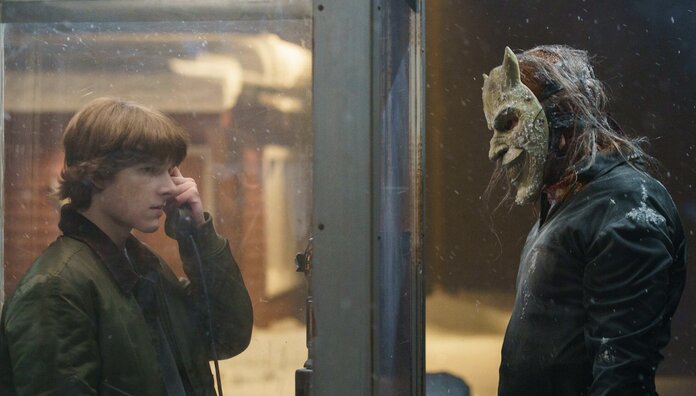
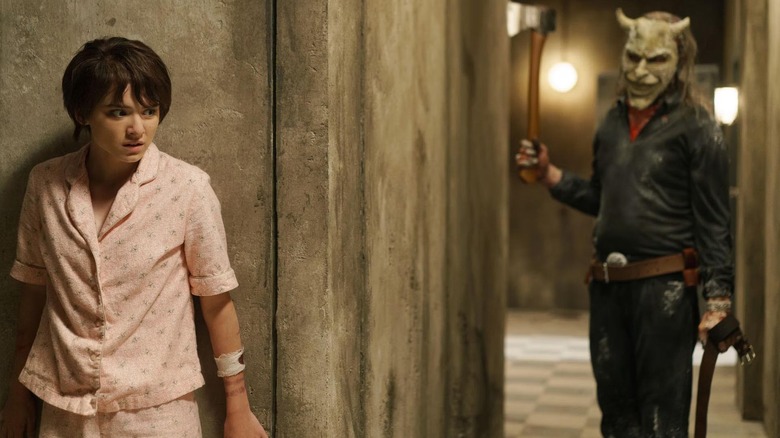
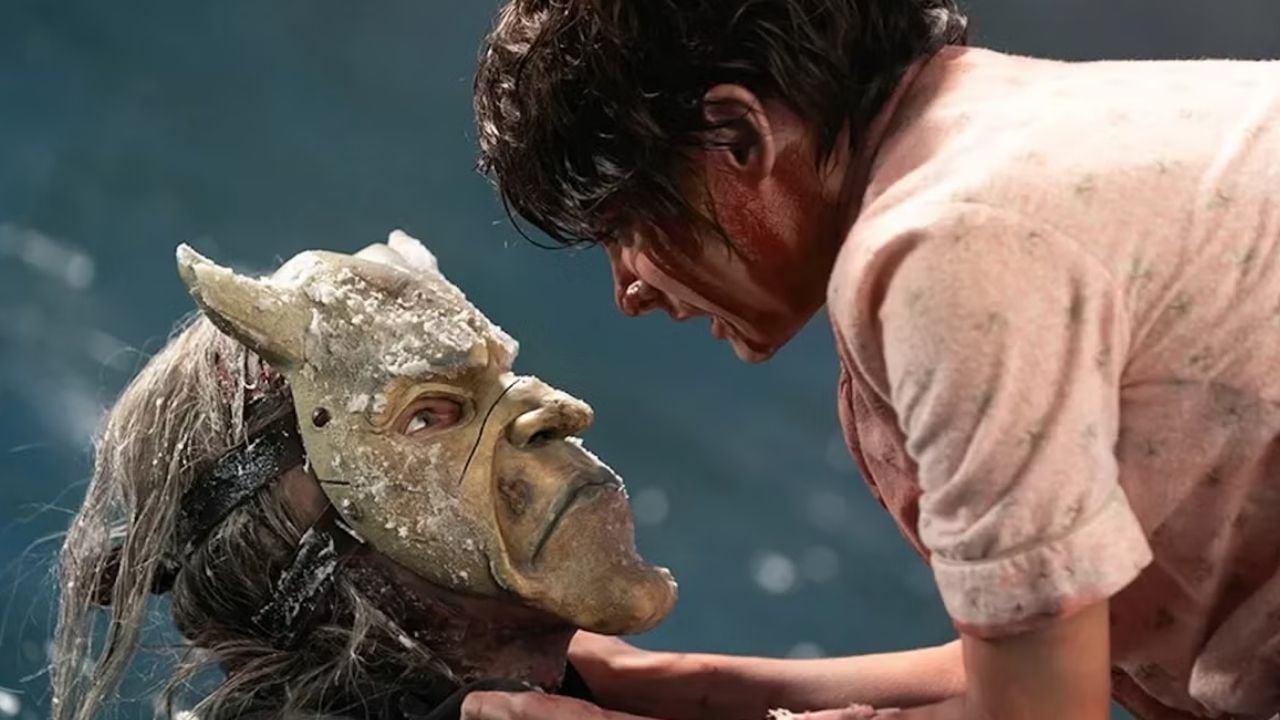
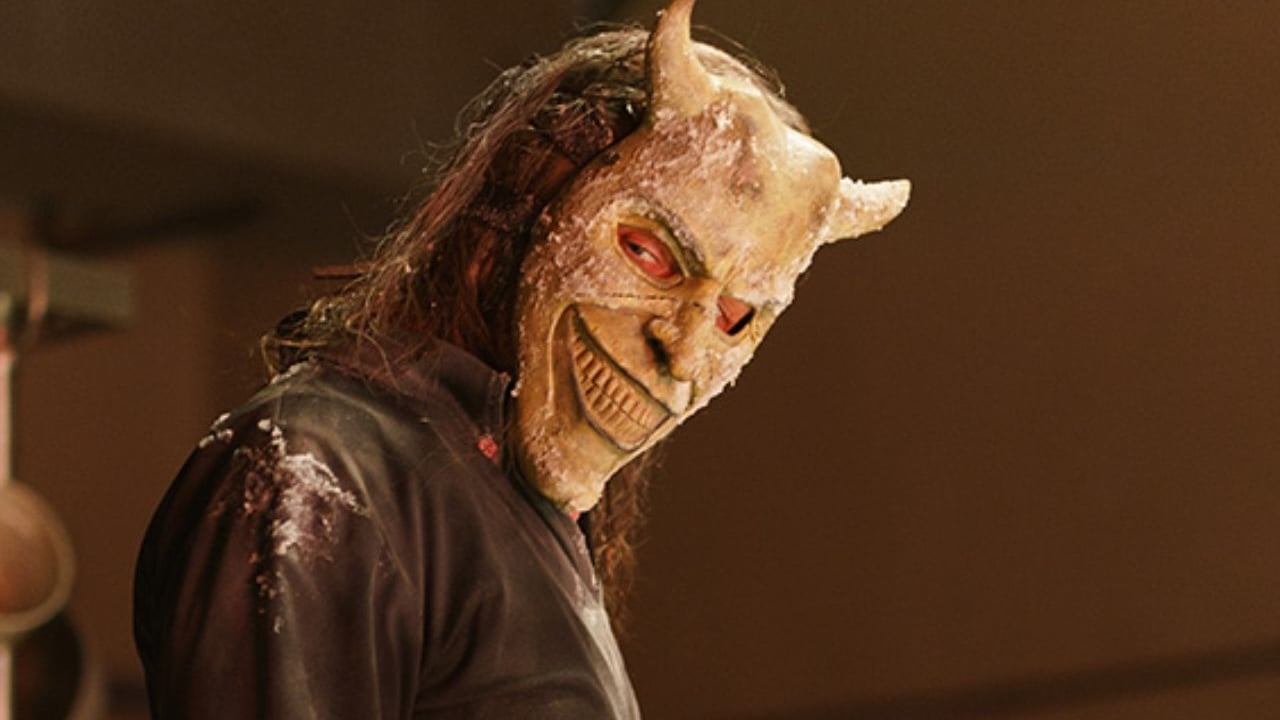
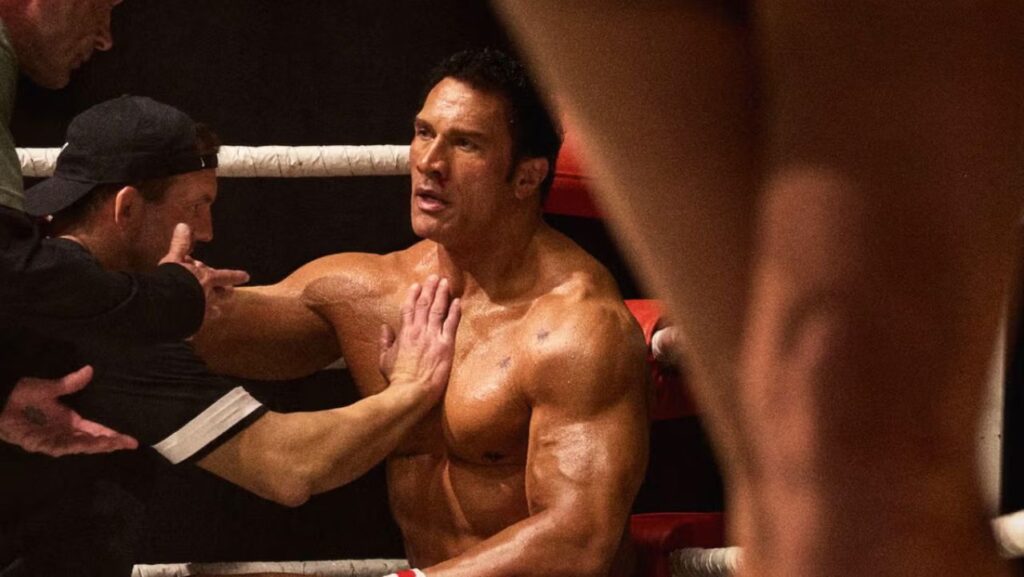
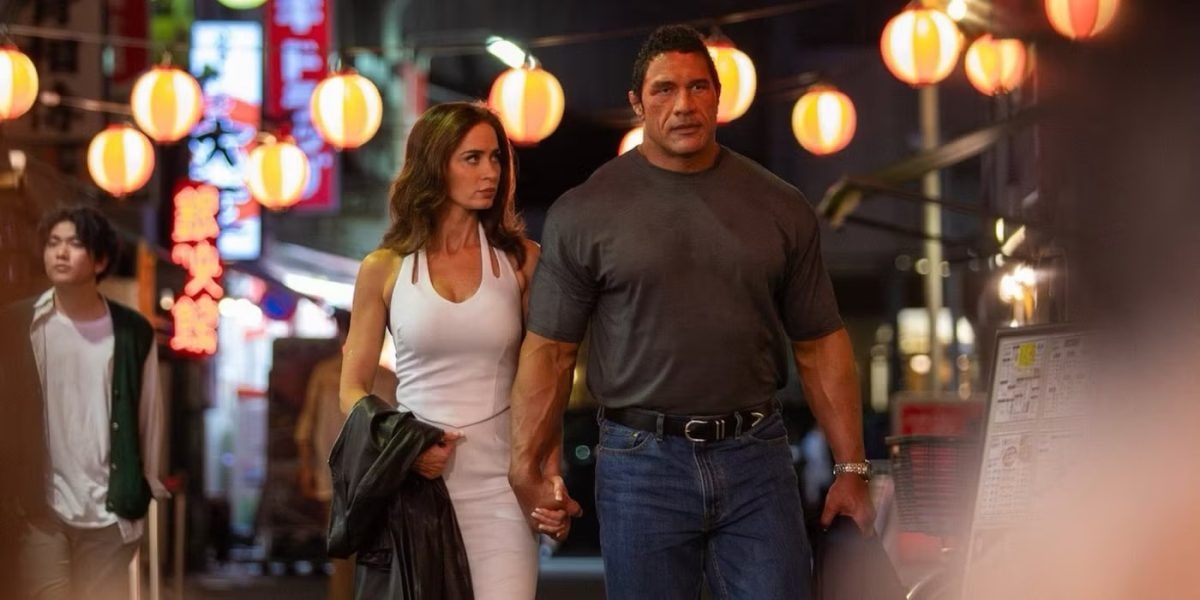
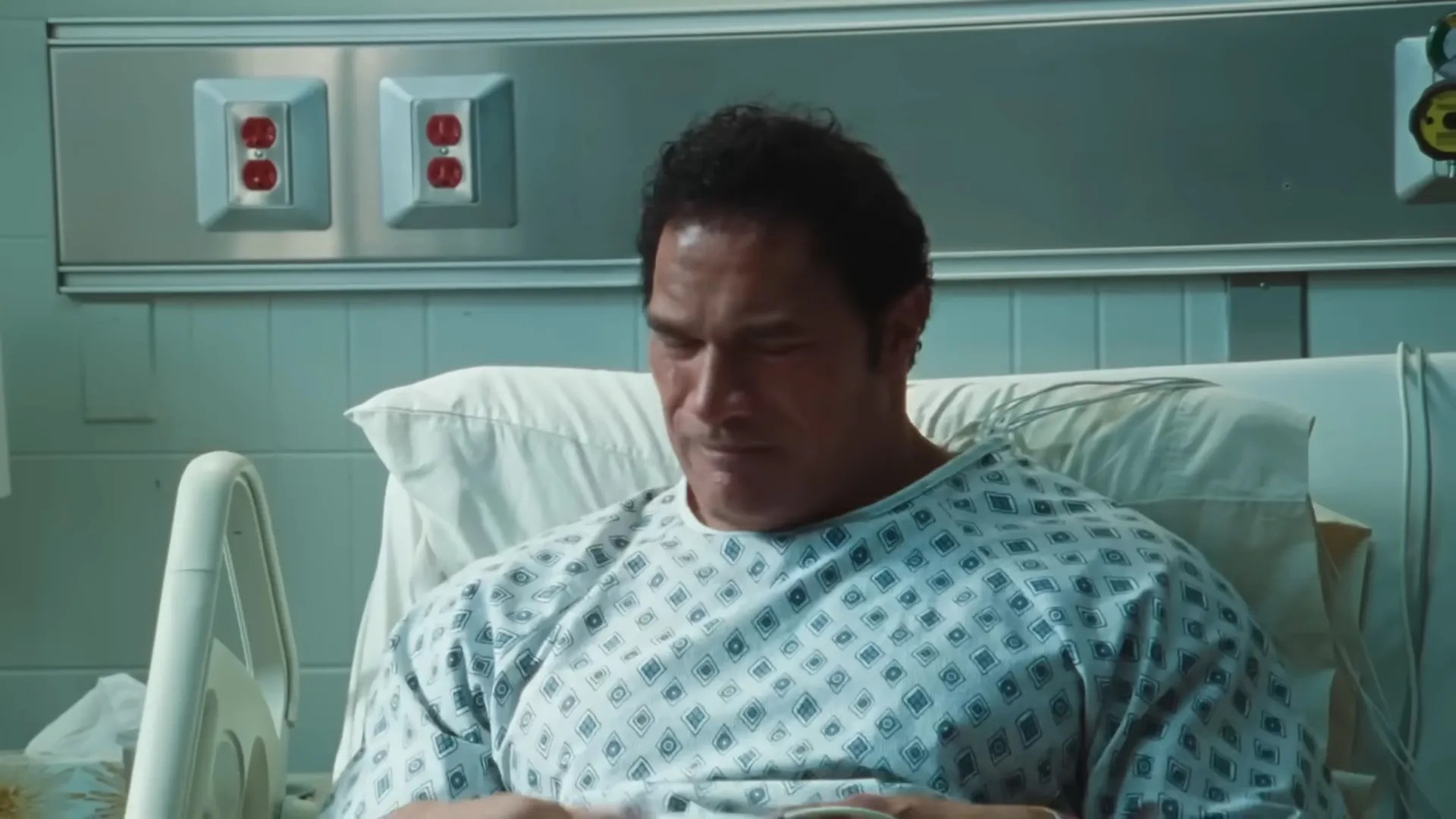

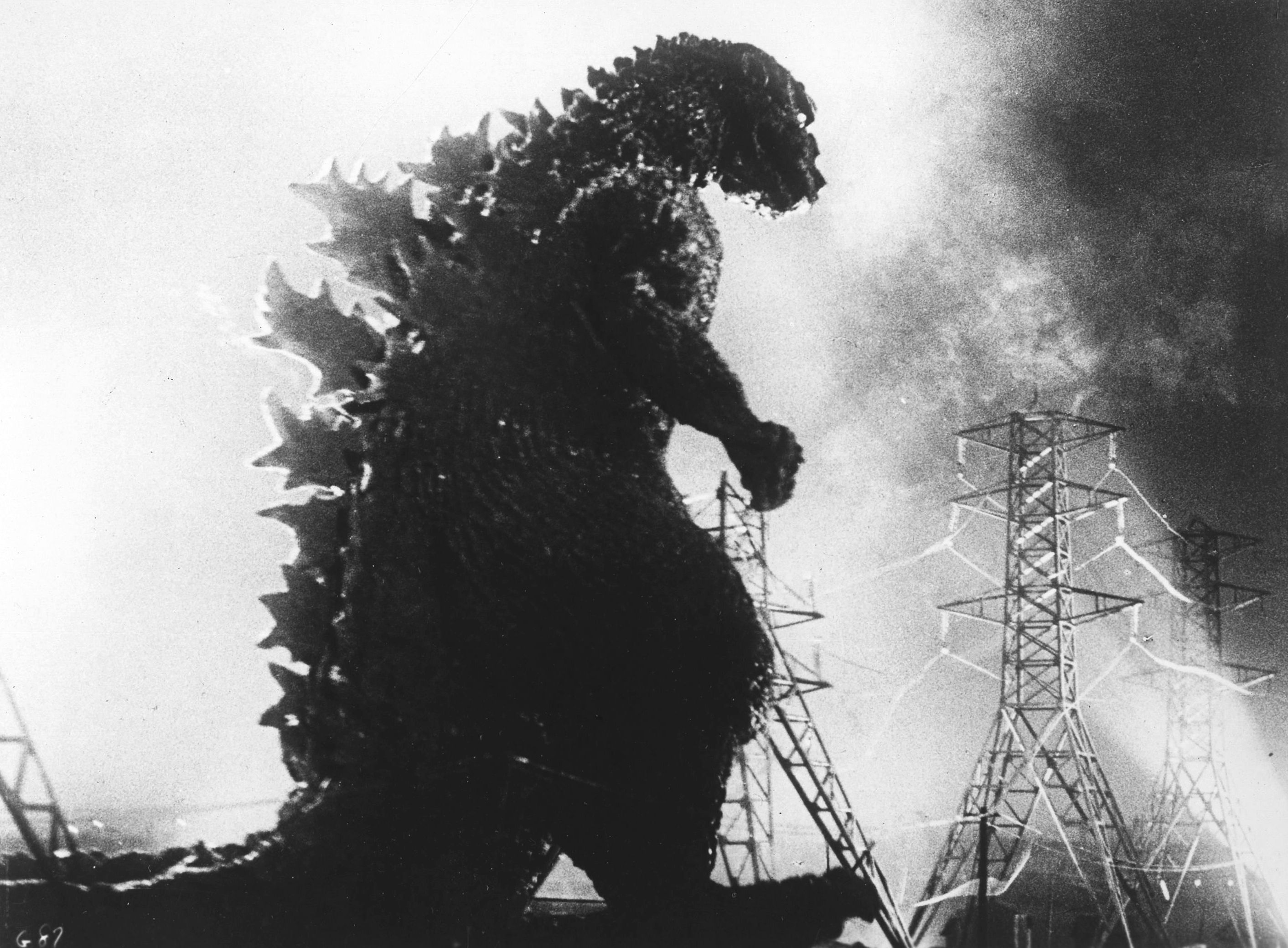

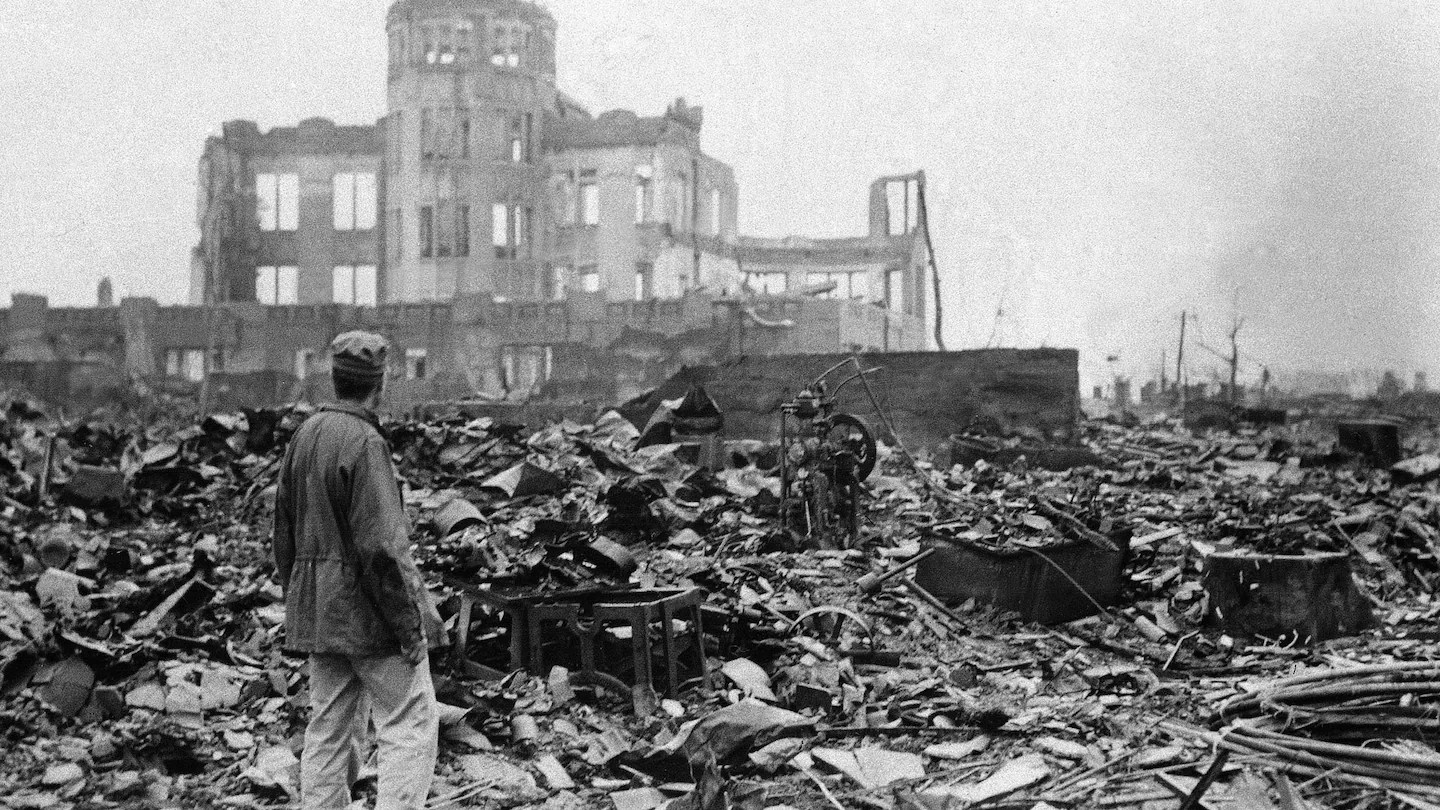
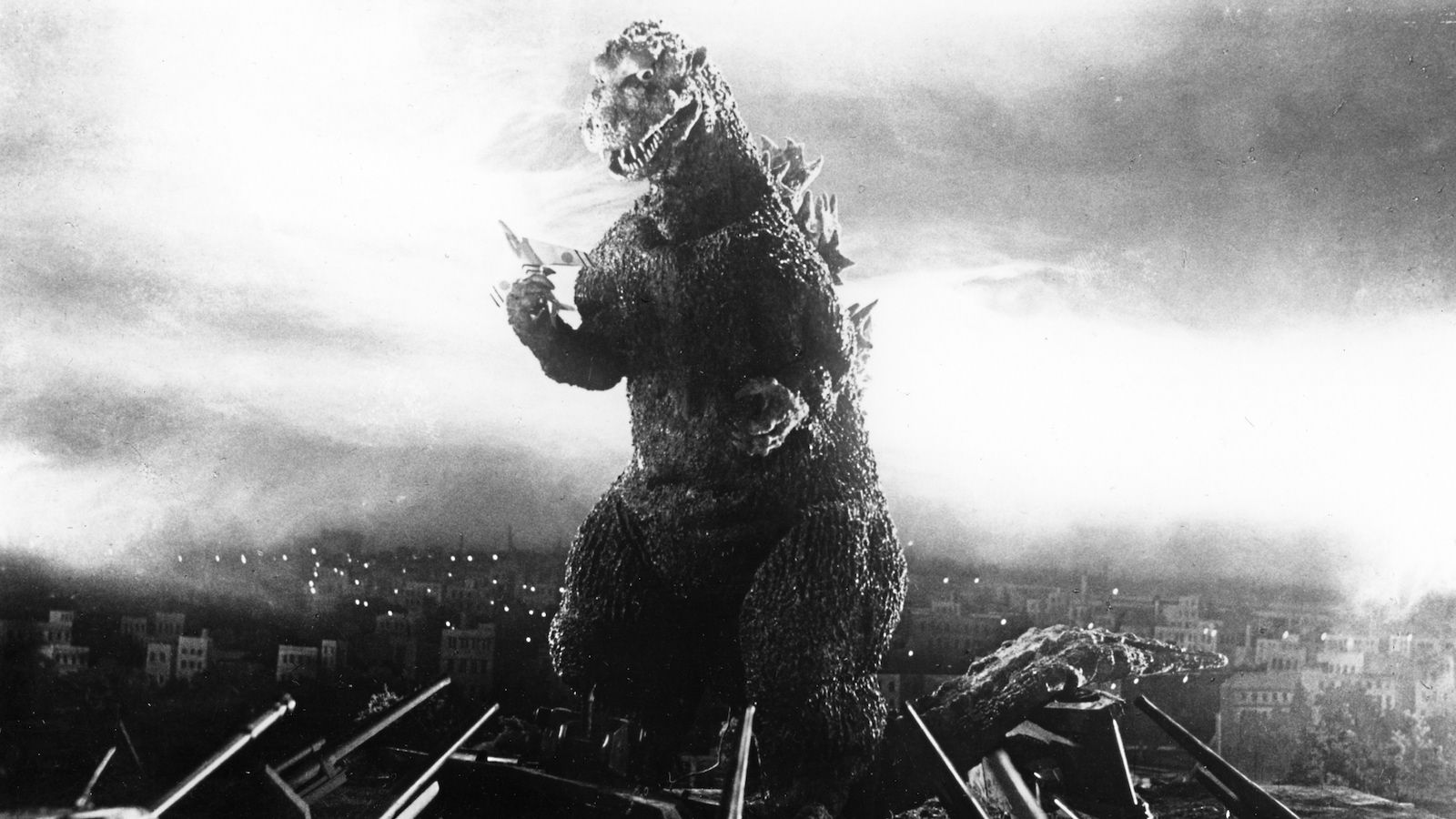
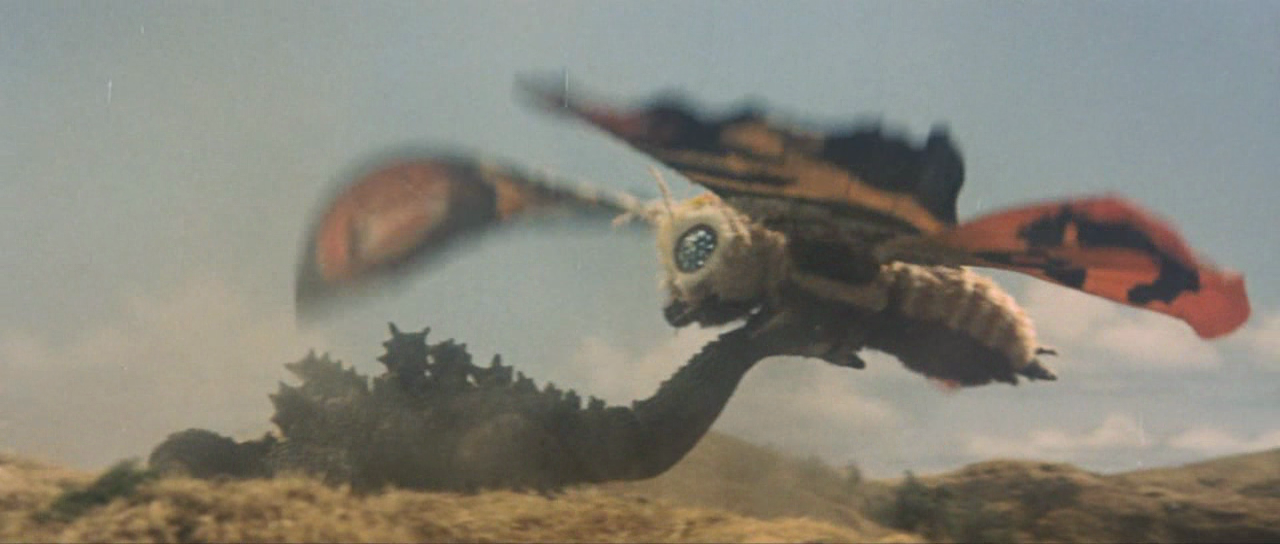
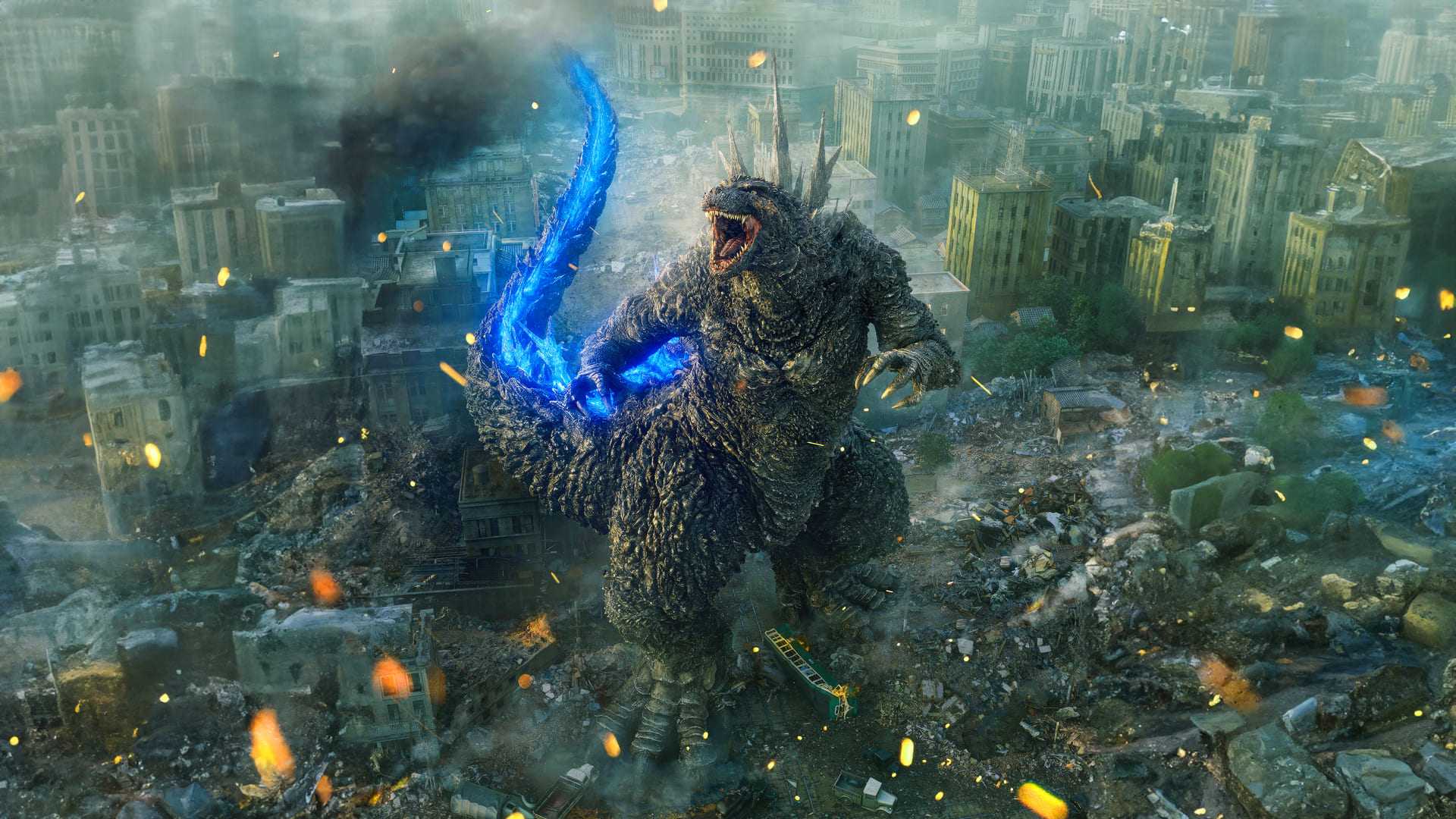
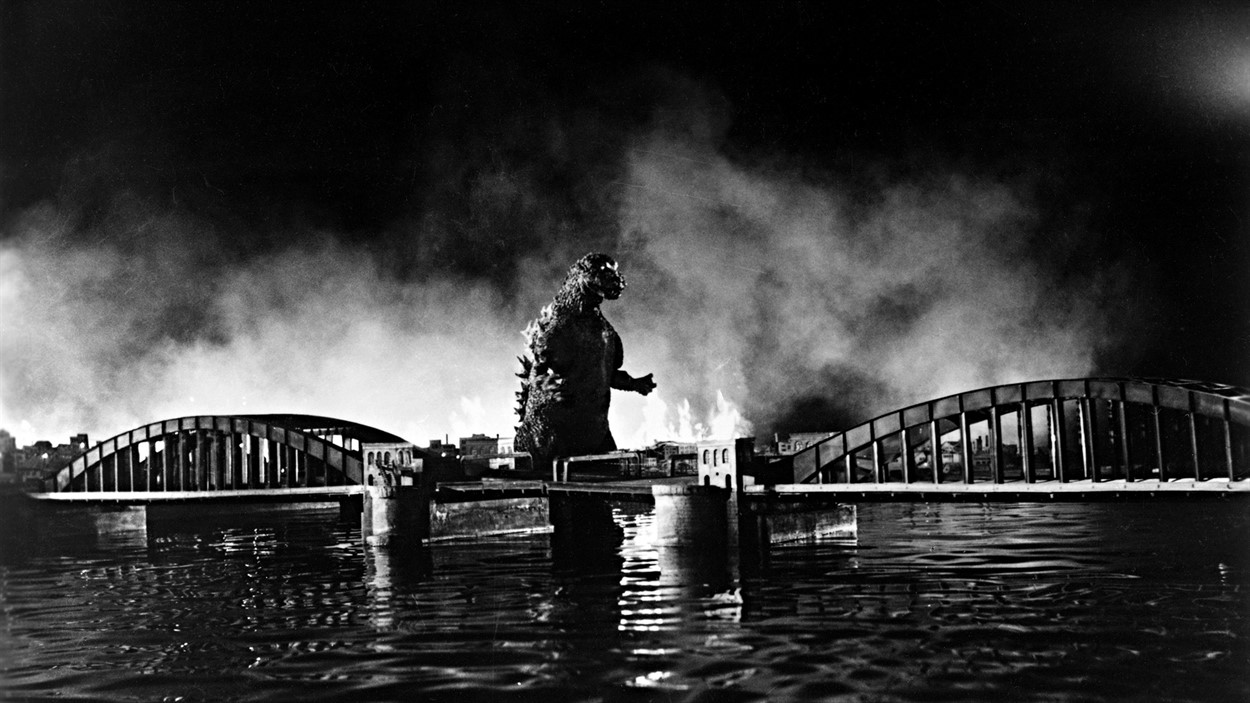
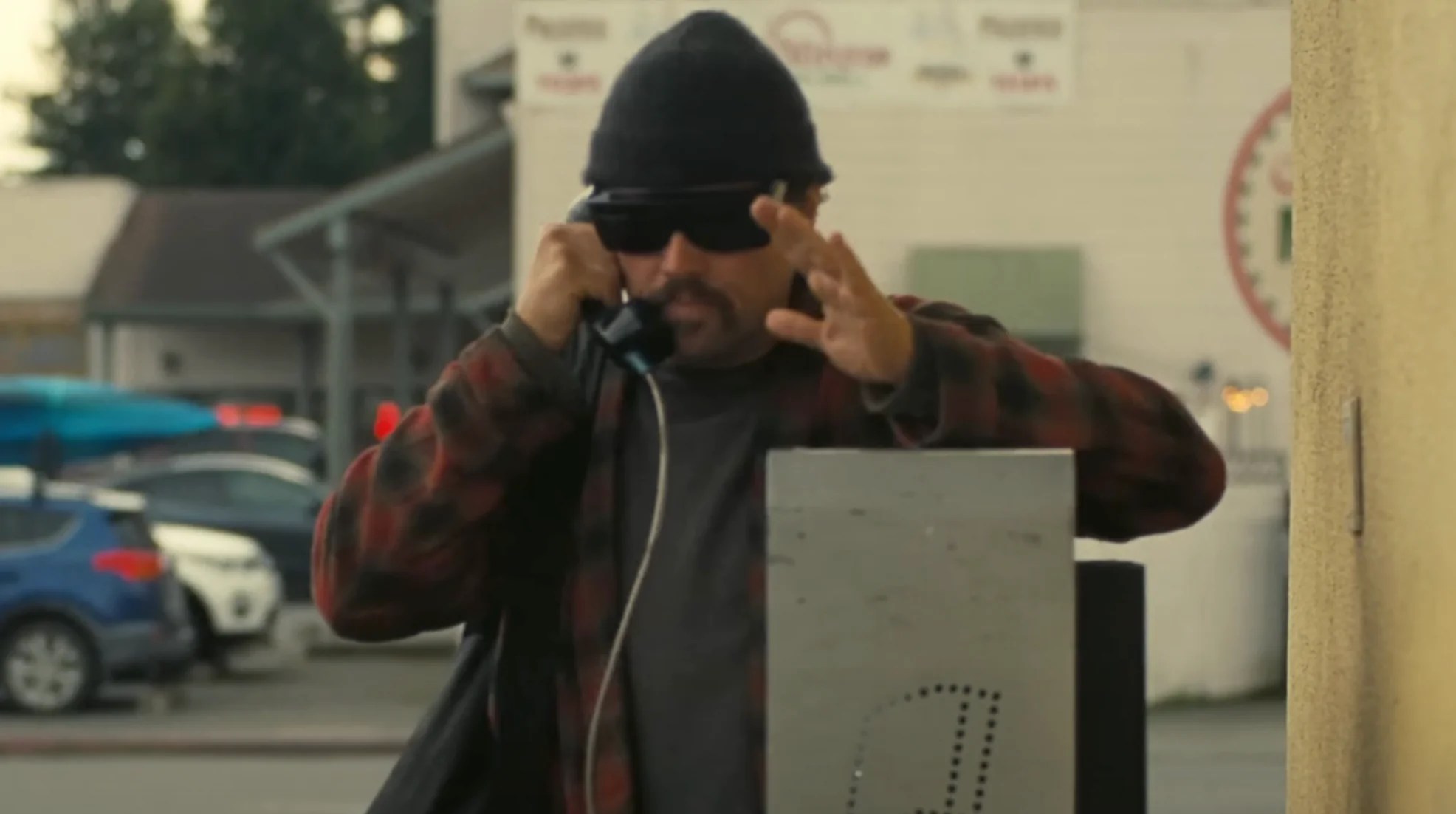
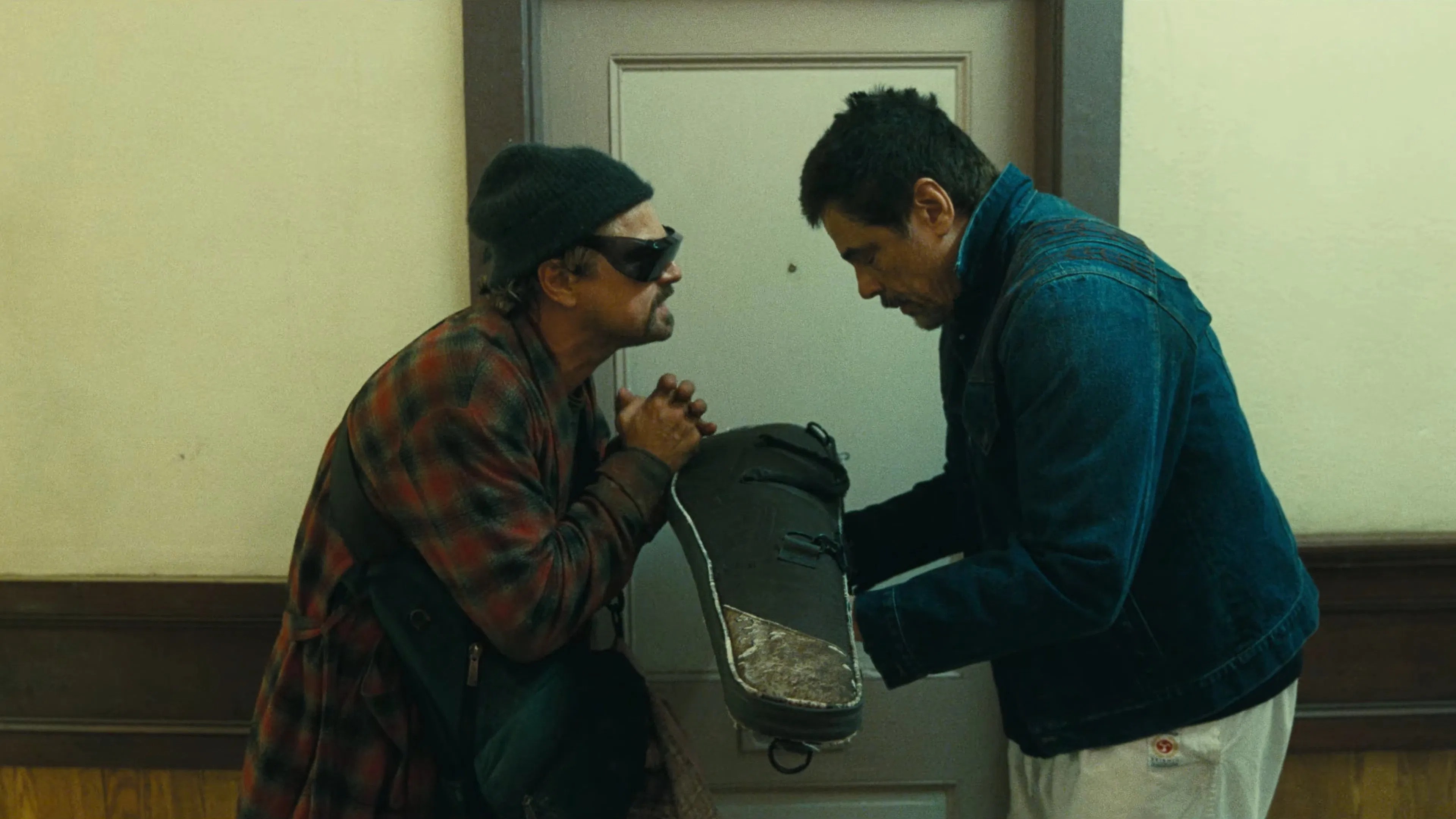

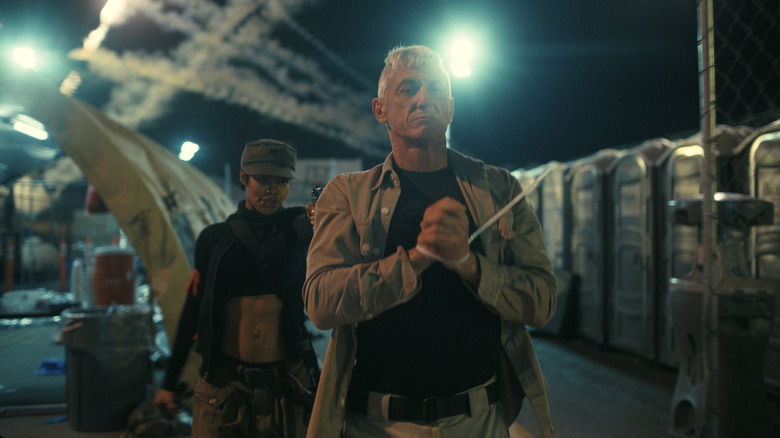
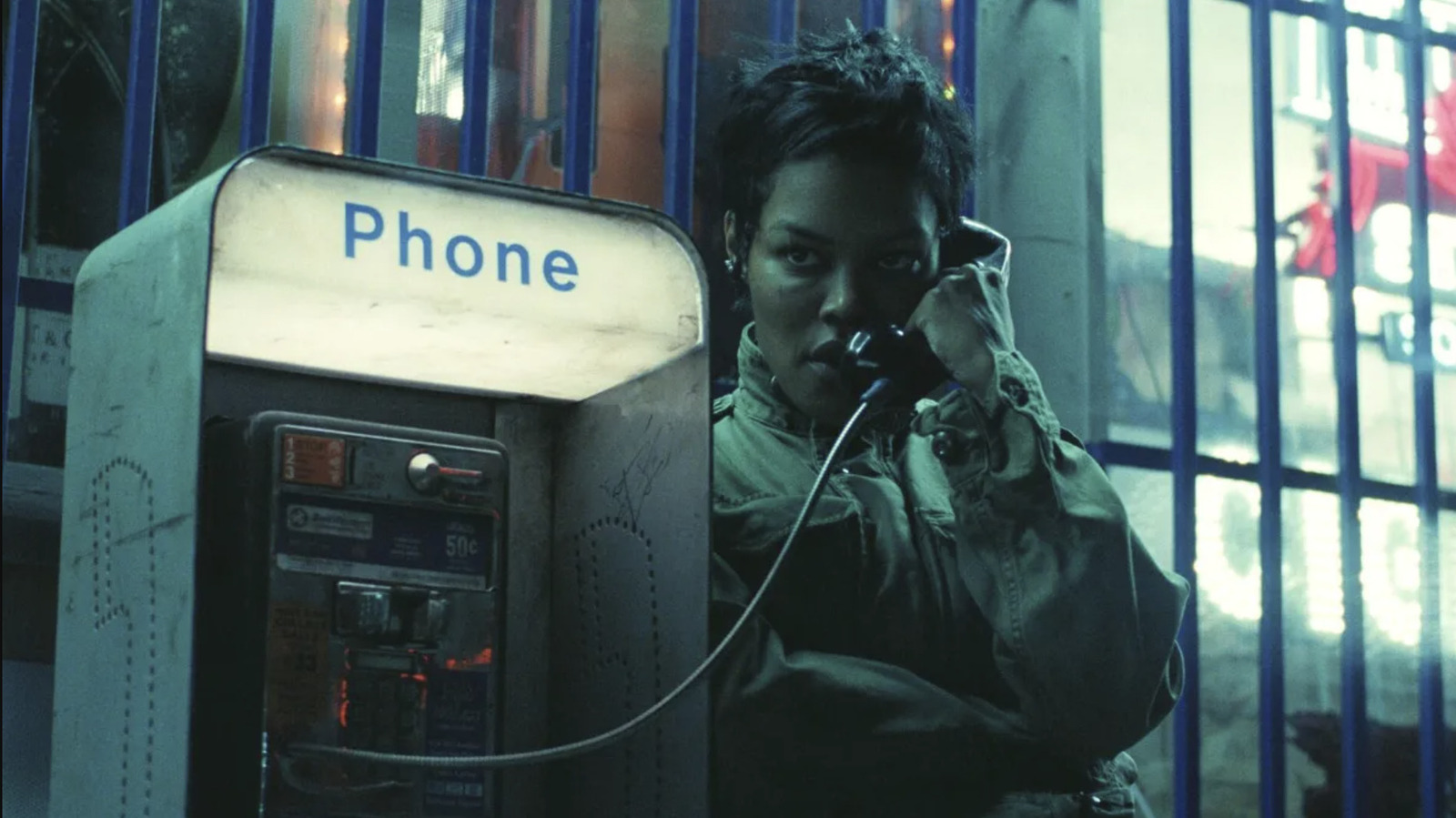
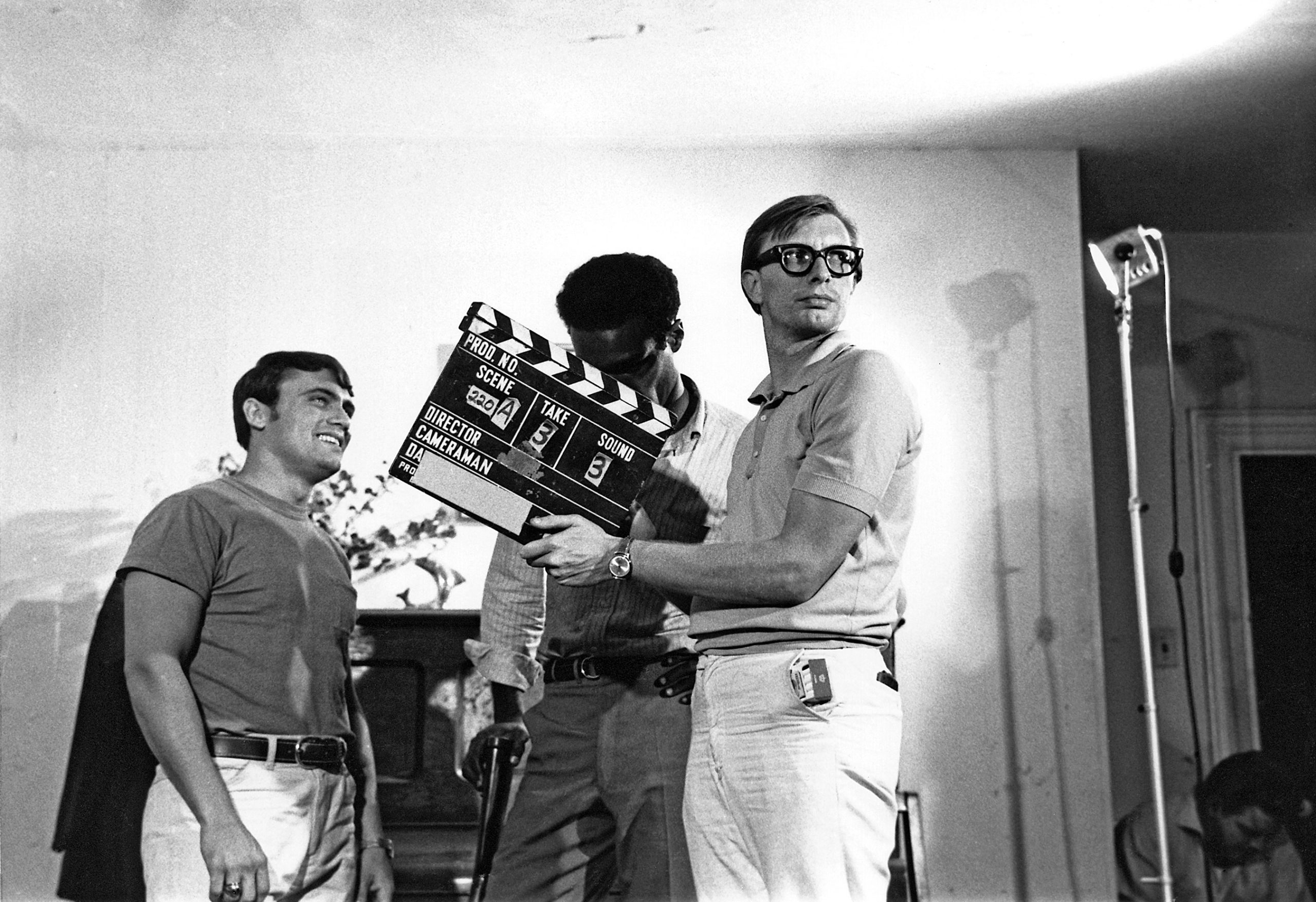
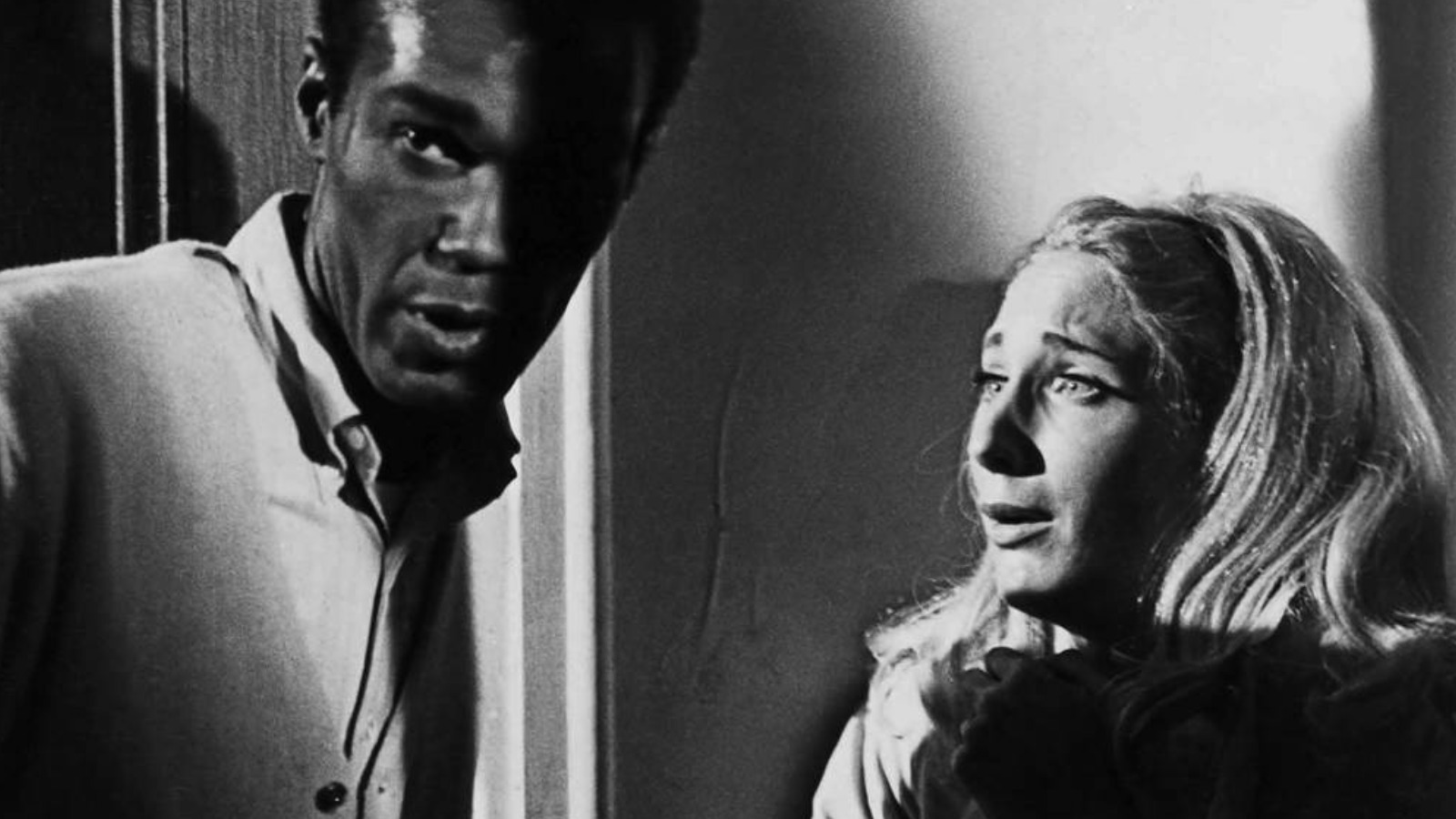
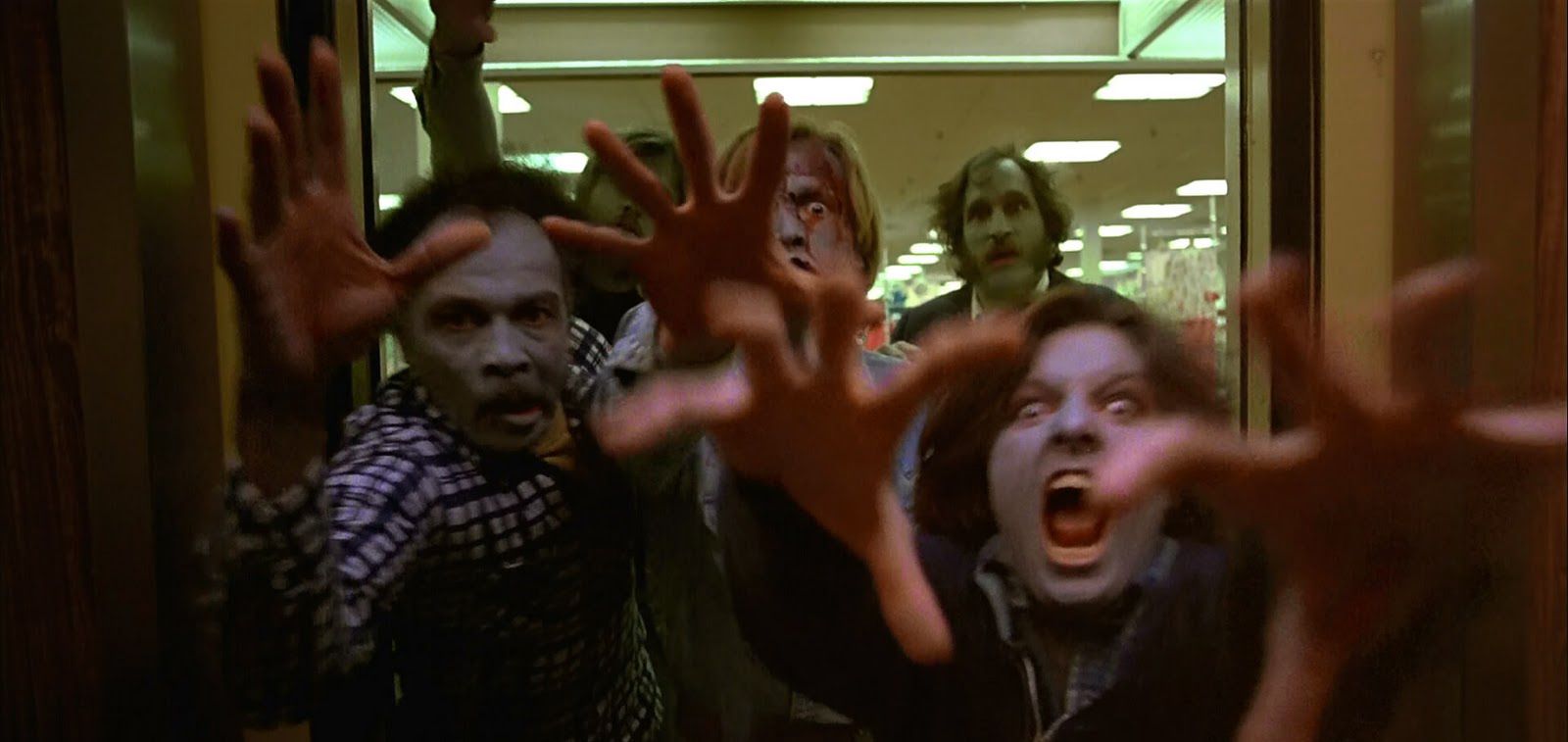
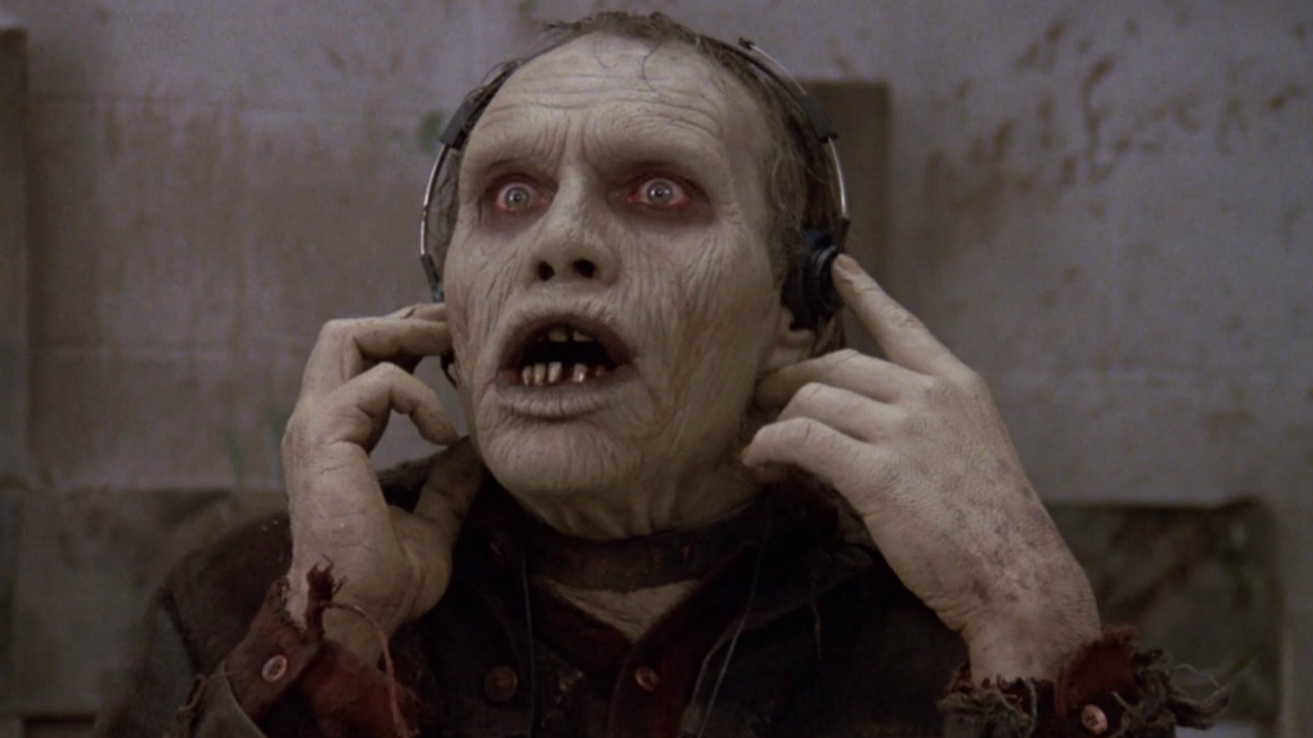

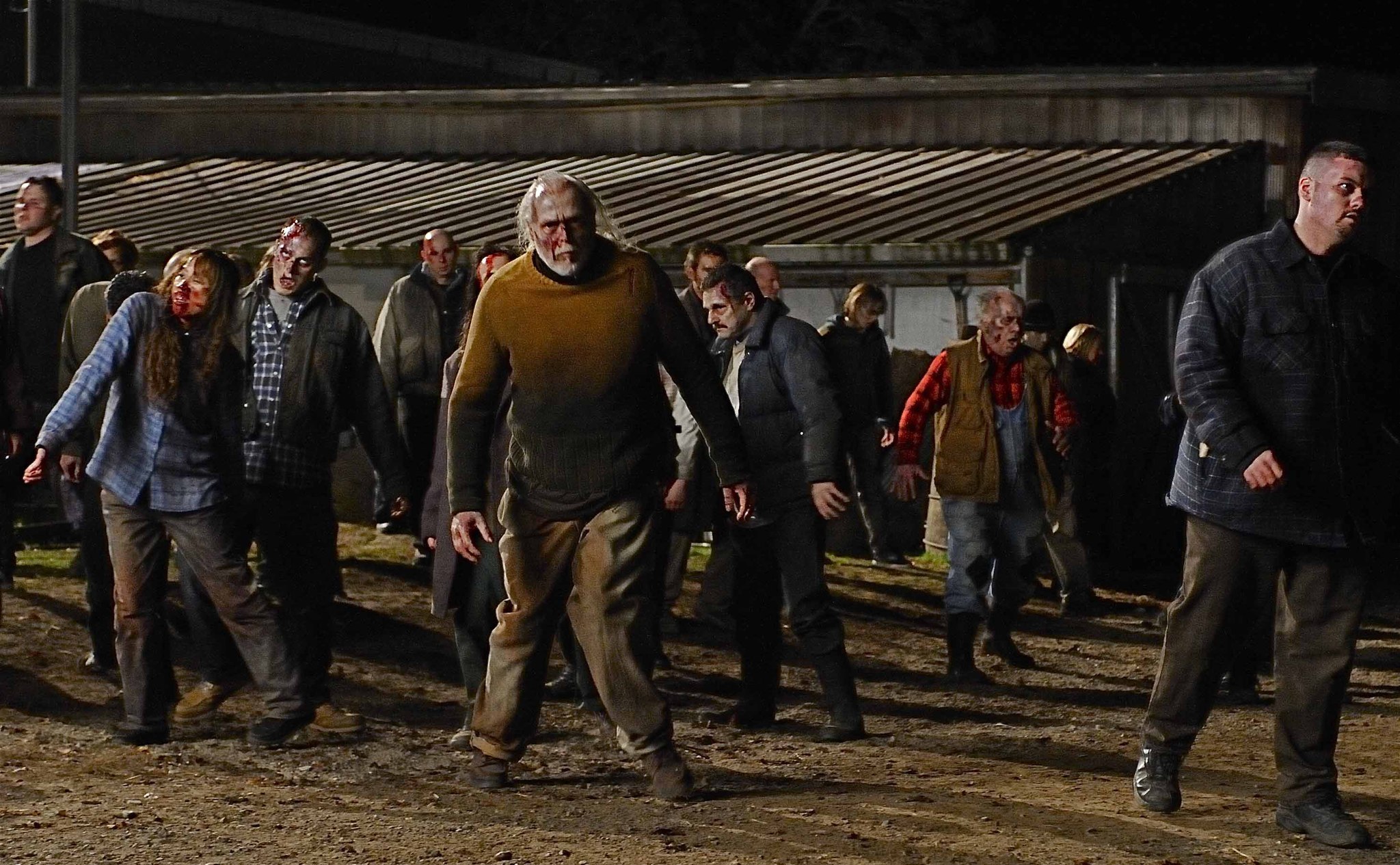

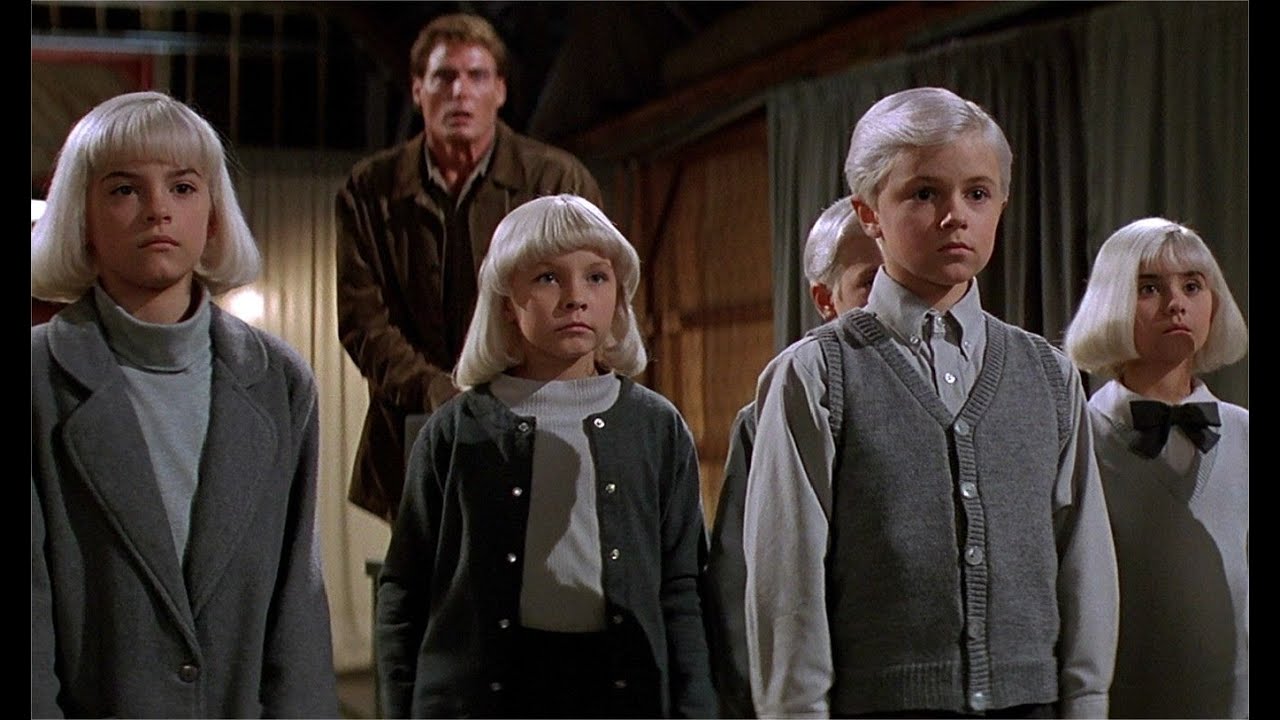
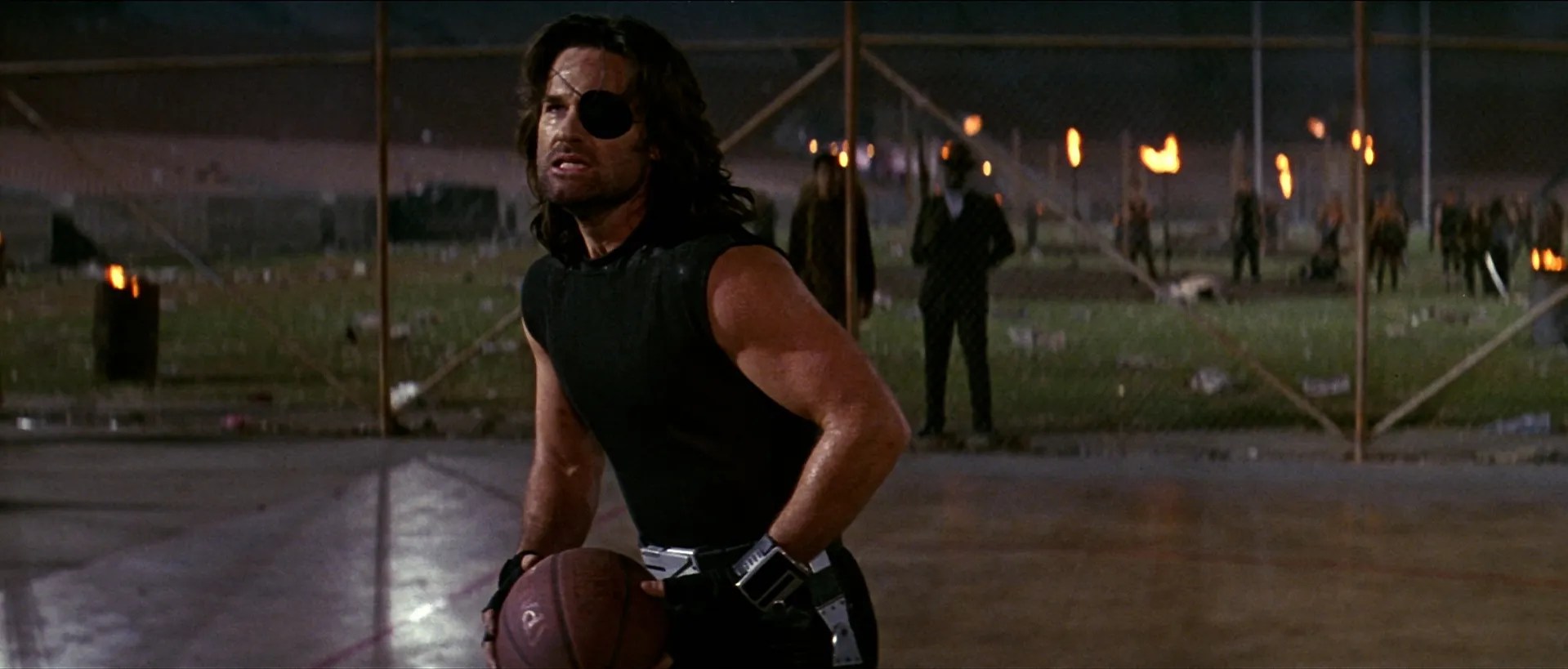


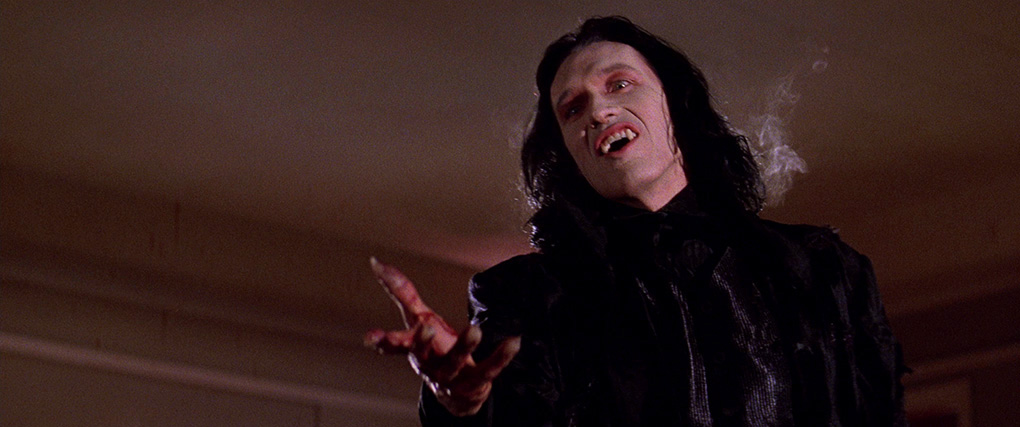
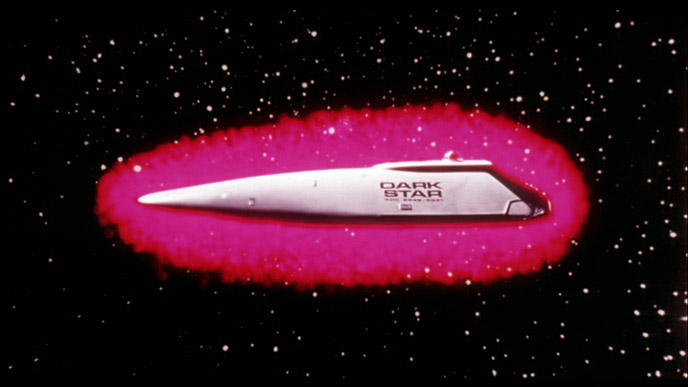
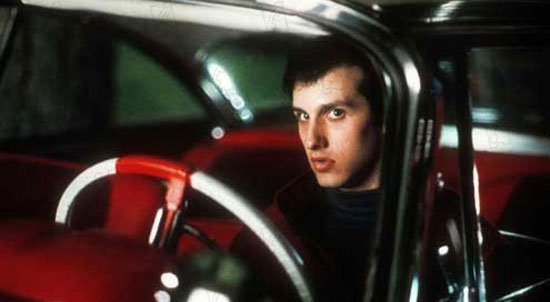
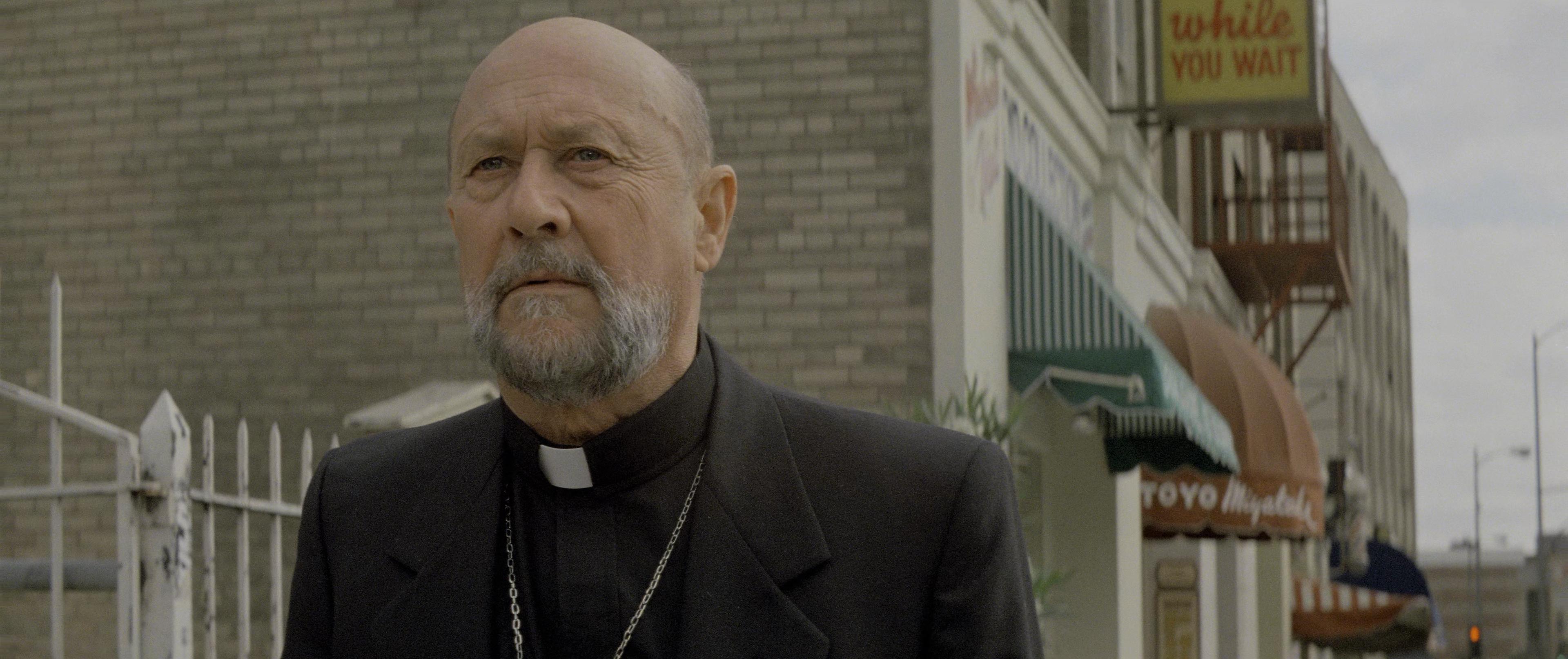
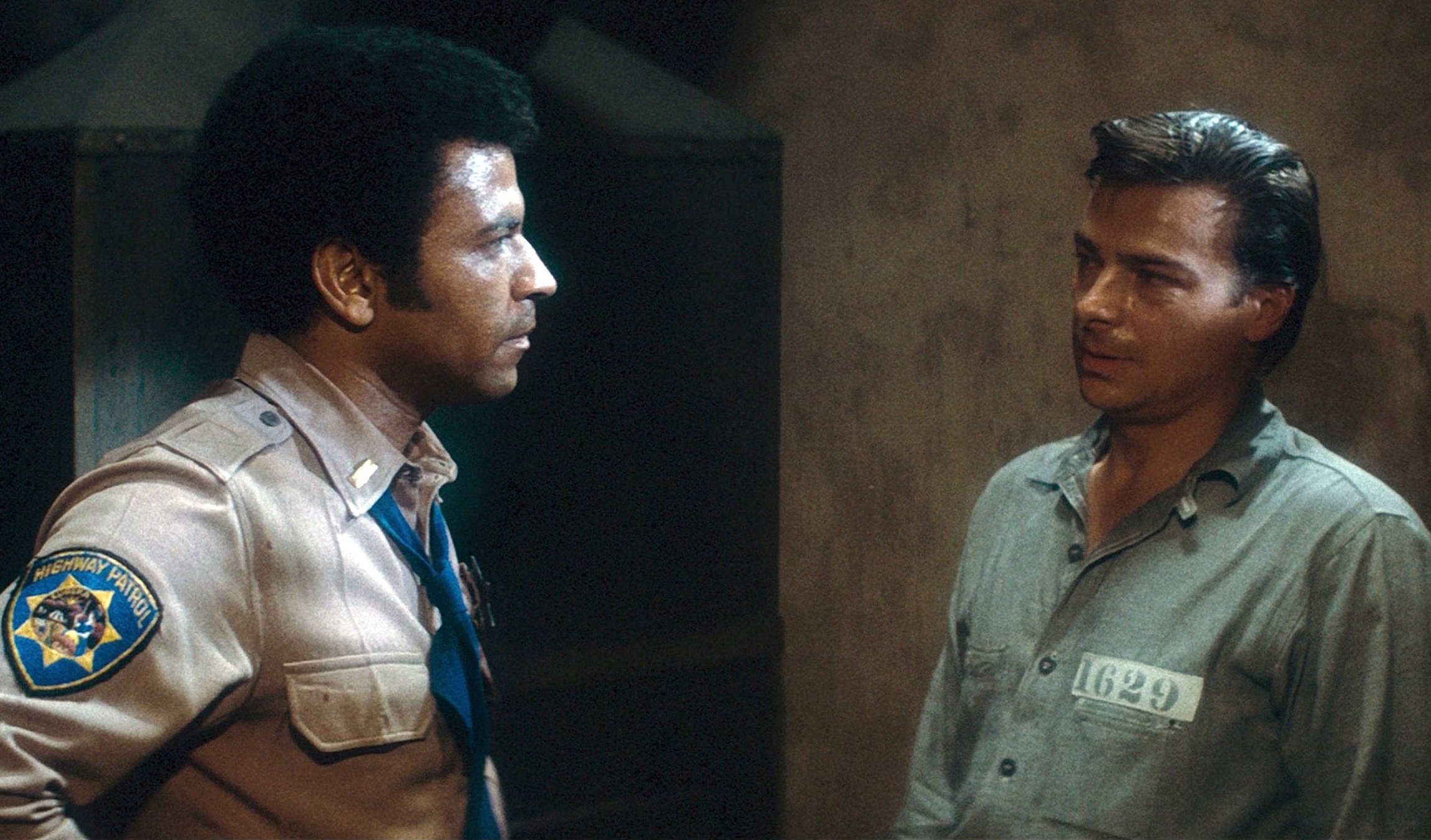
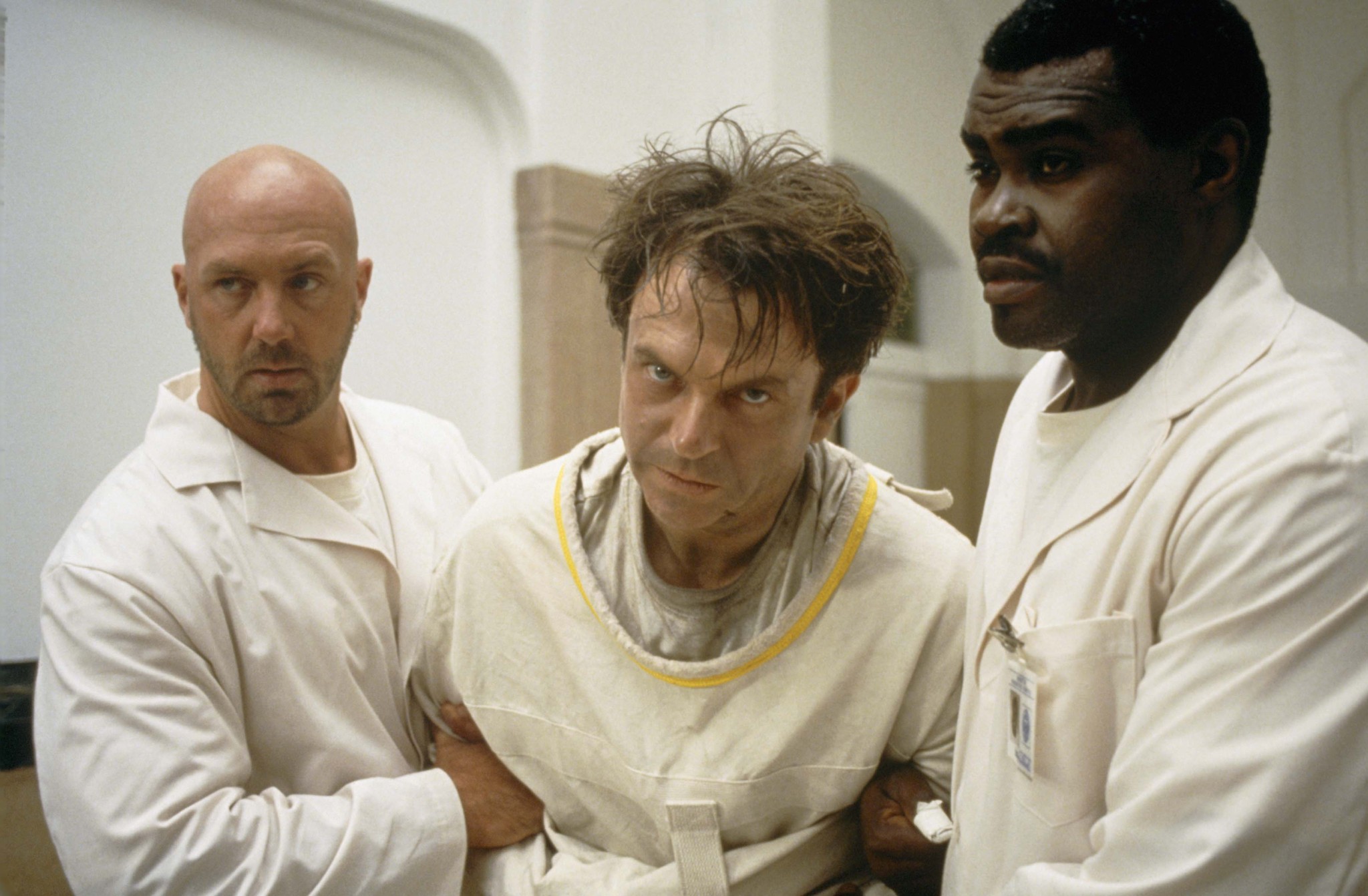

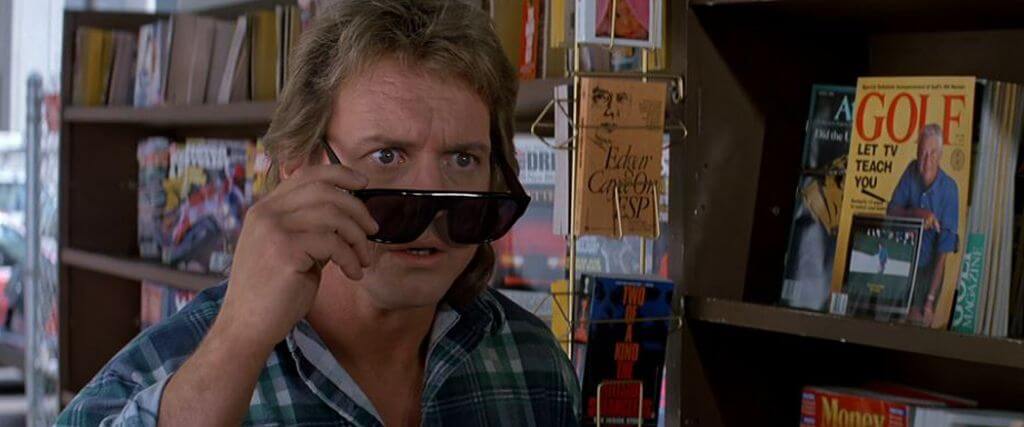

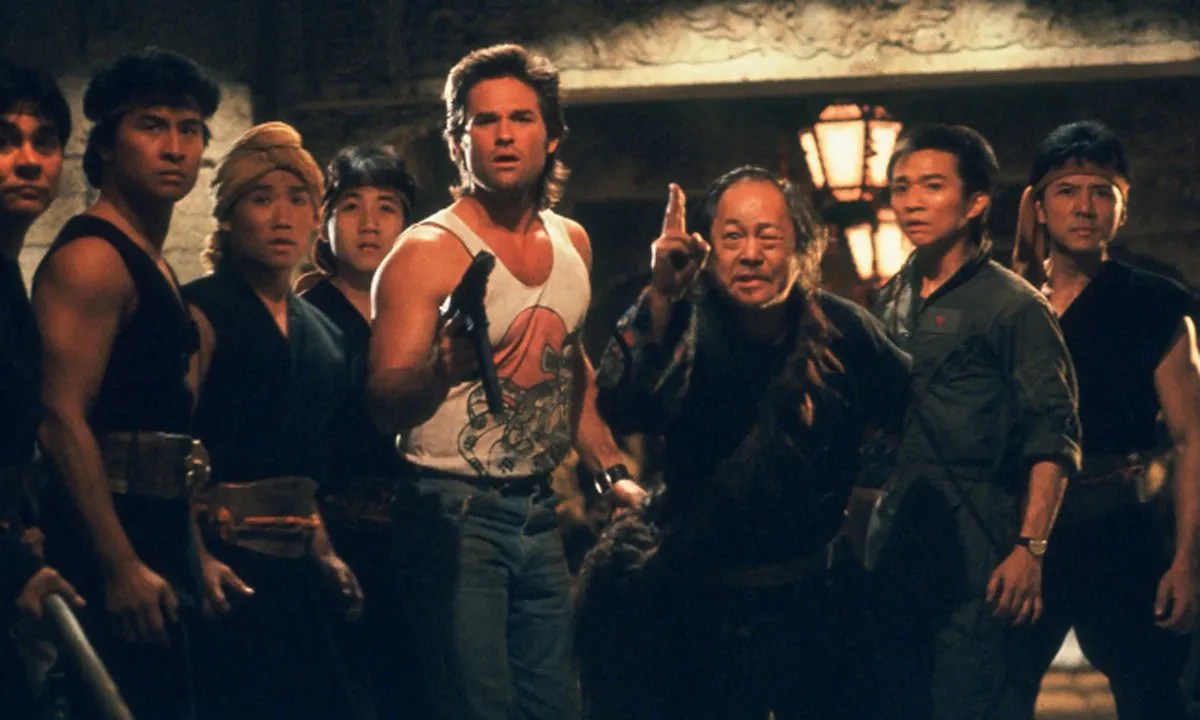
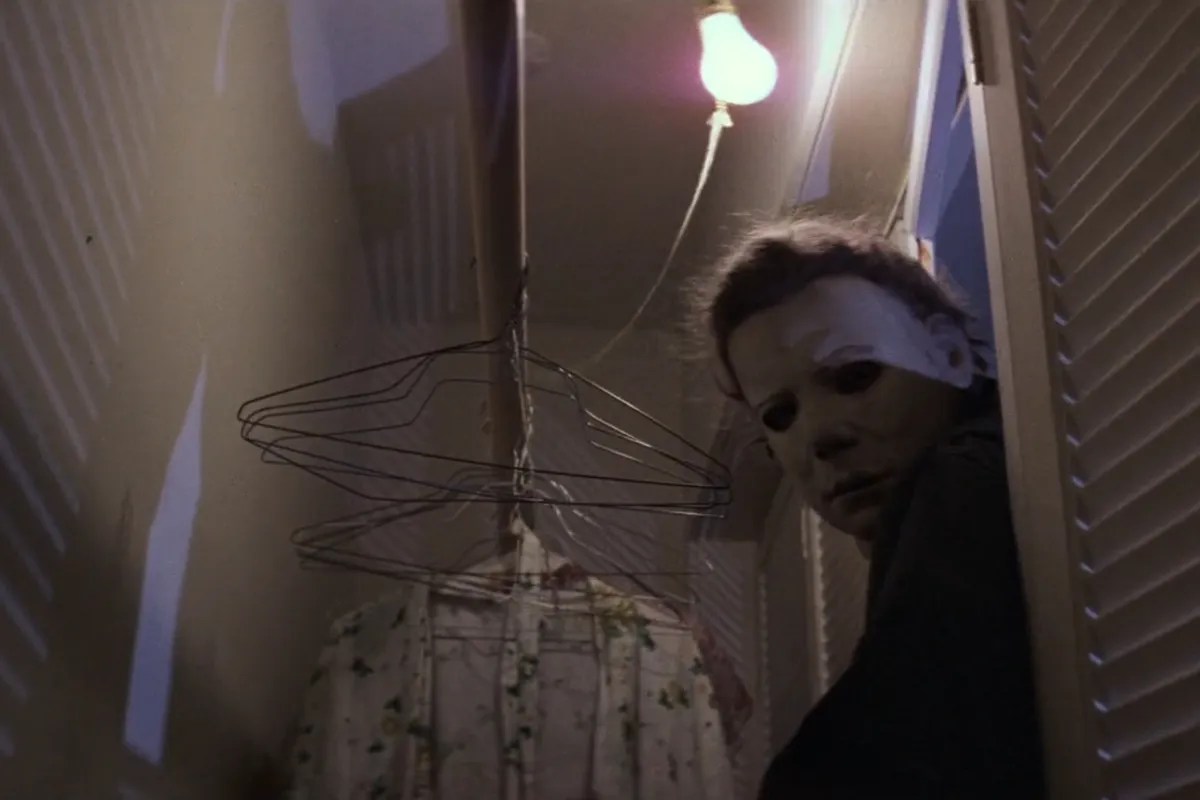
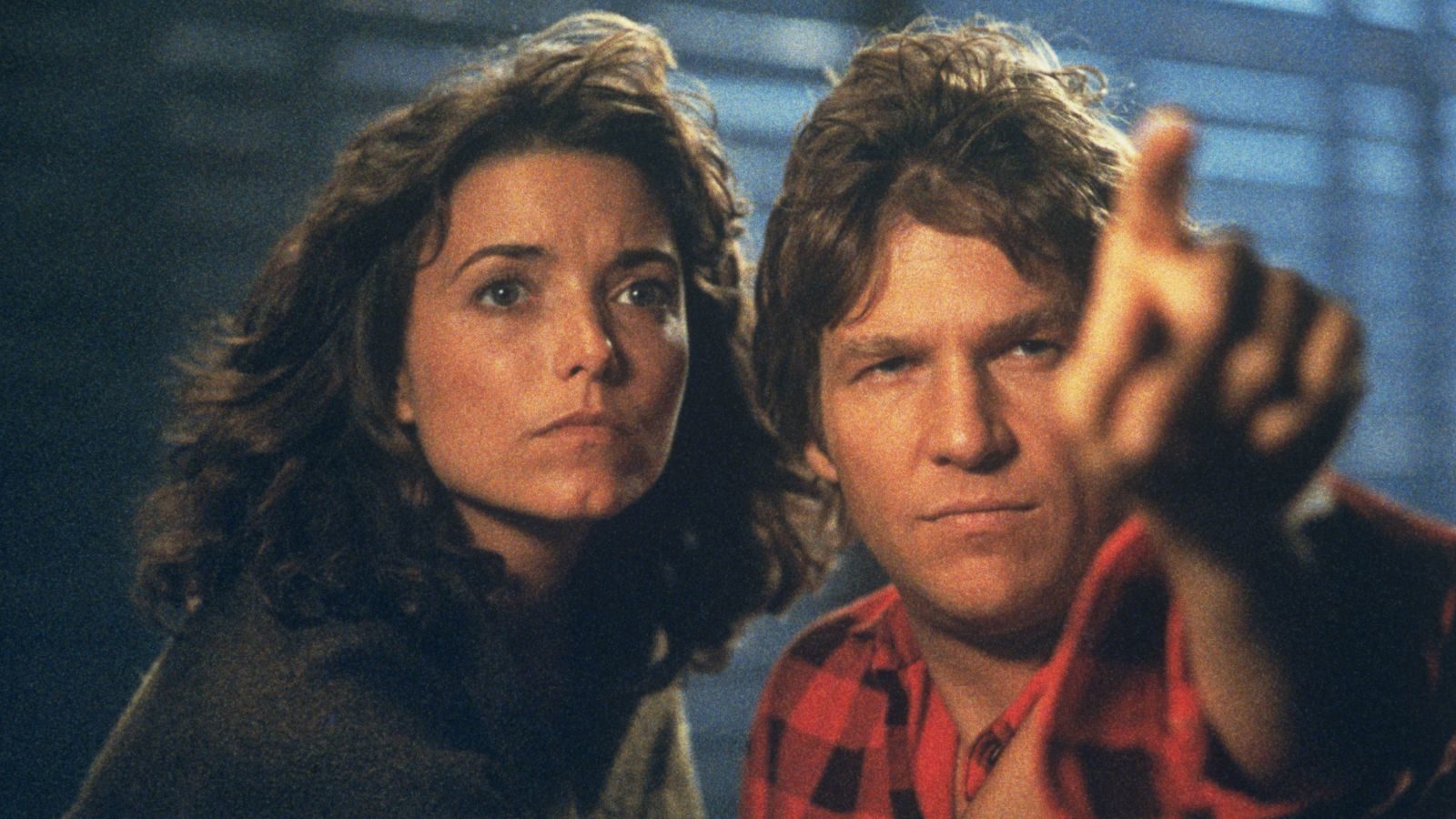
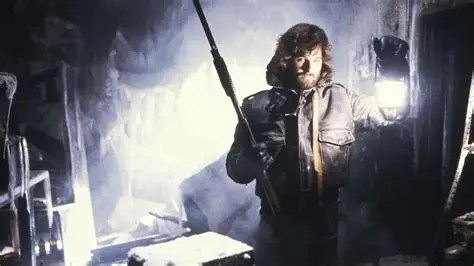

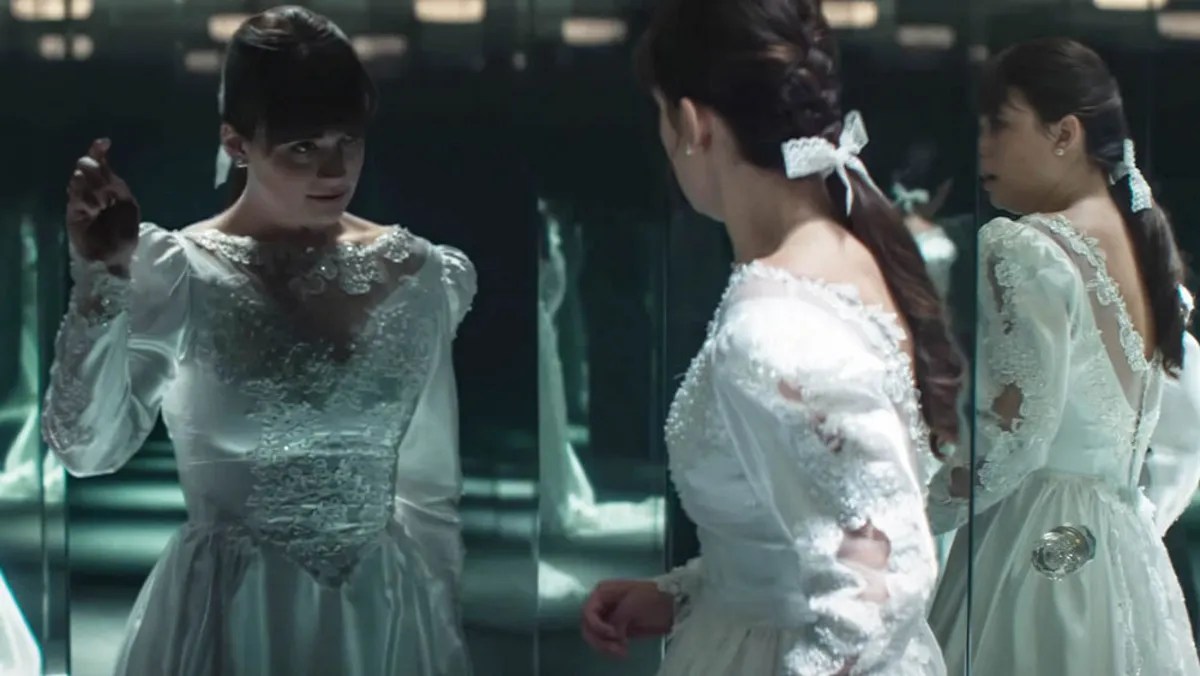
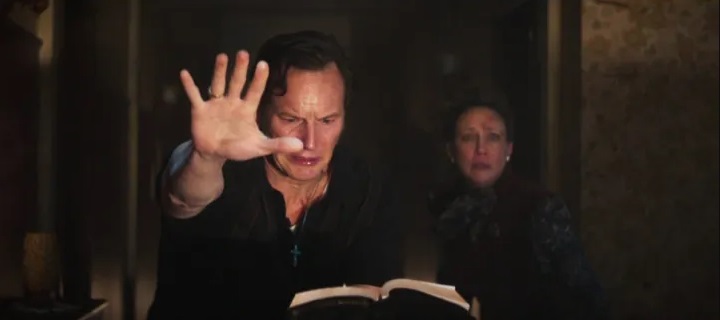
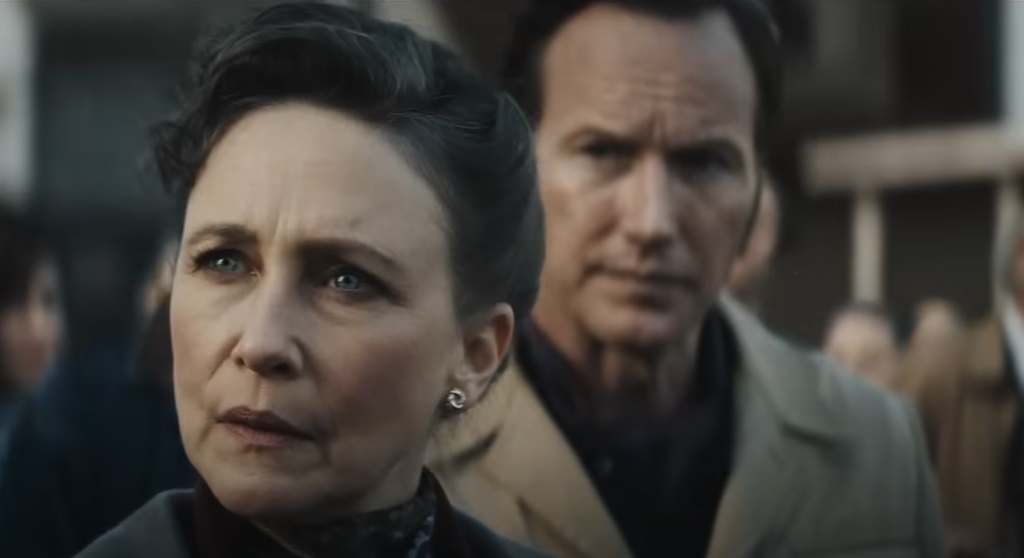
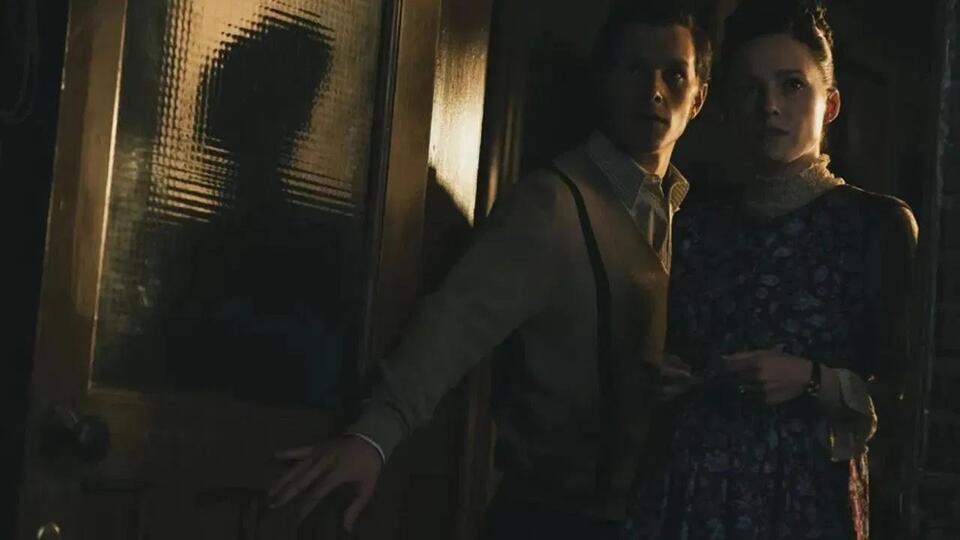
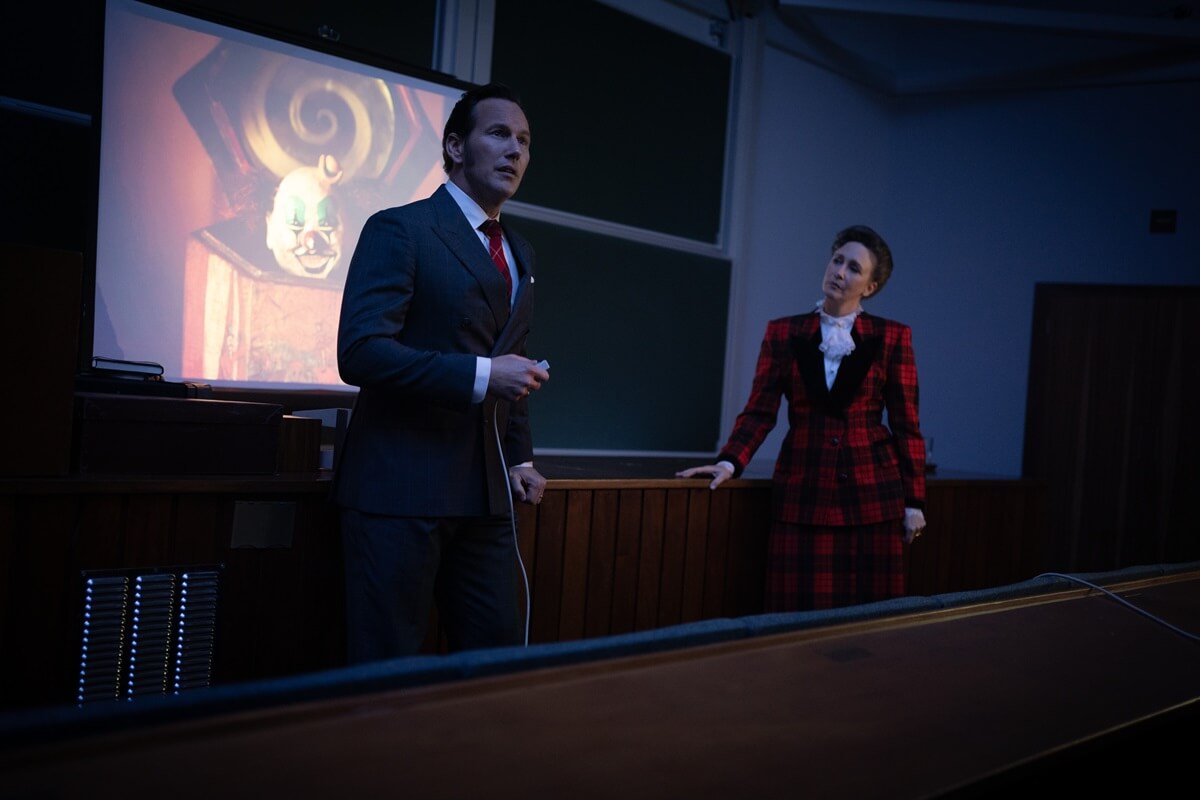
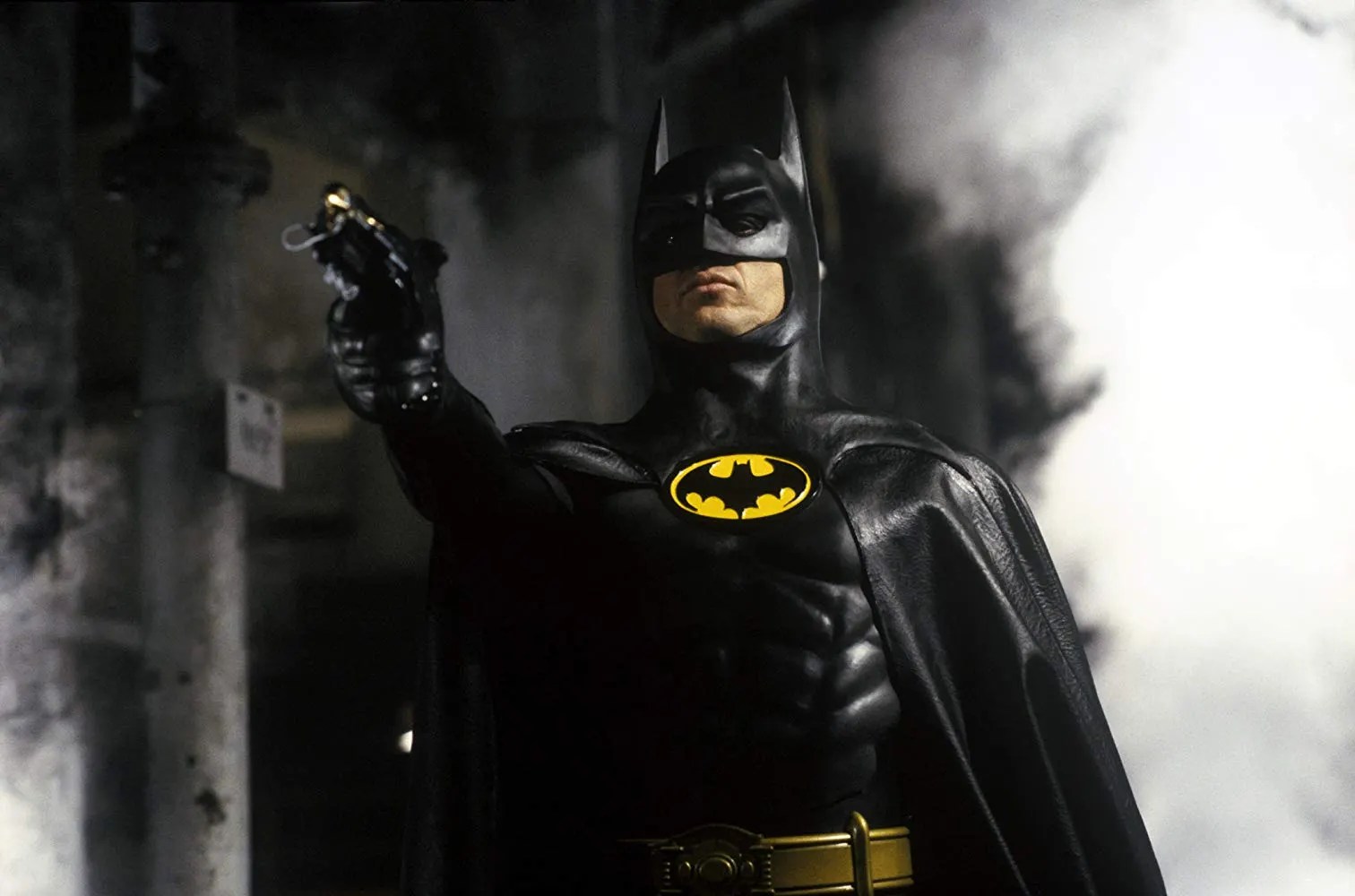

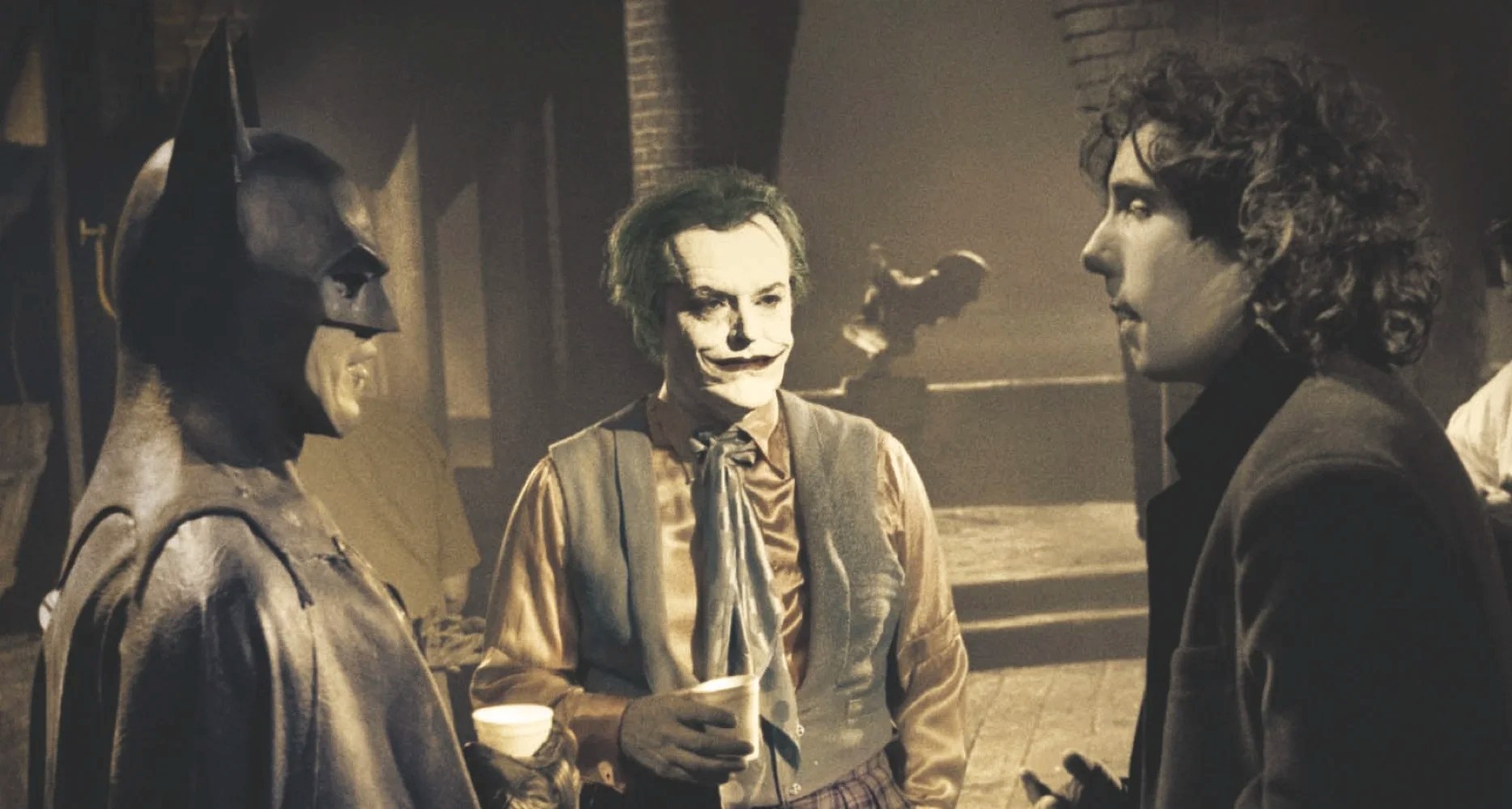
 Rhys Reviews