Genuine human kindness stands out as rebellious in the modern day, where the news focuses on so much death, war and attempts to divide us. It is normal to be cynical and cruel nowadays, but director James Gunn’s newest feature, Superman, puts a spotlight on the belief that being generally kind and heartfelt is the way we should be. In the past decade where the Man of Steel was depicted as an unfeeling, God-like being through the films directed by Zack Snyder, it is fundamentally refreshing to see a film which depicts Superman as the closest yet to Richard Donners’ original big screen take.
Gunn’s newest big screen depiction of the Man of Tomorrow follows the hero as he sees his worldview and his public status tested when he saves lives in the middle of an ongoing war. When uncertain truths are revealed about his past, the hero sees himself coming into conflict with fellow heroes, the United States government and his archnemesis Lex Luthor.
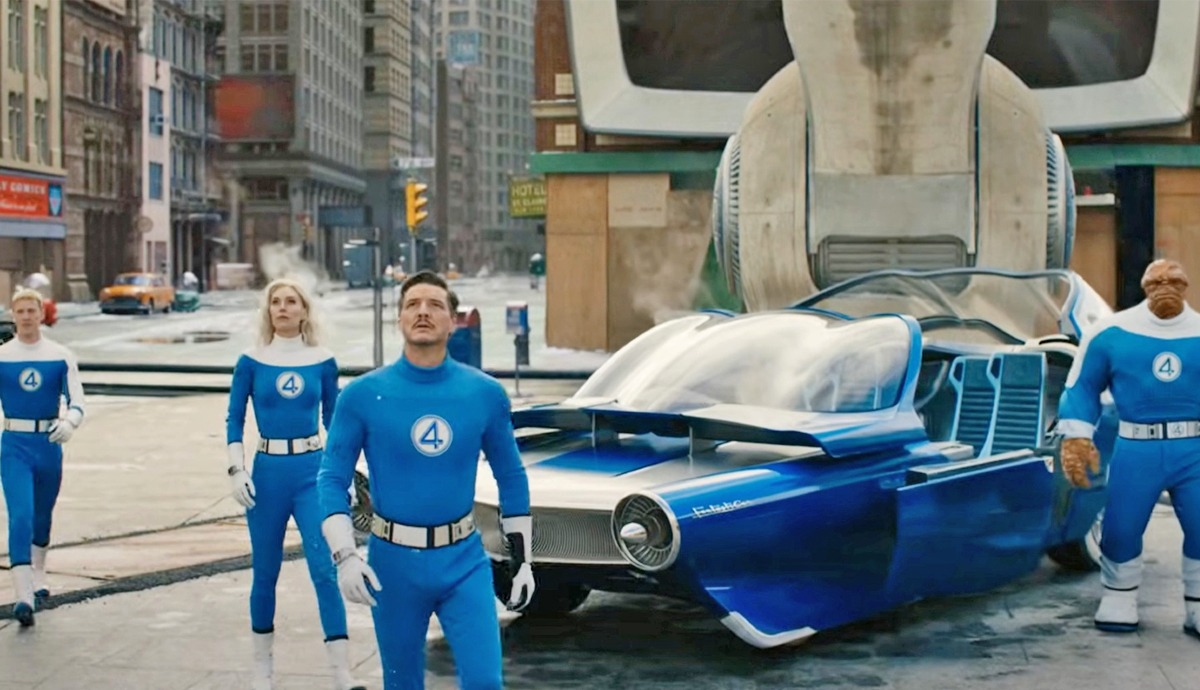
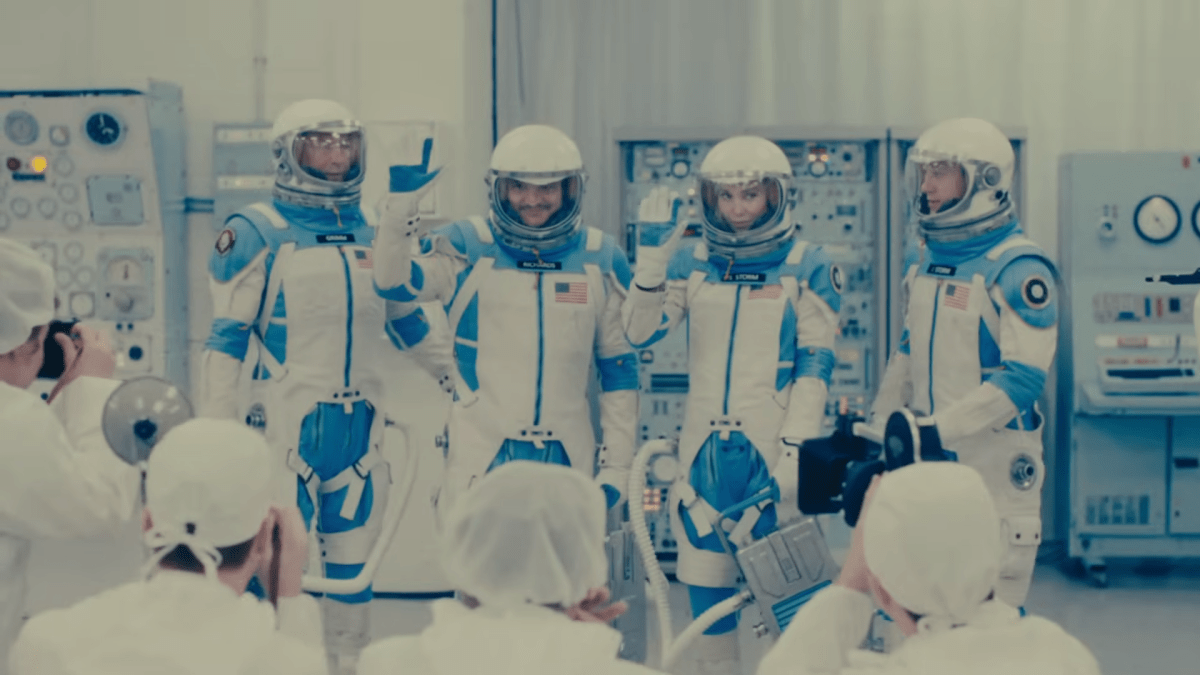
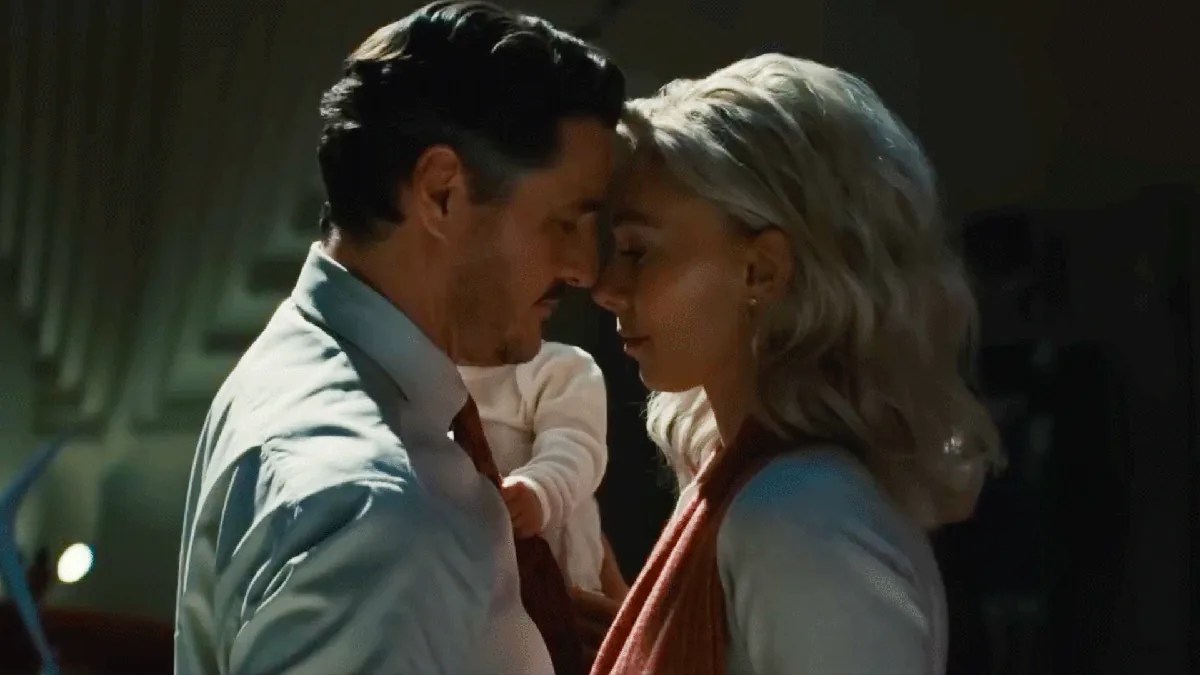
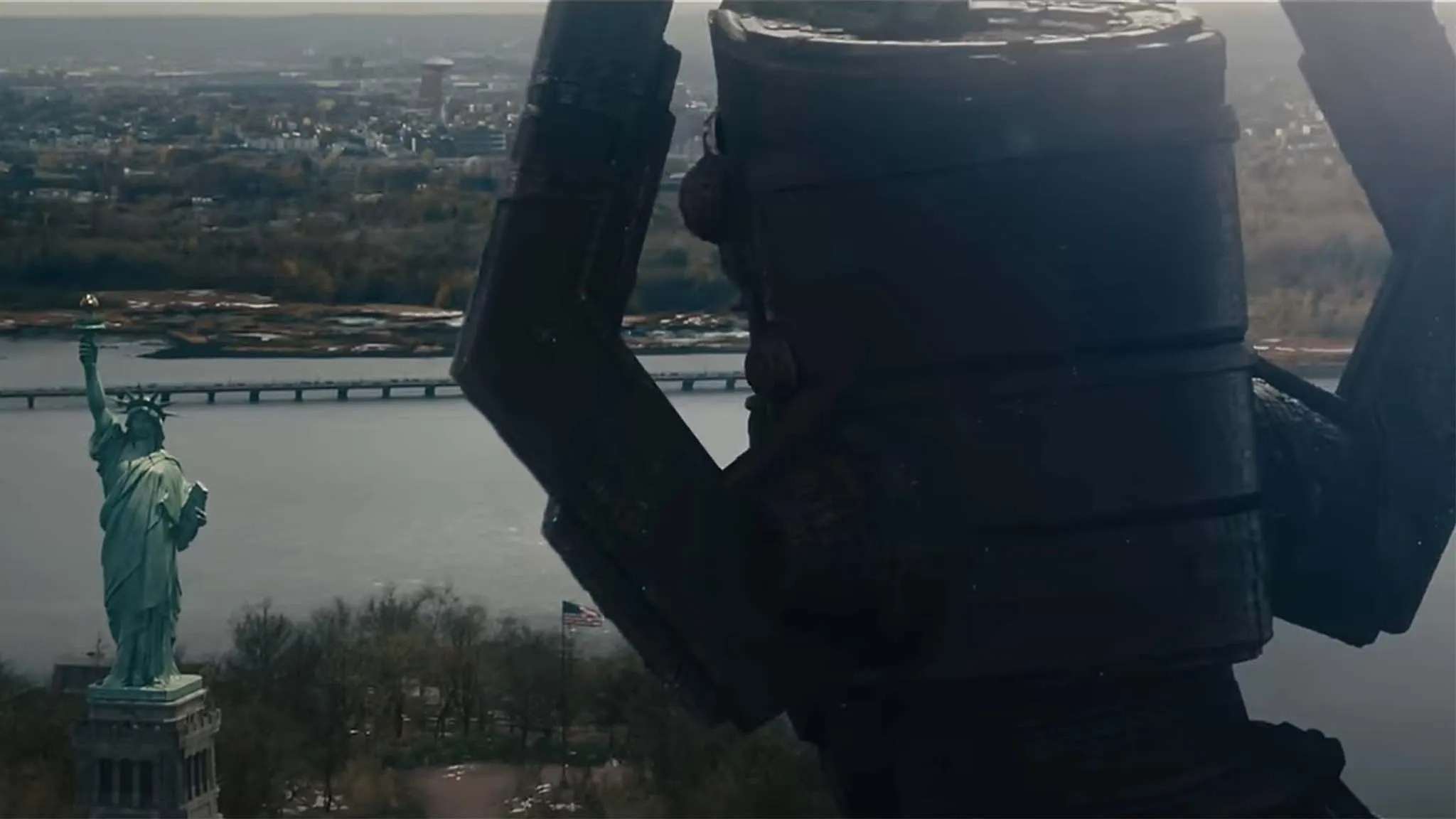
David Corenswet and Rachel Brosnahan in Superman
Gunn has worked with ensembles throughout his career in the superhero genre, with his four previous features all following superhero teams, namely the Guardians of the Galaxy and The Suicide Squad. Crafting a solo feature is a different task for the director, and the extended cast for this film could have been a detriment for sure, but this talented director always makes it work.
This film feels the closest a director has come to capturing the tone and feel of an actual comic book, the film opens in media res, the characters already exist, and the origin stories are skipped, like the audience has opened a comic book in the middle of a story arc. All the characters have important roles to play in the film, but they all enter and exit the movie as the story requires of them, feeling like a Superman story with crossovers. Starting this new cinematic universe with the superheroes already active and the world being built around that really makes it stand apart from the competition. The film does get bogged down in some exposition in the first act, but the movie really functions perfectly without any need for justification of the events or the characters. The film also just retains its character-focus by the plot being so focused on the conflict between Lex and Superman.
Nathan Fillion in Superman
David Corenswet is the newest actor to take on the iconic role of Superman. He is the linchpin of this film, the most important character who dictates the tone of the film, and Corenswet impresses as the character. The film reflects the light-heartedness and the earnest portrayal of the character, giving Corenswet so much opportunity to mark out a unique take on the character that sets him apart from both Christopher Reeve and Henry Cavill. He is a hero who believes in love, kindness, the fundamental ability for people to change and the protection of all life, to the point that so many action sequences in this film pay specific attention to the hero saving people and protecting them from harm’s way. The hero is charming and warm, brimming with personality and he uplifts the film’s cheesy nature into feeling hopeful and bright.
David Corenswet’s Clark Kent in Superman
The actor also just has magnificent chemistry with co-star Rachel Brosnahan, who plays Lois Lane. Brosnahan delivers a levelled Lois Lane performance, depicting the character as troubled and untrusting, but so filled with the need to seek the truth. She is a realist, which clashes with Superman’s look at the world which may seem naïve to an audience, but is proven right through the character’s actions.
Nicholas Hoult portrays the film’s lead antagonist, Lex Luthor. Luthor is among the most iconic comic book movie villains, portrayed throughout the decades by many talented actors with vast different takes on the character. Hoult portrays the obsessive nature of Luthor, he is cold and calculating, treating his staff terribly, the only passionate speeches from him comes from talking about killing his archenemy. His character acts as an anthesis to the message portrayed by Superman, he represents the realistic evil of humanity, his xenophobic and cruel side opposing the kindness and emotional nature of the protagonist. His role also serves to configure the movie’s political analogy with the ongoing Palestine-Israel conflict, with the waring nations that Superman takes part in being a clear analogue to this real-world conflict. The film takes a clear side in the conflict and critiques the American government and the upper class for the role in the conflict through Lex, a hard stance that is a surprise for a mainstream Hollywood film.
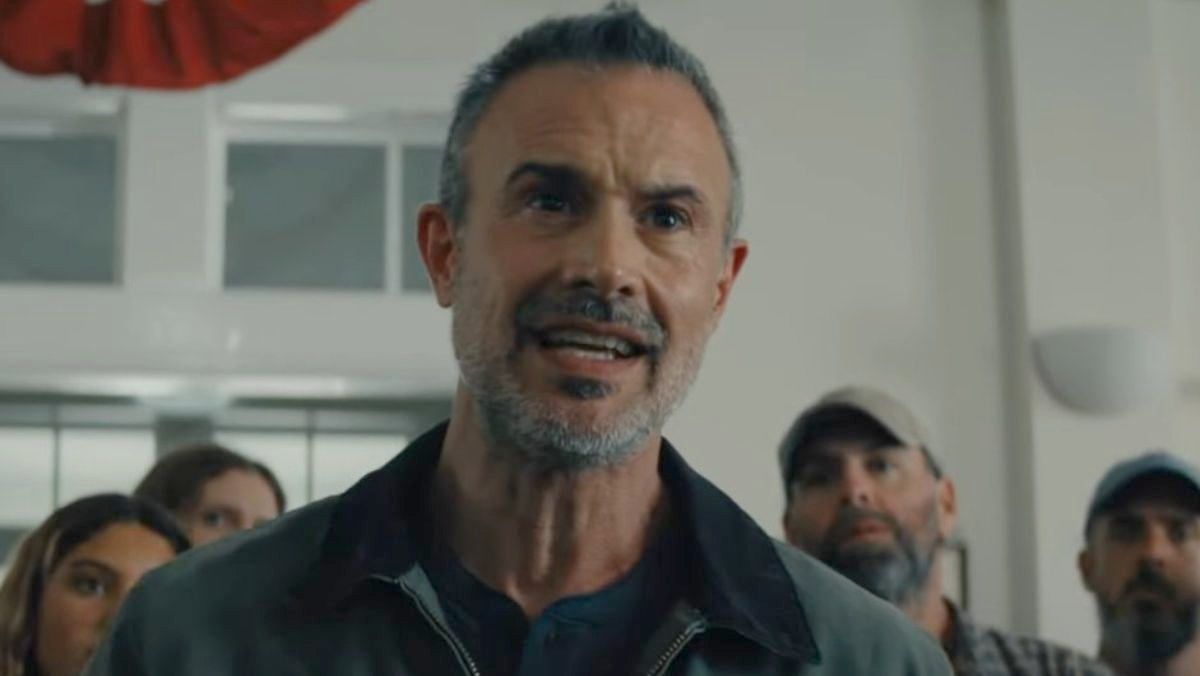
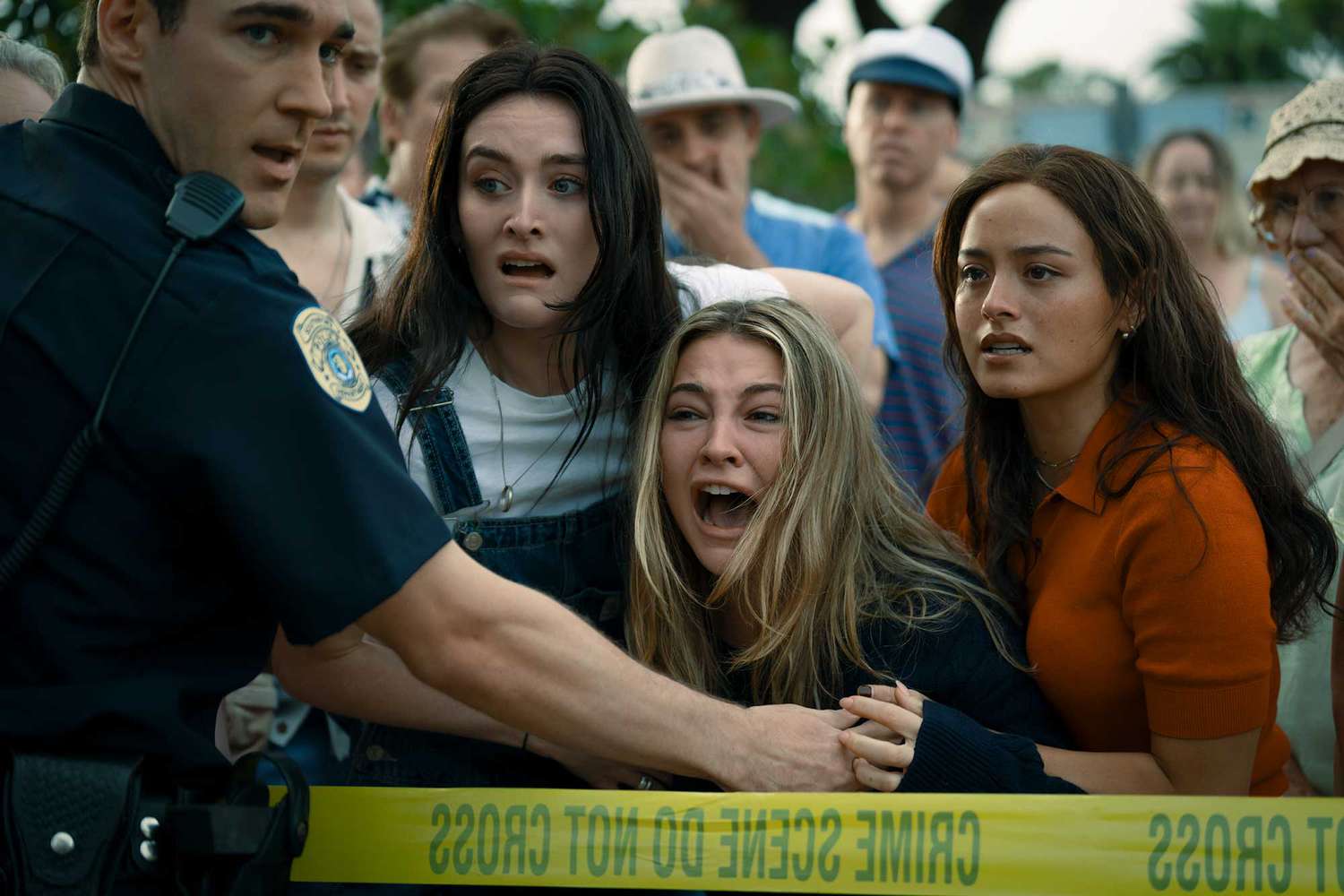
Nicholas Hoult’s villainous portrayal of Lex Luthor in Superman
Corenswet, Hoult and Brosnahan are joined by a massive cast of supporting actors who range in importance. Skyler Gisondo, Wendell Pierce, Beck Bennett and Mikaela Hoover serve as the team behind the Daily Planet newspaper, each having a small but memorable role in the film. Nathan Fillion, Isabela Merced and Edi Gathegi portray the heroes that make up the ‘Justice Gang’, Green Lantern, Hawkgirl and Mr Terrific respectively, three heroes that serve as supporting players in action sequences and as moral support. The characters serve as more of a taster for what’s to come, as a promise of more solo adventures in this new universe. Action sequences serve as a major highlight of the film, as Gunn makes the use of the heroes’ wide variety of powers to convey interesting and unique action sequences. Filmed on IMAX, Gunn’s direction consistently amazes and surprises, shooting flying sequences so dynamically and with head-on shots that remind of Tom Cruise’s Top Gun: Maverick.
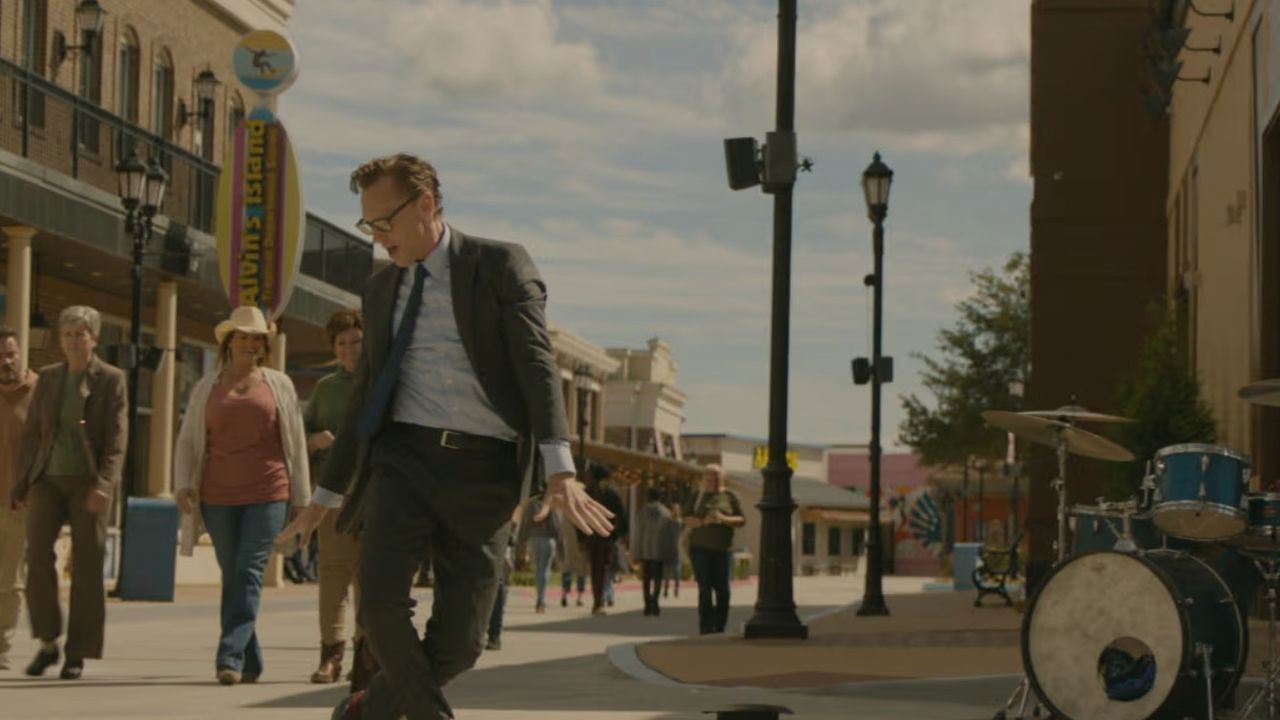
A common critique of the Marvel films is their flat directions, commonly grey and dull in colour with very little stylistic flair. Gunn’s work has always stood out as visually interesting, and Superman is his most visually distinct yet. The film is colourful and bright, matching the tone with a direction which looks like it was ripped out of the comic pages. Gunn’s work is also commonly critiqued for its tonal mismatches, the mixture of both comedy and emotional moments leads to one overpowering the other. This film feels like his most tonally consistent film, the emotional beats land and the comedy feels contained and concentrated, and there is still a sizeable number of jokes that for everyone that doesn’t land, there will be one that does. The music needle drops are also very contained and focused to only two in this film, compared to the cohesive soundtracks of the director’s previous work.
Nathan Fillion, Isabela Merced and Edi Gathegi in Superman
Composers John Murphy and David Fleming’s score puts a great end stone to the film’s style, marking a hopeful film with an equally hopeful score, remixing John Williams’ original Superman score into something unique and vibrant. The electric guitar marks a connection to punk rock, connecting to Superman’s central vision, that human kindness and empathy is the true punk rock.
David Corenswet and Rachel Brosnahan soar in Superman
On the week that the Man of Steel flies again onto our cinema screens, through the release of director James Gunn’s take on the character, it is only natural to look back on the cinematic history of the character. It has been twelve years since the last cinematic version of the character debuted, with Henry Cavill taking on the role in 2013’s Man of Steel, returning to play the character in 2016’s Batman V Superman: Dawn of Justice, 2017’s Justice League, 2021’s Zack Snyder’s Justice League and finally 2022’s Black Adam. The character is synonymous with the superhero genre, adapted to live action so many times at this point that he, Batman and Spider-Man would be argued to be the faces of the genre, but pre the superhero boom of the 2000s, Superman would start any interest at all in the genre in the late 70s, where Christopher Reeve donned the suit for the first time and made people take the superhero film seriously.
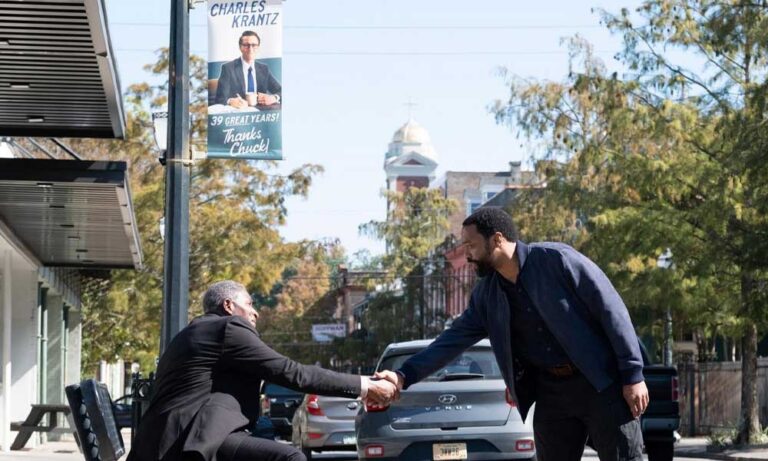
George Reeves portrays Superman
Christopher Reeve was not the first actor to don the cape, Kirk Alyn was the first actor to play the character in 1948’s Superman serials, and George Reeves would play the character in 1952’s Adventures of Superman television series, but Reeve has easily become the most iconic take on the character. Released in 1978, Superman the Movie was marketed as the film to make you believe a man could fly, marketing the film as almost much of a science-fiction film as it was a superhero feature. What is today a well-known origin story that has been done to death in superhero cinema, was fresh and new at time of release.
The film saw the first cinematic depictions of the destruction of Superman’s home-planet, Krypton, his childhood in Smallville by earth parents Ma and Pa Kent, his debut as Superman, starting his work as mild-mannered reporter Clark Kent and romance with Lois Lane in Metropolis, and his first showdown with long-time nemesis Lex Luthor. All conveyed across a two-hour runtime, the movie is almost a filmic epic in the amount it conveys to its audience but doing such a herculean task with such confidence in front and behind the camera.
The cover of Action Comics #1
Created by writer Jerry Siegel and artist Joe Shuster in 1938 for Action Comics #1, Superman is essentially the modern superhero, he is the archetype for every superhero that would follow on the publishing scene. It is because of this character that so many tropes of superhero media have since become typical, Superman wears a costume, has a masculine physique, uses a codename and makes the use of extraordinary powers. At the time of the release of the film as well, Superman had the largest array of powers possible for a comic-book character, not simplified for a long time after the release of the film.
The superhero comic was popular in the 1940s as war propaganda but soon became to slip in popularity after the world returned to normal, and this was when comics became sillier in nature. The general depiction of comics to the general masses would be based on the adaptations of the work, and mainly that would be from the Adam West-starring Batman television series, and its accompanying film in 1966. The material reflected the camp that was contained in superhero narratives at the time and changing that general audience perspective would be the focus going into Superman the Movie.
Director Richard Donner behind the scenes with Christopher Reeve and Margot Kidder
Director Richard Donners’ goal when creating the film was to take the material seriously, to formalize audiences with a world that was now like their own. Lex Luthor would be reinvented from the original evil scientist that was found in the comics, to a rich businessman which would soon become the most iconic take on the character. The titular character’s father would die from a heart attack in an early scene to humanize the god-like character, showcasing that even with all these powers the hero could still not save everyone. The film reinvented Krypton as a planet of coldness and cruelty, from the world that had just advanced past humanity from the source text to one made up of crystalline structures and resembled a dystopia. Superman’s connection to Krypton would also be emphasized more throughout the film, with this feature being the first time the symbol on the character’s chest would be the same as the family crest that his Kryptonian parents would use.
Christopher Reeve’s depiction of the Man of Steel would also become the blueprint on how to depict the character; his portrayal still being held to high regards after all these years. The actor would portray the two sides of the characters as two separate roles, Clark Kent would hold himself with a nervousness, a man with a large mass but looked small because of his bumbling nature, he delivers his lines with such pause and intentional bewilderment that he stands apart from the stoic Superman. The actor holds himself large and strong as Superman, his mass on full display as he portrays the character’s genuine warmth and happiness, the character was synonymous with the superhero genre because he is kind and comforting, a friend and not just a protector. The film depicts him wearing a clearly silly costume, but the film takes the hero seriously through Reeve’s performance.
Margot Kidder and Christopher Reeve as Lois and Clark in Superman (1978)
Margot Kidder would portray the love interest of the feature, intrepid reporter Lois Lane, who first appeared in Action Comics #1 as well. She brings an ambitious spark to the character that was needed, sharing fantastic chemistry with Reeve in what would become one of the most iconic romantic pairings in cinema. After an interview between the costumed hero and the reporter, he takes her on a flight across the world, selling the wonder of the concept but also marking a wonderful connection between these two characters. The film made time for romantic beats, which would become a staple of the superhero genre moving forward. The superhero genre is a hybrid genre in nature, with Superman becoming the blueprint for so, blending the worlds of romance, action, science-fiction and comedy through the role of Lex Luthor.
Gene Hackman portrays the hero’s archnemesis, who first appeared in the source material in Action Comics #23 in 1940. Depicted as the opposite of the text’s hero, Lex represents ego, the human’s reaction to aliens and superpowers, and the attempt of supremacy over those superpowers through intellect. When first introduced, the character was a one-off antagonist who was a villain because he blamed the hero for the loss of his hair, depicted as a mad scientist. Hackman’s portrayal of the character stays true to some of the silly renditions of the character but updates him to a businessman whose whole plot revolves around money. The character would soon develop into a ruthless businessman and politician in the source text after the release of the film, fuelled with racial discrimination for the alien immigrant main character. That fundamental change would be fuelled by this very film, where Hackman stands out from the crowd as a humorous villain who opposes the kindness of the lead.
Gene Hackman as antagonist Lex Luthor in Superman (1978)
The effects of the time were groundbreaking, there is a reason why the film was marketed with the promise of making you believe, the flying sequences are excellent. The film’s final act builds on a crescendo as Superman flies around the world multiple times to reverse time and save Lois from her fate, ending on a triumphant moment and a showcase of the hero’s impressive powers. The franchising possibility would also be threaded throughout the film, setting up the promise of future films through comic book references and easter eggs that would become important to the genre. The movie would begin with the imprisonment of classic Superman foes General Zod, Ursa and Non by the Kryptonian high council. The characters would return to the film’s sequel as the main antagonists, a film that was originally to be shot alongside the original film, but was paused 75 percent of the way through, only being resumed once the original was a success. Franchises would become the backbone of the superhero genre coming into the 21st century, and turning Superman into a 2-film epic would be the first sight of that.
Christopher Reeve faces Terrence Stamp’s Zod in Superman II, Sarah Douglas and Margot Kidder also star
Superman would become the first major hit of the superhero genre, and the first one to become a franchise. Released in 1980, Superman II would follow up on the tease of General Zod, a character who was a smaller villain in the comics, debuting in Action Comics #283 in 1961, and only becoming one of Superman’s biggest foes in response to his role in the sequel film. The film would continue the serious take on the character, with hints of camp, but would start a downwards trend for the franchise, with original director Richard Donner leaving the project. Followed by two sequels, Superman III in 1983, and Superman IV: The Quest for Peace in 1987, the franchise saw diminishing returns in both box office and critical reviews. The serious tone was completely replaced by camp and a silly tone, returning the superhero genre to the angle it was seen as from before the release of Superman the Movie. The genre would only come back to prominence with the release of Tim Burton’s Batman in 1989.
Even with the diminishing returns with the franchise, Superman the Movie still stands as an important piece of cinema. With the boom of the superhero film with the Marvel Cinematic Universe and the continuing cinematic importance of Superman, it is the blueprint for an entire genre and stands as one of the sole reasons why the character still stands the test of time.
The horror genre has consistently been a genre that has moved with the times, from the slashers of the 70s, the torture porn and found footage sub-genres of the 2000s, and the current trend of socially conscious horror spearheaded by A24 and Blumhouse. Tracking the movement of the genre, below are a list of the most important films to the genre:
Psycho (1960)
Janet Leigh in Psycho
Sometimes dubbed as the first slasher film, Alfred Hitchcock’s Psycho was a trailblazer of a film at its time of release. Based on the 1959 novel of the same name by author Robert Bloch, the film centres its narrative around embezzler Marion Crane, escaping from her job with a sum of money and hiding out on the road, leading to an encounter with Norman Bates, a seemingly normal man who runs the Motel she stays at. After a worrying encounter, the film shifts focus to Crane’s friends and family as they attempt to track down the woman and find out what happened to her. Director Alfred Hitchcock is easily one of the most influential American filmmakers, and this can be easily argued as his most influential feature. In a horror landscape where the antagonists were commonly monsters, vampires and creatures from fantastical regions, Psycho finds its horror in a rare case of humanity, setting up a long running obsession with Hollywood filmmaking around serial killers. Norman Bates, played by Anthony Perkins, would become the central figure of realistic horror, a man who can put on a façade to remain in society, but behind closed doors is a murderous killer with sexual impulses. Shocking subject matter for-the-time perpetuate across the feature, as star Janet Leigh is murdered in a violent manner, watched by both the voyeuristic Norman Bates and the audience in his point-of-view. The sudden death of Leigh would have been a shock to audiences, killing off the biggest star early on the feature and shifting focus was very groundbreaking material.
This comes with some of the earliest uses of the point of view shot for the genre as well, as the film puts you into the perspective of the killer, a slasher trope that would become synonymous with the genre come the release of Halloween in 1978. Norman Bates has also seen himself become a topic of discussion through Freudian psychoanalysis, with his close relationship to his mother and his need to keep her alive even after death, by perceiving her body and dressing as her, connecting him to the Oedipus Complex. He cannot separate himself from his mother and develop sexually away from this root, and this can be seen commonly across future slashers, most noticeably Jason Voorhees. Though received with mixed reviews at the time of its release because of its graphic subject matter, Psycho was rightfully praised in the years to come. It has slowly been regarded as the importance touchstone it is in the movement of the horror genre from Universal Monsters and ghouls to the realistic killings to come in the 70s with the slasher genre.
After his passing in 1980, Psycho opened the door to join its slasher family in becoming a franchise of its own, spawning three sequels, a remake, a TV film and a TV series.
Night of the Living Dead (1968)
Various actors dressed up as zombies in Night of The Living Dead
Shot through black-and-white photography to save budget, Night of the Living Dead would be the first film by director George A.Romero. Although only referred to as ‘ghouls’ across the runtime of the film, this first film by the influential director would become the blueprint for the rise of the zombie sub-genre. The film follows a group of survivors trapped in a farmer house as they attempt to survive the flesh-eating undead that are trying to break inside. Zombies had existed in popular culture before the release of this film, but commonly only linked to voodoo and black exploitation films, where the zombie was linked to magic rather than being distinctly undead. Though it is never explained in depth in the film how the zombies come to be, Night of the Living Dead is important in introducing many tropes that would become synonymous with the monster in the coming years.
The need to feast on flesh and specifically brains, the monster being undead and being able to bite and infect others and the concept of the slow-walking zombie all come from this important feature. Even the concept of man being the true villain in these apocalyptic scenarios come from this film, as the true drama comes from inside the farmhouse as the survivors turn on each other to survive. Though cast without skin tone in mind, the film would become equally important through it being one of the first horrors features to feature a black leading man in Duane Jones. The film ends with its lead being gunned down as the white mob confuses him with the zombies, connecting Romero’s zombies back to race. Many critics have compared the death of the film’s lead as like the at-the-time recent death of Martin Luther King Jr, and the current events of the civil rights movement, taking a critical look at racism in America by showcasing the white mob’s summarisation that a black man must also be a monster.
The film would launch Romero’s storied career with the horror genre, as he would return to make various other zombie features. His two initial follow-ups, 1978’s Dawn of the Dead and 1985’s Day of the Dead, served as continuing the narrative parallels to real world issues through the zombie sub-genre. The films tackled the current rise of consumerism, sexism and took on criticisms of the American armed forces. Before his death in 2017, the director also released three more, 2005’s Land of the Dead, 2007’s Diary of the Dead and 2009’s Survival of the Dead.
The Exorcist (1973)
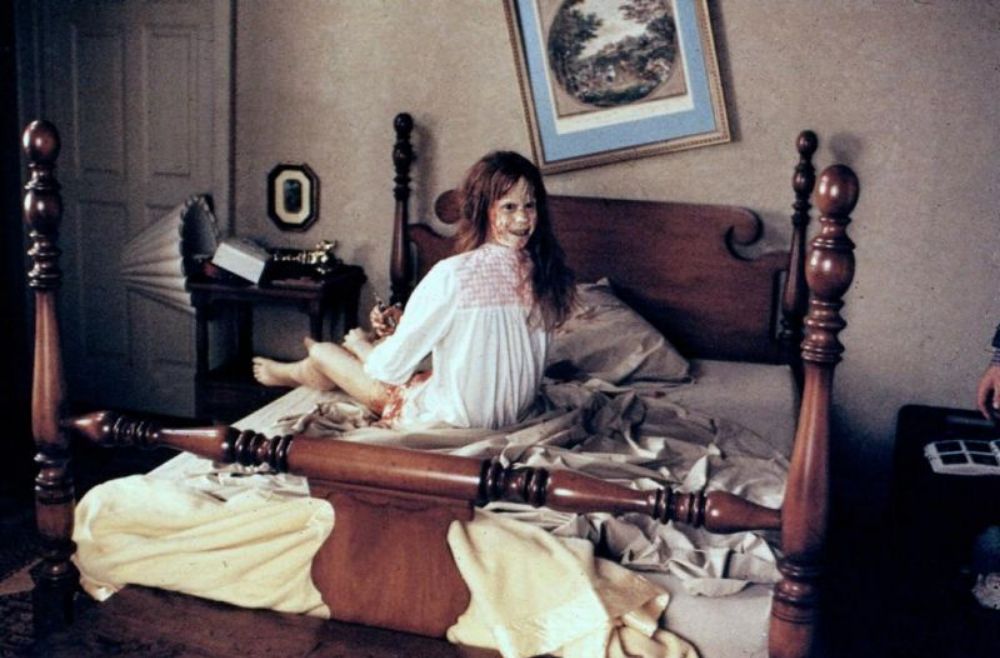
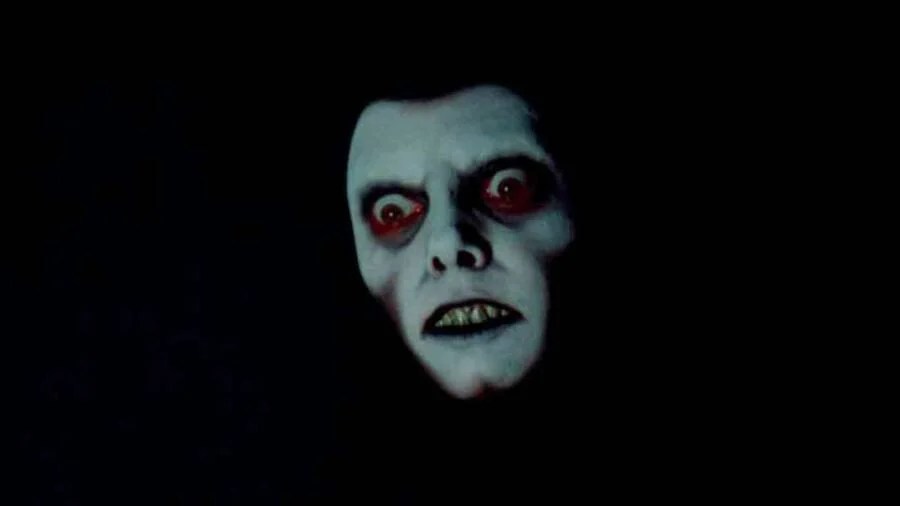
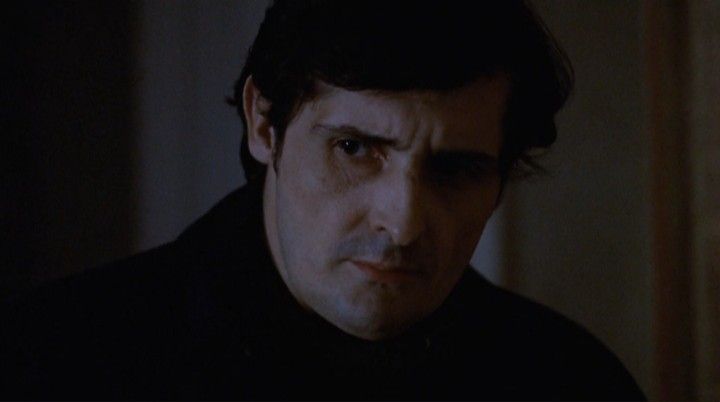
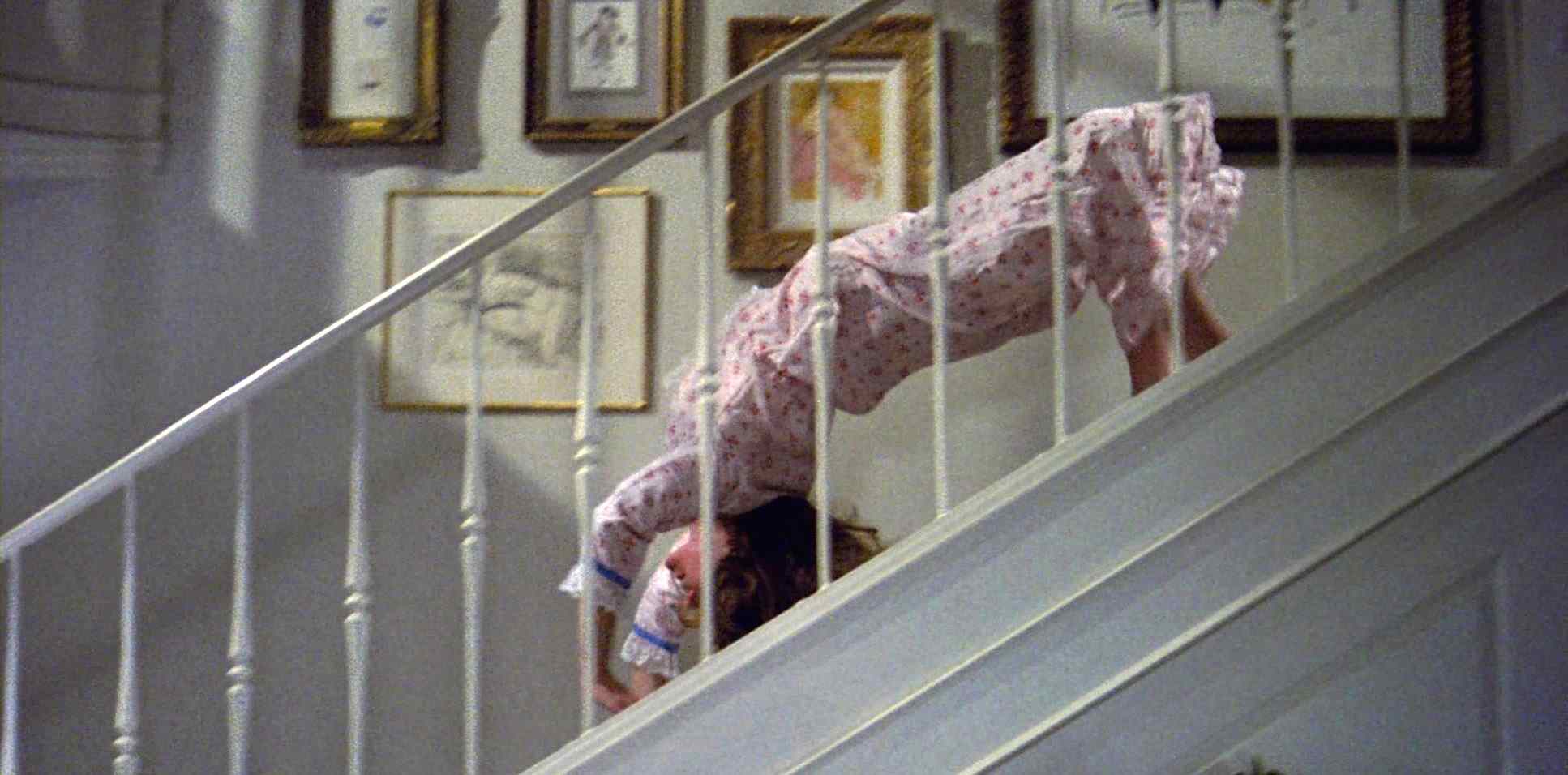
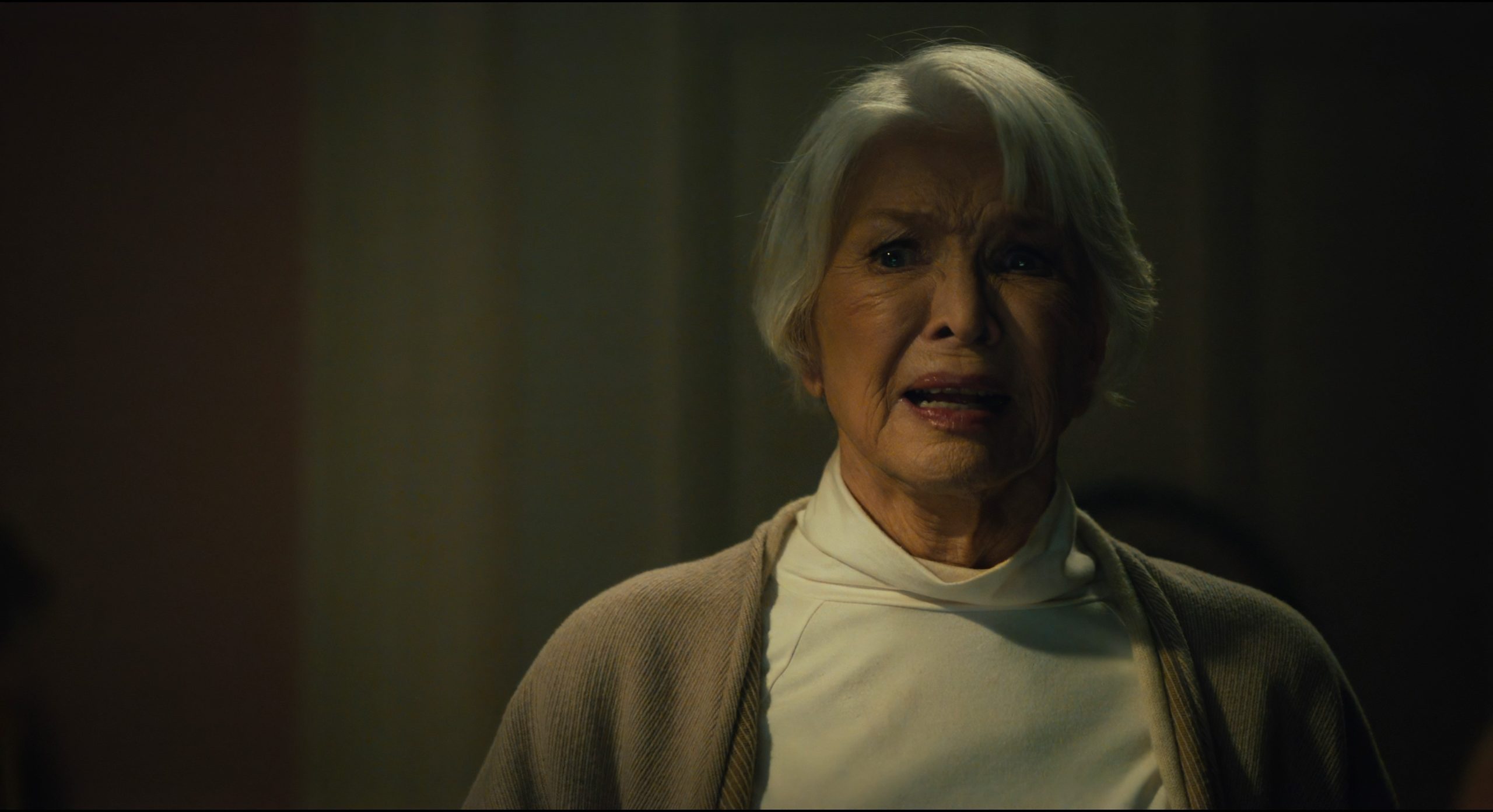
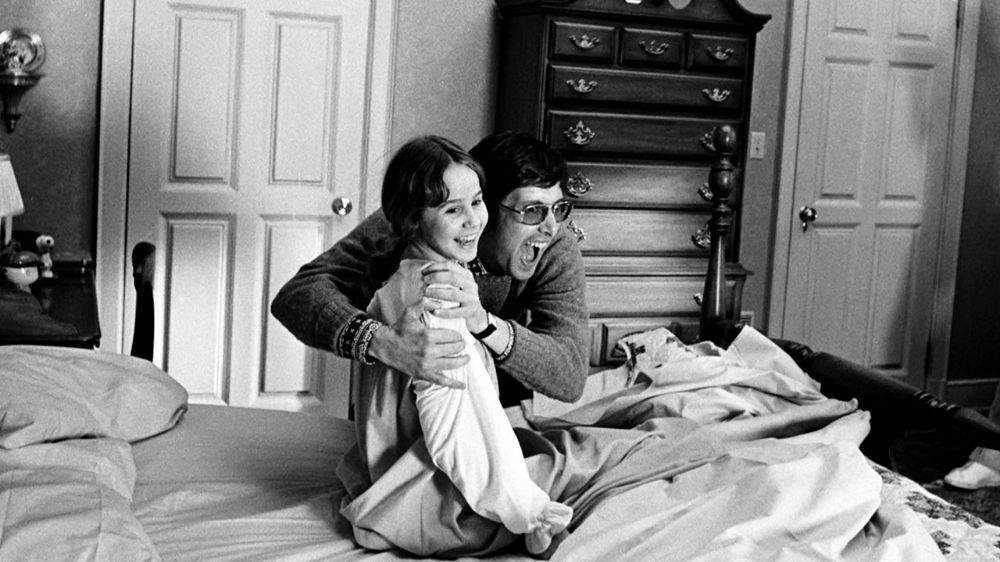
Linda Blair in The Exorcist
Audiences left their local cinemas in 1973 calling The Exorcist one of the most terrifying films of all time, as it became synonymous with restrictions, namely in the United Kingdom, and for being seen as highly offensive by the Catholic Church. The film, directed by William Friedkin, and written by original novel writer William Peter Blatty, follows the possession of a young girl as her mother attempts anything to get to the bottom of what is wrong with her daughter. When general practices and science fail to help her daughter, she begs a disillusioned priest, a man struggling with his own faith, to come help her and exorcise the demon from her daughter. The aspect of The Exorcist that stands out the most from its competitors at the time is how human and relatable it feels, it blends the worlds of horror and drama perfectly. The horror of the picture comes from the home, as a woman desperate to save her own daughter nearly drives herself mad trying to protect her daughter in the new home and city she lives in. The priest does not believe in his own god, as he must come to terms with forgiving god for the death of his mother to save this little girl from harm.
The movie is slow and dramatic, almost proving the horror genre as something to be watched by critics and not something schlocky and played for audiences, as the film became the first horror to be nominated for Best Picture. The film is also deeply religious in its exploration of faith versus evil, Father Karris may struggle with his faith in the end, but it is only through his sacrifice after devoting himself back to the church, does good win the day. Even after getting her memories removed of her possession, the young Regan sees comfort in the Christian cross. Popularising a new horror sub-genre in the possession film, the film launched the concept of exorcisms back into the public consciousness and led to various calls to Churches to attempt to do them for real. Exorcism films would soon become a staple in the genre, with various haunted house features and possession films following the release of The Exorcist, namely The Amitytville Horror in 1979. The genre remains relevant today, with the Conjuring franchise being one of the most popular franchises in the 21st century, spawning an entire cinematic universe based around possession and exorcisms.
William Peter Blatty would follow his original novel with a sequel, known as Legion. The film sequel would not follow this however, returning Linda Blair as Regan as she takes on the demon again. Exorcist 3 would adapt the novel’s sequel, as the storyline would shift to a demonic serial killer being hunted by police officers. Two prequels would follow, and a direct sequel to the original was released in 2023.
Halloween (1978)
Nick Castle wears the mask of The Shape in Halloween
There were slasher films before the release of John Carpenter’s Halloween, namely aforementioned Psycho, but also Black Christmas and The Texas Chainsaw Massacre in 1974, but it is hard to argue against the fact that Halloween pioneered the sub-genre into the 80s. Following the killer Michael Myers, who murdered his sister as a child on Halloween night, the film follows the killer as he escapes from the mental hospital and travels back to his hometown of Haddonfield. There, Laurie Strode, played by Jamie Lee Curtis, must survive the night while being stalked by this infamous killer. A low budget film that wowed audiences and set Carpenter onto a storied career in the world of horror, the film is essentially a blueprint for the slasher features that would come into the 80s and 90s. Namely, there was a slew of slashers based around certain national holidays after the release of the film, from Friday the 13th, to Prom Night, or even My Bloody Valentine. The final girl originated from this feature, with many slashers favouring to end with their killer bested by the holy girl, a final survivor who survives not just by her wits but her abstinence. Laurie is responsible in the film, she does her schoolwork, babysits the neighbour’s child, and even agrees to takeover her friend’s babysitting job when she goes to meet her boyfriend. Sex is something that is shown to be frowned upon by the film, people become victims to the killer because they have had sex.
The opening scene is young Michael killing his sister while she is naked, preferring to have sexual activities than to look after the young boy. The slasher film refers to abstinence as something to up your chances of survival, with the killer out for any who doesn’t abide to that rule. Though used in Psycho as well, the film makes the use of various point-of-view shots as the audience looks through the eyes of Michael and welcomes the genre to one of their first marketable masked slashers. Carpenter’s score establishes a central theme for the killer, linking a connection between music and the genre, establishing a killer’s theme would be important. The success of this film would spark a resurgence in the 1980s, with masked killers hunting sexually promiscuous teenagers being all the rage for the horror genre.
The slasher genre only becomes more popular with the continuation of its famed killers in sequels and franchising. Michael would soon become the face of a franchise that has spawned 13 separate features, with its latest feature being only in 2023.
Alien (1979)
Yaphet Kotto, Sigourney Weaver and Veronica Cartwright in Alien
During the slasher era of the 70s, where the horror genre was focused on small-town horror and killers wearing masks, the film that stood out more was Ridley Scott’s alien horror. Blending the world of science fiction and horror, the film stood out for its blending of genres, essentially grafting the slasher film into a galactic setting. The film follows a group of the spaceship Nostromo, as they investigate a mysterious alien planet and come face to face with a dangerous extraterrestrial. Clearly inspired by the likes of Jaws by Steven Spielberg, the film made the use of suspense as the alien picks off the survivors one by one, hiding the full design of the alien until the film’s climax.
Sigourney Weaver plays Ellen Ripley, who essentially serves as the film’s final girl, as she outwits the alien and survives past the stronger men to win the day, and the film continues the signature sexual exploration around the horror genre. Sexual imagery appears across the film, with the titular killer laying eggs in its victim’s chest as a face hugger, attaching on its victims’ face. The alien will then pop out of its victim’s chest once born and once separated from its host will form into an adult. This life cycle marks a comparison to phallic imagery, as the face hugger is like rape, while the chest burster compares itself to forced birth and appears phallic in structure. The combination of the worlds between science fiction and horror marks as a blueprint in how to make these sci-fi-horrors, grafting horror narratives and tropes into the mise-en-scene of science-fiction. After the release of this feature, a wave of science-fiction features that blended with horror became a promising trend, with the release of films like The Abyss in 1989.
Alien would spawn itself a franchise, spawning seven features in total. Across these seven features, the films would bridge the world between not just science-fiction and horror, but also action as well. Crossing over with its neighbouring Predator franchise, saw the release of Alien Vs Predator in 2004 and Alien Vs Predator: Requiem in 2007, which served as a bridge between horror, science-fiction, action and adventure features.
Scream (1996)
Neve Campbell, Courteney Cox and Jamie Kennedy in Scream
Director Wes Craven joined the slasher boom in the 80s, with the release of his own supernatural slasher, A Nightmare on Elm Street in 1984. Come the turn of the 90s, slashers were becoming stale, stuck with releasing the same franchises again and using the same tropes that Halloween pioneered. Craven attempted something different with his return to Elm Street, with the release of 1994’s Wes Craven’s New Nightmare. The director crafted a meta-narrative, where the film existed in the real world where the movies exist, as returning actors instead play themselves rather than their franchise characters, and Craven appears himself in the film. This would essentially be a proof-of-concept for the release of 1996’s Scream, a film that can be pointed out for being responsible for the revitalisation of both the horror genre and slashers themselves. The film follows Sydney Prescott, played by Neve Campbell, and her high-school friend group after they must survive a costumed serial killer known as Ghostface, who attempts to murder the friend group on the anniversary or the death of Sydney’s mother.
The opening of the film showcases what the 90s was all about for horror features, as Drew Barrymore is quizzed on her horror knowledge while over the phone with Ghostface, only murdered because she misremembers Jason as the killer in the original Friday the 13th. What made Scream stand apart from its slasher peers is that the characters are like the audience, they know the tropes of a genre that had nearly been around for 20 years at that point, and they know horror trivia. The characters make references to various slashers, there is an entire scene where Randy comments on how to survive a horror film, stating that they cannot drink, have sex or take drugs. Various cameos appear across the film, from Linda Blair from The Exorcist to a janitor who wears an outfit like Freddy Krueger. When the killers are finally revealed, Syndey shouts at them for seeing too many movies, which the two killers reject, featuring a postmodern commentary on violence in the relation to film. Postmodernism refers to works that are aware of other art, self-referentially reflecting other works of art. This self-referential humour is very much part of modern cinema at the time as well, with films like the Marvel movies commonly making jokes about other films, with Spider-Man: Homecoming featuring references to Ferris Bueller’s Day Off for example. In response to the release of Scream, the slasher film became a staple of the horror genre once again, with a prominent number of features featuring teenage high-school victims, self-referential humour and masked killers once again. From I Know What You Did Last Summer to Urban Legend, the slasher film was back and had a new film to base themselves off.
Each subsequent film would continue its meta-commentary on the genre, Scream 2 referring to sequels, Scream 3 to trilogy-closers, Scream 4 to the torture porn and remake era of the 2000s, and Scream 5 and 6 to franchises and legacy sequels.
The Blair Witch Project (1999)
Heather Donahue in The Blair Witch Project
Moving into the early 2000s, the horror genre was looking for a new cash-cow, a new sub-genre that would take the cinema going audience by storm, and that came in the release of The Blair Witch Project in 1999. Following a group of three college students that travel to Burkittsville, Maryland, the group are hoping to shoot a documentary about the local legend of the Blair Witch. Once they got lost in the woods, the legend becomes real as they must hope to survive. The film stood apart from its modern horror siblings because of its use of found footage, a term referring to a film which presents its filmmaking as camera-recorded footage that has been found and played for the world, commonly recorded through point-of-view shots of a character’s own camera. There had been found footage before released by Hollywood, most noticeably 1980’s Cannibal Holocaust and 1998’s The Last Broadcast, but the success of Blair Witch was unfathomed. Made for a minute budget, the marketing of the film allowed it to become a massive success, still one of the most profitable films to this day.
The film was one of the first features to make use of the blossoming marketing potential of the internet, launched an associated website which marketed the film as a true event, with each character in the film using the real actor’s names. The potential of crafting a film which could be made for a very small budget and see a return majorly from that, sometimes doubling and tripling that budget, was a rich promise that Hollywood took upon instantly. The late 2000s and early 2010s seen a sudden insurgence of low-budget found footage films, especially after the success of Paranormal Activity in 2007, an indie film that had the backing of Steven Spielberg. Movies like Cloverfield, V/H/S and The Last Exorcism became the newest moneymaker for the horror genre, rising to spawn franchises of their own, like Paranormal Activity.
The Blair Witch Project would become a franchise of its own with the release of Book of Shadows: Blair Witch 2 in 2000. This film would dodge the found footage aesthetic and instead aligned itself with the metatextual commentary of Scream, featuring the original film as a film-in universe of the film’s narrative. 2016’s Blair Witch would return the franchise back to it’s found footage roots.
Saw (2004)
Cary Elwes in Saw
Found footage features were not the only new wave that came during 2000’s Hollywood filmmaking, as the release of the low budget feature, Saw in 2004, opened the door to the ‘torture-porn’ sub-genre. A sub-genre that emphasised the gross-out parts of horror, the sub-genre would indulge in all the blood and gore you would expect from horror but make that its entire focus. Rooted in the so-called ‘splatter films’, films which rooted their narratives around violence, gore, nudity, sadism and mutilation, it was very common for films that were labelled ‘video nasties’ in the United Kingdom. What stands these films apart from the modern ‘torture-porn’ is the difference in release, the original era of splatter films were independent features and commonly released on home video, while the modern variation had bigger budgets and widespread releases from major movie studios.
Saw is relatively tame compared to the franchise it would become, and for the films it would spawn. A low budget feature, the film was made after the screening of a short film that depicted on scene from the longer feature and was written by the duo of Leigh Whannel and James Wan, who would direct the feature. The film follows a non-linear timeline, as two men wake up in a rotten bathroom with no memories of how they got there and how they relate to each other. As they attempt to survive, the police hunt down the notorious Jigsaw killer, after a trial of bodies are found. The Jigsaw Killer serves as the original prototype killer for these films, a killer who places people in traps where they must take part in giving themselves immense pain to survive, in hopes of the victim becoming a better person. The violent nature of these films reflected the mood of the American people at the time, fresh of the heels of 9/11. Films became more violent and serious in tone, torture porn reflecting the fear of the time, reflecting the fear of the unknown and the distrust between one and another. Films which depicted people inflicting pain on each other to the most severe level was the big new thing, and the mistrust of society is palpable. Films that followed Saw emphasised this further, as films like Hostel explored the fear of foreign countries and people to American society, and the racism that comes from that.
Hostel was the first film that was labelled as a ‘torture-porn’ film, but this name was eventually referred to Saw. Saw has since become the poster child of the 2000’s torture-porn era of horror and has also lived past the death of this genre. With the 10th film released in 2023, the Saw franchise has staying power unlike any other.
Get Out (2017)
Daniel Kaluuya in Get Out
Coming into the 2010s, the horror genre had morphed again away from the torture porn and found footage of the 2000s and had opened the door to a new brand of horror. When released in 2022, franchise restarter Scream gave a name to the new trend of horror features as ‘elevated horror’, and it could be argued that the success of Jordan Peele’s directorial debut Get Out in 2017 has led to the new trend of ‘socially conscious horror’. Get Out follows a young black man, played by Daniel Kaluuya, who drives to meet his new girlfriend’s parents, only to find worrying signs about the family. The film features various social and political commentary on America throughout its runtime, exploring life for African Americans and how white Americans can make their life hard even if they are not meaning to. It features a full spectrum on commentary, not just exploring the harm of racism, but the pain that can be caused when people turn a blind eye to racism, claiming to be an ally when they are not committing to change. Even the girlfriend, who would commonly be the one good person in the family or a white saviour, is revealed to be the worst member of the family, dating black men as trophies rather than seeing them as a romantic interest.
Off the back of this film, Peele would make two follow-up films, Us in 2019, and Nope, in 2023, two films that continue thematic messages in their narratives. Get Out would not be the first successful socially conscious horror to be released in the decade but would be the one that would become the most successful, being one of the only horror films to be nominated for Best Picture at the 2018 Academy Awards. This success would inspire a movement of new features that would commonly be released from independent studios Blumhouse and A24. The former would become a famous film distributor moving into the 2020s, spawning various features that would highlight the horror medium of the modern day. Whether its commentary on the greed of the upper class in films like Opus in 2025, criticism of enforcing one’s beliefs on others in films like Heretic in 2024, or exploring grief in Midsommar in 2019, horror has now focused upon making social comments through its horror.
Amie Donald stars as the titular character, with voice work by Jenna Davis in M3GAN 2.0
3/10
No one could predict the success of Blumhouse Pictures’ surprise smash hit that was M3GAN, a killer robot film that went viral on social media app TikTok after a clip was posted of the title character dancing before her next kill. It is known since that the movie was reshot after becoming an internet sensation, transforming itself from a R-Rated feature to a PG-13 that would allow those that made the film viral to see the feature for themselves.
Internet popularity allowed the film to become a success, audiences witnessing a homage to films like Child’s Play or even The Terminator, as a killer robot terrorised its creator and the child she was assigned to help, and featuring enough campy and sensational moments across its runtime to match the internet sensation it became. As frequently it becomes when a horror feature becomes a smash-hit, its now become time to franchise out this new feature, and here we arrive at M3GAN 2.0.
Allison Williams stars opposite the killer robot in M3GAN 2.0
The sequel follows the events of the original feature, as Cady (Violet McGraw) and Gemma (Allison Williams) attempt to move on after destroying the titular killer. When a new humanoid robot, made by the military using M3GAN’s original code, goes rogue, Cady and Gemma must attempt to rebuild the murderous robot that plagued them in the past in a bigger and bolder new body. The three must now work together to stop a potential AI takeover.
If this plot sounds complicated, it is because it is. M3GAN 2.0 does not really know what it wants to be, and the script by director Gerard Johnstone, based on a story idea from original script writer Akela Cooper, is messy and overcomplicated. This follow-up feature removes the horror elements from the original completely in favour of becoming a straightforward action-science-fiction hybrid, feeling like an overcomplicated mismatch of stories told before, like the James Bond films, the Mission Impossible features and most clearly T2: Judgement Day.
Director Gerard Johnstone described the movement between M3GAN and its sequel to essentially be a homage to Terminator and its follow-up. What works there however just does not work in M3GAN’s sequel, the movement to action leaves so much what worked about the original out the door, the kills are replaced with sloppily edited action sequences, the personal story about dealing with grief as a family through a self-help robot is replaced with a over-the-top heist movie with sets and plots that feel ripped out of a Marvel movie. These elements that are missing seem to be replaced with elements that just double down on the elements of the first film that emphasised the internet sensation it became.
Ivanna Sakhno joins the cast of M3GAN 2.0
The original feature’s charm came from the film’s tonal inconsistency, the film was commonly hilarious and filled with campy sequences, but the film took itself seriously throughout. The sequel’s script, which features only a story-by credit from the original script writer, leans heavily into the camp to a detriment at times. The plot, characters and emotional beats struggle under the weight of a film trying to recapture the original, a film attempting to recapture the viral sensation of its predecessor. Jokes land every second in the film, but the fact that the film is attempting to be in on the joke instead of being inconsistent with that tone leaves the film feeling more ridiculous than camp.
Johnstone’s direction was easily the weakest part of the original feature, the film was not popular because of its technical prowess, and when this follow-up has nothing from the first film that particularly worked, that direction becomes more apparent. Scenes are frequently shot over-lit, especially during the first act where the locations look so mundane and visually comparable to a commercial, and when the film does become an action film in the second half, the action is shot so flatly.
Action sequences are hard to follow, shot in quick cuts where Johnstone fails to hold onto a shot for long, leaving a viewer disoriented and confused with what is happening. It is an action trope that feels like it should have long been removed from the genre after the Bourne franchise and franchises like John Wick reinvented long-take action sequences.
The film has not faired well at the box office, with producer Jason Blum already stating that Blumhouse over-emphasised the franchise potential that M3GAN could have had, and the change of genres seems to be a big point of contention. Doubling down on the campy nature of the film and reverting to an action film rather than retaining the serious tone and the horror elements of the original has served to create a film that seems like a pale imitation of its predecessor. Franchise potential this does not have.
The sports drama has essentially become one of the backbones of the summer movie season, with at least one released a year. Whether it’s a more spirited attempt at exploring the dramatic components like Luca Guadagnino’s tennis feature, Challengers, or a more straightforward underdog drama more focused on the actual sport, like Neill Blomkamp’s Gran Turismo. Joseph Kosinski’s newest blockbuster, F1, falls more closer to Blomkamp’s sports endeavour, following the basic plot structure that would be expected for this genre. What it doesn’t make up for in originality however, it makes up in execution, the film hits the beats but its hard to argue against the tropes when they are done perfectly.
F1 follows aging driver Sonny Hayes, portrayed by Brad Pitt, whose life went ablaze after crashing in a race during his youth. Bitter and aged, he returns to Formula One racing after thirty years to save his old teammate’s underdog team from failure. With the threat of his old friend being removed from leading the team, a potential love interest amongst the team and butting heads with the young talent, the formerly retired driver has his work cut out for him.
Brad Pitt and Damson Idris in F1
This is Kosinski’s follow-up to his tremendously successful Top Gun: Maverick, a film which is certainly not his breakout hit, but is the film that has definitely put his name on the map. What really stood out about that feature was the direction during the dogfight sequences, with star Tom Cruise making each cast member fly the planes for real, and become confident enough to film themselves doing so in camera. It is the closest we have seen to true dogfights on the big screen, and F1 continues this tradition with star Brad Pitt and race-cars.
The central narrative crux of F1 sees the underdog team racing across nine separate races to move their board position from bottom to hopefully gaining the win. Across these nine races, the film impresses in Kosinski’s dedication to making the races feel authentic as possible. Pitt and his co-stars learned to drive similar F2 cars for safety, allowing a mix of stunt driving and actual driving sequences from the stars.
The sequences are absolutely exhilarating, filled with tension and beautiful shots, showed perfectly in a rain-shot sequence and a breath-taking final one-shot from the perspective of Hayes as the camera follows the track in one massive lap.
Brad Pitt and Javier Bardem in F1
Direction is easily the standout of this film, but there is still a lot to enjoy. Brad Pitt puts in an enjoyable lead performance as a suave, mess of a man that he has seemed to master through his years of playing similar characters. His co-star Damson Idris, who is making his big-screen debut here, is perfect for the role of the cocky and egotistical youngster, even if the dynamic between him and lead Brad Pitt seems to be lost sometime when it should be the focus. Javier Bardem makes up for this tenfold however, giving Pitt scenes to bounce off with someone equally as suave.
Kerry Condon serves as the movie’s romantic angle of the film, and she serves a fun, yet cliché part of the film. It is probably the least fleshed-out part of the story, feeling like it is there because it just had to be. The film follows all the cliché quirks these movies follow, the story of a loser becoming a winner, finding romance from a standoffish rival, and then training the next generation to do it after him. It even has the second act low-point where everything goes wrong, and does so twice. These cliches could be a problem to any other film, but when they are delivered in such an earnest and fun way, an audience cannot help but feel entertained. Paired with those racing shots, the film can only leave you wanting more from director Joseph Kosinski.
Five years have passed and we have finally entered the mid-point of the decade, and below we will be ranking some of the most engaging and memorable films of the decade so far:
25) The Father
Olivia Coleman and Anthony Hopkins in The Father
Directed by Florian Zeller
A sad and sometimes uncomfortable film is how you can describe Florian Zeller’s directorial debut, The Father. Starring Olivia Coleman and Anthony Hopkins, the film follows the slow descent of a man living with dementia and how that affects his surrounding family. Based on the director’s 2012 play, La Pere, the film treats the situation with the honesty and care that it demands, but also attempts to convey the true horror that also comes from the situation. Hopkins puts in a dynamic performance in this emotional film, awarding himself with a second Oscar for Best Actor, becoming the oldest actor to ever have won the award, and the film walked away from the 2021 Oscar Ceremony with a second award in winning Best Adapted Screenplay. It is a must-see drama from this decade, lead by two great performances that convey each part of such a devastating topic.
24) Nosferatu
Lily Rose Depp in Nosferatu
Directed by Robert Eggers
1922’s Nosferatu served as the first adaptation of Bram Stoker’s original Dracula novel, even in an unofficial sense, with the film eventually being forced to be destroyed after a long legal battle. The original film is one of the most important horror features ever made, introducing long-running vampire features like the fear of light, and dwelling itself in the important film movement of German Expressionism. Robert Eggers’ has long teased his passion in creating a remake of this classic horror, and in 2024, when this film actually became a reality, he did not disappoint. Starring Lily Rose Depp, Bill Skarsgard, Nicholas Hoult and Willem Dafoe, the film explores the attempts by vampire Count Orlok to travel to Germany and reunite with the aue of his infatuation, a woman named Ellen. After releasing such acclaimed critical hits as The Witch, The Lighthouse and The Northman, Nosferatu continues Eggers’ eye for time-period accurate set design and costuming, adding so much to the original narrative, making key changes to Orlok himself and the dialectic spoken through each character. Rooted in inspiration from the original, the film includes many German Expressionist staples, including the use of darkness and shadows. Eerie moments break from reality, as Orlok’s shadowy hand englufs the entire town, or Hoult’s character seems to float towards a carriage encased in darkness. It can easily be argued as Eggers’ scariest film, but also his most thematically rich, exploring sexual liberation, the vampire as a metaphor for sexual assault and the plague being brought upon by Orlok having a lot in similarity to the COVID-19 pandemic. It slowly became Eggers’ most successful film at the box office, marking a large success for indie’s darling of a director and finally rushing him into the limelight.
23) RRR
N.T. Rama Rhao Jr. and Ram Charan in RRR
Directed by S.S. Rajamouli
The Bollywood film that took the world by storm, its hard to classify RRR as any specific genre. It mixes the worlds of action, comedy, historical drama, musical and romance in such a way that it can only be classified as an epic. Starring N.T. Rama Rhao Jr. and Ram Charan as fictionalised versions of Indian revolutionaries Komaram Bheem and Alluri Sitarama Raju, the film follows their fight against British colonial rule during the era of pre-Indian independence. The film sees these two revolutionaries becoming fast friends, as they battle together through impressive and over-the-top action sequences, fantastically crafted musical sequences and even romantic moments with potential love interests. In what could become a film buckling under its own weight, the epic only excels in becoming everything and more, all wrapped up together with a clear political message against the British Empire. The film’s signature song ‘Naatu Naatu’ won the Oscar for Best Original Song at the 95th Academy Award ceremony, marking this historical film as the first win ever for an Indian film at the Oscars.
22) The Batman
Robert Pattinson in The Batman
Directed by Matt Reeves
Attempting a fresh new take on such an iconic character like Batman is a hard task in the modern day, with so many actors donning the cape and cowl. Following Christopher Nolan’s well-received Dark Knight trilogy is an even more daunting task. Director Matt Reeves, famous for his work with both Cloverfield and the modern Planet of the Apes trilogy, however met these stakes and delivered one of the most unique blockbusters of the decade. Inspired by the works of David Fincher, namely Zodiac and Seven, the film takes the iconic superhero through a crime investigation thriller, as he attempts to track down the serial killer known as the Riddler. Robert Pattinson is the new actor that has put on the batsuit, and he leads a cast that includes big name actors like Zoe Kravitz, Paul Dano, Andy Serkis, Jeffrey Wright and Colin Farrell. Portraying the narrative mainly through the superhero’s eyes and lacking many Bruce Wayne-moments, the film takes its time to dispel its mystery to the audience. Clocking in at nearly 3 hours, the crime-drama is smart and entertaining throughout, keeping its action grounded and realistic, seeing a young Batman being challenged by the own symbol he has created. The movie explores the meaning of vengeance, and how Batman must become a symbol of protection and not one of fear. This marks the film becoming a clear standout in the modern superhero boom, meeting the worlds of superhero action and the world of police procedurals into one cohesive whole.
21) The Last Duel
Matt Damon and Adam Driver in The Last Duel
Directed by Ridley Scott
Director Ridley Scott has been hard at work this decade continuingly crafting new features for audiences, from the middle-of-the-road House of Gucci, to the long-awaited sequel to Gladiator. However, his adaptation of the 2004 book, The Last Duel: A True Story of Crime, Scandal, and Trial by Combat in Medieval France by writer Eric Jager, is the feature that stands high amount the rest. Starring Matt Damon, Adam Driver, Jodie Comer and Ben Affleck, the film follows two knights who are drawn into a duel to the death after one is believed to have raped the others’ wife. The film is portrayed in three separate chapters, each displaying the same set of events but from a different characters’ perspective. This smart storytelling device keeps the audience guessing to the true nature of events, and to question their own preconceived notions of an event like this. The film is intense and can be hard to watch at times, dealing with a heavy subject like sexual assault and how that can be normalised in a world structured around men and so focused around misogyny. It is a thematically complex film which seeks to question its audience’s own perspectives, and stands out as a key film of Scott’s later works.
20) Sinners
Michael B.Jordan and Miles Canton in Sinners
Directed by Ryan Coogler
The newest feature on this list, Sinners is director Ryan Coogler’s first big-budget original film. The director gained notable attention after working with notable IP-hits like Creed and the Black Panther duology, and the studio put a lot of faith in the director being able to craft something original and crowd-pleasing. Sinners is that and more, following criminal twin brothers, Stack and Smoke, as they attempt to open a duke-joint back in their hometown of Mississippi Delta, until their night of debauchery is crashed by unexpected guests. Starring an impressive cast like Michael B. Jordan, Hailee Steinfeld, Wunmi Moskau and Delroy Lindo, the film proves the star power of its director through a truly moving narrative. What starts as a movie that emphasises drama and character-work soon become a living nightmare as the horror elements set in, and our characters are plagued by vampires. Action sequences are engaging throughout, and the film has some freakish sequences, but really stands apart is the usage of the vampire. Vampires have long-been used as metaphoric forces for a film’s underlying message, even dating far back as Bram Stoker’s original Dracula novel, where it can be gleamed as discussing around sexual liberation and taboo. Sinners sees the vampire become a hivemind, absorbing each person it bites into its web, absorbing their interests and culture until each vampire becomes one-in-the-same. Essentially, the film explores the vampire as a metaphor for cultural assimilation, but does so in an even smarter way. The lead vampire is Irish and is a similar victim to this cultural assimilation, removing any generic takes of white versus black that this could have easily fell back on. Removed from all that however, the film also just serves as love-letter to music and the power of song, delivering some exceptional musical sequences.
19) Past Lives
Greta Lee and Teo Yoo in Past Lives
Directed by Celine Song
A film focusing around what ifs, the concept of the ‘in yun’, the idea that any person you might in life is a potential other life opened for you, another romantic or platonic relationship that could exist in another life. Past Lives, Celine Song’s directorial debut, semi-based on her own life, deals with the concept of what ifs thoroughly. Starring Greta Lee, Teo Yoo and John Magaro, the film follows two estranged childhood friends who were separated for 24 years after one emigrated to the states. 24 years later, they come back into each other’s lives, one single and one married, and they reconnect about their shared past and what could have been if they had stayed. This is a romantic-drama that feels honest and true, it involves a love triangle between our three leads, but they are all thoroughly fleshed out people who never outstep their roles or boundaries. A lesser film would demonise one of the characters to bring the estranged friends together but this film doesn’t, instead the film fleshes all three out and what they mean to each other, in this life and any others. The friends mean a lot to each other, they are all they have got to remind themselves of their past and the culture clash they feel now in the United States, but the film questions how important the past is when they have the life they have now. A film that’s bound to make you think about your own life, this honest look into relationships, what ifs and cultural dissonance is one of the decade’s finest romantic features.
18) The Worst Person in The World
Renate Reinsve in The Worst Person in The World
Directed by Joachim Trier
The closing film in director Joachim Trier’s Oslo trilogy, following 2006’s Reprise and 2011’s Oslo, August 31st, a trilogy brought together by the shared location at the heart of the features, Oslo. The Worst Person in the World takes place over a 4-year gap, following Julie, a woman lost in both her love life and her work life, as she attempts to take a hard look at herself and make crucial changes in her life. A Norweigan romantic-comedy that essentially subverts all regular tropes of these two genres, the film can be more easily classified as a drama at times, being both hilarious but deeply sad at the same time. It is a brutally honest look at being lost in life, mixing in all the bad and good moments that come from trying to discover yourself and figure out who you want to be in a romantic and professional length. Leading actor Renate Reinsve delivers one of the best performances of the decade, elevating the lost-and-struggling woman trope and filling that character with so much personality and ethos. She won the award for Best Actress at the 2021 Cannes Film Festival, sadly missing out on any nomination from that year’s Oscars, a massive snub for one of the most memorable films of the decade.
17) Dune: Part Two
Timothee Chalamet in Dune: Part Two
Directed by Denis Villenueve
Following up David Lynch’s original attempt at the material would have been a daunting task for any big director, but Villenueve made the strong choice to split the original novel’s narrative into two distinct films. Both films released this decade, but Part Two is the clear victor of the two. Dune served as the set-up, familiarising audiences with this vast world and setting up a much action-packed follow-up, and Dune: Part Two delivers this premise masterfully. Starring big names like Timothee Chalamet, Florence Pugh, Zendaya and Austin Butler, the film follows the story of Paul Atriedes, one of the sole survivors of the assassination attempt on the House Atriedes by the Harkonnens. Surviving in the desert of the planet Arakkis, he is believed to be the deity known as Muad’Dib, and gathers an army to take his revenge. Based on the back half of the original Frank Herbert novel, the film ups the scale from the first feature, delivering exceptional action sequences and incredible action sequences. The action and scale are not the only things to be in awe of however, the narrative becomes equally more complex and compelling, as our own hero becomes someone to fear and question. The film explores the concepts of the novel through a true mature lens, exploring cultism, false prophets and revolution in a way that strikes fear in its audience, and really questions who is the true hero of this story. Timothee Chalamet delivers one of his finest performances yet, marking this as having the potential to be this decades’ equivalent to the Lord of the Rings trilogy, equally if Dune: Messiah hits the landing in the coming years.
16) Spider-Man: Across the Spider Verse
Shameik Moore in Spider-Man: Across the Spider Verse
Directed by Joaquim Dos Santos, Kemp Powers and Justin K. Thompson
Sony Pictures Animation challenged animated filmgoers in 2018 with the release of Spider-Man: Into the Spider Verse, a film which buckled the trend of stock studio- animation styles. With its comic-book inspired animation style, and blending multiple different animation types, the film became an instant success and challenged other animation studios to also experiment with new forms of animation. Spider-Man: Across the Spider Verse, the 2023 sequel to the Sony Pictures original, doubles up on the impressive animation quality and delivers easily the most ambitious animated film in decades. Starring notable names like Shameik Moore, Hailee Steinfeld, Daniel Kaluuya and Oscar Isaac among an even more impressive cast, the film follows spider-hero Miles Morales as he bravely steps out of his own universe and into the multiverse in an attempt to stop a villain who may destroy the web that holds the multiverse together. Distinctively more ambitious than its predecessor, in both story and animation, with the film ending on a cliff-hanger to set up its 2027 follow-up, Beyond the Spider-Verse, the film could have buckled under its own massive weight but instead delivers a moving and incredibly impressive story. With scenes that include over 250 animated characters on screen at once, and blending multiple different worlds with visually distinct animation styles, the film cannot help to impress you as you watch. Blending all these parts with a moving story about finding yourself away from home and accepting who you are, and mixing it with comic-book references in a earnest way, the film stands out as a clear highlight of the superhero movie boom.
15) Bones and All
Timothee Chalamet and Taylor Russell in Bones and All
Directed by Luca Guadagnino
Director Luca Guadagnino has had a very busy decade, crafting film after film to commercial and critical success, from Challengers to Queer, the director has definitely made a mark this decade. For this list however, his romantic-horror road film Bones and All takes the cake as his best work this decade. Starring Taylor Russell and Timothee Chalamet, the film, based on the 2015 novel of the same name by Camille DeAngelis, follows two cannibals who fall in love across a road trip through the United States. The film is a notable piece of the director’s work, a film which blends the world between gross-out horror and earnest romance perfectly. Romance is a classic trope of the director’s works, the yearning, the look for connection, the sexual need and the feeling of loneliness purpurates across all his work, but never has it felt more earnest and innocent, even in a film featuring pure horror. The road-trip elements allow the leads to fall in love and meet fresh new characters, with their sense of belonging being connected to their ability to sniff out other cannibals, and also being tested by the dangers that can come from such a way of life. The film is equal parts creepy and earnest, blending the worlds perfectly to craft Guadagnino’s finest film of the decade.
14) The Banshees of Inisherin
Brendan Gleeson and Colin Farrell in The Banshees of Inisherin
Directed by Martin McDonagh
Following his memorable directorial debut In Bruges, Martin McDonagh delivered another perfect dark comedy in The Banshees of Insiherin. Set in a fictional island off the coast of Ireland, the film features Colin Farrell and Brendan Gleeson as two friends whose friendship comes to an explosive end when one decides he no longer wants to be friends, starting a domino effect of consequences between the two. Crafting a screenplay this hilarious and deeply heart wrenching based on such a simple premise is a massive achievement in itself, and its all wrapped up in a narrative about the power of legacy, the fear of loneliness and the fear of death and how we will be remembered once we are gone. Padraic, played by Colin Farrell, is a happy man who is willing to be remembered as just the kindest man in the village, willing to be remembered for his character and not for his work. Colm on the other hand, played by Brendan Gleeson, is bitter for how much time he has left and how little he has done, wishing to be remembered for not his character but his work in music. These two different views could be seen as the director making comparisons across the storied history of Ireland’s divisions, from the Irish Civil War to its long dealing with the Catholic Church, its all important to understanding McDonagh’s perfectly crafted film. Legacy and conflict seem to be one in the same in this film’s world, and that’s a message to think over when viewing one of this decade’s most finely crafted features.
13) Tar
Cate Blanchett in Tar
Directed by Todd Field
Never has a fictional film about a ‘real person’ felt like it was reality more than Todd Field’s Tar. Starring Cate Blanchett, the film follows Lydia Tar, a world-famous conductor, whose life falls apart when she is accused of misconduct. Blanchett delivers one of the finest performances of her career, crafting such an emotionally complex character, the film constantly leaving you guessing who the real Lydia Tar is, the person she is pretending to be or someone even more evil than that. The film seems to deal with the current trend of cancel culture, exploring how a celebrity deals with this trend and attempts to put things right, or double down on their behaviour. It is a film that is so confident in its messaging and narrative that director Todd Field never attempts to guide your hand in thinking a certain way, he just leaves you to make your own judgements about both the identity politics it plays with and the cancel culture it thoroughly explores.
12) Everything Everywhere All At Once
Michelle Yeoh in Everything Everywhere All At Once
Directed by The Daniels
Multiverse narratives are the new trend in Hollywood, with franchise features banking on nostalgia of long forgotten cinematic outings in films like Spider-Man: No Way Home and The Flash. However, the film that really stood apart in this trend was A24’S Everything Everywhere All at Once, a film exploring the multiverse concept in such a human way. Following a Chinese-American immigrant, who after being audited by the IRS, must travel the multiverse and join forces with different versions of herself to stop a mysterious enemy who is seeking to destroy the multiverse. Multiverse stories are a tricky gamble for sure, there is a vast amount of storytelling possibilities but they can threaten to fall apart if there is no cohesive storyline to ground the chaos. The Daniels made the smart decision to ground the narrative in a simple story of mother and daughter reconnecting, and wife and husband learning that there is nothing more important in the multiverse than being together. There are themes of depression, neurodivergence, generational trauma and identity that bring together the chaos of the narrative and the absolute creativity in crafting alternate realities, into becoming a human narrative. The film became a surprising Oscar winner for sure, winning the Best Picture Oscar at the 2023 awards ceremony, alongside best director, best editing and best original screenplay. The film is also equally important for finally marking a accolade in Michelle Yeoh’s career, winning best actress, and revitalizing Ke Huy Quan’s career, winning best supporting actor for a equally memorable role.
11) Barbie
Margot Robbie and Ryan Gosling in Barbie
Directed by Greta Gerwig
Barbie captured a cultural moment on release in 2023, becoming the highest grossing film of the year, marking a big turnout for female audiences for Hollywood cinema. Directed by long-running and proven feminist director Greta Gerwig, the film proves there is still a future in franchise filmmaking, and in a feature that is both a toy commercial and an auteur-driven comedy. Featuring a variety of big performers, the cast includes such big names as Margot Robbie, Ryan Gosling, America Ferrera, Michael Cera, Simu Liu, Will Ferrell and Issa Rae. The narrative follows Barbie as she questions her own existence, travelling away from Barbieland to the real world in order to meet her creator and set her right. A hilarious comedy that appeals both to general audiences and the built-in audience from Gerwig’s previous work, the film delivers on being an appealing children’s film but also a product to market the Barbie world to the world. Filled to the brim with engaging themes around embracing female beauty through all shapes and sizes, the film also explores both toxic masculinity and toxic femineity. Through its breakout performance of Ryan Gosling as Ken, the film explores a need for men to stand up and be better, but also deserve to be loved and show love as much as the women that appear across the film. The release of Billie Eilish’s song ‘What Was I Made For?’, which was awarded the Best Original Song Oscar at the 2024 awards ceremony, marks the theming of the film, questioning why you were put on this earth and how you can love yourself with so.
10) Oppenheimer
Cillian Murphy in Oppenheimer
Directed by Christopher Nolan
Paired with Barbie, Oppenheimer became another cultural touchstone of the 2023 Hollywood film season, pushing audiences to the cinema to see both on the same day as a viral trend. The film became the highest grossing R-rated film at the time, grossing nearly 1 billion dollars at the box office, marking a rare time a historical epic became one of the highest grossing films of the year. Christopher Nolan has had a long-standing career across Hollywood, being under the Warner Bros studio partnership for a long-time. After the release of Tenet in 2020, a film which was released during the COVID-19 pandemic and was the centre of a falling-out between the director and his former studio, the director jumped ship to Universal Pictures. Here, he was given free reign and a massive budget to deliver one of his finest features yet. Based on the 2005 biography American Prometheus, the film conveys the timeline of events in its titular character’s life. Dramatic recreations of Oppenheimer’s studies, his work at the Los Alamos Laboratory and his eventual security hearing years later. Starring Cillian Murphy in the titular role, the film is one of Nolan’s narratively complex films yet, seeking to understand a man who essentially created death as a weapon. The Trinity Test sequence is one of the most compelling sequences of the decade, making the use of the IMAX filmmaking to its biggest degree. The film doesn’t seek to demonise or victimise its lead character, forcing its audience to decide what they think of the man who created the atomic bomb. The film was a massive success at the Oscars, winning seven of its nominations. This seen the film gain the most notable accolades for Best Picture, Best Director for Nolan, Best Actor for Murphy and Best Supporting Actor for Robert Downey Jr. It is hard to argue against the fact that Oppeheimer could easily be seen as the most influential film of the year 2023.
9) Titane
Agathe Rousselle in Titane
Directed by Julia Ducournau
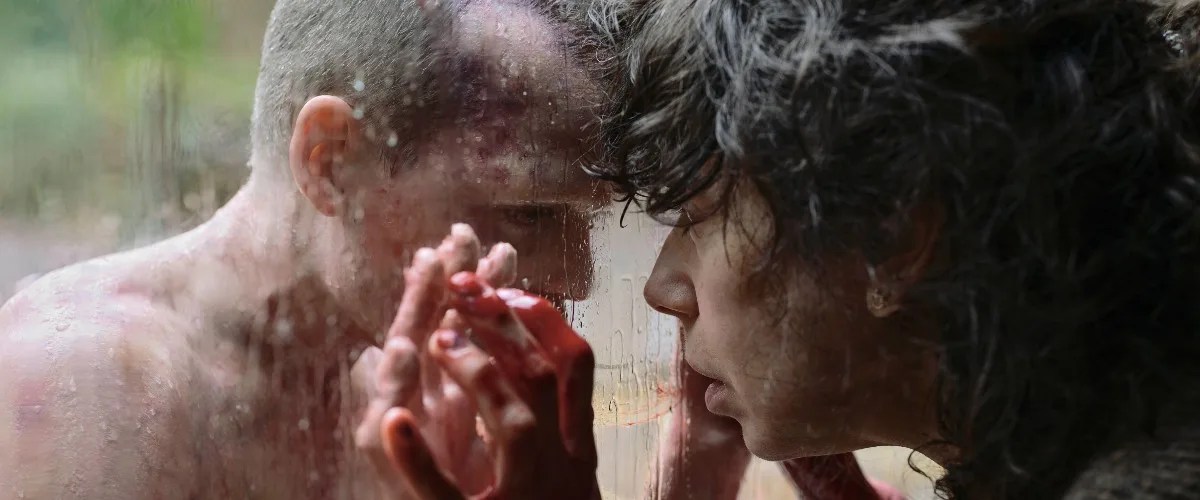
A French body horror, psychological drama film, Titane is one of the most outlandish picks for this list, but it’s a notable film for the decade. Following a near-fatal car crash, lead character Alexia gets fitted with a titanium plate in her skull, with the film then flashing forward to adulthood. As an adult, she becomes a car model and serial killer, dealing with a sexual obsession with automobiles. Similar to her film Raw, which followed a young girl dabbling in cannibalism, the director brings together a very human film through horror and some of the most disgusting scenes put to film. Through all the disturbing imagery, the film boils down to a simple narrative about a lost woman finding connection with an elderly firefighter who has lost his son. The mixing of absurd body horror and a simple human narrative, marks this as a very memorable feature from this decade.
8) Aftersun
Frankie Coro and Paul Mescal in Aftersun
Directed by Charlotte Wells
Memory is a key component that makes up the backbone of Charlotte Wells’ debut feature, Aftersun. Starring Paul Mescal and Frankie Coro, the film, inspired by Wells’ own childhood, sees an older woman looking back on her final holiday with her father when she was a child, watching her old recorded footage to try and find new meaning. Impressive in nature for a directorial debut, the film conveys its meaning through a mixture of traditional filmmaking and home-video footage. Paul Mescal portrays a struggling father, who the film never explains the fate of, and explores his daughter’s coming of age as she is unaware of her father’s struggles. Through the use of home-video footage, the film marks a connection between memory and technology, and explores the new found perspective people will have on their memories once they have aged with them. The film brings alive a natural look at British holidays, and conveys a child-like look at the world and the ambiguity that comes with the lack of understanding of adult topics when you are a younger age. There is symbolic meaning across the entire runtime of the film, and clues to draw the audience’s own analysis of the film and the eventual fate of Mescal’s character. This makes the film one of the most rewatchable films of the decade.
7) Anora
Mikey Madison in Anora
Directed by Sean Baker
Sean Baker’s film that finally awarded him the Best Picture Oscar in the 2025 award ceremony, Anora is a film of three halves. It begins as a romantic comedy, drawing a connection between a young sex worker and a rich son of a Russian oligarch, and then slowly transforms into a slapstick comedy in its second act. The final act opens the door to the true reality of the situation, matching the realness that comes from Baker’s previous features, and becomes a true drama. Mikey Madison became the first member of Generation Z to win the Best Leading Actress Oscar for her performance as the lead, playing a character which emphasises the positive aspects of sex work, a common aspect of Baker’s works. Baker emphasises lesser-known members of society as his leads, displaying them as three-dimensional characters through his empathetic direction, like transgender characters in Tangerine and single mothers in The Florida Project. Anora sees itself as a chaotic fun time, a comedy filled with entertaining characters and fun set pieces, most noticeably the search to find the oligarch’s son in the second act, turning the movie into an almost Three Stooges situation. Ending on a sad note however, as you learn more about how this comedic situation has actually left a lasting impression on the lead, Anora’s connection to sex as a commodity and a comfort welcomes a deeper message worth exploring.
6) Killers of The Flower Moon
Leonardo DiCaprio and Lily Gladstone in Killers of the Flower Moon
Directed by Martin Scorsese
The Western genre has always been rooted in the promise of freedom in the west, the freedom for the cowboys across the open desert and plains. However, for the Natives of that land, that so-called freedom was instead fear and pain from the people that took their land, and sought to marry trhem and then murder them to claim their riches and land for their own. This is the central narrative crux of Martin Scorsese’s newest film, Killers of the Flower Moon, based on the novel of the same name by David Grann. Sometimes called an anti-Western, the film seeks to squash the beliefs of the American Dream and show the dirty and secret truth to the riches of America. The director has long crafted films about despicable humans and making no attempt to humanise them for their terrible actions, examples being The Wolf of Wall Street and Taxi Driver. The true villain of this film however is the pull of greed, the focus characters are evil because of their greed, they are big pillars of society but make their money through pain and misery, while pretending to be honourable and just. Starring actors like Leonardo DiCaprio, Robert De Niro and Lily Gladstone, the film narrows the perspective of the book, from the birth of the FBI and the mystery around the killings, to instead being focused from the perpetuator’s perspectives and from the victims themselves as well. The narrow focus allows for a more focused narrative, and allows Scorsese to have a honest discussion about the horrors at play in America’s history, proving why the director is still one of our best working in the industry.
5) Poor Things
Emma Stone in Poor Things
Directed by Yorgos Lanthimos
Starring actors like Emma Stone, Mark Ruffalo and Willem Dafoe, Poor Things, based on the 1992 novel of the same name by Alasdair Gray, follows Emma Stone as Bella Baxter, a young woman who is brought back to life with the mind of a child. Sharing much of its DNA with the classic tale of Frankenstein, the film’s science-fiction roots seek to question the meaning of life and is it sound to try and control death and life. Through its female perspective, the film also explores body positivity and sexual positivity, and how our development can be easily linked to our sexual development. The film broads the line between comedy and science-fiction, with its steampunk and almost German Expressionist set design and backdrops, with Stone’s heightened comedic body performance marking this connection even further. Stone received her second win as Best Actress for this film in the 2024 Oscar award ceremony, portraying the hilarious coming of age character in a way its never been seen before
4) The Boy and The Heron
English Voices of Luca Padovan and Robert Pattinson in The Boy and The Heron
Directed by Hayao Miyazaki
A seemingly personal film from director Hayao Miyazaki, and a film that could mark his long-career working in Studio Ghibli, The Boy and The Heron became the winner of the Best Animated Feature Oscar in the 2025 ceremony. The film follows a young boy, who moves away after the death of his mother, and in the process of exploring his new home, discovers a strange Heron that takes him to another world. Originally announcing his retirement in September 2013, the director went back on his announcement soon after, and in order to create a film which is seemingly heavily rooted in his own childhood. Continuing a notable trend in his past work with the studio, the film explores the coming of age of its lead character through its fantastical elements, but also has deeper meanings behind its engaging visuals and incredible voice-acting. It explores themes of coming of age mainly through a life plagued by sadness and death, and exploring grief through the eyes of a young child. The signature director of such classic animated features like Kiki’s Delivery Service and My Neighbour Totoro, marks a potential end to his career with one of Studio Ghibli’s very best.
3) The Substance
Demi Moore in The Substance
Directed by Coralie Fargeat
Following up her debut feature in 2017’s Revenge, a rape revenge film from a feminist perspective, was bound to be a big task for director Coralie Fargeat. Starring Demi Moore, Margaret Qualley and Dennis Quaid, The Substance follows an aging Hollywood starlet, who takes a mysterious drug after being fired due to her age, a drug which has the ability to create a younger version of herself. The film made history in the 2025 Oscars, standing out amongst all of its competitors as a body-horror film actually being nominated for Best Picture, and the first horror to do since Get Out in 2017. Directed with expertise from only second time director Fargeat, the film is inspired by the works of Kubrick and Cronenberg, and is edited in such an expressive way, it stays in your mind permanently. The film uses body horror to form some topical discussion around societal standards of female beauty and female aging, taking those pressures to their extreme in some effective body-horror sequences. Demi Moore received an Oscar nomination for Best Actress from this film, marking a moving performance, where the saddest sequence does not come from the squeamish body horror but a woman unsatifised with her appearance when attempting to go on a date.
2) Nickel Boys
Ethan Herisse and Brandon Wilson in Nickel Boys
Directed by RaMell Ross
Based on the 2019 novel of the same name by Colson Whitehead, the film was inspired by real-world incidents like the Dozier School for Boys, reform schools which were infamous for their poor treatment of African-American youth. Starring Ethan Herisse and Brandon Wilson, the film follows an example of one of these reform schools, as two young boys attempt to survive and eventually escape their own school. Continuing a notable movement in this decade of black storytelling in film, the film stands apart by being shot in POV shots for its entire runtime, seeing the pain and anguish through the eyes of our two protagonists. Constantly moving, the film explores untouched moments of American history and seeks to dwell not in black suffering, but learning from those lessons in order to create a better future.
1) Nope
Daniel Kaluuya in Nope
Directed by Jordan Peele
The third film by Get Out-breakout director Jordan Peele, the director took his own spin on the summer blockbuster and the UFO-film. Starring actors like Daniel Kaluuya, Keke Palmer and Steven Yeun, the film follows horse rancher siblings, who in an attempt to save their business, attempt to capture evidence of an unidentified flying object that appears above their home. Inspired by Spielberg films like Jaws and Close Encounters of The Third Kind, the film takes the Hollywood blockbuster and re-evaluates it within the borders of Peele’s signature use of symbolism and metaphors. The film instead becomes an evaluation of people’s will to seek entertainment and thrills no matter the danger, African-American’s importance to the history of cinema and the abuse that animals can come under when being used as film props. Paired with some genuinely thrilling horror sequences, and the director’s signature style of comedy, the film standouts as one of the decade’s best blockbuster features.
Aaron Taylor Johnson and Alfie Williams in 28 Years Later
9/10
The zombie sub-genre is at the height of its popularity in the modern day, with the frequent releases of Walking Dead continuations, but come the 2000s, the sub-genre was essentially dead in the water. Originally made popular by the release of Romero’s Night of the Living Dead, and its following two sequels, zombies were a backbone of the horror genre in the 80s and 90s. The undead did not come back into popularity until the release of 28 Days Later in 2002. Danny Boyle’s entry into the horror genre stood out specifically because of the spins it took on the long-dead sub-genre, focusing on character-rather than specifically horror, introducing the concept of fast-running zombies and the specific focus on handheld direction that made it stand apart.
Followed 5 years later in 2007, 28 Weeks Later was released, a film which has become more synonymous with the general direction of the zombie sub-genre, focusing on action, kills and general horror of the zombies rather than what Days Later spearheaded forward. The film featured no direct involvement from original director Danny Boyle, or screenwriter Alex Garland, with Boyle and Garland leaving to work on their own projects, and 23 years later, they are back.
28 Years Later is the return to both the zombie sub-genre and the 28 Days Later franchise for both writer and director. The film seemingly ignores the events of 28 Weeks Later, with the 2007 sequel ending with the tease that the rage virus had reached Paris, taking the action outside of the United Kingdom. This film however confirms that the virus has been contained to the United Kingdom, ignoring the closing moments of the previous non-Boyle directed film. This film follows a group of isolated survivors who live on a small island disconnected from the mainland and from the threat of the mutated rage virus victims. When one member of the island must leave onto the mainland on a dire mission, the survivor must contend with the undead, but also with the wonders and reality of the world that once was.
This long-awaited threequel feels like a return to form for the zombie sub-genre once again, as it revives the character-focused direction the original film had focused upon, and brings alive the film through its directional choices. At times, it feels like an outlier in the modern swerve of horror content, feeling more stylistically connected to the original and the works of Danny Boyle since the release of that film, foregoing a generic tonal distinction and instead working as a chaotic, yet always working tonal collection.
At heart, the film can be boiled down to a family drama, about the relationship between a son and his parents, and about the world that the son has never seen, compared to the world that his parents have seen become destroyed. You have also all the horror and action tones you would want from narratives revolving around zombies, featuring some bloody kills, impactful jumpscares and freak-out imagery. All amongst that however, there is also genuine moments of heart and humour, moments that seem to stick out like a sore thumb in such a serious film, but become even more memorable and important because of this.
Aaron Taylor Johnson and Alfie Williams in 28 Years Later
An important factor of this film is its focus on humanity. Memories of the original Boyle film seems to be clouded in the modern day of zombie films, with memories of the film being overly serious when that is never the truth. The film is warm and humorous throughout, even ending with a over-the-top action sequence where the main character pretends to be a zombie to defeat a army of soldiers. A key sequence where the characters dance and laugh when robbing a supermarket, essentially roleplaying the life they can no longer live highlights the film’s focus on hope and positivity in the face of death and danger.
28 Years Later continues this theming, with characters reminiscing about the world that once was, teaching the young about items, places and people that they never knew. Killing the undead has become a sport and a way of life, balancing the danger of the situation with humanity, it is only human to find humour and positivity in the darkest moments.
The film deals with multiple running themes throughout its runtime, namely the importance of memory in times of crisis. However, it also questions, is it beneficial to try and recreate exactly how society used to be, or is it more beneficial to attempt to create something new and removed from those mistakes? Selective memory also comes into play in what is sure to be a controversial ending, dealing with our memories of the past and how we perceive what may have been bad as something that is good.
Ralph Fiennes and Jodie Comer in 28 Years Later
An emotional third act also hinges on the engaging family drama aspect of the film, as the film seeks to question what is the meaning of death in a world where nothing really stays dead? There is an importance to honouring death, a beauty in the finality of it that becomes the focus when looking at the performances from the core cast featured in the film. Jodie Comer, Ralph Fiennes, Aaron Taylor Johnson and newcomer Alfie Williams all deliver powerhouse performances that only continue to emphasise the importance of these themes here.
Danny Boyle’s directorial style comes ahead various times across this feature, the straightforward nature of zombie films is not present at all. The first act composes itself using a variety of archive footage to set both the tone of this world and give a sense of structure to the worldbuilding. There is a common use of both handheld footage and IPhone shots across this film as well, which is common to Boyle’s work, used to emphasise the effect of the kills. This really gives the film a sense of style, an authorship that is not common to something as stock as the zombie sub-genre.
28 Years Later is bound to not be a film for everyone, it is an outlier in a world where the most popular zombie project is currently The Walking Dead. Its chaotic, in both direction and in its classification of tones and genres, but the chaotic nature of it makes for a memorable experience that seems to compliment the film rather than hinder it. It’s follow-up releases, known as 28 Years Later: The Bone Temple, releases January 2026, and is surely going to be a must watch after this release.
Alfie Williams, Jodie Comer and Ralph Fiennes in 28 Years Later
Director Steven Spielberg poses with Bruce the Shark
The modern Hollywood system is based on expensive gambles, big marketing campaigns built around a massive high-concept premise that is easy to digest for general audiences, mostly contained to the months of summer. This is common to the studio system at this point, with the summer movie season expanding to blockbusters being all year round. However, the summer blockbuster would have been foreign to the film industry 50 years ago, a time focused around the so-called ‘New Hollywood’, a time of auteur-focused features where the winter was where studio made their big money. This would all change with the release of Steven Spielberg’s Jaws, which turns 50 years old today, marking the beginning of the centre piece of Hollywood’s moneymaking scheme.
Based on Peter Benchley’s novel of the same name, the iconic film follows police chief Martin Brody (Roy Scheider) as he investigates sudden shark attacks that are plaguing a small beach town that uses the beach resort as its cash-source. With the help of a professional shark hunter (Robert Shaw), and a marine biologist (Richard Dreyfuss), Brody must go into the open seas personally to slay the shark.
Released in 1975, the film quickly became the highest grossing film of all-time at the time, and opened to a wide array of positive reviews, ensuring a forever-enduring legacy, and receiving the Academy Awards for best film editing, best original dramatic score and best sound.
Crowds gather opening weekend of Jaws
Changes were made between novel and adaptation, namely the removal of the affair subplot between Brody’s wife and Dreyfuss’ marine biologist. Written by original novel writer Peter Benchley and then redrafted by Carl Gottlieb during principal photography, the removal of these elements could be boiled down to an attempt to make the film appeal to the most mainstream markets. In the days before the introduction of the PG-13 rating as well, a removal of sexual content would help the movie’s chances at appealing to the most audiences.
The other notable change would come from the movie’s usage of its main draw, the shark itself. Brought to the screen as a practical mechanical animatronic, the crew saw problems when filming on the open water with the mechanical prop malfunctioning commonly on set. In order to get around this, a subtle approach was used by director Steven Spielberg, making use of John Williams’ now iconic score to imply the presence of the shark. This makes the actual appearance of the shark, in the film’s bloody conclusion, as even more memorable, relying on the idea that less is more in creating fear.
Behind the scenes with the animatronic shark
The use of the shark however is not what makes Jaws an important feature for the film industry, its instead down to the idea that it formed the basis for the Hollywood summer tentpole film. Releasing the film was a gamble for Universal Pictures, the film went over budget when filming on open-water, and the studio went all-out for a never-before-seen marketing campaign. Multimedia franchises are commonplace in Hollywood now, with franchises like Marvel and Harry Potter extending out of just being film franchises, gaining prominence through videogames, television series and store-bought toys.
Dozens of television spots and trailers for the film were lined up for commercial breaks for primetime TV, and a vast multimedia campaign began with the release of the book the film based its narrative on. Posters became commonplace with the release of this film, launching a joint cover with the novel, and a logo that both versions of the story would use. Various merchandise that would be usual for modern Hollywood were used for the first time with this release, including soundtrack albums, composing Williams’ iconic score as part of the campaign, behind the scenes making of the film novels, clothing, games, and toys and costumes based on the shark.
Followed by the release of Star Wars (later subtitled A New Hope) two years later, the new release strategy for big tentpoles would also soon become commonplace for the blockbusters of today. Originally, films would be released in a staggered release schedule, opening in a small array of cinemas in the opening week, and then opening to more screens in following weeks. Jaws opened the door to more widespread releases, still featuring a staggered release, but opening to a wide array of screens earlier than usual. Opening to a number of around 400 screens in North America alone, where films used to open to 5-10 in their original opening weekend. The studio also saw the opportunity to extend the release of the film, staying in its locations for a staggered amount of time across the summer, marking the summer as the new home for big concept features.
Roy Scheider in Jaws
The summer blockbuster belonged to filmmakers like George Lucas and Steven Spielberg, with Jaws putting Spielberg’s name on the map for Hollywood. The director is one of the most mainstream and well-regarded filmmakers of his day, with the success generated from this film launching him to create even more well-known blockbusters. Projects like the Jurassic Park franchise, the Indiana Jones franchise, ET: The Extra-terrestrial and Close Encounters of the Third Kind would help establish the summer blockbuster into a gamechanger for moneymaking across the 1980s and 1990s.
The director would also entertain major success in the future of his career, receiving nine nominations for best director at the Oscars, thirteen nominations for best picture, and winning best director twice for 1993’s Schindler’s List and 1998’s Saving Private Ryan. Though collaborating on Spielberg’s previous and first film, The Sugarland Express, the film marked the first mainstream collaboration between Williams and Spielberg, a collaboration that would become synonymous with the two artists, Williams only being absent from composing five of the director’s films.
Jaws holds itself as an influential film for the changing world of Hollywood filmmaking. Following the release, the film would be followed by 3 sequels, without major input of Steven Spielberg, releasing in 1978, 1983 and 1987 respectively. Through the success of the initial film, the summer blockbuster would become a central piece of Hollywood filmmaking, evolving into the modern day with tentpoles moving across the filmic calendar. Each studio now has their own tentpoles, made on large budgets, attempting to be recognised by a large audience and marketed thoroughly through trailers, television spots and multimedia merchandise. 50 years removed from the film, in a summer which will be dominated by such big budget features as Jurassic World: Rebirth, Superman and Fantastic Four: First Steps, it is important to look back to see where these money-makers all began.
Roy Scheider, Robert Shaw and Richard Dreyfuss in Jaws
Benicio Del Toro and Mia Threapleton in The Phoenician Scheme
Once Wes Anderson was an independent filmmaker, making indie films that rivalled what came out of Hollywood, but ever since becoming a commercial household name after the release of The Grand Budapest Hotel in 2014, that cannot be said anymore. His signature style, involving doll-house-lite sets, monotone acting and delivery, deadpan humour and a focus on colour and aesthetics, has become so well-known, that AI Wes Anderson movies became a trending topic on social media app TikTok. At this point in his career, if you have seen one of Anderson’s films, you have essentially seen them all, and that is still true for his newest feature, 2025’s The Phoenician Scheme.
His newest feature follows Zsa-Zsa Korda (Benicio Del Toro), a wealthy businessman, who after another near-death experience when an attempt is made on his life, appoints his estranged daughter as sole heir of his fortune. When facing shady businessmen, terrorists and more assassination attempts while trying to make more money for their estate, their fractured relationship is put to the test.
What really stood out about Anderson’s earlier works was how heartfelt and human they felt even throughout all the witty dialogue, colourful sets and monotonous characters. Rushmore found its heart through the coming of age of its central character, The Life Aquatic centres around its lead character coming to terms with his own mortality and trying to become a better person, and The Royal Tenenbaums is self-explanatory in its exploration of family dynamics and absentee fathers. Even The Grand Budapest Hotel, a film which essentially started the current state of Anderson’s film output, is still human and heartfelt while delivering a wacky and outlandish plot.
This sense of heart has seemed to become lost in his newest work, with films like The French Dispatch and Asteroid City becoming increasingly more convoluted and chaotic in both their directional and narrative content. Both films feature multiple overlapping narratives that need to be deciphered, in order to understand, with a wide variety of characters, and an increase in visual style that draws attention commonly to the viewer is watching a film. These factors leave these two films feeling messy in drawing upon its central emotions, leaving various parts feeling cold and empty compared to the director’s past projects.
Benicio Del Toro, Michael Cera, Mia Threapleton and Mathieu Amalric in The Phoenician Scheme
The Phoenician Scheme divorces itself from the overlapping narratives, slimming its narrative down to just one linear storyline. The film also seems to finally narrow its focus back to what made the classic Wes Anderson features work, endearing character relationships. Narrowing the focus to the development between estranged father and daughter seems to be a return to form for the director, but the tendencies that have come forth in the director’s modern work is still here. Somehow through such a simple narrative, Anderson loses himself and the central heart through the messy nature of the storytelling and the severe number of characters that appear.
Riz Ahmed, Tom Hanks, Bryan Cranston, Scarlett Johansson, Benedict Cumberbatch and Jeffrey Wright are just some of the names that make up this impressive ensemble, and they all appear in essentially one scene each. Each actor of course gives a well-done performance, even if the actors’ stilted deliveries feel a bit more overpowering in this feature. The problem comes in when seeing that the film essentially comes to a pause every time the next actor appears, the film is messy and chaotic, where it moves from scene to scene with such a loose narrative, any sense of narrative cohesion goes out the window. These actors have commonly appeared in Anderson features, but in the past, they would be full-fleshed out characters, but here they are props to have one comedic scene and then move the plot forward.
Benicio Del Toro, Mia Threapleton and Michael Cera in the Phoenician Scheme
The biggest standout of the cast comes in the addition of Michael Cera as a new Anderson mainstay, the actor was made for the deadpan humour of the director, and his role as tutor Bjorn Lund is a clear comedic highlight. Benicio Del Toro gives a reliable performance as the lead, he has one of the best deliveries of the entire cast, he has the full-of-himself swagger that the character needs. Mia Threapleton seems to struggle at times with delivering the Anderson-specific delivery in some scenes, but she has a strong presence. The film’s exploration into the reconciliation between their two characters could have been a highlight of the film, but it leaves up as feeling more like an empty do-over of The Royal Tenenbaums.
Just to be expected from Anderson, the film is still a visual treat, each set is perfectly crafted to be brimming with colour. The doll-house style Anderson has developed continues to impress, and one key sequence featuring black-and-white photography standouts as something new for the director. It is especially not a situation of style, over substance, there is enough substance contained in the film, an exploration into family, greed and coming to terms with death are all present. However, the film is just overstuffed and directionless, stuffed with so many one-note characters from talented performers, that anything resembling something emotional gets lost in the overall picture.
In the modern landscape of cinematic franchises, the cinematic universe is the new fad that has took Hollywood by storm. From comic book franchises belonging to the worlds of Marvel and DC, the battling titans featured throughout the shared Godzilla and King Kong universe or the haunting worlds featured in the Conjuring Cinematic Universe, cinematic universes are the newest evolution of franchise cinema. When once a franchise would just be made up of connected sequels or prequels, cinematic universes dwell in an area between, featuring various sub-franchises that connect through superficial connections but are still largely disconnected enough to have sequels and prequels of their own. Though seemingly coming to prominence because of the success of the Marvel Cinematic Universe, one connected universe predates the fad by almost 80 years, and that universe is the Universal Monsters.
It is up to debate how many movies can be classed as part of the Universal Monsters universe, ranging to up to 60 titles, and ranging from the years 1929 to 1960. Most of those 60 titles are standalone horror, mystery and science-fiction films that are mainly brought together by being under the Universal Pictures brand. Where the cinematic universe mainly comes together is through its core franchises, which will be the focus here. Dracula, The Wolf-Man, Frankenstein, The Invisible Man, The Mummy and The Creature from the Black Lagoon are where the shared universe comes to ahead, serving each as their own horror franchises, but also as a connected universe in an era where that was uncommon. Through the House of Frankenstein, House of Dracula and Abbott and Costello meet movies, these separated horror franchises come together in ambitious crossovers that predate some of the most celebrated crossover films that are common today. Here is a brief look at these franchises, and the crossovers that eventually come:
Dracula
Bela Lugosi in Dracula
Years: 1931-1943
Featured Films: Dracula (1931), Drȧcula (1931), Dracula’s Daughter (1936), Son of Dracula (1943)
Originally published in 1897, Bram Stoker’s classic horror novel was sought after for an adaptation for years before Universal got their hands on it, from F.W.Murnau’s unofficial adaptation, Nosferatu, to a broadway show. Following the events of the famous novel near-faithfully, the film follows Count Dracula, played by Bela Lugosi, an immortal vampire who travels between his home in Transylvania to England, looking to feast upon new victims and drink their blood. The film owes most of its success to the original novel it is based upon, but clearly draws upon clear influence through Nosferatu. An original scene that was only featured in Murnau’s adaptation of the novel is featured here as well, where the visiting Harker pricks himself and draws blood, Dracula skirting into shot as he attempts to remove his temptation. That’s not the only thing that Dracula, and the overall Universal Monsters juggernaut, owes to Nosferatu however, as its clear to see that the visual style, and the overall visual style of the German Expressionist movement, influenced the universe’s visual style heavily. Originally confined to Germany in WW1, the German Expressionist movement sought to reject reality in favour of the artist’s creative vision, favouring to use heightened performances and visual distortions. The gothic backdrops of the Universal Monsters are a clear highlight of this influence, through the use of fog and darkness as distortions, structured sets that blend the realism of gothic architecture and the horrific unknown like Castle Dracula in Transylvania, and expressive performances, like the ones featured here, with various shots focusing on Lugosi’s eyes. He is shot commonly in shadow, with only his eyes highlighted by any light, drawing attention to that fierce glare. This attention drawn to the look of the character highlights the iconicity that comes with this version of character, the first adaptation to keep the human-look of the character from the novel, and would become a clear influence on all future adaptations.
Even though Bela Lugosi became synonymous as the look of the character, the actor would not return for either of the sequels, only returning once across the future of the franchise, returning for 1948’s Abbott and Costello Meet Frankenstein. The same year the actor originally played this character however, a Spanish adaptation was also in the works, using the exact same sets and the same story, only allowed to go into production for night shoots after the more commercial version was finished for the day. An actual sequel came 5 years later, after the popularity of the re-releases of Frankenstein and Dracula brought Universal new confidence in their horror titans, with the release of Dracula’s Daughter in 1936. Following up on the death of its title character, this sequel’s only connective tissue was through the return of Van Helsing, now renamed Von Helsing, but retaining the same actor. The film retains some of the thematic elements of Murnau’s Nosferatu, now mixing the gothic locations with a narrative involving a troubled and saddened villain. Nosferatu is an evil protagonist in the original film, but is looking for love, even if it comes from a terrible place. Dracula’s Daughter, portrayed by Gloria Holden, is looking to remove the influence her father and the vampirism has over her, even if it means dying.
She only becomes the villain, in the climax, after falling further under the power of the vampirism, finding love in the film, even alluded to be lesbian-in-nature, but only for it to be tragic for her. Son of Dracula, its 1943 follow-up, nixes this thematic consistency and any narrative connective tissue, in order for a straightforward remake-like sequel following Lon Chaney Jr as somehow revived Count Dracula, looking to drink blood once again. This begins a long-running inconcinnity between franchises and their sequels, dealing with themselves as more like standalone entries than a connected franchise. The biggest consistency between them all is forever their visual style, because even Son of Dracula, though retaining no narrative ties, still features the visual flair of the mist, this time coming from the swamp.
Universal’s Dracula would go on to influence the character for decades to come, through Hammer horror’s own Dracula series and other big screen adaptations, like Francis Ford Coppolas version. Universal themselves would attempt twice, in the modern era, to bring back their big-screen vampire, through rebooted 2014’s Dracula Untold and semi-related spiritual sequel, 2023’s Renfield.
Frankenstein
Boris Karloff as The Monster in Frankenstein
Years: 1931-1942
Featured Films: Frankenstein (1931), Bride of Frankenstein (1935), Son of Frankenstein (1939), The Ghost of Frankenstein (1942)
Just like the former Dracula franchise, 1931’s Frankenstein and its following sequels, would become synonymous with the character in the coming years, being the first major adaptation of Mary Shelley’s 1818 novel of the same name. The film shares the similar narrative plot breakdown of the original novel, following Henry Frankenstein (known as Victor in the novel), portrayed by Colin Clive, a brilliant scientist who attempts to recreate life by digging up dead bodies and grafting them together into a new being. Once brought to life, the monster, played by Boris Karloff, starts a reign of terror across the village, with a mob forming to take him down. The film only serves as a loose adaptation of the novel its based on, essentially being only a adaptation of the first half, with a lot of the removed moments being instead adapted into the follow-up, 1935’s The Bride of Frankenstein. This film seemingly is based on a subplot of the novel, with Frankenstein’s Monster demanding Victor to create him a wife or he will kill his wife, and in this version, Henry Frankenstein actually commits to the idea and creates the bride, portrayed by Elsa Lanchester. The reason for this difference between versions is through the depiction of the Monster. In the original novel, the Monster begins to develop intelligence after being homed by a friendly blind-man, and slowly begins to understand the evil of humanity through his experiences, eventually becoming a cold-blooded murderer after Victor refuses to create his bride. The Monster of the Universal film instead is dumb and brutish, easily able to fall under influence and more acting out of fear than anything. The reason the town hates him is because he misunderstands a game with a young child, accidentally killing her and causing himself to be villainised by the frightened mob. One version of the monster acts out of his own directives, while the other is manipulated and misunderstood.
The following sequels to these two initial films do not adapt anything from the original novel however, instead having connective tissue to the franchise through the use of the monster himself, the family of Frankenstein and the terrified mob. Both 1939’s Son of Frankenstein and 1942’s Ghost of Frankenstein reveal separate sons of the late Henry Frankenstein, Baron Wolf von Frankenstein and Ludwig Frankenstein. The films’ deal with the supposed curse of the Frankenstein family, and the overall paranoia of the town after the initial assault by the monster. When returning home and coming into ownership of the Frankenstein estate, Baron is warned by the people of the town to not revive the Monster, brought to the court as they show their fear. In the very next film, Frankenstein’s Monster, now played by Lon Chaney Jr after Karloff portrayed the character for the final time in Son of Frankenstein, and new ally Ygor, portrayed by Bela Lugosi, are ran out of the town as they make their way to a new home. Once arriving to their new home, they soon run into the same problem again as their monstrous appearances make them public enemies to the local townsfolk and are formed into a mob against them. Though not based on any existing material, these subsequent films still tie themselves thematically to the themes of the novel, with Ygor essentially being the replacement of both a villainous Monster and a more scientific variation of a Frankenstein. He is essentially the monster’s master in these films, and the final film ends with Ygor placing his brain in the body of Frankenstein’s monster. However, his brain is not a match for this body, rendering him blind. This massive change is never mentioned again after this film, with Frankenstein’s monster returning to his regular state by his next appearance in Frankenstein Meets the Wolf Man.
Universal has never made their own remake of their version of Frankenstein, though this rendition of the character has become the blueprint for all future filmic appearances of the character.
The Mummy
Boris Karloff as Imhotep in The Mummy
Years: 1932-1944
Featured Films: The Mummy (1932), The Mummy’s Hand (1940), The Mummy’s Tomb (1942), The Mummy’s Ghost (1944), The Mummy’s Curse (1944)
The first Universal Monsters franchise not to be based on pre-existing material, The Mummy takes the horror away from gothic locations and instead to the tombs of Ancient Egypt. The initial film of the franchise follows Imhotep, played by Boris Karloff, an undead mummy who comes back to life after being found by a team of archaeologists. Once revived, the undead mummy attempts to find his long-lost love, who he believes has also been reincarnated. The franchise straddles the line between the worlds of German Expressionist horror that the Universal Monsters are commonly situated in and the worlds of historical-adventure films with tombs, explorers and traps. The initial film is fairly standalone in comparison to the overall narrative of the sequels, the sequels instead centring around the revised corpse of Kharis, played by Tom Tyler in 1940’s The Mummy’s Hand, and Lon Chaney Jr in 1942’s The Mummy’s Tomb, 1944’s The Mummy’s Ghost and 1944’s The Mummy’s Curse.
Here, the franchise comes together with a central narrative, with Kharis being a very different monster compared to Imhotep. Kharis still follows the basic same narrative that Imhotep involved himself with, a revived monster that is after his own reincarnated love, but he lacks the control over that narrative that Imhotep had. He is mostly a mindless monster in his four filmic appearances, instead being controlled by the actual villains of the film, enchanted to do their bidding. Imhotep also looks more human, while Kharis resembles the more typical depiction of a Mummy in popular cinema, wrapped in bandages and fossilised. The later movies of the franchise also move into a direction of moving the action to the regular gothic locations of the Universal Monsters and abandon the Indiana Jones-style adventure side of the franchise. This leaves this franchise as being inherently two-sided, an opening film which sets the standard and the narrative beats that the franchise uses as a blueprint, and a closing two-final films that largely abandons these to follow the formula that made up films like Dracula and Frankenstein.
The franchise would return to its action-adventure roots with the Brendan Fraser-starring reboot in 1999, followed by two sequels, 2001’s The Mummy Returns and 2008’s The Mummy: Tomb of the Dragon Emperor. It would soon also be rebooted again with 2017’s The Mummy, staring Tom Cruise.
The Invisible Man
Claude Rains in The Invisible Man
Years: 1933-1944
Featured Films: The Invisible Man (1933), The Invisible Man Returns (1940), The Invisible Woman (1940), Invisible Agent (1942), The Invisible Man’s Revenge (1944)
Loosely based on H.G.Wells’ 1897 novel of the same name, the Invisible Man franchise sits as an extreme outlier in the Universal Monsters, adding in another genre to the mix, science-fiction. Each subsequent film moves further and further away from the horror genre, with 1940’s The Invisible Woman being able to be described as both a women’s film and a comedy, while 1942’s Invisible Agent sits perfectly in the spy-espionage genre. The original film blends the worlds of horror and science-fiction the most comfortably, following Jack Griffin, played by Claude Rains, a scientist who has managed to turn himself invisible by a strange experiment. Hiding out in a village house, covered in bandages, the experiment slowly starts to take over his mind, transforming him from harmless scientist to a monster. In the process, his fiancée comes to find him, hoping to remove this new found superiority that has plagued Griffin’s mind. In the build up to the eventual complete takeover of his mind, the film does include elements of slapstick, that seems to connect to the eventual comedy take on the subject matter. His invisible antics begin as harmless pranks, with his furthest level of violence being knocking one of the home-owners down the stairs. Scenes including one where Griffin dances around in just his pyjama pants, show both the sense of humour of the central villain and the comedic lens the franchise can run with using the impressive special effects. Soon, he recruits a former comrade to help him commit various murders, and leads to him having one of the highest body counts of any of the Universal Monsters, derailing a train, leading to the death of over 100 people.
Claude Rains, and Jack Griffin, would not return for any of the Invisible Man sequels, perishing at the end of the initial film. This marked the beginning of the most fragmented franchise that made up the Universal Monsters, with future films struggling to find connections as easily as just reviving Frankenstein’s Monster or Dracula, as the others could easily do. Both 1940’s Invisible Man Returns and 1944’s Invisible Man’s Revenge’s titles seem ludicrous when seeing that they are not the same invisible killer. Returns has the connection through the invisibility serum being from the family of Griffin, but Revenge, a movie that seems to try to return the franchise back to form after comedy and spy entries, has no connection. Even the spy entry, a film where the invisible formula is used to take on villains featured as the Nazis, features a connection through the lead character, Frank Griffin, being revealed to be a relative of the original Griffin. The lack of consistency through the narrative leaves this franchise feeling disconnected, and each film feeling less like a sequel and more like a reboot, re-treading similar narrative beats, from the slapstick beginnings to the serum’s mind-altering end. The Invisible Woman only serves to confuse things further, feeling like a spin-off, removing the melodramatic elements that made up the prior films in favour of being a screwball comedy where a woman gets payback on her ruthless boss. When a franchise has so many mixing genres at play, it comes across less like a connected franchise, and more like a skeleton of what could be.
The Invisible Man would soon be rebooted in 2020, directed by Leigh Whannell, nixing the science-fiction formulas for a high-tech invisibility suit, and revolving its plot around domestic abuse.
The Wolf Man
Lon Chaney Jr in The Wolf Man
Years: 1941-1943
Featured Films: The Wolf Man (1941), Frankenstein Meets The Wolf Man (1943)
The shortest franchise of the core Universal Monsters, The Wolf Man only features in two films revolved around his own name, and the second is the first crossover of the cinematic universe. The initial film follows Lawrence Talbot, played by Lon Chaney Jr, as he returns home to bury his brother and hopefully resolve the fractured relationship with his father. In the process, he meets a new romantic interest and after being attacked by a wolf, slowly becomes the monstrous Wolf-Man. The werewolf can be seen as an implied metaphor for various factors across the runtime of the film, but mainly as a metaphorical look at man’s attempt to control. Talbot is very full-on when trying to pursue his romantic interest, a woman who turns him down completely, and only initially goes on the date with him because she brings a friend with her. Here, on the date, she also tells Talbot that she is engaged, but that does not make him stop the pursuit at all. He’s a man who seems to not take no as an answer, a man who seems to enjoy to have control in his life, and that is thrown all away the minute he cannot control his own body when transformed.
He becomes this way because he comes into contact with an attacking werewolf, an unpredictable part of nature that only becomes worse because he attempts to take control. A friendly gypsy gifts him a protective charm that will help him not transform, but unwilling to believe in the power of nature, he dooms himself by giving it away, refusing to place his role in the natural world. He soon learns, in 1943’s Frankenstein meets the Wolf Man, that he cannot die through regular means, and the only way out seems to be the unnatural world of Victor Frankenstein. Through attempting to come in contact with the scientist, he reawakens Frankenstein’s monster, removed from its control by Ygor, and they battle. Once again, in trying to control his own fate and attempting to control nature, nature has fought back by bringing him face to face with another unnatural being. Frankenstein’s Monster, a being made up of the lives and bodies of multiple different people, comes as the perfect mirror to Talbot, another being that has come from attempting to play God with nature. It is only natural that the two seem to perish in the film’s cliff-hanger ending, where the town mob destroys the dam over the Frankenstein estate, flushing the two away.
Lon Chaney Jr is the only Universal Monsters actor to play his character in every appearance, portraying the character in all 5 movies Talbot appears in. The film’s depiction of the werewolf would become the blueprint for future appearances in film and television, and Universal would attempt twice-more to return the character to the big screen. A direct reboot would come in Joe Johnston’s The Wolfman in 2010, and then a different take on the material in Leigh Whannell’s Wolf Man in 2025.
Creature from the Black Lagoon
Stunt Casting by Ben Chapman in Creature from the Black Lagoon
Years: 1954-1956
Featured Films: Creature from the Black Lagoon (1954), Revenge of the Creature (1955), The Creature Walks Among Us (1956)
The final core franchise of the Universal Monsters, Creature from the Black Lagoon started as a franchise well-after all the other pop culture juggernauts of the Universal Monsters were already done and has finished meeting on-screen. The Creature Walks Among Us, 1956’s final movie of the three Creature from the Black Lagoon movies, is also seen commonly as the final film of the Universal Monsters. The initial 1954 film follows a group of scientists who encounter a merman when travelling to the Amazon, they attempt to capture this monster to study it, while the merman becomes interested in Kay, a female scientist in the group. This attempt to study the merman becomes its unifying theme with The Wolf-Man and the rest of the Universal Monsters. Though released years after the end of the films collaborating, the film’s exploration into the attempt to control and study nature unifies it. Though the sequels, 1955’s Revenge of the Creature and 1956’s The Creature Walks Among Us, faired less fairly with critics and essentially serve as redoes of the initial film’s plot, they further the scientific exploration into the merman. He is transferred to an aquarium and used as an attraction in Revenge, and then surgically experimented on until he can survive on land and blend into society in Walks Among Us, and these former versions position the creature as more of a victim than coldblooded monster. There are still sympathetic protagonists outside of the monster, but through the film’s underwater photography, a lot of the world is seen under the lens of the creature. This makes this franchise stand largely apart from many of the central Universal Monster franchises, the creature is opposed to the world of man, from our governments and power structure through its own unpredictable nature, and the films aligns themselves with so.
Unlike many of the other Universal Monster franchises, there has been no reboots of the Creature from the Black Lagoon series, no matter how many attempts there has been, with a current James Wan directed reboot announced this year.
Crossover Films
Bud Abbott and Lou Costello Join Lon Chaney Jr, Bela Lugosi and Glenn Strange in Abbott and Costello Meet Frankenstein
Years: 1944-1955
Featured Films: House of Frankenstein (1944), House of Dracula (1945), Abbott and Costello Meet Frankenstein (1948), Abbott and Costello Meet the Invisible Man (1951), Abbott and Costello Meet Dr Jekyll and Mr Hyde (1953), Abbott and Costello Meet the Mummy (1955)
Sometimes referred to as ‘monster mashes’ Universal Pictures soon come to see the profitability of mixing their classic Universal Monsters together in filmic team-ups. After the success of Frankenstein meets the Wolf Man, Universal released the two-hit release of 1944’s House of Frankenstein and 1945’s House of Dracula. These two films followed up the cliff-hanger ending of Frankenstein Meets the Wolf Man, showing a rare connectivity between these films. In the days before regular cinematic universes, where audiences assume that all films must connect and align with each other’s continuity, this cinematic universe plays hard and loose with its timeline. This lack of narrative cohesion is even shown in these two films, with House of Frankenstein showing the death of Lawrence Talbot, only for him to be back alive and well in the following film. These films see the return of both The Wolf-Man and Frankenstein’s Monster, with the new addition of Dracula, here played by John Carradine. Dracula serves as essentially a side-storyline in the first House film, perishing in sunlight in the first act, as the action returns to the other two monsters. He serves larger narrative purpose in the sequel, where all three monsters request a gifted doctor to cure them of their ailments. Both films serve as an almost greatest-hits of each cinematic franchise, with Frankenstein’s Monster being ordered around by a scientist and wishing to be unmade, Lawrence Talbot wants to be cured from his werewolf side or die trying, and Dracula wishes to drink blood in scenes which recreate scenes almost identically from his first feature. Through the inclusion of new villains, the Mad Doctor and the Hunchback, the term monster mash becomes even more relevant here, ending this continuity with an all-out monster brawl.
This monster mash was then followed by 1948’s Abbott and Costello Meet Frankenstein, a film that mixes the world of the Universal Monsters and the comedy formed by the titled duo, becoming a horror-comedy, unique to this shared universe. Featuring the returning monsters of Frankenstein’s Monster, Dracula, The Wolf-Man and the Invisible Man in its closing minutes, the film follows Count Dracula, Bela Lugosi returning to the role, as he works to find a brain to reactivate Frankenstein’s Monster. In his search, he finds Costello’s character, Wilbur Grey, as the best fit for this brain surgery. Continuity continues to be confusing for this series, as the film once again disregards the ending of the previous film, with Talbot once again the Wolfman after he was cured in the previous film. The movie’s mix of comedy and horror works wonders to pair the styles of both the performers and franchises, the screwball comedy nature calling back to some of the strangest genre moments of the Invisible Man franchise. The movie ends with the three main monsters perishing, ending their stories here, in a riveting crossover film which marries their world to the worlds of fantastical comedy. Abbott and Costello would continue to crossover with horror legends in subsequent films, following with a science-fiction mystery in 1951’s Abbott and Costello Meet The Invisible Man. They would then crossover with a new Universal Monster, in 1953’s Abbott and Costello Meet Dr Jekyll and Mr Hyde, and then conclude this universe’s crossovers with 1955’s Abbott and Costello Meet The Mummy.