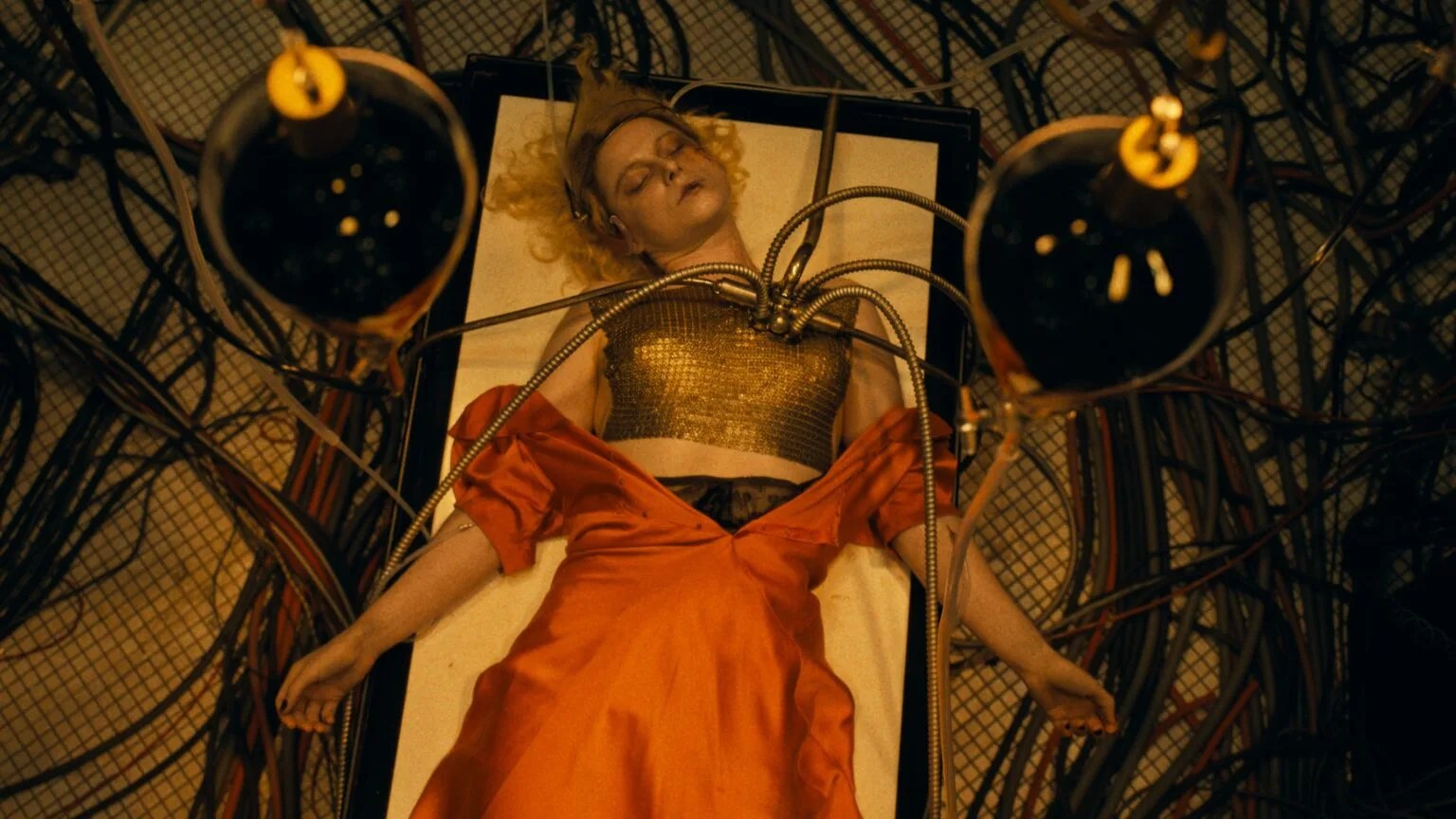
Adaptations of Mary Shelley’s classic 1818 horror novel Frankenstein has been a hot commodity in the last couple of years in Hollywood, as various directors have put their own two cents on the classic novel. From Guillermo Del Toro’s long-standing adaptation finally seeing the light of day on Netflix last year, to the horror-comedy inspired by 2009’s Jennifer’s Body, Lisa Frankenstein. Yorgos Lanthimos’ Poor Things, an adaptation of the novel of the same name, takes a lot of inspiration from the Frankenstein story, and does everything what this year’s newest Frankenstein adaptation tries to do. The Bride, Maggie Gyllenhaal’s sophomore feature after her smash-hit The Lost Daughter, attempts to take a feminist approach to the original text, and put its own spin on Universal’s classic sequel, 1935’s The Bride of Frankenstein.
A feminist take on the material is a confusing order of events when the text itself is incredibly feminist and written by a woman at the end of the day. However, there was a chance to craft something new and modern with the material, but what Gyllenhaal has delivered is a hodgepodge of ideas from other films, from Joker, Bonnie and Clyde, Natural Born Killers to Poor Things in a mess of a feature. The project was originally developed for a Netflix release but was bought out by Warner Bros when Netflix dropped the picture after a budget dispute with the director, and this purchase allowed the director more freedom behind the camera and led to an expensive film being made. It is always important for a director to realise their vision, but there are times when a director needs to be reined in and limited in scope, and that comes as one of the biggest problems of this feature. The film stars Jessie Buckley and Christian Bale, as the titular character and Frankenstein’s Monster respectively, as Buckley’s character becomes possessed by the spirit of Mary Shelley, starting a journey into the true story that the author ‘wanted’ to make. The Monster, known as Frank, revives Buckley’s Ida to find love in his lonely life, only to cause a series of events which lead them on the run from the law.
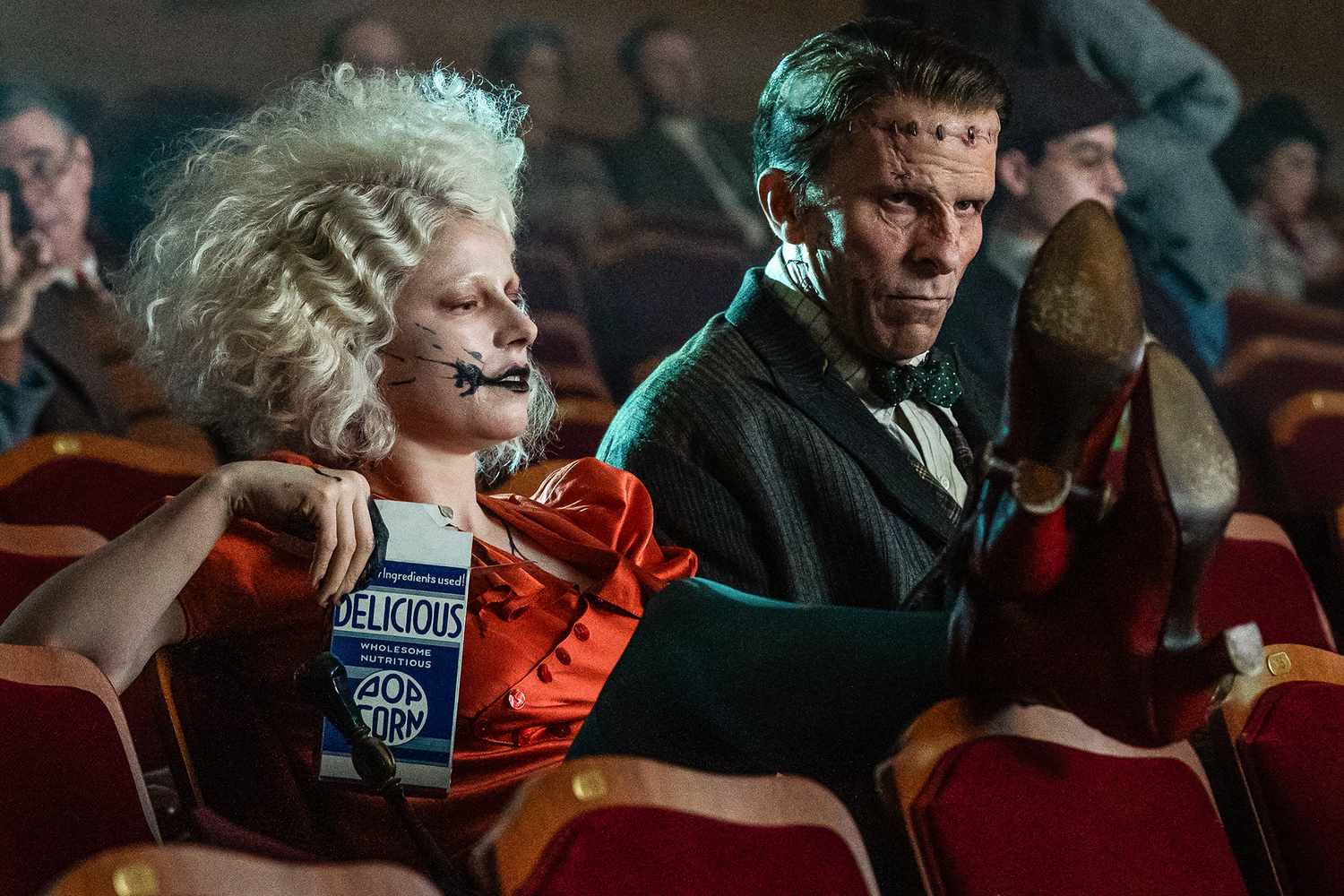
Jessie Buckley and Christian Bale are easily the highlights of the film, two committed actors who are giving performances that this film does not deserve. Buckley is currently the front-runner for the best actress award for her role in Hamnet at this year’s Oscars, and her performance here is a complete blast. The material feels lesser to such a talented actress, but she pulls it off. The addition of the possession of Mary Shelley, who appears in black-and-white also played by Buckley, comes as the only negative to this performance. The inclusion comes across like the character has a form of Tourette’s, with Buckley twitching and suddenly switching to a British accent, and saying something ‘smart and sophisticated’, which usually means random rhyming that has little to do with what is going on. It becomes irritating by the tenth or eleventh time it is done in the film, and the inclusion of these lines comes across incredibly pretentious and becomes even more ridiculous once they are dropped by the third act and become irrelevant. Bale and Buckley share great chemistry, and Bale delivers a performance that feels incredibly more vulnerable and layered compared to anything he has done in the last couple of years. Annette Bening also deserves a strong shoutout for committing to an incredibly goofy and strange character but is severely missed whenever she is not on screen.
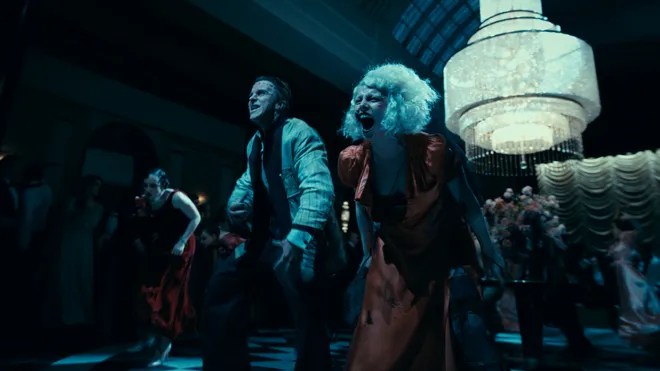
It is everything else in the film that forms the film into an incredible mess, a tonal and genre mess that does not know what it wants to be. There is an incredible musical sequence half-way through the film, where the film leans heavily into the zany and over-the-top nature of the story, and it’s magnificent to watch unfold. However, it is the only time that the film does something like this, there’s moments where Frank sees himself in movies, dream sequences almost in black-and-white photography, conveying a connection between the monsters and the arts but it feels like something that is not developed on at all. The film constantly moves between feeling dark and serious, and zany and goofy, and each time it pings pongs back and forth it is incredibly jarring to watch. Bale feels like a living cartoon at times, but then it is paired with incredibly sexual imagery, and scenes focusing on sexual assault and the tone becomes incredibly jarring. One of the film’s biggest problems is how it refuses to commit to a genuine tone, narrative or message, instead feeling like a grab-bag of everything that the director could have made across multiple films. A Bonnie and Clyde story focused on Frankenstein and his bride is a remarkable idea, but then you also must deal with a villainous mob boss, a police corruption storyline with two investigators following our lead’s crimes, and a female uprising against sexual and domestic abuse.
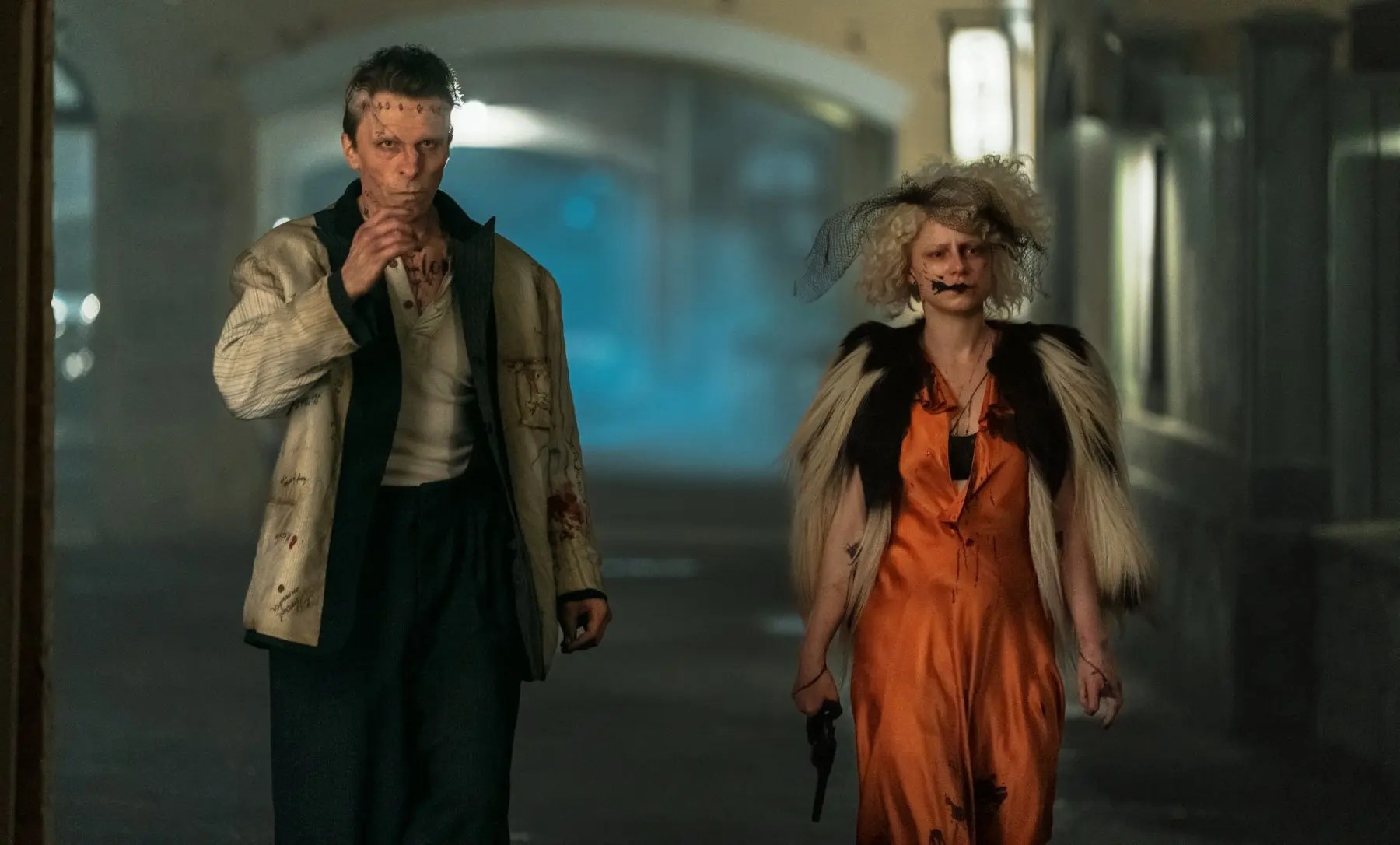
The themes of femicide and power dynamics in relationships are very important, but they are not developed enough and instead feels like window-dressing or a prop that was meant to be developed later. Women taking to the streets in a violent mob in protest feels like a carbon copy of Joker, where the same happens after the lead character’s appearance on TV, while there it was a burning catalyst to a movie’s worth of exploration, here it thrown in and forgotten about instantly, a fun idea that just exists. The biggest theme seems to be an exploration into the controlling of women, femicide and sexual abuse against women, but the film explores this so sloppily that it comes across as toxic itself. Every time our lead gets in danger, it’s Frank that gets here out of the trouble, how are we meant to get the film’s message of women being strong and independent if the main character does not reflect this message. It only gets worse when the film is so inept in trying to convey its message, that there is an entire scene where the lead conveys the message of the film verbally, spelling out what the film is attempting to convey to the audience, in the sloppiest way possible.
What the film really needs is to pick a lane and keep with it, every time Bale and Buckley are on screen the film is magnificent, and whenever the film leaves those two characters, it truly dips. The exploration into how film connects these two characters, and how the escapism of those films helps them deal with their lives is very compelling, but every time you get lost in that, the film cuts back to the police officers, or the mob storyline. The police storyline itself feels like one of the easiest cuts the film could have made, with Peter Sarsgaard and Penelope Cruz working together to hunt Frank and The Bride. Cruz is the subordinate in the relationship, Sarsgaard’s assistant who is not allowed on the force but is the one who has the true detective instinct, as Sarsgaard claims the credit. It could have been a good storyline, but it feels like a loose part in a story not about them, and the dialogue between the two is some of the most heavy-handed writing in a big-budget film in a long while. It is a film that has messages but deploys them so sloppily and by using Mary Shelley to make them seem preachy and pretentious, but it’s writing does not hit the same marks that the film thinks it is reaching.
Director focused passion projects are important, and Maggie Gyllenhaal very clearly had a lot of passion when crafting this film. It has gorgeous looking cinematography, and some very striking sequences, alongside three great central performances. However, the film is just a mess of ideas that leave it feeling anything but cohesive. Cuts needed to be made, and the film needed to become more focused, but in its current state, it feels like a film that is basically about everything but nothing at the same time.
 Rhys Reviews
Leave a comment