It has been a year since the tragic passing of one of film’s greatest directors, David Lynch, and this year also marks the 40th anniversary of one of his most famous films, Blue Velvet. Through an impressive career, he delivered 10 incredibly dreamy, frightening and impressive features, and the incredible series, Twin Peaks. His work has been characterised by their dream-like qualities, the surrealist depiction of life and character, and a developing exploration into sexuality, coming of age and abuse. He is one of America’s most important directors, so important he launched a term just for himself, Lynchian, and as follows, we will list his 10 released features:
10) Dune (1984)
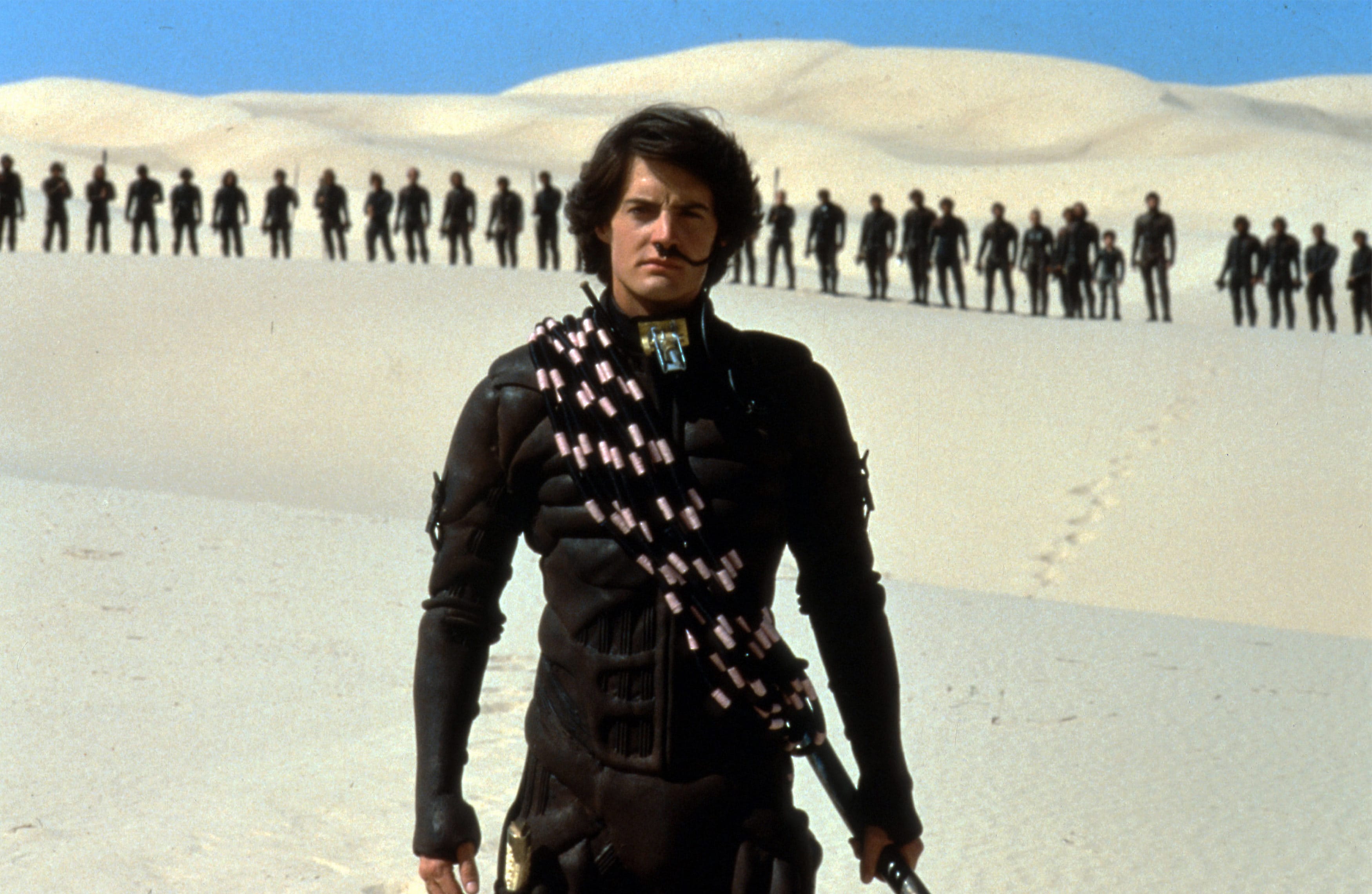
At the bottom of the list, we have Lynch’s big attempt to break into mainstream Hollywood and why he returned to his roots away from the limelight straight after, and that project would be Dune. Based on Frank Herbert’s iconic science-fiction novel of the same name, which is essentially the blueprint for the modern science-fiction film, and part of the structure that makes up Star Wars. Comparing this original attempt to the modern two-part version that has come out lately shows the difference in the Hollywood business essentially, and how ambitious Lynch was in trying to adapt such a large novel into one film. The modern version split the novel in half, which helped the pace, but where Lynch’s film succeeds is in how it adapts the spiritual, dreamy and strange side of the novel. Herbert’s tendency to use visions and more out-there ideas matches with Lynch a lot, with the newest versions shying away from some of the strangest elements of the novel, and if the movie had the runtime and pace to match it would produce a completely solid feature. The movie’s pacing just hurts it completely, delivering a movie which cannot breathe and stops some of the character-based moments from hitting as much as they should.
The descent of Paul Atreides just feels sudden and unconvincing, down to a mixture of the pace and a frankly miscast Kyle MacLachlan in the role, who works for Lynch the first time here. The effects have obviously not aged the best as well, showcasing a quaint look at the way effects have evolved in the years. It is impressive for Lynch to attempt to bring over so much of the strange elements of Herbert’s novel, but the effects were not there to match his vision. The movie was deemed confusing by various reviews at the time, with the film being bogged down in exposition to attempt to make any sort of sense out of such a complex novel, opening with a character talking to the audience in a black void. This has essentially become the black sheep of Lynch’s filmography, the film he had essentially disowned and the major film that had been hated by critics. It is his only major blockbuster, and his wishes to continue work in the mainstream world, being offered a Star Wars film and working on a script for Dune: Messiah, the novel’s follow-up, would become dead in the water.
9) The Straight Story (1999)
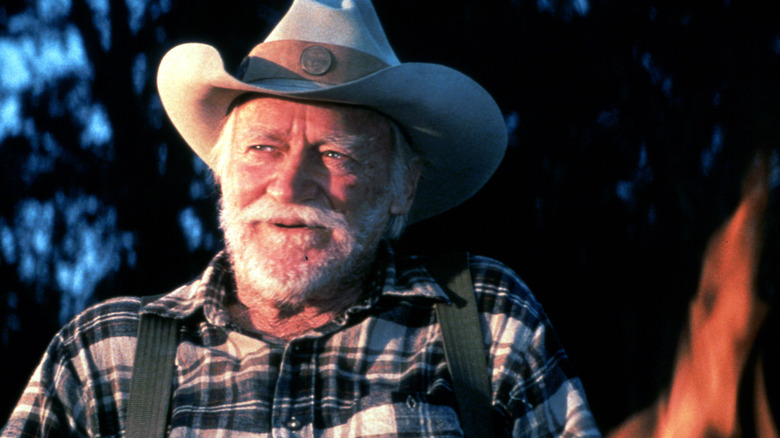
Another big outlier in Lynch’s filmography is the road movie, The Straight Story, a film which throws out Lynch’s surrealist tendencies in favour of a story about a man travelling the country in search of connection. Based on the true story of Alvin Straight’s journey across Iowa and Wisconsin on a lawnmower, the film is named The Straight Story both because of its connection to the real man, but also because the film is incredibly straightforward in its narrative. Marketed as a family-movie, it is easily Lynch’s simplest story, a story of a man just travelling, and the slow movement of his vehicle allowing the film to showcase the beauty of the American countryside ad the way of life. It is an exploration of the American Dream, a lust for connection and something better even this late in life. Road movies are commonly characterised by the characters our lead meet along their journey, and how they help them in their journey, and Lynch, who showcased his love for humanity and connection in projects like Twin Peaks, shows the best of America in the kindness and appreciation thrown our lead’s way by the people he meets. A simple story contains multitudes, and one of the best Lynch moments, as Alvin recounts his trauma during the war with a fellow World War II veteran in a bar, and how the world is not ready to help those people who have been damaged
8) Lost Highway (1997)
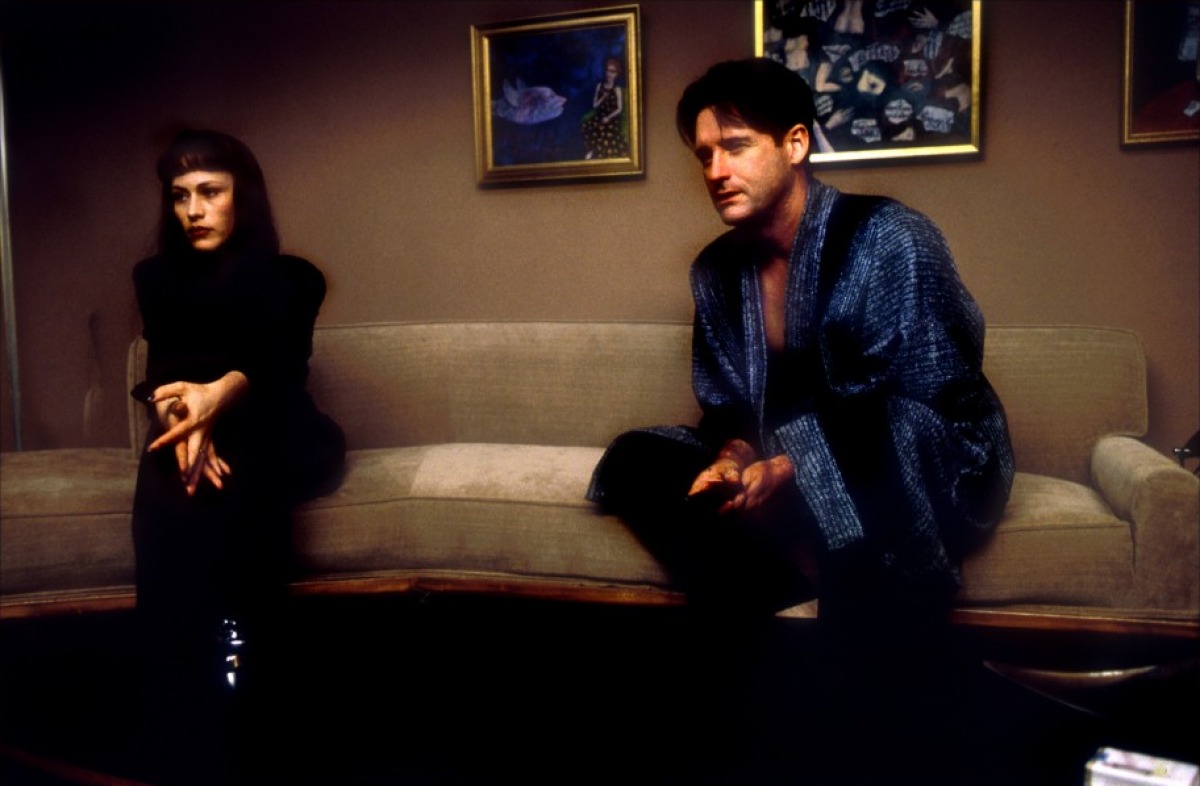
A film which feels like the biggest showcase of Lynch’s tendency to showcase beautiful imagery, paired with an amazing score, and then leave the audience to explain to themselves what they just watched. A narrative which has been described as similar to a Mobius strip, essentially a time loop where the film circles back in on itself by its conclusion. This narrative structure has allowed it to become one of the director’s most-talked about films in trying to understand its meaning, with the director refusing to ever explain what his dream-like films mean. It is a clear film about identity, with the main character literally changing into a second actor halfway through the runtime, as he explores what it is like to be young again, how he would redo his life outside of the prison cell he finds himself in, and forced to make the same mistakes again. Characterised as a neo-noir, it plays heavily with the tropes of the genre, from a lead character who is investigating a mystery, and is constantly thrown into a destructive world of death, sex and darkness. He is plagued by a femme fatale, a female character who represents the sexuality of the genre, and acts as a mysterious woman who is usually dubious in nature.
Alice represents this character well, as Patricia Arquette plays double roles as both Alice and Renee, but the film explores the neo-noir world, as described by Arquette herself ‘through the eyes of a misogynist’. Lynch’s works commonly focus around sexual abuse, and commonly that abuse faced by women, and Renee sees herself as a victim of the men in her life, and when reborn as Alice, she does not live in a perfect world, she is instead seen as a dubious woman who the men in her life still sees as a monster. Paired with an incredible score by Angelo Badalamenti and Barry Adamson, the movie feels like a living nightmare, and a perfect look at some of Lynch’s most incredible filmmaking tendencies
7) Inland Empire (2006)
Lynch’s final film, Inland Empire, feels like one of the most Lynchian films ever made, a perfect final movie which includes every theme of the director’s previous works, and a perfect conclusion to his filmmaking career. Laura Dern returns to the world of Lynch and puts in one of her best performances, in a film which can only be compared to a living nightmare. Written, shot, directed, scored and edited by solely Lynch himself, the film follows a Hollywood actress who begins to lose her identity when entering a cursed production, which cause nightmares and her to inhabit the character’s personality. No film could be described as more genre less than this film, a film which defies the conventions of various genres but still sees itself as a combination of so many genres, from surrealism, crime, drama, horror and fantasy. It explores the long-running themes of the director, exploring a dissolution with self, dissociation with one’s identity, and continues Lynch’s dark exploration of Hollywood and the filmmaking life which follows from Mulholland Drive and Lost Highway.
Lynch’s choice to shoot the film on digital gives the film an intimate look, a grainy feel which makes every sequence feel more frightening, and closer to home, and draws a direct comparison to porn videos, continuing Lynch’s look into sexual crimes and the danger that women face. The film features some of the most frightening images in Lynch’s filmography and some of his most bizarre, as the narrative comes together as a loose collection of scenes that need to be paced together, unified by tone and their confusion drawing more fear. It is a beautiful final big-screen outing from the director, a three-hour exploration into dreams and nightmares, a movie which makes you feel like you are floating with each sequence
6) The Elephant Man (1980)
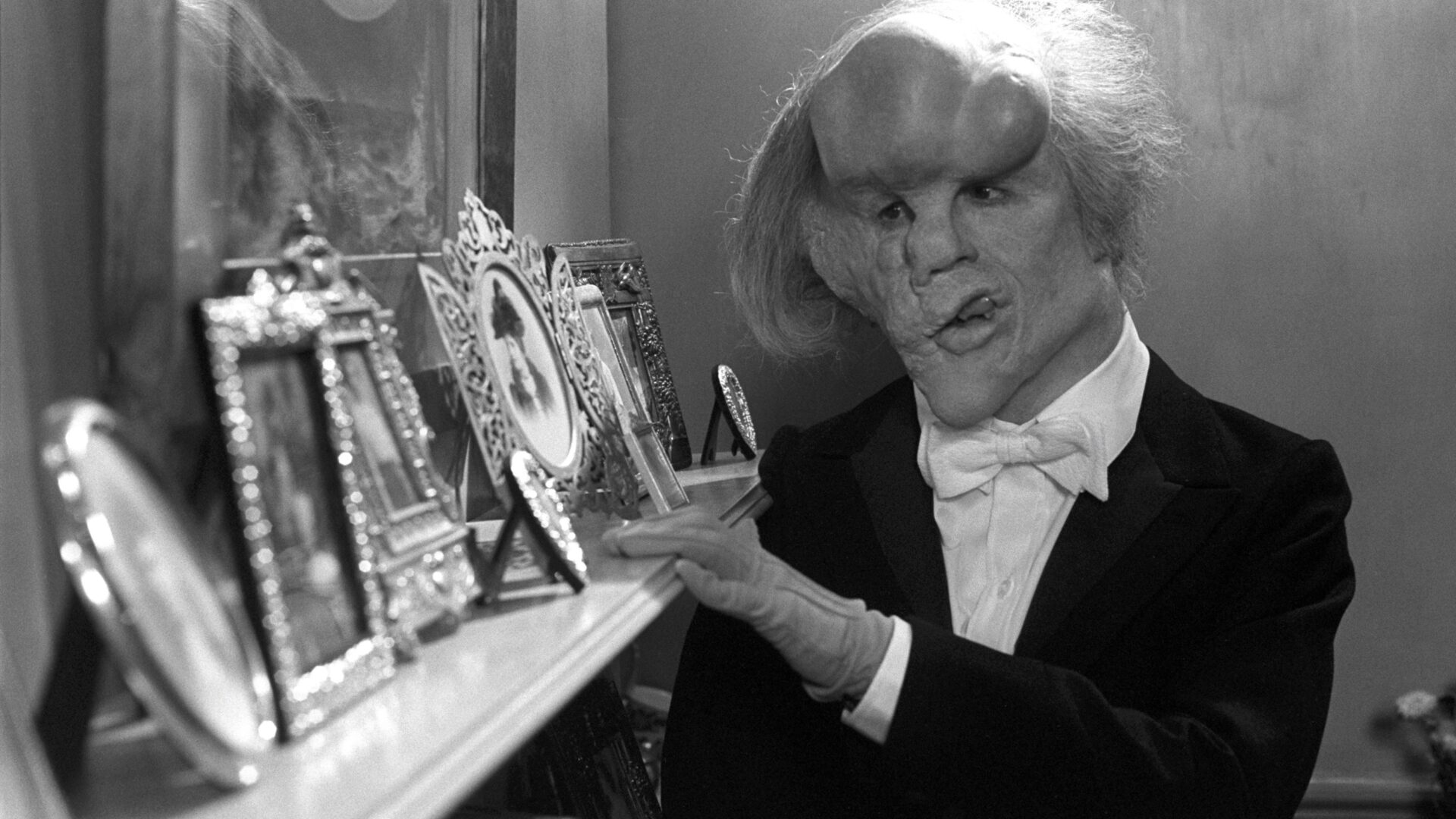
Lynch’s second feature feels like one of his most emotional, the story of a man with a physical ailment who deals with the common theme of identity, as his physical form causes him to face both pain and love. John Hurt does wonders crafting a character who the audience barely ever sees face-to-face, doing wonders in acting without ever completely showing his face. It could not have been easy to pull off a character who the audience cannot connect with face-to-face, but he manages to make the audience feel for the character and deliver one of the most emotional performances in any drama. It is such a powerful character that the makeup was criticised for not being nominated at that year’s Oscars ceremony, causing the creation of the Academy Award for Best Makeup at the following year’s ceremony. The film even gained widespread acclaim, receiving eight nominations at the Oscars, with Lynch being up for Best Director and John Hurt up for best Actor, though the film finished the night with no awards.
The film is loosely based on the life of Joseph Merrick, which had already been adapted into two novels and a broadway play, and caused the film to be sued to claim copyright infringement. Freddie Francis’ black-and-white cinematography allows it to stand apart from the various other adaptations of the story, giving it the feel of a documentary, and bringing an authentic feel to the setting of 19th century London. It is easily one of Lynch’s most emotional films, relaying a very straightforward story which emphasises human compassion and connection, paired with some of the best performances of Anthony Hopkins’ and John Hurt’s careers
5) Eraserhead (1977)
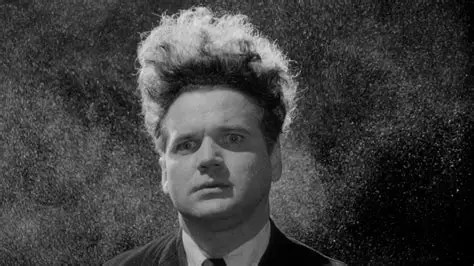
The film where it all began and marked Lynch as a powerful filmmaker in the surrealist scene. Starring Jack Nance, who would become a staple actor in the director’s works, a man who is thrown into an unexpected time in his life when he must care for his deformed baby. Here is where a lot of Lynch’s most iconic themes start from, Nance’s Henry Spencer is a regular everyman, whose identity is formed by his inactivity and passivity to the events going on, only becoming proactive in the end, when he kills his own child. The act is awarded by the mysterious Lady in the Radiator, representing Spencer’s pursuit of identity, his pursuit of becoming proactive in his own life, even if his choice begins Lynch’s common look at men’s violence, which morphed into sexual abuse exploration later in his career. There is a lot of sexual imagery throughout the film, opening with a image of conception, and Spencer going through a sort of coming of age throughout the film, as he is scared, but fascinated by the concept of sex. The child represents a sperm-like creature, the Lady in the Radiator even violently smashes various sperm creatures in her musical sequence, drawing a connection to sexual violence towards men, as Lynch showcasing the dangers of sexual growth.
There is a reason why this film became a cult-classic and why it launched Lynch into becoming one of our most popular filmmakers, it can frighten you and shock you, but its impossible to look and not be fascinated by the images on screen, it’s a perfect sensory experience. Industrial sounds frequently fill the backdrop of the audio landscape, disorienting the audience from the out-there visuals on display and creating a contrast between these real-world sounds and the visuals. The sound design of this film is just something that cannot be talked about enough, it is why the film is so unsettling throughout and still stands high as one of Lynch’s best features.
4) Wild at Heart (1990)
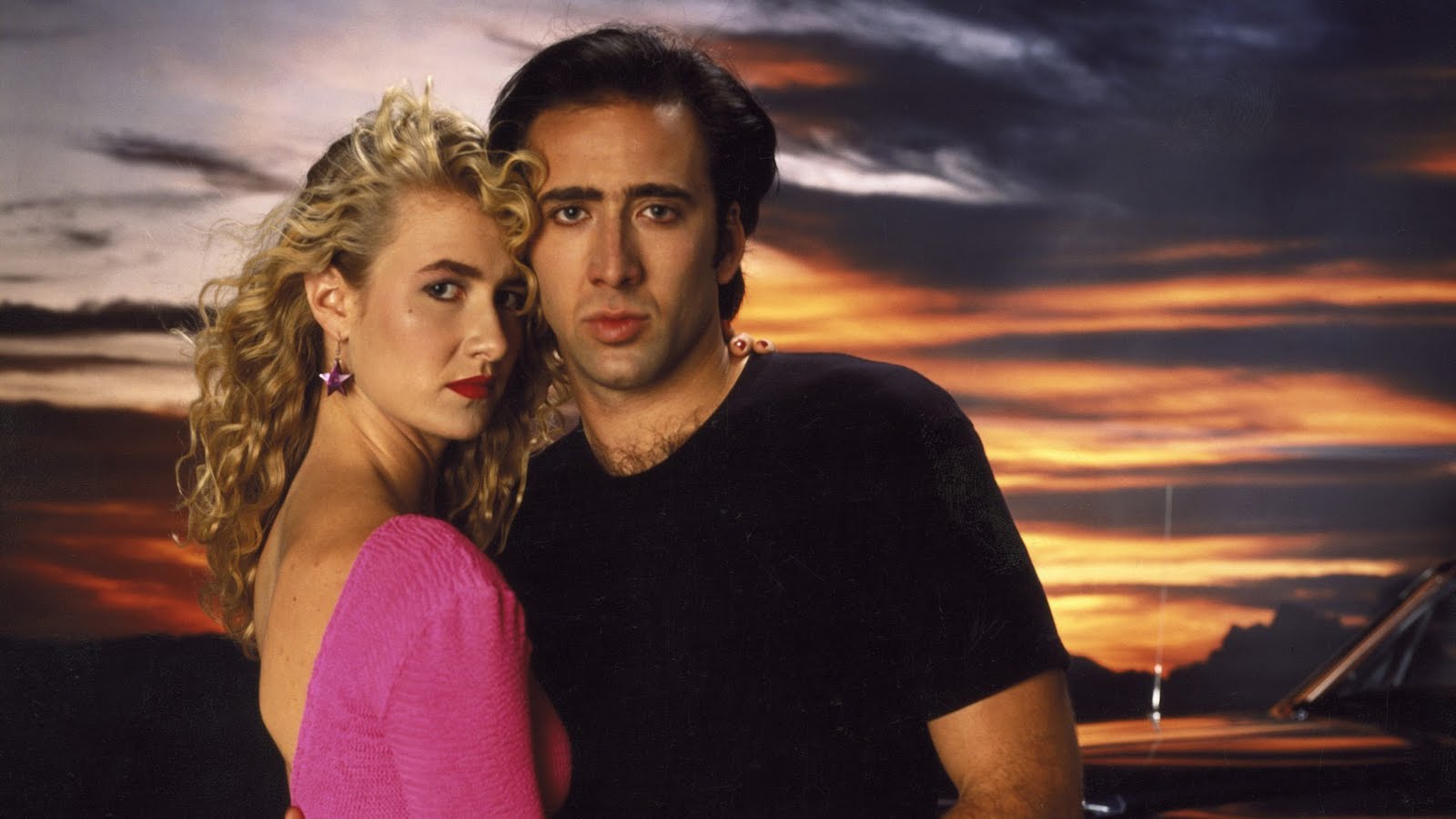
A film that would usually be expected to be a lot lower on some people’s ranking, Wild at Heart is a beautiful fever dream of a movie, a film that both compliments and subverts what would come with the Straight Story years later. It acts as basically a anti-road movie, as our characters move across the seedy underbelly of the American landscape, and meet every scum and horrific character that gives them trouble, far removed from the positive and loving look at American life from Lynch’s later road movie. Characters like Bobby Peru, played perfectly by Willem Dafoe, especially feel creepy and monstrous, pure villains who just continue to explore Lynch’s look into the pain that men can cause. There is an attempt at times to make every character increasingly over the top, which emphasises the villainous qualities, and the heroic and desperate love between Ripley and Fortune, played perfectly by Nicholas Cage and Laura Dern respectively. The movie’s dreamy qualities come into play when the movie makes various allusions to classic film, The Wizard of Oz, which acts as an escape for our various characters, a dream of a perfect world away from violence, and the sexual abuse faced.
The road is referred to as the Yellow Brick Road commonly by the characters, a possible escape from the pain of the real world, and after she is sexually assaulted by Bobby Peru, Fortune clicks her red heels together twice, just like Dorothy, hoping to return to the safety of home. Sheryl Lee, who played Twin Peaks’ Laura Palmer, even appears as Glenda the Good Witch, appearing to convince Ripley and Fortune to get back together, to reject the pain of the unknown and embrace each other again, the one bit of freedom and happiness the two have known. It is a deeply passionate love story, that embraces romance and sexuality in a positive way, when done with a partner who really cares for you. The lightness of the feature mixes well with the darkness, embracing Lynch’s beautiful character work.
3) Blue Velvet (1986)
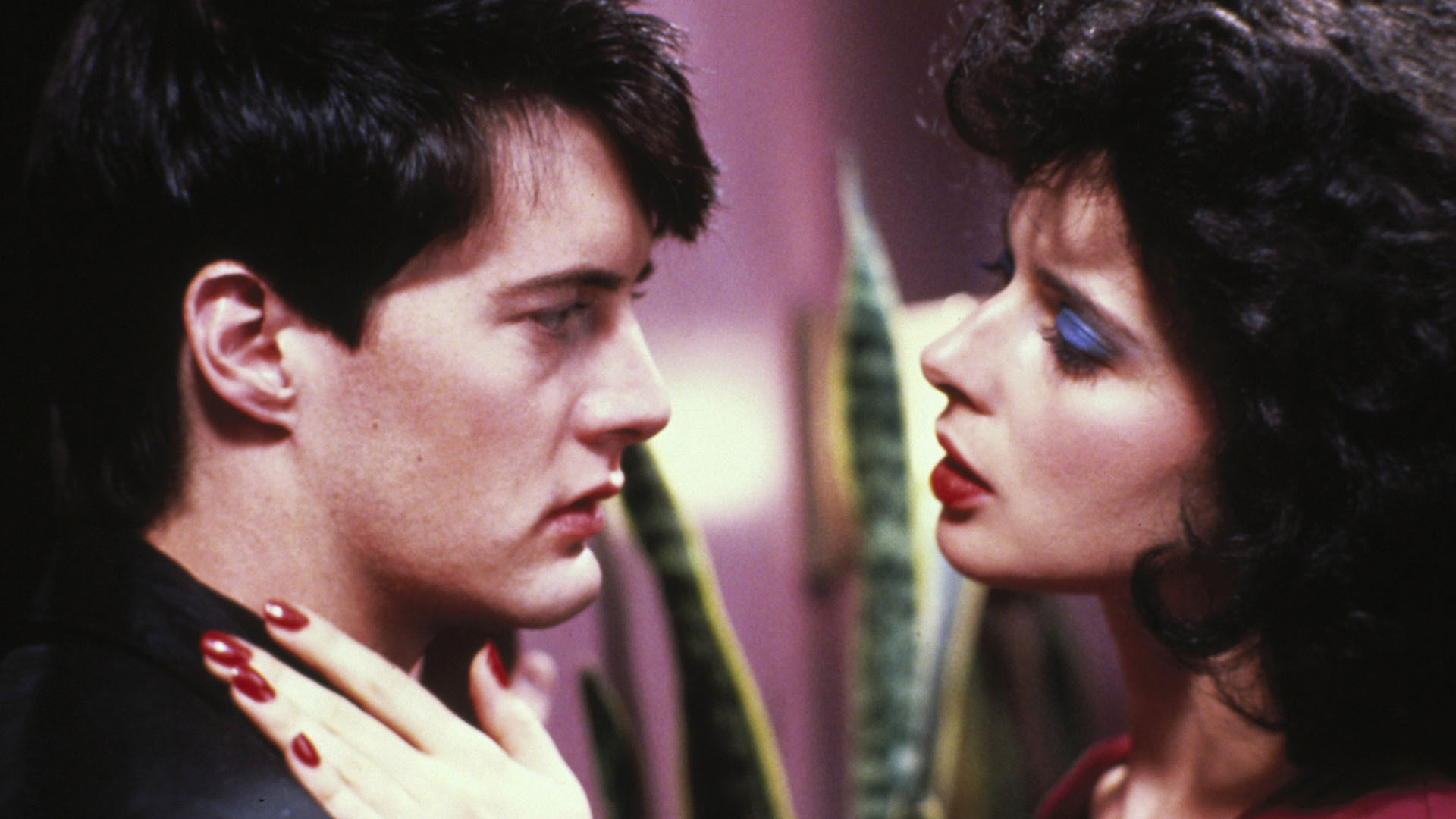
Lynch’s big comeback film after the failure of his big studio blockbuster, Dune, Blue Velvet has become of his most popular films since release, named as one of his ‘magnum opus’ features. Starring Kyle MacLachlan in a perfect role for the young actor, he plays a developing college man, who is drawn into the world of the seedy underbelly of his town when finding a severed human ear in a field. Easily being able to be described as a coming-of-age film by the director, the film sees MacLachlan’s Jeffrey Beaumont stuck between the love of the girl-next-door type character Sandy, played by Laura Dern, and the mysterious troubled older woman, Dorothy, played by Isabella Rossellini. A simple mystery with surrealist elements, the true narrative forms from looking at the film in a Freudian way, as Jeffrey represents the Child in the Oedipal stage, a developing man who is drawn to the motherly figure in Dorothy, and by the violence displayed by lead villain Frank Booth. Frank represents a father figure to the young man, a violent father who represents the cruel world he is stepping into, and the normalised violence that men inflict on women. This violence could consume Jeffrey, to inflict his ownership over Dorothy, and the sequences where Jeffrey watches Booth inflict pain on Dorothy when hiding in her closet showcases this. It is the forbidden pull of violence and the mysterious love of an older woman, that can only be pulled away from when Jeffrey finds a woman of his own age, in Sandy, a woman that can pull him away from the mother figure.
Lighting becomes a key component in keeping the film in the neo-noir genre, dark and surrealist images conveying the danger that Jeffrey is taking part in keeping with Dorothy, and the true hidden horror she is also facing. It is incredibly real and disturbing imagery, that the film was initially reviewed middlingly because of the use of the sexual violence in such explicit ways. These frightening visuals however are used to build to a beautiful moment, as Jeffrey and Sandy reconcile, the screen filling with bright warm light, a terrific contrast to the former events. It is a simple narrative with so much complexity, and setting up various narrative devices and images that Lynch will continue to use throughout his filmmaking career. The seeds that will become Twin Peaks from here, from the musical sequences that make the audience feel like they are floating with every beat, and the appearance of red curtains, which eventually form the red room in the series. It is a haunting, beautiful film about the pull of growing older, and the hometown secrets that are bubbling under the surface, a Lynch classic.
2) Twin Peaks: Fire Walk With Me (1992)
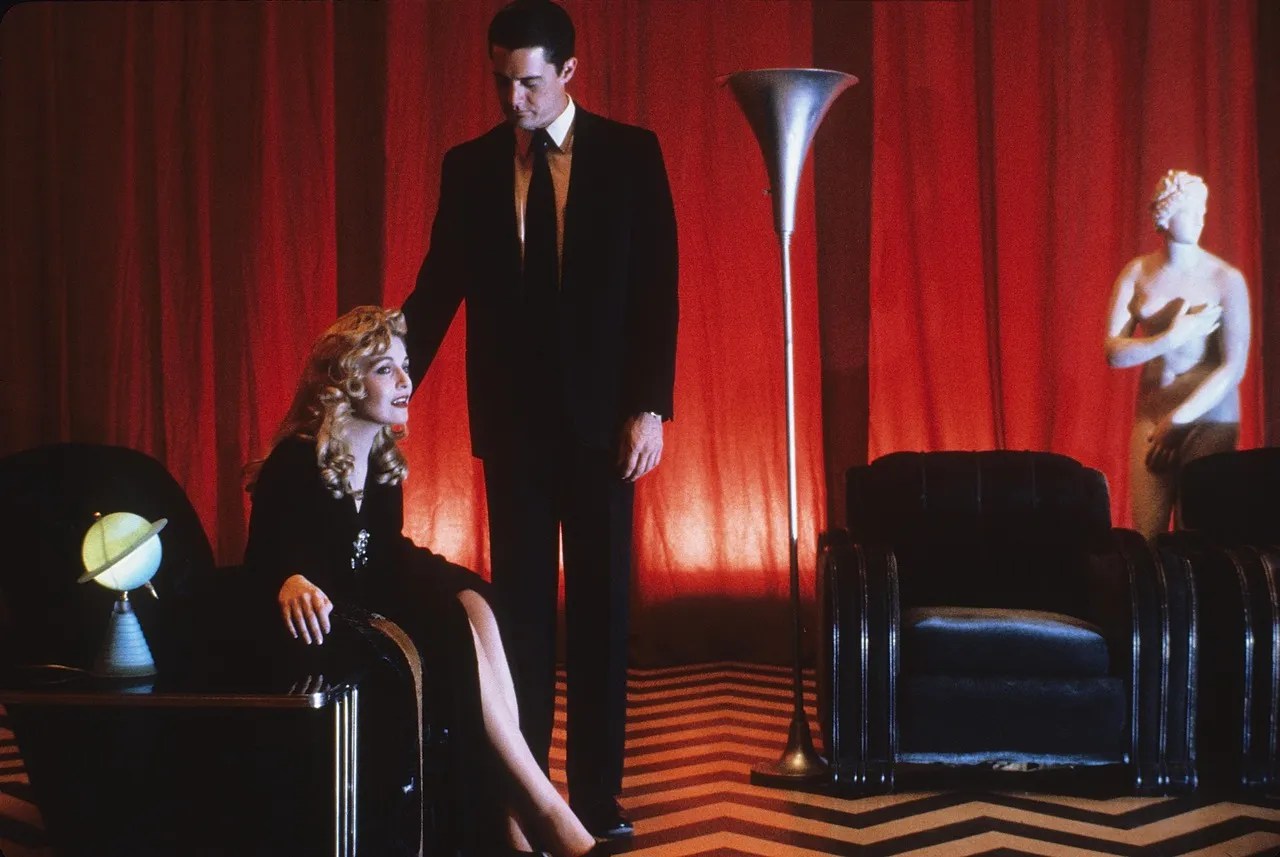
The runner-up goes to the film that served as both a prequel and sequel to what most would say was Lynch’s biggest project, Twin Peaks. Fire Walk With Me was meant to serve as the first of multiple spin-off movies that would serve as the continuation of the show’s narrative, years before the actual revival, and after the cliffhanger ending of the show’s second season. This film took us back to the final days of Laura Palmer but also seeks to feature various references to the plot ongoing in the show’s future, after the show’s sudden cancellation. It features a perfect showcase of turning people’s expectations on their heads and pulling an audience into a false sense of security, opening with something familiar to every member of the audience who had seen the show. FBI agents are sent to a small-town to investigate the death of a girl, with the help of various familiar faces, but things go awry instantly, and the feeling that will return in the show’s revival season comes to the forefront, the fact you cannot ever go home, that nothing will be the same. Where the town of Twin Peaks welcomed Dale Cooper with open arms, the town are hostile to our new agents, and these small worrying changes opens the door to one of Lynch’s most unsettling films. The audience are aware of the reveals of the show, that Laura’s own father is possessed by the villainous Bob, and that Leland Palmer himself was the one who killed Laura. So, when we finally return to the town of Twin Peaks, there is no hiding the horrors in display, the story may include supernatural imagery, and some incredible horror sequences, but it is at heart the story of the sexual abuse a father can inflict on his own daughter.
It is deeply unsettling, and horrific, but so simple in basic structure, as the true horror comes from scenes in the household, from Sheryl Lee’s shook performance and Ray Wise’s chilling performance as Leland. One of the biggest aspects of the show is that it opens with Laura already dead, and through the various characters you learn about her and feel for her because they do. However, off the back of watching this film, you can start that first episode again and feel those emotions alongside the characters, fleshing Laura out into a full-blown tragic character.
1) Mulholland Drive (2001)
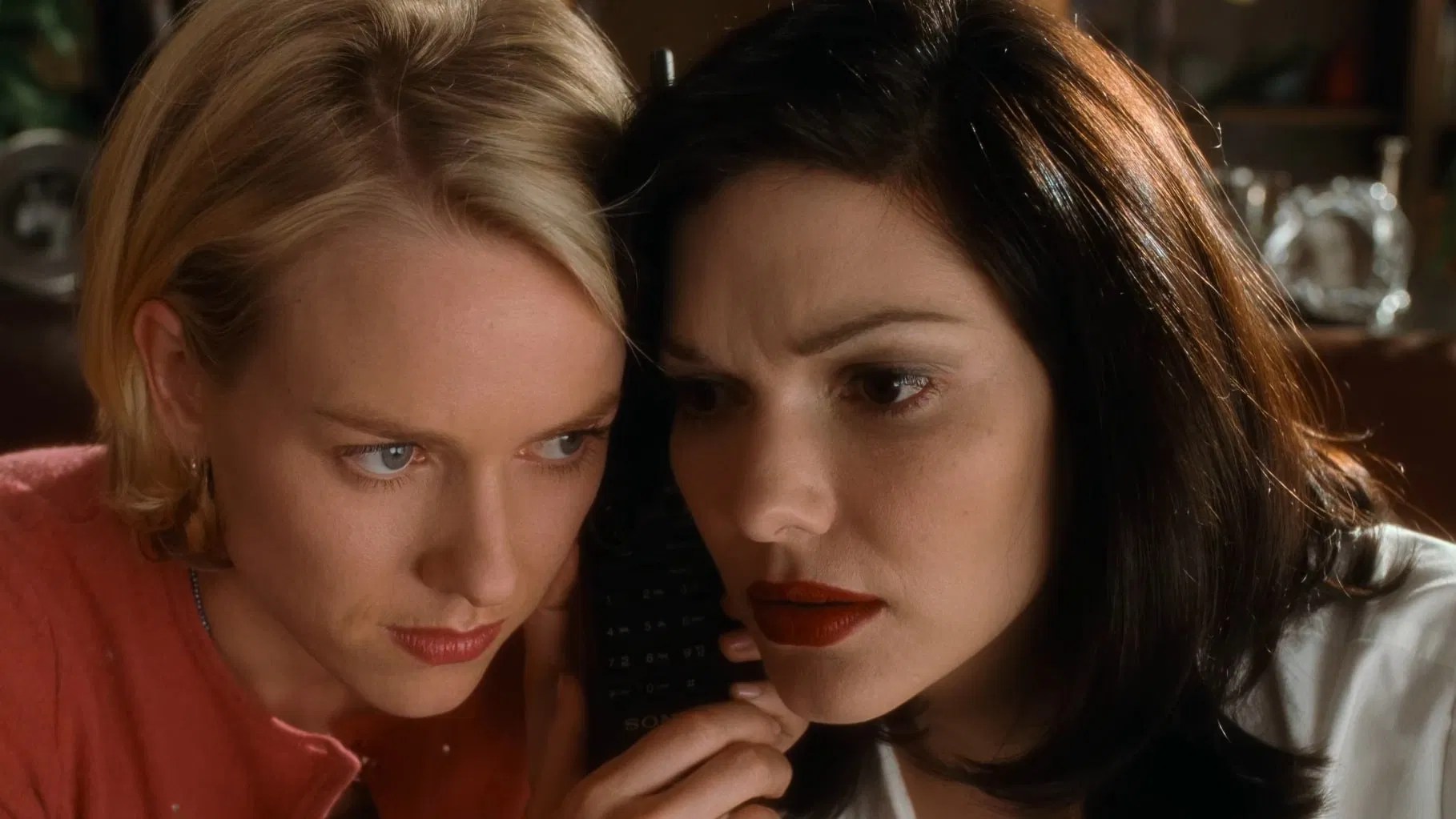
Sitting at the top of our list is a film that commonly features near the top of everyone’s Lynch list, and that is Mulholland Drive. A true mystery box of a feature, a true neo-noir looks at the Hollywood system, the film was initially meant to be a television series, with a pilot being filmed from the footage that would become the film. After ABC viewed the initial cut for the pilot however, they scrapped it and Lynch went on to repurpose the script for a film, filming new material and writing a ending into the script. A true Lynchian classic, the film has compelled critics and audiences for the last decade to try and understand its meaning, to try and see what the true narrative tells. Lynch sees it as a straightforward film, a film that tells a clear-cut narrative, but that usually comes from a perspective of seeing the film just through the lens of dreams, or as a mood piece. Critics like Ebert note that various scenes, plotlines and vignettes seemingly go nowhere, which may be a holdover from the pilot’s script, or just the way dreams go, dreams don’t have a natural endpoint, you just wake up. However, various actual narrative theories have persisted through the years, namely the film’s look at the horrors of Hollywood. Lynch clearly holds a warm candle to the past, to the early days of Hollywood, giving a sort of nostalgia-tinted lens to those days, but he does not shy away from how twisted Hollywood can be, and certainly how rough it is on new voices in the modern day.
Both Naomi Watts and Laura Harring serve dual roles in the narrative, Watts portraying Diane and Betty, and Harring as Camilla and Rita. Which is the true self in this scenario is what has plagued theorists for years, but the common assumption is that the true narrative is Watts’ Diane imagining the actions of her life through the promising and successful Betty. Diane has ruined her life, it has slumped without the success she desperately desires, and in her pain, she arranges for her ex-lover, Rita, to be killed. Desperate to remove herself from the world, she recontextualizes her life as one where she is Betty, an upcoming movie-star, who is living the life of an old Hollywood movie, and one where Rita has become Camilla, a dependant amnesiac which allows her a second chance at both controlling her and loving her. It is a purposeful ode to a film that inspired Lynch so many years ago, Sunset Boulevard, and you can only hope these works will continue to inspire people for years to come
 Rhys Reviews
Leave a comment