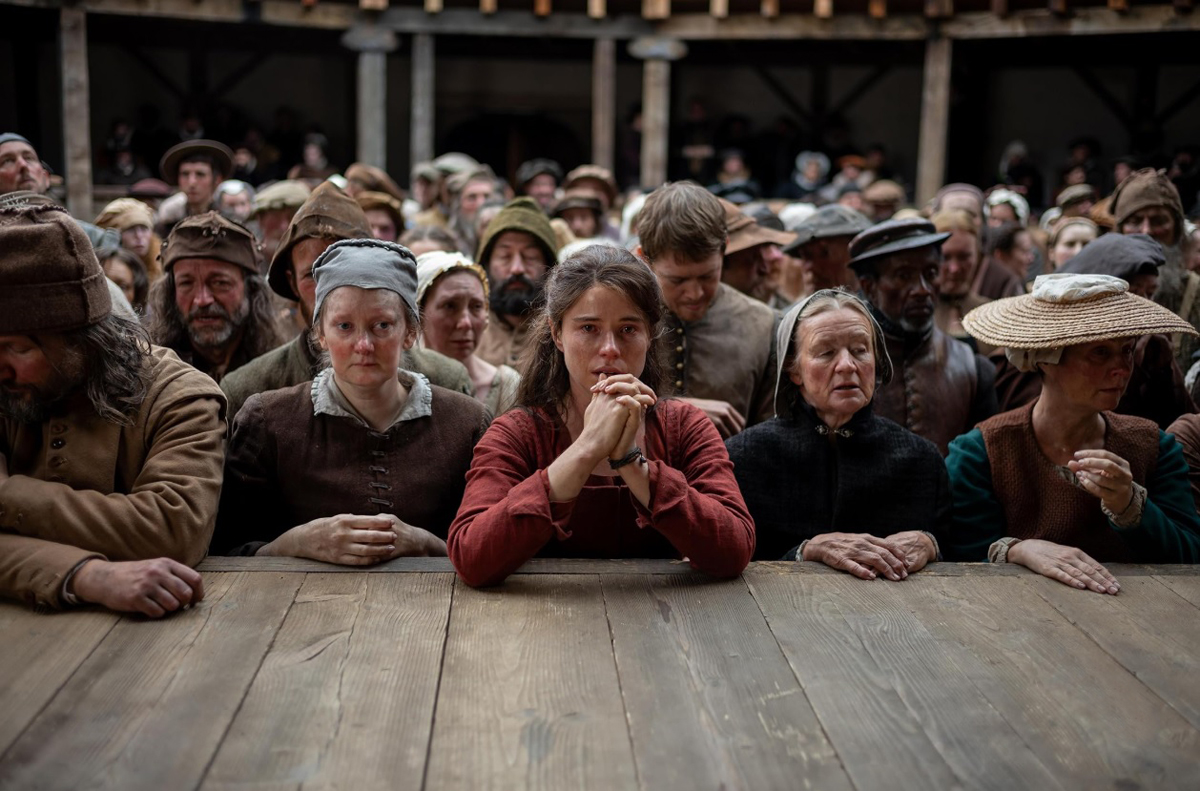
Chloe Zhao was a filmmaker who steadily created work that was lesser known across Hollywood, with her 2015 and 2017 features known as Songs my Brothers Taught Me and The Rider respectively. It was only until 2020, when she released the film Nomadland, did she raise her stock in Hollywood and jump into the limelight, with the film winning Best Picture and Best Director at the year’s Oscars, alongside Best Actress for lead Frances McDormand. Her next project would be franchise material, directing the Marvel feature film Eternals, putting her hand into the superhero genre and mainstream Hollywood, to a mixed response. The film became the first feature in the Marvel Cinematic Universe to not receive generally positive reviews, and the first film to faced with a rotten score on website aggregator Rotten Tomatoes. Plans for a sequel, which originally had Zhao returning, were put on hold and it took four years for Zhao to return to the big screen.
Hamnet, which just released in the UK this January, after a wider release in the US in 2025, feels like a return to form for the director, a film which returns her to the heights that warranted her those Oscars only six years ago. Hamnet tells a dramatized series of events based on the life of William Shakespeare, focusing on his family life with wife Agnes Hathaway, and the death of their young son Hamnet. The film is based on the 2020 novel of the same name by Maggie O’Farrell, which had already been adapted to stage across 2023 and 2024. Hamnet had died at the age of eleven in 1596, an event that has been very little discussed by scholars, with it being argued whether he died of the bubonic plague or not. The life of Agnes is also known very little, a mysterious section of Shakespeare’s life that is highly debated. This gap in scholarship is why O’Farrell wrote the novel, attempting to give them a voice and presence, and focusing on the impact of the death of a child, and the battle a child takes part in when facing illness. Hamlet is one of Shakespeare’s most notable stories, long discussed about what it truly represents thematically, and both film and novel represent it as a way for Shakespeare to get over the death of his young son.
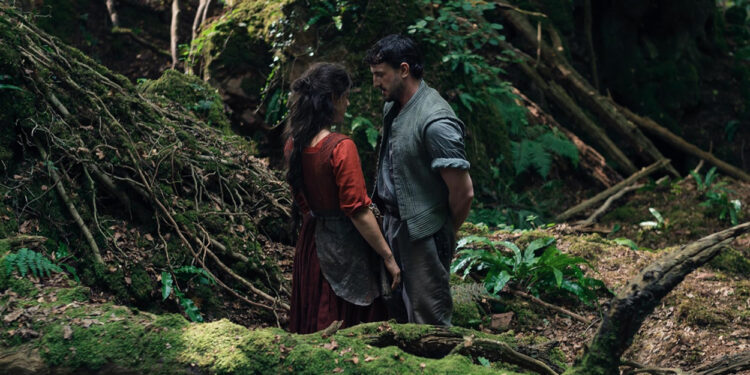
Zhao’s film will be remembered mostly for its central performances, that has gained the film so many of its awards during this year’s award season, with Jessie Buckley already winning Best Actress at the Critics Choice Movie Awards and Best Actress in a Motion Picture-Drama at the Golden Globes. However, it is important to note the filmmaking on display firstly as well. Zhao shoots a beautiful looking film, paired with immaculate cinematography by Lukasz Zal. Nature makes up a massive backdrop for the film, paired with the dull and grimy look at city-life, while nature looks lush, colourful and lively. These two elements come together as a pair, when the power of art comes with drawn backdrops of Shakespeare’s plays showing the beauty of nature and the realism of life. Zhao shoots so many of the sequences from one angle, long shots which take up a lot of the room but the camera staying stagnant, especially sequences taking place in the home of the Shakespeare’s. Zhao brings across that feel of the stage play, and how Shakespeare’s life shapes the plays he creates, life imitating art. The power of art is the biggest theme of the film, as Hamlet becomes a vehicle for William to process his grief from, acknowledging how art can be the ultimate source of emotion and working through those emotions. The final sequences, which demonstrate the power of Hamlet, is one of the most emotional moments of the 2025 film season, shot mostly on Buckley’s face in a powerful showcase of her acting talents.
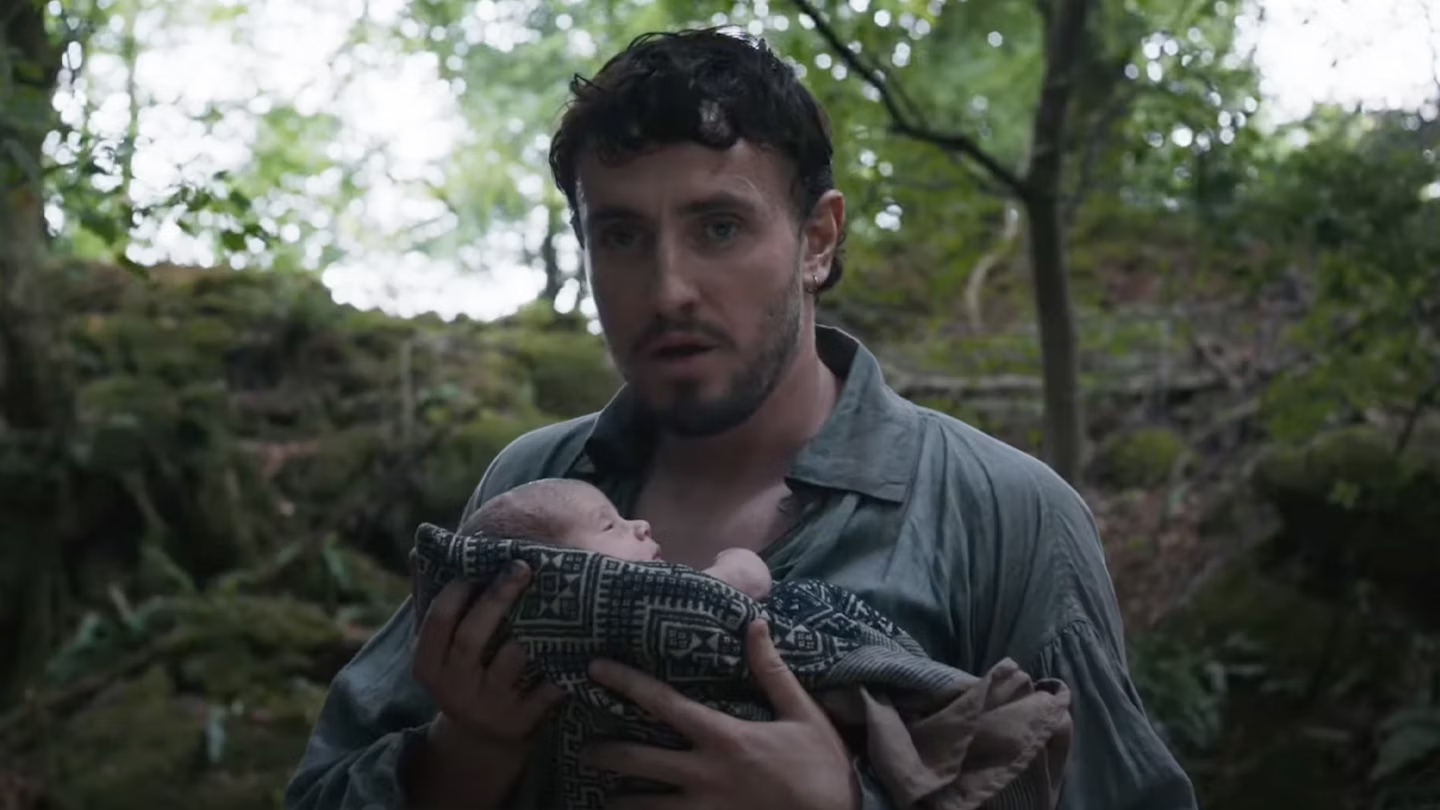
Jessie Buckley seems to be the favourite for the Best Actress award for the Oscars this year, and it’s very easy to see why. She feels very natural in her role, from loving mother to devastated griever, with that closing sequence featuring some of the most fantastic facial acting all year. The film is so emotionally damning because of Buckley’s performance, she has a lot of baggage to carry around as her character must mould itself around the current mood of the film. From mysterious woman of the woods falling in love, to romantic love with children, to becoming a being who is defined by her grief and the sorrow of losing a child, Buckley handles everything perfectly in what is probably her greatest performance yet. She has perfected the cry of pain, a cry that haunts the rest of the film and will leave the viewer motionless.
Agnes is a character so deeply rooted into Buckley’s performance that it is hard to define who the character is without, deeply removed from any tropes that would come in a tragedy film like this. Paul Mescal is also equally excellent in a role that he feels typecast in nowadays. It is a under the radar performance, that has been seeing him get nominated but not winning, because of how similar it is to his roles in films like Aftersun, the television series Normal People and All of Us Strangers. He excels at playing troubled men, with each project always featuring a long take shot of him breaking down crying, he seems drawn to portraying broken and sad characters, and he continues to excel in that type of role. The small moments of happiness in the beginning sets up beautiful chemistry between Mescal and Buckley, which only adds to the silence when the relationship is broken by the final act. Specific attention should also be paid to young performer Jacobi Jupe, who portrays the titular character, a fantastic performance for such a young talent. He delivers all the Shakespearean dialogue perfectly, and manages to do what the role demands, to make you feel for a person lost to history and make the audience cry.
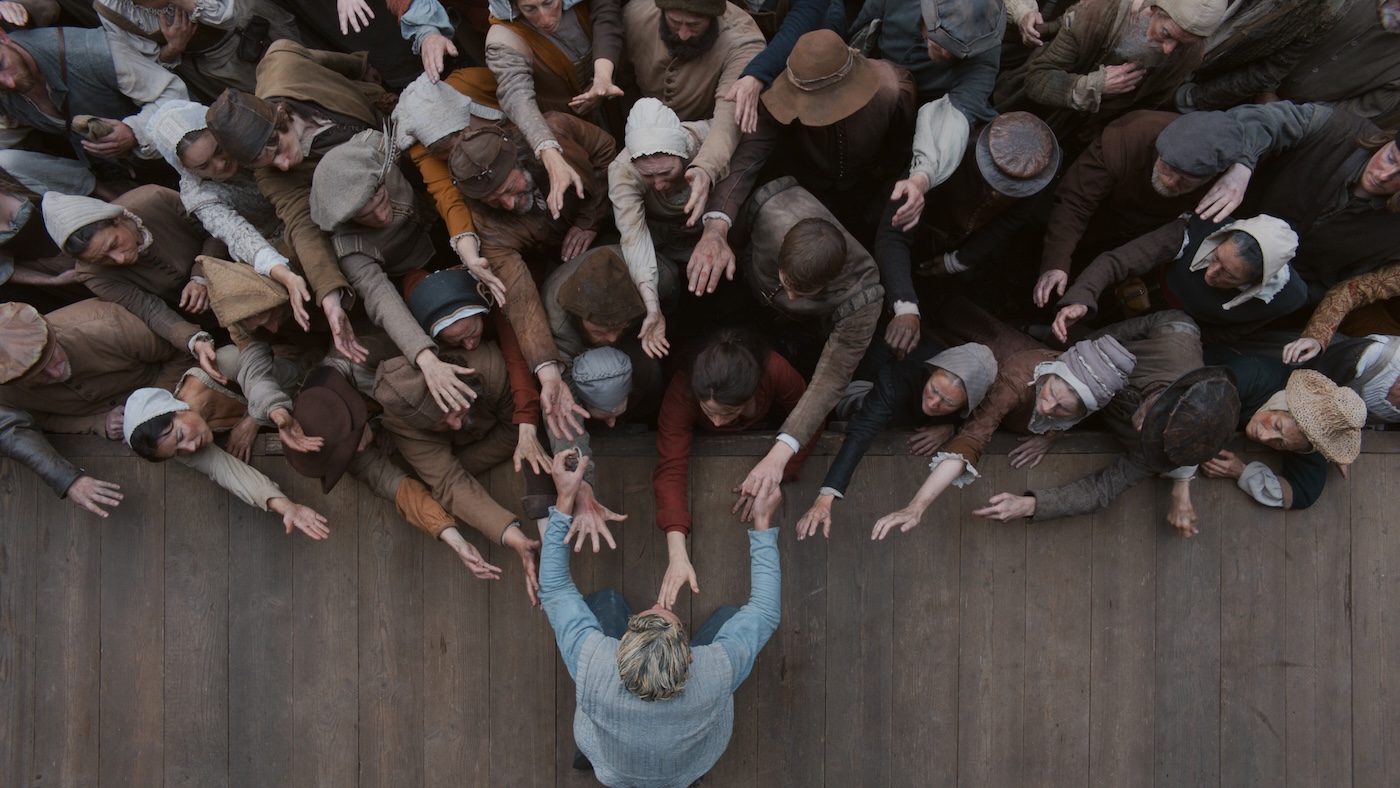
Hamnet is a hard watch for sure, a soul crushing film in a year of films that seemed more pessimistic than usual. It is a film designed to mine the most emotions out of both its cast and the audience, designed as a pure tearjerker, but its passion for the arts shines through even further. Art as a form to understand pain and overcome trauma is a powerful theme across the film, a powerful love letter to the art of theatre, film and the works of William Shakespeare, a worthy film to stand alongside Shakespeare’s original magnum opus
 Rhys Reviews
Leave a comment