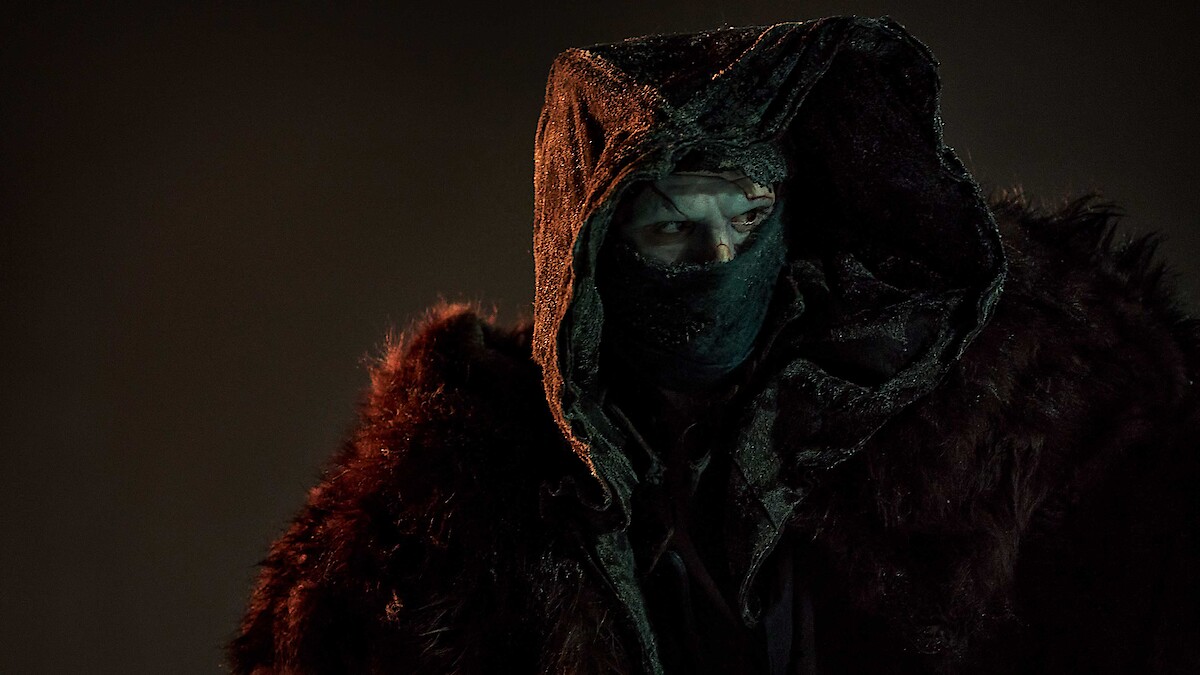
Various characters throughout history have become almost mythological, so contained in culture that every generation will know about them, even if they have never read the original story they were formed from. From Dracula to Pinocchio, Sherlock Holmes to the Peter Pan, or one of the most adapted monsters of all time, Frankenstein’s Monster. The character originates from the 1818 gothic novel that shares the name with the character, also known as the Modern Prometheus, written by Mary Shelley, who published the novel anonymously, until attaching her name in a re-release in 1821. The novel follows the life of Victor Frankenstein; a scientist obsessed with conquering death and creating life. In the process of understanding life, the scientist brings together remnants of dismembered corpses and brings to life an amalgamated corpse that plagues him throughout his remaining life. The first film adaptation of the monster would come in 1910 by Edison Studios, a silent film which was lost to time until being found in the 1980s. After another silent era film in 1915, the Monster would come back to the big screen in his most famous cinematic endeavour, portrayed by Boris Karloff in 1931’s Universal Pictures’ Frankenstein.
Separating the events of the books between the film and its 1935 sequel, Bride of Frankenstein, the films took liberties with the material and turned the monster from horrific victim-turned villain, into a brainless monster who was more of a victim than an antagonist. 1939’s Son of Frankenstein would be the last time the most iconic version of the character would be portrayed by Boris Karloff, the franchise moving into crossovers with characters like Dracula, The Wolf Man and comedians Abbott and Costello. British versions of the character would come in the Hammer horror series, beginning with The Curse of Frankenstein in 1957, and ending with Frankenstein and the Monster from Hell in 1974. Future cinematic depictions of the monster would use both the Universal Pictures version and the Hammer Horror version as a basis, creating films based on film original characters like Igor or The Bride, or depicting the character as either a tragic hero or a mindless monster, far from the horror character from the text.
Kenneth Branagh’s film, known as Mary Shelley’s Frankenstein, would follow the success of Bram Stoker’ Dracula from Francis Ford Coppola, releasing in 1994. The title would be deceiving however, as the feature would differ incredibly from the novel, even with the author’s name attached. The original script for the feature was helmed by Frank Darabont, who would go on to direct features like The Shawshank Redemption, and a script that Guillermo Del Toro would describe as a ‘pretty much perfect’ script. Del Toro had made his interest in directing a Frankenstein adaptation known for decades, first stating in 2007 and was then announced to be part of a three-year picture deal with Universal Pictures, making the film alongside Dr Jekyll and Mr Hyde, Slaughterhouse-Five and Drood. None of these films would come to fruition, with Del Toro’s Frankenstein film being paused once Universal Pictures transitioned their Universal Monsters characters into their Dark Universe shared universe. The project was finally revived in 2023, when Del Toro signed a multi-year deal with Netflix to release films on the service, and the success of his animated Pinocchio movie allowed him to get the funding to finally craft his dream feature. Beginning a limited theatrical release on October 17th 2025, and finally released on Netflix this November, Del Toro’s Frankenstein is released on the world after so many years in development.
Del Toro’s film opens in the same way that the novel opens, a ship gets stranded in the Arctic and the crew pick up a badly injured Victor Frankenstein, who is being hunted across the frozen wasteland by his creation. Once free of the monster briefly, the movie conveys its narrative through Victor telling the ship captain his past but also allows the film to separate the film in half. Separated as chapter titles, the film begins as Victor’s recounting of events and then switches to the Monster’s own perspective. This matches the film’s character exploration and its use of the unreliable narrator, Victor is a troubled character across this film, the film very heavily handily says at a certain point that he is the true monster, and the film conveys this by showing the differences once it switches perspectives. Victor sees the world one way, and some relationships one way, but they are revealed to be figments of his imagination once you get the Monster’s more streamlined and simplistic perspective. Del Toro conveys the narrative as more of a gothic tragedy, for both the monster and Victor, as he picks up the sympathetic portrayals of the monster from the Universal features.
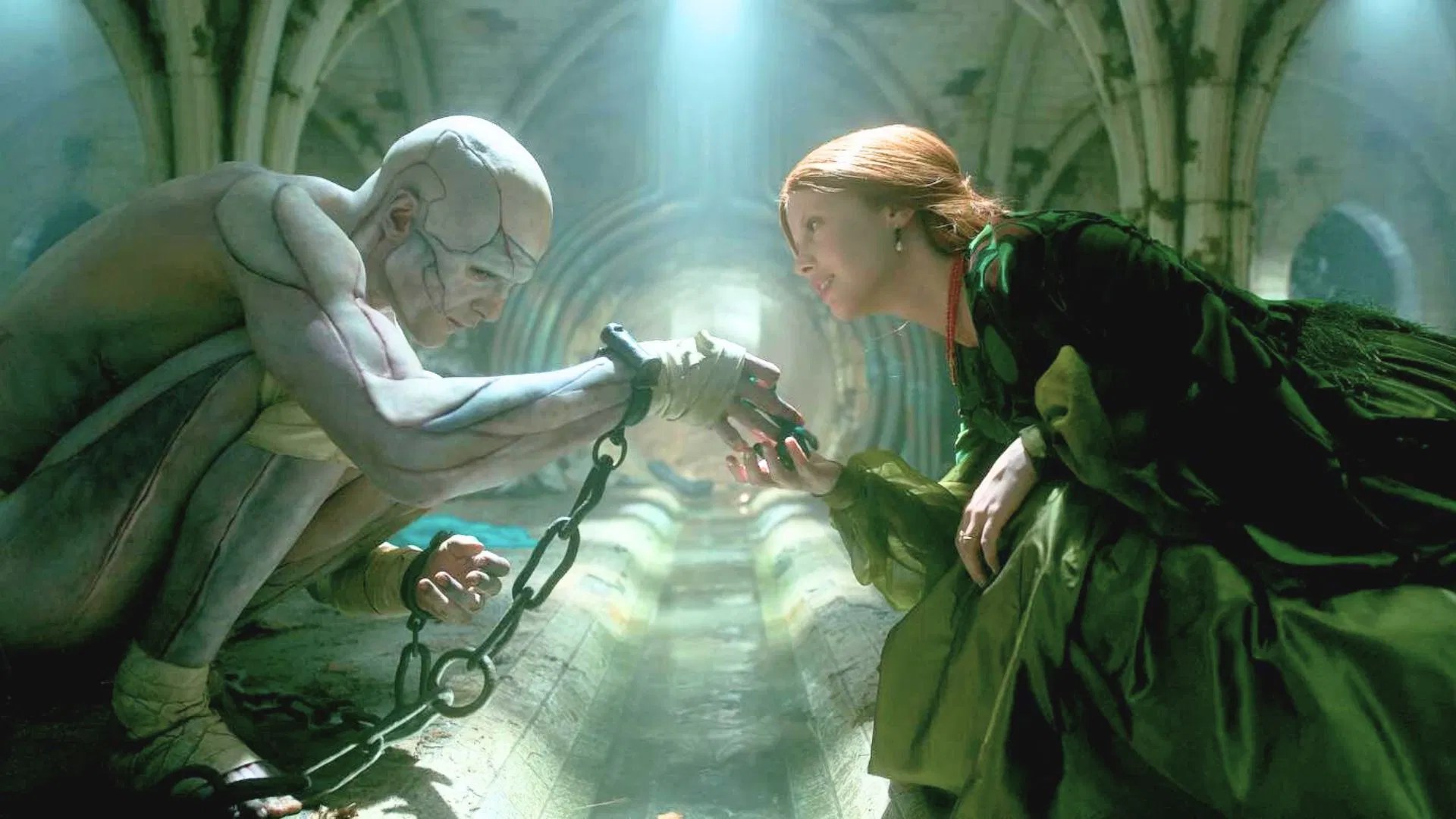
Jacob Elordi’s performance in this film will be the thing that will be talked about most after the film has been on Netflix for years, and it is only right. Elordi disappears into the role, proving himself an incredibly capable actor, and even more impressive when he was the second choice for the role after Andrew Garfield departed the role. There is an innocence to the character that he can portray, as he learns the world for the first time, and the movie makes you feel for him as he faces abuse at the hands of his creator. However, what the film also manages to balance that many versions are unable to, is making him scary as well. Elordi’s massive height allows him to be both a gentle giant but also a towering presence, a force of nature who becomes consumed by vengeance and loneliness. There is something so sad about the character, as he struggles with becoming the thing he is told he is, and how experiences life’s struggles, not its strengths.
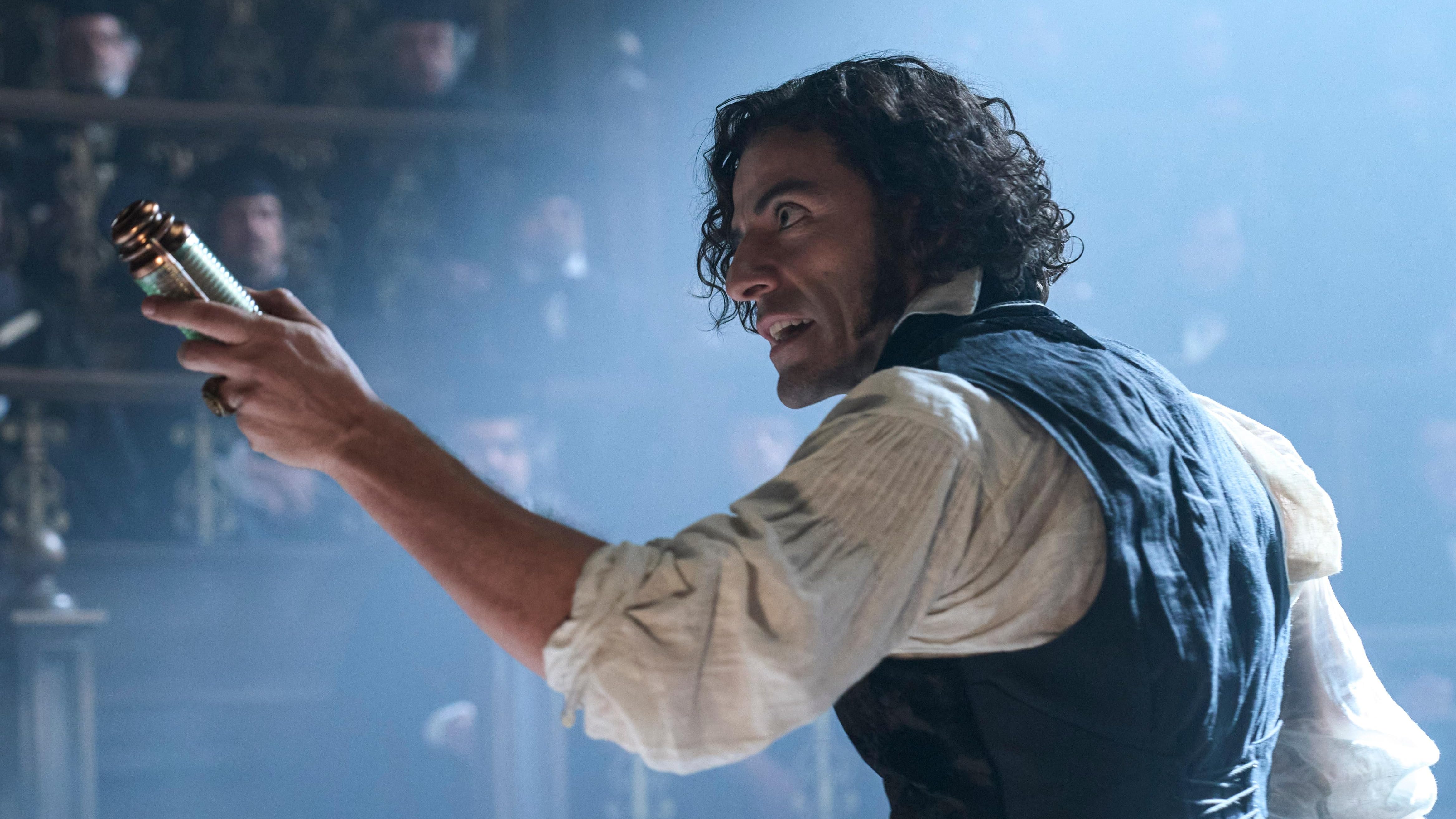
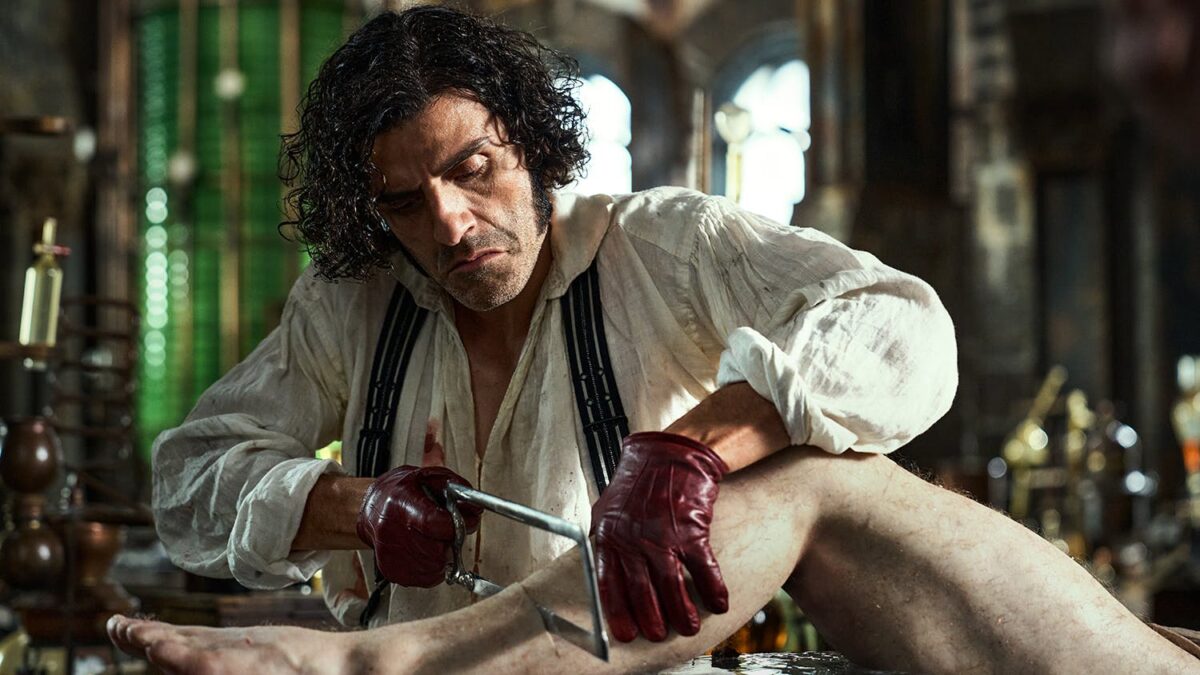
Most of his abuse comes from his creator, who features in one of the film’s biggest changes from the novel, as Victor keeps the monster after his creation, rather than almost instantly leaving it to go on the run. This brief time with the monster becomes important, as his ego comes to full effect as he moves from protective father to an abuser, who repeats his father’s mistakes. Oscar Isaac brings a level of gravitas to this multi-faceted character, keeping the character from falling too far down the villain category. He is a tragic figure, who contains the film’s messages around nature versus nurture, the power of nature when trying to play God, and generational trauma. The film takes its time in building Victor as a character, with an incredibly slow-paced opening act which explores his childhood and how he brings the monster alive, enough time to give the character enough backstory to make him sympathetic. Isaac can play much with the ego of the character, and his obsession with science and controlling life and death, coming from a personal history with death.
His trauma from being abused by his father is passed down to the monster, as the film makes you sympathise with both characters for their shared trauma and the constantly continuing cycle of hurting the other. Elordi’s Monster doesn’t want to feel alone, shown in a translation of a scene from the book, where he demands Victor to make him a bride, which comes across less threatening and more desperate in this version. The refusal to give him a companion is the final nail in the coffin for him, as his creator refuses to allow him to live and feel happy, resorting instead to succumb to his monstrous appearance and inflict the pain he also faced. This slow-paced opening allows great exploration into some of the minor characters, with a specific memorable performance coming from Christoph Waltz. Mia Goth’s role as Victor’s brother’s fiancée, and as the romantic connection for Victor, is a slightly underdeveloped part of the narrative, but later narrative reveals showcase the purpose for this. Her tenderest moments come from her interactions with the Monster, the one character who is not scared of his appearance, her role seems to bring a level of humanity to the monster, tender moments that bring warmth to a very serious film.
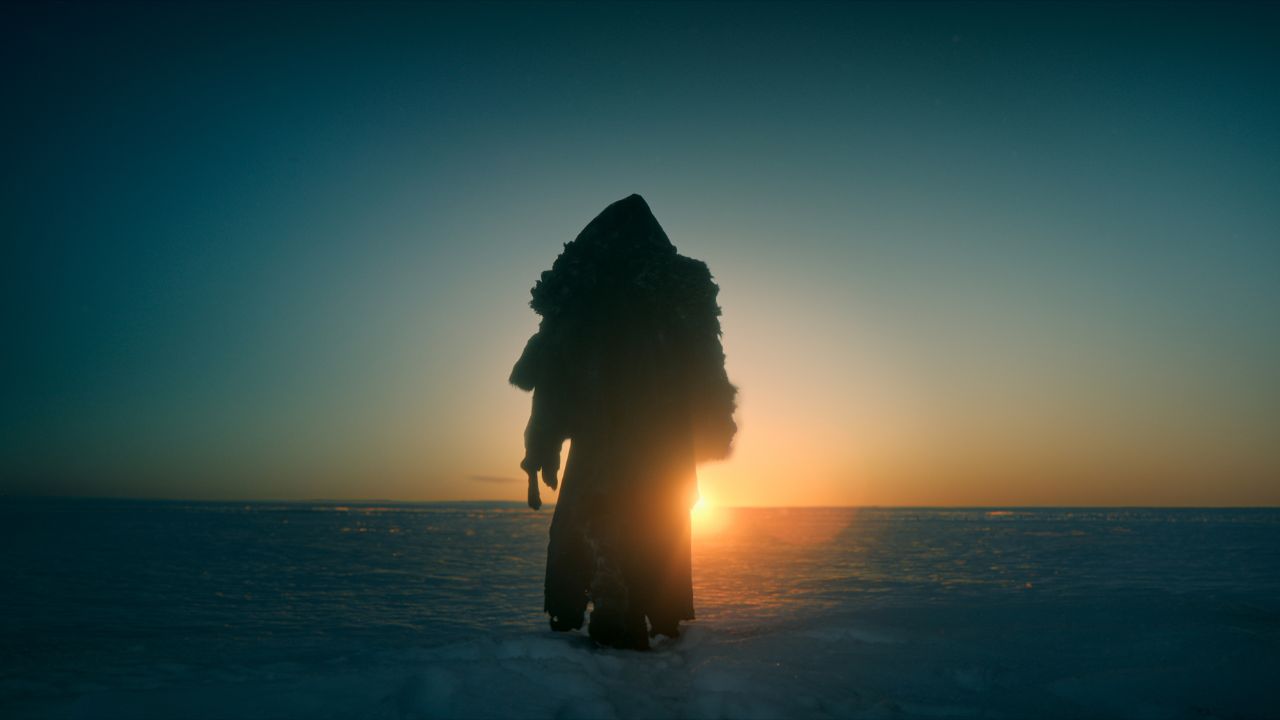
The film feels like almost a culmination of Del Toro’s career so far, from his early work with Cronos and The Devil’s Backbone, to more contemporary work like Pan’s Labyrinth and Crimson Peak, Frankenstein feels like all the elements of those features put on as a final display. Del Toro feels drawn to monsters throughout his films, with films like The Shape of Water showcasing the beauty and humanity of what is seen as monstrous, and the tragic tale of Frankenstein’s Monster just climaxes that draw. His films have always had a level of gothic backdrops to them, his use of shadows and muted colours have always been a draw, and his look at fantastical technological in a world grounded in moody backdrops. The locations in Frankenstein invoke the gothic backdrops of Crimson Peaks and reflect the visual look of Hammer Horror and Universal Monsters takes on the characters. The production design of the film is immensely impressive, with fantastic costuming and an incredible attention to detail in the use of Mia Goth’s character in makeup. Del Toro has always had a great control over the camera, and expresses great confidence in direction, and paired with the excellent cinematography by Dan Laustsen, the film looks fantastic. The final sequences where the film finally shows how the Monster and Victor came to the arctic showcase some of the best-looking visuals across the film, as the frozen landscape showcases their slow chase and the sun shines down on them in beautiful shots.
After so many years in development, it could have been easy for Del Toro to deliver something messy and disjointed with all the versions that probably existed over the years, but he has instead delivered a film that feels like a culmination of his work. Frankenstein is a moving piece of cinema that looks at generational trauma, with all the gothic and drama elements pulled from Mary Shelley’s original story. There are clear changes made across the film from the text, but they are all in service of a grand story, a story which still feels the same in its soul as the original text. Jacob Elordi proves himself an incredible talent here and will be the most memorable part of this film for sure.
 Rhys Reviews
Leave a comment