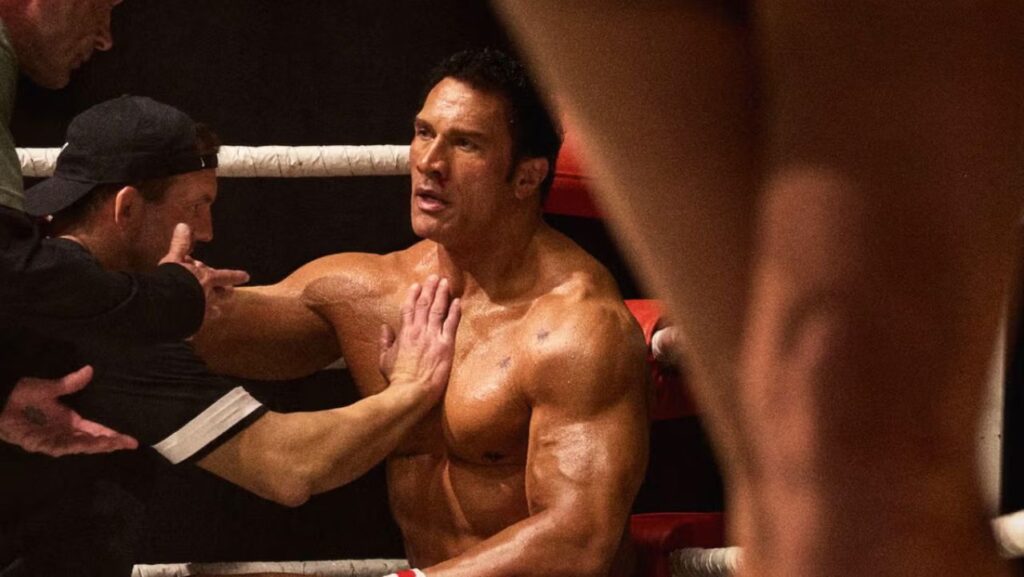
Dwayne Johnson got his start as ‘The Rock’ in WWE wrestling, where he appears on a part-time basis, but made his big splash into the public consciousness as an actor. Making his film debut in 2001’s The Mummy Returns, the actor has had a long-running career starring in action, family and comedy films across the 2000s and the 2010s. The Jumanji franchise came back to prominence with him in the cast, in 2017’s Jumanji: Welcome to the Jungle and 2019’s Jumanji: The Next Level, he has starred as fan favourite character Luke Hobbs in the Fast and Furious franchise beginning with 2011’s Fast Five, and he has lent his voice as Maui in Disney’s Moana duology.
These films have led to him becoming one of the highest paid actors in Hollywood today, an actor synonymous with the blockbuster genre and an actor who draws in a crowd. However, in the aftermath of the COVID-19 pandemic and the change in cinemagoing, the draw of an actor seems to have gone, and Johnson’s films have fell in both popularity and box office success. 2022’s Black Adam was billed as Johnson’s takeover of the DC Universe, with reports of him strongarming creative control around a franchise that had lost its central narrative, but even with revealing the big post-credit cameo of Henry Cavill’s return as Superman, the film bombed. Mere weeks later, the sequels were cancelled, and Peter Safran and James Gunn became the new directors of the brand, and after 2023’s Fast X failed to become profitable, it seemed that the franchise potential of Dwayne Johnson is over.
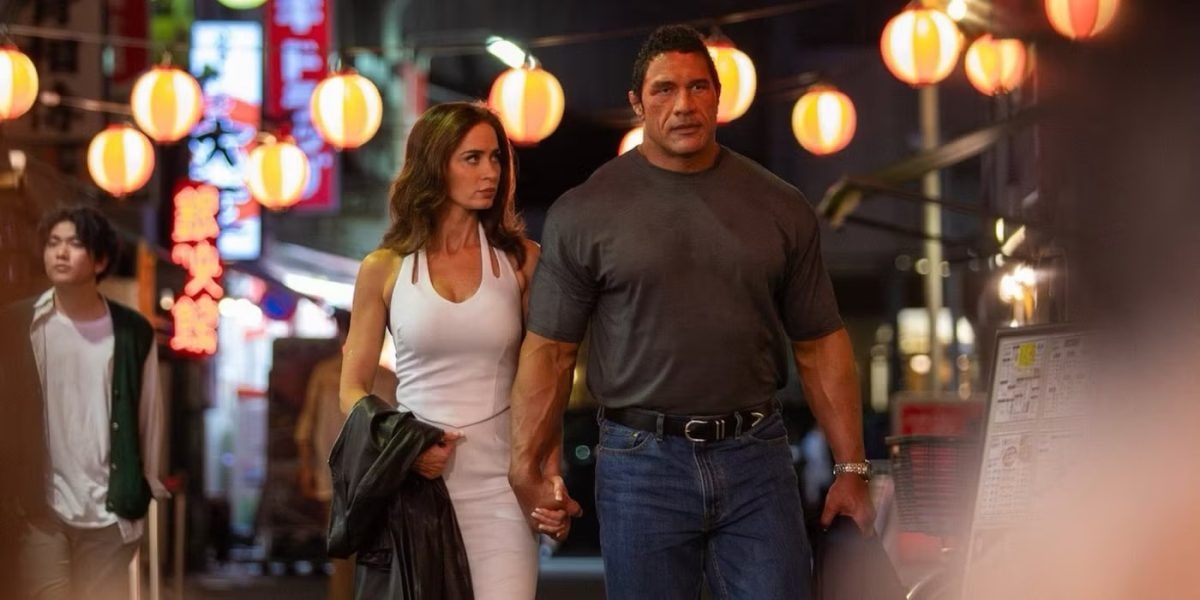
His most recent feature, 2024’s Red One, was a holiday box office disaster, grossing only $185.9 million against an estimated £250 million budget. Though still attached to various blockbusters soon, with a live action Moana remake coming to the big screen in 2026, and a third Jumanji film in production, Dwayne Johnson has made the bold career movie to get into serious acting. The blockbuster actor seems to be attempting to go for the Oscar, and with the help of director Benny Safdie, most known for films like 2019’s Uncut Gems and 2017’s Good Time which he directed with older brother Josh, comes The Smashing Machine. The film stars Johnson as MMA legend Mark Kerr, chronicling the life of one of the first personality fighters in the sport, as the 90s changes the way the sport is played. The film showcases his struggles with addiction and the conflict that rises in his life with girlfriend, Dawn Staples, portrayed by Emily Blunt.
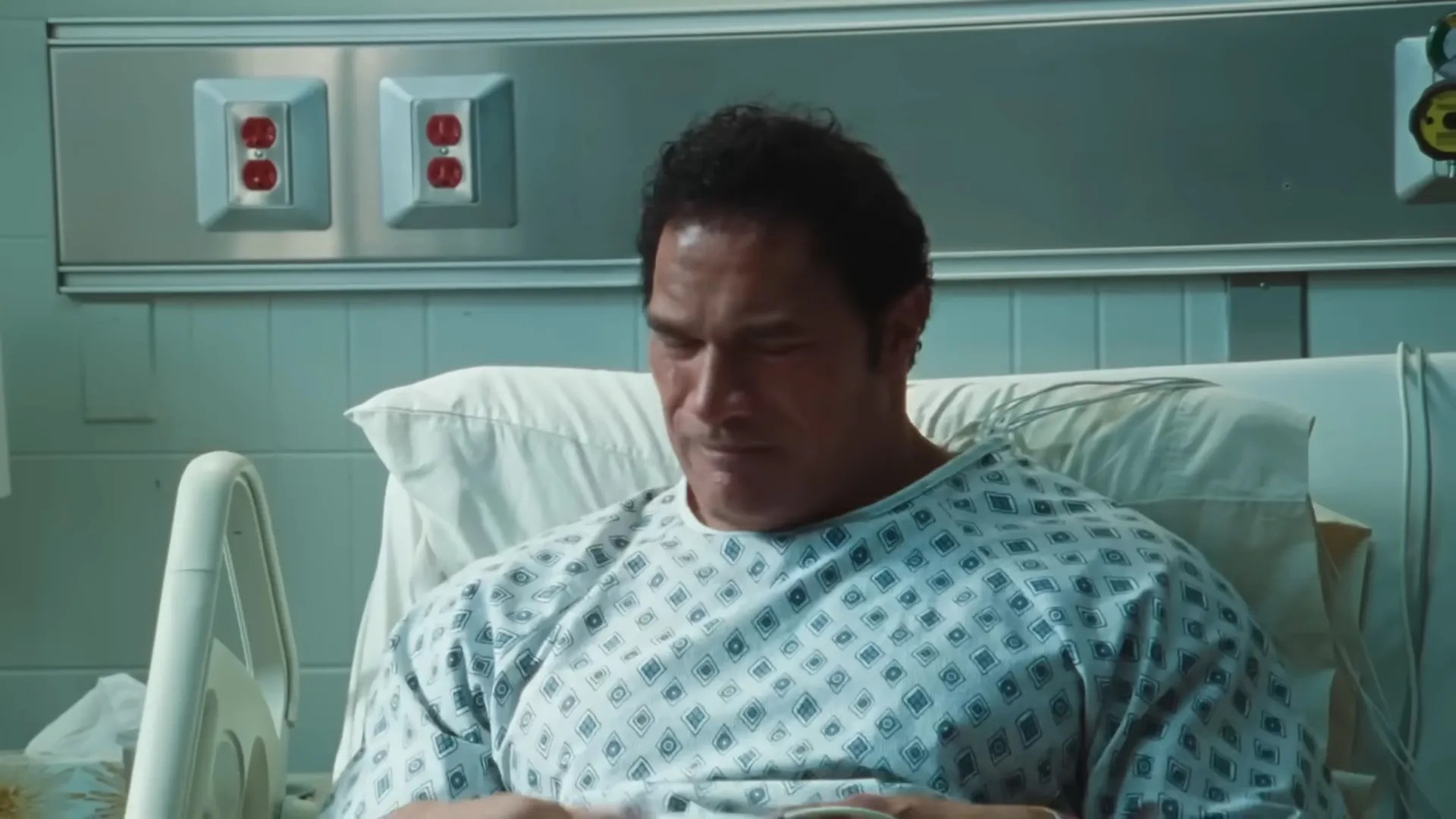
The biggest conversation coming out of this film will easily be around Johnson’s performance, and he really surprises in how capable he is as a dramatic actor. He is a good actor in his action and blockbuster work but has become typecast in the same role in each feature, giving him less of a chance to showcase his talents outside his natural wrestling-born charisma. The Smashing Machine really allows Johnson to show a more vulnerable side, seeing the actor cry on screen for maybe the first time, and to see the actor lose when his career has been set by characters who cannot lose is something very refreshing. It is one of those performances where you can almost forget it is Dwayne Johnson in the role, he looks unrecognisable and dwells the character in both anger, sadness and desperation, which is incredibly unusual for a Johnson performance. The actor also shares incredible chemistry with already proven dramatic actor Emily Blunt, the scenes between them feel very real and natural. Blunt must deal with some heavy topics, and a character who can only be described as a mess, and this constantly changing character is handled perfectly.
Director Benny Safdie was awarded the Silver Lion for Best Director for this film when it premiered at Venice Film Festival, and as his solo-directorial debut the direction impresses. Shot to give a documentary feel, the film has a clear grainy texture which makes the film feel like a home movie, a gentle and homely feel that contrast well with the serious sequences on display. Safdie’s camera is always on the move, staying stationary for very little of the runtime, giving the viewer the feeling that they are a cameraman filming this exclusive documentary. The fight sequences are entertaining and shot with some technical prowess, but there is not enough involvement of this part of Kerr’s life. The film picks a specific part of Kerr’s life to portray; his drug addiction and relationship troubles and puts a lot of the details around his fights and the overall movement of the MMA world to the backburner. Which part of his life an audience would prefer to see is completely up to that viewer, but it feels like a targeted choice to focus on the aspects that would allow Johnson more time to emote for a potential Oscar win.
Safdie’s script however does not feel up to the task of delivering the emotional weight needed for this type of film, with a lot of the dialogue coming across as clunky and strange when not delivered by a capable actor. A large section of the supporting cast includes boxing and MMA champions, with Ryan Bader, Bas Rutten and Oleksandr Usyk all taking roles in the feature, and they all fall flat in both performance and the lines they are given. Bringing these champions in gives the film a level of authenticity, but their acting is just not up to snuff. The film also just lacks a satisfactory narrative structure, the film just retackles the same plot elements repeatedly, multiple fights between Kerr and Staples, multiple drug sequences or a fight sequence, the film is just repeated sequences with very little resolution to each of these plot elements. The film lacks a substantial change in the character’s development or in closing any of these plot elements, that the film just falls into feeling repetitive. A closer look into the rule changes and the other changes that face the MMA during this period, that only exist in the periphery of the film’s narrative, would have livened up the script.

All in all, The Smashing Machine is a film that is brought together by the surprising and impressive central performance by Dwayne Johnson, breaking out of his signature box as an action and comedy actor into a capable serious drama star. The overall film feels very derivative of various other sports dramas that have lit up the big screen over the years and lacks a signature hook outside of the same drama beats which every sports drama already contains. The film ends on a triumphant and emotional note that feels unique to most films in this genre, but that is not true for the rest of the film, and this ending does not feel completely earned because of so. Though underperforming at the box office, this film feels as a stepping stone in Johnson’s future possibility as a known serious actor, and with upcoming features with directors like Martin Scorsese, it can only be hoped that this performance will not be a one time thing, and that Johnson’ career is on a new successful path.
 Rhys Reviews
Leave a comment