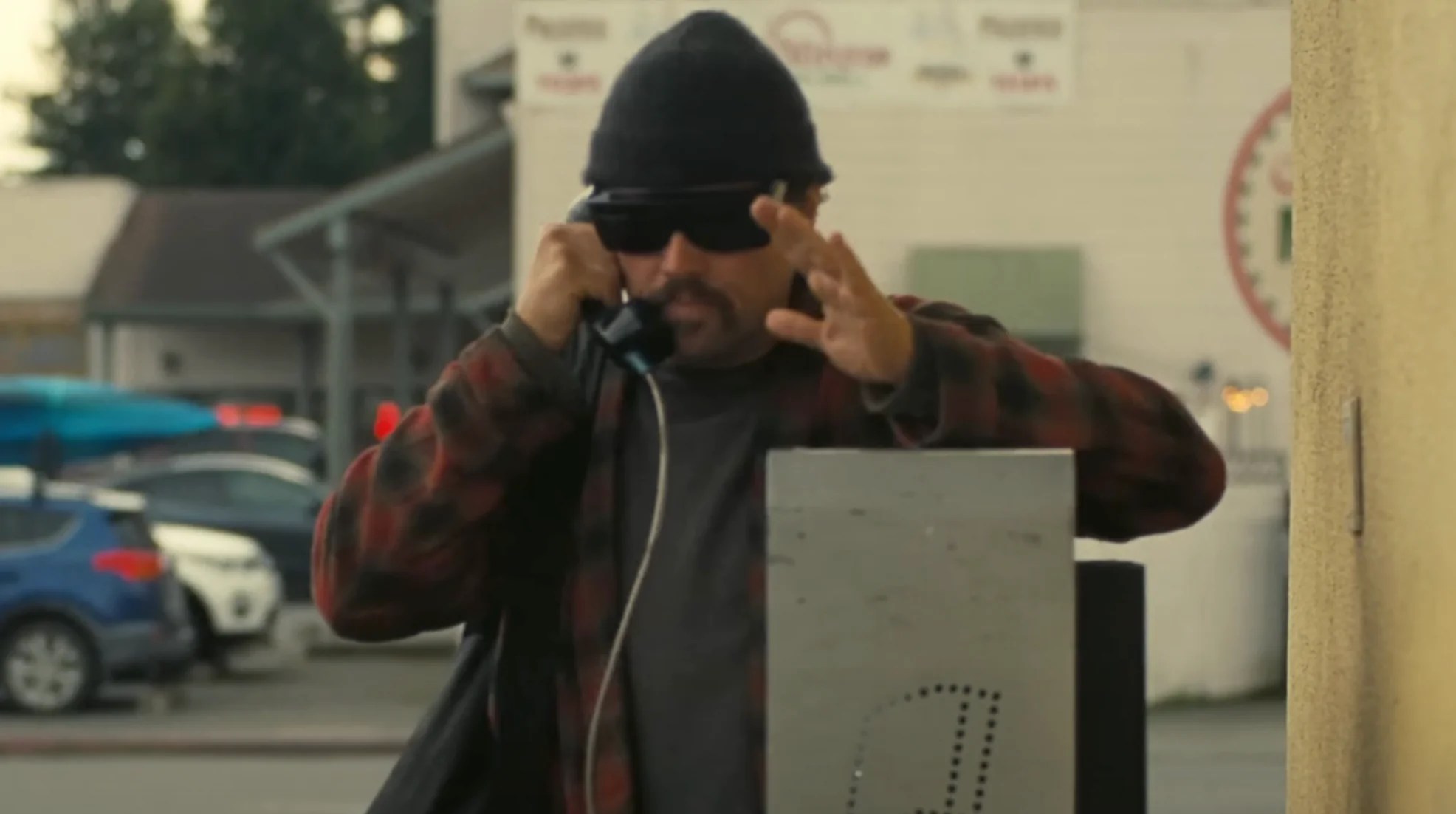
Director Paul Thomas Anderson has not directed a film set in the present day since the release of 2002’s Punch Drunk Love, with each proceeding feature being released as a period piece, from post-World War Two to the 1970’s set features Licorice Pizza and Inherent Vice. Returning to the present day must come for a good reason, for a director whose aesthetic ties so perfectly with the troubles of the past, and with the release of his tenth big budget feature, One Battle After Another, it comes with all the right reasons. Anderson has made a name for himself in Hollywood, being the only director to win Best Director at the Cannes Film Festival, the Silver Lion at the Venice Film Festival, and the Silver and Golden Bear at the Berlin Film Festival. His career rose to stardom with the release of his second feature, 1997’s Boogie Nights, and eventually his films would become classics, with 2007’s There Will Be Blood topping the lists of many critics as one of the greatest films ever made. The director is usually categorised by his films focusing on the psychological drama of its lead, normally focusing on men, and in later films women as well, dealing with alienation, family dysfunction and loneliness, various characters dealing with a crisis of faith or a destruction in their masculinity or femineity.
His previous feature, 2021’s Licorice Pizza, stood outside that regular wheelhouse as a coming-of-age feature, but One Battle After Another delivers an exceptional film epic-level story focused on family dysfunction, but also delivering a narrative that feels topical to the modern day. Inspired by the 1990 novel Vineland by Thomas Pynchon, the film follows a father and daughter dealing with an absent mother, a mother who made a living as a revolutionary. A corrupt military official comes knocking, looking specifically for the daughter, forcing the father to come out of retirement himself to save his daughter.
Anderson’s movies do not shy away from a long run time, most of his films benefit from a drawn-out length, with most of his films hitting above the two-hour mark. His most famous feature, There Will Be Blood, sits neatly above the 150-minute mark. One Battle After Another has now become his longest feature film to date, and the film feels like one of his shortest. Long-running films can come with a catch; they can become more developed and bigger in scope with a longer length but can also be dragged out to a needless length where the pacing feels like the film runs longer than it should. The edit by Andy Jurgensen gives the film a sense of urgency and speed that the film feels a hour shorter at least, it is one of Anderson’s fastest moving features, conforming to the film’s comedic and action-packed sensibilities more than the epic genre it is also contained to. It could be said that the film is probably one of Anderson’s most accessible features, it could play easily to a mainstream audience, but there is a reason why it has been labelled one of the best of the year, and a prime candidate for the Best Picture award at this upcoming Oscars ceremony. Theres enough going on metaphorically across the film that it can play for a mainstream audience but still provides value for viewers who want something deeper.
Like Ari Aster’s Eddington from earlier this year, the film is holding a mirror to the state of America at the current time, as the country goes through a turbulent period under Donald Trump. A revolutionary story is what the country needs, and especially a story that comments so heavily on the struggles that come with this new administration. Immigration has been a large talking point during the second Trump administration, with immigrants being targeted for persecution and sent back to their original homes in force, and the film depicts this, immigration camps make for the film’s first big set piece. The film depicts Mexican revolution to the immigration camps and makes specific talking points around abortion and borders as well. It’s biggest underlying thread comes from the rich and powerful group of white older men who run the country, providing the lead military villain with a need to keep himself white and ‘pure’. A country run by the rich and powerful is what the American population is dealing with now, and with the country becoming so divided based on skin colour, sex and the choice to have an abortion, the movie only feels more real and plausible with every day.

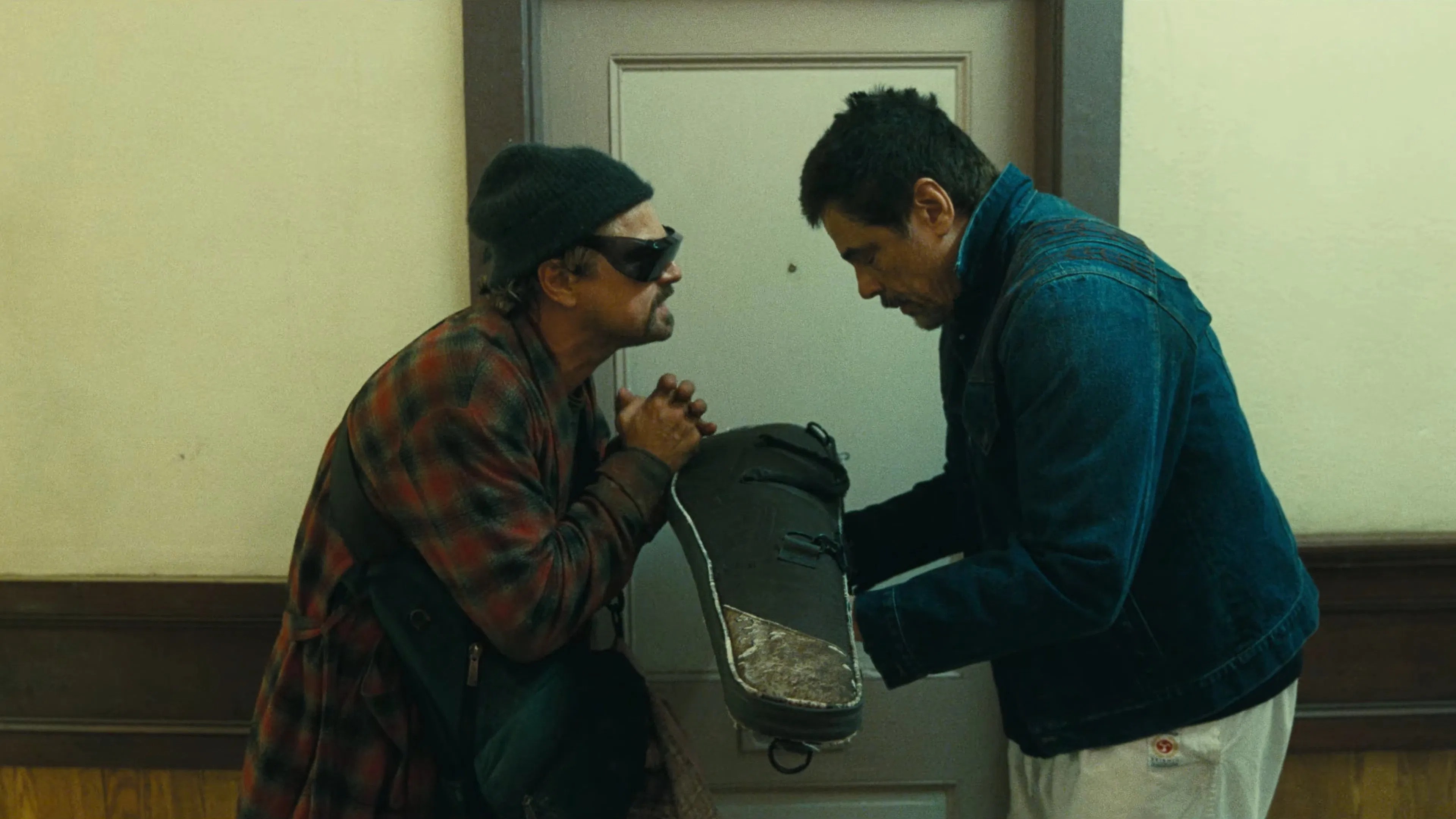
If you want to boil it down simpler though, the film is simplest as a family drama, with Chase Infiniti and Leonardo DiCaprio depicting a strong warm bond as daughter and father. The film is optimistically revolutionary, depicting the need to make the world a better place for the next generation by any means necessary, but also how we can fail in that pursuit, and it can be sadly left to the next generation to pick up the slack. Chase Infiniti is a powerhouse new actress with this film, only previously working on Apple TV+’s Presumed Innocent, and she works wonders acting against a large series of established actors. She fills her character with enough personality and charm, that the film’s separation of her and DiCaprio allows you to enjoy both sides of the narrative. It is a major success that Anderson’s script allows you to care for the central two characters, when they only share screentime for one brief sequence at the beginning of act two.
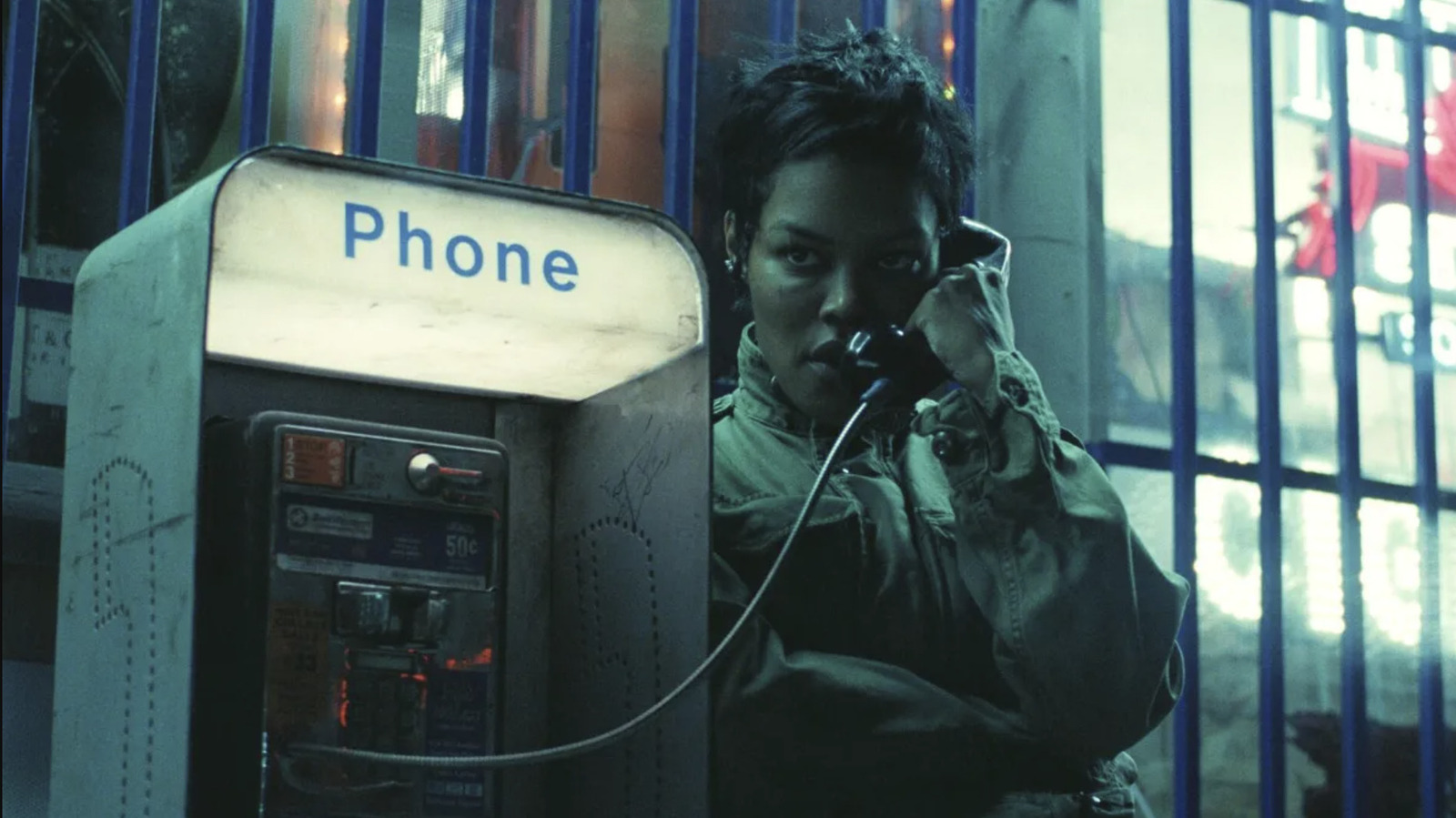
The opening act, featuring an incredible performance by Teyana Taylor, sets the importance of the family and why the daughter is so important both villain and hero, that the movie makes you feel for a dynamic that you only see fleetingly. DiCaprio continues to deliver exceptional performances across the board, and his role serves to sprinkle a variety of comedy across the film. His inexperience of being a revolutionary after various years in hiding gives the film a comedic edge, and the film’s middle portion with a charming performance by Benicio Del Toro is the film’s best stretch.
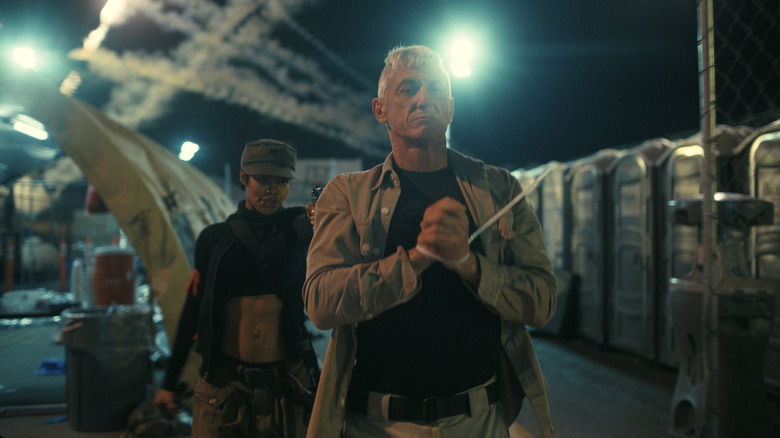
The comedy all feels natural to the story, mainly coming from a place of confusion and anger, as DiCaprio becomes more frustrated and overly cautious in his pursuit of returning his daughter home. The best performance, however, comes from Sean Penn as the film’s villain, Colonel Steven Lockjaw, a character depicted as essentially just being pure evil. The film makes him both terrifying and pitiful at the same time, mixing his horrific depiction with one which makes him border on a joke, but Penn always plays the character incredibly straight. He is haunting in his facial expressions, a relentless solider who goes through so much, just to come out the other side as a joke. It is an excellent balancing act that only works because of Sean Penn’s depiction of the material.
The technical aspects continue to be a strong aspect of Anderson’s work as well, delivering a commercial revenge narrative through an auteurism lens. Long takes and constantly moving shots continue to be a focus in the director’s visual language, delivering one of the most intense and visually creative car chase sequences in years, conveying an over-played set piece in a new way that has never been done before. Panning shots feature commonly here, with one of the films funniest movies coming from a panning long shot of a building, showing the insane size of the building as the characters look tiny in comparison.
Jonny Greenwood’s score, who returns to compose the score for this film after being absent from Licorice Pizza, is excellent, keeping the intense atmosphere of the film palpable commonly. Tension comes into play with both the horrific moments lead by the antagonist, but also tension played as comedy, the tension of the situation causing DiCaprio’s character to crack, the score adding so much to the comedic language displayed. It is a impressively technically crafted film from an established auteur, crafting one of his best films of his career, taking a simple story and elevating it with excellent direction, amazing pacing, strong performances, compelling music and subject matter that feel so relevant to the times, it’s a must watch for sure.
 Rhys Reviews
Leave a comment