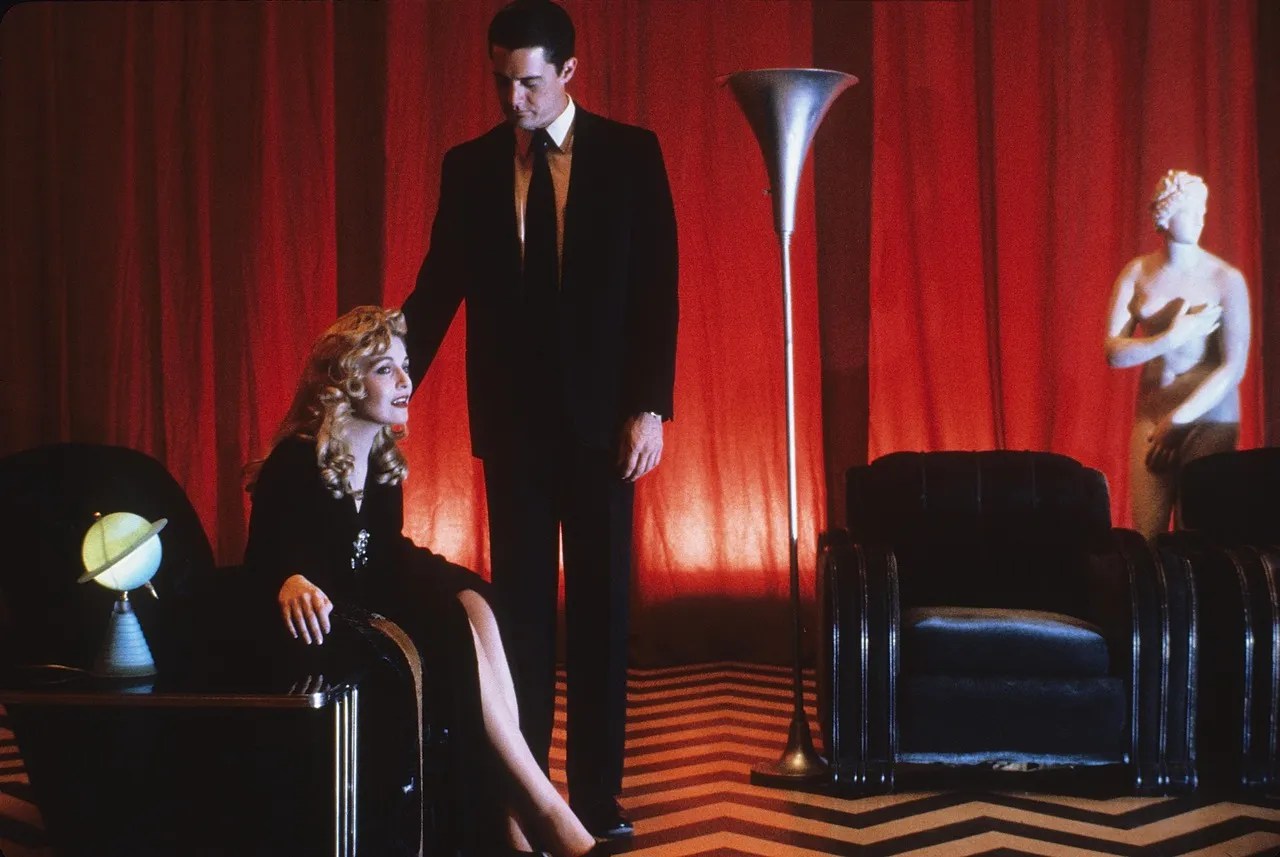
Famous director David Lynch died this year, on the 15th January 2025 at the age of 78. He was well-known for his avant-garde filmmaking, which focused on surrealist and experimental features, becoming one of the most famous and well-respected directors of the modern day. Releasing 10 films across this career, his most iconic features would include his directorial debut Eraserhead, the drama adaptation The Elephant Man, the neo-noir mysteries Blue Velvet and Mulholland Drive, and the space opera adaptation Dune. However, what could be argued as his most well-known and well-regarded project would be the ABC series, Twin Peaks. Premiering on April 8th, 1990, and running for two initial seasons until 1991, the series followed the residents of the town Twin Peaks, as the town’s golden daughter, Laura Palmer, mysteriously dies. FBI special agent Dale Cooper arrives to the town to help the investigation but is soon drawn into a darker story which mixes the melodrama of a soap opera, eccentric comedy that was common to Lynch’s work and horror and surrealist elements. Created with co-showrunner Mark Frost, the show was pitched to the network around the mystery of Laura Palmer’s death, but Lynch and Frost made the promise that the mystery would eventually become a background element of the show as the audience becomes more comfortable with the residents of Twin Peaks.
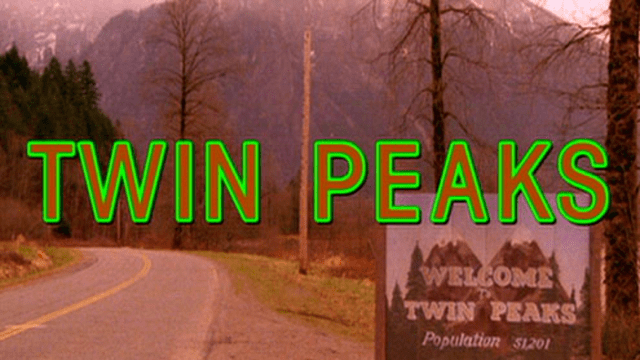
After an incredibly successful first season, which Lynch directed multiple episodes across the 8 initial episodes while multitasking with his feature film Wild at Heart, ABC demanded season 2 to put an answer to the question of who killed Laura Palmer. Being forced to reveal such a crucial plot reveal prematurely led to a lot of knock-on effects for the famous show, namely Lynch and Frost both stepping back from the show until returning for the finale, and a ratings decline. Once being one of the most watched shows in 1990, the 15th episode of the show’s second season would be placed 85th out of 89 for ABC’s ratings numbers. The return of Frost and Lynch to the writer’s room could not save the show, and after multiple timeslot changes that only hindered the show more, the show would be placed on indefinite hiatus and eventually cancelled on a cliffhanger. Though the show would eventually return for a third season in 2017, that would finally address the long-simmering cliffhanger, fans’ original hope for answers would come in Lynch’s feature film follow-up, Twin Peaks: Fire Walk With Me.
Released in 1992, the film serves as a prequel, a fact that turned off many viewers who were hoping to finally receive the answers to Twin Peaks’ cliffhanger ending, where series protagonist, Dale Cooper, was replaced with an evil doppelganger. The film was booed during its screening at the Cannes Film Festival, and was panned by the American press, eventually ending up as a box office bomb. Foregoing the show’s large cast of eccentric characters and its upbeat and humorous tone, the film goes for a darker tone and a surrealist directorial style that was more in line with Lynch’s work. A set of deleted scenes would be recut into a separate film, Twin Peaks: The Missing Pieces in 2014, which featured the various characters from the show that were cut from the film for time. Instead of the larger cast, the film focuses on the murder of Laura Palmer, stepping the audience into the toes of the character that was only known to her audience because of her death. She is plagued by the malevolent spirit known as Bob, as the film tracks her final seven days, where she soon finds out that her own father is Bob.
The move between television and film comes with the movie literally beginning with the smashing of a television by a man as he murders Teresa Banks, the original victim of Bob. This opening marks the idea that Lynch seems to be putting across the film, that nostalgia and fan service is not what the film exists for, it is pulling its audience into unfamiliar settings and setting itself apart. This would be a decision that would be followed in the show’s third season, known as The Return. This can be seen even more by the film’s opening act, where FBI agents Chester Desmond and Sam Stanley are assigned to investigate the death of Teresa Banks in Deer Meadow, Washington. With the appearance of Gordon Cole, a character played by Lynch himself in the series, and the appearance of a death girl for the FBI, the film begins with a false sense of security. The plot sounds eerily familiar to Twin Peaks’ original storyline, with the opening act even initially planned to feature Cooper instead of Chester Desmond, but actor Kyle MacLachlan requested for his role to be lessened compared to the series.

The plot may seem familiar, but the setting of Deer Meadow welcomes the film to breaking that familiarity, as the settings that would be central to comedy for the series would instead be conveyed as combative and tension-building. The residents of Deer Meadow do not welcome the FBI with open arms, shown through the diner sequence, a place that was routed into the television series as a place of comfort and joy. The police department welcome Cooper into Twin Peaks with open arms, as Sherrif Truman essentially becomes Cooper’s best friend straight away, but the police department of Deer Meadows are violent towards Desmond and Stanley. These differences open the film for an audience familiar with the brand that things are not going to be the same here, you cannot go home, and everything will feel the same.
This difference in tone translates over when the film transitions over to the familiar town of Twin Peaks. The series’ iconic theme, composed by Angelo Badalamenti, pulls the viewer into feeling comfortable, but rather than pulling into one of the various characters that make up the show, the first character we see is Laura Palmer. Actress Sheryl Lee finally gets to play Laura Palmer in all her various shades of grey, a fully realised character that only existed as a dead body and a ghost that haunted the Black Lodge in the series. The feeling of unfamiliarity is mirrored by the appearance of Donna Hayward, Laura’s best friend, who is recast and played by actress Moira Kelly here. Donna may be Laura’s best friend, but Laura refuses to allow Donna to become like her, to follow her into her sexual liberation or her sexually driven sadness, and the recasting almost adds a sense of isolation to the proceedings.
The pieces fall into place across the film, as the film retraces the steps of the investigation into her death from the film, as Laura places those clues down that Cooper, Truman and the rest of the cast would soon discover. The investigation in the series brought unexpected reveals to Laura’s character, the golden girl who brought food to the less fortunate and helped with English lessons, was revealed to be moonlighting as a prostitute, and cheating on her drug dealing boyfriend. Laura Palmer haunts the narrative of Twin Peaks, and it is until the reveal that her own father was sexually assaulting her that you get a full understanding of Laura. The events surrounding Laura’s death are choreographed to feel true and real, the comedic overtones of the show are replaced by scenes that are shocking and disturbing, from the explicit rape of Laura, to seeing her death played out through her own point of view.
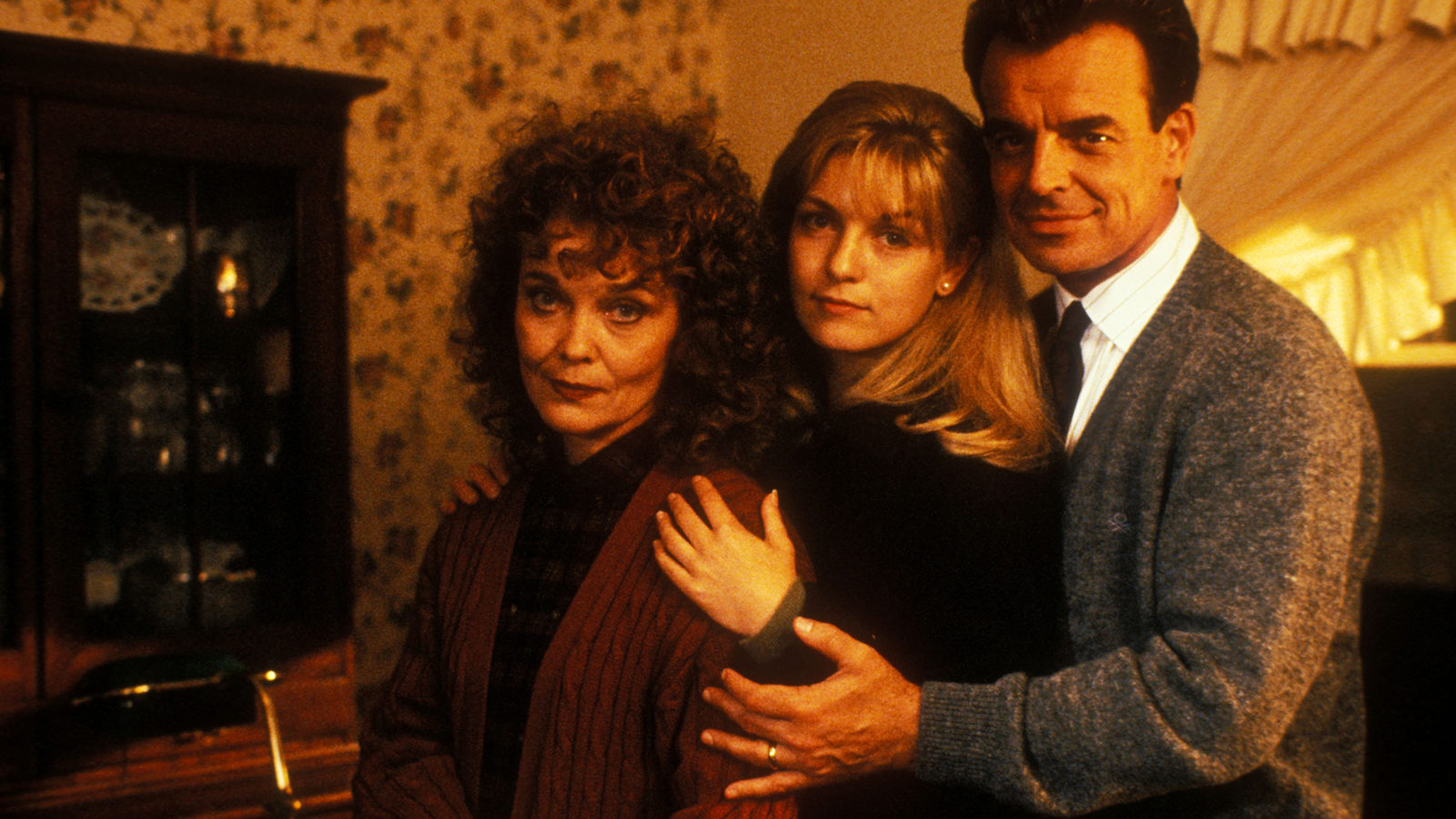
Ray Wise plays Laura’s father, Leland, and he is easily one of the most complex performances and characters across the film. Leland’s reveal as Bob came as the final straw in Lynch and Frost’s relationship with the studio, a reveal that would have been saved for many seasons in the future. The reveal and execution of that storyline however is incredibly powerful, as Ray Wise gives a fantastic performance with his last scene, crying in his final moments as he realises what he has done to Laura throughout the years. There’s a clear intention to blur the lines of what really Leland is, and how much control does Leland have in his own body when Bob is in the mix. Fire Walk With Me continues this distinction, Wise plays the character as both terrifying and sympathetic, he is ruthless, demanding his daughter to clean her hands before dinner or verbally assaulting her once he catches wind of her relationship with James Hurley. However, he also has scenes of genuine kindness and remorse, as he apologises for his dinnertime outburst and hugs Laura. It is clear from the series that Leland was sexually abused in his youth as well, potentially by Bob, and he is just passing that trauma down to his own daughter.
The home is portrayed as something frightening for Laura, as the fan spins above, and her own mother seems to be ignoring the sexual abuse her daughter is facing. Grace Zabriskie’s Sarah Palmer smokes and cries at what is happening to her daughter, and screams for Leland to stop his verbal attack, but never protects her daughter, she knows what is going on but is powerless to do anything about it. The entire proceedings are just played incredibly straight and sad, there is so little comedy after the opening act, and it just hits home harder how real this movie feels. Stripping out all the supernatural aspects, the film is boiled down to a domestic drama about the sexual abuse faced by a young daughter, a father who is inflicting that sexual abuse while questioning why he is doing so, and a mother who just wants to look the other way.

Mark Frost declined to be involved in this film, as Lynch and Frost were mixed on what to write the story around; Lynch wanting a prequel, and Frost wanting a continuation of the events of the series. Frost would continue to be involved in the franchise for years after, penning various supplemental material, such as The Secret History of Twin Peaks in 2016 and Twin Peaks: The Final Dossier in 2017, before having an equal role in the show’s revival. However, Lynch’s signature surrealist nature comes about across the runtime of Fire Walk With Me, leaving the show as much as a prequel as it is a sequel. Various characters make their appearance known across the runtime, and some creative visuals open the door for their return in the show’s third season, name in point being the namedrop of Judy, and the appearance of David Bowie’s Phillip Jeffries. There is even a brief appearance of a character from the future, as Annie Blackburn appears from the Black Lodge, a character who was added to the original in the tail end of the second season as an attempt to raise ratings by giving Cooper a love interest. She appears in an unsettling sequence, where the bloodied body of Annie appears after being trapped in the Black Lodge at the end of the series, and warns Laura that the good Cooper is trapped in the Black Lodge. This would be written in Laura’s diary and become one of the most important plot points moving forward.
These sequel moments highlight the dream-like nature that would soon come in Twin Peaks: The Return, as the film bridges the gap between soap opera-drama and Lynch’s signature filmic tendencies. The signature red drapes, eerie editing with quick cuts and over-lit blinding horror scares, a strong control over sound and the use of silence and blaring music, are all signatures to how Lynch creates that dream-like reality for his films, and it is incredibly present here. But, at heart, the movie is the story of Laura Palmer, a character who the audience never actually meets. This film allows that audience to become familiar with the character, and her struggles, and when they will return to the show’s pilot episode again, and Andy and Truman find her body, the audience will grieve alongside them.
 Rhys Reviews
Leave a comment