The horror genre has consistently been a genre that has moved with the times, from the slashers of the 70s, the torture porn and found footage sub-genres of the 2000s, and the current trend of socially conscious horror spearheaded by A24 and Blumhouse. Tracking the movement of the genre, below are a list of the most important films to the genre:
Psycho (1960)
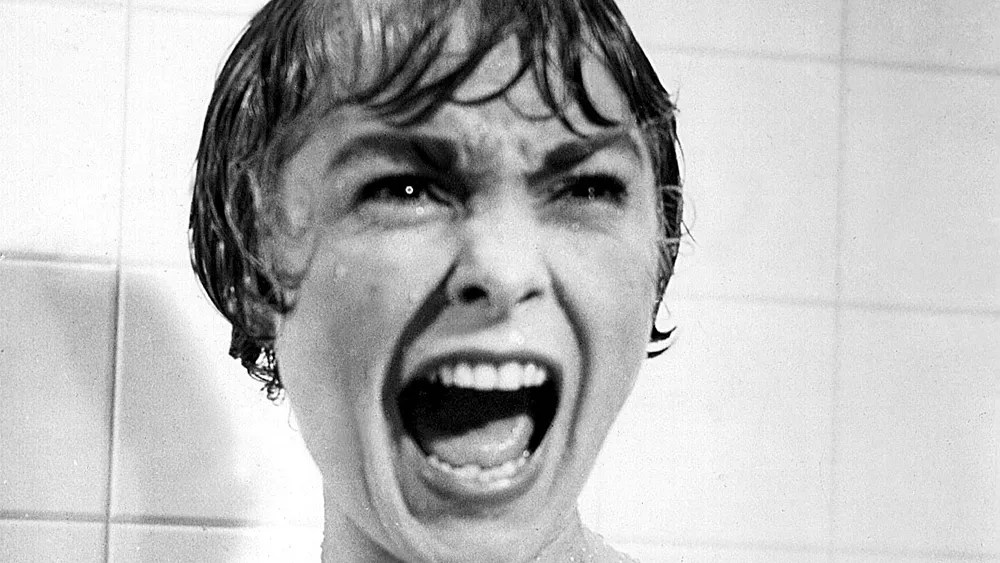
Sometimes dubbed as the first slasher film, Alfred Hitchcock’s Psycho was a trailblazer of a film at its time of release. Based on the 1959 novel of the same name by author Robert Bloch, the film centres its narrative around embezzler Marion Crane, escaping from her job with a sum of money and hiding out on the road, leading to an encounter with Norman Bates, a seemingly normal man who runs the Motel she stays at. After a worrying encounter, the film shifts focus to Crane’s friends and family as they attempt to track down the woman and find out what happened to her. Director Alfred Hitchcock is easily one of the most influential American filmmakers, and this can be easily argued as his most influential feature. In a horror landscape where the antagonists were commonly monsters, vampires and creatures from fantastical regions, Psycho finds its horror in a rare case of humanity, setting up a long running obsession with Hollywood filmmaking around serial killers. Norman Bates, played by Anthony Perkins, would become the central figure of realistic horror, a man who can put on a façade to remain in society, but behind closed doors is a murderous killer with sexual impulses. Shocking subject matter for-the-time perpetuate across the feature, as star Janet Leigh is murdered in a violent manner, watched by both the voyeuristic Norman Bates and the audience in his point-of-view. The sudden death of Leigh would have been a shock to audiences, killing off the biggest star early on the feature and shifting focus was very groundbreaking material.
This comes with some of the earliest uses of the point of view shot for the genre as well, as the film puts you into the perspective of the killer, a slasher trope that would become synonymous with the genre come the release of Halloween in 1978. Norman Bates has also seen himself become a topic of discussion through Freudian psychoanalysis, with his close relationship to his mother and his need to keep her alive even after death, by perceiving her body and dressing as her, connecting him to the Oedipus Complex. He cannot separate himself from his mother and develop sexually away from this root, and this can be seen commonly across future slashers, most noticeably Jason Voorhees. Though received with mixed reviews at the time of its release because of its graphic subject matter, Psycho was rightfully praised in the years to come. It has slowly been regarded as the importance touchstone it is in the movement of the horror genre from Universal Monsters and ghouls to the realistic killings to come in the 70s with the slasher genre.
After his passing in 1980, Psycho opened the door to join its slasher family in becoming a franchise of its own, spawning three sequels, a remake, a TV film and a TV series.
Night of the Living Dead (1968)
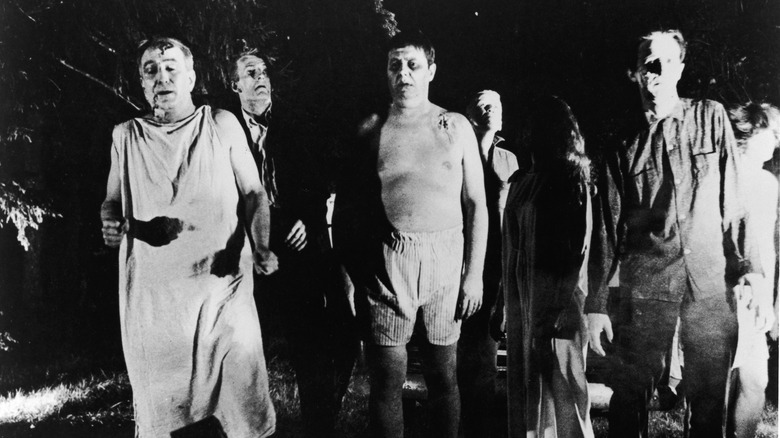
Shot through black-and-white photography to save budget, Night of the Living Dead would be the first film by director George A.Romero. Although only referred to as ‘ghouls’ across the runtime of the film, this first film by the influential director would become the blueprint for the rise of the zombie sub-genre. The film follows a group of survivors trapped in a farmer house as they attempt to survive the flesh-eating undead that are trying to break inside. Zombies had existed in popular culture before the release of this film, but commonly only linked to voodoo and black exploitation films, where the zombie was linked to magic rather than being distinctly undead. Though it is never explained in depth in the film how the zombies come to be, Night of the Living Dead is important in introducing many tropes that would become synonymous with the monster in the coming years.
The need to feast on flesh and specifically brains, the monster being undead and being able to bite and infect others and the concept of the slow-walking zombie all come from this important feature. Even the concept of man being the true villain in these apocalyptic scenarios come from this film, as the true drama comes from inside the farmhouse as the survivors turn on each other to survive. Though cast without skin tone in mind, the film would become equally important through it being one of the first horrors features to feature a black leading man in Duane Jones. The film ends with its lead being gunned down as the white mob confuses him with the zombies, connecting Romero’s zombies back to race. Many critics have compared the death of the film’s lead as like the at-the-time recent death of Martin Luther King Jr, and the current events of the civil rights movement, taking a critical look at racism in America by showcasing the white mob’s summarisation that a black man must also be a monster.
The film would launch Romero’s storied career with the horror genre, as he would return to make various other zombie features. His two initial follow-ups, 1978’s Dawn of the Dead and 1985’s Day of the Dead, served as continuing the narrative parallels to real world issues through the zombie sub-genre. The films tackled the current rise of consumerism, sexism and took on criticisms of the American armed forces. Before his death in 2017, the director also released three more, 2005’s Land of the Dead, 2007’s Diary of the Dead and 2009’s Survival of the Dead.
The Exorcist (1973)
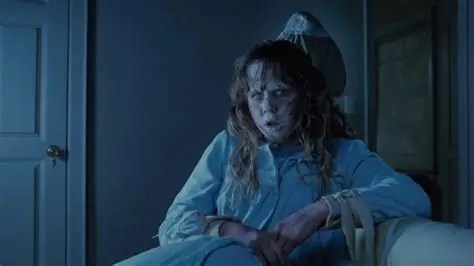
Audiences left their local cinemas in 1973 calling The Exorcist one of the most terrifying films of all time, as it became synonymous with restrictions, namely in the United Kingdom, and for being seen as highly offensive by the Catholic Church. The film, directed by William Friedkin, and written by original novel writer William Peter Blatty, follows the possession of a young girl as her mother attempts anything to get to the bottom of what is wrong with her daughter. When general practices and science fail to help her daughter, she begs a disillusioned priest, a man struggling with his own faith, to come help her and exorcise the demon from her daughter. The aspect of The Exorcist that stands out the most from its competitors at the time is how human and relatable it feels, it blends the worlds of horror and drama perfectly. The horror of the picture comes from the home, as a woman desperate to save her own daughter nearly drives herself mad trying to protect her daughter in the new home and city she lives in. The priest does not believe in his own god, as he must come to terms with forgiving god for the death of his mother to save this little girl from harm.
The movie is slow and dramatic, almost proving the horror genre as something to be watched by critics and not something schlocky and played for audiences, as the film became the first horror to be nominated for Best Picture. The film is also deeply religious in its exploration of faith versus evil, Father Karris may struggle with his faith in the end, but it is only through his sacrifice after devoting himself back to the church, does good win the day. Even after getting her memories removed of her possession, the young Regan sees comfort in the Christian cross. Popularising a new horror sub-genre in the possession film, the film launched the concept of exorcisms back into the public consciousness and led to various calls to Churches to attempt to do them for real. Exorcism films would soon become a staple in the genre, with various haunted house features and possession films following the release of The Exorcist, namely The Amitytville Horror in 1979. The genre remains relevant today, with the Conjuring franchise being one of the most popular franchises in the 21st century, spawning an entire cinematic universe based around possession and exorcisms.
William Peter Blatty would follow his original novel with a sequel, known as Legion. The film sequel would not follow this however, returning Linda Blair as Regan as she takes on the demon again. Exorcist 3 would adapt the novel’s sequel, as the storyline would shift to a demonic serial killer being hunted by police officers. Two prequels would follow, and a direct sequel to the original was released in 2023.
Halloween (1978)
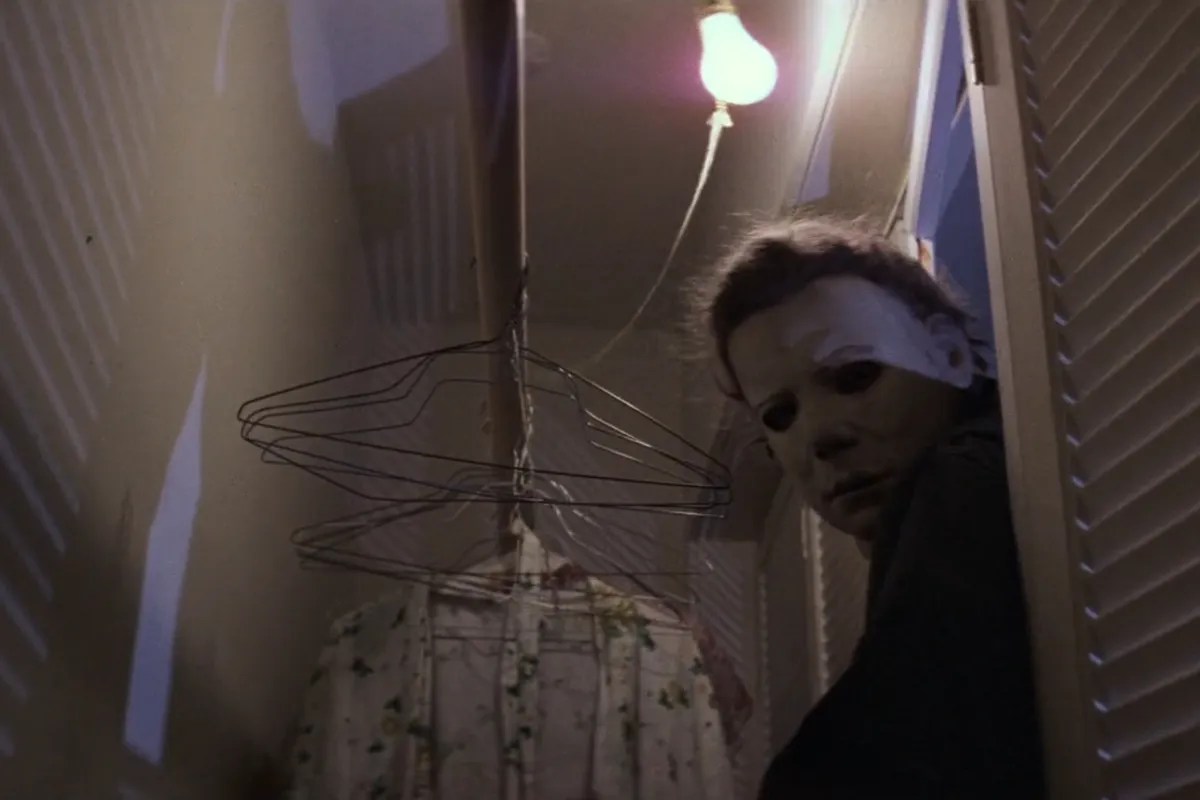
There were slasher films before the release of John Carpenter’s Halloween, namely aforementioned Psycho, but also Black Christmas and The Texas Chainsaw Massacre in 1974, but it is hard to argue against the fact that Halloween pioneered the sub-genre into the 80s. Following the killer Michael Myers, who murdered his sister as a child on Halloween night, the film follows the killer as he escapes from the mental hospital and travels back to his hometown of Haddonfield. There, Laurie Strode, played by Jamie Lee Curtis, must survive the night while being stalked by this infamous killer. A low budget film that wowed audiences and set Carpenter onto a storied career in the world of horror, the film is essentially a blueprint for the slasher features that would come into the 80s and 90s. Namely, there was a slew of slashers based around certain national holidays after the release of the film, from Friday the 13th, to Prom Night, or even My Bloody Valentine. The final girl originated from this feature, with many slashers favouring to end with their killer bested by the holy girl, a final survivor who survives not just by her wits but her abstinence. Laurie is responsible in the film, she does her schoolwork, babysits the neighbour’s child, and even agrees to takeover her friend’s babysitting job when she goes to meet her boyfriend. Sex is something that is shown to be frowned upon by the film, people become victims to the killer because they have had sex.
The opening scene is young Michael killing his sister while she is naked, preferring to have sexual activities than to look after the young boy. The slasher film refers to abstinence as something to up your chances of survival, with the killer out for any who doesn’t abide to that rule. Though used in Psycho as well, the film makes the use of various point-of-view shots as the audience looks through the eyes of Michael and welcomes the genre to one of their first marketable masked slashers. Carpenter’s score establishes a central theme for the killer, linking a connection between music and the genre, establishing a killer’s theme would be important. The success of this film would spark a resurgence in the 1980s, with masked killers hunting sexually promiscuous teenagers being all the rage for the horror genre.
The slasher genre only becomes more popular with the continuation of its famed killers in sequels and franchising. Michael would soon become the face of a franchise that has spawned 13 separate features, with its latest feature being only in 2023.
Alien (1979)
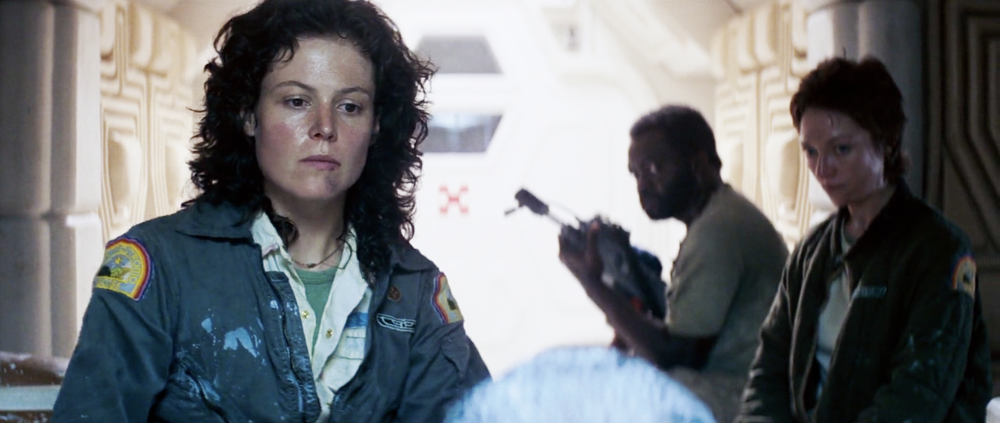
During the slasher era of the 70s, where the horror genre was focused on small-town horror and killers wearing masks, the film that stood out more was Ridley Scott’s alien horror. Blending the world of science fiction and horror, the film stood out for its blending of genres, essentially grafting the slasher film into a galactic setting. The film follows a group of the spaceship Nostromo, as they investigate a mysterious alien planet and come face to face with a dangerous extraterrestrial. Clearly inspired by the likes of Jaws by Steven Spielberg, the film made the use of suspense as the alien picks off the survivors one by one, hiding the full design of the alien until the film’s climax.
Sigourney Weaver plays Ellen Ripley, who essentially serves as the film’s final girl, as she outwits the alien and survives past the stronger men to win the day, and the film continues the signature sexual exploration around the horror genre. Sexual imagery appears across the film, with the titular killer laying eggs in its victim’s chest as a face hugger, attaching on its victims’ face. The alien will then pop out of its victim’s chest once born and once separated from its host will form into an adult. This life cycle marks a comparison to phallic imagery, as the face hugger is like rape, while the chest burster compares itself to forced birth and appears phallic in structure. The combination of the worlds between science fiction and horror marks as a blueprint in how to make these sci-fi-horrors, grafting horror narratives and tropes into the mise-en-scene of science-fiction. After the release of this feature, a wave of science-fiction features that blended with horror became a promising trend, with the release of films like The Abyss in 1989.
Alien would spawn itself a franchise, spawning seven features in total. Across these seven features, the films would bridge the world between not just science-fiction and horror, but also action as well. Crossing over with its neighbouring Predator franchise, saw the release of Alien Vs Predator in 2004 and Alien Vs Predator: Requiem in 2007, which served as a bridge between horror, science-fiction, action and adventure features.
Scream (1996)
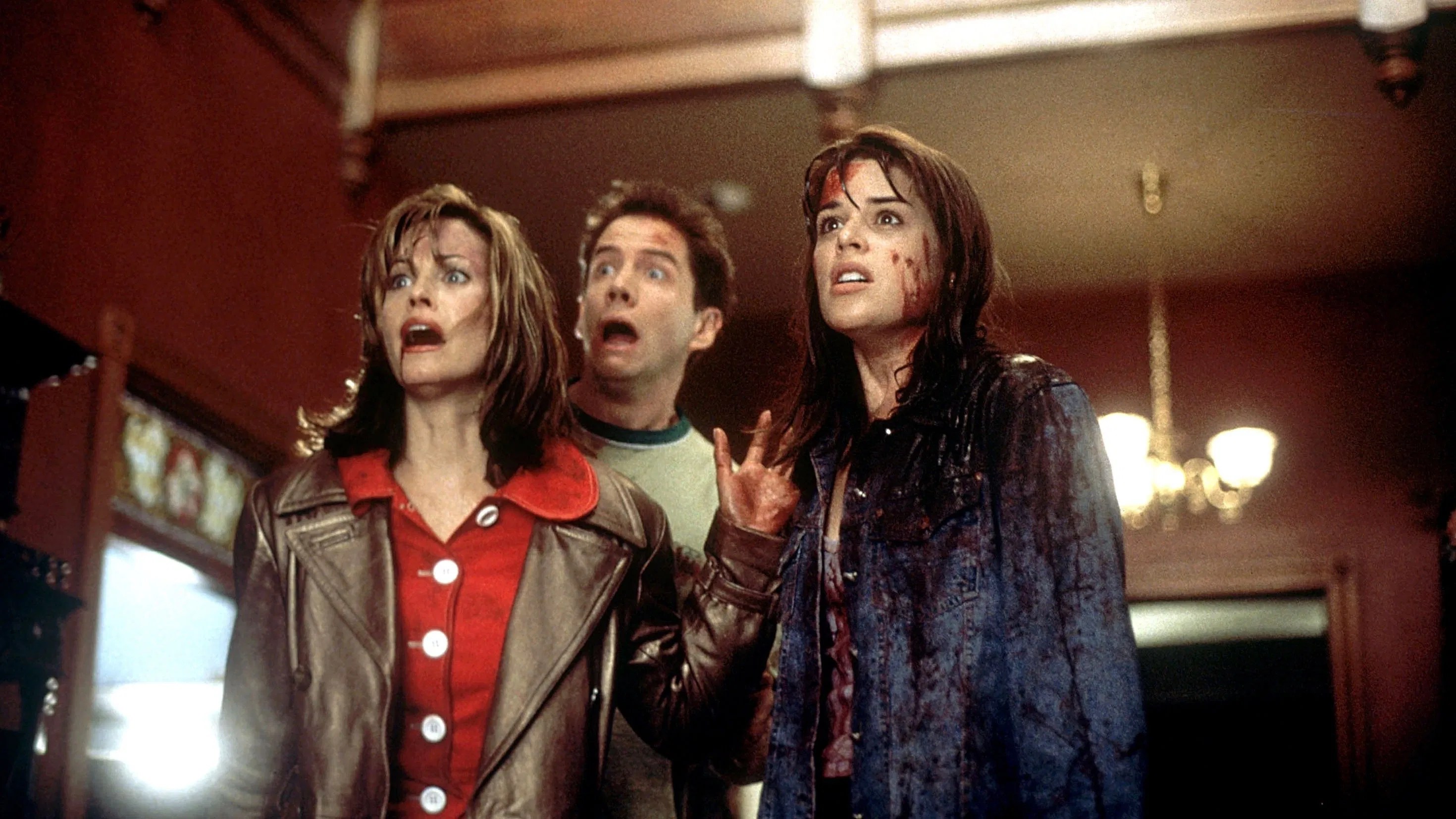
Director Wes Craven joined the slasher boom in the 80s, with the release of his own supernatural slasher, A Nightmare on Elm Street in 1984. Come the turn of the 90s, slashers were becoming stale, stuck with releasing the same franchises again and using the same tropes that Halloween pioneered. Craven attempted something different with his return to Elm Street, with the release of 1994’s Wes Craven’s New Nightmare. The director crafted a meta-narrative, where the film existed in the real world where the movies exist, as returning actors instead play themselves rather than their franchise characters, and Craven appears himself in the film. This would essentially be a proof-of-concept for the release of 1996’s Scream, a film that can be pointed out for being responsible for the revitalisation of both the horror genre and slashers themselves. The film follows Sydney Prescott, played by Neve Campbell, and her high-school friend group after they must survive a costumed serial killer known as Ghostface, who attempts to murder the friend group on the anniversary or the death of Sydney’s mother.
The opening of the film showcases what the 90s was all about for horror features, as Drew Barrymore is quizzed on her horror knowledge while over the phone with Ghostface, only murdered because she misremembers Jason as the killer in the original Friday the 13th. What made Scream stand apart from its slasher peers is that the characters are like the audience, they know the tropes of a genre that had nearly been around for 20 years at that point, and they know horror trivia. The characters make references to various slashers, there is an entire scene where Randy comments on how to survive a horror film, stating that they cannot drink, have sex or take drugs. Various cameos appear across the film, from Linda Blair from The Exorcist to a janitor who wears an outfit like Freddy Krueger. When the killers are finally revealed, Syndey shouts at them for seeing too many movies, which the two killers reject, featuring a postmodern commentary on violence in the relation to film. Postmodernism refers to works that are aware of other art, self-referentially reflecting other works of art. This self-referential humour is very much part of modern cinema at the time as well, with films like the Marvel movies commonly making jokes about other films, with Spider-Man: Homecoming featuring references to Ferris Bueller’s Day Off for example. In response to the release of Scream, the slasher film became a staple of the horror genre once again, with a prominent number of features featuring teenage high-school victims, self-referential humour and masked killers once again. From I Know What You Did Last Summer to Urban Legend, the slasher film was back and had a new film to base themselves off.
Each subsequent film would continue its meta-commentary on the genre, Scream 2 referring to sequels, Scream 3 to trilogy-closers, Scream 4 to the torture porn and remake era of the 2000s, and Scream 5 and 6 to franchises and legacy sequels.
The Blair Witch Project (1999)
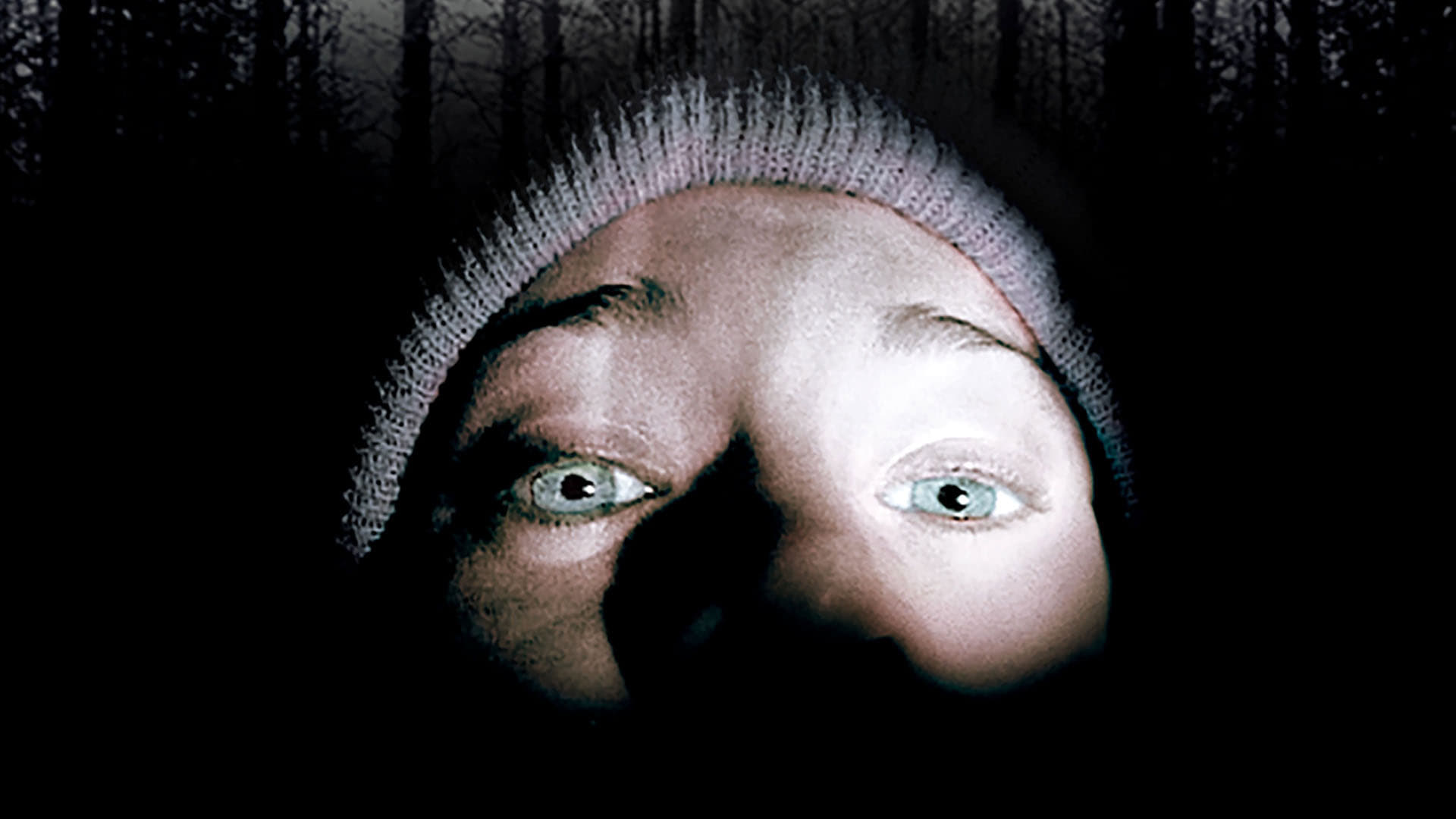
Moving into the early 2000s, the horror genre was looking for a new cash-cow, a new sub-genre that would take the cinema going audience by storm, and that came in the release of The Blair Witch Project in 1999. Following a group of three college students that travel to Burkittsville, Maryland, the group are hoping to shoot a documentary about the local legend of the Blair Witch. Once they got lost in the woods, the legend becomes real as they must hope to survive. The film stood apart from its modern horror siblings because of its use of found footage, a term referring to a film which presents its filmmaking as camera-recorded footage that has been found and played for the world, commonly recorded through point-of-view shots of a character’s own camera. There had been found footage before released by Hollywood, most noticeably 1980’s Cannibal Holocaust and 1998’s The Last Broadcast, but the success of Blair Witch was unfathomed. Made for a minute budget, the marketing of the film allowed it to become a massive success, still one of the most profitable films to this day.
The film was one of the first features to make use of the blossoming marketing potential of the internet, launched an associated website which marketed the film as a true event, with each character in the film using the real actor’s names. The potential of crafting a film which could be made for a very small budget and see a return majorly from that, sometimes doubling and tripling that budget, was a rich promise that Hollywood took upon instantly. The late 2000s and early 2010s seen a sudden insurgence of low-budget found footage films, especially after the success of Paranormal Activity in 2007, an indie film that had the backing of Steven Spielberg. Movies like Cloverfield, V/H/S and The Last Exorcism became the newest moneymaker for the horror genre, rising to spawn franchises of their own, like Paranormal Activity.
The Blair Witch Project would become a franchise of its own with the release of Book of Shadows: Blair Witch 2 in 2000. This film would dodge the found footage aesthetic and instead aligned itself with the metatextual commentary of Scream, featuring the original film as a film-in universe of the film’s narrative. 2016’s Blair Witch would return the franchise back to it’s found footage roots.
Saw (2004)

Found footage features were not the only new wave that came during 2000’s Hollywood filmmaking, as the release of the low budget feature, Saw in 2004, opened the door to the ‘torture-porn’ sub-genre. A sub-genre that emphasised the gross-out parts of horror, the sub-genre would indulge in all the blood and gore you would expect from horror but make that its entire focus. Rooted in the so-called ‘splatter films’, films which rooted their narratives around violence, gore, nudity, sadism and mutilation, it was very common for films that were labelled ‘video nasties’ in the United Kingdom. What stands these films apart from the modern ‘torture-porn’ is the difference in release, the original era of splatter films were independent features and commonly released on home video, while the modern variation had bigger budgets and widespread releases from major movie studios.
Saw is relatively tame compared to the franchise it would become, and for the films it would spawn. A low budget feature, the film was made after the screening of a short film that depicted on scene from the longer feature and was written by the duo of Leigh Whannel and James Wan, who would direct the feature. The film follows a non-linear timeline, as two men wake up in a rotten bathroom with no memories of how they got there and how they relate to each other. As they attempt to survive, the police hunt down the notorious Jigsaw killer, after a trial of bodies are found. The Jigsaw Killer serves as the original prototype killer for these films, a killer who places people in traps where they must take part in giving themselves immense pain to survive, in hopes of the victim becoming a better person. The violent nature of these films reflected the mood of the American people at the time, fresh of the heels of 9/11. Films became more violent and serious in tone, torture porn reflecting the fear of the time, reflecting the fear of the unknown and the distrust between one and another. Films which depicted people inflicting pain on each other to the most severe level was the big new thing, and the mistrust of society is palpable. Films that followed Saw emphasised this further, as films like Hostel explored the fear of foreign countries and people to American society, and the racism that comes from that.
Hostel was the first film that was labelled as a ‘torture-porn’ film, but this name was eventually referred to Saw. Saw has since become the poster child of the 2000’s torture-porn era of horror and has also lived past the death of this genre. With the 10th film released in 2023, the Saw franchise has staying power unlike any other.
Get Out (2017)
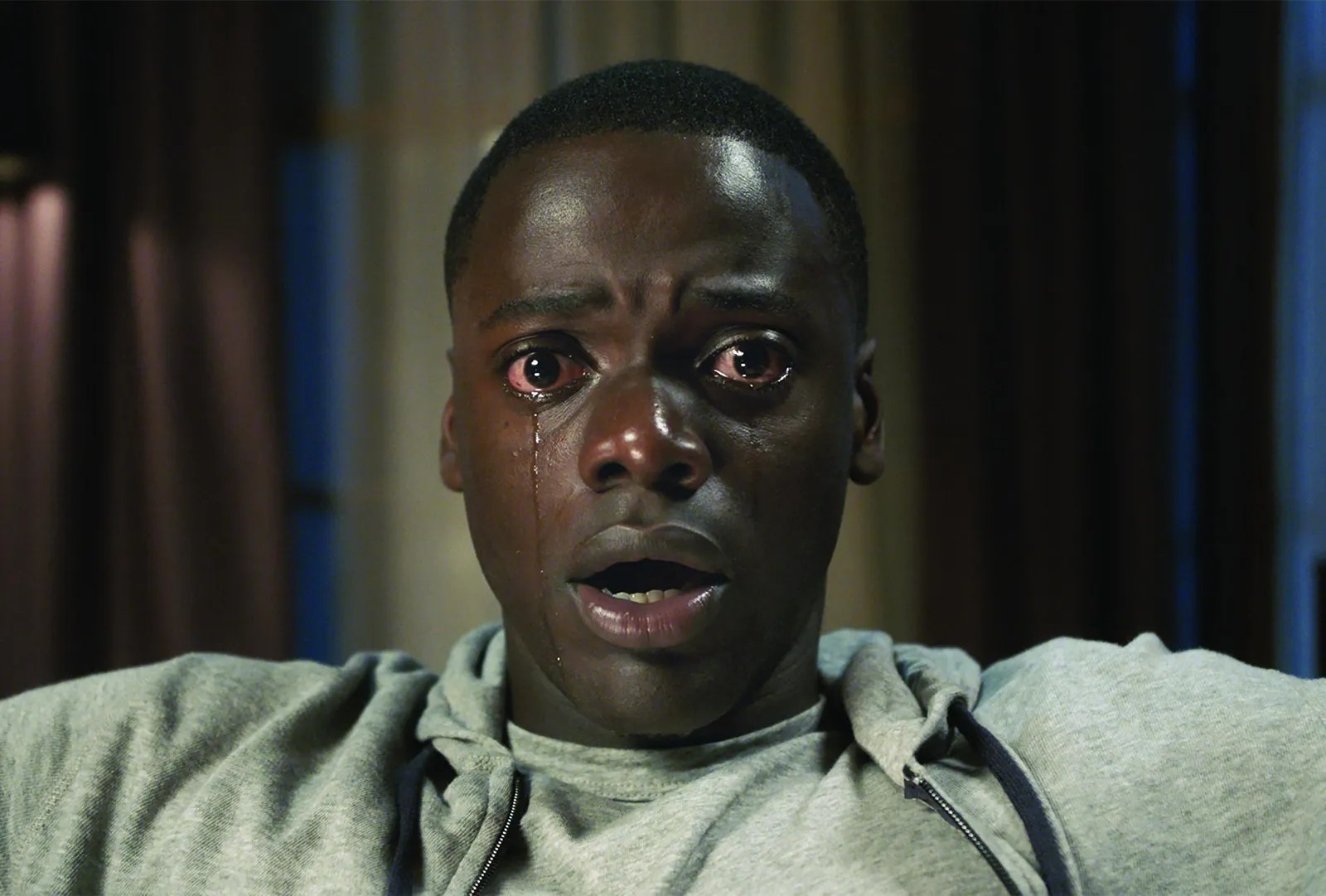
Coming into the 2010s, the horror genre had morphed again away from the torture porn and found footage of the 2000s and had opened the door to a new brand of horror. When released in 2022, franchise restarter Scream gave a name to the new trend of horror features as ‘elevated horror’, and it could be argued that the success of Jordan Peele’s directorial debut Get Out in 2017 has led to the new trend of ‘socially conscious horror’. Get Out follows a young black man, played by Daniel Kaluuya, who drives to meet his new girlfriend’s parents, only to find worrying signs about the family. The film features various social and political commentary on America throughout its runtime, exploring life for African Americans and how white Americans can make their life hard even if they are not meaning to. It features a full spectrum on commentary, not just exploring the harm of racism, but the pain that can be caused when people turn a blind eye to racism, claiming to be an ally when they are not committing to change. Even the girlfriend, who would commonly be the one good person in the family or a white saviour, is revealed to be the worst member of the family, dating black men as trophies rather than seeing them as a romantic interest.
Off the back of this film, Peele would make two follow-up films, Us in 2019, and Nope, in 2023, two films that continue thematic messages in their narratives. Get Out would not be the first successful socially conscious horror to be released in the decade but would be the one that would become the most successful, being one of the only horror films to be nominated for Best Picture at the 2018 Academy Awards. This success would inspire a movement of new features that would commonly be released from independent studios Blumhouse and A24. The former would become a famous film distributor moving into the 2020s, spawning various features that would highlight the horror medium of the modern day. Whether its commentary on the greed of the upper class in films like Opus in 2025, criticism of enforcing one’s beliefs on others in films like Heretic in 2024, or exploring grief in Midsommar in 2019, horror has now focused upon making social comments through its horror.
 Rhys Reviews
Leave a comment