9/10
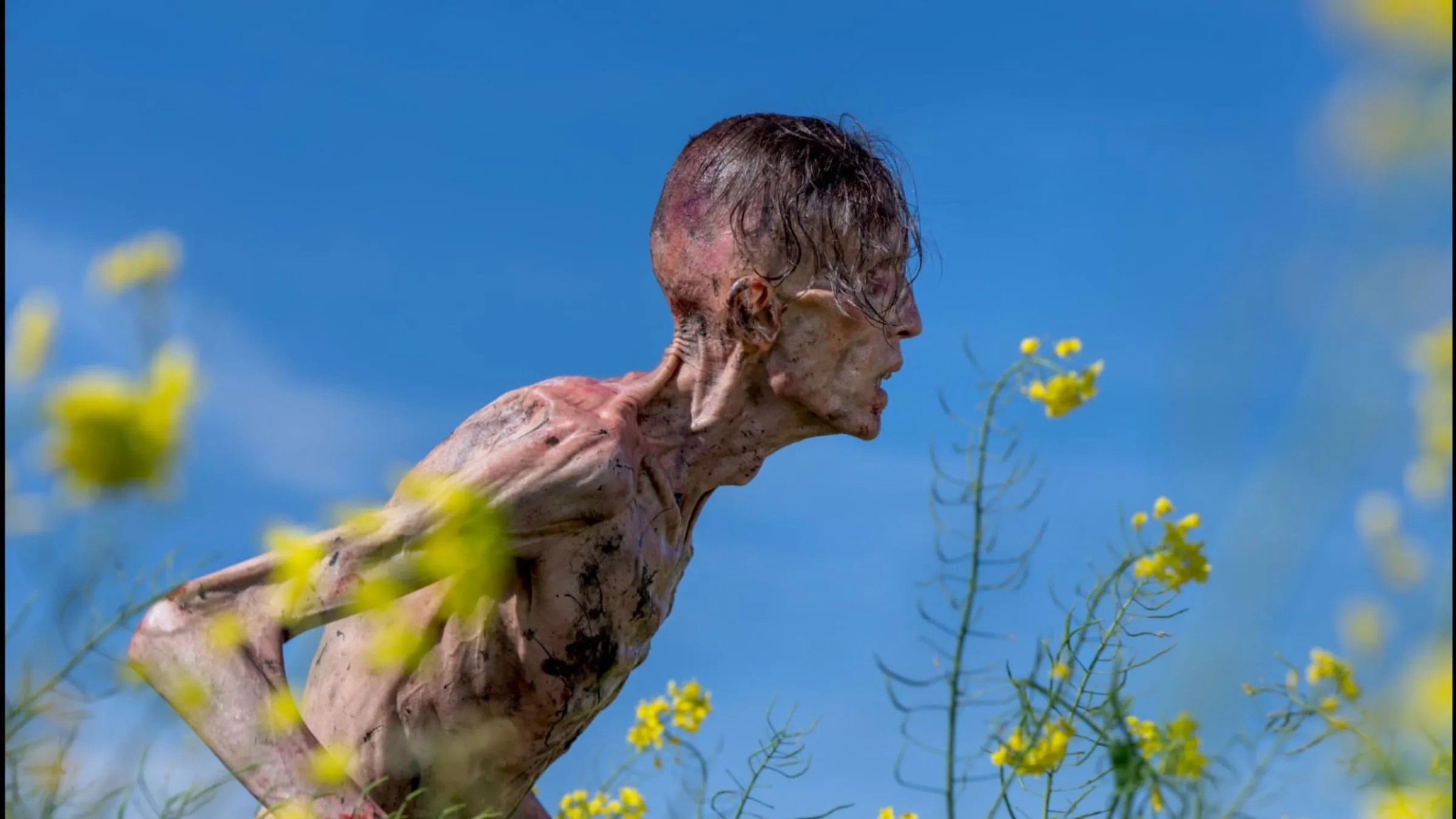
The zombie sub-genre is at the height of its popularity in the modern day, with the frequent releases of Walking Dead continuations, but come the 2000s, the sub-genre was essentially dead in the water. Originally made popular by the release of Romero’s Night of the Living Dead, and its following two sequels, zombies were a backbone of the horror genre in the 80s and 90s. The undead did not come back into popularity until the release of 28 Days Later in 2002. Danny Boyle’s entry into the horror genre stood out specifically because of the spins it took on the long-dead sub-genre, focusing on character-rather than specifically horror, introducing the concept of fast-running zombies and the specific focus on handheld direction that made it stand apart.
Followed 5 years later in 2007, 28 Weeks Later was released, a film which has become more synonymous with the general direction of the zombie sub-genre, focusing on action, kills and general horror of the zombies rather than what Days Later spearheaded forward. The film featured no direct involvement from original director Danny Boyle, or screenwriter Alex Garland, with Boyle and Garland leaving to work on their own projects, and 23 years later, they are back.
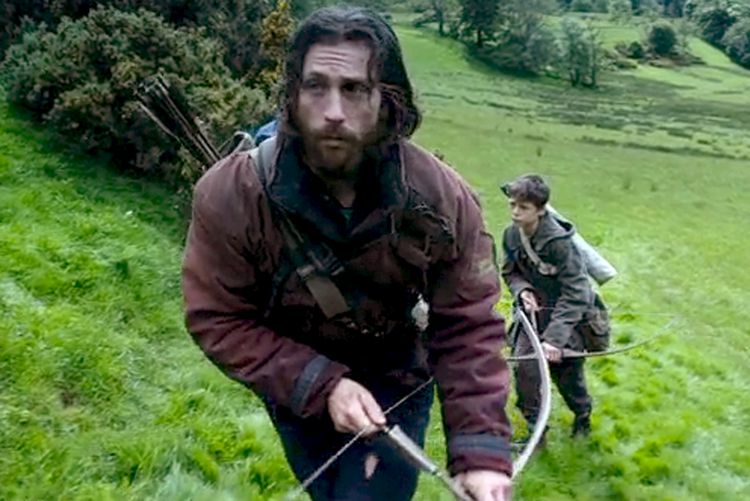
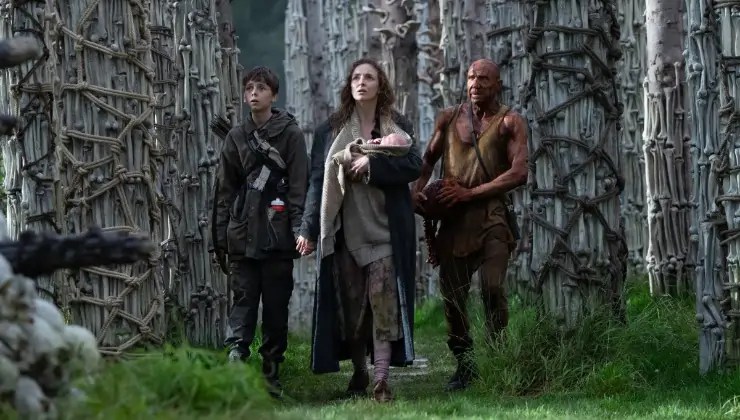
28 Years Later is the return to both the zombie sub-genre and the 28 Days Later franchise for both writer and director. The film seemingly ignores the events of 28 Weeks Later, with the 2007 sequel ending with the tease that the rage virus had reached Paris, taking the action outside of the United Kingdom. This film however confirms that the virus has been contained to the United Kingdom, ignoring the closing moments of the previous non-Boyle directed film. This film follows a group of isolated survivors who live on a small island disconnected from the mainland and from the threat of the mutated rage virus victims. When one member of the island must leave onto the mainland on a dire mission, the survivor must contend with the undead, but also with the wonders and reality of the world that once was.
This long-awaited threequel feels like a return to form for the zombie sub-genre once again, as it revives the character-focused direction the original film had focused upon, and brings alive the film through its directional choices. At times, it feels like an outlier in the modern swerve of horror content, feeling more stylistically connected to the original and the works of Danny Boyle since the release of that film, foregoing a generic tonal distinction and instead working as a chaotic, yet always working tonal collection.
At heart, the film can be boiled down to a family drama, about the relationship between a son and his parents, and about the world that the son has never seen, compared to the world that his parents have seen become destroyed. You have also all the horror and action tones you would want from narratives revolving around zombies, featuring some bloody kills, impactful jumpscares and freak-out imagery. All amongst that however, there is also genuine moments of heart and humour, moments that seem to stick out like a sore thumb in such a serious film, but become even more memorable and important because of this.
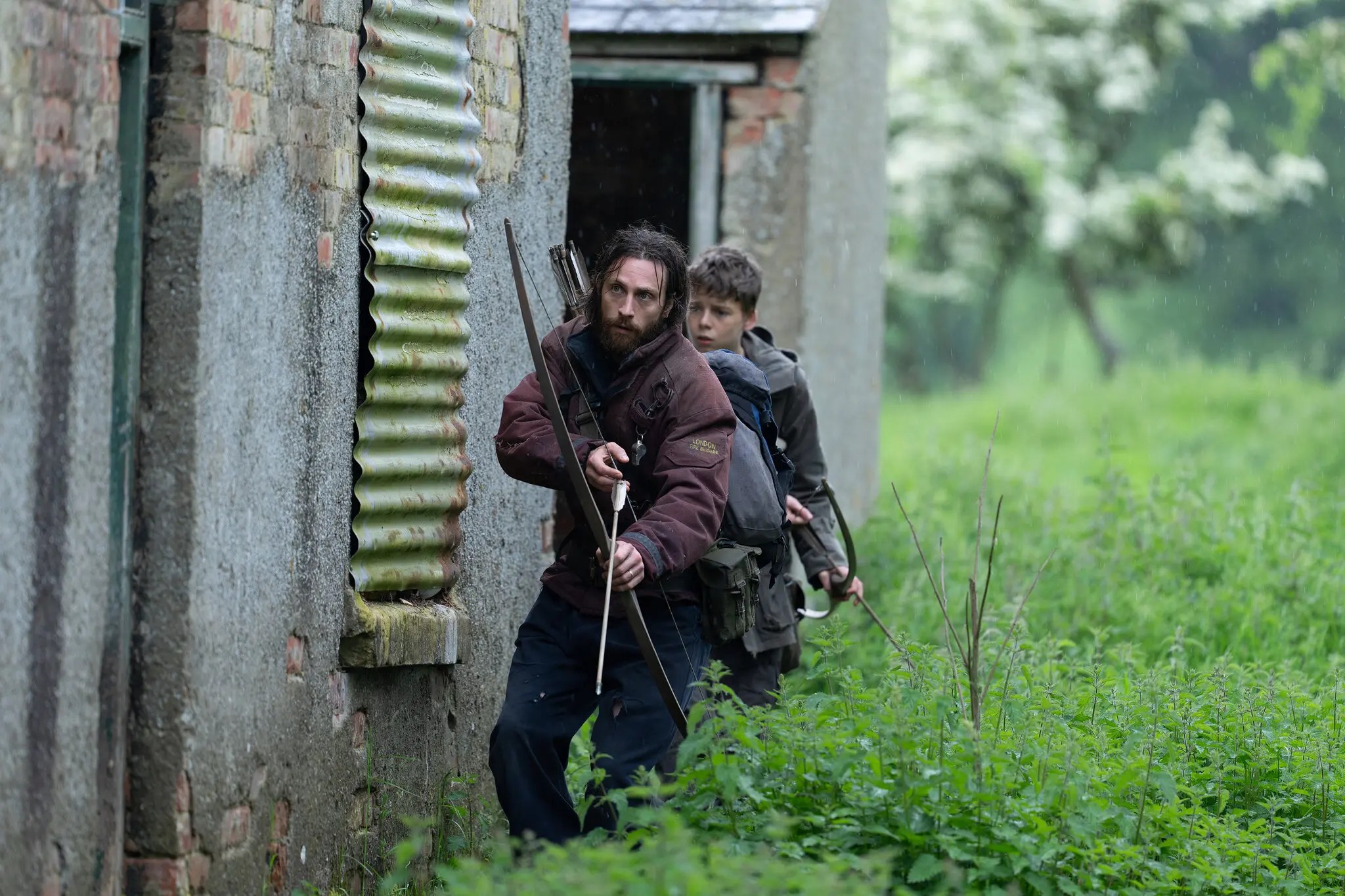
An important factor of this film is its focus on humanity. Memories of the original Boyle film seems to be clouded in the modern day of zombie films, with memories of the film being overly serious when that is never the truth. The film is warm and humorous throughout, even ending with a over-the-top action sequence where the main character pretends to be a zombie to defeat a army of soldiers. A key sequence where the characters dance and laugh when robbing a supermarket, essentially roleplaying the life they can no longer live highlights the film’s focus on hope and positivity in the face of death and danger.
28 Years Later continues this theming, with characters reminiscing about the world that once was, teaching the young about items, places and people that they never knew. Killing the undead has become a sport and a way of life, balancing the danger of the situation with humanity, it is only human to find humour and positivity in the darkest moments.
The film deals with multiple running themes throughout its runtime, namely the importance of memory in times of crisis. However, it also questions, is it beneficial to try and recreate exactly how society used to be, or is it more beneficial to attempt to create something new and removed from those mistakes? Selective memory also comes into play in what is sure to be a controversial ending, dealing with our memories of the past and how we perceive what may have been bad as something that is good.
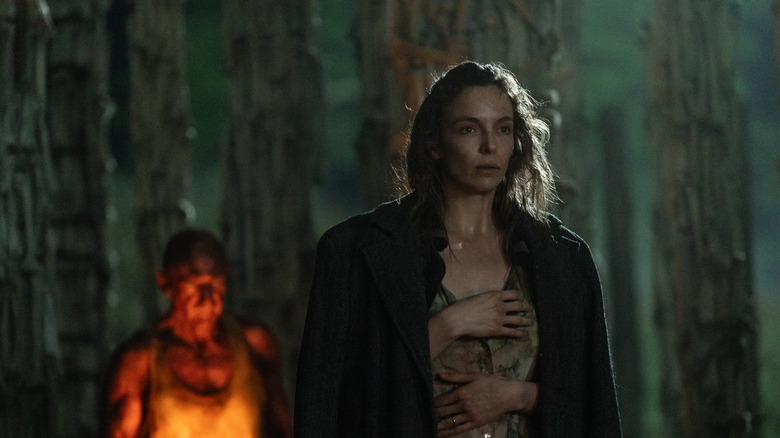
An emotional third act also hinges on the engaging family drama aspect of the film, as the film seeks to question what is the meaning of death in a world where nothing really stays dead? There is an importance to honouring death, a beauty in the finality of it that becomes the focus when looking at the performances from the core cast featured in the film. Jodie Comer, Ralph Fiennes, Aaron Taylor Johnson and newcomer Alfie Williams all deliver powerhouse performances that only continue to emphasise the importance of these themes here.
Danny Boyle’s directorial style comes ahead various times across this feature, the straightforward nature of zombie films is not present at all. The first act composes itself using a variety of archive footage to set both the tone of this world and give a sense of structure to the worldbuilding. There is a common use of both handheld footage and IPhone shots across this film as well, which is common to Boyle’s work, used to emphasise the effect of the kills. This really gives the film a sense of style, an authorship that is not common to something as stock as the zombie sub-genre.
28 Years Later is bound to not be a film for everyone, it is an outlier in a world where the most popular zombie project is currently The Walking Dead. Its chaotic, in both direction and in its classification of tones and genres, but the chaotic nature of it makes for a memorable experience that seems to compliment the film rather than hinder it. It’s follow-up releases, known as 28 Years Later: The Bone Temple, releases January 2026, and is surely going to be a must watch after this release.
 Rhys Reviews
Leave a comment